
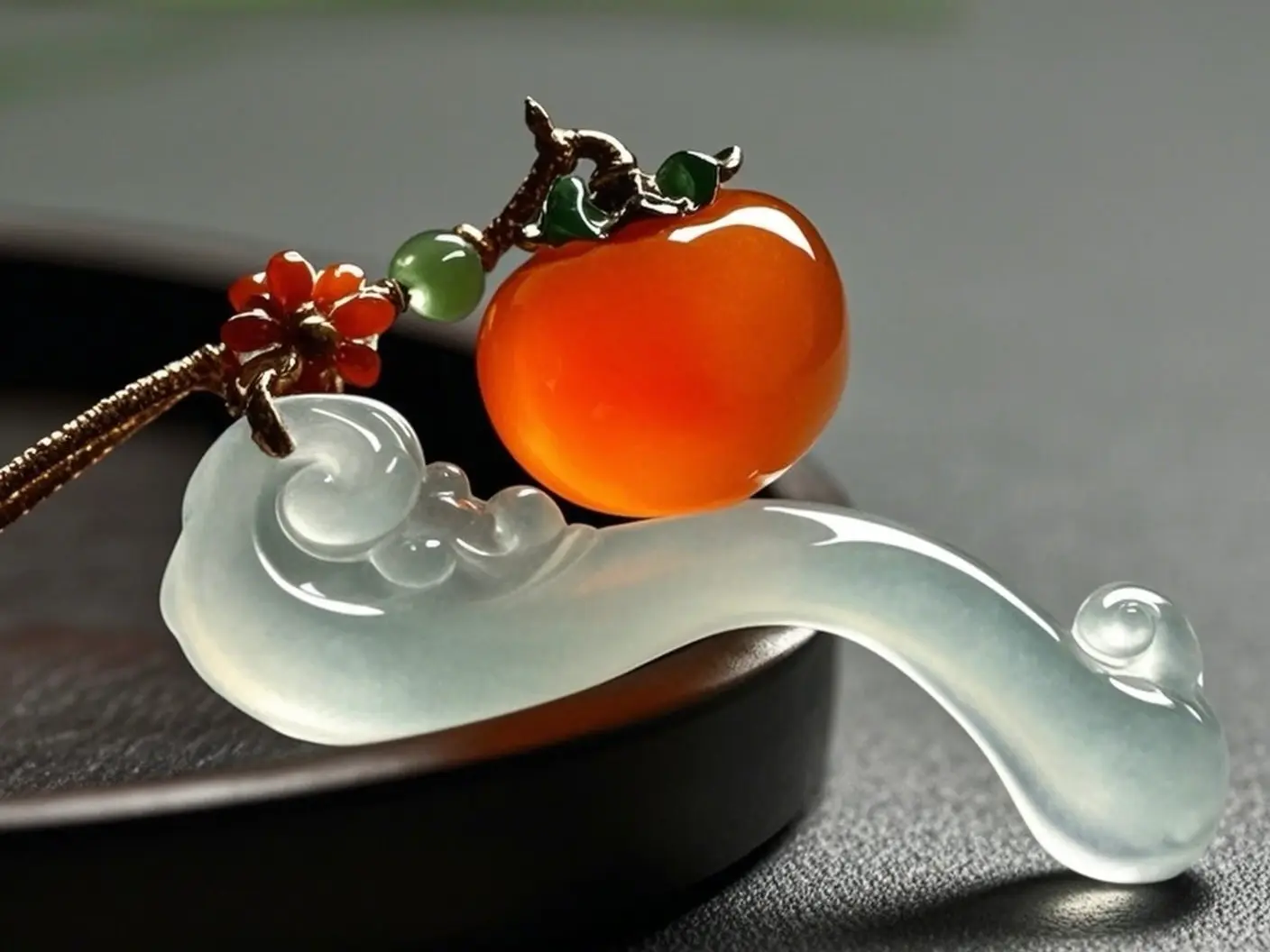
Chinese jade at a glance
| Lens | What to know |
|---|---|
| Material | Jade can mean nephrite or jadeite; Chinese imperial and ancient jade are strongly associated with nephrite |
| Cultural role | Jade was used for ritual, burial, moral symbolism, court display, scholar objects, jewelry, and gifts |
| Beijing payoff | The best traveler stops are the Forbidden City Treasure Gallery, National Museum of China, and Capital Museum |
| Traveler stance | Learn through museums first; treat market purchases as separate buying decisions that need documentation and testing |
What is Chinese jade?
In Chinese tradition, yu did not mean only one modern gemstone category. It referred to valued carved stone used in ritual, burial, moral thought, court display, personal ornament, and later jewelry. In modern gemological language, jade mainly refers to nephrite and jadeite. This distinction matters because many ancient and imperial Chinese jade objects are nephrite, especially Hetian/Khotan material, while vivid green jadeite entered Chinese use through Myanmar/Burma sources and became especially influential later, especially in jewelry and market taste.
- Nephrite and jadeite are both real jade, but they are different materials.
- Ancient and Qing imperial jade are strongly associated with nephrite.
- Color alone does not prove material, age, treatment, origin, or value.
- Museum labels are a better starting point than sales language.
Where should travelers start?
If you are new to Chinese jade, start with two basics: the cultural meaning of jade and the difference between nephrite and jadeite. These two pages explain why jade mattered beyond decoration and why Chinese museum objects do not always look like bright green jewelry.
For Beijing travelers, the best next step is museum context. The Forbidden City Treasure Gallery is the strongest stop for Qing imperial jade, including the Da Yu Taming the Floods jade mountain, seals, vessels, scholar objects, and white nephrite court taste. The National Museum of China is better for ancient jade, Neolithic ritual forms, bi discs, cong tubes, burial jade, and long chronology. The Capital Museum adds a quieter Beijing-focused layer.
After that, use the symbolism, carvings, animals, auspicious symbols, and imperial objects pages to read motifs and object types. Use the buying, prices, real-vs-fake, bracelet, pendant, and souvenir pages only when you need buying-risk context.
Meaning & symbolism
History
Types & materials
The two main materials both called jade
Xinjiang nephrite and its imperial prestige
Why pale nephrite mattered in elite Chinese taste
Color meaning, jadeite fashion, and traveler misconceptions
Hetian, Xiuyan, Lantian, Fei Cui, and naming caution
Classic ritual forms and why they matter in museums
Carvings & objects
Buying & authenticity
Nephrite, jadeite, treatments, simulants, and testing limits
Museum-first shopping caution for Panjiayuan, shops, and counters
Why material, treatment, carving, and documentation change risk
Bangle symbolism, sizing, treatment risk, and documentation
Wearable motifs, cultural wishes, and material caution
Beijing & museums
Forbidden City, National Museum, Capital Museum, and route choices
Compare the Palace Museum, National Museum of China, and Capital Museum
Treasure Gallery highlights, Qing nephrite, and Da Yu Taming the Floods
Cultural mementos, motif meaning, and buying-risk boundaries
A practical Palace Museum route with a planned Treasure Gallery stop
Common jade mistakes for travelers
Starting with shopping instead of museums
Markets and shops use simplified sales language. Museums give better context for material, period, function, symbolism, and object type before any buying decision.
Assuming all jade should be bright green
Many important Chinese jade objects are pale, white, grey-green, yellowish, or russet-skinned nephrite. Vivid green jadeite is real jade, but it belongs to a different material and market story.
Reading symbols as guarantees
Dragons, ruyi forms, bats, fish, gourds, bracelets, and pendants can express cultural wishes. They do not guarantee luck, health, protection, authenticity, age, or market value.
Treating museum learning as authentication skill
Museum visits can make jade easier to understand, but they do not make travelers appraisers. DragonTrail does not appraise jade, certify authenticity, inspect purchases, or guarantee market value.
Chinese jade FAQ
- Chinese jade, or yu, is a cultural category as much as a material category. It includes jade objects used for ritual, burial, moral symbolism, imperial collecting, scholar culture, jewelry, gifts, and modern souvenirs. In modern gemology, jade mainly means nephrite or jadeite.
- Many ancient and imperial Chinese jade objects are nephrite, especially Hetian/Khotan material. Jadeite is also real jade, but it entered Chinese use through Myanmar/Burma sources and became especially influential later, especially in jewelry and market taste.
- Jade mattered because it connected beauty, hardness, polish, ritual, moral symbolism, burial belief, status, imperial collecting, and craftsmanship. It was never just a green gemstone.
- Start with the Forbidden City Treasure Gallery for Qing imperial jade, the National Museum of China for ancient jade and long chronology, and the Capital Museum for a quieter Beijing-focused layer.
- Start with the meaning of jade and nephrite vs jadeite guides. Then read Forbidden City jade, jade museums in Beijing, and the jade-focused Forbidden City route if you are planning a museum visit.
- No. DragonTrail does not appraise jade, certify authenticity, inspect purchases, recommend investment pieces, or guarantee market value. This guide is for cultural and traveler education only.
- Only if you separate cultural interest from buying risk. For most travelers, museums are the safest way to understand jade. If you want to buy, read the buying jade in Beijing, real vs fake jade, prices, and jade souvenirs guides first.
- No. Jade symbols can express cultural wishes such as blessing, harmony, longevity, safety, or refinement. They do not guarantee luck, health, protection, authenticity, age, or value.
Explore jade as culture, not commodity
Use this guide as the starting point for jade as Chinese culture: meaning, materials, ancient ritual forms, Qing imperial objects, Beijing museums, and buying-risk boundaries.
DragonTrail does not sell jade or offer authentication. For buying questions, read our traveler-education pages and treat any purchase as your own risk.