
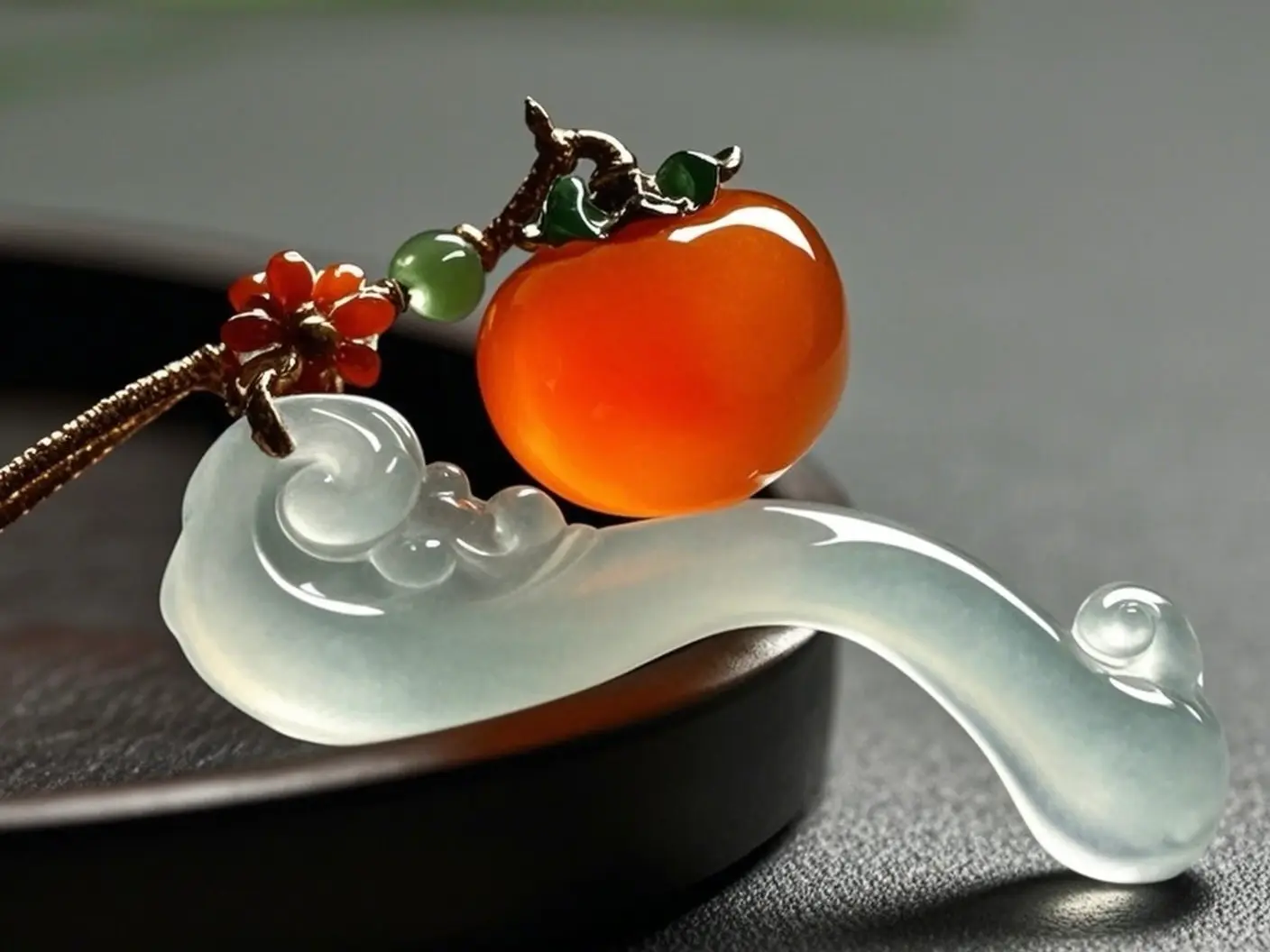
Why Jade Is Important in China
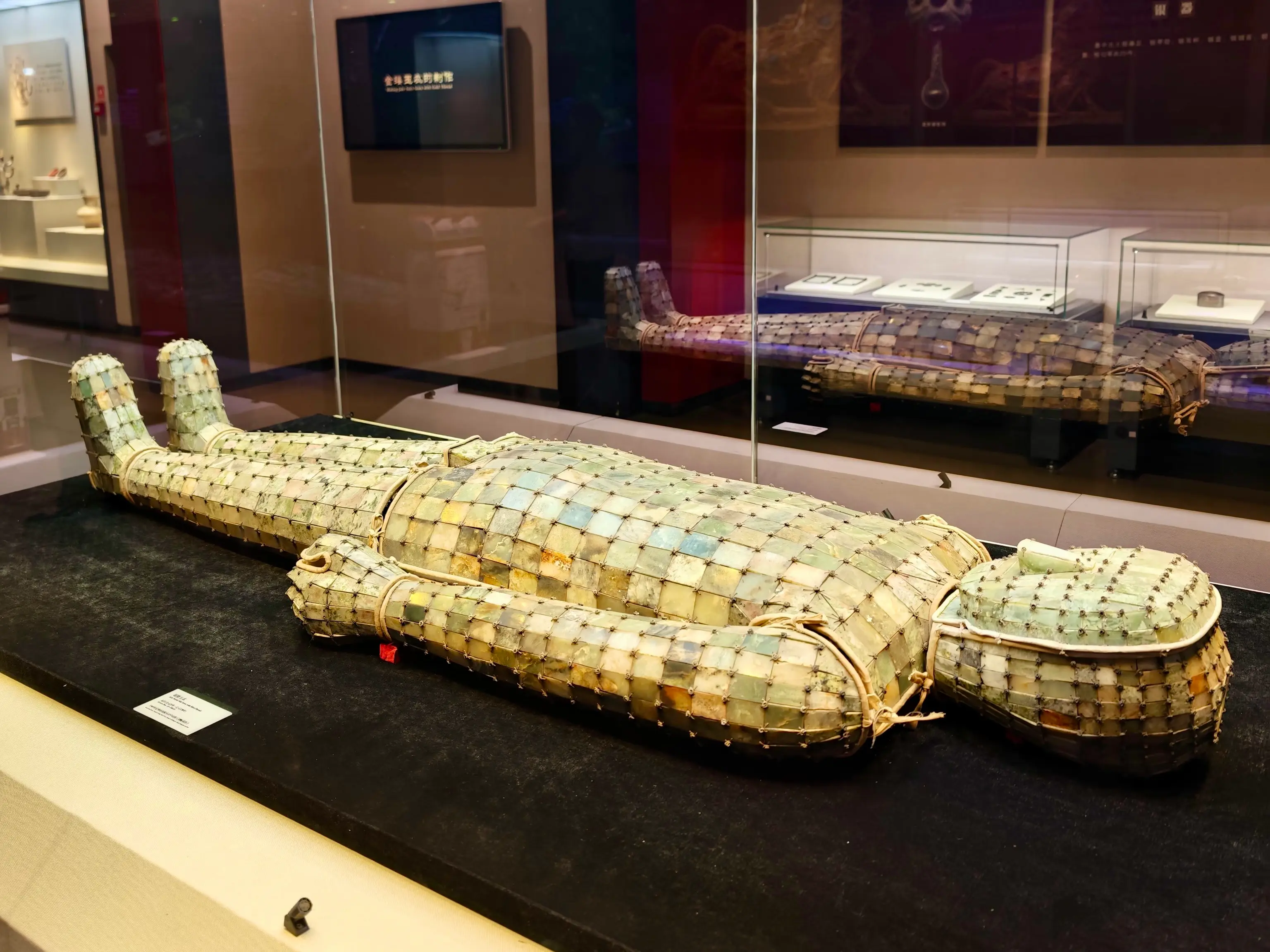 Click to enlarge
Han dynasty jade burial suit, intricately crafted from jade tiles and metal wires.
Jade, or yu (玉), became important in China because it connected material beauty with ritual order, moral character, elite status, and imperial authority. Long before jade was worn as jewelry or sold as a souvenir, it appeared in burial objects, ceremonial forms, court collections, and scholar culture. For travelers, jade is best understood first in museums, where labels explain period, function, material, and symbolism.
Why Jade Is Important in China at a glance
| Topic | Traveler takeaway |
|---|---|
| Ritual continuity | Ancient jade shapes such as bi discs and cong tubes show how jade connected elite life with ritual order |
| Burial belief | Han jade burial suits and tomb objects show jade's link with body, status, and afterlife ideas |
| Imperial craft | Qing court jade shows how rare stone, skilled carving, and rulership became connected |
| Modern museums | Beijing museum collections help travelers understand jade before seeing it in markets or shops |
Ritual continuity
One reason jade mattered so deeply is continuity. From Neolithic ritual objects to later court collections, jade remained a material associated with order, status, and refinement. The shapes were not always decorative. A bi disc or cong tube can look simple in a display case, but its importance comes from ritual use, burial context, and later interpretation.
- For early ritual shapes, read the bi discs and cong guide.
- For the broader historical sequence, continue to the Chinese jade timeline.
Burial belief
Jade was also important because it entered elite burial culture. In ancient tombs, jade objects could mark rank, protect the body symbolically, or express ideas about continuity after death. Han dynasty jade burial suits are the most dramatic example: they show how jade was tied to status, body, and afterlife belief rather than ordinary decoration.
- For early tomb contexts, read the Shang, Zhou, and Han jade guide.
- For object shapes, compare burial jades with bi discs and cong tubes.
Imperial craft
By the imperial period, jade became a material of court taste and political display. Qing emperors especially valued large nephrite boulders from Khotan and Hetian, turning them into seals, vessels, scholar objects, and monumental carvings. These pieces were not just beautiful objects. They showed access to rare material, elite workshops, and symbolic stories of rulership.
- For court collections, read the imperial jade objects guide.
- For Beijing examples, continue to the Forbidden City jade guide.
Modern museums
For modern travelers, jade becomes easier to understand after seeing museum examples. The Palace Museum is strongest for Qing imperial carvings, the National Museum of China is useful for ancient ritual and burial context, and the Capital Museum adds a Beijing-focused layer. Seeing museum jade first also makes later symbolism, material, and market language easier to judge.
- Start with the where to see jade in Beijing guide.
- If visiting the Forbidden City, add the jade-focused Forbidden City guide.
Common mistakes: Why Jade Is Important in China
Treating jade as an investment
Historical jade and commercial jade are different worlds. A museum object may be important because of age, excavation context, court use, or craftsmanship. That does not mean a shop item is old, valuable, or safe to buy.
Skipping museum context
A jade object can look plain until you understand its shape, period, and use. Seeing a bi disc, cong tube, burial object, or Qing carving in a museum makes the symbolic meaning pages much easier to read.
Expecting magical properties
Chinese jade has rich symbolic meaning, but symbolism is not a guarantee of health, luck, protection, authenticity, or market value. Treat those claims carefully, especially in shopping settings.
Why Jade Is Important in China FAQ
- Jade was important because it connected beauty, ritual, virtue, burial belief, elite status, and imperial authority. It was used in ancient ritual objects, tombs, court collections, and later decorative traditions.
- In many cultural and ritual contexts, jade carried a meaning that gold did not. Gold showed wealth, while jade could suggest virtue, rank, ritual order, and refined taste.
- Start with the Forbidden City Treasure Gallery for Qing imperial jade, the National Museum of China for ancient ritual and burial context, and the Capital Museum for Beijing-focused displays.
- DragonTrail does not appraise jade, certify authenticity, or guarantee market value. This guide is for cultural and traveler education only.
- Yes. Museums help you understand materials, periods, shapes, and symbolism before you hear simplified sales language in markets or souvenir shops.
Explore jade as culture, not commodity
Jade's importance in China is easiest to understand through museum objects: ancient ritual forms, Han burial pieces, Qing imperial carvings, and later symbolic motifs.
DragonTrail does not sell jade or offer authentication. For buying questions, read our traveler-education pages and treat any purchase as your own risk.