
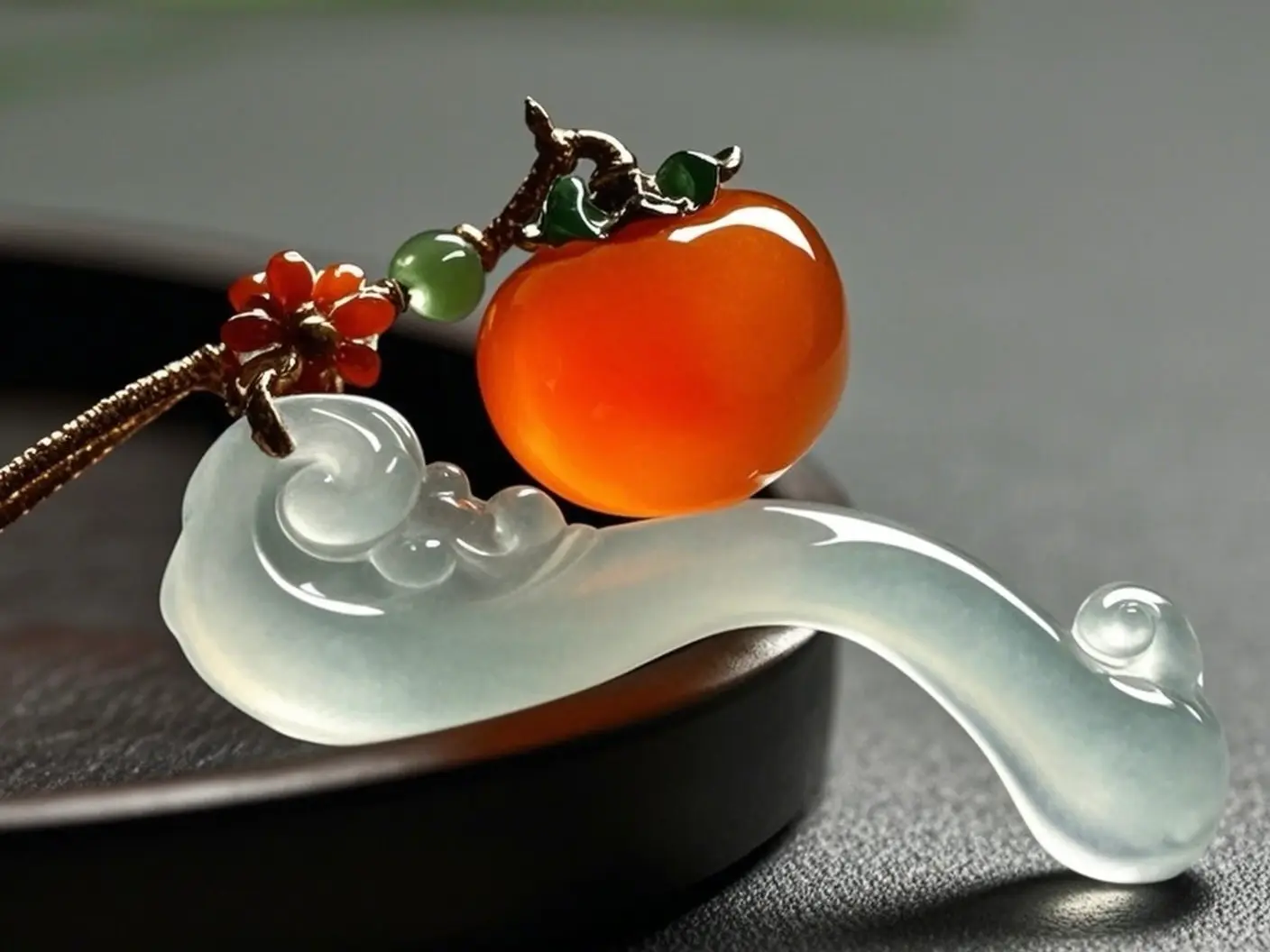
Green Jade in Chinese Culture
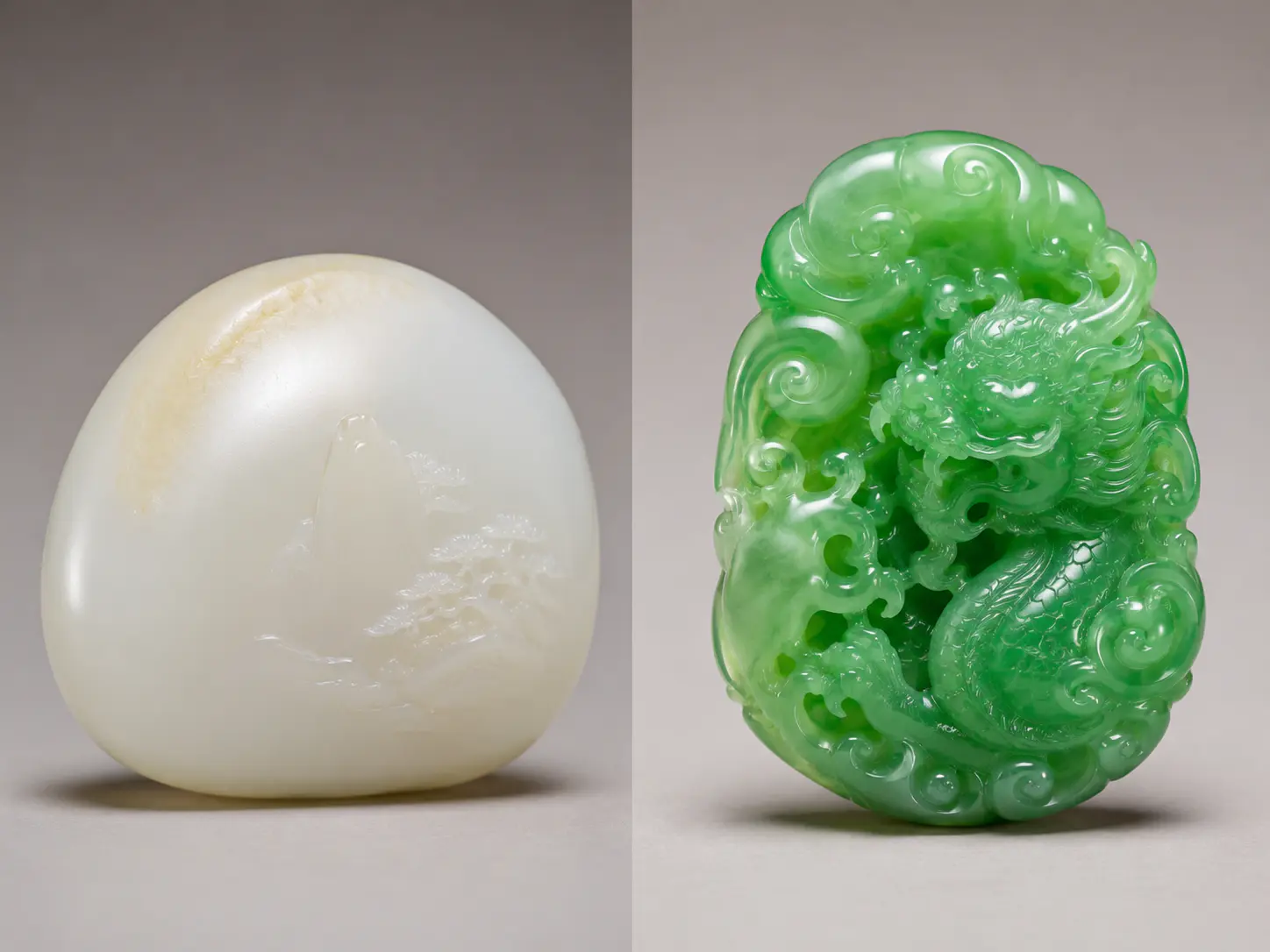 Click to enlarge
Nephrite and jadeite are both real jade, but color alone cannot prove material, treatment, origin, age, or value.
Green jade can be beautiful and culturally meaningful, but it is also one of the easiest jade topics to misunderstand. In Chinese jade history, green does not automatically mean old, imperial, rare, or better. Many important ancient and Qing imperial objects are white, pale green, grey-green, or russet-skinned nephrite. Vivid green jadeite, usually associated with Myanmar/Burma sources, became especially influential in later Qing imperial objects, jewelry, and modern market taste. For travelers, the safest approach is to read museum labels for material, period, function, and context before listening to market claims about color.
- Reading time: 5-8 min
- Guide type: Cultural background
- Best for: Culture-curious Beijing visitors; Museum-goers before a jade gallery visit
- Less ideal for: Buyers seeking investment or appraisal advice
Green Jade in Chinese Culture at a glance
| Topic | Traveler takeaway |
|---|---|
| Jadeite fashion | Vivid green jadeite became especially influential in later Qing, jewelry, and modern market taste |
| Nephrite greens | Older Chinese jade also includes pale, muted, grey-green, and russet-skinned nephrite |
| Tourist traps | Greener jade is not automatically older, better, natural, untreated, or more valuable |
| Museum cases | Museum labels separate material, date, function, and context from simplified sales language |
Jadeite fashion
Vivid green jadeite changed how many people imagine jade. Jadeite entered Chinese use through Myanmar/Burma sources and became especially important in later court, jewelry, and modern collecting culture. Its strong green color can be striking, but it belongs to a different story from much older Chinese nephrite traditions. For travelers, this means a bright green piece may reflect later fashion rather than ancient ritual or Qing white-jade taste.
- Jadeite is real jade, but it is different from nephrite.
- Vivid green jadeite became especially important in later jewelry and market taste.
- For the material distinction, read the nephrite vs jadeite guide.
Nephrite greens
Green jade is not always jadeite. Nephrite can also appear pale green, grey-green, yellow-green, brownish, or with russet skin. Many important Chinese museum objects use nephrite rather than jadeite, especially ancient ritual pieces and Qing imperial carvings. These colors may look quieter than vivid jadeite, but they can carry deeper historical context in Chinese collections.
- Do not assume green jade means jadeite.
- Pale or muted nephrite can be historically important.
- For older Chinese jade taste, compare the white jade and Hetian jade guides.
Tourist traps
Green is powerful sales language. In tourist shops, a green color may be used to suggest luck, protection, rarity, "imperial jade," or investment value. Treat those claims carefully. Color alone does not prove material, origin, treatment, age, authenticity, or value. Some stones sold as jade may be dyed, treated, or not jade at all, and even genuine jade can be overpriced or poorly documented.
- Do not buy jade only because it is green.
- Treat "imperial," "Grade A," "old jade," and "investment" claims as unproven unless independently documented.
- DragonTrail does not appraise jade, certify authenticity, or guarantee market value. This guide is for cultural and traveler education only.
Museum cases
Museum cases help separate color from context. A label may identify whether the object is nephrite or jadeite, whether it is ancient, Qing, or modern, and whether it was used as a ritual object, burial piece, court vessel, ornament, or jewelry. In Beijing, compare the National Museum of China''s ancient jade context with the Forbidden City Treasure Gallery''s Qing imperial objects. This makes it easier to see why green is only one part of the jade story.
- Use museums to learn material and period before judging color.
- Compare ancient nephrite objects with later jadeite ornaments when displays allow.
- For Beijing viewing, start with the where to see jade in Beijing guide.
Common mistakes: Green Jade in Chinese Culture
Assuming greener means better
Green can be desirable, especially in fine jadeite, but color alone is not enough. Material, texture, translucency, carving, treatment, provenance, and documentation all matter.
Forgetting older nephrite traditions
Many ancient and imperial Chinese jades are nephrite in white, pale green, grey-green, yellowish, brown, or russet tones. Bright green jadeite is only one part of the larger jade story.
Treating market language as museum language
A museum label explains material, period, function, and context. A shop label may simplify jade into color, luck, protection, or price. Do not read them the same way.
Green Jade in Chinese Culture FAQ
- Green jade can suggest beauty, vitality, refinement, and desirable color, especially in jadeite jewelry. But Chinese jade culture is not only about green jade; white and pale nephrite are also historically important.
- No. Green jade can be nephrite or jadeite, and other stones may also be sold as jade. Museum labels and expert testing are more reliable than color alone.
- No. Fine green jadeite can be highly valued, but color alone does not prove quality, age, origin, treatment, authenticity, or market value.
- Jadeite entered Chinese use through Myanmar/Burma sources and became especially influential in later court, jewelry, and modern market taste. It changed the visual expectation of jade toward brighter green.
- Not necessarily. Ancient and imperial Chinese jade often used nephrite in white, pale green, grey-green, yellowish, brown, or russet tones. Bright green jadeite belongs more strongly to later fashion and modern jewelry culture.
- Start with Beijing museum collections. The National Museum of China gives ancient jade context, while the Forbidden City Treasure Gallery is stronger for Qing imperial jade and later court objects.
- DragonTrail does not appraise jade, certify authenticity, or guarantee market value. This guide is for cultural and traveler education only.
Explore jade as culture, not commodity
Green jade is easiest to understand after comparing materials in museum context: muted green nephrite, white Hetian jade, Qing imperial carvings, and later vivid jadeite ornaments.
DragonTrail does not sell jade or offer authentication. For buying questions, read our traveler-education pages and treat any purchase as your own risk.