
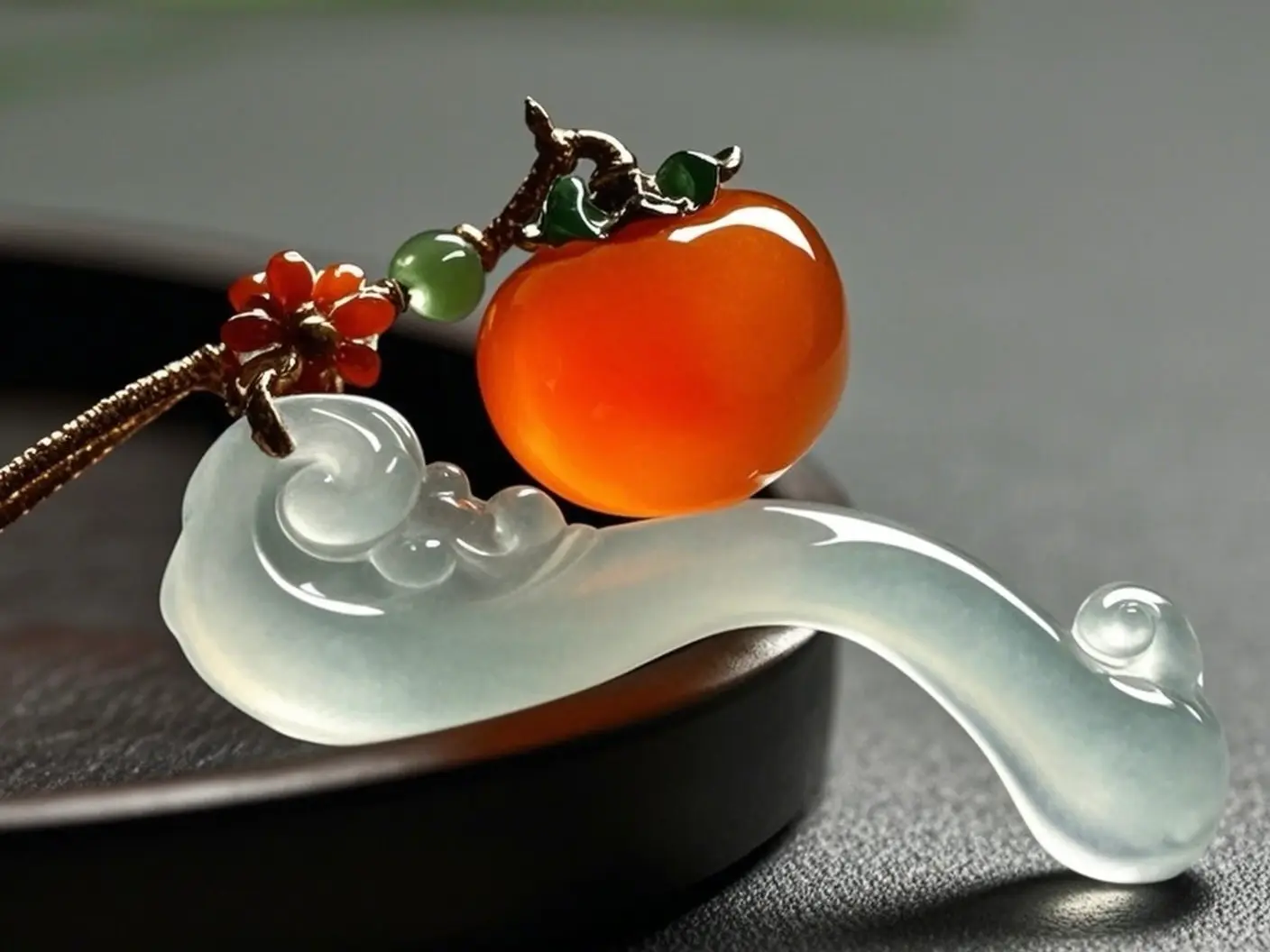
Reading jade symbolism
Jade carvings use a visual vocabulary of dragons, phoenixes, bats, peaches, ruyi forms, and ritual shapes such as bi discs and cong tubes. In a museum, these motifs usually point to rank, blessing, longevity, ritual order, or court taste. They should not be read as magical product effects. For travelers, the best approach is to look at the object's period, material, shape, and setting before interpreting the symbol.
Common jade motifs
| Motif | Traditional association | Traveler tip |
|---|---|---|
| Dragon | Imperial authority, power, and court identity | Look at the period and object type before assuming it was imperial |
| Bi disc | Later associated with heaven; early ritual and burial meaning remains debated | Best understood through ancient jade displays and the dedicated bi & cong guide |
| Cong tube | Later associated with earth; original Liangzhu meaning remains debated | Often discussed alongside bi discs; do not treat later cosmology as Neolithic fact |
| Bat | Happiness, because "bat" and "good fortune" sound related in Chinese | Common on Qing decorative objects and later souvenirs |
| Peach | Longevity and blessing | Often appears with other auspicious symbols |
| Ruyi | "As you wish" blessing and courtly good fortune | Useful for reading Qing decorative jade |
Dragons on jade
Dragons are among the most recognizable jade motifs, but the meaning depends on context. On Qing court objects, dragons can signal imperial authority, power, and official taste. On later decorative pieces or souvenirs, a dragon may simply be a popular cultural motif. Do not assume every jade dragon is imperial; check the object's date, material, scale, and museum label.
Bi and heaven
A bi disc is a flat circular jade object with a central hole. Later tradition often associates the form with heaven and ritual order; in early elite burial contexts its original meaning remains debated. Its meaning comes from shape, archaeological context, and later interpretation, not from surface decoration alone. Cong tubes are usually discussed alongside bi discs because they represent another major ritual form.
Color symbolism
Color can matter, but it should not be simplified into "green is best." In much of Chinese jade history, pale green and white nephrite carried high status, especially when connected with Hetian or Khotan material. Vivid green jadeite became fashionable later, especially in late imperial and modern jewelry culture. Museum collections help travelers separate older nephrite taste from later jadeite fashion.
Sales vs scholarship
A shop may describe jade as lucky, protective, healthy, or investment-grade. A museum label works differently: it usually explains material, date, function, excavation context, patronage, or symbolic tradition. Treat symbolism as cultural interpretation, not a promise of health, fortune, authenticity, or future value.
- DragonTrail does not appraise jade, certify authenticity, or guarantee market value. This guide is for cultural and traveler education only.
- If you are thinking about buying jade, read the real vs fake jade guide and the buying jade in Beijing guide first.
Symbolism mistakes
Treating motifs as warranties
A bat, peach, dragon, or ruyi motif may express blessing, longevity, power, or good fortune in traditional design. It does not guarantee that the object is old, valuable, protective, or genuine.
Ignoring shape grammar
For early jade, shape can be as important as carved decoration. Bi discs and cong tubes carry ritual meaning through geometry, context, and use, while later Qing objects often rely more on surface carving, auspicious motifs, and court taste.
Jade symbolism FAQ
- A dragon can suggest power, authority, and elite taste, especially on Qing court objects. But context matters: not every jade dragon is imperial or old.
- A bi disc is a flat circular jade ritual object with a central hole. It is often associated with heaven, ritual order, and elite burial culture.
- Some folk and sales traditions make protective or health-related claims. Museums present jade symbolism as cultural history, not as medical evidence.
- Read the bi discs and cong guide for ritual shapes, then the Forbidden City jade guide for Qing imperial carvings.
Explore jade as culture, not commodity
Jade symbolism is easiest to understand after seeing real historical objects. Start with ritual shapes, then look at Qing imperial carvings in Beijing museum collections.
DragonTrail does not sell jade or offer authentication. For buying questions, read our traveler-education pages and treat any purchase as your own risk.