
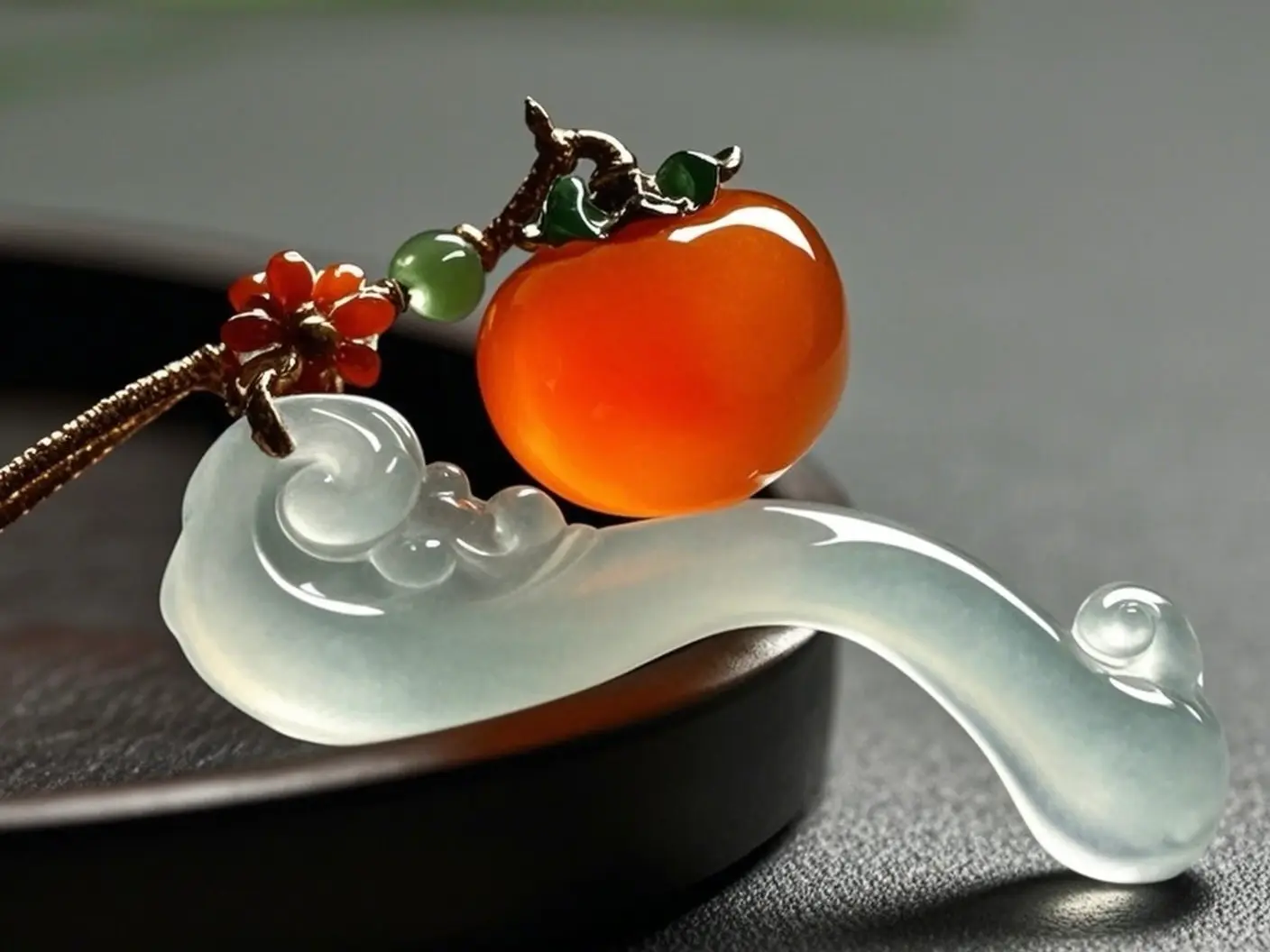
Auspicious Jade Symbols
Auspicious jade symbols are a form of visual language. Ruyi forms can suggest "as you wish," bats can point to blessing through sound play, fish often suggest abundance, peaches and gourds can connect with longevity or fertility, and lotus motifs may suggest purity or harmony. But these meanings depend on period, object type, material, patron, and setting. A Qing jade ruyi, a pendant with bats, a gourd ornament, and a souvenir carving should not be read in the same way.
- Reading time: 5-8 min
- Guide type: Cultural background
- Best for: Culture-curious Beijing visitors; Museum-goers before a jade gallery visit
- Less ideal for: Buyers seeking investment or appraisal advice
Auspicious Jade Symbols at a glance
| Topic | Traveler takeaway |
|---|---|
| Ruyi | Literally "as you wish"; often used for wish-fulfillment, courtly blessing, and refined decorative taste |
| Bat (fu) | A rebus motif because "bat" and "blessing" sound alike in Chinese; often linked with good fortune or the Five Blessings |
| Gourd | Often associated with blessing, protection, fertility, medicine, or Daoist imagery, depending on context |
| Lotus | Can suggest purity, harmony, continuity, or Buddhist symbolism; meaning depends on pairing and object type |
Ruyi
Ruyi means "as one wishes," which makes it one of the clearest auspicious forms in Chinese decorative art. The ruyi shape often resembles a curved scepter head or fungus form, and in Qing court objects it can appear as a full scepter, a carved ornament, a border pattern, or a cloud-like motif. In jade, ruyi is best read as wish-fulfillment language combined with court taste and craftsmanship.
- Ruyi can mean "as you wish," but it does not make the object magical.
- On Qing objects, ruyi motifs often belong to courtly blessing and refined display.
- Read the material, carving, date, and label before assuming value or status.
Bat (fu)
The bat is a classic Chinese rebus symbol. The word for bat, fu, sounds like the word for blessing or good fortune. This is why bats appear on jade, porcelain, textiles, and other decorative objects. Five bats may refer to the Five Blessings, while bats paired with peaches, clouds, or the shou character can strengthen themes of blessing and longevity.
- Bat symbolism comes mainly from sound play, not from the animal itself.
- Bats may appear alone, upside down, or combined with peaches, clouds, coins, or shou motifs.
- Treat bat motifs as cultural symbolism, not proof of luck, age, authenticity, or value.
Gourd
Gourd, or hulu, is a flexible auspicious motif. It can suggest blessing, protection, fertility, medicine, or Daoist immortal imagery, depending on how it is shown. A double-gourd form may also appear as an elegant decorative shape in Qing jade and later ornaments. For travelers, the important point is context: a gourd pendant, a court ornament, and a tourist charm are not the same kind of object.
- Gourd symbolism often relies on sound play, shape, seeds, and Daoist associations.
- In jade, gourd forms may be decorative, courtly, personal, or souvenir-oriented.
- Do not read a gourd motif as a guarantee of protection, health, fertility, authenticity, or value.
Lotus
Lotus motifs can suggest purity, harmony, continuity, or Buddhist symbolism. The meaning changes when lotus is paired with fish, children, ducks, peaches, or other symbols. In jade, lotus may appear on pendants, vessels, openwork carvings, or souvenir pieces. Read the lotus through the whole design rather than isolating it as one fixed meaning.
- Lotus can point to purity or harmony, but pairings change the meaning.
- Lotus with fish often strengthens abundance or continuity themes.
- Use museum labels and object type before interpreting the motif.
Common mistakes: Auspicious Jade Symbols
Treating symbols as product guarantees
A ruyi, bat, gourd, lotus, fish, or peach motif can express a wish for blessing, abundance, longevity, harmony, or fulfillment. It does not guarantee luck, protection, health, fertility, authenticity, age, or market value.
Reading every motif alone
Chinese auspicious design often works through combinations. A bat with a peach, a fish with lotus, or a ruyi with clouds may carry a more specific meaning than the single symbol alone.
Confusing museum language with sales language
Museum labels explain period, material, function, patronage, and symbolism. Shop labels may simplify motifs into luck, protection, or investment language. Do not read them the same way.
Auspicious Jade Symbols FAQ
- Ruyi means "as one wishes." In jade, it can suggest wish-fulfillment, blessing, courtly taste, or refined decoration, especially in Qing objects.
- Bats are common because the word for bat, fu, sounds like the word for blessing or good fortune. This is rebus symbolism, not a guarantee of luck or value.
- A jade gourd can suggest blessing, protection, fertility, medicine, or Daoist imagery, depending on context. It should not be treated as a health or protection guarantee.
- Lotus can suggest purity, harmony, continuity, or Buddhist symbolism. The meaning becomes more specific when lotus is paired with fish, children, ducks, peaches, or other motifs.
- Yes. Fish often suggest abundance, peaches are strongly linked with longevity, and cabbage is a popular later motif associated with purity, fertility, or wealth language. Exact meaning depends on the object and context.
- Start with Beijing museum collections. The Forbidden City Treasure Gallery is useful for Qing jade and court objects, while the National Museum of China and Capital Museum add broader cultural context.
- DragonTrail does not appraise jade, certify authenticity, or guarantee market value. This guide is for cultural and traveler education only.
Explore jade as culture, not commodity
Auspicious jade symbols are easiest to understand through museum objects: Qing ruyi scepters, bat-and-peach designs, gourd ornaments, lotus patterns, fish motifs, and clearly labeled Beijing collections.
DragonTrail does not sell jade or offer authentication. For buying questions, read our traveler-education pages and treat any purchase as your own risk.