
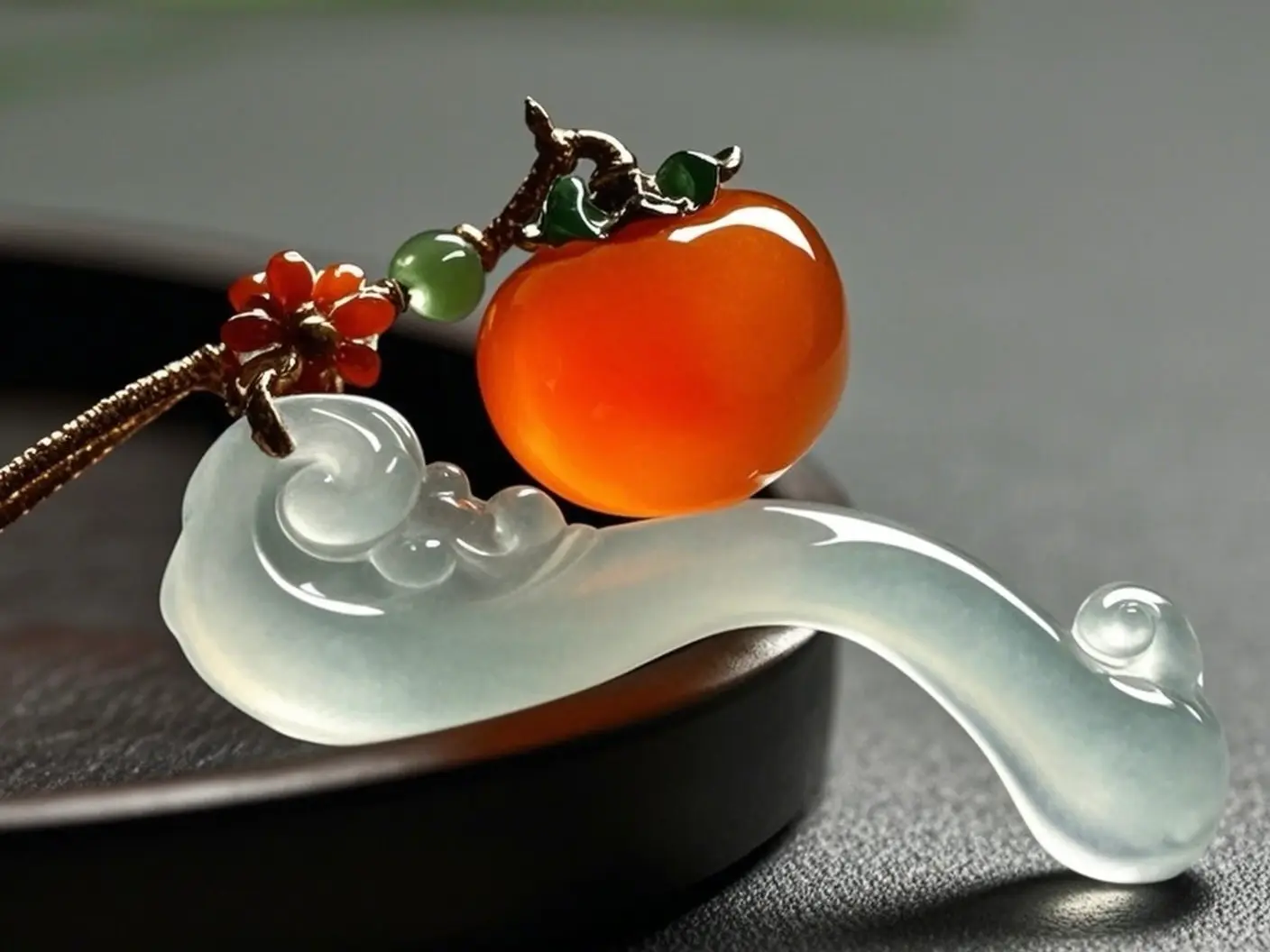
Jade Seals, Cups and Scholar Objects
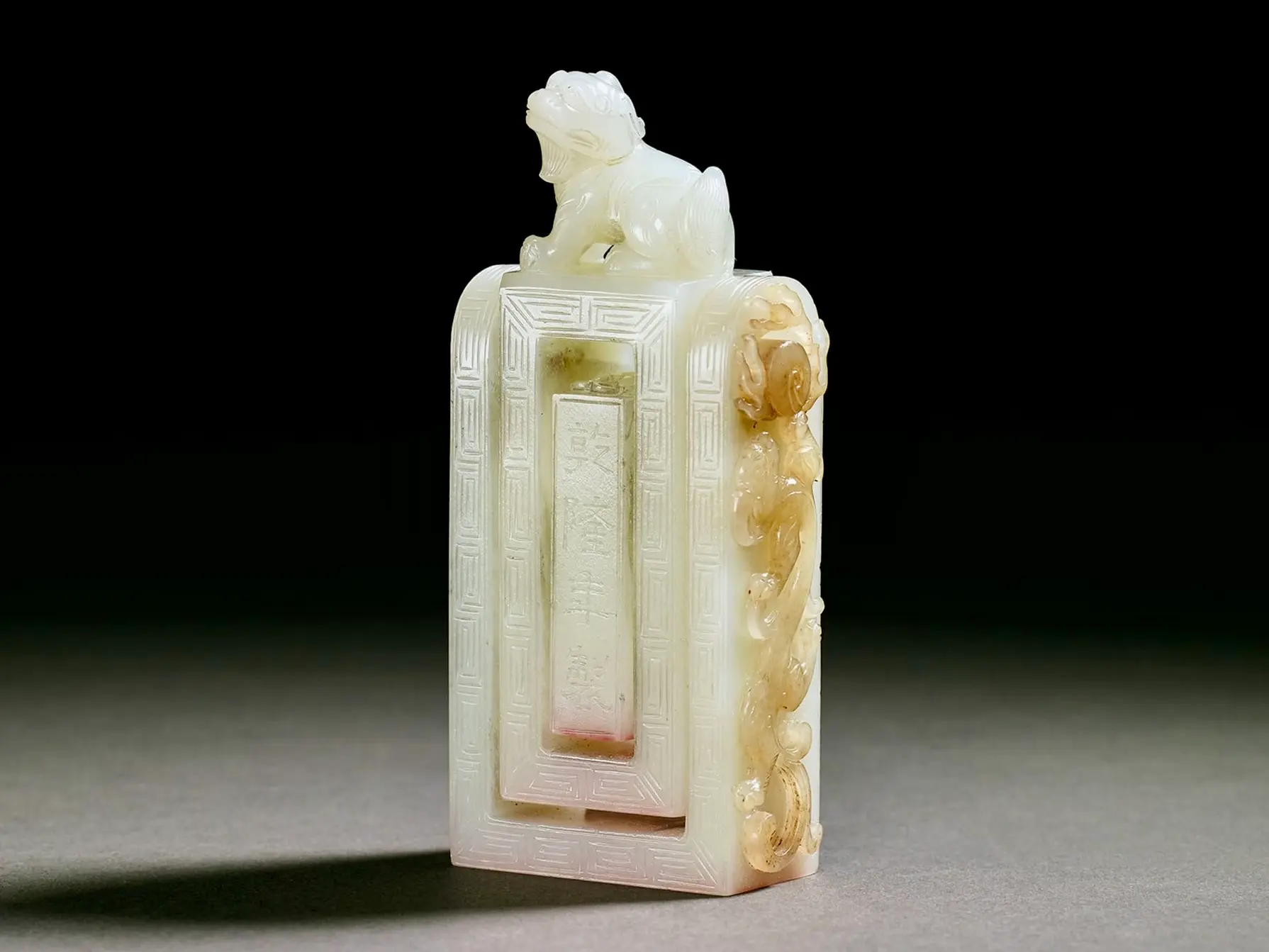 Click to enlarge
Qing white nephrite objects show why pale jade was valued for imperial seals, inscriptions, refined carving, and court display.
Imperial jade was not limited to jewelry or decorative carving. In Chinese court collections, jade appeared as seals, cups, vessels, brush washers, scholar objects, plaques, ornaments, and monumental boulder carvings. These objects expressed authority, refined taste, classical learning, material access, and workshop skill. Qing emperors especially valued nephrite from Hetian and Khotan, turning pale and white jade into court objects that still shape how travelers read jade in Beijing museums today.
- Reading time: 5-8 min
- Guide type: Cultural background
- Best for: Culture-curious Beijing visitors; Museum-goers before a jade gallery visit
- Less ideal for: Buyers seeking investment or appraisal advice
Jade Seals, Cups and Scholar Objects at a glance
| Topic | Traveler takeaway |
|---|---|
| Seals | Jade seals expressed authority, identity, ownership, and imperial legitimacy; look for inscriptions, animal finials, and court context |
| Cups | Jade cups and vessels show court dining, ritual taste, antiquarian forms, and the prestige of worked nephrite |
| Brush washers | Scholar objects connect jade with writing, painting, study culture, and refined desk display |
| Qing taste | Qing court jade often combined Hetian/Khotan nephrite, archaistic forms, inscriptions, workshop skill, and imperial collecting |
Seals
Jade seals are among the most direct expressions of authority in imperial China. A seal could mark imperial identity, ownership, approval, collection history, or personal taste. In Qing examples, the material, inscription, seal face, and carved finial all matter. A lion, dragon, or other animal on top of a seal is not just decoration; it can help express status, protection, power, or courtly display.
- Look for the seal face, inscription, material, finial, and museum label.
- White or pale nephrite seals often reflect Qing court taste.
- Do not assume a shop seal marked "imperial" is old, palace-made, or valuable.
Cups
Jade cups and vessels show how court jade moved beyond ritual shapes into refined daily and ceremonial objects. Some pieces imitate ancient bronze forms, while others belong to dining, presentation, or display culture. The material is important: many Qing jade cups are nephrite, often pale, white, greenish, or grey-green rather than bright emerald green. For travelers, a jade cup is best read through shape, material, inscription, decoration, and court setting.
- Cups and vessels can show court taste, not just practical use.
- Archaistic shapes may deliberately quote ancient bronze or ritual forms.
- Use the nephrite vs jadeite guide before judging jade only by color.
Brush washers
Brush washers belong to scholar culture. They were used around writing and painting, but in jade they also became objects of refined appreciation. A jade brush washer may take the form of a lotus leaf, animal, rock, vessel, or shallow basin. Its importance comes from material, carving, surface polish, literary association, and the world of the scholar''s desk.
- Brush washers connect jade with calligraphy, painting, and literati taste.
- Look for natural forms, openwork, animal handles, lotus shapes, and inscriptions.
- In museums, read them as scholar objects rather than ordinary containers.
Qing taste
The Qing dynasty is the most useful period for travelers studying imperial jade in Beijing. Qianlong-period taste especially valued Hetian and Khotan nephrite, archaistic forms, inscriptions, classical references, refined polish, and ambitious workshop carving. Qing jade could look backward to ancient ritual forms while also serving court display and imperial collecting. This is why a pale jade seal, cup, or brush washer can carry more cultural weight than a bright green souvenir.
- Qing jade is often nephrite, not vivid green jadeite.
- Hetian/Khotan material is central to Qing imperial jade.
- For Beijing examples, start with the Forbidden City Treasure Gallery.
Common mistakes: Jade Seals, Cups and Scholar Objects
Treating "imperial style" as imperial provenance
A modern object can copy a court shape, animal finial, inscription style, or archaistic vessel form. That does not prove it was made for the palace, owned by an emperor, or historically important.
Judging imperial jade only by color
Many important imperial jade objects are white, pale green, grey-green, or russet-skinned nephrite. Bright green jadeite is not the default look for Chinese court jade.
Ignoring object function
A seal, cup, brush washer, vessel, plaque, and boulder carving each belong to a different setting. Function, material, period, patronage, and museum label matter more than a simple "jade object" category.
Jade Seals, Cups and Scholar Objects FAQ
- Imperial jade objects could serve as seals, cups, vessels, brush washers, scholar pieces, plaques, ornaments, and display objects. They expressed authority, taste, material access, workshop skill, and court culture.
- Jade seals could express imperial authority, identity, ownership, approval, or collection history. The inscription, seal face, material, and carved finial all help explain the object.
- Some jade cups and vessels had practical or ceremonial associations, while others were valued mainly as refined court objects. Museum labels help explain whether a piece was functional, symbolic, or display-oriented.
- A jade brush washer is a scholar object associated with writing and painting. In jade, it also became an object of refined desk culture, carving skill, and literati taste.
- Many important Chinese imperial jade objects are nephrite, especially Hetian or Khotan material. Jadeite is also real jade but belongs more strongly to later jewelry and market taste.
- Start with the Forbidden City Treasure Gallery. It gives the strongest Beijing context for Qing jade seals, vessels, scholar objects, monumental carvings, and court display.
- Markets may sell "imperial style" jade, but that does not prove age, origin, palace provenance, authenticity, or value. DragonTrail does not appraise jade or certify purchases.
- DragonTrail does not appraise jade, certify authenticity, or guarantee market value. This guide is for cultural and traveler education only.
Explore jade as culture, not commodity
Imperial jade objects are easiest to understand through museum collections: Qing seals, cups, vessels, brush washers, scholar objects, white nephrite carvings, and the Forbidden City Treasure Gallery.
DragonTrail does not sell jade or offer authentication. For buying questions, read our traveler-education pages and treat any purchase as your own risk.