
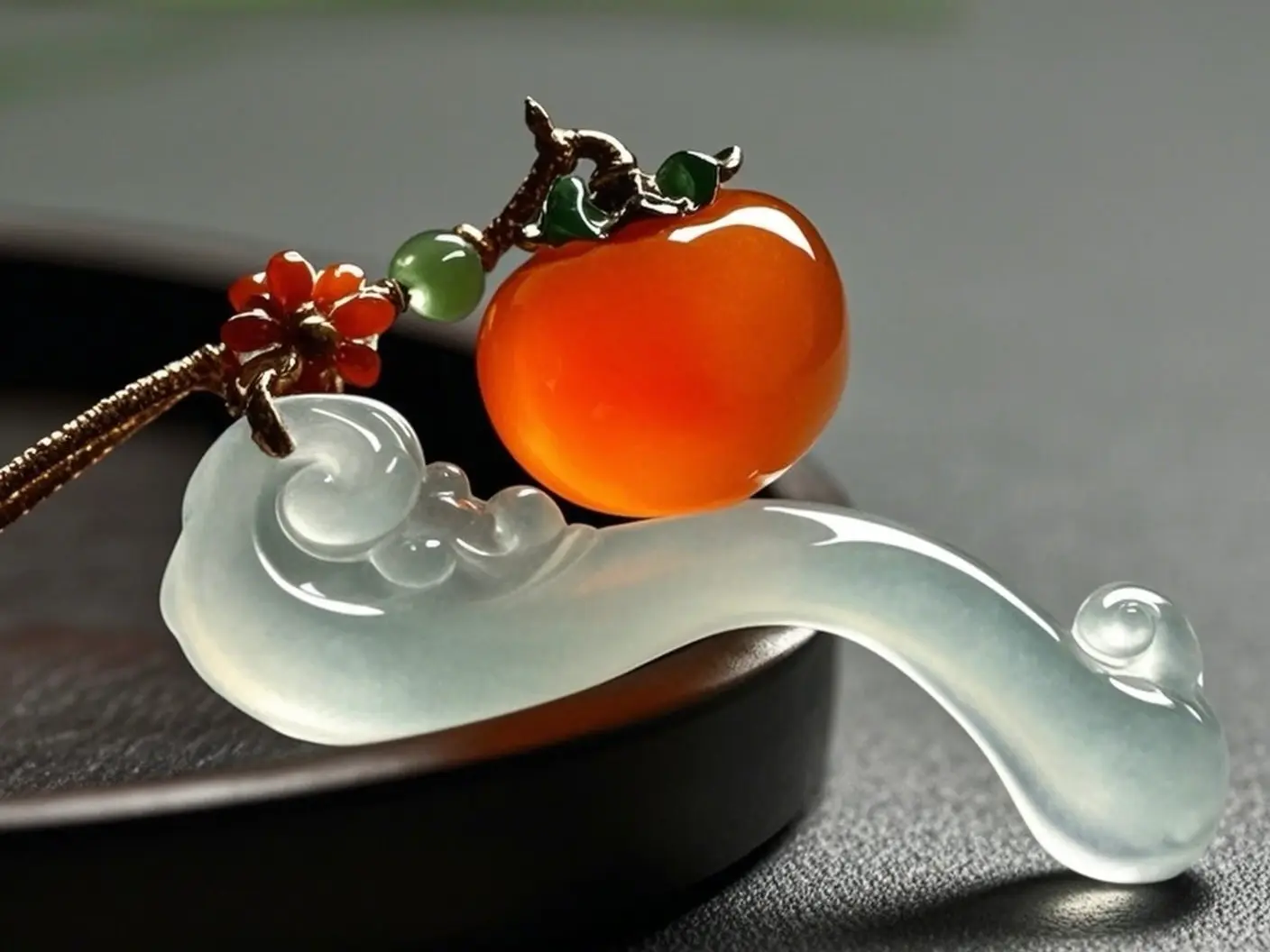
Jade and Confucian Virtue
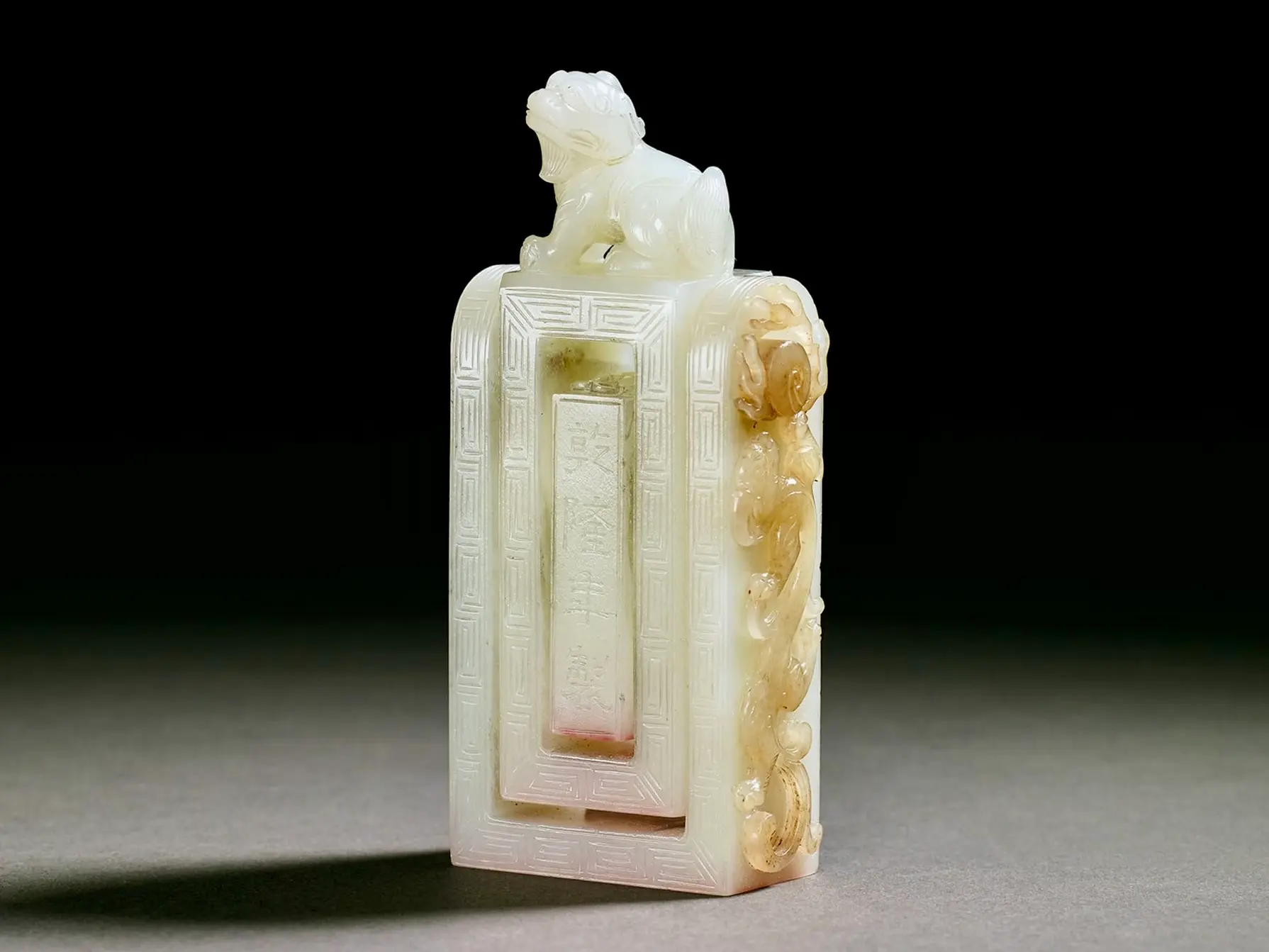 Click to enlarge
Qing white nephrite objects show why pale jade was valued for imperial seals, inscriptions, refined carving, and court display.
In classical Chinese thought, jade, or yu (玉), was praised not only for beauty but also for what it suggested about character. Its smoothness, hardness, quiet luster, and clear sound were read as metaphors for benevolence, integrity, restraint, and cultivated conduct. This does not mean a jade object automatically carries virtue. It means jade became a language for describing the ideal person.
Jade and Confucian Virtue at a glance
| Topic | Traveler takeaway |
|---|---|
| Gentleman ideal | Jade was used as a metaphor for the cultivated person, not just as a luxury stone |
| Smoothness metaphor | Jade's polished surface suggested gentleness, refinement, and humane conduct |
| Restraint | Its quiet luster made jade different from showier materials such as gold |
| Museum labels | When museums mention virtue, read it as cultural interpretation rather than product value |
Gentleman ideal
Confucian writing often uses jade to describe the junzi, the cultivated or gentlemanly person. The point is not that jade creates morality, but that its qualities offered a visible metaphor for inner character. A refined person should be firm without being harsh, polished without being showy, and valuable without needing loud display.
- Read this as moral metaphor, not as a supernatural jade claim.
- For the wider cultural meaning, continue to the meaning of jade guide.
Smoothness metaphor
Jade's surface was central to its moral symbolism. Smoothness could suggest gentleness and benevolence, while hardness suggested firmness and integrity. Its soft glow also mattered: jade was admired because it seemed refined rather than flashy. This is why white jade and pale nephrite often carried strong cultural prestige in Chinese jade history.
- For material context, read the nephrite vs jadeite guide.
- For white jade specifically, continue to the white jade guide.
Restraint
Jade's virtue language also depends on restraint. Gold is visually bright and immediately signals wealth; jade is quieter. Its value often comes from texture, carving, material quality, and cultural association rather than sparkle. In museum cases, this helps explain why a plain-looking jade object can be more important than a more decorative piece.
- Do not judge jade only by brightness or color.
- In Beijing, museum captions are more useful than market slogans.
Museum labels
When a museum label connects jade with virtue, read it as part of a long cultural tradition. The label may be explaining literary associations, ritual function, court taste, or the way elites used jade to express refinement. It is not saying that the object guarantees luck, protection, health, authenticity, or market value.
- For Qing court examples, start with the Forbidden City jade guide.
- For a broader Beijing route, use the where to see jade in Beijing guide.
Common mistakes: Jade and Confucian Virtue
Treating virtue language as a guarantee
Classical jade praise is moral and literary language. It does not prove that a jade object is old, genuine, valuable, protective, or spiritually powerful.
Reading every jade object as Confucian
Not all jade objects are about Confucian virtue. Some are ritual objects, burial pieces, imperial commissions, auspicious carvings, or modern souvenirs. Period and function matter.
Ignoring material and context
A museum object should be read through material, date, shape, function, and provenance where available. The same motif or phrase can mean different things in a tomb, a court collection, or a modern shop.
Jade and Confucian Virtue FAQ
- Jade's physical qualities were read as moral metaphors. Its smoothness, firmness, luster, and clear sound could suggest benevolence, integrity, restraint, refinement, and cultivated conduct.
- The junzi is the cultivated or gentlemanly person in Confucian thought. Jade became a way to describe that ideal: firm but not harsh, refined but not flashy.
- No. In this context, jade is a cultural metaphor. It does not create virtue, guarantee luck, or prove authenticity.
- Start with the Forbidden City Treasure Gallery for Qing imperial jade, then use Beijing museum collections to compare ritual, burial, and court objects.
- DragonTrail does not appraise jade, certify authenticity, or guarantee market value. This guide is for cultural and traveler education only.
Explore jade as culture, not commodity
Jade's Confucian meaning is easiest to understand through museum objects and classical symbolism: ritual shapes, refined materials, court carvings, and the language of moral character.
DragonTrail does not sell jade or offer authentication. For buying questions, read our traveler-education pages and treat any purchase as your own risk.