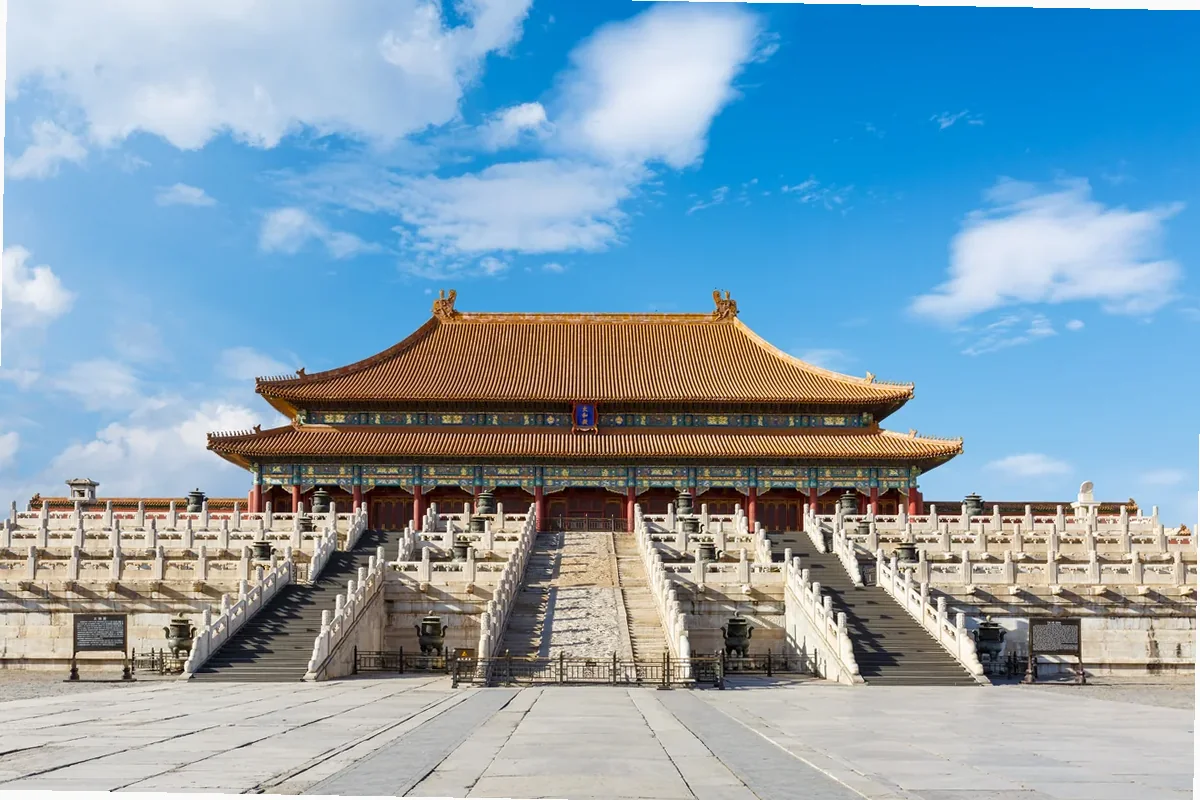
Jade-Focused Forbidden City Route
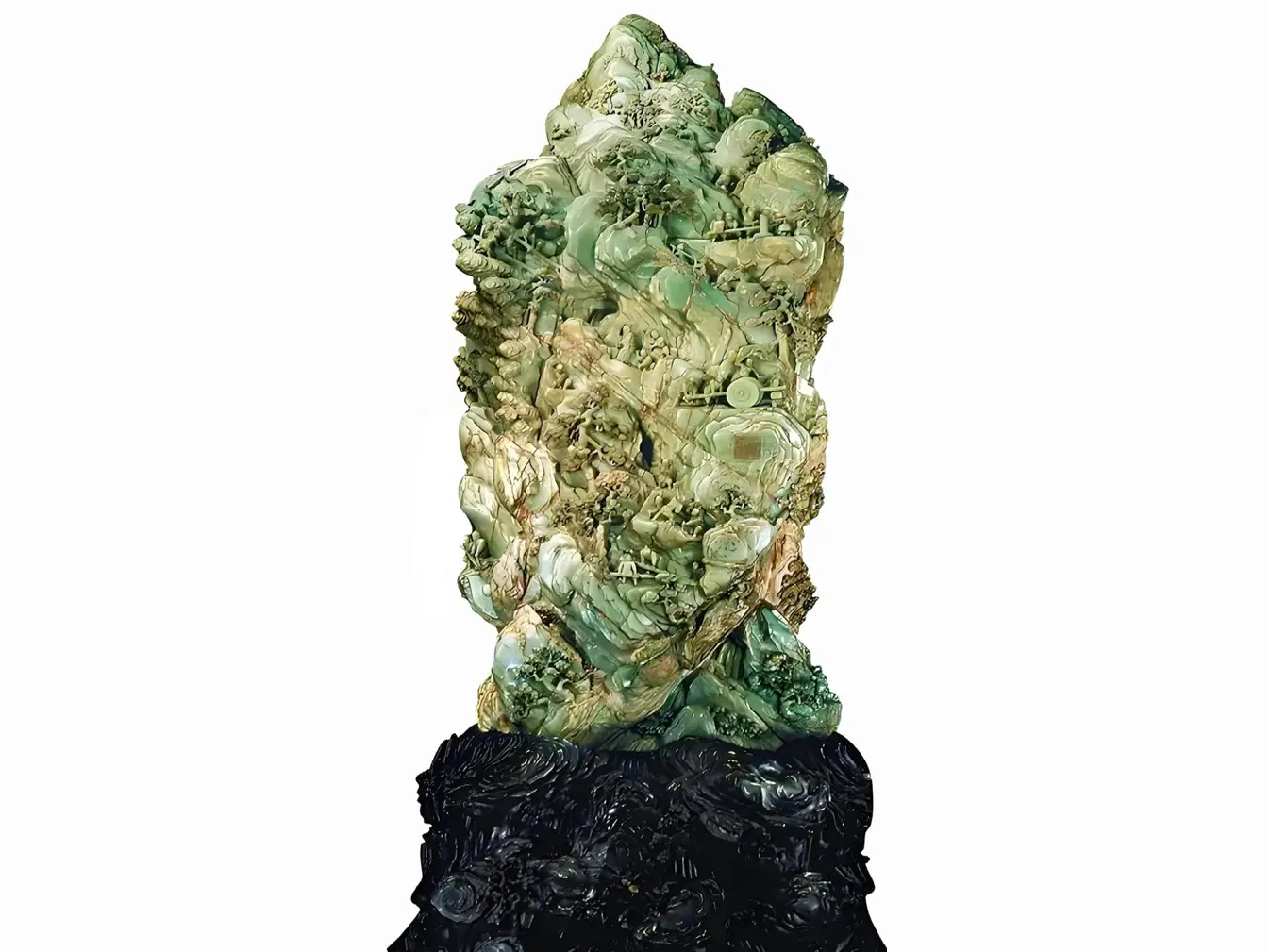 Click to enlarge
Qing-dynasty nephrite mountain carving illustrating Yu the Great Taming the Floods.
A jade-focused Forbidden City visit should still feel like a Palace Museum route, not a single-object detour. Start at Meridian Gate for imperial entrance context, follow the central axis to understand court space, then add the Treasure Gallery intentionally for Qing imperial jade. The key jade anchor is Da Yu Taming the Floods, a monumental Hetian/Khotan nephrite carving from the Qianlong reign. If time allows, use selected side halls and court-object displays to compare jade with seals, vessels, scholar objects, metalwork, and other imperial materials. Finish through the Imperial Garden or northern exit route depending on your pace and ticket timing.
- Reading time: 5-8 min
- Guide type: Cultural background
- Best for: Culture-curious Beijing visitors; Travelers planning a Treasure Gallery stop inside a Palace Museum day
- Less ideal for: Buyers seeking investment or appraisal advice
Jade-Focused Forbidden City Route at a glance
| Topic | Traveler takeaway |
|---|---|
| Meridian Gate | Use the southern entrance to set the imperial frame before looking at court objects and jade |
| Treasure Gallery | Main jade stop for Qing imperial nephrite, Da Yu Taming the Floods, seals, vessels, ornaments, and court display |
| Side halls | Use selected halls only if time allows; compare jade with metalwork, enamel, hardstones, seals, and scholar objects |
| Imperial Garden | Finish with a slower exit rhythm; do not add jade shopping to the same route unless you have extra time and clear buying boundaries |
Meridian Gate
Begin at Meridian Gate because it gives the route its imperial frame. This is the southern entrance to the Palace Museum and the right place to shift from "jade as gemstone" to "jade as court material." Before looking for jade objects, notice the scale, symmetry, gates, pavilions, and ceremonial hierarchy of the entrance. That context matters because Qing jade was not isolated decoration; it belonged to a palace world of authority, ritual, collecting, and display.
- Start with the palace setting before focusing on jade objects.
- Use the central axis to understand imperial space and ceremony.
- Read jade later as court material, not simply as jewelry or souvenir stone.
Treasure Gallery
The Treasure Gallery is the core jade stop on this route. Plan it intentionally rather than adding it at the end of a rushed visit. This is where travelers can connect Qing imperial jade with Hetian/Khotan nephrite, white jade taste, court vessels, seals, scholar objects, ornaments, and the Da Yu Taming the Floods jade mountain. The Da Yu carving is especially useful because it combines material difficulty, long-distance sourcing, imperial patronage, landscape carving, moral storytelling, and Qianlong-period court ambition in one object.
- Check current Palace Museum and Treasure Gallery ticket rules before planning.
- Allow 60–90 minutes if jade and court treasures are a priority.
- Use Da Yu Taming the Floods as the anchor, then compare smaller seals, vessels, scholar objects, and ornaments.
- Read this section with the Forbidden City jade guide and Hetian jade guide.
Side halls
Use side halls selectively. A jade-focused route should not become a checklist of every gallery. The useful goal is comparison: jade beside enamel, gold, silver, hardstones, lacquer, ceramics, seals, and scholar objects. This helps travelers see how jade functioned inside broader Qing court taste. If your pace is slow, prioritize Treasure Gallery and skip extra halls. If your pace is comfortable, add one or two side displays that strengthen the material and court-object story.
- Use side halls for comparison, not completion.
- Compare jade with other imperial materials and court objects.
- Skip extra halls if they would make the Treasure Gallery rushed.
- Do not add shopping logic to museum interpretation.
Imperial Garden
End through the Imperial Garden or the northern exit route if your timing allows. This is not the main jade section, but it helps the visit slow down after the density of Treasure Gallery cases. Use the final stretch to review the basic jade sequence: imperial setting first, Qing court jade second, material terms third, and market questions last. If you plan to read more afterward, continue with the Chinese Jade Guide, Forbidden City jade guide, or jade museums guide rather than moving straight from museum objects into shopping decisions.
- Use the garden and northern exit as a slower finish after the Treasure Gallery.
- Continue reading with the Chinese Jade Guide if you want material and symbolism background.
- Use the buying jade in Beijing guide only if you are considering a purchase.
- DragonTrail does not appraise jade, certify authenticity, inspect purchases, or guarantee market value.
Common mistakes: Jade-Focused Forbidden City Route
Making the route too narrow
Do not treat jade as the only reason to visit the Forbidden City. The palace setting, central axis, court space, and Treasure Gallery work together. Jade makes more sense when it stays inside the imperial context.
Adding the Treasure Gallery too late
The Treasure Gallery needs time and attention. If jade is a priority, plan it before the visit and allow enough time for Da Yu Taming the Floods, Qing nephrite, seals, vessels, and court ornaments.
Reading museum jade as shopping advice
Museum jade teaches material history, court taste, function, and symbolism. It does not make a traveler qualified to authenticate or price market jade. DragonTrail does not appraise jade, certify authenticity, inspect purchases, or guarantee market value.
Jade-Focused Forbidden City Route FAQ
- It is a Palace Museum visit that uses jade as one interpretive lens. You still follow a realistic Forbidden City route, but you give extra time to the Treasure Gallery, Qing imperial jade, and Da Yu Taming the Floods.
- Usually no. Start with Meridian Gate and the palace setting first. The Treasure Gallery is easier to understand after you have entered the imperial route and seen the court context.
- Allow about 60–90 minutes if jade and court treasures are a priority. Check current Palace Museum and Treasure Gallery ticket rules before planning.
- Start with Da Yu Taming the Floods. It is a monumental Qing jade mountain made from Hetian/Khotan nephrite during the Qianlong reign, and it helps explain material, scale, carving, and imperial ambition.
- Many important Forbidden City jade objects are nephrite, especially Hetian/Khotan material. Jadeite is also real jade, but it belongs to a different material story and became especially influential later in jewelry and market taste.
- Yes. The best version is a normal Forbidden City route with a planned Treasure Gallery stop. Do not make the whole visit only about jade unless your group is specifically museum-focused.
- Not by default. If you want a souvenir, read the buying jade in Beijing and jade souvenirs guides first. Museum learning and jade shopping should stay separate.
- No. DragonTrail does not appraise jade, certify authenticity, inspect purchases, recommend investment pieces, or guarantee market value. This guide is for cultural and traveler education only.
Explore jade as culture, not commodity
Use this route as a Palace Museum plan first and a jade interpretation layer second. For deeper context, continue with the Forbidden City jade guide, Chinese Jade Guide, and Beijing jade museum pages.
DragonTrail does not sell jade or offer authentication. For buying questions, read our traveler-education pages and treat any purchase as your own risk.