
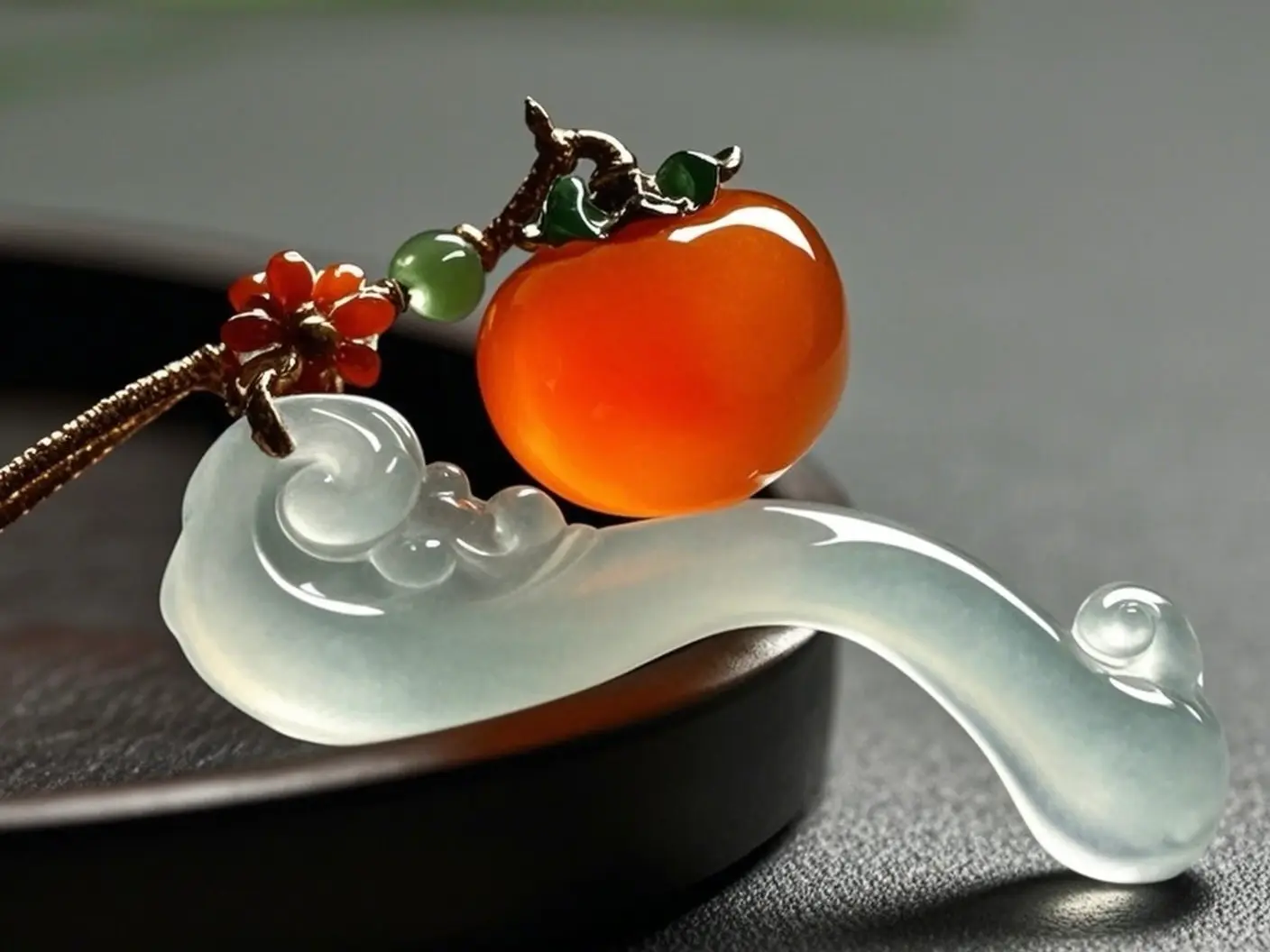
Chinese Jade Bracelet Meaning
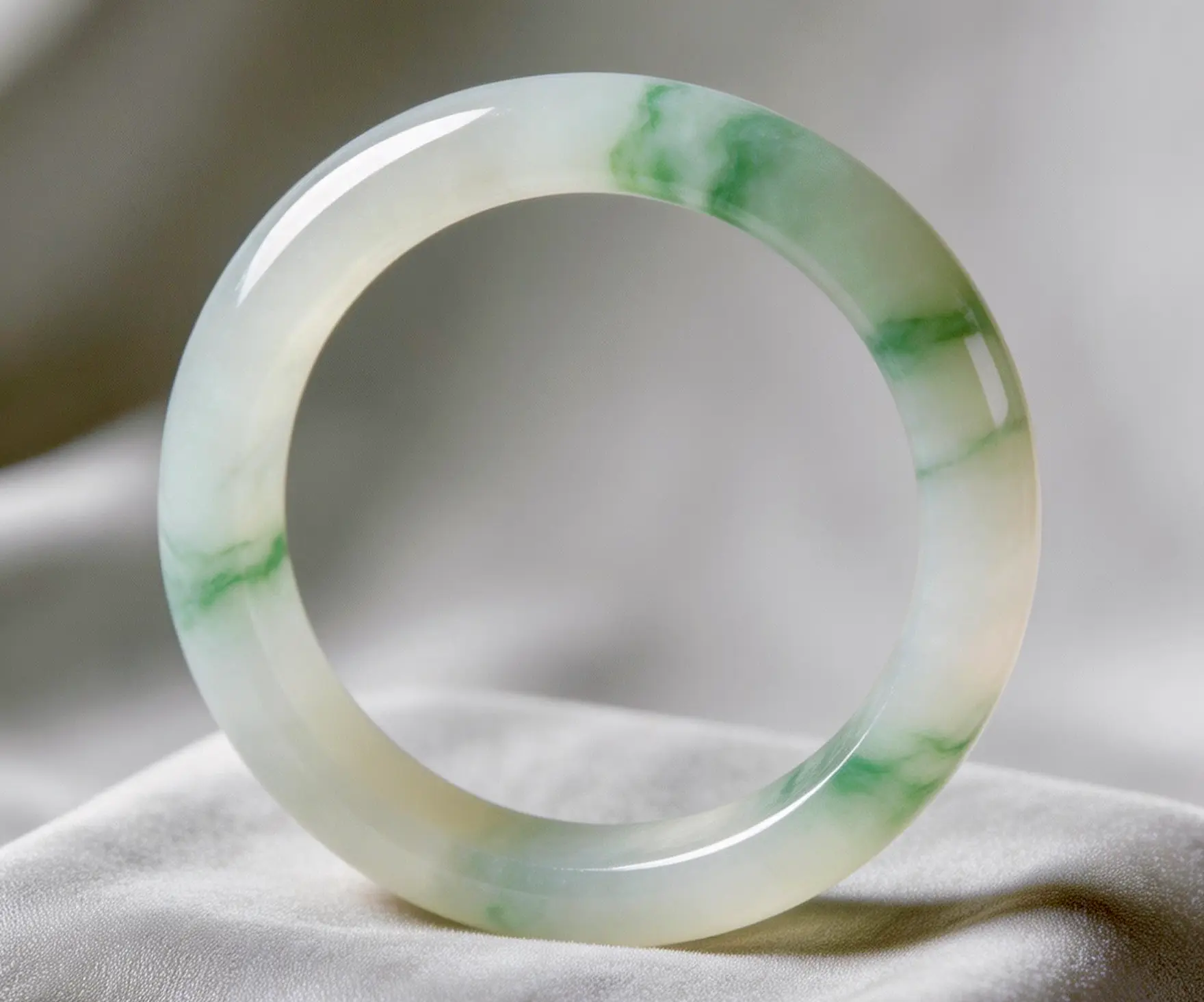 Click to enlarge
A [jade bangle](/travel-guide/chinese-jade/bracelet-meaning) may carry cultural meaning, but its buying risk depends on [material](/travel-guide/chinese-jade/nephrite-vs-jadeite), [treatment](/travel-guide/chinese-jade/real-vs-fake), fit, documentation, and [seller claims](/travel-guide/beijing-city-guide/buying-jade-in-beijing).
Jade bangles and bracelets are among the most familiar forms of Chinese jade jewelry. A smooth circular bangle can suggest continuity, completeness, family blessing, personal refinement, or a protective wish in traditional culture. But symbolism is not the same as product effect. A bracelet's meaning, material, treatment, size, condition, and documentation should be kept separate. For travelers, jade bracelets are also one of the riskiest purchases because color and sales language can hide major differences between nephrite, jadeite, treated jadeite, glass, dyed stone, or other materials. DragonTrail does not appraise jade, certify authenticity, inspect purchases, or guarantee market value. This guide is for cultural and traveler education only.
- Reading time: 5-8 min
- Guide type: Cultural background
- Best for: Culture-curious Beijing visitors; Museum-goers before a jade gallery visit
- Less ideal for: Buyers seeking investment or appraisal advice
Chinese Jade Bracelet Meaning at a glance
| Topic | Traveler takeaway |
|---|---|
| Bangle vs bracelet | A bangle is usually a rigid circular form; a bracelet may be beads, links, cord, or mounted jade pieces |
| Treatment risk | Jadeite bracelets may be natural, wax-polished, dyed, bleached, or polymer-impregnated; treatment status changes risk |
| Sizing | Bangles must fit over the hand but sit close to the wrist; poor sizing can make them uncomfortable or unusable |
| Documentation | Serious purchases need written material and treatment details, traceable lab reports, and clear return terms |
Bangle vs bracelet
A jade bangle is usually a rigid circular piece, often carved from one piece of stone. This continuous circle is one reason bangles are often associated with completeness, continuity, and personal blessing. A jade bracelet is a broader category: it may use beads, links, cord, metal settings, small plaques, or several jade pieces. The distinction matters because a single-piece bangle, a beaded bracelet, and a metal-mounted bracelet have different material use, sizing issues, durability concerns, and price logic.
- Use "bangle" for a rigid circular form.
- Use "bracelet" for the wider jewelry category, including beads, links, cord, and mounted jade pieces.
- Do not judge meaning, quality, or value from shape alone.
Treatment risk
Treatment risk is the main reason bracelet shopping can be difficult. In commercial jadeite language, A jadeite means natural or wax-polished only. B jadeite means acid-bleached and polymer-impregnated. C jadeite means dyed. These are treatment categories, not dynasty labels or general cultural grades. A bracelet can look attractive and still be treated, misdescribed, overpriced, or made from a material that is not nephrite or jadeite.
- A jadeite, B jadeite, and C jadeite refer to treatment status.
- Color alone does not prove material, treatment, age, origin, or value.
- For treatment and imitation issues, read the real vs fake jade guide.
Sizing
Sizing is more important for bangles than for many other jade objects. A rigid bangle must pass over the hand but sit close enough to the wrist that it does not move too freely. A bangle that is too small may be painful or impossible to wear, while one that is too large may knock against surfaces or feel insecure. Because jade bangles can be difficult to resize, fit should be treated as part of the purchase decision, not an afterthought.
- Try a bangle carefully before purchase and do not force it over the hand.
- Confirm inner diameter, width, thickness, and return terms in writing.
- If buying as a gift, a flexible bracelet or bead bracelet may carry lower sizing risk than a rigid bangle.
Documentation
For a low-cost souvenir, documentation may be less important if you accept the bracelet as decorative. For an expensive bangle or bracelet, documentation matters. A useful receipt should state material, treatment, size, price, date, seller details, and return terms. A useful certificate should be traceable to a recognizable gemological lab and match the exact object. A shop label saying "Hetian," "Grade A," "natural," "old jade," or "imperial style" is a claim, not proof.
- A receipt is not the same as authentication.
- A certificate is only useful if the issuing lab is traceable and the report matches the bracelet.
- Expensive jade should be tested before purchase, not after departure.
- DragonTrail does not appraise jade, certify authenticity, inspect purchases, or guarantee market value.
Common mistakes: Chinese Jade Bracelet Meaning
Treating symbolism as a guarantee
A jade bracelet can express blessing, continuity, family affection, or a protective wish in cultural language. It does not guarantee luck, health, protection, authenticity, or market value.
Buying a bangle that does not fit
Rigid jade bangles cannot be adjusted like many metal bracelets. Inner diameter, hand size, wrist comfort, and return terms matter before payment.
Trusting color and seller language
Green, white, "Hetian," "Grade A," "old," "natural," and "imperial style" are not proof by themselves. Material, treatment, documentation, and independent testing matter more than sales wording.
Chinese Jade Bracelet Meaning FAQ
- A jade bracelet or bangle can suggest continuity, completeness, blessing, family affection, refinement, or a protective wish in traditional culture. These are cultural meanings, not product guarantees.
- A jade bangle is usually a rigid circular form, often carved from one piece of stone. A jade bracelet is a broader category that can include beads, links, cord, metal settings, plaques, or several jade pieces.
- They can be either. Traditional Chinese jade is strongly associated with nephrite, while vivid green jadeite became especially influential later in jewelry and market taste. Material should be confirmed by documentation, not color alone.
- It can be a meaningful souvenir if the price is low enough that you accept it as decorative and personal. For expensive bracelets, ask for written material and treatment details, lab documentation, and return terms.
- A rigid bangle must pass over the hand but sit close to the wrist. If it is too small, it may be painful or impossible to wear. If it is too large, it may knock against surfaces or feel insecure.
- Start with museum jade before shopping. The Forbidden City Treasure Gallery, National Museum of China, and Capital Museum give better context for material, period, and cultural meaning than market counters.
- DragonTrail does not appraise jade, certify authenticity, inspect purchases, recommend investment pieces, or guarantee market value. This guide is for cultural and traveler education only.
Explore jade as culture, not commodity
Jade bracelets are easiest to understand after separating meaning from buying risk: use museums for cultural context, read material and treatment guides before shopping, and treat most tourist purchases as souvenir-risk decisions.
DragonTrail does not sell jade or offer authentication. For buying questions, read our traveler-education pages and treat any purchase as your own risk.