
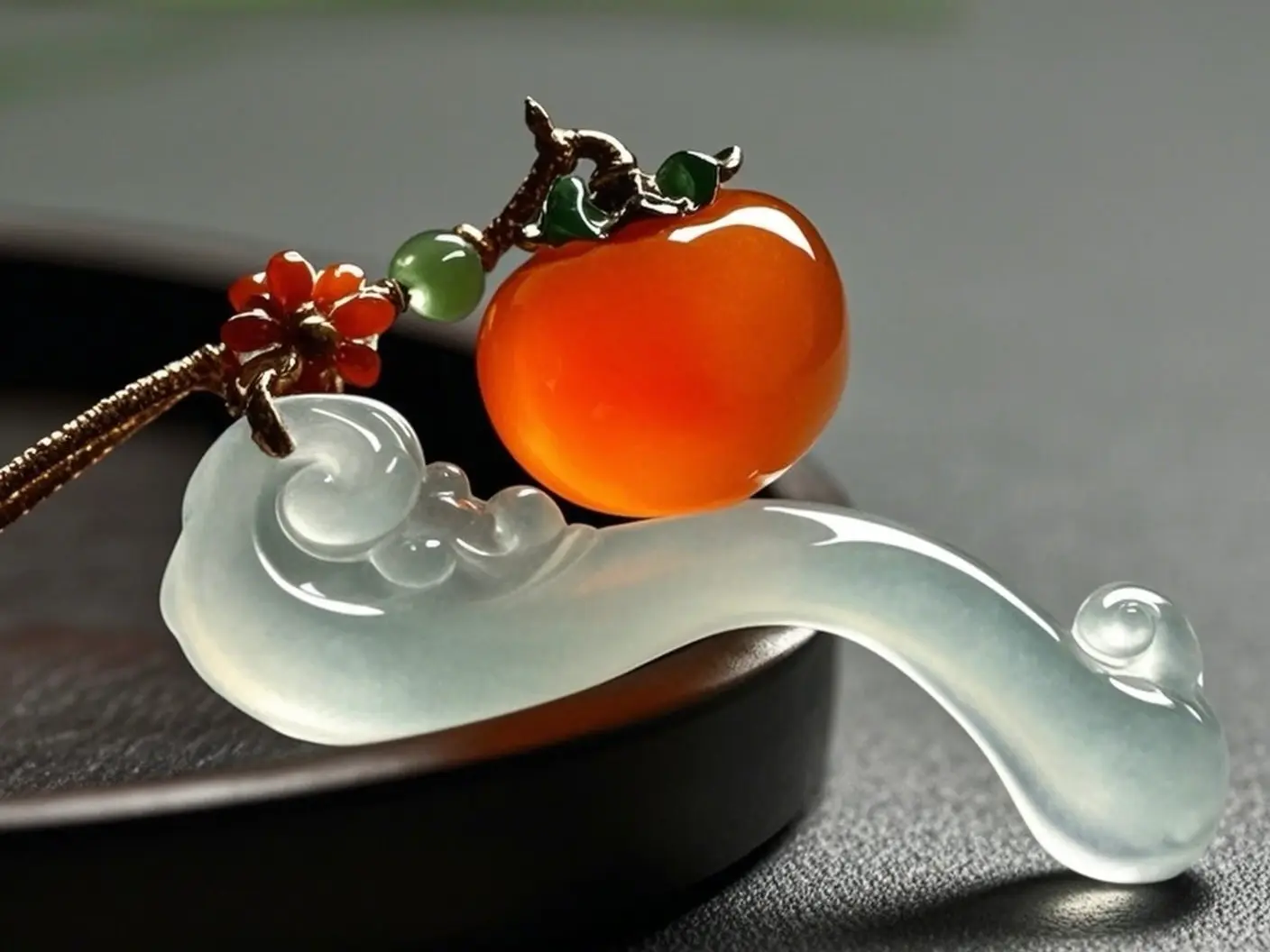
Buying Jade in Beijing
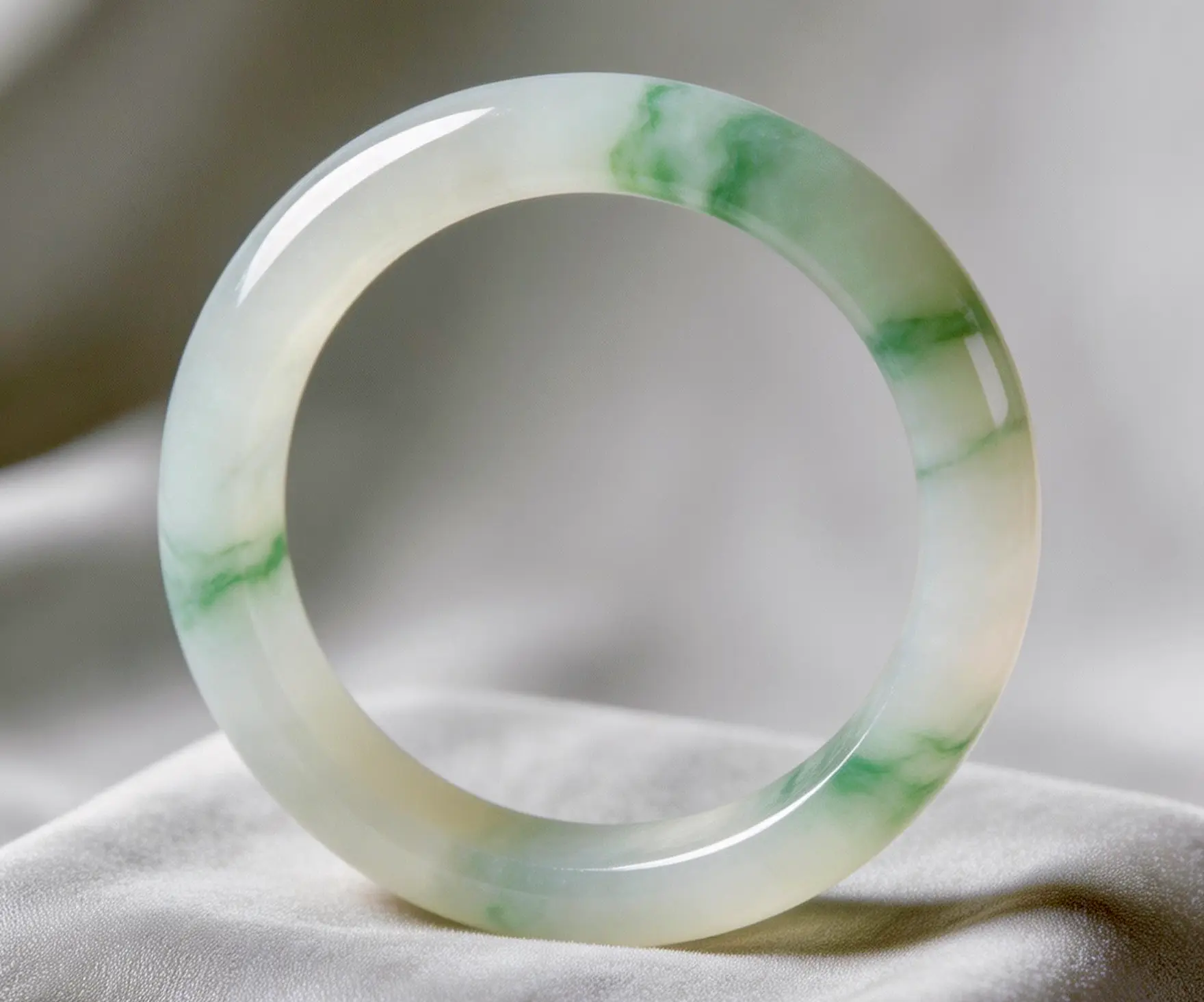 Click to enlarge
A [jade bangle](/travel-guide/chinese-jade/bracelet-meaning) may carry cultural meaning, but its buying risk depends on [material](/travel-guide/chinese-jade/nephrite-vs-jadeite), [treatment](/travel-guide/chinese-jade/real-vs-fake), fit, documentation, and [seller claims](/travel-guide/beijing-city-guide/buying-jade-in-beijing).
Beijing has jade in many settings: museum cases, souvenir counters, mall jewelry shops, antique markets, and weekend stalls at Panjiayuan. These places should not be read in the same way. Museums explain material, period, function, and cultural meaning. Shops sell objects, gifts, and claims. Before buying, learn the difference between nephrite and jadeite, understand that “Hetian” and “Grade A” need documentation, and decide whether the purchase is a souvenir or something serious enough for independent gemological testing. DragonTrail does not appraise jade, certify authenticity, inspect purchases, or guarantee market value. This guide is for cultural and traveler education only.
- Reading time: 5-8 min
- Guide type: Cultural background
- Best for: Culture-curious Beijing visitors; Museum-goers before a jade gallery visit
- Less ideal for: Buyers seeking investment or appraisal advice
Buying Jade in Beijing at a glance
| Topic | Traveler takeaway |
|---|---|
| Panjiayuan weekend | Good for atmosphere, browsing, bargaining, and souvenir-level purchases; not a place to rely on verbal authentication |
| Museum first | Visit jade displays before shopping so you understand nephrite, jadeite, white jade, Qing court pieces, and ancient ritual forms |
| Receipts and labs | For serious purchases, ask for written material and treatment details, return terms, and independent gemological testing |
| No DragonTrail appraisal | DragonTrail can explain culture and museum context, but we do not inspect, authenticate, price, or certify jade |
Panjiayuan weekend
Panjiayuan is Beijing’s best-known antique and flea-market setting, and it can be interesting for browsing jade-style souvenirs, carvings, bangles, beads, old-looking objects, and decorative pieces. Treat it as a market experience rather than an authentication environment. Weekend street stalls may offer more atmosphere than weekday counters, but the same rule applies: verbal claims about “Hetian,” “old jade,” “imperial style,” or “natural jadeite” need documentation before you treat them seriously.
- Use Panjiayuan for browsing, comparison, and souvenir-level shopping.
- Be cautious with claims about age, origin, treatment, and imperial connection.
- Check current opening hours before visiting, especially if you are going specifically for weekend stalls.
Museum first
Before shopping, spend time with museum jade. The National Museum of China helps explain ancient ritual and burial jade. The Forbidden City Treasure Gallery is stronger for Qing imperial nephrite, white jade, seals, vessels, scholar objects, and monumental carvings. The Capital Museum can add a Beijing-focused layer. After seeing labeled museum objects, market language such as “green is best,” “old jade,” or “imperial jade” becomes easier to judge.
- Start with the where to see jade in Beijing guide.
- Use the jade museums guide to compare the National Museum, Palace Museum, and Capital Museum.
- Read the nephrite vs jadeite guide before judging jade by color.
Receipts and labs
For souvenir-level purchases, a simple receipt may be enough if you accept the object as decorative. For expensive jade, a receipt is not the same as authentication. Ask for written details about material, treatment, price, return terms, and the laboratory behind any certificate. Jadeite treatment language such as A, B, and C should be understood carefully: A jadeite is natural or wax-polished only, B jadeite is acid-bleached and polymer-impregnated, and C jadeite is dyed. If the purchase matters financially, arrange independent gemological testing before buying.
- A receipt should list material, price, seller details, and return terms.
- A certificate should be traceable to a recognizable gemological lab.
- Do not rely on photos, QR codes, verbal claims, or copied certificates without verification.
- Expensive jade should be tested before purchase, not after departure.
No DragonTrail appraisal
DragonTrail can help travelers understand jade as culture: why white nephrite mattered, why Qing emperors valued Hetian/Khotan material, why jadeite changed later jewelry taste, and where to see important pieces in Beijing. We do not inspect shop items, negotiate authenticity, recommend investment purchases, certify certificates, or guarantee resale value. If you want a cultural stop, we can suggest museums. If you want to buy expensive jade, use a qualified gemological lab and written seller terms.
- DragonTrail explains cultural and museum context only.
- We do not authenticate jade, price jade, or certify purchases.
- For shopping, treat all risk, testing, payment, and returns as your own responsibility.
Common mistakes: Buying Jade in Beijing
Treating jade as an investment
Most travelers should treat jade purchases as souvenirs or personal gifts, not investments. Museum jade, auction jade, and tourist-market jade are different worlds. DragonTrail does not appraise jade or guarantee value.
Shopping before seeing museum jade
Without museum context, it is easy to judge jade only by brightness, greenness, or sales language. Seeing ancient ritual jade and Qing imperial nephrite first gives you a better reference point.
Trusting labels without documentation
Words such as “Hetian,” “Grade A,” “imperial,” “old,” “natural,” and “mutton-fat” are claims, not proof. Serious purchases require written details, traceable certificates, and independent testing.
Buying Jade in Beijing FAQ
- Only if you are clear about the risk. For most travelers, jade should be treated as a souvenir or personal gift unless you have independent gemological testing, written return terms, and a budget you can afford to lose.
- Panjiayuan is useful for browsing, atmosphere, bargaining practice, and souvenir-level items. It should not be treated as a reliable authentication environment for expensive jade.
- Yes. Museum jade teaches material, period, function, and cultural context before you hear simplified sales language in markets or shops.
- Ask for written material information, treatment disclosure, seller details, price, return terms, and any lab certificate. For serious purchases, verify the certificate independently before paying.
- In commercial jadeite language, Grade A jadeite is natural or wax-polished only. B jadeite is acid-bleached and polymer-impregnated. C jadeite is dyed. These are treatment terms, not museum period labels.
- No. Hetian is an important prestige name, but a shop label does not prove origin, quality, treatment status, age, authenticity, or value. See the Hetian jade guide for cultural context.
- No. DragonTrail does not appraise jade, certify authenticity, inspect purchases, recommend investment pieces, or guarantee market value. This guide is for cultural and traveler education only.
- Start with the Forbidden City Treasure Gallery, the National Museum of China''s ancient galleries, and the Capital Museum. These collections give better context than market counters.
Explore jade as culture, not commodity
The safest way to approach jade in Beijing is to separate culture from commerce: use museums for education, treat markets as optional shopping, and use independent testing for any serious purchase.
DragonTrail does not sell jade or offer authentication. For buying questions, read our traveler-education pages and treat any purchase as your own risk.