
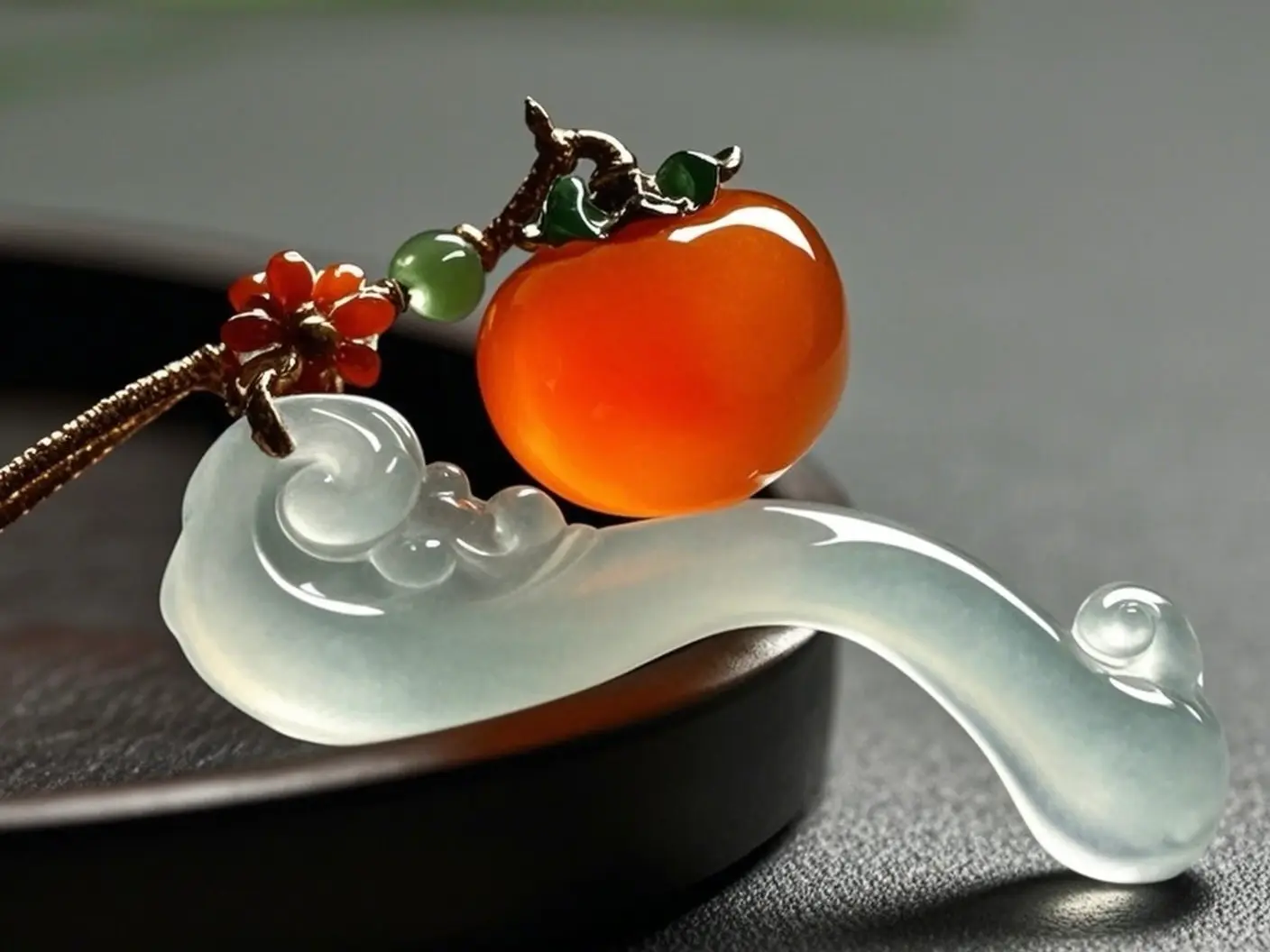
Chinese Jade Prices
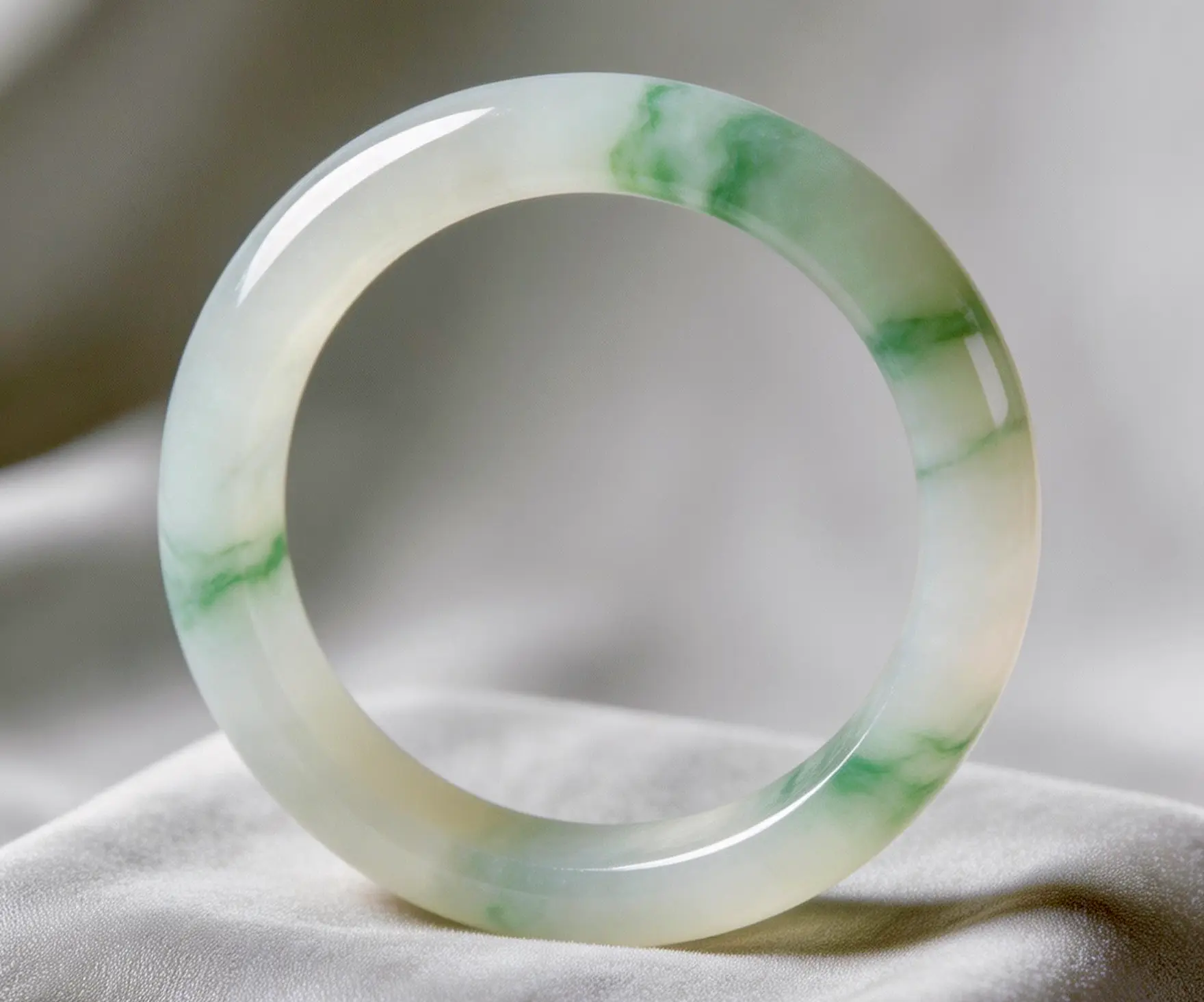 Click to enlarge
A [jade bangle](/travel-guide/chinese-jade/bracelet-meaning) may carry cultural meaning, but its buying risk depends on [material](/travel-guide/chinese-jade/nephrite-vs-jadeite), [treatment](/travel-guide/chinese-jade/real-vs-fake), fit, documentation, and [seller claims](/travel-guide/beijing-city-guide/buying-jade-in-beijing).
Jade prices can vary widely because "jade" is not a single simple category. Nephrite and jadeite are different materials. A pale Hetian-style nephrite carving, a vivid green jadeite bangle, a treated jadeite pendant, a souvenir bead bracelet, and an old-looking market object should not be priced by the same logic. Color matters, but so do texture, translucency, treatment, carving quality, size, documentation, origin claims, market setting, and buyer confidence. DragonTrail does not appraise jade, certify authenticity, inspect purchases, or guarantee market value. This guide is for cultural and traveler education only.
- Reading time: 5-8 min
- Guide type: Cultural background
- Best for: Culture-curious Beijing visitors; Museum-goers before a jade gallery visit
- Less ideal for: Buyers seeking investment or appraisal advice
Chinese Jade Prices at a glance
| Topic | Traveler takeaway |
|---|---|
| Treatment | Natural, dyed, bleached, polymer-impregnated, waxed, or coated jade can have very different value and risk |
| Fashion cycles | Vivid green jadeite, white Hetian-style nephrite, and symbolic souvenir carvings follow different demand patterns |
| Tourist markup | Airport counters, tour shops, antique markets, and mall jewelry stores price by different sales logic |
| Documentation | A serious purchase needs written material and treatment details, traceable lab reports, and clear return terms |
Treatment
Treatment is one of the biggest reasons jade prices differ. In commercial jadeite language, jadeite may be described with A, B, and C grades. A jadeite means natural or wax-polished only. B jadeite means acid-bleached and polymer-impregnated. C jadeite means dyed. These terms are treatment categories, not museum period labels and not general cultural grades. Nephrite and other stones can also be dyed, waxed, coated, or sold under loose names. For travelers, the key point is simple: a beautiful color is not enough without material and treatment disclosure.
- A jadeite, B jadeite, and C jadeite refer to treatment status, not dynasty or age.
- Treatment can change durability, appearance, value, and resale confidence.
- For treatment and imitation issues, read the real vs fake jade guide.
Fashion cycles
Jade pricing is also shaped by fashion. Vivid green jadeite became highly desirable in later Chinese jewelry and market taste, especially when color, translucency, and fine texture come together. Older Chinese jade culture, however, placed great value on nephrite, including white and pale Hetian/Khotan material. Modern souvenir markets add another layer, where zodiac animals, bangles, pendants, and auspicious motifs may be priced more by gift appeal than by museum-level material importance.
- Green jadeite and white nephrite follow different cultural and market stories.
- Greener does not automatically mean older, better, natural, untreated, or more valuable.
- Symbolic motifs can affect gift appeal without proving authenticity or value.
Tourist markup
The same jade-style object can be priced very differently depending on where it is sold. A museum shop, hotel boutique, mall counter, antique market, airport counter, and street stall all have different rent, audience, bargaining style, and storytelling. A higher price does not prove better jade, and a lower price does not prove fake jade. The problem for travelers is information: if material, treatment, origin, and return terms are unclear, the price is hard to evaluate.
- Treat tourist prices as retail offers, not objective appraisals.
- Compare similar objects only after checking material, size, treatment, carving, and documentation.
- For Beijing-specific shopping caution, read the buying jade in Beijing guide.
Documentation
Documentation matters most when the purchase is expensive. A receipt can prove what you paid, but it does not prove the jade is natural, untreated, old, Hetian, imperial, or valuable. A useful document should state material, treatment, weight or size, seller details, price, date, and return terms. For serious purchases, use a traceable gemological lab report and verify it independently before paying.
- A receipt is not the same as authentication.
- A certificate is only useful if the issuing lab is traceable and the report matches the object.
- Expensive jade should be tested before purchase, not after departure.
- DragonTrail does not appraise jade, certify authenticity, inspect purchases, or guarantee market value.
Common mistakes: Chinese Jade Prices
Asking for a simple price chart
Jade does not price cleanly by color or object type alone. Material, treatment, texture, translucency, carving, size, documentation, origin claims, and sales setting all change the risk.
Treating price as proof
A high price does not prove authenticity, age, untreated material, or investment value. A low price does not automatically prove fake jade. Price is only one signal.
Confusing museum value with market value
A museum jade object is important because of period, provenance, function, material, and historical context. A similar-looking shop item does not inherit that value without documentation and expert evaluation.
Chinese Jade Prices FAQ
- Jade prices vary because material, color, texture, translucency, treatment, carving, size, documentation, origin claims, and sales setting all matter. Color alone is not enough.
- No. Fine green jadeite can be very valuable, but greener does not automatically mean older, natural, untreated, authentic, or more valuable. White and pale nephrite can also be culturally important.
- Jadeite price can be affected by color, translucency, texture, size, cut, treatment status, and documentation. A jadeite, B jadeite, and C jadeite are treatment categories, not dynasty labels.
- Nephrite price can be affected by color, texture, source claims, carving quality, size, condition, documentation, and cultural demand. Hetian or Khotan labels should not be accepted without documentation.
- No. A high price does not prove authenticity, treatment status, origin, age, or value. Written documentation and independent gemological testing matter more than price alone.
- No. Cheap jade may be low-quality natural jade, treated jade, another stone sold as jade, glass, or simply a souvenir item. Testing is needed for certainty.
- No. Most travelers should treat jade purchases as souvenirs or personal gifts unless they have independent expert advice, lab testing, documentation, and clear return terms.
- No. DragonTrail does not appraise jade, certify authenticity, inspect purchases, recommend investment pieces, or guarantee market value. This guide is for cultural and traveler education only.
Explore jade as culture, not commodity
Jade prices are easiest to understand after separating culture from commerce: use museums for education, use lab testing for serious purchases, and treat most tourist-market jade as souvenir-risk shopping.
DragonTrail does not sell jade or offer authentication. For buying questions, read our traveler-education pages and treat any purchase as your own risk.