
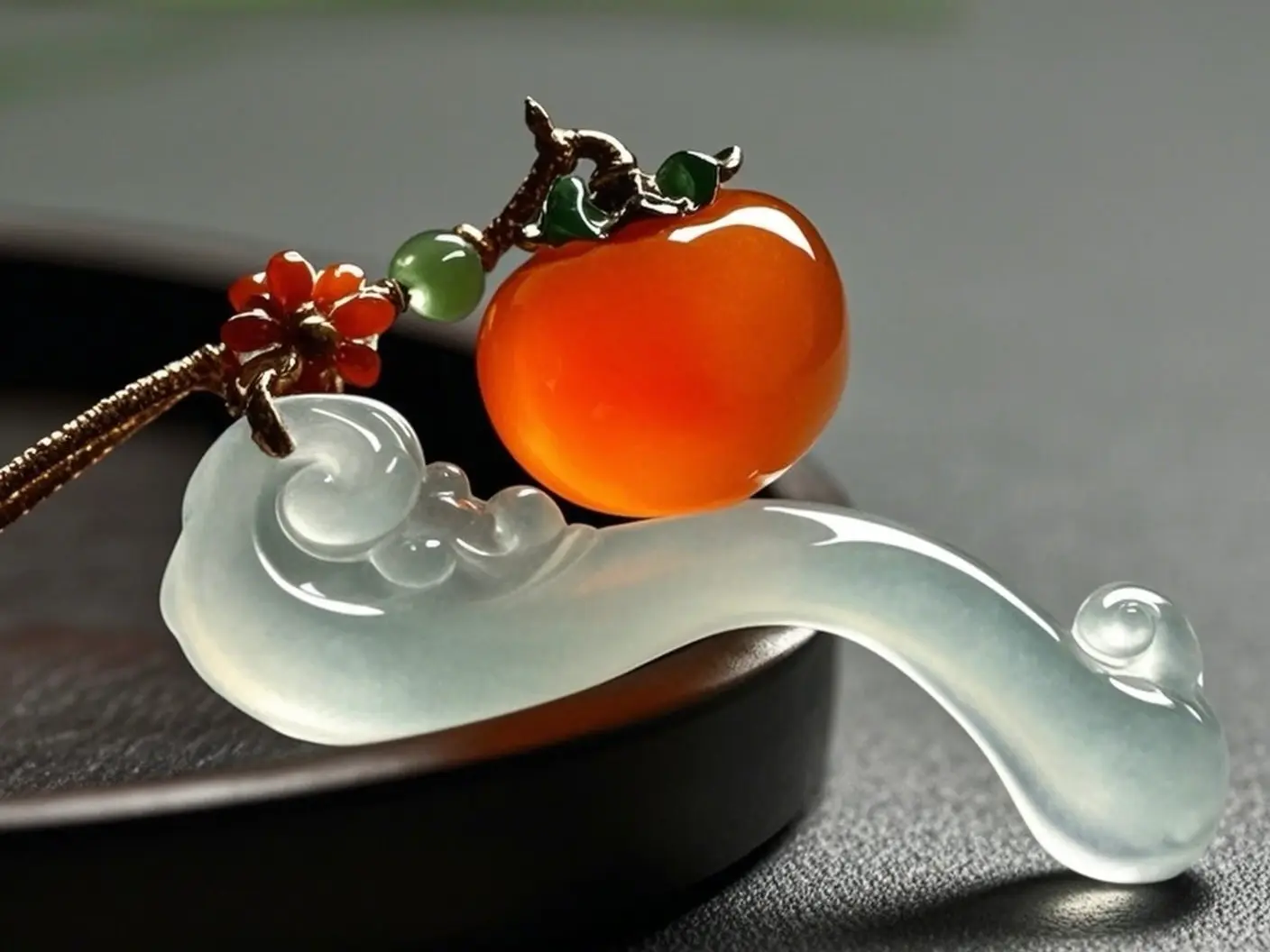
White Jade and Mutton-Fat Jade
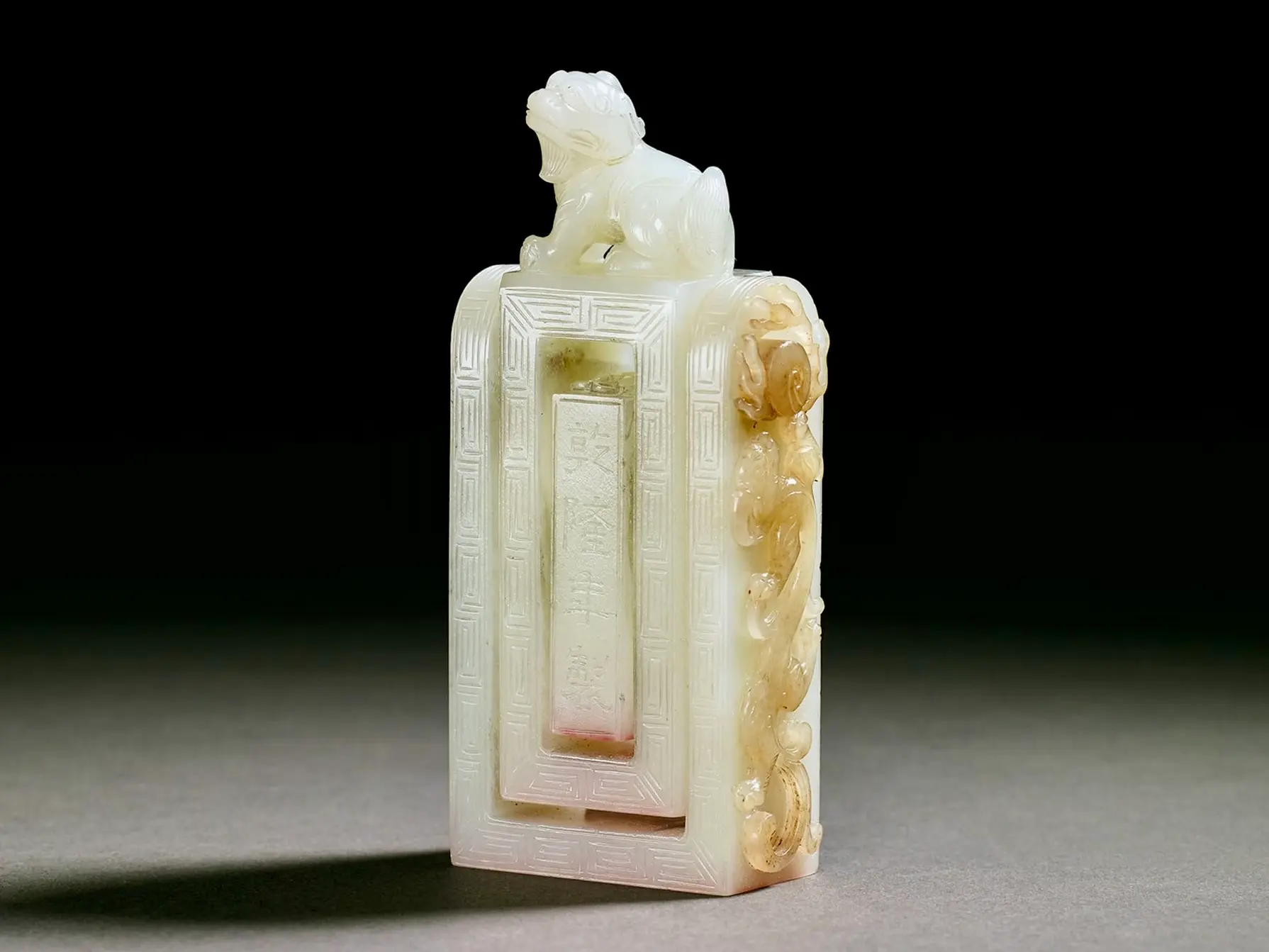 Click to enlarge
Qing white nephrite objects show why pale jade was valued for imperial seals, inscriptions, refined carving, and court display.
Many travelers imagine jade as bright green, but much of Chinese jade history admired white and pale nephrite. "Mutton-fat jade" is a traditional descriptive term for especially fine white nephrite with a soft, creamy, slightly oily-looking texture. This taste is closely connected with Hetian and Khotan jade from Xinjiang, Qing court collections, and imperial objects such as seals, vessels, scholar pieces, and monumental carvings. In museums, white jade should be read through material, texture, date, carving, and cultural context—not simply through color.
White Jade and Mutton-Fat Jade at a glance
| Topic | Traveler takeaway |
|---|---|
| Mutton-fat white | A prestige description for fine creamy white nephrite, not a certificate by itself |
| Hetian link | Hetian/Khotan nephrite from Xinjiang is central to Chinese white jade taste |
| Qing court | Qing imperial collections used white and pale nephrite for seals, vessels, scholar objects, and monumental carvings |
| Buying caution | Pale color alone does not prove Hetian origin, age, quality, authenticity, or value |
Mutton-fat white
"Mutton-fat" is a visual and tactile description. It refers to white nephrite that appears creamy, smooth, and softly lustrous rather than glassy or bright. The term helps explain why Chinese jade appreciation often valued quiet texture over strong color. For travelers, this is the main correction: important jade in Beijing museums may look white, pale green, grey-green, or softly translucent—not emerald green.
- Mutton-fat jade is a descriptive term, not automatic proof of origin or value.
- White nephrite is central to older Chinese jade taste.
- For the material distinction, read the nephrite vs jadeite guide.
Hetian link
White jade is strongly linked with Hetian, historically known as Khotan, in southern Xinjiang. Hetian/Khotan nephrite became a prestige material because of its texture, color, rarity, and long association with imperial collections. But the name should be used carefully. Not every white jade object is Hetian jade, and not every shop label using "Hetian" proves origin or quality.
- Hetian and Khotan refer to the same jade region in southern Xinjiang.
- The prestige material is nephrite, not jadeite.
- For source and terminology, continue to the Hetian jade guide.
Qing court
The Qing court made white and pale nephrite one of the most visible forms of imperial jade. Emperors, especially Qianlong, valued Khotan and Hetian boulders for seals, vessels, scholar objects, archaistic forms, and large carved mountains. The Forbidden City Treasure Gallery is useful because it shows white jade as court culture: material access, workshop skill, classical taste, and imperial display.
- Qing imperial jade is often nephrite, not bright green jadeite.
- The Da Yu Taming the Floods carving is one of the strongest Beijing examples.
- For Qing context, read the Qing dynasty jade guide and Forbidden City jade guide.
Buying caution
White jade language is often used loosely in shops. A piece may be called "mutton-fat," "Hetian," "old jade," or "imperial style," but those words do not prove material, source, treatment, age, or value. Similar-looking white nephrite can come from different sources, and some material may be treated or dyed to imitate more desirable stones. Museum labels and retail claims should not be treated the same way.
- Do not buy white jade based only on color or a prestige name.
- Treat "mutton-fat" and "Hetian" claims as unproven unless independently documented.
- DragonTrail does not appraise jade, certify authenticity, or guarantee market value. This guide is for cultural and traveler education only.
Common mistakes: White Jade and Mutton-Fat Jade
Assuming jade should be emerald green
Much of Chinese jade history favored white, pale green, grey-green, or softly translucent nephrite. Bright green jadeite became especially fashionable later and should not be treated as the default for Chinese jade history.
Treating "mutton-fat" as proof
"Mutton-fat" describes a desirable look and texture, but shop usage can be loose. It is not proof of Hetian origin, natural color, age, authenticity, or market value.
Ignoring museum context
A white jade seal, cup, plaque, or carved mountain may look plain until you understand material, source, carving, inscription, and court use. Museum context explains why quiet white jade mattered.
White Jade and Mutton-Fat Jade FAQ
- White jade usually refers to pale or white nephrite in Chinese jade culture. It was admired for its quiet luster, smooth texture, and association with refinement, especially in Hetian/Khotan material.
- Mutton-fat jade is a traditional description for fine white nephrite with a creamy, softly lustrous appearance. It is a prestige term, not proof by itself of origin, age, or value.
- White and pale nephrite were valued for texture, subtle color, carving quality, and cultural association. Qing imperial collections especially favored Khotan and Hetian nephrite for seals, vessels, scholar objects, and monumental carvings.
- For much of Chinese jade history, white and pale nephrite were highly important. Vivid green jadeite became especially fashionable later, particularly in late imperial and modern jewelry culture.
- No. White nephrite can come from different sources. Hetian origin and quality require expert evaluation and reliable documentation.
- Start with the Forbidden City Treasure Gallery for Qing imperial white nephrite, including seals, vessels, scholar objects, and monumental carvings. Beijing museum collections provide better context than markets.
- DragonTrail does not appraise jade, certify authenticity, or guarantee market value. This guide is for cultural and traveler education only.
Explore jade as culture, not commodity
White jade is easiest to understand through museum objects: Hetian nephrite, Qing imperial seals, scholar pieces, carved vessels, and the pale jade taste that shaped Chinese court collections.
DragonTrail does not sell jade or offer authentication. For buying questions, read our traveler-education pages and treat any purchase as your own risk.