31,000 jade pieces
 Click to enlarge
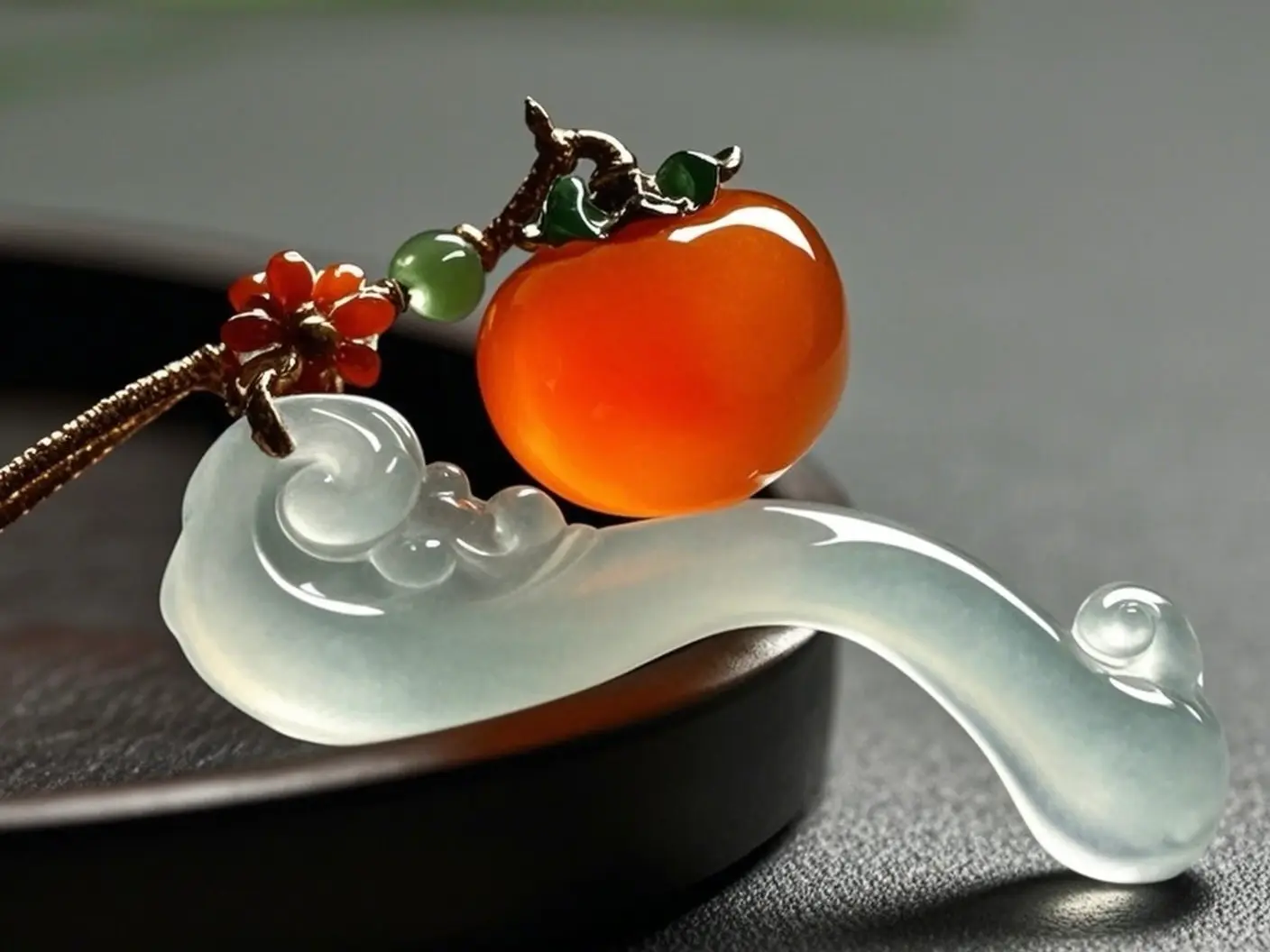
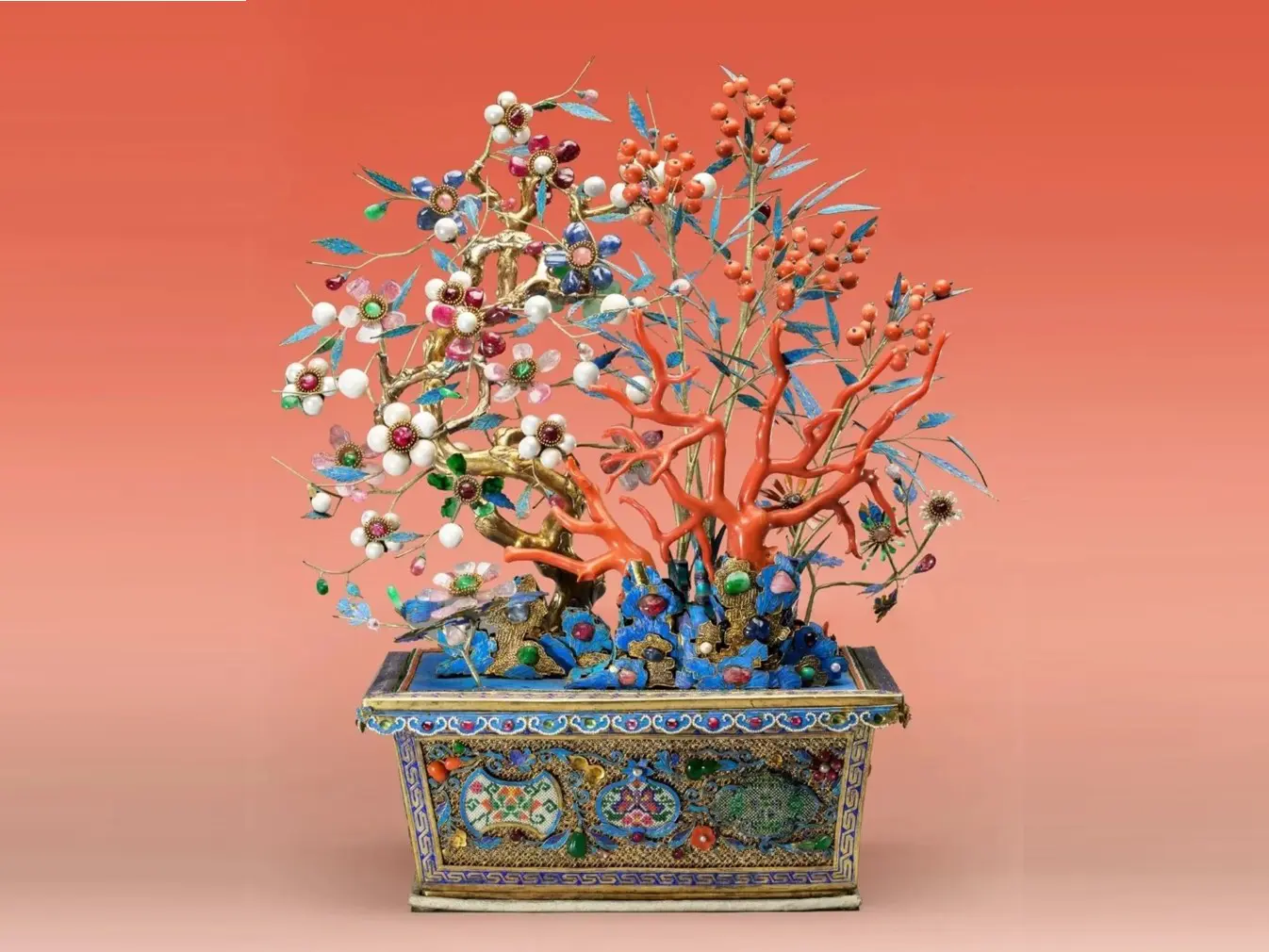
[Qing court objects](/travel-guide/chinese-jade/qing-dynasty) often combined [jade](/travel-guide/chinese-jade/meaning), hardstones, metalwork, and [auspicious motifs](/travel-guide/chinese-jade/auspicious-symbols), showing how jade worked inside a broader [imperial display culture](/travel-guide/chinese-jade/imperial-objects).
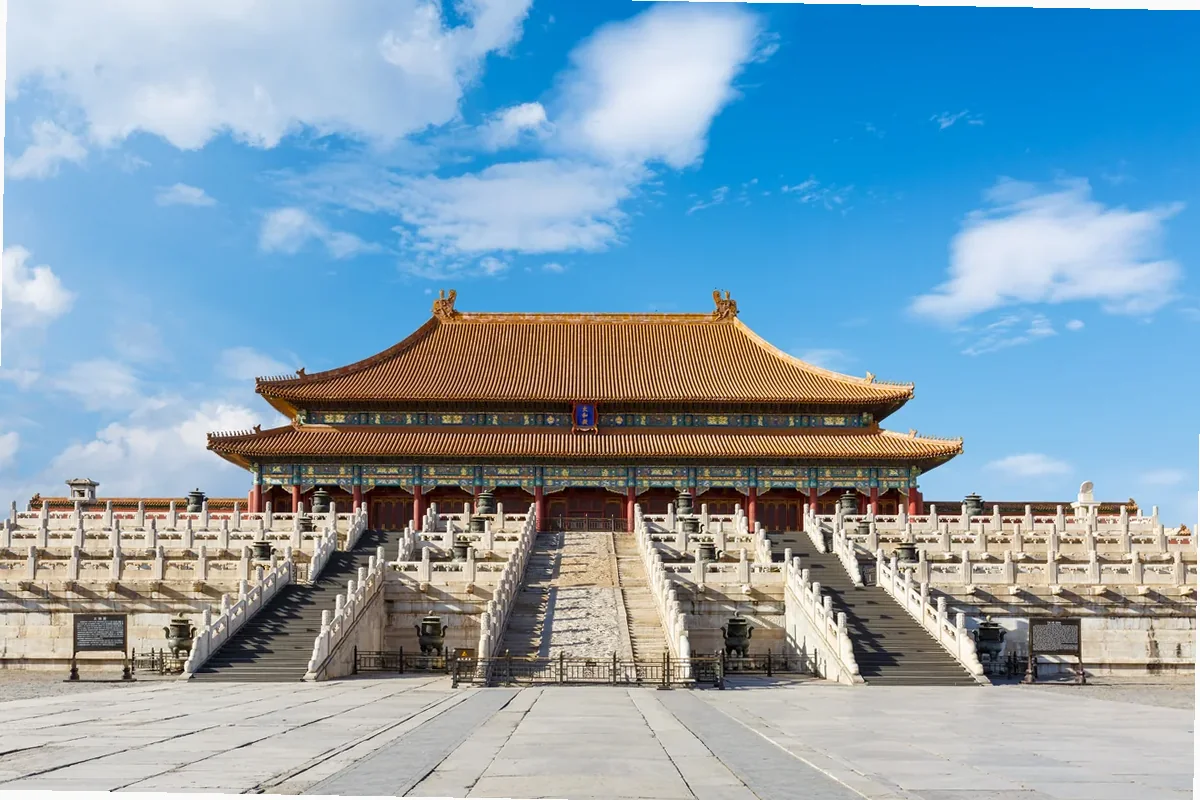
The Palace Museum holds one of the world's important Chinese jade collections, with tens of thousands of objects from Neolithic forms to Ming and Qing court pieces. For most travelers, the strongest jade stop is the Forbidden City Treasure Gallery, where Qing imperial jade becomes easier to understand through vessels, seals, scholar objects, court ornaments, and the Da Yu Taming the Floods jade mountain. Use this page as a focused Forbidden City jade guide, then continue to the wider Chinese Jade Guide if you want background on meaning, nephrite vs jadeite, ancient ritual forms, and Beijing museum routing.
- From central Beijing: Central Beijing — about 20–45 minutes by subway or taxi
- Typical visit style: Treasure Gallery: 60–90 min add-on
- Difficulty: Easy - indoor display
- Crowds: Quieter than central axis
- Best for: Art and craft-curious visitors; Travelers adding Treasure Gallery to a Forbidden City day
- Less ideal for: Short Forbidden City visits skipping the northeast annex
Jade highlights
| Era | Type | Highlight |
|---|---|---|
| Neolithic and early China | Ritual and burial jade | Bi discs, cong tubes, plaques, blades, and early jade forms best understood through ancient context |
| Han dynasty | Burial jade and body-related objects | Jade burial suits, plugs, ornaments, and the belief that jade could preserve or protect the body in funerary thought |
| Qing Qianlong | Hetian/Khotan nephrite boulder carving | Da Yu Taming the Floods, a monumental jade mountain completed in the Qianlong reign |
| Qing court objects | Imperial vessels, seals, scholar pieces, and ornaments | White nephrite, carved vessels, seal forms, desk objects, auspicious motifs, and refined court display |
Da Yu Taming Floods
Da Yu Taming the Floods is the anchor jade object for this page. It was made during the Qianlong reign from a large Hetian/Khotan nephrite boulder from Xinjiang. The finished jade mountain is about 224 cm high and 96 cm wide, with a bronze pedestal about 60 cm high, and weighs about 5,000 kg (5 tonnes). Its carved landscape shows Yu the Great and workers controlling floodwaters, turning a legendary moral story into an imperial Qing jade monument.
- Completed in the Qianlong reign and associated with Qing imperial collecting.
- Made from Hetian/Khotan nephrite from Xinjiang.
- About 224 cm high, 96 cm wide, and about 5,000 kg (5 tonnes).
- Read it as imperial jade, carved landscape, political morality, and workshop achievement—not as jewelry or souvenir jade.
Khotan and Hetian origin
Khotan is the older historical name, while Hetian is the modern pinyin form. For Chinese jade history, the name matters because Xinjiang nephrite became central to elite and imperial jade taste, especially for pale, white, greenish, and russet-skinned material. Qing court access to Hetian/Khotan nephrite helped support ambitious carvings, vessels, seals, and scholar objects. This is a different story from vivid green jadeite, which entered Chinese use through Myanmar/Burma sources and became especially influential later, especially in jewelry and market taste.
- Khotan and Hetian refer to the same important Xinjiang jade region in different naming systems.
- Hetian/Khotan jade is nephrite, not jadeite.
- White and pale nephrite were central to Qing imperial taste.
- Use the Hetian jade and nephrite vs jadeite guides for material context.
Where to see them
The main jade focus is the Forbidden City Treasure Gallery, in the northeastern part of the Palace Museum route. It works best as an intentional add-on inside a Forbidden City visit, not as a rushed afterthought. Check current Palace Museum and Treasure Gallery ticket rules before planning, because entry policies, add-on requirements, and display conditions can change. Allow about 60–90 minutes if you want to read labels and compare jade with other court treasures.
- Plan the Treasure Gallery as part of your Forbidden City route.
- Check current ticket and gallery-entry rules before the visit.
- Allow 60–90 minutes for a focused jade and treasure-gallery stop.
- Pair this page with the jade-focused Forbidden City route if jade is a priority.
Link to wider jade cluster
Forbidden City jade is one part of a wider Beijing jade route. Use this page for Qing imperial objects, the Treasure Gallery, and Da Yu Taming the Floods. Use the Chinese Jade Guide for basic meaning and material terms, the jade museums guide to compare Beijing museum stops, and the National Museum-focused pages if you want earlier jade: Neolithic forms, bi discs, cong tubes, and Han burial jade.
- Start with the Chinese Jade Guide for meaning and terminology.
- Use the jade museums guide to compare the Palace Museum, National Museum of China, and Capital Museum.
- Use the ancient jade and bi discs/cong guides for earlier ritual context.
- Use the buying jade in Beijing guide only if you are considering a purchase.
- Compare the two paid galleries
Common jade mistakes
Treating the Treasure Gallery as an afterthought
The Treasure Gallery is a focused jade and court-treasure stop inside a larger Forbidden City visit. Check current ticket rules and allow enough time to read labels rather than rushing through it.
Confusing nephrite with jadeite
Many important Forbidden City jade objects are nephrite, especially Hetian/Khotan material. Vivid green jadeite belongs to a different material story and became especially influential later in jewelry and market taste.
Reading museum jade as shopping advice
Museum objects teach cultural context, material history, function, and imperial taste. They do not make a traveler qualified to authenticate or price market jade. DragonTrail does not appraise jade, certify authenticity, inspect purchases, or guarantee market value.
Forbidden City jade FAQ
- The most famous jade highlight is Da Yu Taming the Floods, a monumental Qing jade mountain made during the Qianlong reign from Hetian/Khotan nephrite from Xinjiang. It is about 224 cm high and weighs about 5,000 kg (5 tonnes).
- The main jade stop is the Forbidden City Treasure Gallery inside the Palace Museum route. Check current ticket and gallery-entry rules before planning your visit.
- Many important Forbidden City jade objects are nephrite, especially Hetian/Khotan material. Jadeite is also real jade, but it belongs to a different material story and became especially influential later in jewelry and market taste.
- Hetian, historically known as Khotan, refers to the Xinjiang jade tradition strongly associated with prestige nephrite. Qing emperors especially valued this material for seals, vessels, scholar objects, and monumental carvings.
- Allow about 60–90 minutes if jade and court treasures are a priority. It is better to plan it intentionally than to add it at the end of a rushed Forbidden City visit.
- Yes, if you want ancient jade context. The National Museum of China is stronger for Neolithic forms, bi discs, cong tubes, burial jade, and long chronology, while the Forbidden City is stronger for Qing imperial jade.
- No. DragonTrail does not appraise jade, certify authenticity, inspect purchases, recommend investment pieces, or guarantee market value. This guide is for cultural and traveler education only.
- Continue with the Chinese Jade Guide, the jade museums guide, the jade-focused Forbidden City route, and the nephrite vs jadeite guide.
Continue learning jade
Add the Treasure Gallery intentionally if jade is a priority inside your Forbidden City visit, then use the Chinese Jade Guide and Beijing jade museum pages for material terms, ancient context, and wider museum routing.