
Chinese Dynasties and Historical Periods: Quick Timeline
Dates below are conventional approximations used by museums and reference works. Transitions overlapped; rival states often existed at the same time.
| Period | Approx. dates | Why it matters | Best travel connection |
|---|---|---|---|
| Prehistoric China | Before c. 1600 BC | Neolithic cultures, agriculture, pottery, jade, early settlements | Museums and archaeological sites |
| Xia | Traditionally c. 2070–1600 BC | Traditional first dynasty; textual accounts and archaeology remain debated | Erlitou / Luoyang region where relevant |
| Shang | c. 1600–1046 BC | Bronze culture, oracle-bone inscriptions, early written kingship | Anyang |
| Zhou | 1046–256 BC | Longest-lasting dynasty; Mandate of Heaven; major philosophical traditions | Luoyang / broader central China |
| Spring and Autumn / Warring States | 770–221 BC | Fragmentation, warfare, Confucius and other intellectual traditions | Multiple regions |
| Qin | 221–206 BC | First imperial unification; standardization; Qin Shi Huang | Xi'an / Terracotta Warriors |
| Han | 206 BC–220 AD | Imperial institutions, Silk Roads, enduring Han identity | Xi'an, Luoyang |
| Three Kingdoms and periods of division | 220–589 | Competing kingdoms; migration; Buddhism; northern and southern states | Chengdu, Nanjing, Datong, Luoyang |
| Sui | 581–618 | Reunification; major canal works; bridge to Tang | Grand Canal context |
| Tang | 618–907 | Cosmopolitan empire, Chang'an, Silk Road exchange, poetry, Buddhism | Xi'an |
| Five Dynasties / Ten Kingdoms | 907–960 | Another period of political fragmentation | Historical context rather than a primary tourist era |
| Song | 960–1279 | Commerce, cities, printing, science, art; Northern and Southern Song | Kaifeng, Hangzhou |
| Yuan | 1271–1368 | Mongol rule; Kublai Khan; Beijing as a major capital | Beijing |
| Ming | 1368–1644 | Forbidden City, major Great Wall construction, maritime expeditions, trade | Beijing, Nanjing, Great Wall |
| Qing | 1644–1912 | Manchu-led empire; expansion; later internal and external crises | Beijing, Chengde |
| Republic of China era | 1912–1949 | End of imperial rule; fragmentation; war; Nationalist government | Nanjing, Shanghai, Chongqing |
| People's Republic of China | 1949–present | Reconstruction, campaigns, reform and opening, urban transformation | Beijing, Shanghai, Shenzhen and modern China |
The Song did not rule all territories associated with present-day China continuously. Liao, Western Xia and Jin states coexisted with it.
Is Chinese History Really Just a List of Dynasties?
No.
Dynasties are useful because they provide a chronological framework, but Chinese history becomes misleading if every period is imagined as one emperor ruling one fixed territory called “China.”
For long periods, several states existed simultaneously.
Political borders changed.
Some ruling houses were founded by peoples such as the Khitan, Jurchen, Mongols and Manchus.
Regions that are now within China had different political histories, languages, religions and relationships with central states.
China repeatedly experienced:
- unification
- fragmentation
- migration
- conquest
- cultural exchange
- expansion
- rebellion
- institutional rebuilding
Therefore, use dynasties as navigation, not as the entire explanation.
Ancient China
Before the Dynasties: Where Does Chinese History Begin?
Human occupation in what is now China stretches far into prehistory.
By the Neolithic period, different settled agricultural cultures had developed across the Yellow River, Yangtze River and other regions.
These societies did not constitute one unified Chinese state.
Over time, increasingly complex settlements, political systems, ritual traditions and technologies emerged.
Chinese historical tradition describes the Xia as the first dynasty, but historians and archaeologists distinguish between traditional accounts and what archaeology can independently demonstrate.
The Shang gives us much firmer historical footing.
Phrases such as “5,000 years of uninterrupted history” compress a much more complicated archaeological and historical record. Continuity of cultural practices is not the same as one state ruling one territory without interruption.
Shang: Bronze, Kings and the Beginnings of Written History
The Shang dynasty is one of the earliest Chinese dynasties supported by substantial archaeological and written evidence.
Its late capital near modern Anyang has yielded:
- palace and ritual remains
- royal tombs
- sophisticated bronze vessels
- oracle bones inscribed with early Chinese writing
Oracle-bone inscriptions recorded questions posed to royal ancestors about warfare, harvests, weather, childbirth and other matters.
They reveal something important:
Chinese history no longer depends solely on stories written centuries later.
Here, rulers begin speaking to us through contemporary written evidence.
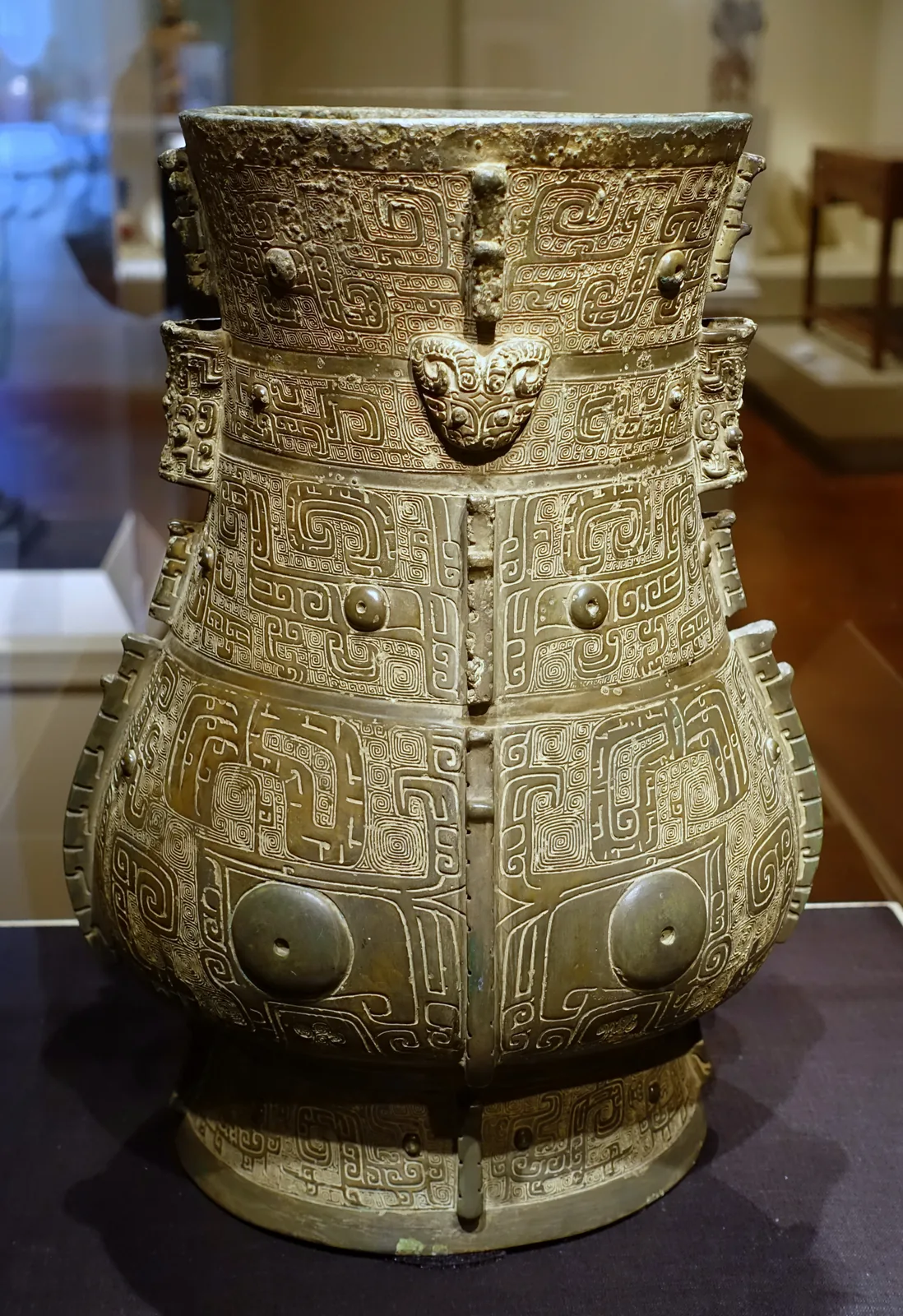
Anyang is the key city for travelers specifically interested in Shang civilization. If your itinerary does not include Anyang, museum bronzes in Xi'an, Luoyang, Beijing and Shanghai still make the period tangible.
See also DragonTrail's Chinese bronzeware guide.
Zhou: The Political Ideas That Outlived the Dynasty
The Zhou conquest of Shang introduced a political language that outlasted the dynasty itself.
The Mandate of Heaven framed rule as conditional: a dynasty could lose legitimacy through misrule, disaster or defeat. That idea later helped explain both conquest and reform.
Western Zhou authority later weakened. The Eastern Zhou centuries include the Spring and Autumn and Warring States periods, when competing states fought, reformed and experimented.
Confucius, Daoism and the Hundred Schools of Thought
Political fragmentation produced remarkable intellectual experimentation.
Confucius, later Confucian traditions, Daoist texts, Legalism and other schools belong to this age of ideas. For travelers, the important connection is that political ideas developed during the Zhou period continued to shape later imperial institutions long after the Zhou state itself had disappeared. For doctrine in more depth, see Chinese philosophy and Chinese religion.
Luoyang and the broader central plain are the geographic core of this story, even when surviving buildings date from much later.
Early Imperial China
Qin: The First Emperor Unifies China
In 221 BC, the ruler of Qin defeated the remaining rival states and took the title Qin Shi Huang — First Emperor of Qin.
The Qin dynasty survived only a short time.
Its influence did not.
Qin politics included administrative centralization, standardization of measures and writing practices, roads and infrastructure, frontier defenses, and an imperial ideology that made one ruler the apex of a vast territorial state.
The Qin tomb complex near Xi'an, with the Terracotta Warriors, is the traveler's most direct encounter with that ambition.
Earlier states had constructed defensive walls. The Qin linked, extended and reorganized frontier defenses. Most of the famous brick and stone Great Wall sections travelers see near Beijing today date primarily from the Ming dynasty. Qin Shi Huang did not “build the Great Wall” in the form visitors photograph at Mutianyu or Badaling.
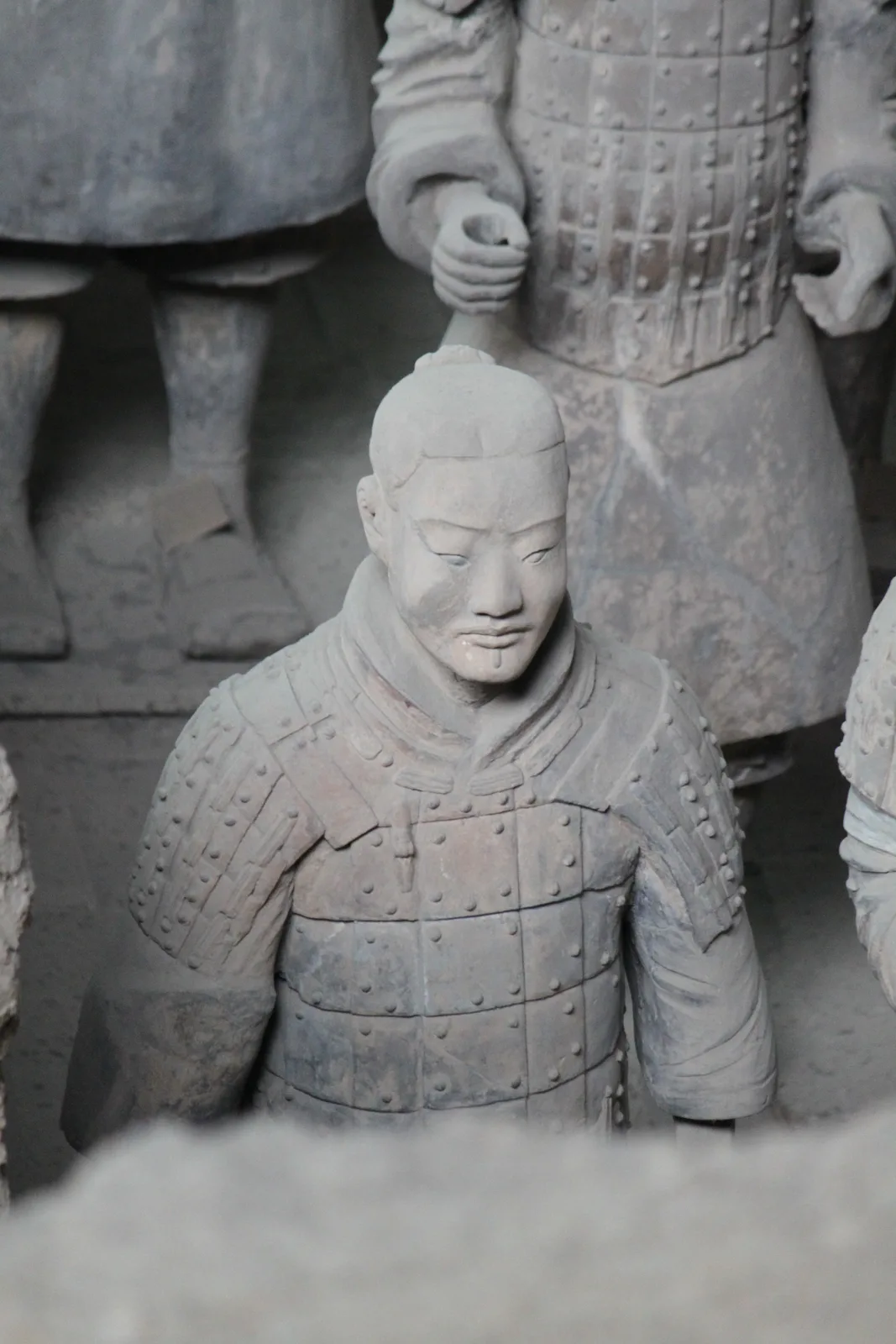
Where to experience the Qin today
Xi'an is the Qin city for travelers: the Terracotta Warriors, the Qin Shi Huang mausoleum landscape, and the Shaanxi History Museum context. A Terracotta Warriors tour is a practical way to see the pits without treating the site as a detached photo stop.
Han: Building an Imperial System That Lasted
The Han dynasty inherited the basic imperial framework created by Qin but made it more durable.
Over four centuries, with an interruption, Han governments developed bureaucracy, diplomacy and trade across Central Asia, and a cultural identity still visible in the term “Han Chinese.” That identity has a history; it is not a timeless ethnic essence.
Confucian state ideology developed over time rather than arriving complete in 206 BC. Historical writing, including Sima Qian, gave later readers a narrative of earlier ages. Papermaking underwent important development in this era — a bridge to DragonTrail's Chinese inventions and technology guide.
If Qin created the basic imperial machine, Han helped make it sustainable.
Traveler connections: Xi'an for Western Han / Chang'an, and Luoyang for the Eastern Han capital. Surviving Han buildings are rare; tombs, museums and city-as-capital geography do more of the teaching than street facades.
Era of Fragmentation
Three Kingdoms: When History Became Legend
The Han collapse was followed by competing regimes, conventionally remembered as Wei, Shu and Wu.
The period is disproportionately famous because of later literature, particularly *Romance of the Three Kingdoms*. Distinguish historical Three Kingdoms from the novel. Characters and episodes from fiction should not be treated as unquestioned historical fact.
For the later literary version of these events and characters, see our guide to Romance of the Three Kingdoms.
Chengdu is the strongest travel connection for Shu Han memory, including Wuhou Shrine and the Zhuge Liang cult of later centuries. See the Chengdu city guide. Chengdu's appeal is not that the third-century city survives intact. It is that later commemorative sites still organize the landscape around that memory.
A Divided China — and the Spread of Buddhism
Simplistic China timelines jump almost directly from Han to Tang. That erases centuries of division, migration and religious change.
Northern dynasties and southern courts coexisted. Populations moved. Buddhism in China became deeply embedded, with artistic and religious exchange across Central Asia.
Datong makes the Northern Wei tangible. Yungang Grottoes are much easier to understand once you know that Datong was once the capital of the Northern Wei, not merely another Chinese city with Buddhist caves.
Luoyang later became a Northern Wei capital as well; Longmen Grottoes belong to that onward story.
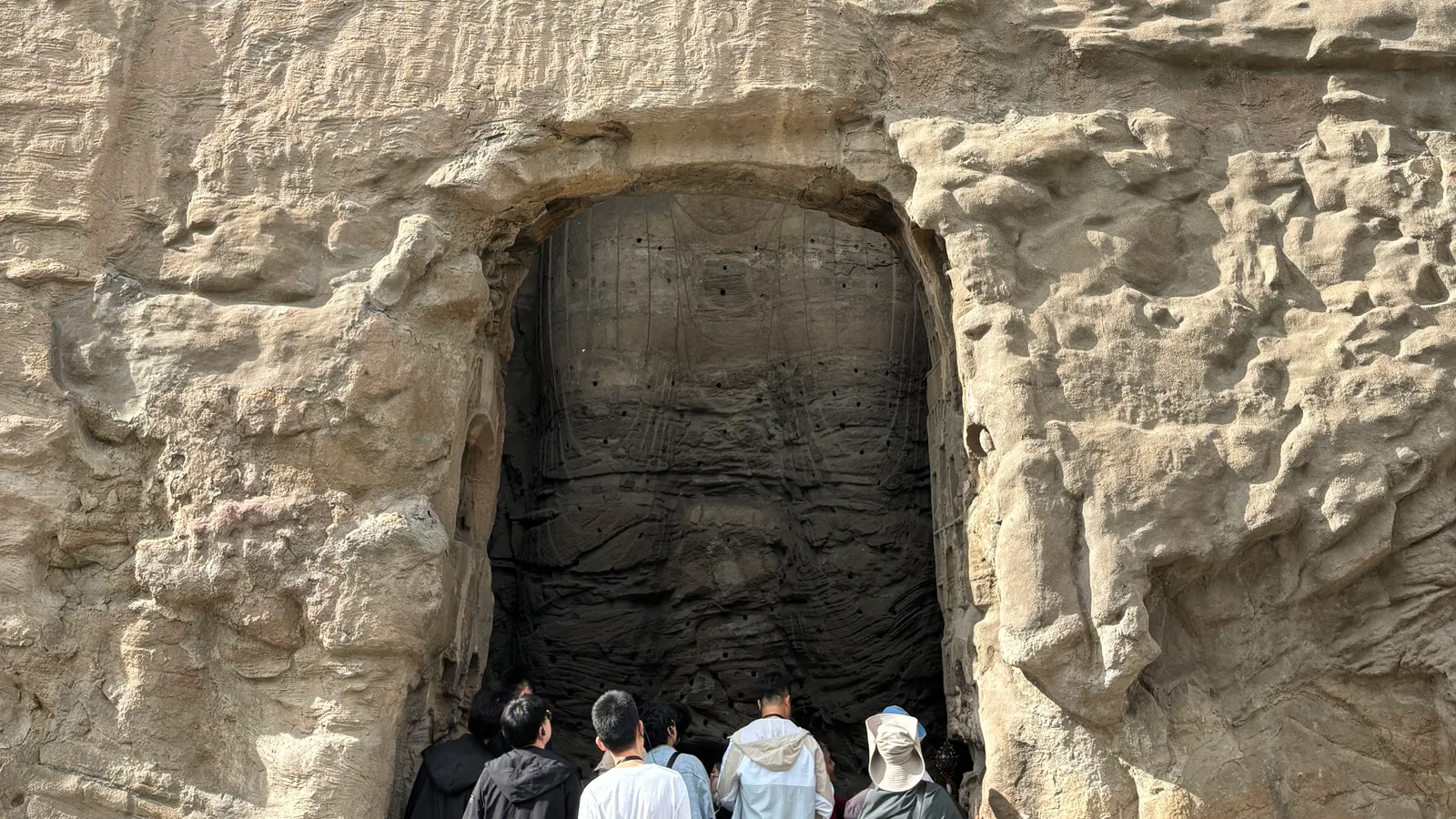
Datong is one of the clearest places to understand the Northern Wei. The Yungang Grottoes preserve the dynasty's Buddhist art on a monumental scale, while Datong's role as an early Northern Wei capital gives the caves their political and historical context. Check current opening hours and ticket arrangements before visiting.
Middle Imperial China
Sui: Short Dynasty, Enormous Consequences
Like Qin, the Sui was short-lived but structurally important.
It reunified China after long division, expanded canal works that later underpinned the Grand Canal system, and left institutions the Tang inherited. Costly military campaigns and political collapse followed.
For travelers, Sui is easier to understand as infrastructure and reunification than as a set of famous palaces. Canal cities and later Tang Xi'an carry more of the visible story.
Tang: When Chang'an Became a Global City
Tang China is remembered as one of China's great cultural periods, but its nearly three centuries included expansion, rebellion, political struggles and eventual fragmentation.
Chang'an — on the site of modern Xi'an — was a cosmopolitan imperial capital connected to Silk Road exchange, international communities, Buddhism, poetry and art.
The An Lushan Rebellion was a turning point, not a footnote. Later Tang was not a simple golden sunset.
Xi'an is the Tang city
Modern Xi'an overlays ancient Chang'an but does not preserve the Tang city intact.
Useful sites may include the Giant Wild Goose Pagoda, Small Wild Goose Pagoda, Daming Palace archaeological context, and the Shaanxi History Museum.
Xi'an's surviving city wall is primarily Ming-period construction, even though modern Xi'an overlays the much older Tang capital of Chang'an.
Song: The China Many Travelers Know Least — but Shouldn't
Song China saw major development in commercial cities, trade, printing, paper money, science, engineering, ceramics, painting and maritime commerce.
The Northern Song ruled from Kaifeng. After losing the north to the Jurchen Jin, the Southern Song ruled from Hangzhou.
Other major states including the Liao, Western Xia and Jin existed alongside the Song.
This is also why Chinese inventions and technology belong next to this history page: movable type, commercial publishing and urban consumption are Song-period stories as much as they are “invention” stories.
Kaifeng helps travelers imagine Northern Song commercial urban life.
Hangzhou became the Southern Song capital after the court lost northern China. West Lake has been reshaped repeatedly over the centuries, so today's landscape reflects many periods rather than preserving a single Southern Song moment unchanged.
Late Imperial China
Yuan: China Under Mongol Rule
Kublai Khan, grandson of Genghis Khan, established the Yuan dynastic name and ruled from the city that developed into modern Beijing.
Genghis Khan founded the Mongol Empire but did not rule China as emperor of the Yuan dynasty. Kublai completed the Mongol conquest of the Southern Song and founded the Yuan dynastic regime.
Yuan history is not simply “foreigners conquered China.” It is also not a story in which Mongol rule should be erased. A Mongol-founded dynasty governed a multiethnic empire that included China, moved people and knowledge across Eurasia, and helped establish Beijing's later importance as an imperial capital.
Most monumental sites travelers visit in Beijing today date to later Ming and Qing periods. Yuan Dadu is easier to understand as urban foundations and museum interpretation than as a surviving palace.
Ming: The China Behind Many Famous Monuments
The Ming dynasty was established in 1368 with an early capital at Nanjing. The Yongle emperor later shifted the principal capital to Beijing.
Ming history includes the Forbidden City, Zheng He voyages, overseas trade, porcelain production, major Great Wall construction, and later fiscal, environmental and political pressures that preceded rebellion and Manchu conquest.
Beijing
Connect the Forbidden City, Temple of Heaven, and Ming Tombs. Beijing's most visible imperial architecture is overwhelmingly Ming and Qing.
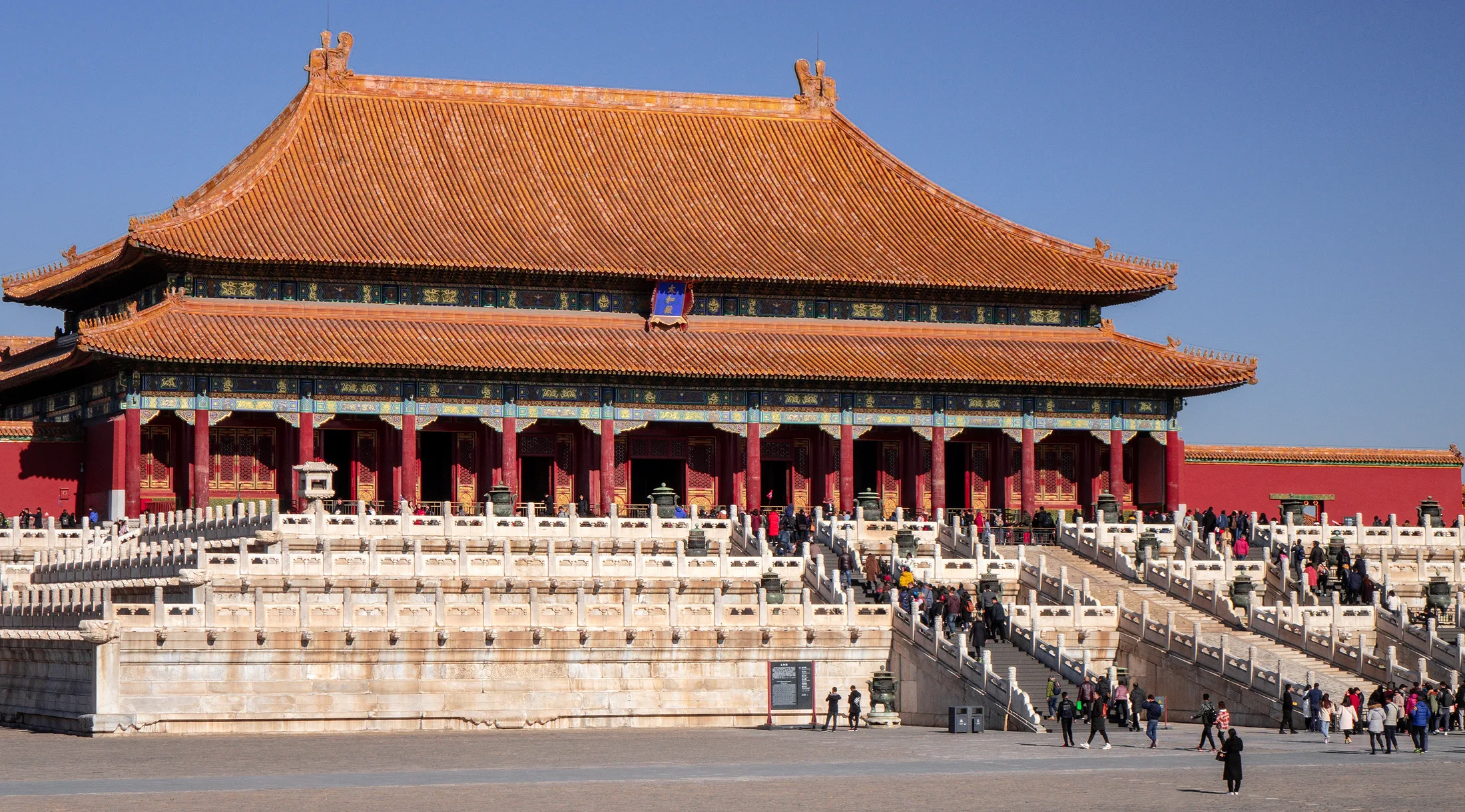
Great Wall
Much of the dramatic masonry Great Wall visited around Beijing today dates from the Ming period. See the Great Wall of China guide and, for a practical first section, Mutianyu.
Nanjing
Nanjing was the first Ming capital. Ming Xiaoling Mausoleum and the surviving city wall are the clearest places to connect the modern city with the dynasty's founding period.
Qing: China's Last Imperial Dynasty
The Qing dynasty was established by the Manchus, whose rulers governed a large multiethnic empire.
The Kangxi, Yongzheng and Qianlong era saw consolidation, territorial expansion and prosperity. Later Qing history included European trade, the Opium Wars, unequal treaties, the Taiping Rebellion, Self-Strengthening efforts, the Boxer crisis, late reforms and the 1911 Revolution.
The Qing period combined major territorial expansion and long phases of prosperity with increasingly severe internal rebellions, fiscal strain and foreign pressure during the nineteenth century.
Beijing
The Forbidden City continued as the principal palace. Add the Summer Palace, hutongs, and Lama Temple where they fit your route.
Chengde
Chengde's Mountain Resort and surrounding temples show a different side of Qing rule: imperial retreat, frontier politics and Inner Asian relationships beyond palace life in Beijing.
Modern China
Why Did Imperial China End?
There is no single cause.
Internal rebellions, fiscal strain, population pressure, governance problems, foreign military pressure, the treaty-port system, technological and military challenges, reform movements, nationalism and revolutionary organization all interacted.
Do not reduce the collapse to “Western powers caused the Qing to fall” or “the Qing refused to modernize.” Both slogans erase Chinese political conflict and overstate a single external lever.
The 1911 Revolution led to the abdication of the last Qing emperor in 1912, ending more than two millennia of imperial government.
Republic of China: Revolution, Warlords and War
The Republic of China was established in 1912. Central authority was often weak. The warlord era, Nationalist government, Chinese Communist movement, Japanese invasion, the Second Sino-Japanese War, wartime displacement, and renewed civil war after Japan's defeat shaped the decades before 1949.
In 1949 the People's Republic of China was founded on the mainland; the Republic of China government relocated to Taiwan.
For travelers, Nanjing, Shanghai and Chongqing make different parts of the Republican era visible through government sites, treaty-port architecture, wartime history and surviving urban landscapes.
Nanjing
Republican capital, Sun Yat-sen Mausoleum, Republican-era architecture, and wartime history.
Shanghai
Treaty-port era, foreign concessions, commerce, nationalism, revolutionary movements, and 1920s–30s urban history. See the Shanghai travel guide. Shanghai had history before the nineteenth century; its most visible historical identity for visitors is modern.
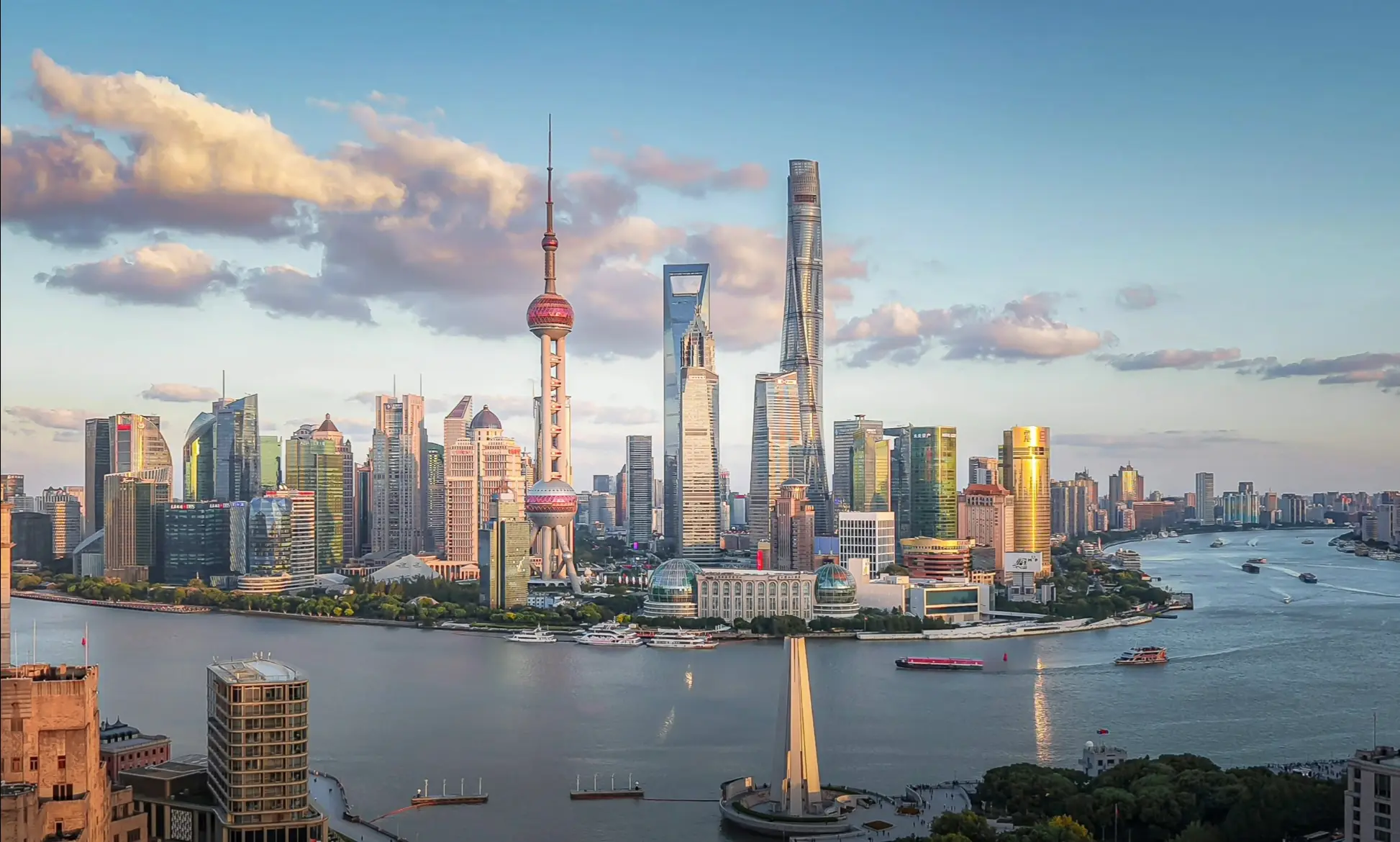
Chongqing
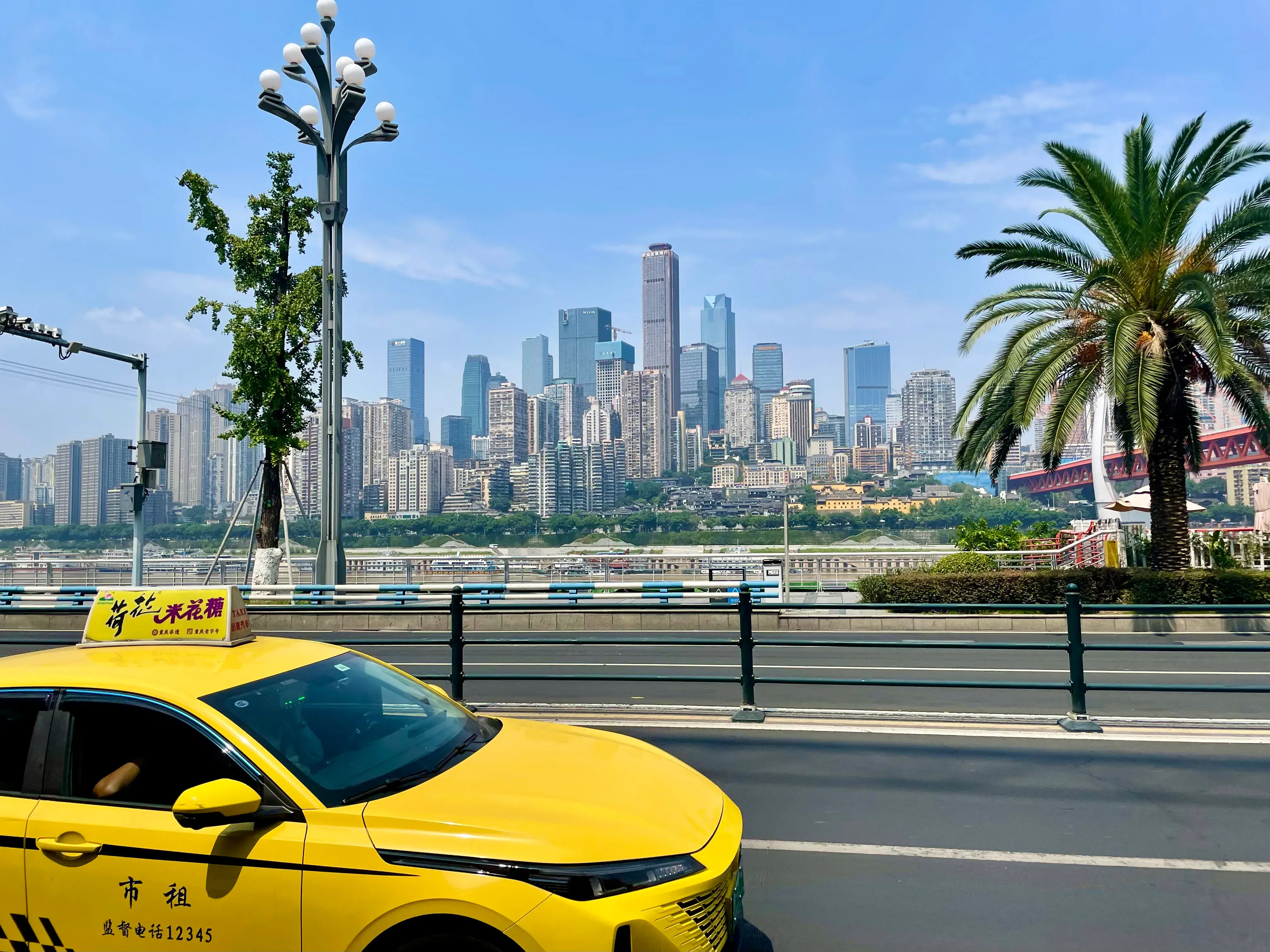
During much of the Second Sino-Japanese War, Chongqing served as China's wartime capital.
Wartime government, air raids, foreign diplomatic presence, mountain-city shelters and surviving historic sites give Chongqing a historical layer beyond hotpot and skyline. See the Chongqing city guide.
From 1949 to the China Travelers See Today
The People's Republic of China was founded in 1949. The decades that followed included reconstruction and socialist transformation, the Great Leap Forward, the Cultural Revolution, and reform and opening beginning in the late 1970s. Rapid industrialization, urbanization, infrastructure development and expansion of international trade subsequently transformed cities across China. Because interpretations of this period vary, this guide stays with widely established chronology and the places travelers can encounter today.
Someone who visited China in 1980 and someone visiting today would encounter dramatically different cities.
That transformation is itself now part of Chinese history.
Five Patterns That Make Chinese History Easier to Understand
1. Unity and division
China repeatedly moved between periods of political consolidation and periods in which multiple states coexisted.
Do not interpret every divided period as merely waiting for reunification.
They generated distinct cultures and institutions of their own.
2. Capitals move
There has never been one eternal Chinese capital.
Important capitals have included Xi'an/Chang'an, Luoyang, Kaifeng, Hangzhou, Nanjing, Beijing, Datong during the Northern Wei, and others in different periods.
This explains why Chinese historical sites are geographically dispersed.
3. “China” changes geographically
The territory controlled by different dynasties changed substantially.
Do not project the present-day political map backward onto every historical era.
4. Chinese history is multiethnic
Different peoples shaped states and dynasties that became integral to Chinese history, including Xianbei, Khitan, Jurchen, Mongol and Manchu examples.
Avoid an ethnic-essentialist “Han versus foreigners” narrative.
5. Institutions survive rulers
Dynasties fell, but systems could persist or be reinvented: bureaucracy, written administration, Confucian political thought, examinations, taxation, imperial ritual and historical record keeping.
This is one reason Chinese history shows both dramatic political change and remarkable institutional continuity.
The Best Places to Experience Chinese History in China
| Place | Historical eras | Why go |
|---|---|---|
| Xi'an | Qin, Han, Tang | Best first city for ancient imperial China |
| Beijing | Yuan context, Ming, Qing | Best city for late imperial China |
| Datong | Northern Wei | Best place to make the period of division tangible |
| Luoyang | Zhou, Han, Northern Wei | Multiple ancient capitals and Longmen |
| Kaifeng | Northern Song | Commercial and urban Song |
| Hangzhou | Southern Song | Southern Song capital after the loss of the north |
| Nanjing | Ming founding, Republic | First Ming capital and Republican China |
| Pingyao | Ming and Qing | Merchant society, not an imperial capital |
| Shanghai | 19th–20th century | China's encounter with the modern world |
| Chongqing | Wartime Republic | Wartime capital during the Second Sino-Japanese War |
Xi'an — Qin, Han and Tang
Best first city for ancient imperial China.
Connect Qin, the Terracotta Warriors, Han, Chang'an, Tang, Silk Roads and Buddhism. Start with the Xi'an city guide.
Beijing — Yuan, Ming and Qing
Best city for late imperial China.
Yuan capital foundations, Ming capital, Forbidden City, Temple of Heaven, Great Wall, Ming Tombs, Qing palace culture, Summer Palace and hutong urban history.
Beijing contains earlier history, but the city's most visible imperial architecture is overwhelmingly Ming/Qing. See the Beijing city guide.
Datong — Northern Wei
Best place to make the period of division tangible.
Northern Wei capital, Yungang, Buddhism, Silk Road cultural exchange.
Luoyang — multiple dynasties
Zhou, Han, Northern Wei, Longmen, and repeated capital status. Avoid inflated slogans such as “capital of 13 dynasties” unless you are prepared to explain counting conventions; those lists vary.
Kaifeng — Northern Song
Kaifeng makes the commercial and urban world of Northern Song easier to visualize than a dynasty chart can.
Hangzhou — Southern Song
Hangzhou became the Southern Song capital after the court lost northern China. Connect West Lake carefully without pretending the current landscape is purely Song.
Nanjing — Ming and Republican China
Early Ming, Ming Xiaoling, city wall, 1912 republic, Nationalist government.
Pingyao — Ming and Qing commercial China
Pingyao is useful not because it was an imperial capital, but because its preserved urban fabric helps travelers understand merchants, banking, courtyard residences, local administration and everyday urban China.
History is not only emperors.
Shanghai — China's encounter with the modern world
Treaty-port history, foreign concessions, industry, banking, migration, revolution and Republican-era urban culture. See the Shanghai travel guide.
Chongqing — wartime China
Second Sino-Japanese War, wartime capital, bombing, diplomacy, migration and wartime industry. See the Chongqing city guide.
Which Chinese History City Should You Visit?
| If you are most interested in… | Go to… |
|---|---|
| First Emperor / Terracotta Warriors | Xi'an |
| Tang dynasty | Xi'an |
| Forbidden City / Ming and Qing | Beijing |
| Great Wall | Beijing region |
| Northern Wei / Buddhist cave art | Datong |
| Song dynasty | Kaifeng + Hangzhou |
| Ming founding | Nanjing |
| Ming/Qing merchant society | Pingyao |
| Republican history | Nanjing + Shanghai |
| World War II / wartime capital | Chongqing |
| Modern transformation | Shanghai + Shenzhen |
What Survives — and What Doesn't
When travelers hear that Xi'an was the Tang capital or Beijing was the Yuan capital, it is easy to assume the buildings visible today date from that period.
Usually, history is more complicated.
Chinese cities were repeatedly rebuilt, burned, conquered, expanded, abandoned and redesigned.
Many surviving monuments have also undergone repeated repairs.
Distinguish:
- Original archaeological remains — tombs, foundations, excavated objects
- Historic buildings with later reconstruction or restoration
- Modern reconstructions
- Museums interpreting sites that no longer survive above ground
Never imply something is an original Tang or Ming structure purely because it represents that period.
The Terracotta Warriors are excavated original figures in reconstructed pit architecture. The Forbidden City is a historic palace complex with centuries of repair. Xi'an's city wall is largely Ming. Tang Chang'an is mostly underground and museum.
Five Common Misconceptions About Chinese History
“Every dynasty ruled the same China”
False. Borders and political control changed constantly.
“Each dynasty cleanly replaced the previous dynasty”
Often false. Transitions overlapped and rival states frequently existed simultaneously.
“The Great Wall was built by one emperor”
False. Different states and dynasties constructed or rebuilt frontier walls over many centuries. The sections most tourists see near Beijing are largely Ming.
“Every famous historical building is original”
False. Some are substantially original, some repeatedly repaired, and some reconstructed.
“Chinese history is only Han Chinese history”
False. Many peoples contributed to states, cultures and dynasties that form Chinese history.
The Best Way to Learn Chinese History Is Geographically
A dynasty chart can tell you that the Qin came before the Han.
A place can show you why that matters.
Stand beside thousands of Terracotta Warriors outside Xi'an and the scale of Qin imperial power becomes physical.
Walk through Yungang and the Northern Wei stops being an obscure dynasty between Han and Tang; it becomes a society connected to Buddhism, migration and the wider Eurasian world.
Inside Beijing's Forbidden City, Ming and Qing court ritual becomes architecture.
In Pingyao, history shifts away from emperors toward merchants, banks and families.
In Chongqing, China's twentieth century appears in bomb shelters, former diplomatic sites and steep streets that once carried wartime refugees.
This is the organizing principle behind this guide:
Do not try to memorize Chinese history before visiting China. Learn enough of the structure that the places themselves can teach you the rest.
Chinese History for a First-Time China Trip
If you want the highest historical return from a first China itinerary, three places provide an unusually strong sequence:
Xi'an
Ancient imperial formation — Qin, Han and Tang.
Beijing
Late imperial state — Yuan context, Ming and Qing.
Shanghai or Chongqing
Modern transformation — nineteenth- and twentieth-century China.
A traveler with more time can add Datong for Northern Wei; Pingyao for Ming/Qing urban and merchant history; Nanjing for Ming origins and Republican China; Hangzhou for Southern Song; Luoyang for several ancient capitals and Buddhist history.
This is a conceptual recommendation, not a packaged itinerary.
Build a China Journey Around the History You Care About
China's historical sites are spread across a vast country, and the best route depends on which periods interest you most.
Tell us whether you are most interested in ancient civilizations, imperial capitals, Buddhism and Silk Road history, Great Wall and Ming China, merchant cities, Republican China, wartime history, or China's modern transformation.
DragonTrail can help connect those interests into a practical route.
History-focused trip interests
Tell us the periods and places you care about:
Frequently Asked Questions
- Human history in what is now China extends deep into prehistory. Written evidence becomes much stronger during the Shang dynasty, while later Chinese historical tradition also describes earlier rulers and the Xia dynasty. Claims such as “5,000 years of continuous history” simplify a much more complex archaeological and historical record.
- Traditional Chinese histories identify the Xia as the first dynasty. The relationship between these textual traditions and archaeological cultures remains debated. The Shang is the earliest Chinese dynasty supported by substantial contemporary written and archaeological evidence.
- For a first overview: Shang → Zhou → Qin → Han → periods of division → Sui → Tang → Five Dynasties and Ten Kingdoms → Song → Yuan → Ming → Qing. This simplified sequence leaves out many overlapping states but provides a useful starting framework.
- The Zhou dynasty lasted longer than any other conventionally recognized Chinese dynasty, from approximately 1046 to 256 BC, although political authority became increasingly decentralized during its later centuries.
- There is no single answer. Chinese states constructed frontier walls before imperial unification, and several dynasties built or maintained defensive barriers. Most of the famous masonry Great Wall sections visited around Beijing today are primarily associated with the Ming dynasty.
- Construction of the Forbidden City began under the Ming Yongle Emperor in the early fifteenth century. It subsequently served as the principal imperial palace of both the Ming and Qing dynasties.
- Genghis Khan founded the Mongol Empire but did not rule China as emperor of the Yuan dynasty. His grandson Kublai Khan founded the Yuan dynastic regime and completed the Mongol conquest of the Southern Song.
- The Qing dynasty, ruled by the Manchus, was China's final imperial dynasty. The 1911 Revolution led to the abdication of the last emperor in 1912.
- There is no single best city. Xi'an is strongest for Qin, Han and Tang history. Beijing is strongest for Yuan, Ming and Qing history. Other particularly useful historical destinations include Datong, Luoyang, Kaifeng, Hangzhou, Nanjing, Pingyao, Shanghai and Chongqing.
- For a first historical trip, combine Xi'an + Beijing. Add Datong or Pingyao for deeper imperial history, Nanjing/Shanghai for nineteenth- and twentieth-century history, or Chongqing for wartime history.