
Buddhism in China at a Glance
| Topic | Orientation |
|---|---|
| Arrival | Via overland and maritime routes across early centuries CE |
| Broad family | Predominantly Mahayana contexts in Chinese Buddhist history |
| Well-known Chinese traditions | Include Chan and Pure Land among others |
| Material culture | Monasteries, pagodas, caves, sculpture, painting |
| Traveler sites | Yungang, Longmen, Leshan, Dazu, Giant Wild Goose Pagoda, urban monasteries |
| Related | Chinese Religion, Buddhist sculpture |
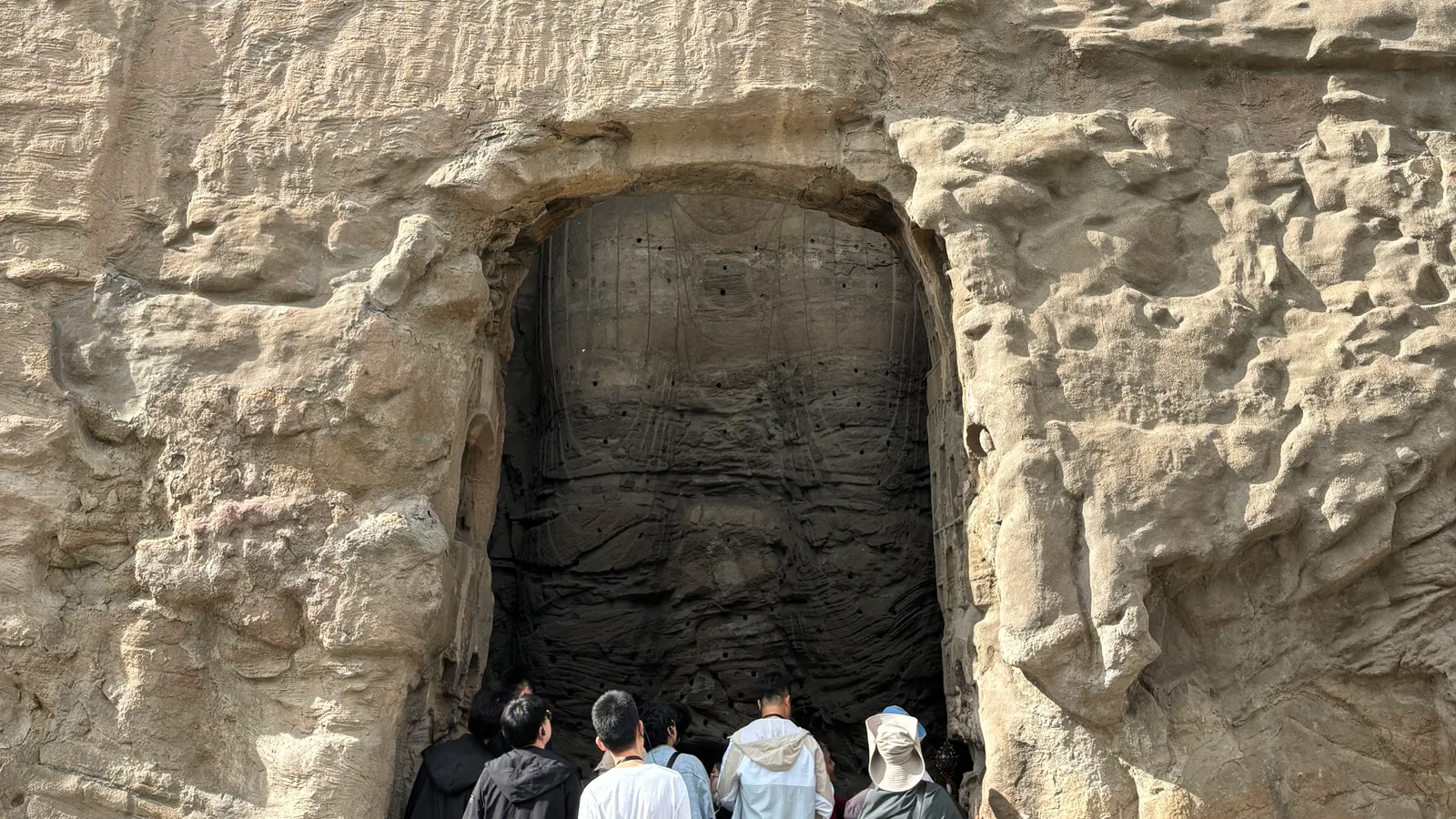
*Yungang Grottoes, Cave 16, Datong. Photo via Wikimedia Commons — CC BY-SA 4.0. Cropped and resized by DragonTrail; non-generative. Cave temples are major evidence of Buddhism’s visual presence in China.*
How Buddhism Reached China
Buddhism reached China through multiple overland and maritime transmission routes during the early centuries CE. Translation projects over centuries created a Chinese Buddhist canon and vocabulary that interacted with existing Chinese thought. Archaeological and textual evidence supports gradual transmission rather than one universally accepted arrival date.
Why Buddhism Became Influential
Monastic institutions, lay patronage, imperial sponsorship in some periods, and adaptable ritual and artistic forms all mattered. Buddhist tradition teaches cosmologies of karma and liberation that could coexist with ancestor concerns and local cults, even when elites debated foreignness versus Chinese norms.
Major Chinese Buddhist Traditions
Chinese Buddhism developed multiple schools and practice lineages. Mahayana frames much of Chinese Buddhist history. Chan (Zen in Japanese transmission) and Pure Land are among the best-known Chinese traditions internationally—but they are not the only forms. Doctrinal maps differ by period and monastery; Chinese Buddhism is broader than Chan alone.
Monasteries, Pagodas, Cave Temples and Art
Cave temples (Yungang, Longmen and others), monumental carving such as Leshan Giant Buddha, cliff sculpture at Dazu Rock Carvings, and pagodas such as Giant Wild Goose Pagoda show institutional and artistic depth. Living monasteries, heritage sites, cave temples and museum Buddhist collections are different kinds of visit. Sculpture overview: Buddhist sculpture.
Translation and Chinese Thought
Translators and commentators negotiated Sanskrit/Central Asian concepts into Chinese. Interactions with Daoist and Confucian vocabularies produced both borrowing and boundary-drawing. Philosophical Daoism is a related intellectual neighbor, not a synonym for Buddhism.
Buddhism and Popular Religious Practice
Lay people may visit monasteries for festivals, memorial rites or vows while also keeping household folk practices. Temple life and Chinese folk religion often share space in traveler experience.
Where Travelers Encounter Buddhist Heritage
Urban monasteries, mountain monasteries, museum Buddhist galleries, cave sites and festival days. Access rules and fees change; check current venue information for the travel year.
Common Misconceptions
- China is not exclusively Buddhist.
- Chan ≠ all Chinese Buddhism.
- Monumental Buddhas are heritage and devotion sites—not proof of one national religion percentage.
- “Zen tourism” language can misrepresent living monastic rules.
Buddhism in China FAQ
When did Buddhism come to China?
Across the early centuries of the Common Era via multiple routes; exact “first year” claims in popular media are often oversimplified.
What is Chinese Buddhism?
Buddhist traditions that developed in Chinese language, institutions and art—largely Mahayana contexts with multiple schools.
Are Chan and Pure Land the only Chinese Buddhist schools?
No. They are among the best known internationally, not an exhaustive list.
Where can travelers see Buddhist heritage in China?
Cave temples, pagodas, monasteries and sculpture sites such as Yungang, Leshan, Dazu and Giant Wild Goose Pagoda—among many others.
Is Buddhism the same as Chinese folk religion?
No, though practices and temple visits often overlap in daily life.
Related Pages
- Chinese Religion
- Chinese Folk Religion
- Buddhist sculpture
- Leshan Giant Buddha
- Dazu Rock Carvings
- Giant Wild Goose Pagoda
Sources
- Metropolitan Museum of Art — Chinese Buddhist Sculpture (collection essays and related Met materials).
- UNESCO World Heritage documentation for Yungang Grottoes, Longmen Grottoes and Dazu Rock Carvings (site history and artistic context).
Reviewed September 2026.