General Qi Jiguang and the Ming restoration
Is Mutianyu right for you?
Choose Mutianyu if you want:
- a restored, visitor-friendly wall with uplifts and services
- a strong default for a first Great Wall visit from Beijing
- easier vertical access than climbing a long approach on foot
- a balance of scenery and logistics that works for many group types
It may not be the best fit if you want:
- the absolute shortest drive from central Beijing (Badaling can be closer)
- a wilderness-heavy or mostly unrestored wall day
- to avoid tourist infrastructure entirely
- layover-style timing - use our layover hub instead of guessing hours here
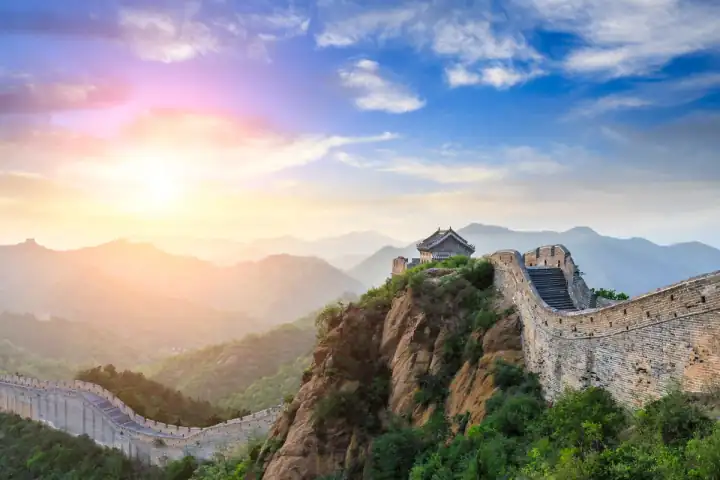
If you want more hiking depth and ridge time and accept a longer drive, Jinshanling is often the next step. If you want wilder, rougher wall, Gubeikou is a different category, usually for fit hikers only.
Mutianyu vs Badaling vs Jinshanling
A simple rule:
- choose Mutianyu for the smoothest classic first-wall day for most travelers
- choose Badaling when proximity or the famous name matters most and crowds are acceptable
- choose Jinshanling when you want a fuller hike and are willing to trade convenience
| Mutianyu | Badaling | Jinshanling | |
|---|---|---|---|
| Vibe | Restored, scenic, strong services | Famous; often very crowded | Hike-forward; restored + wilder mix |
| Access | Uplifts; moderate drive north | Often shorter city-side access | Longer drive; ridge logic matters |
| Best for | First visits, families, photo walks | Maximum convenience / iconic name | Hikers, longer ridge time |
What makes Mutianyu different
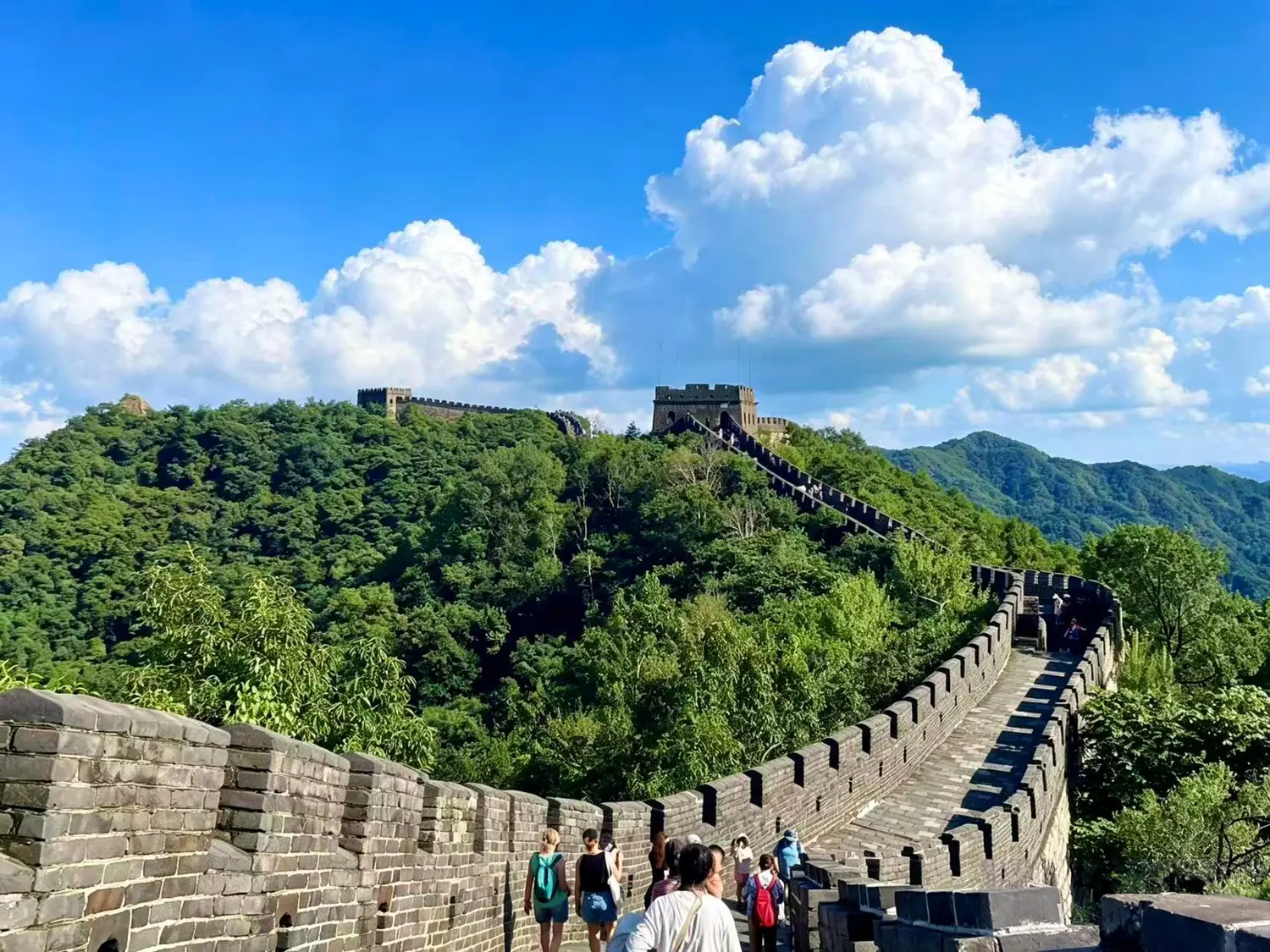
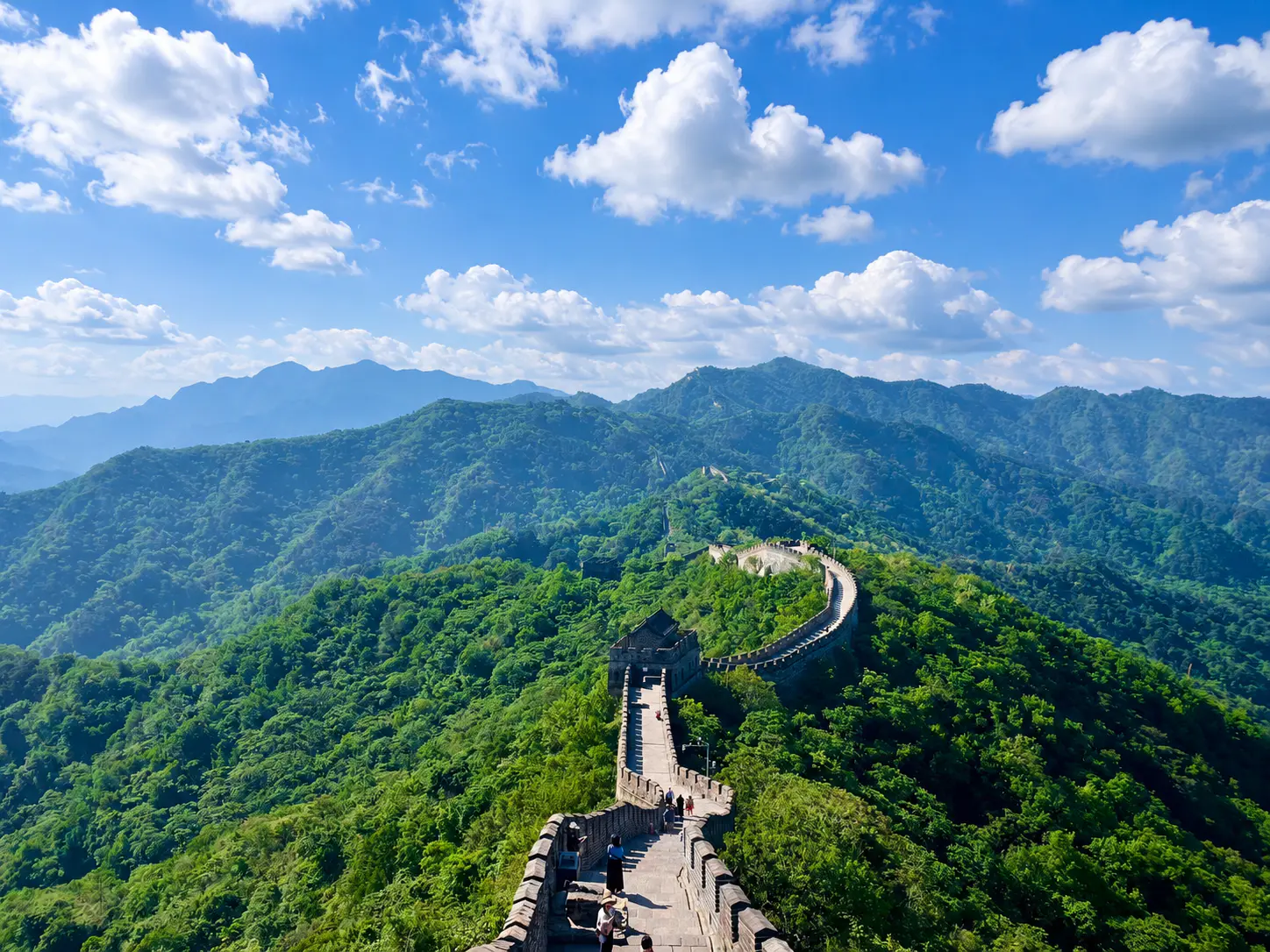
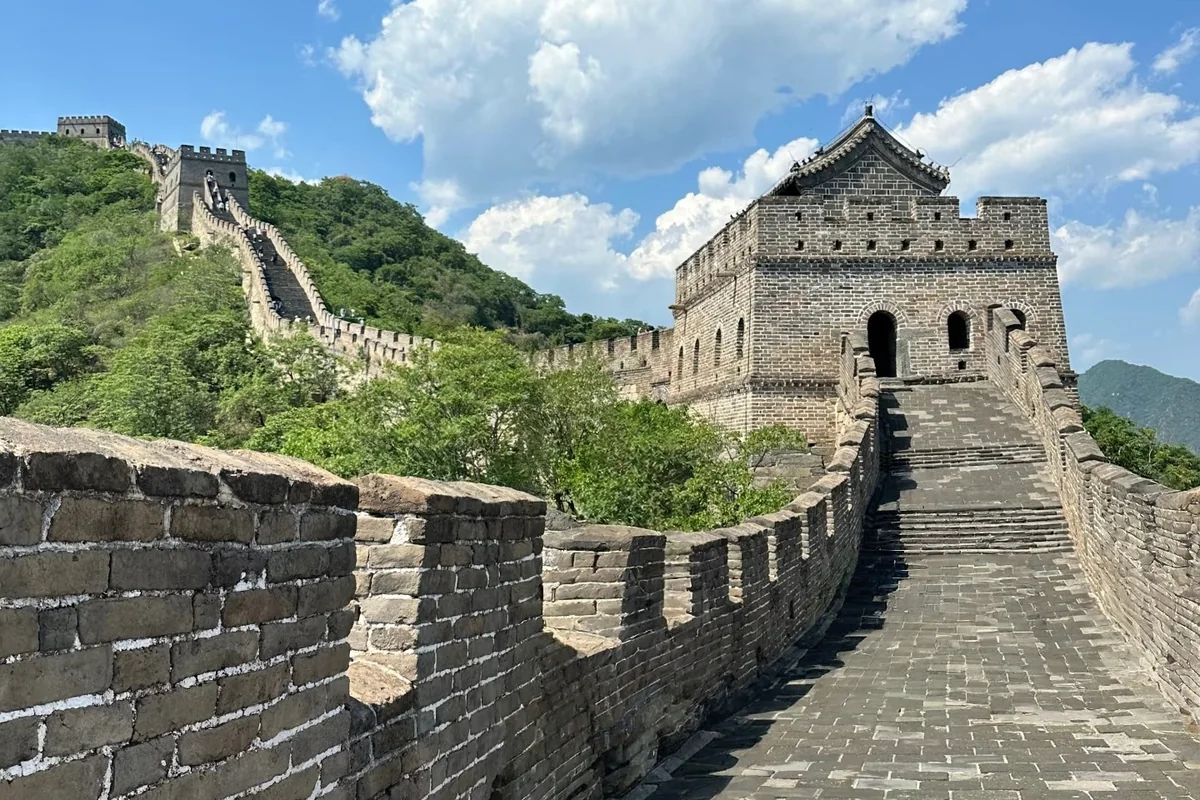
A lot of Great Wall sections look similar in photos. Mutianyu's edge is a specific combination of defensive design, watchtower density, and uplift access that is hard to match in one Beijing day.
Wall design that is genuinely rare
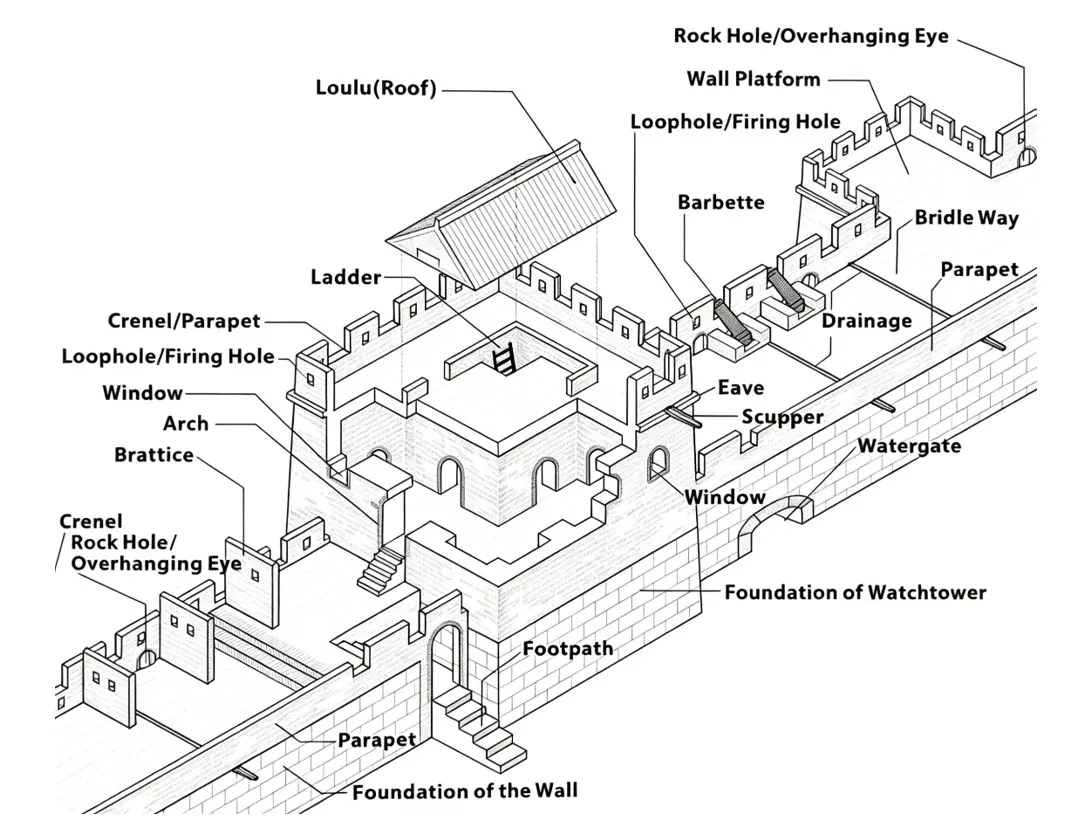
Unlike many sections with crenellations mostly on one side, Mutianyu has defensive parapets on both sides plus branch walls feeding from the main ridge — including the Outer Branch Wall at Tower 11, a two-storey extension with a 10-metre solid defensive face. It is one of the clearest places to see why this corridor mattered militarily.
Dense watchtowers in short walking distance
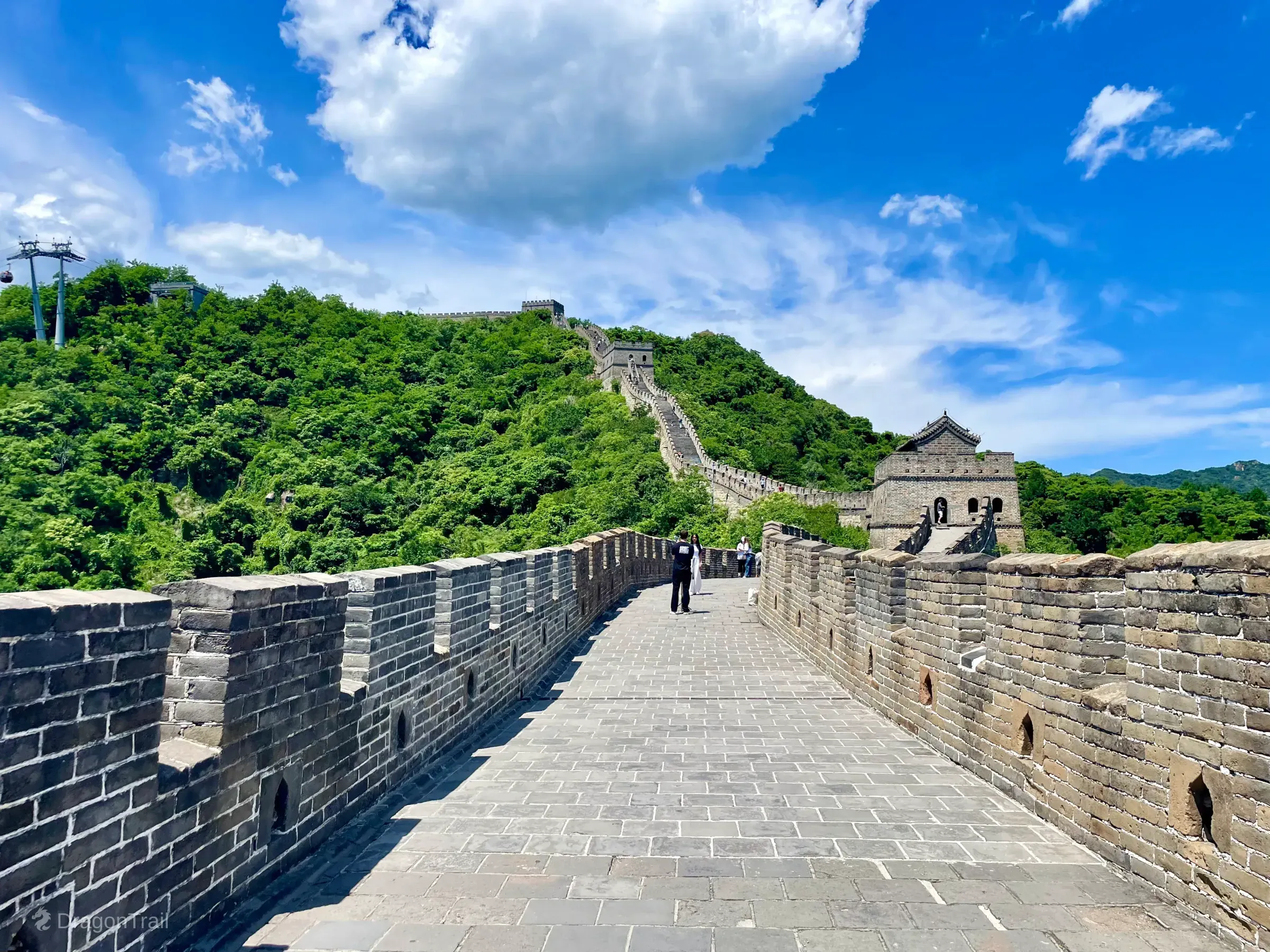
Mutianyu packs roughly 23 towers into about 2.25 km, so you get architectural variety quickly without long dead stretches.
- Tower 14 (cable-car arrival) — Natural starting point for most first-time visitors.
- Tower 10 (Glass Steps) — Only walkway where glass reveals the Ming-era stones beneath your feet.
- Tower 11 (Outer Branch Wall) — Independent branch tower connected to the main ridge.
- Zhengguan Terrace (Tower 4) — Rare three-tower platform and one of the strongest architecture stops.
- Tower 20 — High open-section panorama via the steep Hero Slope.
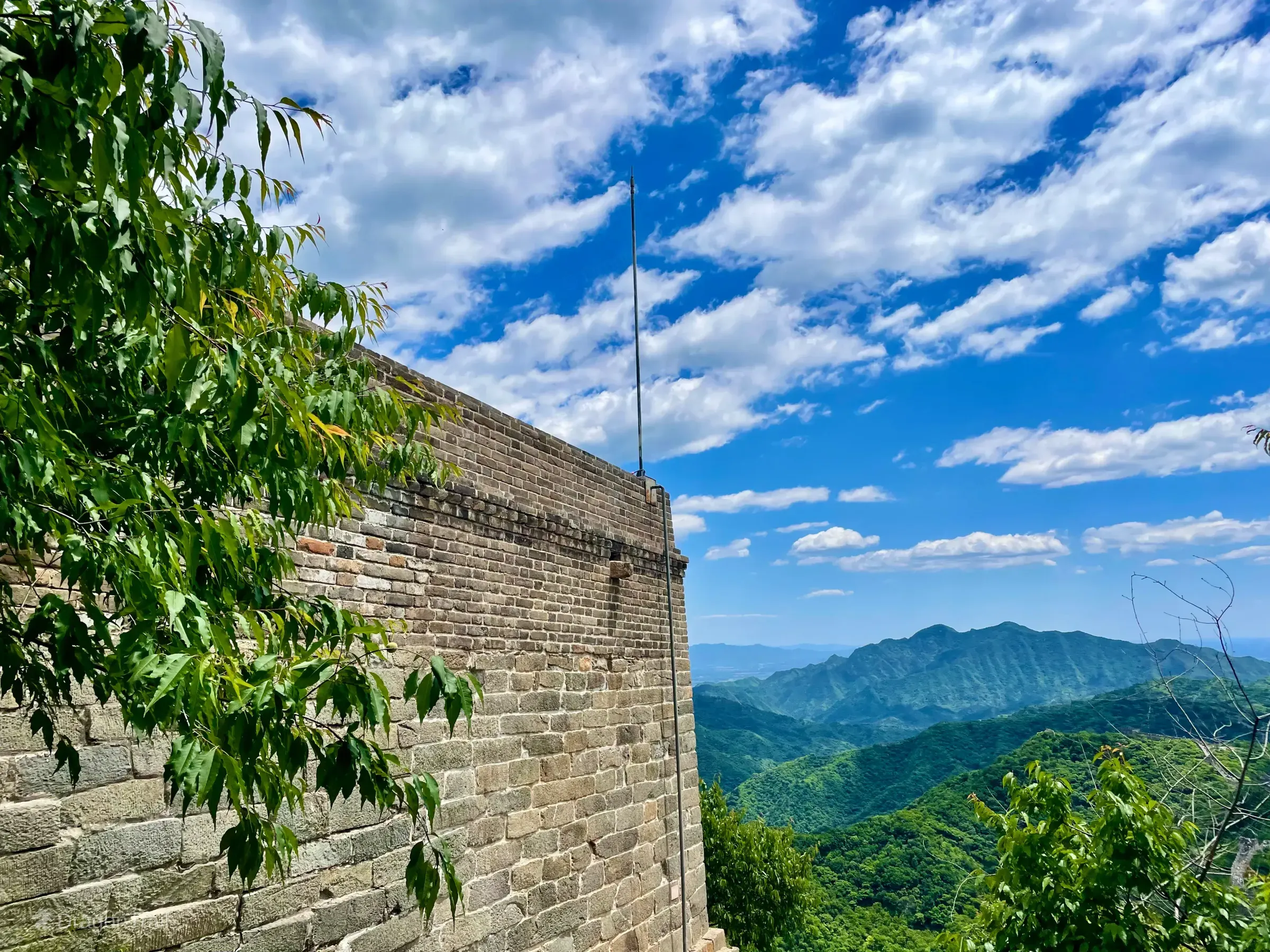
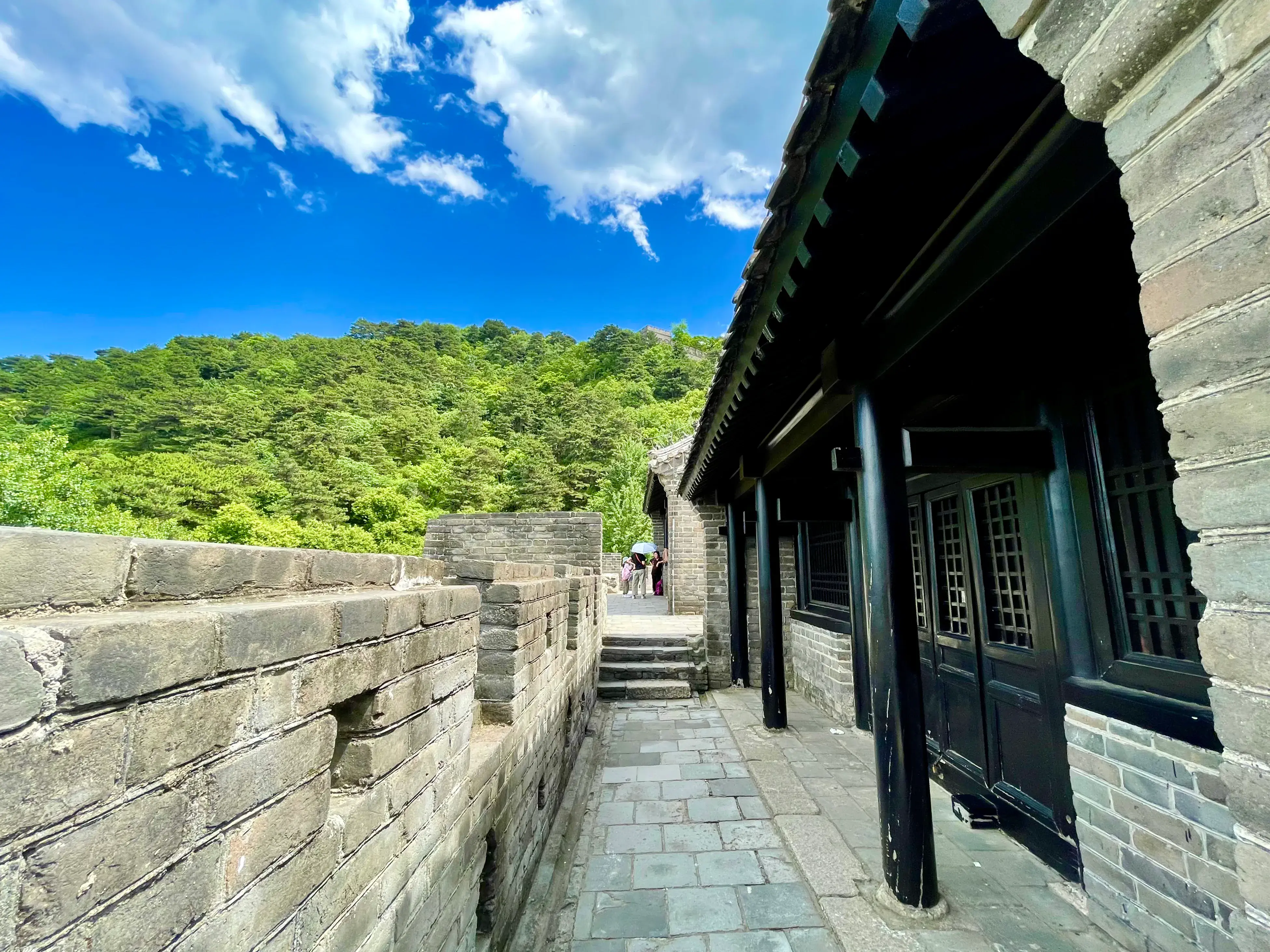 Click to enlarge
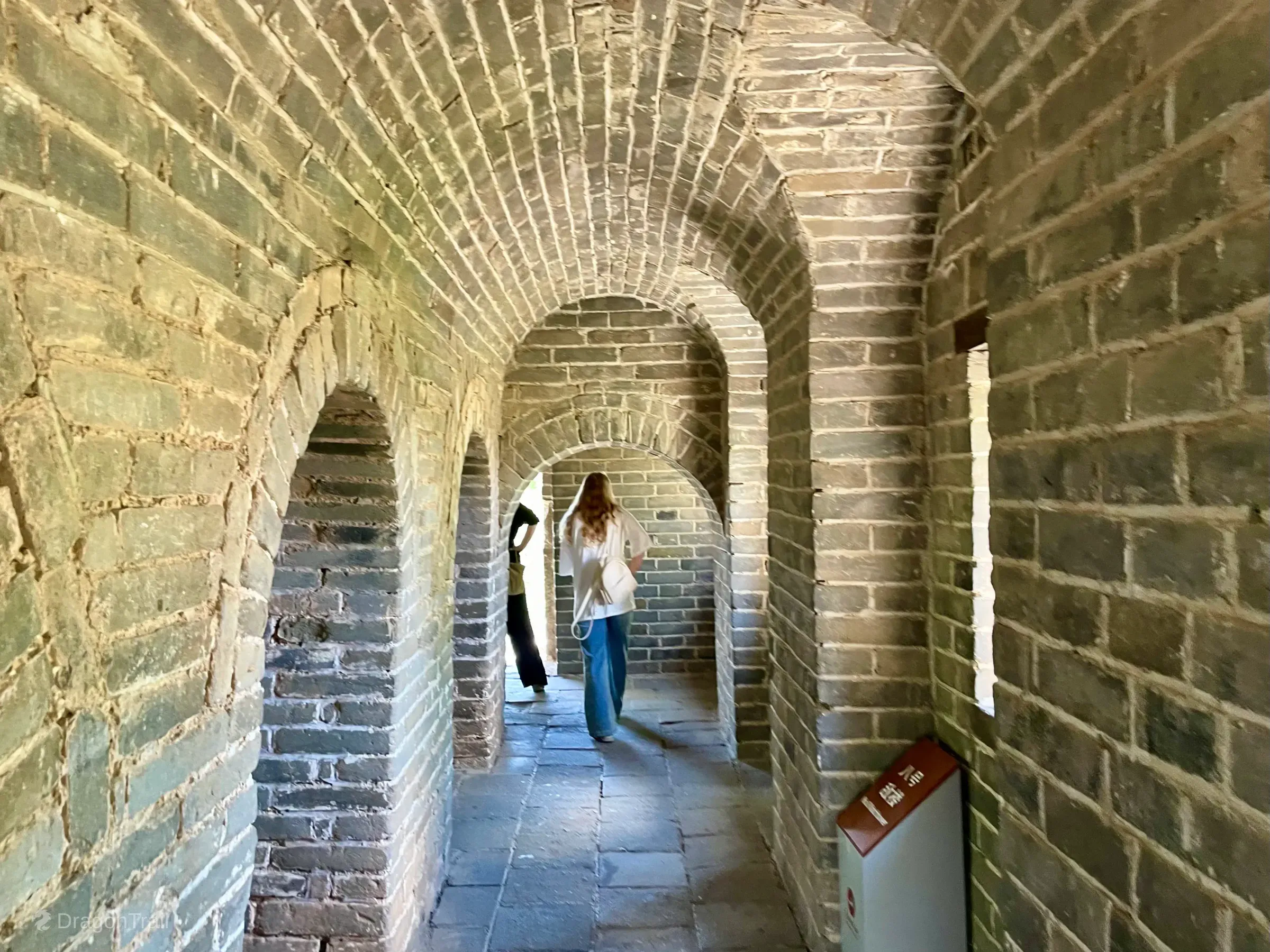 Click to enlarge
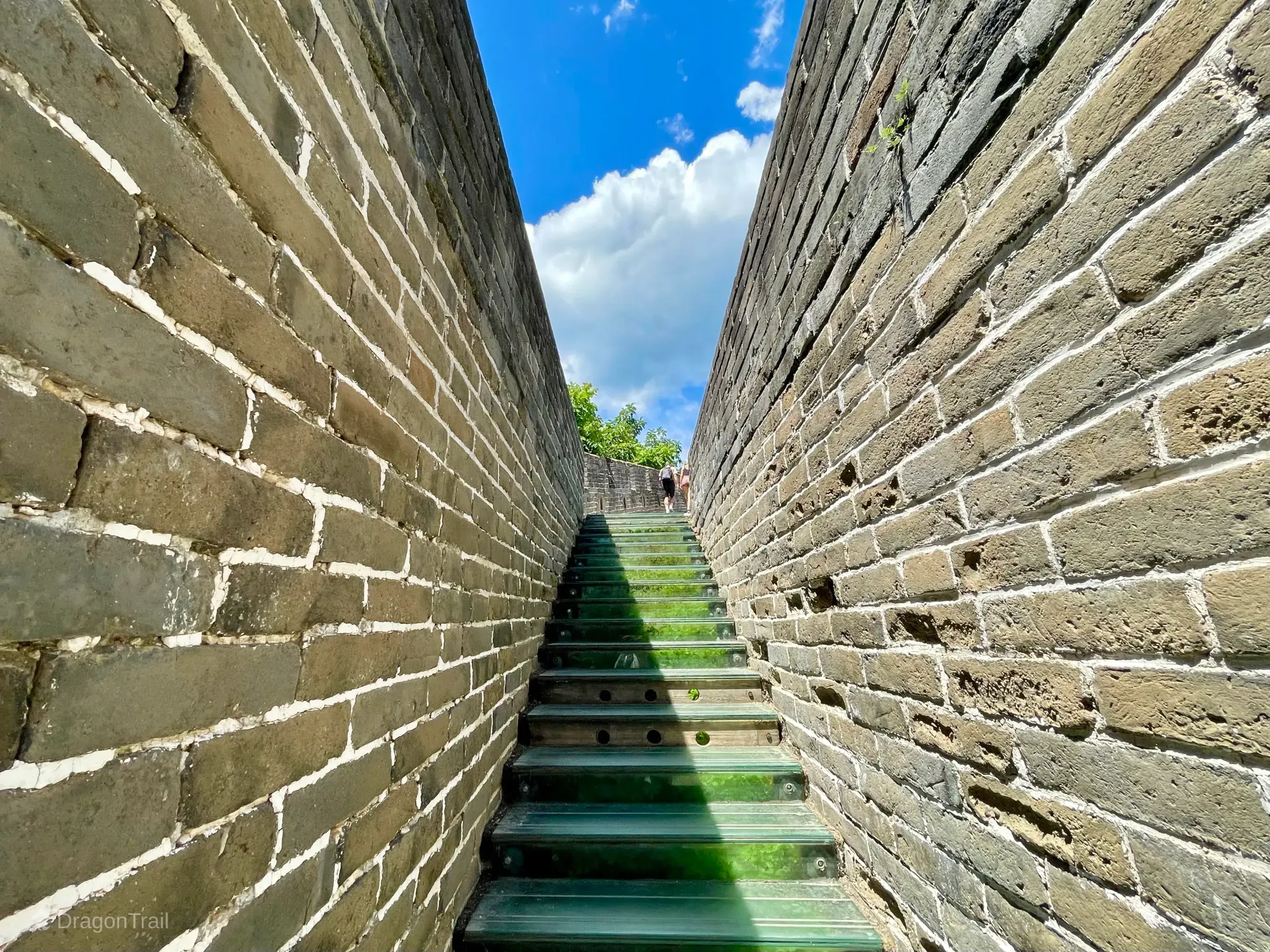 Click to enlarge
Uplift options that shape the day
Cable car, chairlift and toboggan are not just transport here - they materially change effort, queue risk, and how family or mixed-pace groups can share one route.
Scenery with real seasonal payoff
High vegetation coverage gives spring blossom and autumn foliage value, but those same windows need earlier arrivals to avoid crowd and uplift bottlenecks.
These differences are why Mutianyu is often the strongest first-wall choice from Beijing, but they only pay off when route, cutoff times, and return buffer are planned together.
Mutianyu Route Map
Plan your Mutianyu day
Cable car, toboggan, and tower-by-tower pacing
Admission, shuttle, cable car, and packages
Seasonal hours and last-entry timing
2-hour, half-day, and full-day models
Towers 1-20, zones, and ride nodes
Season, rain, and route choices by forecast
Get there and ride options
Compare and decide
Common mistakes at Mutianyu
Ignoring return traffic
Beijing ring-road reality does not disappear because the wall was beautiful. Underestimating the drive back is one of the fastest ways to turn a great morning into a stressful evening.
Assuming the toboggan is always fast
Queues and weather closures happen. Treat chairlift and toboggan as conditional parts of the plan, not guaranteed shortcuts.
Under-preparing for sun, wind and stairs
Even with uplifts, you will still climb steps and stand on exposed ridges. Water, layers and sensible shoes still matter.
Compressing a layover into this hub
Airport-clock timing is a different problem with different constraints. If you are on a layover, use the layover guide and purpose-built layover tours instead of this relaxed day-trip model.
Mutianyu Great Wall FAQ
- Yes - for most first-time Great Wall visitors from Beijing, Mutianyu is the most rewarding section to spend a day on. It is restored, scenic, supported by cable car and toboggan access, and typically less crowded than Badaling at peak times. Skip it only if you want a long ridge hike (choose Jinshanling) or wild, unrestored wall (Gubeikou).
- Mutianyu is roughly 70-80 km northeast of central Beijing, depending on where you start. By car, the drive takes about 1.5 to 2.5 hours each way; traffic around Beijing is the biggest variable, so plan a return buffer rather than judging the day only by distance.
- A private driver, booked transfer, or guided day tour with transport is usually the simplest option, especially with children, luggage or a fixed return time. Public bus routes exist but mean more schedule planning and less control over your return. There is no convenient direct train.
- About 2 to 3 hours on the wall is typical. Including transport from Beijing, ticketing, uplifts and breaks, Mutianyu usually works as a half-day (~6 hours) or full-day (~8-10 hours) trip. Choose full-day pacing if you want a slower visit, longer ridge walk, or more buffer for traffic and crowds.
- Choose the cable car (west, Tower 14) for the simplest, most predictable option. Choose chairlift up and toboggan down (east, Tower 6) if your group is comfortable with both and wants that experience. The toboggan can be a highlight but queues, weather and operations vary - it is not always the fastest way down.
- For most international visitors, yes - Mutianyu is scenic, restored, has strong facilities and is typically less crowded than Badaling at peak times. Badaling is more famous and can be closer from parts of Beijing but is often extremely crowded. Pick based on crowds versus proximity versus how you want the day to feel.
- April-June and September-early November are the best windows: mild temperatures, clear ridge views and manageable crowds. Summer is warm with afternoon thunderstorm risk; winter is bright and cold with shorter uplift hours. Avoid Chinese national holidays for extreme crowds.
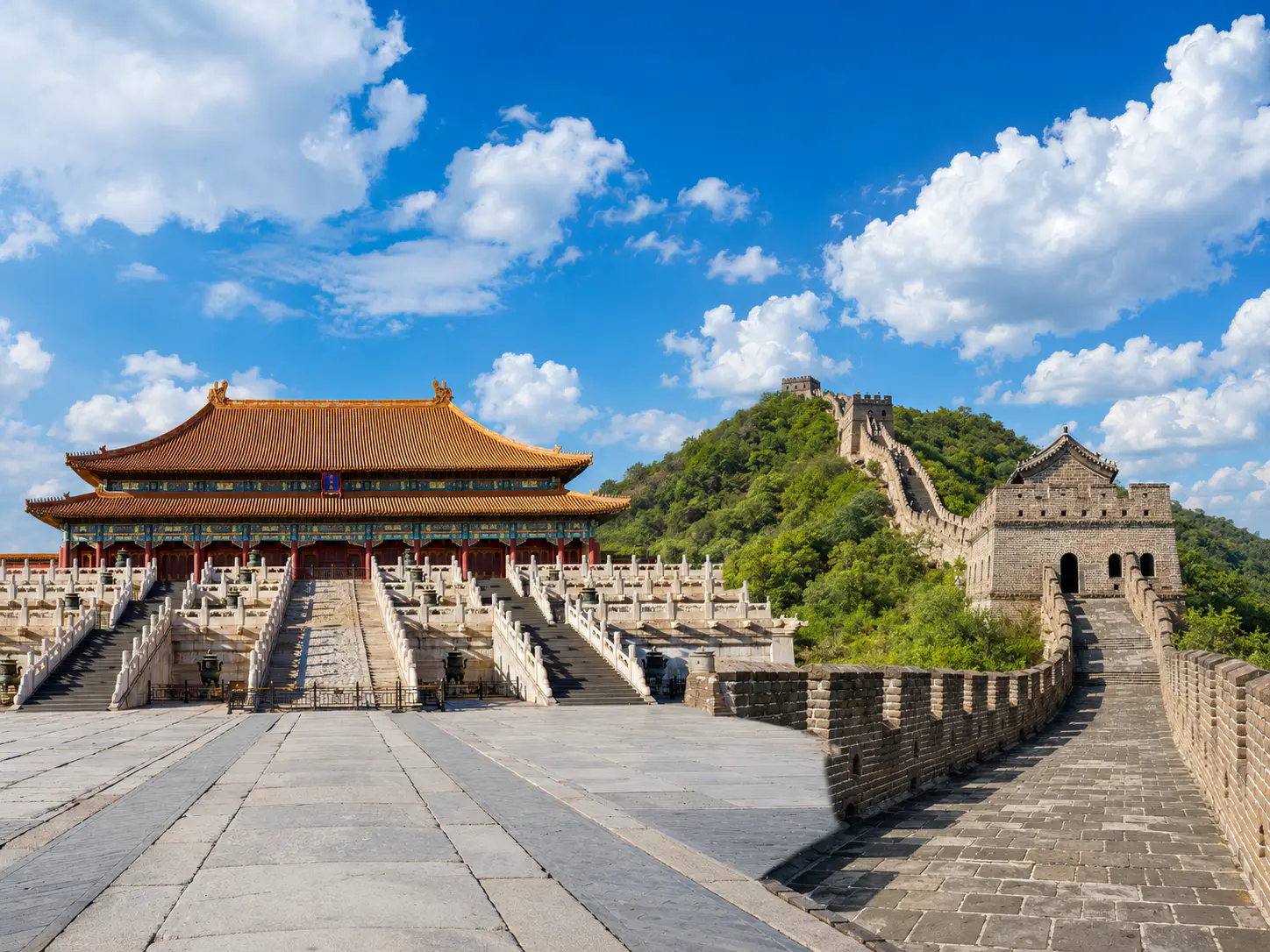
- If you want a guided wall walk with history, choose the Mutianyu private tour. If you want a driver who waits while you visit at your own pace, choose the private driver transfer. If you want both icons in one Beijing day, choose the Mutianyu + Forbidden City or Mutianyu + Summer Palace combo. All include hotel pickup.
Plan a Mutianyu visit
If a relaxed, facilities-friendly Great Wall day from Beijing is what you want, Mutianyu is one of the strongest default choices. Private driver from ¥900 (sedan) / ¥1,200 (MPV) — pick the tour format that matches your day in the grid above, or send us a short note and we will recommend a fit.
We run private Mutianyu tours, driver transfers and Forbidden City or Summer Palace combos year-round, with hotel pickup and a return plan that accounts for Beijing traffic.