
| Noodle type (English) | Chinese | Typical region / context | Traveler recognition |
|---|---|---|---|
| Hand-pulled | 拉面 / 抻面 | Northwest, Lanzhou tradition; Beijing shops | Long, elastic strands; open kitchen pulling |
| Knife-cut | 刀削面 | Shanxi; widespread in north | Thick, tapered pieces; rhythmic blade work |
| Biangbiang | 油泼扯面 / biangbiang | Shaanxi | Wide belt-like strands; chili oil pour |
| Lo mein / stir-fried | 炒面 | Cantonese diaspora; mainland variants | Wok-fried with vegetables and protein |
| Dan dan / spicy sesame | 担担面 | Sichuan | Minced pork, chili, sesame paste |
| Rice noodles | 米线 / 河粉 / 粉 | South and southwest | Rice flour strands; soup or stir-fry |
| Cold noodles | 凉面 | Summer; many regions | Chilled, sauced, often vegetarian-friendly |
| Instant / dried | 挂面 / 方便面 | Nationwide retail | Pantry staple; not restaurant focus |
This page owns the noodle-staple question within the Chinese Food cluster; related guides cover breakfast, street food and city eating such as Beijing food.
What Makes Chinese Noodles Different
Unlike Italian pasta traditions that center on durum wheat and standardized shapes, Chinese noodle culture spans wheat flour, rice flour, mung-bean starch and mixed grains, with processing methods that change texture dramatically. A northern knife-cut noodle is chewy and thick; southern rice vermicelli is delicate in soup. Some noodles are eaten as the main dish with toppings filling the bowl; others appear as a side within a shared table of rice and dishes.
Regional climate and staple crops explain much of the map: wheat dominates north China plateaus and plains, so noodles, dumplings and steamed buns often replace rice as the daily starch. Rice and rice noodles dominate much of the south. Migration, trade and restaurant chains blur boundaries—Beijing hosts Lanzhou beef noodle shops, Sichuan snack counters and Cantonese wonton noodles in the same week.
*Biangbiang-style wide noodles with chili oil—associated with Shaanxi but widely photographed by travelers nationwide. DragonTrail media library.*
Wheat Noodles in Northern China
Lanzhou beef noodles (兰州牛肉面) are among the most recognized noodle brands in China: clear broth, hand-pulled strands, sliced beef, radish and cilantro. The name references Lanzhou in Gansu, but shops nationwide use the format—quality varies by shop, not by city name on the sign alone.
Knife-cut noodles (刀削面) from Shanxi tradition feature a cook shaving dough directly into boiling water with a curved blade. The irregular thickness gives a satisfying chew. Beijing and other northern cities have dedicated Shanxi-style restaurants.
Zhajiangmian (炸酱面) is Beijing's famous soybean-paste noodle dish—thick wheat noodles topped with a savory minced-pork and fermented-bean sauce, often with raw cucumber and bean sprouts. It appears on home tables, canteens and tourist-friendly hutong restaurants. For wider Beijing context, see Beijing food.
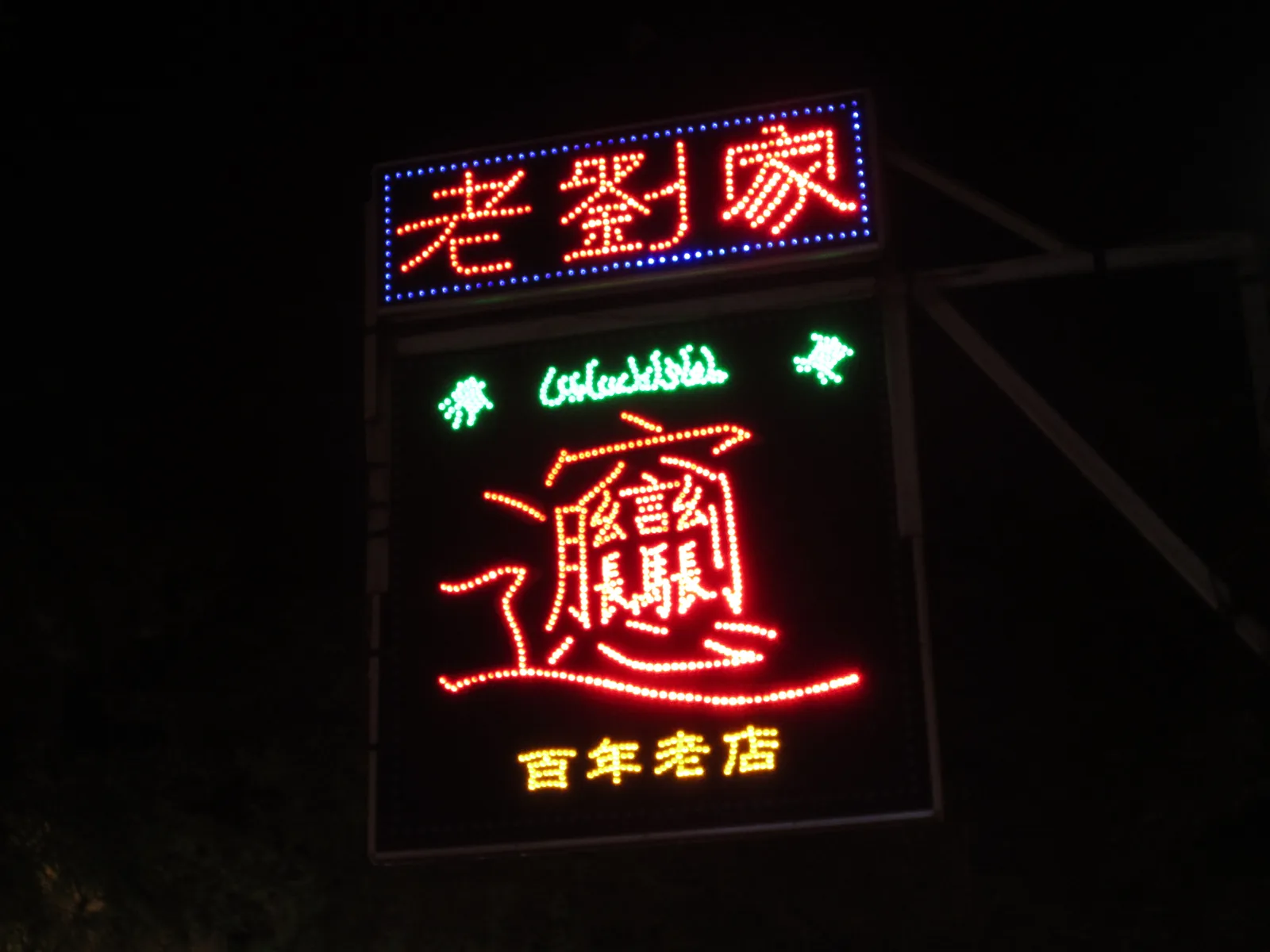
Biangbiang and youpo mian (油泼面) emphasize wide strands and a dramatic pour of hot oil over chili and garlic. For Shaanxi noodle and street-food context on the ground, see Xi'an food -> Xian Food. The character *biang* is a folk writing curiosity; the dish itself is straightforward—chewy noodles, aromatics, heat.
Southern and Rice-Based Noodles
South of the Yangtze, rice noodles (米线, 河粉, 濑粉) dominate many snack and breakfast formats. Guilin rice noodles (桂林米粉), Yunnan crossing-bridge noodles (过桥米线) and Cantonese ho fun stir-fries each have distinct broth, topping and sauce logic.
Rice noodles often appear in breakfast shops and night markets—overlap with Chinese breakfast and street food guides rather than formal banquet service.
Noodles vs Dumplings and Buns
Wheat appears in three parallel staple families: noodles (cut or pulled strands), dumplings (filled parcels) and steamed buns (baozi, mantou). Restaurants may specialize in one craft— a dumpling house is not automatically a noodle house.
Filled wheat parcels—boiled jiaozi, pan-fried guotie, soup wontons—share flour skills with noodles but different menu expectations. Deep dive: Chinese Dumplings.
Regional and Ethnic Noodle Traditions
Sichuan contributes dan dan noodles, cold noodles with numbing spice, and snack-bowl formats tied to hotpot culture.
Xinjiang (新疆) noodle and laghman traditions reflect Central Asian influence—hand-pulled strands, lamb, bell pepper and cumin in wok-tossed or soup forms. Travelers in Urumqi or Kashgar encounter versions distinct from Lanzhou beef noodle shops; see Xinjiang & Northwest Food for the wider regional cluster.
Halal (清真) noodle shops—often Hui Muslim-operated—serve beef or lamb noodles without pork, with clear broth and disciplined kitchen separation. Lanzhou beef noodle branding frequently appears in halal contexts; dietary details still require asking at each venue. See Halal & Muslim Food in China.
Wonton Noodles and Cantonese Soup Bowls
Cantonese wonton noodles (云吞面) pair thin egg-wheat strands with shrimp wontons in a light broth—distinct from northern heavy bowls. Hong Kong and Guangzhou shop culture prizes al dente bite (弹牙) and clear soup. Beijing cha chaan teng–style cafés serve accessible versions without replacing local zhajiangmian identity.
Instant Noodles and Modern Retail
China is the world's largest instant-noodle market—方便面 is dorm, train and late-night survival food, not restaurant craft. Brands like Master Kong dominate shelves; cup noodles at convenience stores differ from shop reganmian (热干面, Wuhan sesame noodles) or Chongqing street bowls. Travelers should taste fresh shop noodles at least once before judging "Chinese noodles" from hotel cup products.
Noodle Texture Vocabulary
Menu and review language helps ordering:
| Term | Meaning |
|---|---|
| 劲道 (jìndào) | Chewy, elastic bite |
| 爽滑 (shuǎnghuá) | Smooth slip through chopsticks |
| 软 (ruǎn) | Soft—sometimes requested for elders |
| 宽面 / 细面 | Wide vs thin strand |
Hand-pulled shops may ask 宽 or 细 preference where customization exists.
Cold Noodles and Summer Bowls
Liang mian (凉面) and liangpi (凉皮, wheat or rice starch sheets) dominate hot-city summer lunch—chilli oil, vinegar, cucumber and sesame variants. Sichuan jiandang mian (担担面) and Shaanxi liangpi stalls overlap street food service formats. Cold noodles are not "leftover"—they are deliberate refreshment cuisine.
Noodles in Festival and Banquet Context
Longevity noodles (长寿面) appear at birthdays and some New Year tables—long uncut strands symbolize long life. Banquet noodles differ from shop bowls in presentation but share wheat symbolism in the north. See Festival & New Year Foods for seasonal overlap.
How Noodles Fit Chinese Meals
In everyday northern meals, a large noodle bowl can be lunch entire. In southern family meals, rice remains central and noodles may be snack or late meal. Shared-dish restaurant formats may include a noodle plate among vegetables and proteins, but banquet sequences rarely treat noodles as Western "pasta course"—timing follows host and venue custom.
| Meal moment | Common noodle role |
|---|---|
| Breakfast | Small shop bowls; rice or wheat; quick counter service |
| Lunch | Full bowl as individual meal; office canteen |
| Dinner | Shared side or regional specialty main |
| Late night | Street stalls; post-hotpot snack |
Ordering Noodles as a Traveler
Useful phrases and menu clues:
- 汤面 (tāngmiàn) — soup noodles
- 拌面 (bànmiàn) — mixed / sauced noodles without soup
- 炒面 (chǎomiàn) — stir-fried noodles
- 辣 (là) — spicy; 不辣 (bù là) — not spicy
Specify no pork (不要猪肉) if needed; halal venues are more reliable for Muslim dietary rules than generic "beef noodle" signs alone.
Portion sizes are often generous—one bowl feeds one hungry adult. Sharing is possible but not default.
Noodles in Beijing
Beijing is not a famous noodle-origin city like Lanzhou or Chengdu, but it is an excellent tasting city: Zhajiangmian for local identity, Shanxi knife-cut shops, Lanzhou chains, Cantonese wonton noodles in cha chaan teng–style cafés, and mall food courts with nationwide brands.
Combine a noodle lunch with hutong walking or a Beijing food experience for guided context. Street-level snack noodles overlap Beijing street food.
How to Choose What to Try
| If you want… | Start with… | Why |
|---|---|---|
| Northern wheat chew | Lanzhou beef or knife-cut | Clear entry point; widely available |
| Local Beijing identity | Zhajiangmian | City-specific sauce bowl |
| Spice and numbing | Sichuan dan dan or cold noodles | Distinct from northern broth |
| Rice texture | Guilin or Yunnan rice noodle soup | Southern staple logic |
| Halal lamb | Xinjiang laghman or halal beef noodle shop | Central Asian and Muslim kitchen norms |
| Dumpling contrast | Wonton noodles vs jiaozi plate | Same wheat, different format—see Chinese Dumplings |
FAQ
Are Chinese noodles the same as Italian pasta?
No. Chinese noodles use varied flours, widths and preparations—hand-pulling, knife-cutting, rice milling—with regional sauces and soup bases unlike Italian durum pasta traditions.
What is the most famous Chinese noodle dish?
Lanzhou beef noodles and Beijing zhajiangmian are among the most recognized names domestically; internationally, Cantonese wonton noodle soup and chow mein diaspora dishes are familiar.
Are rice noodles considered Chinese noodles?
Yes. 米线 and 河粉 are staple noodle forms in southern and southwestern China, often served in soup or stir-fry rather than as Italian-style plated pasta.
Can vegetarians eat Chinese noodles?
Many cold vegetable noodles and some soup bowls work; broths often use meat stock. Ask clearly; Buddhist vegetarian restaurants (素菜) offer safer options in some cities.
What is biangbiang mian?
Shaanxi-style wide hand-pulled noodles, typically dressed with chili, garlic and vinegar or hot-oil aromatics—the name references a folk complex character, not a single franchise.
How do noodles relate to dumplings?
Both use wheat flour in northern tradition, but noodles are strand staples while dumplings are filled parcels—see Chinese Dumplings.
Where should I try noodles in Beijing?
Zhajiangmian for local flavor, plus Lanzhou beef noodle shops and Cantonese wonton counters—context in Beijing food.
Are instant noodles representative of Chinese noodle culture?
Instant noodles are a modern retail category; restaurant and shop noodles showcase regional craft travelers usually want to taste.
Continue with Chinese Food
Regional & city guides
Sources & Review
- China Daily — Lanzhou beef noodles cultural context
- Shanxi and Shaanxi culinary heritage summaries — regional museum publications
- Chinese characters verified
- Author: DragonTrail editorial
- Last reviewed: August 2026