
Festival foods in China vary by holiday, region and household. Spring Festival tables may feature jiaozi in many northern families, niangao in parts of southern China, fish and other reunion dishes; other festivals are associated with foods such as tangyuan, zongzi and mooncakes. This guide explains what travelers are likely to encounter, what the best-known food symbols mean, and why no single festival menu represents the whole country.
| Food | Chinese | Common association | Symbolic note (folk) |
|---|---|---|---|
| Dumplings | 饺子 (jiǎozi) | North; nationwide retail | Wealth (shape like ingots) |
| Fish | 鱼 (yú) | Nationwide banquet | Surplus — 年年有余 |
| Glutinous rice cake | 年糕 (niángāo) | South especially | Higher year — 年高 |
| Tangyuan | 汤圆 | Lantern Festival tail | Togetherness — round shape |
| Spring rolls | 春卷 | East and south | Gold bars (shape) |
| Longevity noodles | 长寿面 | Birthday and festival overlap | Long life — do not cut |
| Nian gao variants | 年糕 | Regional styles | Sweet or savory by locale |
| Tangerines / pomelo | 柑橘 / 柚子 | Gift fruit | Luck and fullness |
Jiaozi deep dive: Chinese Dumplings. Cluster siblings: dining etiquette, street food.
Spring Festival Food in One Answer
Spring Festival is the primary lunar new year reunion for Han Chinese families and many ethnic groups with overlapping calendars. Food expresses hope (surplus fish, rising niangao), unity (round tangyuan, shared hot pot) and hospitality (guest plates, candy trays). Preparation often begins days before—marinated meats, hand-formed dumplings, purchased gift boxes—then peaks at New Year's Eve dinner (年夜饭).
Travelers in China during the period encounter closed shops, family-only restaurants and special set menus at hotels; planning matters more than usual.
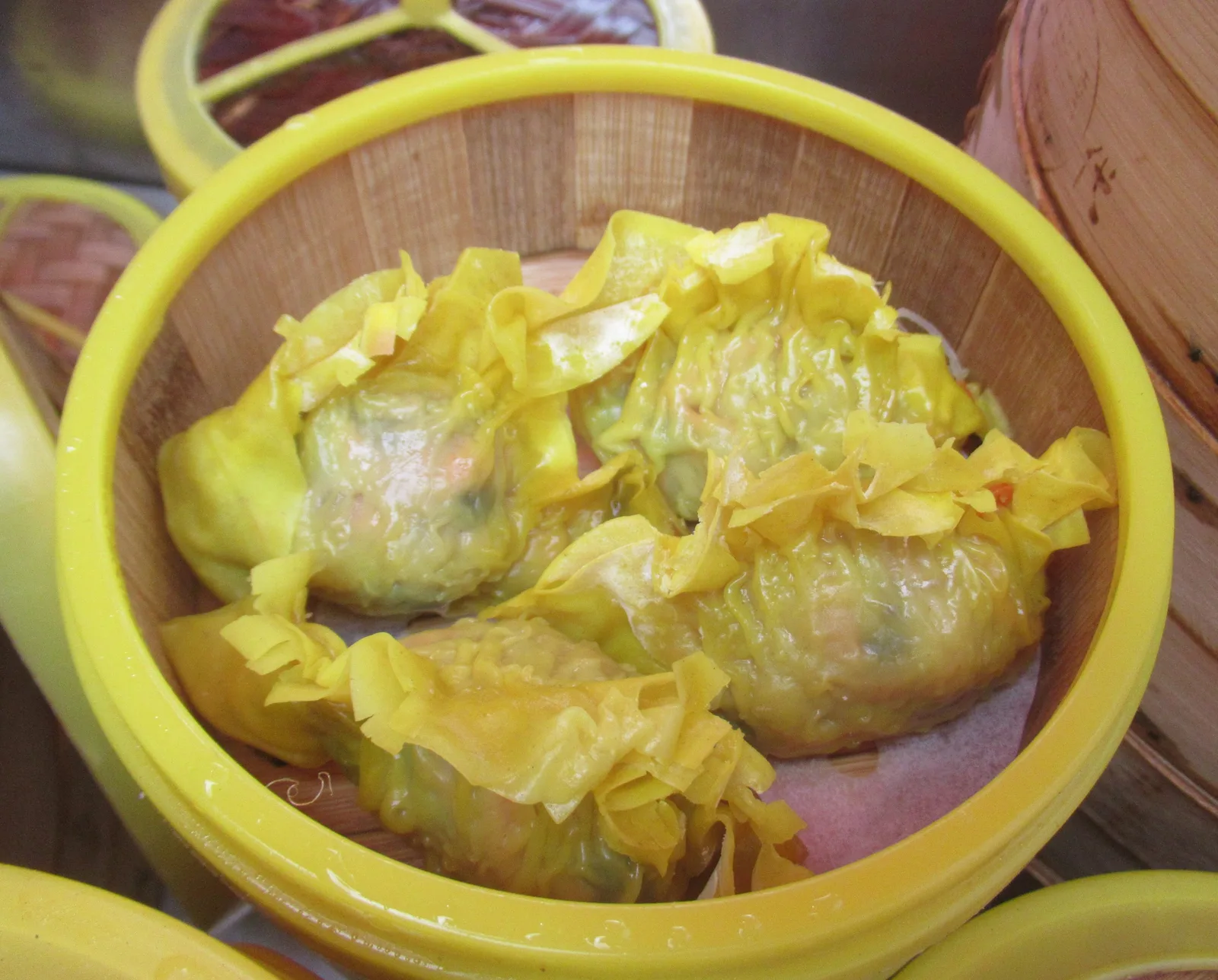
*A generous spread of shared dishes prepared for a Chinese celebration.*
Jiaozi and Northern Reunion
Jiaozi—wheat wrappers filled with pork, cabbage or mixed fillings—are the iconic northern New Year food. Families may wrap hundreds together on chuxi (除夕, New Year's Eve). Boiled jiaozi served with vinegar and garlic; some regions pan-fry for crisp bottoms.
Coin-in-dumpling games appear in folklore; modern families often skip choking-risk customs. For wrapping techniques, fillings and regional variants beyond festival context, see Chinese Dumplings—the cluster owns dumpling taxonomy; this page owns festival timing and symbolism.
Fish and Banquet Surplus
Whole steamed or braised fish (鱼) served late in banquet sequence—sometimes partly uneaten to literalize 年年有余 ("surplus every year"). Species and sauce vary by coastal vs inland tradition. Catfish, sea bass and carp appear regionally.
Niangao and Southern Sweet-Sticky Foods
Niangao—glutinous rice cake—ranges from sweet Shanghai-style slices to savory stir-fried hunks in Hakka or Fujian homes. Stickiness and "higher year" wordplay (年高) make it gift-box standard in southern supermarkets before the holiday.
Hot Pot, Meat and Prosperity Dishes
Hot pot (火锅) as reunion center—communal pot, shared dipping—grew nationwide as restaurant format; home hot pot likewise peaks in winter festival weeks. Pork, chicken and braised hongshao rou appear on generous plates signaling abundance.
Snacks, Candy Trays and Visiting Ritual
Bai nian (拜年) visits exchange candy boxes, nuts, seeds and dried fruit trays—snack architecture overlapping street food retail before the holiday. Tanghulu and festival sweets sell on tourist streets; household trays favor melon seeds and pistachios.
Lantern Festival and Tangyuan
Fifteen days after lunar new year, Lantern Festival (元宵节) features tangyuan (汤圆)—glutinous rice balls in sweet soup—symbolizing family togetherness. South may say tangyuan; north sometimes says yuanxiao (元宵) for related styles—local vocabulary differs.
Other Calendar Foods (Context Only)
This page focuses Spring Festival; brief cross-reference for trip planning:
| Festival | Food anchor |
|---|---|
| Qingming | Cold picnic foods, green rice balls (青团) in some regions |
| Dragon Boat | Zongzi (sticky rice in bamboo leaves) |
| Mid-Autumn | Mooncakes (月饼) |
Households eat zongzi and mooncakes outside their headline holidays too—festival names mark peak symbolism, not exclusive availability.
Festival Food for Travelers in Beijing
Beijing mixes northern jiaozi culture with imperial-city banquet traditions and nationwide retail. New Year markets sell decorations and ingredients; temple fairs (庙会) resume after New Year's Day with snacks—verify annual schedules independently.
Hotels and major restaurants offer set reunion dinners—book early. Independent hutong kitchens may close; convenience stores and chains stay open selectively.
For everyday Beijing eating outside festival weeks: Beijing food.
Symbolism vs Superstition
Festival food symbolism is cultural color—hosts enjoy telling stories; rarely mandatory theology. Travelers may politely taste and ask; declining a symbolic dish is usually acceptable with courtesy. Longevity noodles: folk custom says do not cut—slurp whole if you join that game.
Planning Meals During Spring Festival
- Book restaurants early for reunion-period dates.
- Supermarkets stock gift boxes; good for hotel room snacks.
- Transport peaks—food logistics tie to travel crowds.
- Greetings — 新年快乐; accept hospitality offers proportionately.
Gift Boxes and Supermarket Season
Before Spring Festival, supermarkets and e-commerce flood gift boxes (礼盒)—nuts, cured meats, imported biscuits, regional specialties. These are visiting currency as much as table food. Travelers can buy boxes as souvenirs; check customs rules for meat products when departing China.
Red and Gold Table Culture
Festival tables favor red decorations (couplets, paper cuts) and round shared dishes symbolizing unity. Whole fish and whole chicken (in some regions) show completeness—carving may wait until symbolic moment passes.
Regional North–South Split (Festival)
| North emphasis | South emphasis |
|---|---|
| Jiaozi wrapping on chuxi | Niangao, tangyuan variants |
| Vinegar-garlic dumpling dip | Sweet rice cakes, seafood platters |
| Flour-based snack trays | Cantonese poon choi (盆菜) layers in HK/GD |
Neither side owns "correct" New Year—family origin dictates pride.
Post-Festival Food Rhythm
Leftover jiaozi freeze for weeks; nian gao slices stir-fry after holiday; candy trays linger until Lantern Festival. Restaurant supply chains normalize by first lunar month end—travelers staying longer transition back to everyday Chinese Food patterns.
Festival Street Overlap
Temple fairs and holiday markets sell tanghulu, stinky tofu, and regional skewers—same snack architecture as Chinese Street Food with festive pricing and crowds.
Mid-Autumn and Dragon Boat (Brief)
Mooncakes (月饼) dominate Mid-Autumn gifting—sweet bean, lotus seed, salted egg yolk fillings; regional styles (Cantonese, Suzhou) differ sharply. Zongzi (粽子)—glutinous rice in bamboo leaves—peak at Dragon Boat Festival but sell year-round in some markets. These holidays have distinct food pages on the Chinese Food hub when published; Spring Festival remains the deepest reunion food week for most Han families.
Traveler Participation Without Family
Hotels and cultural venues sometimes offer jiaozi-wrapping workshops before lunar new year—educational, not substitute for family chuxi. Restaurant set menus on New Year's Eve require early booking and may include fish and niangao symbolism explained in English at international properties.
Chunjie Travel Logistics
Chunyun (春运)—Spring Festival travel rush—fills trains and flights weeks before lunar new year. Restaurants and markets close early on chuxi; many reopen after 初五 (fifth day). Book food experiences before assuming walk-in availability; see Beijing food for capital-specific closure patterns.
Red envelopes (hongbao) accompany festival visits—food gifts and cash gifts intertwine in household economics; travelers receive hongbao only in close host relationships, not as tourist default.
Fish on the table — if host leaves fish partly uneaten, that may intentional surplus symbolism; do not assume kitchen error. Ask politely if curious—hosts often enjoy explaining 年年有余 wordplay to interested guests.
Jiaozi count — northern families may wrap hundreds over two days; participation in wrapping is social bonding even when restaurant jiaozi are bought pre-made for portion of the meal.
Lantern Festival closure — tangyuan shops peak at 元宵; sweet soup counters extend festival food one more public beat before normal canteen rhythm returns.
FAQ
What food is eaten on Chinese New Year?
Regional tables differ—northern jiaozi, fish for surplus, niangao in the south, hot pot reunions and candy trays are common themes nationwide with local variation.
Why do Chinese eat fish during New Year?
Folk symbolism: 鱼 sounds like surplus (余)—serving fish expresses hope for abundance in the coming year.
Are dumplings only for New Year?
No—jiaozi are everyday food in the north; New Year emphasizes family wrapping ritual and reunion volume. See Chinese Dumplings.
What is nian ye fan?
年夜饭 — New Year's Eve reunion dinner, the peak family meal of Spring Festival.
Can tourists join a New Year meal?
Usually through friends or organized events; most family tables are private—hotels offer public set menus instead.
What are tangyuan?
Glutinous rice balls in sweet soup for Lantern Festival—round shape symbolizes togetherness.
When should I visit China for festival food?
Late lunar December through Lantern Festival (roughly January–February in solar calendar, shifting yearly)—confirm lunar dates each year.
How does festival eating relate to daily etiquette?
Reunion banquets follow formal seating and toasting customs—see Dining Etiquette in China.
Festival dates & travel context
- Chinese Festivals — dates, traditions and holiday travel (this page covers festival foods)
Continue with Chinese Food
City guide
Sources & Review
- Spring Festival folk custom summaries — China Folklore Society publications
- Lunar calendar festival dates — State Council holiday notices (verify annually)
- Chinese characters verified
- Author: DragonTrail editorial
- Last reviewed: August 2026