
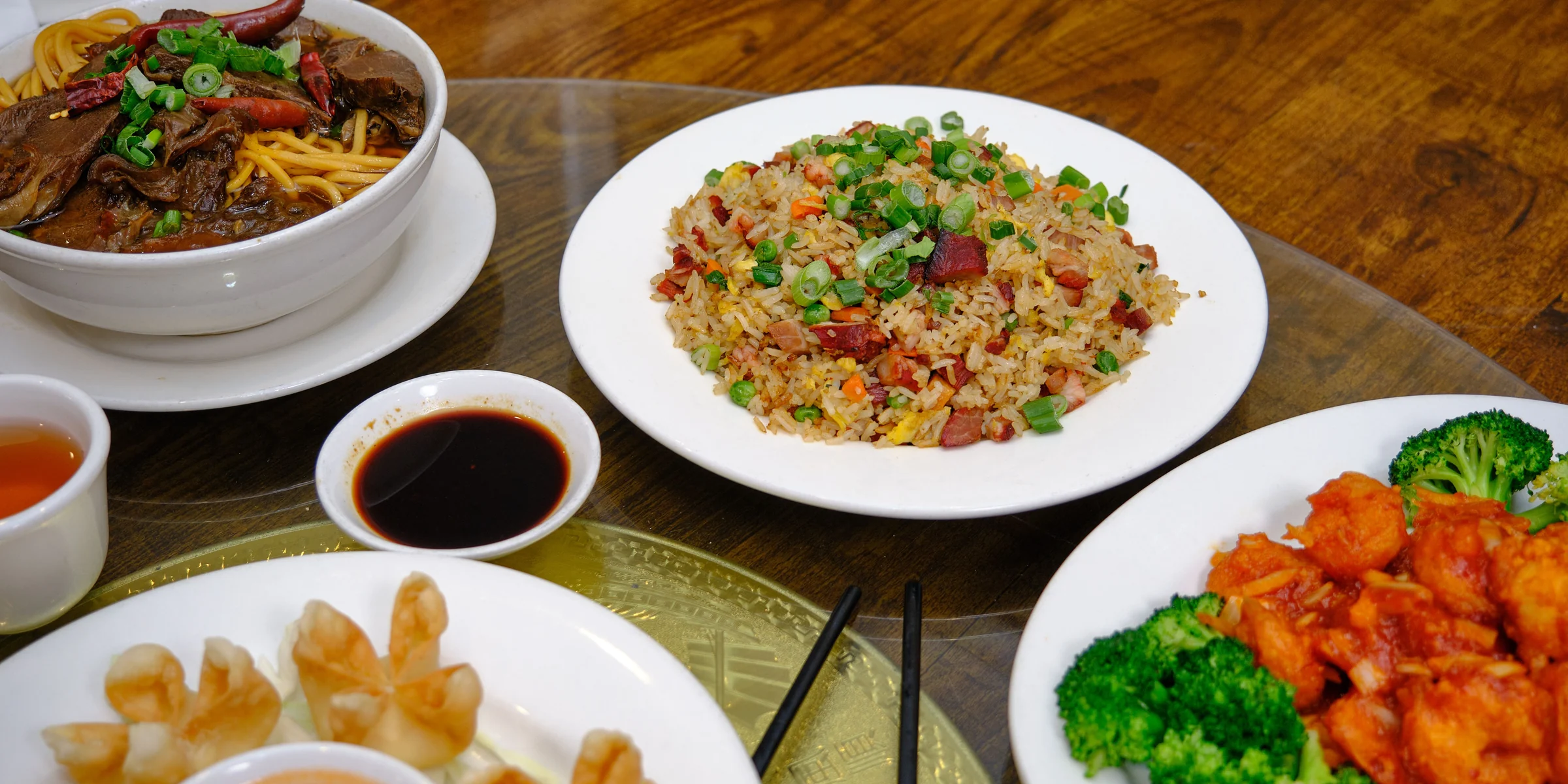
What is Beijing cuisine?
Beijing cuisine is best understood as a capital-city food culture rather than one narrowly bounded provincial school. It combines local household cooking and northern staples with restaurant traditions, specialist roasting, halal food, snacks, banquet cooking and foods associated with the city’s different historical communities.
Is Beijing cuisine one unified school?
There is no single fixed definition accepted by every historian, chef or institution. The category commonly brings together several strands that developed or became prominent in the capital. Do not treat it as having one founder, one exact dynasty of origin, or as simply Shandong cuisine, imperial cuisine, or old-city snacks alone.
“Peking” and “Beijing”
“Peking” is an older English romanisation still retained in established food names such as Peking duck. Use “Beijing” for the city and broad cuisine guide, while preserving “Peking duck” as the familiar English dish name.
Beijing cuisine versus food in Beijing
Official Chinese guidance lists Beijing cuisine among important regional traditions outside the Eight Great Cuisines rather than treating it as one of the canonical eight.
| Term | Meaning |
|---|---|
| Beijing cuisine | Food traditions and dishes historically or culturally associated with Beijing |
| Beijing dishes | Individual foods associated with the city |
| Beijing snacks | Smaller foods, breakfasts, sweets and street- or shop-based preparations |
| Food in Beijing | Every cuisine currently available in the city |
| Beijing food experience | A tour, class, hosted meal or other activity involving food |
| Imperial-style cuisine | Contemporary or historical food linked to court and banquet traditions; not all Beijing food |
Food available in Beijing (nested scope)
Food available in Beijing
- ├── Beijing cuisine
- ├── Other Chinese regional cuisines
- └── International cuisines
How Beijing’s food traditions developed
Beijing’s cuisine developed through accumulation rather than isolation. Its food reflects northern agriculture and climate, successive capital-city populations, court and official institutions, restaurant migration, Muslim communities, Manchu and Mongol connections, commerce and the continuing arrival of people from across China. Beijing policy and cultural sources continue to use the term 京菜 while encouraging both preservation of traditional techniques and development of “new Beijing cuisine,” reinforcing that the category remains evolving rather than frozen.
| Culinary strand | What it contributes | Required qualification |
|---|---|---|
| Northern household food | Wheat staples, noodles, breads, dumplings, cabbage and seasonal home cooking | These foods are not unique to Beijing |
| Restaurant traditions linked to Shandong cuisine | Soup, braising, roasting and formal restaurant lineages | Specific businesses and dishes show the influence; do not reduce all Beijing cuisine to Shandong |
| Court- and official-associated food | Banquet service, specialist techniques, high-status ingredients and ceremonial presentation | Modern “imperial cuisine” may be reconstructed or interpreted |
| Hui Muslim and halal food | Mutton hotpot, roasted meat, beef and mutton dishes, pastries and snack traditions | Halal cuisine is a distinct and important branch, not a synonym for all Beijing food |
| Manchu and Inner Asian connections | Particular sweets, mutton traditions and food associated with Qing-era communities | Attribute specific dishes rather than using a vague universal claim |
| Urban markets and migrants | Foods from every Chinese region and, increasingly, international cuisines | These are foods in Beijing but not necessarily Beijing cuisine |
| Contemporary “new Beijing cuisine” | Reinterpretation of local ingredients, techniques and presentation | Innovation does not automatically erase culinary identity |
Shandong-linked restaurant traditions
Several important Beijing restaurant lineages explicitly identify Shandong cooking as part of their foundation. This supports describing Shandong influence as one strand within Beijing cuisine, not as its sole origin. Official material describes Shandong dishes as the culinary basis of established roast-duck restaurants including Quanjude and Bianyifang.
Halal and multi-ethnic traditions
Beijing’s Hui Muslim communities and halal restaurant traditions are central to the city’s history of mutton, beef, roast meat, hotpot and certain pastries and snacks. Official Beijing sources describe halal cuisine as an important branch of Beijing food and identify instant-boiled mutton as a major example.
Contemporary Beijing
Beijing now contains food from every region of China. A Sichuan or Yunnan restaurant in Beijing does not become Beijing cuisine solely by location. Contemporary chefs may combine local and international techniques. Time-honoured brands also change menus and presentation.
Beijing cuisine entity map
Beijing cuisine
- ├── Northern household and wheat foods
- ├── Roast-duck and restaurant traditions
- ├── Halal and mutton traditions
- ├── Local snacks and breakfasts
- ├── Court- and banquet-associated food
- └── Contemporary Beijing cooking
Beijing dishes to know
The following dishes are useful reference points for understanding Beijing food. They illustrate different parts of the city’s cuisine rather than forming one mandatory checklist. Official Beijing sources group roast duck, instant-boiled mutton, zhajiangmian and chaogan among the city’s notable foods and document douzhi, jiaoquan, lvdagun and other sweets as traditional snacks.
| Dish or category | Chinese | What it is | What it demonstrates |
|---|---|---|---|
| Peking duck | 北京烤鸭 / 北京烤鴨 | Roast duck served in slices with accompaniments | Specialist roasting and formal shared dining |
| Zhajiangmian | 炸酱面 / 炸醬麵 | Wheat noodles with a savoury fried bean sauce and vegetable accompaniments | Northern wheat staples and household variation |
| Instant-boiled mutton | 涮羊肉 | Thin mutton cooked at the table in a copper pot | Halal and northern mutton traditions |
| Beijing barbecue | 炙子烤肉 | Marinated beef or mutton cooked on an iron grill | Specialist roast-meat tradition |
| Baodu | 爆肚 | Rapidly cooked beef or lamb tripe served with dipping sauce | Texture, timing and mutton/beef snack traditions |
| Chaogan | 炒肝 | Thick preparation containing pork liver and intestines | Old-city pork snack and breakfast traditions |
| Luzhu huoshao | 卤煮火烧 / 滷煮火燒 | Pork offal and wheat bread simmered together | Economical urban food and wheat-based eating |
| Douzhi and jiaoquan | 豆汁与焦圈 / 豆汁與焦圈 | Fermented mung-bean drink with a crisp fried ring | Distinctive Beijing breakfast and snack culture |
| Aiwowo | 艾窝窝 / 艾窩窩 | Sweet glutinous-rice snack with filling | Halal and old-city sweet traditions |
| Wandouhuang | 豌豆黄 / 豌豆黃 | Smooth sweet pea cake | Seasonal and pastry traditions |
| Lvdagun | 驴打滚 / 驢打滾 | Sticky rice roll with filling and soybean flour | Beijing sweet-snack culture |
| Tanghulu | 糖葫芦 / 糖葫蘆 | Candied fruit on a skewer | Northern winter snack widely associated with Beijing |
| Beijing-style pastries | 京式糕点 / 京式糕點 | Pastries using nuts, seeds, bean pastes, fruits and flour | Gift, festival and tea-snack traditions |
How to choose a first introduction
For a first introduction, choose one substantial dish, one wheat-based staple and one snack or breakfast item rather than trying to taste every famous food in one sitting. None of these rows is a national dish, the most authentic dish, or a mandatory must-eat.
Dish-category grid
- Duck
- Noodles and wheat foods
- Mutton and halal dishes
- Offal and old-city snacks
- Sweets and pastries
- Contemporary Beijing food
Peking duck: roasting methods, serving and context
Peking duck is Beijing’s most internationally recognised dish, but it represents one specialised restaurant and roasting tradition rather than the whole of Beijing cuisine. Two well-known Beijing roast-duck traditions are closed-oven roasting and hanging-oven roasting. They use different heat sources and oven arrangements and should not be described as one identical process. Official sources describe Bianyifang’s closed-oven method and Quanjude’s hanging or open-oven method as distinct nationally recognised culinary techniques.
| Method | General principle | Important qualification |
|---|---|---|
| Closed oven | Duck cooks using heat retained and radiated by a closed oven | Exact technique belongs to specialist practitioners |
| Hanging oven | Duck is suspended and roasted in an open oven, traditionally using hardwood | Exact preparation varies by restaurant lineage |
How it is served
Roast duck is normally carved and shared. Slices may be combined with thin wheat pancakes, spring onion, cucumber and sweet bean sauce, although accompaniments and service styles vary. Official Beijing material describes the familiar combination of sliced duck, thin pancake, sweet bean sauce, scallion and cucumber. Prefer the term sweet bean sauce for the Beijing reference; “hoisin sauce” is better reserved for overseas variations.
What to confirm before ordering
- Whole duck, half duck or portion
- Whether carving is tableside
- Which roasting method is used
- Whether pancakes and accompaniments are included
- Whether remaining meat or bones are used for another course
- Approximate portion fit for the group
- Allergen and dietary concerns in sauces and pancakes
Scope note
This section does not provide a home recipe, restaurant rankings, fixed serving counts, or proprietary roasting instructions. For restaurants, prices and how to eat the dish, see Peking Duck in Beijing: Best Restaurants, Prices & How to Eat It.
Roast-duck method comparison
- Closed oven — heat retained and radiated inside a closed oven
versus
- Hanging / open oven — duck suspended and roasted, traditionally with hardwood fuel
Noodles, dumplings and Beijing’s wheat staples
Beijing’s food belongs to a broader northern Chinese environment in which wheat-based staples—including noodles, buns, flatbreads and dumplings—have historically played a prominent role. These foods are not unique to Beijing, but the city has developed recognisable local preparations and ways of serving them.
Zhajiangmian
Zhajiangmian consists of wheat noodles served with a savoury fried bean-based sauce and vegetable accompaniments. Recipes differ between restaurants and households, particularly in the sauce, meat, sweetness, saltiness and choice of vegetable toppings. Official Beijing sources describe zhajiangmian as wheat noodles topped with fried bean sauce and vegetables and link its Beijing development with Shandong restaurants in the city. There is no single standard topping set, and the sauce does not always contain pork.
Baozi, shaomai and breads
Baozi, shaomai associated with Beijing time-honoured snack traditions, shaobing, huoshao, mantou, and meat-filled or vegetable-filled wheat foods are common staple or snack forms. Baozi and shaomai are not the same food as jiaozi.
Wheat staple versus accompanying dish
Noodles, dumplings and breads may function as the principal staple food rather than as a small side dish automatically served with rice. Do not assume that rice will be included with a noodle, dumpling or bread-based meal.
Mutton hotpot and Beijing’s halal food traditions
Mutton, beef and halal restaurant traditions form an important branch of Beijing food. Their significance is especially visible in instant-boiled mutton, roast meat, tripe dishes, pastries and long-established food businesses associated with Hui Muslim communities. Official Beijing sources explicitly describe halal cuisine as an important branch of Beijing cuisine and identify instant-boiled mutton as one of its best-known dishes.
| Beijing instant-boiled mutton | Other Chinese hotpot traditions | |
|---|---|---|
| Core protein | Often centred on thin mutton | May centre on beef, seafood, offal, vegetables or mixed ingredients |
| Broth character | Broth may be relatively restrained | Broths may be spicy, herbal, fermented, tomato-based or otherwise strongly flavoured |
| Sauce role | Dipping sauce is important | Sauce systems vary regionally |
| Vessel form | Copper chimney pots are strongly associated with the Beijing form | Pot and heat-source forms vary |
| Community history | Connected with Beijing halal restaurant history | Other hotpots have different regional and community histories |
Instant-boiled mutton
Instant-boiled mutton—涮羊肉, shuàn yángròu—uses thin slices of mutton cooked briefly at the table, commonly in a copper hotpot. Diners combine the cooked meat with an individually seasoned dipping sauce. Official material describes the copper pot as an iconic Beijing form and highlights thin mutton, vegetables and sesame-based dipping sauce. Beijing hotpot is not the original Chinese hotpot, not always clear-water broth, not always halal, not always cooked in a copper pot, not identical to Mongolian hotpot, and not simply a mild version of Sichuan hotpot. For a dedicated visitor guide, see Traditional Beijing Copper-Pot Hotpot.
Halal terminology and dietary care
Look for 清真, qīngzhēn, when identifying halal establishments. A restaurant serving mutton is not automatically halal, and a halal restaurant may serve a much wider range of dishes than hotpot. Do not guarantee certification or cross-contact controls based solely on an English menu description.
Beijing barbecue and baodu
Zhizi kaorou (炙子烤肉) uses an iron grill and thin beef or mutton. Baodu (爆肚) refers to quickly cooked tripe rather than Western-style deep-frying. Dipping sauce and exact cuts matter. Beef and lamb traditions may overlap with halal establishments but are not universally halal. Official Beijing material describes Beijing barbecue as marinated beef or mutton cooked on a specialised iron plate and documents baodu as a time-honoured tripe preparation.
Beijing snacks, breakfast and sweets
Beijing snack culture includes breakfast foods, small wheat preparations, fermented drinks, offal dishes, glutinous-rice sweets and pastries. “Snack” does not necessarily mean sweet, portable or eaten between meals.
| Snack | Main structure | Useful expectation |
|---|---|---|
| Aiwowo | Glutinous-rice exterior with sweet filling | Soft, sticky and usually sweet |
| Lvdagun | Sticky rice roll with filling and soybean flour | Chewy and powder-coated |
| Wandouhuang | Sweet pea cake | Smooth and dense |
| Tanghuoshao | Baked sweet flour cake | Layered or compact depending on producer |
| Saqima | Fried dough strands bound with syrup | Crisp-soft and sweet |
| Tanghulu | Candied fruit | Hard sugar shell with tart fruit |
| Jingbajian or Beijing pastry assortment | Mixed pastries and fillings | Contents vary by maker |
Douzhi and jiaoquan
Douzhi is a fermented mung-bean drink with a distinctly sour aroma and flavour. It is commonly paired with jiaoquan, a crisp fried flour ring, and pickled vegetables. Official Beijing material documents douzhi and jiaoquan as a recognised local pairing. Douzhi is not soy milk, not sweet bean milk, and not a medical remedy or authenticity test.
Chaogan and luzhu huoshao
Chaogan contains pork liver and intestines in a thickened preparation. Luzhu huoshao combines pork offal and wheat bread. Both require clear ingredient disclosure. Neither is suitable for halal, vegetarian or pork-free diets. Official sources describe chaogan as a pork-liver and intestine preparation rather than a simple stir-fry.
Sweet snacks
Aiwowo, lvdagun, wandouhuang, tanghuoshao, saqima, Beijing-style pastries and candied hawthorn illustrate sweet and pastry traditions. Official cultural material lists lvdagun, aiwowo, wandouhuang, saqima and other pastries among traditional Beijing snack forms. Tanghulu is widely associated with Beijing winters but is not exclusive to the city.
“Street food” qualification
Many foods described online as Beijing street food are now more commonly found in snack shops, markets, food halls and established restaurants rather than from unrestricted street vendors. For what to try and where to eat today, see Beijing Street Food & Hutong Snacks. Wangfujing does not represent everyday Beijing snack culture by itself.
How to explore Beijing food
A useful introduction combines different types of food rather than several heavy signature dishes in succession. This is a planning framework, not a mandatory checklist.
| Format | Best when | Limitation |
|---|---|---|
| Independent meal | You know which dish you want | Limited interpretation |
| Specialist food tour | You want several tastings and local context | Quality and route vary |
| Cooking class | You want a hands-on skill | May focus on one food rather than the wider cuisine |
| Hosted meal | Conversation and social context matter | Represents one host and setting |
| Market or snack exploration | You want variety and informal foods | Current vendors and access may change |
| Culinary museum or heritage venue | Historical interpretation is the priority | May provide limited tasting |
Build a balanced Beijing food plan
- One specialist dish — Peking duck or instant-boiled mutton
- One staple-food meal — zhajiangmian, dumplings, buns or another wheat-based dish
- One snack or breakfast — douzhi and jiaoquan, chaogan, a pastry or a sweet snack
- One contemporary meal — a modern Beijing restaurant or another regional cuisine available in the capital
Choose by appetite and group size
Roast duck and hotpot are often easier to explore with several diners. Noodles and snacks can work individually. Offal dishes should not be ordered without explaining ingredients. Children’s preferences vary. Do not order multiple rich meat dishes without considering balance. There is no fixed group size.
Ordering questions
- What is the Chinese name of the dish?
- Is it a staple food, shared dish, snack or dessert?
- Does it contain pork, offal, shellfish, peanuts, sesame or soy?
- Is the restaurant halal?
- Does the listed dish serve one person or a group?
- Are pancakes, sauce or side items included?
- Is the dish available only seasonally?
- Is the dish mild, chilli-hot or strongly fermented?
Dietary requirements
Dish names and English translations are not sufficient to confirm dietary suitability. Ask about ingredients, stock, sauces and preparation for vegetarian, vegan, halal, pork-free, gluten, sesame, soy, peanuts and tree nuts, shellfish and cross-contact concerns. This is not medical advice and does not guarantee an allergen-free kitchen.
Modern Beijing food
Modern Beijing is one of China’s largest restaurant markets. A food plan may include local Beijing dishes alongside Sichuan, Yunnan, Cantonese, Xinjiang, vegetarian, international or contemporary fusion cooking. These are part of eating in Beijing even when they are not Beijing cuisine.
Related activity guides
First-visit food framework
One specialist dish
- +
One staple-food meal
- +
One snack or breakfast
Beijing food FAQ
- Beijing cuisine is a capital-city food tradition combining northern wheat-based staples, roast-duck and restaurant traditions, halal mutton cooking, household dishes, snacks and influences brought to the city from other parts of China.
- Peking duck is Beijing’s most internationally recognised dish. Other important foods include zhajiangmian, instant-boiled mutton, Beijing barbecue, baodu, chaogan, douzhi with jiaoquan and traditional pastries.
- No. Beijing cuisine is commonly recognised as an important local culinary tradition outside the standard Eight Great Cuisines framework.
- Chinese food is the national umbrella containing many regional traditions. Beijing food refers specifically to dishes and culinary traditions associated with the capital.
- No. Modern Beijing serves food from every region of China and many international cuisines. A Sichuan, Yunnan or Cantonese restaurant in Beijing remains associated with its own culinary tradition.
- The best-known Beijing hotpot is instant-boiled mutton, in which thin slices of mutton are cooked briefly at the table and eaten with an individually mixed dipping sauce. It is strongly connected with Beijing’s halal food traditions.
- Zhajiangmian is a wheat-noodle dish served with a savoury fried bean-based sauce and vegetable accompaniments. Sauce, meat and toppings vary between households and restaurants.
- Examples include douzhi with jiaoquan, chaogan, baodu, aiwowo, lvdagun, wandouhuang, tanghuoshao and Beijing-style pastries. The word snack may include breakfast foods, savoury dishes and sweets.
- Some dishes can be vegetarian, but many sauces, broths and snack preparations may contain meat, animal fat, seafood or egg. Confirm the ingredients and cooking method rather than relying only on the English dish name.
- A balanced introduction could include one substantial dish such as roast duck or mutton hotpot, one wheat-based staple such as zhajiangmian or dumplings, and one local snack or pastry. Choose according to group size, diet and appetite.