
Shanghai hotpot is not one local tradition—it is a choice among several hotpot styles that all exist side by side in the city. Shanghai has no single hometown hotpot the way Chengdu, Chongqing or Beijing do; instead, visitors and residents choose from Sichuan/Chongqing-style málà hotpot, Beijing-style mutton hotpot, national chains and milder tomato- or mushroom-broth options. This page compares those choices rather than promoting one as definitive.
| Item | Detail |
|---|---|
| Local tradition | None dominant—Shanghai hosts multiple imported hotpot styles |
| Common styles available | Sichuan/Chongqing málà, Beijing-style mutton, chain and mild-broth formats |
| Spice range | Fully adjustable by choice of style and restaurant |
| Format | Shared pot at the table; diners cook raw ingredients themselves |
| Best for | Groups and evening dining wanting to choose a specific hotpot style |
Hotpot In Shanghai: A Traveler's Choice, Not One Local Tradition
Unlike cities with a hometown hotpot identity, Shanghai's hotpot scene is built almost entirely from styles that originated elsewhere and were brought in by migration, restaurant chains and regional cuisine. This means visitors in Shanghai are not looking for "the" Shanghai hotpot—they are choosing which regional style they want for that evening, in a city with enough restaurant variety to offer most major options within a short taxi ride.
| Style available in Shanghai | Origin | Spice profile |
|---|---|---|
| Sichuan/Chongqing-style | Sichuan Province and Chongqing | Chilli-and-tallow broth, adjustable from mild to very spicy |
| Beijing-style mutton | Beijing | Clear broth, no chilli, mild by tradition |
| National chain hotpot | Various regions, standardised menus | Usually split-pot or mild-and-spicy options offered |
| Tomato / mushroom broth | Modern, restaurant-driven | Non-spicy by design |
Choosing among these is closer to choosing a cuisine for the evening than following one fixed local custom.
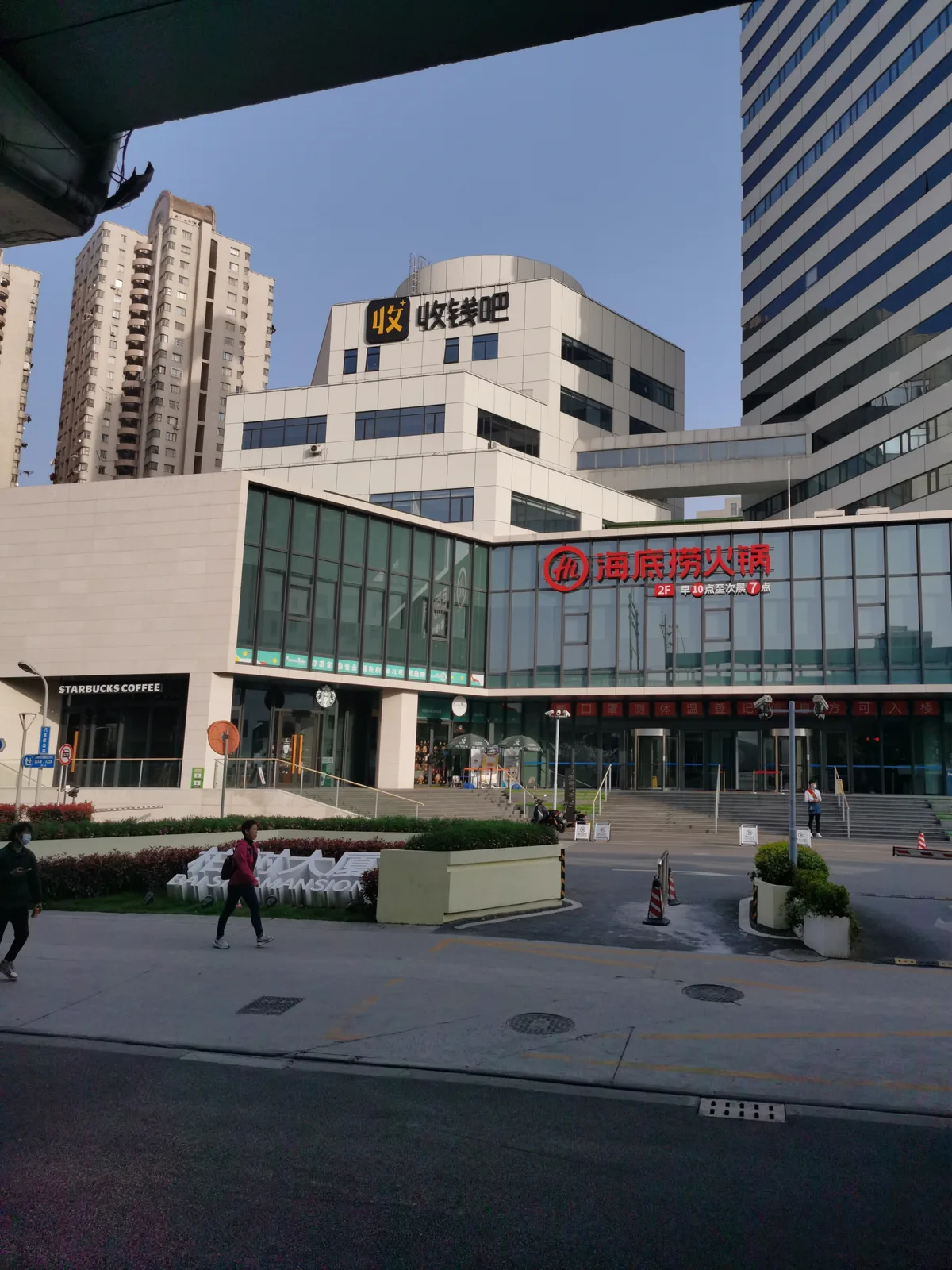
*Hotpot dining in Shanghai. DragonTrail editorial image.*
Sichuan- And Chongqing-Style Hotpot In Shanghai
The most widely available hotpot style in Shanghai is Sichuan/Chongqing-style málà hotpot—chilli-and-beef-tallow broth, à la carte sliced meats and vegetables, and a sesame-oil dip bar. Both national chains and independent restaurants serve this style, with spice level and offal availability varying by restaurant. Travelers who want the full experience covered on the Chengdu hotpot and Chongqing hotpot guides can generally find a comparable version in Shanghai, though intensity and ingredient range will differ restaurant to restaurant. See the málà guide for what to expect from the flavour itself.
Beijing-Style Mutton Hotpot (Instant-Boiled Mutton)
A second distinct option in Shanghai is Beijing-style instant-boiled mutton (涮羊肉, shuàn yángròu)—a clear broth, thin-sliced lamb, and a sesame-and-fermented-tofu dipping sauce, traditionally cooked in a copper pot. This is a different tradition from Sichuan-style hotpot: no chilli-oil base, no beef tallow, and a much milder flavour profile built around the quality of the lamb rather than the broth's spice. It is a smaller share of Shanghai's hotpot restaurants than Sichuan-style options but is available at specialist restaurants for travelers who prefer a non-spicy hotpot format. Background on the original tradition: Beijing hotpot.
National And International Hotpot Chains
Large hotpot chains—both Sichuan/Chongqing-style and other regional formats—operate multiple branches across Shanghai, generally offering standardised menus, English-language ordering support at some locations, and a broader range of broth options than smaller independent restaurants. Chains are often a practical choice for first-time hotpot diners or groups with mixed preferences, since they typically build split-pot and mild-broth options into a standard menu rather than requiring a special request.
Mild Options: Tomato, Mushroom And Split Pots
Travelers who want hotpot without significant spice have several realistic options in Shanghai:
| Option | What it is |
|---|---|
| Tomato broth | A savoury, non-spicy base popular with diners avoiding chilli |
| Mushroom broth | A clear, umami-forward base, also non-spicy |
| Split pot (鸳鸯锅) | One pot divided into a spicy side and a mild side |
| Beijing-style clear broth | Non-spicy by tradition, built around mutton rather than chilli |
Because Shanghai's hotpot restaurants draw on multiple regional traditions rather than one house style, mild options are generally easier to find here than in cities where spicy broth is the default.
Ordering And Spice Level
Ordering follows the same basic pattern as elsewhere: choose a broth (or split pot), order raw ingredients à la carte in rounds, build a dipping sauce, and cook at the table. Spice-level phrases are consistent with Sichuan-style hotpot generally—*bù là* (不辣, not spicy), *wēi là* (微辣, mild), *zhōng là* (中辣, medium) and *tè là* (特辣, very spicy)—and most Shanghai restaurants serving Sichuan-style broth will adjust on request.
Fitting Hotpot Into A Shanghai Evening
Hotpot's long, shared-table format suits a relaxed Shanghai evening well, and its casual dress code and communal style make it a comfortable choice after a day of sightseeing along the Bund or in the former French Concession. DragonTrail can arrange a guided hotpot dinner as part of a Shanghai evening: Shanghai hotpot dinner food experience.
FAQ
Does Shanghai have its own hotpot tradition?
Not a single dominant one. Shanghai hosts multiple imported hotpot styles—Sichuan/Chongqing, Beijing-style mutton and chain formats—rather than one hometown version.
What hotpot style is most common in Shanghai?
Sichuan/Chongqing-style málà hotpot is the most widely available, through both national chains and independent restaurants.
Can I find non-spicy hotpot in Shanghai?
Yes. Tomato and mushroom broths, split pots, and Beijing-style mutton hotpot are all realistic non-spicy or mild options.
What is Beijing-style mutton hotpot?
A clear-broth, thin-sliced-lamb hotpot with a sesame-and-fermented-tofu dip, traditionally cooked in a copper pot—a different tradition from chilli-oil Sichuan-style hotpot. See Beijing hotpot.
Are hotpot chains a good option for first-timers?
Often yes—chains typically offer standardised menus with clear spice options and split pots, which can be easier to navigate than an unfamiliar independent restaurant.
How does ordering work at a Shanghai hotpot restaurant?
Choose a broth or split pot, order ingredients à la carte in rounds, build a dipping sauce, and cook everything yourselves at the table.
Can DragonTrail arrange a Shanghai hotpot dinner?
Yes. See the Shanghai hotpot dinner food experience.
---
Continue with Chinese hotpot
Book Shanghai hotpot experiences
Sources & Review
- Chinese Culinary Association — Eight Great Cuisines educational framework (regional hotpot context)
- Fuchsia Dunlop, *Land of Plenty* — Sichuan-style hotpot pantry background
- Shanghai municipal cultural tourism materials on dining diversity (verify current URLs before citation in CMS)
- Chinese characters verified
- Author: DragonTrail editorial
- Last reviewed: August 2026