
Chinese Alcohol at a Glance
| Term | Chinese | Broad category | Fermented or distilled | Typical base | Traveler context |
|---|---|---|---|---|---|
| Baijiu | 白酒 (báijiǔ) | Distilled grain spirit family | Distilled (after fermentation with qu) | Sorghum and other grains | Banquets, toasts, gift bottles |
| Huangjiu | 黄酒 (huángjiǔ) | Fermented grain beverage family | Fermented | Rice, glutinous rice, millet or other grains | Dining, regional specialties, cooking |
| Shaoxing wine | 绍兴酒 (Shàoxīng jiǔ) | Major huangjiu tradition | Fermented | Typically rice / glutinous rice styles | Zhejiang dining; shops; cooking products |
| Chinese rice wine / mijiu | 米酒 (mǐjiǔ) and related terms | English umbrella; overlaps mijiu and rice-based huangjiu | Usually fermented | Rice / glutinous rice (context varies) | Labels, restaurants, sweet fermented-rice drinks |
| Grape wine | 葡萄酒 (pútáojiǔ) | Modern grape wine | Fermented (grape must) | Grapes | City wine lists; Ningxia and other regions |
Avoid treating ABV as a fixed national range—styles and producers vary.
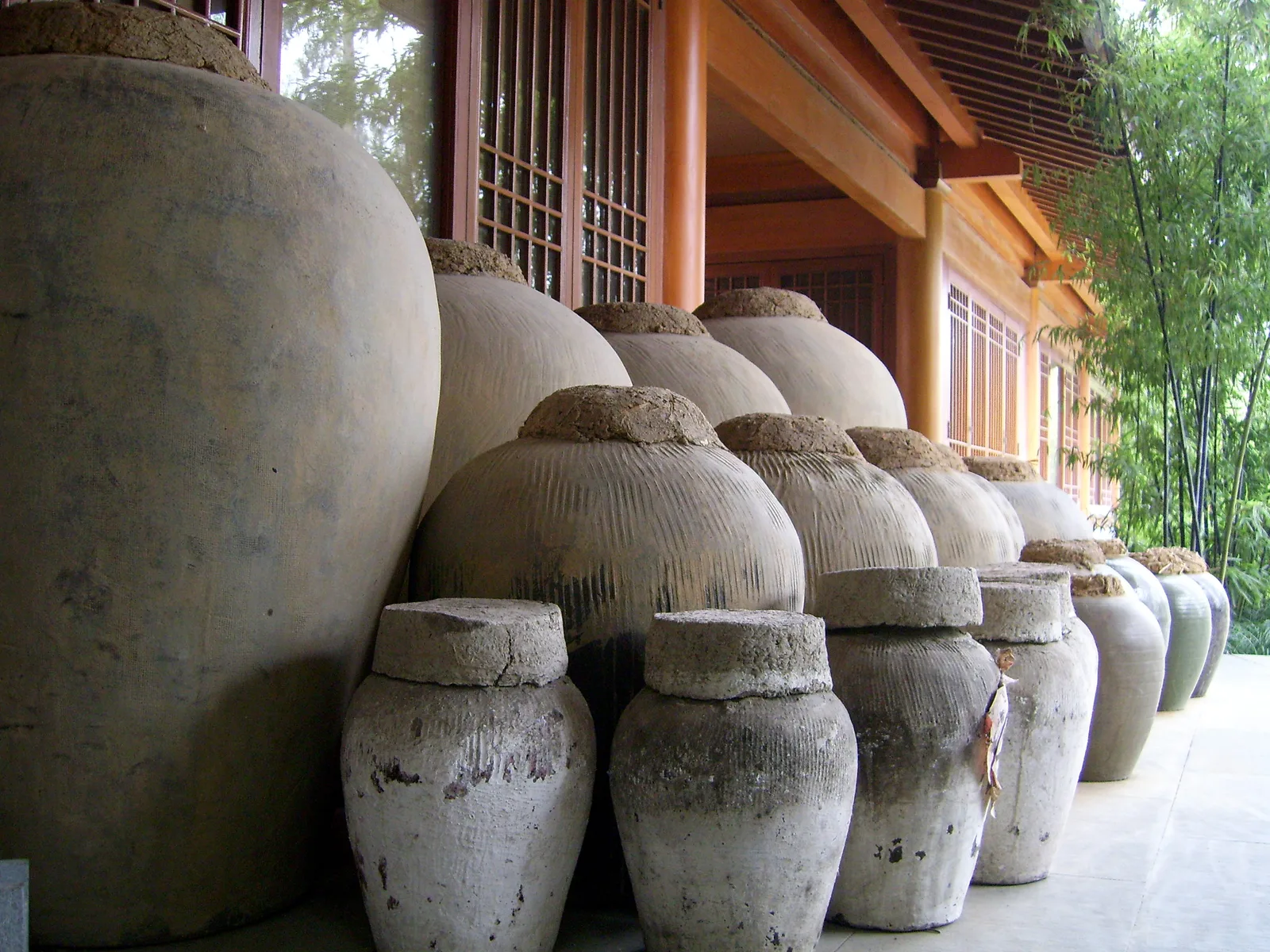
*Ceramic jars traditionally used for storing Chinese alcoholic drinks.*
What Does "Chinese Wine" Actually Mean?
In English, "wine" usually implies grape wine. In Chinese, 酒 (jiǔ) is broader: spirits, fermented grain beverages, beer, and grape wine can all sit under everyday "jiǔ" talk depending on context. That is why English “Chinese wine” can mix baijiu, Shaoxing cooking products, and Ningxia Cabernet.
酒 ≠ grape wine specifically. When Chinese speakers mean grape wine, they usually say 葡萄酒 (pútáojiǔ). When English speakers say "Chinese wine," they may mean any of the rows in the table above. This hub keeps those entities separate and links each to a deeper guide.
Baijiu: China's Distilled Grain-Spirit Family
Baijiu (白酒, báijiǔ) is a family of distilled grain spirits, commonly associated with solid-state fermentation using qu (曲 / 麴) before distillation and aging. It is not white grape wine, and famous names such as Moutai are examples within the category—not synonyms for all baijiu. See the full guide: Baijiu.
Huangjiu: Fermented Chinese Grain Wine
Huangjiu (黄酒, huángjiǔ), often translated "yellow wine," is fermented rather than distilled. Grain recipes and styles vary by region. Shaoxing is one major tradition inside this family, not a replacement for the whole category. See Huangjiu.
Shaoxing Wine: One Famous Huangjiu Tradition
Shaoxing wine (绍兴酒, Shàoxīng jiǔ) is associated with Shaoxing in Zhejiang. Outside China it is often encountered first as a cooking ingredient, but Shaoxing wine also has a long tradition as a beverage. It is a type of huangjiu, not a synonym for every Chinese rice wine. See Shaoxing Wine.
Chinese Rice Wine and Mijiu
"Chinese rice wine" is an English umbrella. It may point to mijiu (米酒), rice-based huangjiu, Shaoxing wine, or sweet fermented-rice drinks (jiuniang / laozao) depending on the speaker. Some huangjiu uses grains other than rice, so rice wine ≠ huangjiu as exact synonyms. See Chinese Rice Wine.
Chinese Grape Wine
葡萄酒 (pútáojiǔ) specifically means grape wine. Modern Chinese grape wine is geographically diverse; Ningxia's eastern Helan foothills are a major concentrated production area, with Shandong and Xinjiang also important in China's wine geography. See Chinese Grape Wine & Wine Regions.
Baijiu vs Huangjiu vs Rice Wine vs Grape Wine
| Dimension | Baijiu | Huangjiu | "Chinese rice wine" | Grape wine (葡萄酒) |
|---|---|---|---|---|
| Production method | Ferment then distill | Ferment / age as grain beverage | Context-dependent umbrella | Ferment grape must |
| Distilled / fermented | Distilled spirit | Fermented | Usually fermented | Fermented |
| Common raw materials | Sorghum and other grains | Rice, glutinous rice, millet, others | Rice / glutinous rice (often) | Grapes |
| Terminology trap | Not "white wine" | "Yellow wine" is imperfect | Not one Chinese legal category | Distinct from 酒 as a broad word |
| Representative contexts | Banquets, toasts | Dining, regional bottles | Labels, cooking, sweet drinks | Restaurant lists, winery regions |
| Related guide | Baijiu | Huangjiu | Chinese Rice Wine | Wine Regions |
Fermentation, Qu and Distillation
At a high level, many traditional Chinese alcoholic beverages rely on qu—a family of fermentation starters/cultures—rather than a single universal yeast packet. Qu composition and use differ across baijiu and huangjiu traditions; do not assume one process applies to every category. Baijiu typically continues to distillation after fermentation; huangjiu remains a fermented beverage.
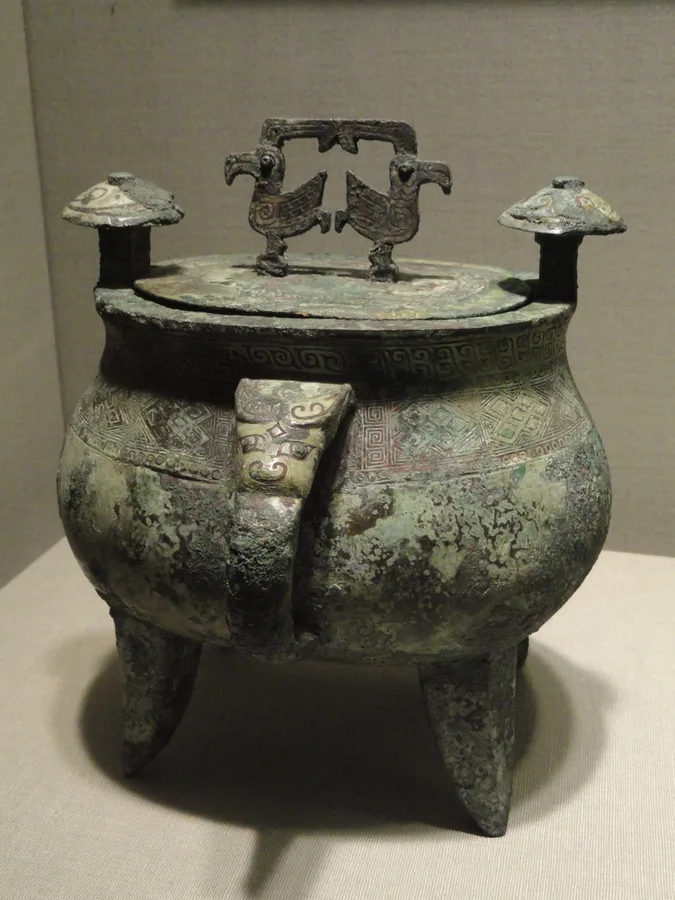
*A bronze jue, a ritual wine vessel used in ancient China.*
Drinking Culture in China
Toasting can signal hospitality or respect at banquets and business meals, but customs differ by region, generation and occasion. Ganbei (干杯, gānbēi) traditionally implies emptying the cup, yet real-world expectations vary—and declining alcohol is possible. For practical nuance, see Chinese Drinking Culture & Etiquette.
Chinese Wine Regions
Modern grape wine in China is not a single "new" novelty nor a substitute for traditional grain alcohol. Orientation-level names travelers often hear include Ningxia, Shandong and Xinjiang. Details and traveler caveats live on Chinese Grape Wine & Wine Regions.
What Travelers Are Most Likely to Encounter
| Situation | What you may see | Notes |
|---|---|---|
| Formal banquet | Baijiu toasts; sometimes beer or grape wine | Expectations vary; declining is possible |
| Casual restaurant | Beer, house spirits, or no alcohol | Many meals include little or no alcohol |
| Supermarket | Shaoxing cooking products; bottled huangjiu; grape wine | Products intended for cooking may differ from bottles intended for drinking |
| Hotel | Minibar spirits; imported and domestic grape wine | Availability varies widely |
| Gift | Premium baijiu packaging; regional specialties | Brand familiarity often matters more than style jargon |
| Regional specialty | Local huangjiu or rice-wine traditions | Ask hosts what is meant by "local wine" |
| Wine region travel | Winery visits in places such as Ningxia | Access and bookings change—verify current access |
Do not treat this table as a guarantee of what every venue serves.
Common Misconceptions
- Baijiu is not white grape wine. The "white" in 白酒 refers to a traditional naming convention for clear spirits, not blanc wine.
- Moutai is not a synonym for all baijiu. It is a famous example within a large family of styles and producers.
- Shaoxing wine is not a synonym for all Chinese rice wine. It is a major huangjiu tradition with its own place identity.
- Huangjiu is not distilled like baijiu. It is a fermented grain-beverage family.
- "Chinese wine" may refer to very different beverage categories. Always check whether the speaker means baijiu, huangjiu, rice wine, or 葡萄酒.
Explore Chinese Alcohol & Wine in More Detail
- Baijiu — distilled grain-spirit family, aroma styles and serving context
- Huangjiu — fermented "yellow wine" family and how Shaoxing fits
- Shaoxing Wine — Zhejiang huangjiu tradition; drinking vs cooking products
- Chinese Rice Wine — why "rice wine" is an English umbrella
- Chinese Drinking Culture & Etiquette — toasts, ganbei and polite refusal
- Chinese Grape Wine & Wine Regions — Ningxia, Shandong, Xinjiang and 葡萄酒
FAQ
What is Chinese wine?
It depends on the speaker. In English it may mean grape wine, Shaoxing products, or any Chinese alcoholic beverage. In Chinese, 酒 is broad; 葡萄酒 specifically means grape wine. Use this hub's category guides to disambiguate.
What is the difference between baijiu and Chinese wine?
Baijiu is a distilled grain-spirit family. "Chinese wine" in English is ambiguous and may mean grape wine, huangjiu, or other drinks. Baijiu is not grape wine.
Is baijiu a type of wine?
In the everyday English sense of grape wine, no. Baijiu is a spirit. It can still appear under the broad Chinese word 酒.
What is huangjiu?
Huangjiu is a family of fermented Chinese grain beverages, often translated "yellow wine." Styles and grains vary; Shaoxing wine is one major tradition within the family.
Is Shaoxing wine the same as rice wine?
Not exactly. Shaoxing wine is a huangjiu tradition from Shaoxing. "Rice wine" is a looser English umbrella that may include Shaoxing, mijiu, or other products.
Does China make grape wine?
Yes. China produces modern grape wine (葡萄酒), with important regional production including Ningxia, Shandong and Xinjiang among others.
What alcohol do travelers commonly encounter in China?
It varies by meal and company: beer, baijiu at some banquets, regional huangjiu, supermarket cooking wines, and grape wine in many cities. Many everyday meals include little or no alcohol.
Continue Exploring
Sources & Review
- Chinese Baijiu: The Perfect Works of Microorganisms (PMC9245514) — baijiu as a distilled liquor family involving grain, qu and fermentation/distillation processes
- Strong-flavor baijiu ecosystem review (PMC5900010)
- Solid-state fermentation review (PMC8004889)
- Huangjiu flavor and fermentation review (PMC7691429)
- Huangjiu microbiome study (PMC8844729)
- Shanghai government — Chinese drinking culture overview
- SCIO / Xinhua — Ningxia Helan foothills wine region update (5 Aug 2026)
- Author: DragonTrail editorial
- Last updated: 29 August 2026