
China produces modern grape wine as well as traditional grain-based alcohol. Ningxia’s eastern foothills of the Helan Mountains have developed into the country’s largest concentrated wine-producing area, while Shandong and Xinjiang are also important parts of China’s wine geography. The Chinese term 葡萄酒 (pútáojiǔ) specifically means grape wine and distinguishes it from the broader word 酒 (jiǔ).
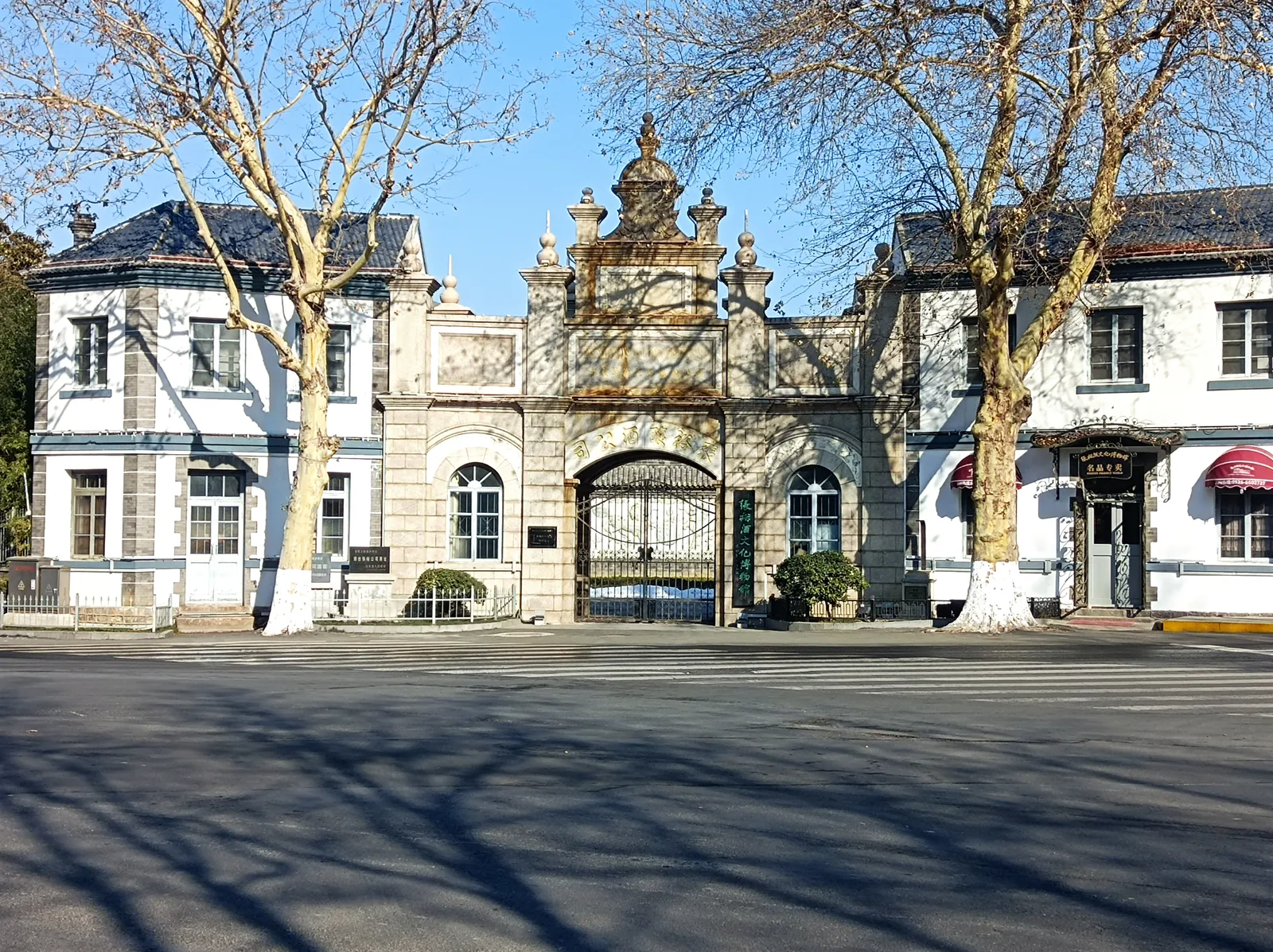
*A château-style building reflecting the European architectural influence found at some Chinese wineries.*
Chinese grape wine at a glance
| Topic | Traveler note |
|---|---|
| Chinese term | 葡萄酒 (pútáojiǔ) = grape wine |
| Not the same as | Baijiu, huangjiu, or the broad word 酒 (jiǔ) |
| Major regions (orientation) | Ningxia (Helan Mountain East), Shandong (incl. Yantai), Xinjiang |
| Tourism | Some wineries accept visitors; access and booking vary—check current arrangements |
| City tasting | Hotels, restaurants with wine lists, and specialty shops in major cities |
What does putaojiu mean?
Putaojiu (葡萄酒, pútáojiǔ) means grape wine. It is the clear Chinese label for vinous grape beverages, separate from distilled baijiu and fermented huangjiu. English “Chinese wine” can still blur these categories—see the Chinese Wine & Alcohol hub for the full terminology map.
China’s major wine regions
| Region | Key area(s) | Climate / geographic context | Broad wine significance | Traveler relevance |
|---|---|---|---|---|
| Ningxia | Eastern foothills of the Helan Mountains | Dry climate, strong sunshine, large day/night temperature swings; Yellow River irrigation support | Often described as China’s largest concentrated wine-producing area (2026 institutional reporting) | Wine tourism around Yinchuan / Helan foothills; check winery access before travel |
| Shandong | Yantai and nearby coastal peninsula areas | Maritime-influenced conditions relative to inland northwest | Long commercial wine history; major brands and cellars historically associated with the peninsula | Historic cellar/museum visits (e.g. Changyu as an example institution, not an endorsement) |
| Xinjiang | Multiple producing zones across the region | Continental climate with strong sunshine in many vineyard areas | Significant volume and geographic diversity within China’s wine map | Regional wines appear in shops and restaurants; winery tourism varies by site |
Do not treat production rankings as timeless—figures and emphasis change with policy and harvest years.
Ningxia and the eastern foothills of the Helan Mountains
Ningxia’s Helan Mountain East area is the strongest current orientation point for travelers interested in Chinese grape wine. August 2026 reporting from China’s State Council Information Office / Xinhua describes the eastern foothills of Helan Mountain as the country’s largest concentrated wine-producing area and notes substantial wine-tourism activity. Official Chinese government materials also document the region’s recognized wine geography (Helan Mountain East geographic indication context).
Practical framing for visitors: dry climate, abundant sunshine, marked day–night temperature variation, and irrigation linked to the Yellow River system support vineyard development. Tourism infrastructure around Yinchuan and the foothills continues to evolve—verify opening hours and reservation rules for any specific estate.
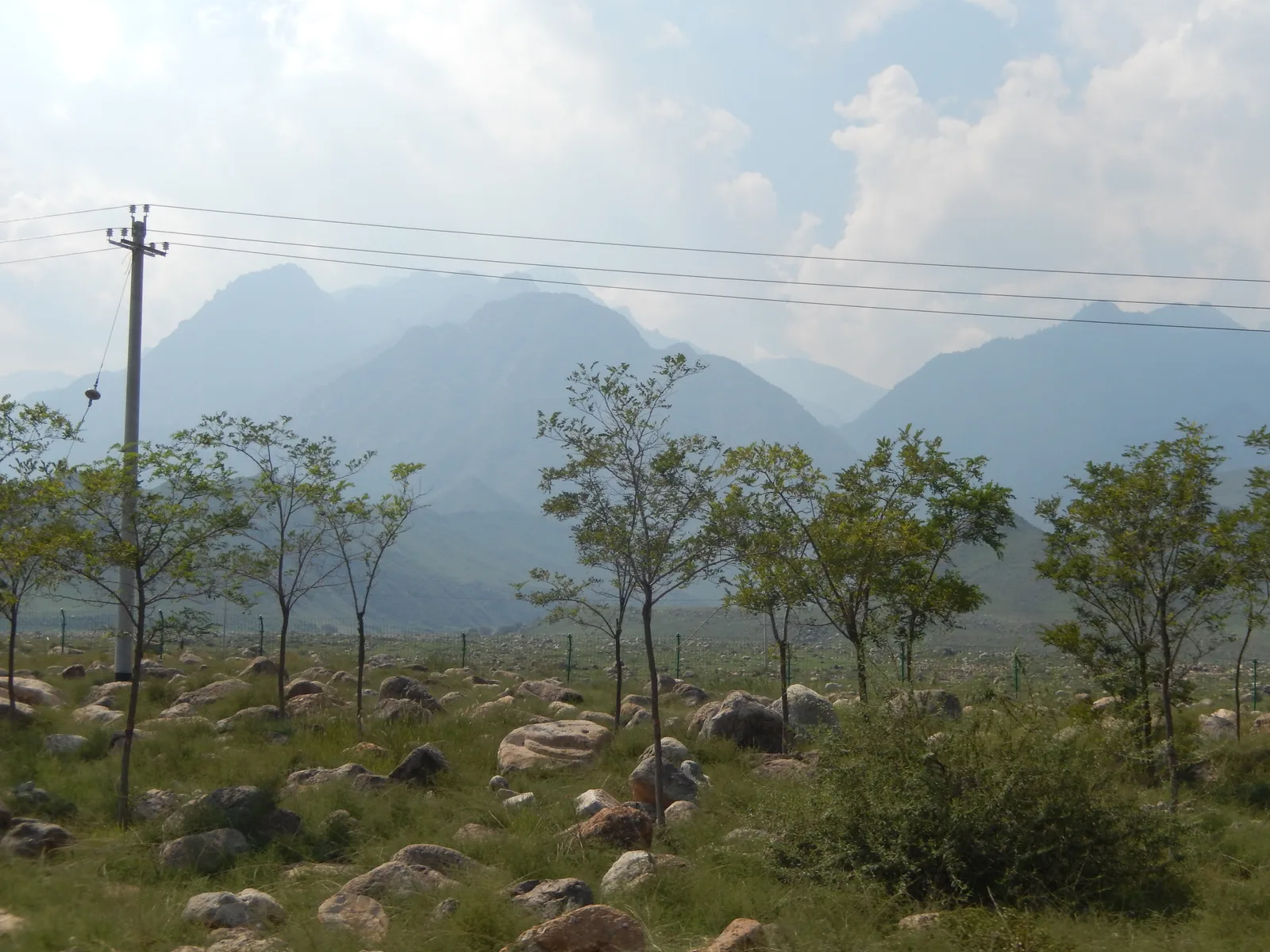
*Mountain ridges and valleys viewed above a layer of low cloud.*
Shandong and Yantai
Shandong’s Yantai area has a long commercial association with modern Chinese grape-wine production. Historic cellars and company museums (Changyu is a frequently cited example) illustrate early industrial-scale wine making on the peninsula. Treat brand names as historical/commercial examples, not product promotions.
Xinjiang
Xinjiang’s continental climate and strong sunshine in many vineyard zones support grape growing across several producing areas. Styles and tourism access vary widely—use Xinjiang as a geographic orientation, not a single uniform wine identity.
Other Chinese wine areas
China's wine geography extends beyond the three regions highlighted here. Additional producing areas should be understood through current regional and winery information because production importance and tourism access change over time.
Grapes and styles
Cabernet and other international varieties appear widely in Chinese commercial plantings, alongside regional style experiments. Exact variety mixes shift by estate and year—prefer winery or regional authority materials over encyclopedia-length grape catalogues.
Climate and viticulture
Practices differ by region. Winter vine burial, irrigation strategies and frost protection are more characteristic of some continental inland sites than of every Chinese vineyard. Do not assume one national viticultural method.
Visiting Chinese wineries
Access varies. Some estates welcome walk-in visitors; others require advance booking; some are not open to the public. Opening arrangements change. Check current access before traveling. Plan winery visits through local information or your broader Travel Guide itinerary.
Trying Chinese wine in major cities
In Beijing, Shanghai and other large cities, travelers may encounter Chinese putaojiu on hotel lists, restaurant wine lists and specialty shops. Named venues change frequently; verify current offerings locally rather than relying on a fixed restaurant list.
Common misconceptions
- China makes grape wine as well as baijiu and huangjiu.
- “Chinese wine” does not automatically mean baijiu.
- Chinese wine production is geographically diverse.
- Ningxia is not the only wine region.
FAQ
Does China produce grape wine?
Yes. Modern putaojiu (葡萄酒) is produced in multiple regions, alongside traditional grain-based alcoholic beverages.
What are China’s main wine regions?
For traveler orientation, Ningxia (Helan Mountain East), Shandong (including Yantai) and Xinjiang are useful starting points. Other areas also produce wine.
Why is Ningxia known for wine?
Institutional reporting in 2026 describes the eastern foothills of Helan Mountain as China’s largest concentrated wine-producing area, with growing wine tourism around the region.
Is Chinese grape wine the same as baijiu?
No. Putaojiu is grape wine; baijiu is a distilled grain spirit. They are different categories.
What grapes are grown in China?
International varieties such as Cabernet-family grapes are widely planted, with regional variation. Exact mixes depend on estate and region.
Can tourists visit wineries in China?
Sometimes. Access depends on the estate—confirm hours and reservations in advance.
Where can I try Chinese wine in Beijing?
Look to hotel wine lists, restaurants that stock domestic bottles and specialty shops. Specific venues change; verify locally.
Continue with Chinese Alcohol & Wine
Sources & Review
- SCIO / Xinhua — Ningxia Helan foothills wine region update (5 Aug 2026)
- Chinese government overview of the Helan Mountain wine region (Aug 2024)
- Official Helan Mountain East Region GI explanation
- Author: DragonTrail editorial
- Last updated: 29 August 2026