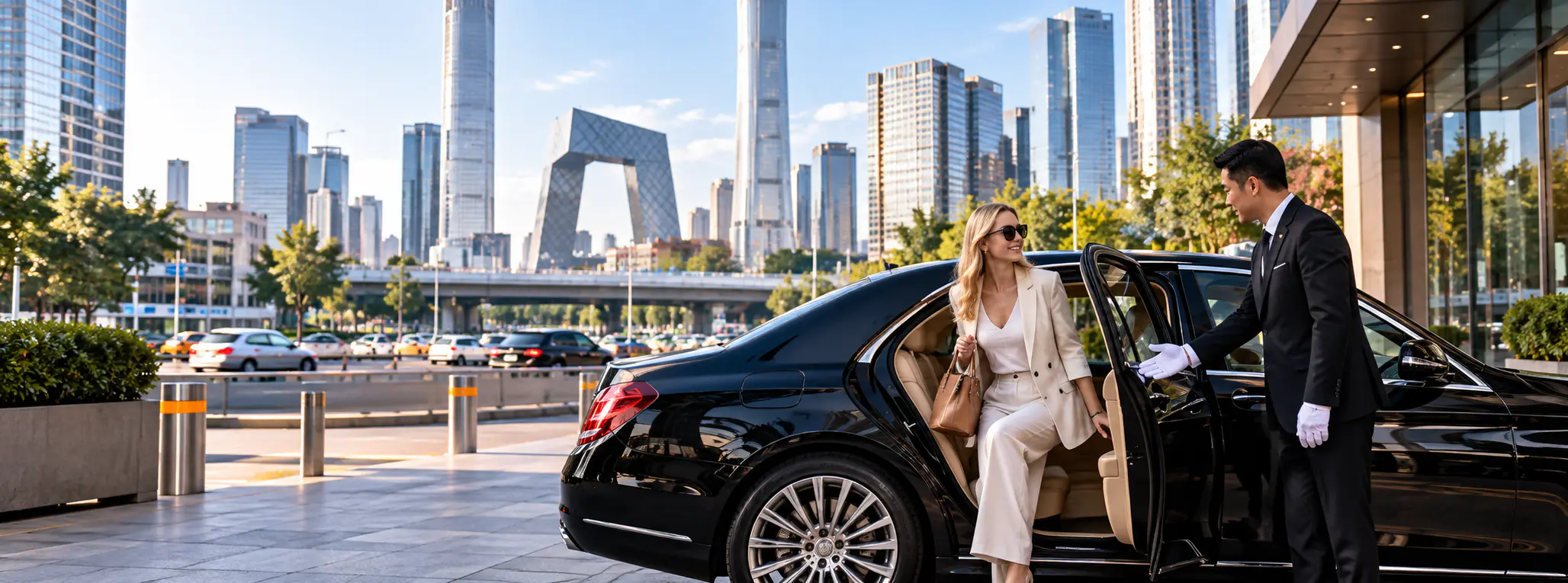
Beijing evenings have three jobs — pick one after a long day
This page is for travelers who have one or two free Beijing evenings and need to choose a job for them. It is not a club directory. We will not list bars, DJs, or guest lists. We stay with three evening modes that actually sit on a first visit: a show, a lakeside or hutong walk, and a bar street near where you already sleep. Each mode wants the rest of the night. Stacking all three after a Wall day is how people sleep through the curtain they booked. We write as operators who still have to get you home.
A show is Peking Opera or acrobatics, sometimes another theatre. Those choices have their own comparison page and their own transfer products. A Shichahai walk is water, bridges, and evening light in a three-lake district. A bar street is Sanlitun, the Worker Stadium pattern, or a hutong bar you already meant to sit in. Those are not interchangeable “nightlife.” They are different clocks. The show has a curtain. The walk has last-train and tired feet. The bar street has a late table you must still leave.
The duck dinner is a fourth object that can share a night only if the sitting is honest. The where-to-eat page owns the table. This page owns the evening job. If the job is the carving, the show moves. If the job is the curtain, the carving becomes lunch or another night. If the job is the lake, the table sits on the lake. We will not invent a brochure evening that contains a banquet, a walk, and a theatre. One job. Then home.
If you want us to look at a specific night, send the hotel area, the day’s outing, and whether a curtain is the non-negotiable. We reply with a mode and a way home, not with a club list. Soft ask: tell us what time you actually want to sleep. That sentence decides more than a famous theatre name. Confirm show times for your date. We will not print a curtain minute that will be wrong next season. A house that still has a seat is useless if the last train toward your hotel has already gone.
Quick facts for a Beijing evening
- Three jobs: A show, a Shichahai or hutong walk, or a bar street leftover — not a club directory
- Show tools: Peking Opera guide, opera-versus-acrobatics page, and the opera or acrobatics transfer products
- Walk tool: Shichahai hutong guide; Nanluoguxiang is a different, more commercial lane
- Duck plus curtain: Only with an early sitting and a booked transfer; otherwise move one of them
- After a Wall day: Hotel-proximate dinner and sleep. A destination show is a second outing.
- Way home: Book it before the late table. Last trains are per line and direction.
- Arrival night: Hotel food. Not a curtain.
Peking Opera is a seated evening with a start time
Peking Opera is the evening most first-time visitors mean when they say they want a cultural night. It is music, movement, costume, and a story you may not follow line by line. The dedicated opera guide is the place to understand the form and the venues. This page only needs the clock. A curtain is a curtain. You leave the hotel with time for the door, you sit, you leave when it ends. A reserved transfer is the calm tool when the venue is not a walk from the bed. The opera-plus-transfer product exists for that road.
Choose the venue for reach as much as for reputation. A theatre in the old city pairs with a Wangfujing or hutong hotel. A theatre that sits elsewhere pairs with a car. We will not send you across town for a name if a nearer house is playing a visitor-length programme on your date. Visitor-length programmes exist because a full traditional evening is long. Confirm what is actually on that night. A highlights programme and a full play are different sittings. The tickets page in the opera cluster is the booking sibling.
English subtitles, seat maps, and photography rules change by house. Confirm for your date. We will not promise that every visitor show has captions. We will not promise that a photograph from the stalls is allowed. What we will promise is that a late Wall return plus an early curtain is a bad pair. If the ridge is that day, move the opera. If the opera is that night, keep the day in the city and eat an early simple meal. The duck page explains why a banquet fights a curtain.
Families and first-timers often do better with a shorter programme. Children who will not sit should not be placed in a long play as a cultural duty. Acrobatics may be the kinder show; that comparison has its own page. If someone in the group only wants the photograph of the painted face, a shorter sitting is enough. If someone wants the form, give them the longer sitting and give the others a different night. Split evenings are allowed. Forced shared boredom is not a cultural success.
Acrobatics versus opera: different evenings, not a ranking
Acrobatics is a spectacle evening: bodies, timing, and a programme built for visitors. Peking Opera is a theatre evening: voice, role types, and a story language you may be hearing for the first time. The comparison page exists so you do not treat them as the same ticket. This page only adds the nightlife reading. Acrobatics is often easier after a tiring city day because the attention is visual. Opera is the one to protect if the form is why you came. You can see both only if you have two evenings. You should not see both after one Wall day.
The Chinese acrobatics show product is the transfer version of that evening. Use it when the curtain is the job and you do not want a last-train problem. Use a self-booked seat plus a reserved car if you already hold tickets. Use the metro only if the last-train table still holds after the bow and the hotel station is simple. The metro page owns that table. We will not invent a city-wide closing hour. Confirm the end time and the last connection for your date.
Do not book acrobatics as a consolation prize for a missed opera, or opera as a “more authentic” upgrade over a show the group would have enjoyed. Book the evening the group will stay awake for. A spectacular hour that everyone watches is a better Beijing night than a form nobody can hear after a ridge. We say this as operators, not as critics. The comparison page can be loyal to the art. This page is loyal to the clock and the bodies in the seats.
Holiday weeks fill visitor programmes. Book the show when you book the palace if the dates are peak. Walk-up tickets exist on some nights and are not a plan we will write. If the only free evening is the arrival night, skip the curtain. Jet lag plus a start time is how people pay for a seat they sleep in. Hotel dinner and an early night is an allowed nightlife choice. We will not upsell a theatre onto a landing.
Shichahai is a night walk more than a club circuit
Shichahai is a three-lake historic district. In the evening it is lights on water, bridges, and a mix of restaurants and bars around the lakes. The hutong guide for Shichahai is the walking parent. This page only needs the nightlife reading: it is a walk you can leave, not a guest list you must enter. You can eat, you can sit, you can cross Yinding Bridge, and you can go home. You do not have to “do the bars.” People who treat the lakes as a club crawl miss the water they came for.
Nanluoguxiang is the nearby lit commercial lane and is a different evening. One street, more shops, less water. The comparison page exists so you do not interchange them. If you wanted a browse, use Nanluoguxiang. If you wanted evening light on a lake, use Shichahai. If you wanted both, keep one short. A full walk of both after a palace day is a second outing. We would rather you finish one district than collect two names in the dark. The second name is how people miss the last train they actually needed.
Last trains and tired feet are the constraints. Line 8 serves Shichahai; Line 6 serves Nanluoguxiang. Neither station is the whole walk. Save the lake or the lane, then the exit, then the last train in the direction of the hotel. If the walk will run late, book the car before you sit down. A reserved pickup at a named bridge is calmer than a hutong mouth conversation with a person who approached you. Licensed taxis and reserved cars only. The scams page owns the rest.
Winter lake walks are cold and can be beautiful. Summer lake walks are crowded and can be hot. Holiday evenings are a different product. Dress for the month on the weather page, not for a photograph of last October. Ice and festival lights are seasonal hopes with their own notices; we will not promise them. Confirm for your date. Then walk as far as the group still enjoys and stop. Stopping at a lake is allowed. The night does not have to end at the far shore.
Bar streets: sit near the hotel, or admit it is a destination
Sanlitun and the Worker Stadium area are the usual Chaoyang bar-street pattern. Hutong bars sit on and off the lakes and lanes already named. We will not publish a list of rooms. We will tell you to sit where you already are, or to treat the street as a destination with a booked way home. A Chaoyang hotel makes Sanlitun a leftover. A hutong hotel makes a lakeside bar a leftover. A Wangfujing hotel makes neither a leftover. Crossing town for a drink after a Wall day is a night we rewrite.
This is not a club directory. Closing hours, door policies, and live-music lineups move. Confirm the room you chose on the day. We will not promise a scene. We will promise that a late table still needs a road. Last trains on the metro page apply. A reserved car applies when the table is later than the last connection. Do not invent an unmetered ride at two in the morning with a person who appeared at the door. Pay a listed taxi or the car you booked.
Groups split here the way they split on duck. One person wants a quiet drink. One person wants a loud room. Name the constraint before you travel across town. Two rooms on two nights are kinder than one room that makes half the group miserable. Families and early sleepers should treat this mode as optional. A lake walk or a show is enough nightlife for a first visit. Bar streets are a return-visit leftover or a hotel-district leftover. They are not a reason to come to Beijing.
Unsolicited invitations to “a special bar” from a stranger on a lake or a pedestrian street are a pattern. Decline. Sit in the room you walked into. The scams page is the longer warning. This page only needs you to finish the drink you ordered and leave when you said you would. A private evening transfer can include a named drop-off. It will not include a surprise club. Names matter here the way they matter on a shopping day. If a helper appears at the door, walk toward the car you booked, not toward a second venue.
Show, walk, leftover bar
| Mode | What you are buying | What you must book |
|---|---|---|
| Peking Opera or acrobatics | A seated programme with a start time | The seat and the way home |
| Shichahai walk | Water, bridges and a district you can leave | A last-train check or a named pickup |
| Bar street leftover | A drink near the hotel | A leave time, not a guest list |
| Duck ritual | A carving with enough clock — see the duck page | The sitting, and a curtain only if it still fits |
Duck and a show can share a night only when the sitting is early
The carving wants time. The curtain wants you in a seat. Those two clocks only fit when dinner starts early and the transfer is already booked. Hotel dining rooms and nearby houses are the rooms that can release you. Courtyards that are still pouring tea are not. The duck page is the table version of this paragraph. Read it before you lock both bookings. We would rather move the bird to lunch than move the curtain by hoping. A brochure pairing is not a sitting, and a late pancake is how people miss the painted face they paid to see.
If the show is the non-negotiable, eat simple food near the venue or at the hotel. Beijing food is larger than one bird. Hot pot and noodles are allowed. If the bird is the non-negotiable, skip the show or put it on another night. Two-day visits usually have one free evening. Three-day visits can hold both, on different nights. The itinerary pages are the clock. This page will not steal a night from a ridge to keep a brochure pairing.
Tell the restaurant you have a curtain. Tell the driver the door time. Tell the group the latest they can sit down. Those three sentences are the evening plan. A famous house that cannot hear them is the wrong house for that night. A theatre that you reach in a sweat is the wrong theatre for that night. Calm is a feature of nightlife, not a lack of ambition. We plan for calm when the next morning is a palace ticket.
Arrival nights should hold neither a destination banquet nor a curtain. Eat at the hotel. Sleep. The visa-free stay planner and the how-to-plan page both treat arrival as a damaged evening. Nightlife does not repair jet lag. It spends it. If you only have three nights, one is already the inbound. Spend the intact ones on purpose. An empty night is a valid nightlife choice and is how the next day stays kind. A landing at nine does not become a theatre night because the stamp looks long.
After a Wall day the evening should be short
A Mutianyu day uses sun, stairs, and a road. The people who then sit through a full opera are rare and usually regret the third act. We keep Wall-day evenings near the hotel: a simple dinner, a short walk if the hotel is in a lane, and sleep. A destination show is a second outing. A lakeside circuit is a second outing. A bar street across town is a third outing. The winter Wall page and the what-to-wear page explain why the body is already spent. Listen to it.
If the only free evening in the week is the Wall evening, choose the nearer job or skip nightlife. You can see a show on a city night. You cannot move the ridge to the evening. First-visit order is palace day, Wall day, then extras. Nightlife is an extra. The how-many-days page is the clock version. This page will not argue with it. A photograph of a painted face is a poor reason to shorten a ridge you crossed the city to walk.
Summer Wall days and winter Wall days make this stricter. Heat and ice both add to the drain. A July ridge plus a packed lake walk is a night we refuse. A January ridge plus a windy bridge is a night we refuse. October is the month people think they can do both, and they still arrive late to the curtain. Comfortable air is not extra hours. The weather-by-month page says the same thing about stacking palace and Wall. Evenings stack the same way.
Families after a Wall day should treat the evening as over. Children will not enjoy a theatre they cannot sit through. A hotel dinner and a swim if the hotel has one is enough. The Wall-with-kids page is the daytime version. This page is the bedtime version. Confirm ages if you want us to place an evening at all. We will often place none, and that will be the right plan. A quiet night after a ridge is how the next palace morning still has legs.
Match the evening job to the day you already had
| Day you already had | Evening that usually fits | Evening we usually move |
|---|---|---|
| Arrival | Hotel dinner | A destination curtain or banquet |
| Palace city day | Show, lake walk, or nearby duck | A bar street across town |
| Wall day | Hotel-proximate food and sleep | Opera, acrobatics, or a long lake circuit |
| Easy leftover day | Destination show or Shichahai walk | A third mode stacked on the same night |
| Early airport next morning | Sleep | Any late table |
Book the way home before you book the late table
Last trains are per line and direction. The metro page and the official subway tables are the sources. We will not print a minute here. If the evening job ends after the last connection that reaches your hotel, the metro is no longer the tool. A reserved car or a licensed taxi is the tool. Book the car when you book the table or the seat. Hoping for a kind driver at a hutong mouth is how nights get expensive in ways this page will not number.
Show transfers are the easiest home to plan because the end time is known. Lake walks are harder because you will stay longer than you said. Bar streets are the hardest because the table has no curtain. Set a leave time before you sit down. Tell the driver that time. If you miss it, you own the next ride. We can wait a little on a reserved evening. We cannot wait an open night as if the car were a lounge. Write the end into the note.
Split groups need two end points written down. One couple at the theatre, one couple at the hotel, is a logistics plan. One couple “somewhere in Sanlitun” is not. Save the Chinese name of the door you will stand at. A pin that says “bar street” is how cars circle. The get-around page owns licensed taxis. This page owns the decision to use one. Pay the official ride. Do not follow a stranger to a second venue as a way home.
PEK and PKX last mornings steal the night before. If the flight is early, the evening is hotel food and sleep. A curtain the night before a Daxing departure is a plan we rewrite. The airport-transfer page owns the road. Nightlife does not get a vote. Confirm the airport on the ticket before you treat a late show as feasible. Split-airport weeks are even stricter. The transfer day is not a nightlife day. We would rather you sleep than collect one more painted face and miss the flight that made the stay possible.
Common Beijing evening mistakes
Stacking banquet, lake and curtain on one night
Pick one evening job. Move the others. Comfortable air is not extra hours.
Booking a show after a Wall day
Keep that night near the hotel. The ridge already used the body.
Treating last train as a city-wide hour
Check the official table for your line and direction, or book a car.
Using this page as a club directory
We will not list rooms. Sit near the hotel or admit the street is a destination.
Following a stranger to a “special bar” after a show
Go to the hotel. Unsolicited evening help belongs on the scams page.
Hotel-area leftover versus destination evening
A leftover evening is the one that sits on the district you already chose to sleep in. Wangfujing leftovers are a street walk and a nearby table. Shichahai leftovers are the lakes. Chaoyang leftovers are a bar street or a mall dinner. Those evenings cost little clock. A destination evening is a theatre or a lake you do not sleep beside. It costs a road and a last-train check. Use leftovers after hard days. Use destinations after easy city days. Do not invert that pairing.
The where-to-stay page should be read before you fall in love with a venue. If opera is the reason you came, a hotel that can reach the theatre without a long road is a gift. If the lakes are the reason, sleep near the lakes. If you already booked a CBD hotel, we will keep most evenings leftover and we will book a transfer for the one destination show you will not drop. Moving the hotel is sometimes cheaper in energy than moving every night. We will say so if the maths is obvious.
Beihai in the evening is a park with hours, not a bar district. Do not treat it as Shichahai. The Beihai page owns the park. After-dark access changes and must be confirmed. A closed park gate is not a nightlife failure. It is a notice you should have read. We keep park evenings on the leftover list only when the hours allow it. Otherwise the lake you want is Shichahai, which is a district, not a ticketed park circuit. Confirm the closing notice for your date before you walk the group to a locked door.
Return visitors can collect destination evenings. First visitors should collect one. The worth-visiting page will tell you Beijing is worth the trip when palace and Wall have their days. Nightlife does not change that sentence. It decorates a week that already works. If the week does not yet work, skip this page and go back to how-many-days. We would rather you add a night for the ridge than add a night for a club you will not remember. A second show is a second-trip luxury, not a first-visit rescue.
Families and early nights are a nightlife mode
An early night is a mode. It is the mode we write after ridges, after arrivals, and whenever children are on the trip. Beijing will still be there in the morning. A palace ticket will not. If the choice is a late lake or an on-time Forbidden City entry, the entry wins. The planning page owns that order. This page will not apologise for sending you to bed. Some of the best Beijing weeks we run have two quiet nights and one show.
Family shows lean toward acrobatics or a short opera highlights programme. Long traditional plays are a maybe for older children who already want the form. Confirm the length and the photography rules. Bring snacks that the house allows. Sit on an aisle if anyone may need to leave. The Wall-with-kids page is the daytime family tool. The zoo panda-house page is another daytime tool. Evenings do not have to work as hard as days. A hotel dinner is allowed. If a child is already tired at six, the honest programme is sleep, not a duty play.
Teenagers who want a bar street need the same honesty as adults: leftover versus destination, and a booked way home. We will not write a club plan. We will write a nearby table and a time to leave. If the hotel is wrong for that leftover, the evening is a walk or a show instead. Crossing town with a tired parent and a late teen is a night that produces no one’s favorite memory. Name the constraint. Then pick the nearer job.
Solo travelers and couples can stay out later and still owe the next morning a debt. A Monday palace closure can make Sunday night the flexible one. A Tuesday palace ticket can make Monday night the early one. Look at the weekday of the scarce reservation before you book the curtain. The tickets page and the tour-versus-DIY page own the palace morning. Nightlife is downstream of that morning. Confirm the weekday. Then book the evening. A late lake walk is a poor reason to arrive at a timed gate half asleep.
What we book versus what you wander
We book seats and transfers for shows when you ask. We book a reserved car to a named lake door when you ask. We do not book a bar crawl. We do not book a surprise club. Wandering is the right tool for a leftover street and the wrong tool for a curtain. Know which evening you are on. A wander that runs into a start time is a missed show. A booked seat that you abandon for a wander is a wasted seat. Choose the tool that matches the job.
Private evening transfers are for curtains and for tired groups. They are not a nightlife product we invent to fill a quote. If you can walk from the hotel to the lake, walk. If you cannot, say so. The private-driver page is the daytime version of the same honesty. We use cars when the clock or the body needs them. We use feet when the district is the point. Mixing them is normal. Forcing a car onto a walk you wanted is not.
Unsolicited evening help — tea, art, rickshaw, “closed theatre” — is the scams pattern after dark. Decline and go to the door you booked. A private evening with no shopping stop is as useful as a private day with no shopping stop. We write both the same way. If a helper appears at a subway exit after the show, you still go to the hotel, not to a studio. The scams page is required reading for this page. Nightlife is when people are tired enough to say yes.
If you do not want help, use the job test. Show, walk, or leftover bar. One per night. Way home booked if the last train dies. Duck only if the sitting is early. Nothing destination-shaped after a ridge. Empty nights allowed. Confirm the curtain for your date. That is the whole nightlife plan. The opera pages remain the place to understand the art. This page remains the place to get to the seat and back to the bed. Write the leave time down before you sit, and keep it.
What we confirm for your date
Send hotel area, the day’s outing, the evening job you want, and the next morning’s reservation. That is enough for us to say whether the night can hold a curtain, a lake, or only a hotel dinner. We confirm show programmes and transfer times for the date you named. We do not confirm a bar’s closing hour from memory. We do not confirm that a lake walk will be quiet. We do not print a price for a seat on this page. The house and the product page own the booking.
We confirm last-train feasibility only when you name the hotel station and the venue station. The official subway tables are the source. If we cannot make the connection honest, we book a car or we move the job. That is the whole confirmation. It is dull and it is why people catch flights and make curtains. Nightlife that ignores the table is sightseeing that ignores Monday closures. Both are avoidable. Send the two stations and the end time, or we will not call the metro a plan.
Holiday weeks and festival nights change crowd more than they change the three jobs. We still pick one job. We start earlier for the walk. We book the show sooner. We keep the bar leftover nearer. If your dates sit on a public holiday, say so. The weather-by-month page and the planning page already asked you to check the year. This page only adds that holiday evenings are not the photograph you saved from a random Tuesday. A packed lake is still a lake; it is just a slower one with fewer empty benches.
If the week is still being decided, read how-many-days and is-Beijing-worth-visiting first. Nightlife does not make a one-day skim worth it. Nightlife can make a three-day week feel complete if the days already hold a palace and a ridge. We will not sell you an evening to rescue a thin plan. We will help you spend an intact night on purpose. Confirm for your date. Then go home when you said you would. A curtain cannot repair a week that never gave the Wall its own daylight.
Frequently asked questions
- Pick one job: a show, a Shichahai walk, or a leftover bar street near the hotel. Do not stack all three after a long day. Book the way home before a late table.
- The comparison page is the art-and-attention answer. This page only adds the clock: book the evening the group will stay awake for, and give each show its own night.
- We usually say no. Keep the Wall evening short. Put the curtain on a city night.
- It is a three-lake district you can walk at night. Bars exist around the water. The walk is the product. Read the Shichahai hutong guide.
- Yes if the sitting is early and the transfer is booked. No if the carving would still be going. The duck page owns the table.
- No. This is not a club directory. Sit near where you sleep, or treat the street as a destination with a booked way home.
- A reserved transfer is the calm tool. The metro works only if the last connection still reaches your hotel. Check the official tables for your date.
- Prefer a short programme or an early night. An early night is a valid mode. Do not use a long play as a duty.
- Yes. Send hotel, venue and curtain. The opera-plus-transfer and acrobatics products exist for that road. We do not publish a price here.
Visitor information sources
Checked on 2026-10-21. Read the attraction’s latest notices before travel.