Yes — when the palace and the Wall get their own days
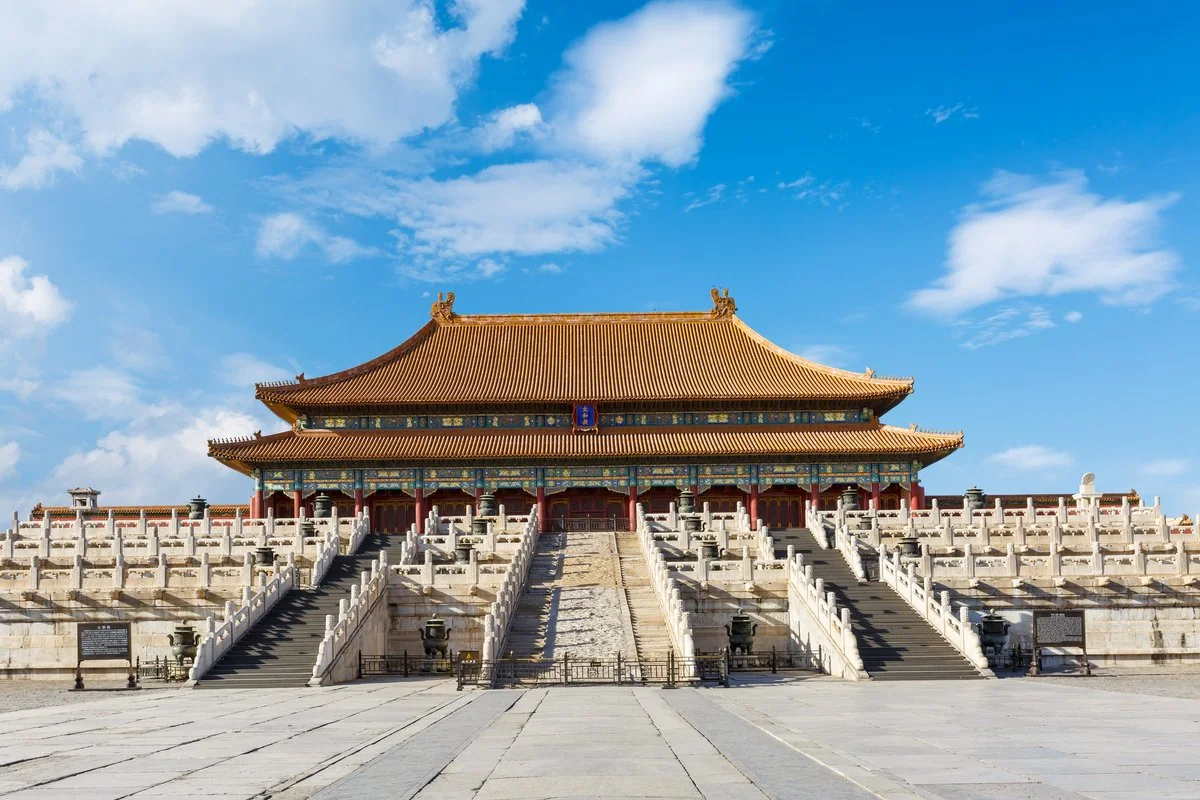
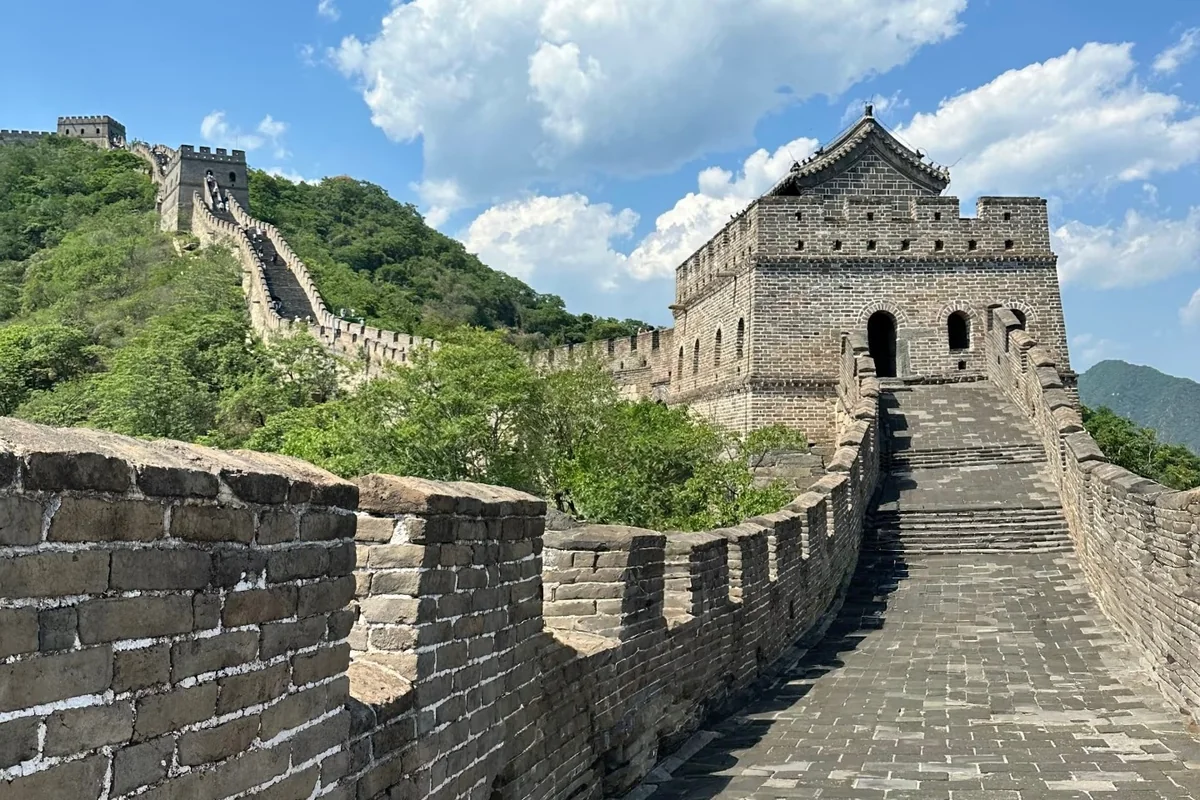
Beijing is worth visiting if you can give the Forbidden City and a Great Wall section their own daylight. That is the honest first-time sentence. The roofs from Jingshan, the ridge at Mutianyu, and one older neighborhood walk are the memories that survive a long China itinerary. Everything else is a bonus that the how-many-days page can place once those two days exist. We write as operators who have watched people try to do both in one date and then say the city was a blur. The blur is the plan, not the city.
This page is the yes-or-no by route. It is not the clock. Clock questions — one day, two days, three days, what to cut — belong on the how-many-days page and on the two-day and three-day itineraries. We will repeat the shapes here only far enough to decide whether to come. If you are already holding Beijing dates, stop using this page as a permission slip and go shape the week. If you are still building a China route, stay with us. The decision is whether Beijing belongs on the ticket, not how to spend Tuesday.
Skip Beijing only if the route has no three-day window and you already know you want landscapes elsewhere — limestone, pandas, a river, a different imperial city. A same-day palace-plus-Wall stack is not a visit. A layover that never leaves the airport is not a visit. A night in a business hotel between two flights is not a visit. Those are honest no’s. Air quality, Monday closures, and visa shape the week. They do not erase the city. They change the week. The planning page and the visa-free page handle those tools.
If you want us to look at a route, send the other cities, the total nights in China, and whether palace or Wall is the non-negotiable. We reply with a yes, a shortened yes, or a no for this trip — not with a priced menu. Soft ask: tell us what you will regret missing more, a ridge or a different region’s landscape. That sentence decides more than a list of famous names. Confirm for your dates. Then give the days you actually have to the city you chose.
Quick facts for the Beijing yes-or-no
- Honest yes: When the palace and a Great Wall section each get their own daylight
- First-time shape: Three full days; two if you cut extras cleanly
- One day: A skim — choose one anchor, do not write a verdict
- Skip this trip: When the route has no two- or three-day window and another landscape is the real object
- Clock page: How many days in Beijing — use it after this page says yes
- Shapers, not no’s: Air quality, Monday closures, heat, ice, holiday weeks, visa shape
- What friends often meant: They stacked both anchors, rode a shop-heavy coach, or wanted a different China
When we say skip, shorten, or come later
Skip this trip if you have one free day in China and the thing you actually want is a mountain or a river in another province. One Beijing day is a single-anchor skim. It can be a palace or a Wall, not both, and it will not answer the question this page is named for. You will leave saying you “saw Beijing” and meaning you saw a queue. Spend that day where the landscape you came for actually sits. Come to Beijing when the route can hold two full days, better three.
Shorten Beijing if the route can hold two full days and you will not cry about a second palace or a hutong evening. Two days can hold a city day and a Wall day if you skip the extras. That is a real visit. It is not a complete one. The two-day itinerary is the shape. This page only needs you to accept the cuts. Temple of Heaven, a second garden, Chengde, and a destination duck house all lose. They can sit on a later trip. The ridge and the palace should not.
Come later if the only window is a Monday-heavy three-day that also sits on a holiday week and a bad forecast. Those are shaping problems, not no’s. Move the week if you can. If you cannot, still come, and read the weather-by-month page and the palace tickets page so the week is honest. We do not tell people to cancel Beijing because October contains a holiday. We tell them the holiday changes the start time. Cancellation is for routes that never had the days.
Return later is also a yes. If you did Beijing as a skim ten years ago, a three-day week with a proper Wall section is worth the ticket. If you did Mutianyu well and never entered the palace, a city-only return is worth it. If you did both well, the next visit can be hutongs, 798, or a day trip. The day-trips page is the parent for that second-trip shape. Do not use a return as an excuse to stack Chengde onto a first-time skim. Fill the core first, even on a second arrival, if the core was never actually done.
One day: a skim, not a verdict on the city
One full day in Beijing is enough for one major visit. That usually means the Palace Museum on an opening day, or Mutianyu, not both. Add a nearby walk only if the major visit still has legs. Jingshan after the palace is the usual extra. A hutong after the palace is a maybe. A Wall after the palace is a no. People who try the combination write the “not worth it” reviews. The city did not fail. The day count failed.
A layover day is a special one-day. The layover pages own PEK and PKX clocks. If immigration and the road leave you six honest hours, you may have a palace morning or a shorter city walk. You do not have Mutianyu unless the landing is early, the section is close, and the return still holds the flight. We will not design that dare from this page. Send the times to the layover conversation. This page only says: a layover that works is still not a reason to judge Beijing as a city. It is a reason to come back.
One day plus an evening is still one day. A show does not create a second landscape. A duck dinner does not create a Wall. Use the nightlife page to spend the evening, then stop asking this page whether the city was worth it. You have not given it enough daylight to answer. If the one day is all China will give you this year, choose the visit you will regret missing, do it well, and leave the verdict open. We would rather you keep a question than close it on a skim.
Clock details — start times, Monday closures, which gate — belong on how-many-days and the palace tickets page. Do not use this section as an itinerary. Use it as a filter: if one day is what you have, you are not yet in yes-or-no territory. You are in choose-one territory. The private-tour quote can still help you spend that one day cleanly. It cannot turn it into a three-day week. We will say that in the reply if the dates you send are a single date.
Two days: the first shape that is actually a visit
Two full days is the first yes. One day is the palace and a nearby walk. One day is the Wall. Arrival and departure do not count as those days. If your calendar says two days and one of them is a landing afternoon, you have one day and a skim. Be honest about that before you call the trip two days. The how-many-days page is stricter on this arithmetic because it has to be. This page only needs the verdict: two honest full days make Beijing worth the detour on a China route.
What you cut on two days is everything that is not palace or Wall. Temple of Heaven, Summer Palace, 798, Chengde, Tianjin, a destination banquet, and a second garden all lose. A hutong leftover and a hotel duck are allowed. A show is allowed on the city night, not on the Wall night. The two-day itinerary writes the shape. We will not rewrite it here as a list of extras you can sneak back in. Sneaking extras back in is how two days become a skim again.
Private versus group matters more on a two-day week because there is no recovery day. A coach clock that misses your palace window wastes fifty percent of the visit. A private day timed to the ticket is the calmer tool. The private-versus-group page is the Beijing-wide version. This page only adds that a short week punishes a missed morning more than a long week does. If you will only come once this decade, we would rather you spend the two days well than spend them on a shared itinerary that does not match your ticket.
If two days is what the route can give and you still want Xi’an or Shanghai, take the two days. Do not steal one of them for a third city. Three cities in a week with two Beijing days is already tight. Three cities in a week with one Beijing day is a no for Beijing. We will say which city to drop if you send the route. Usually we drop the extra, not the capital, when palace and Wall are why you came. Sometimes we drop Beijing if the other landscape is the actual reason for the ticket. Honesty first.
Three days: the honest first-time shape
Three full days is the week we mean when we say Beijing is worth a first visit. Palace day, Wall day, and a second city day that can hold Temple of Heaven, a hutong, a park, or a slower museum morning. The three-day itinerary is the shape. The classic three-day tour product is one private version of that shape. Neither is a promise that every named hall will be open. Both are a promise that the two anchors have room and the third day is a choice rather than a theft.
This is also the first week that can hold a destination evening without lying. A show on the city night, a duck house that is not next to the hotel, a Shichahai walk that is not a leftover dash — those sit on three days. They do not sit on two unless you cut something you will regret. The nightlife page and the duck page own those evenings. This page only says: three days is when Beijing starts to feel like a city you stayed in, not a city you collected.
Monday closures still eat a three-day week. A Sunday-to-Wednesday stay that includes a Monday can lose the palace morning if you did not look. That does not make Beijing not worth it. It makes the week a Wall-first week with a garden or museum on Monday. Confirm the museum notice. The tickets page and the tour-versus-DIY page own the inside of that decision. We mention it here because “three days” on a calendar is not three opening days. Count opening days.
If you can add a fourth day, the extras become kinder, not larger. A fourth day is a slower hutong, a park, or one day trip — not two day trips. The day-trips page will try to tempt you. We will stop you if the core is still thin. Four days that finally do palace and Wall properly plus one leftover is worth it. Four days that still stack both anchors on one date plus two outings is not a better week. It is a louder skim. Day count is not the same as day quality.
Verdict by honest full days — clock details live on how-many-days
| Honest full days | Verdict | What to cut |
|---|---|---|
| One | Skim — choose palace or Wall, postpone the verdict | The other anchor, and every extra |
| Two | Shortened yes — a real visit | Second palace, day trips, destination evenings |
| Three | Honest first-time yes | Stacked day trips; keep one evening |
| Four or more | Yes with room for one extra landscape or a slower city day | Two day trips stacked, or a second first-visit stack |
Four days and more: extras and day trips, not a second first visit
Four full days and more are when Chengde, Tianjin, the Ming Tombs, or a second Wall section become real options. Each of those is a full date. The day-trips page is the parent. Chengde and Tianjin have their own city guides. Do not add two of them to a four-day week that still needs a palace and a first Wall. The arithmetic is the same as the two-day cut list, only kinder. Fill the core, then spend leftover full dates on leftover landscapes.
A second Wall section is a photographer’s or hiker’s extra, not a first-time requirement. Jinshanling is a hiking day. Badaling is a different corridor. Mutianyu remains the usual first section. The Great Wall guide owns the choice. This page only says: a second ridge is why a five-day week can be worth it for some people, and a waste for people who wanted hutongs instead. Name the interest. Do not collect sections as if the map were a stamp book.
Universal Beijing, the zoo panda house, and 798 are interest days. They are worth it when they are why you came, or when the group includes children who will not give a third palace their attention. They are not reasons to skip the Wall on a first visit unless the group cannot walk a ridge. The kids Wall page and the Universal page own those calls. We will not tell a family that Beijing is not worth it because a child wanted a studio park. We will tell them to give the park a day and still protect one landscape.
Longer stays make shopping and nightlife into real modes. The shopping page and the nightlife page become useful instead of leftover lectures. That does not change the yes. It changes the texture. A week in Beijing can be one of the best weeks in a China trip if you stop adding cities. The people who say Beijing is not worth it after a week usually spent the week in cars between extra landscapes. Stay in the city you came to visit. Then the week answers the question.
Beijing versus Shanghai, Xi’an or Chengdu — decide by the route, not by a ranking
Shanghai is a different city-scale: river, twentieth-century streets, a different food language. Xi’an is an imperial city with a wall you walk and an army you came to see. Chengdu is a basin city with pandas and a slower food evening. None of them replace a Great Wall ridge or a Ming-Qing palace axis. If those two objects are why you came to China, Beijing is worth the ticket even if you also want one of the others. If those two objects are not why you came, Beijing can wait.
A ten-day China route that tries to hold Beijing, Xi’an, and Shanghai will thin all three unless the days are counted honestly. Two Beijing, two Xi’an, two Shanghai, plus trains and arrivals, is already the whole ten. Adding Chengdu to that ten is a no for someone. We would rather drop a city than skim three. If the terracotta army is the non-negotiable, protect Xi’an and give Beijing two days or skip it. If the Wall is the non-negotiable, protect Beijing and give Xi’an two days or skip it. Rank the objects, not the city names.
Pandas do not require you to skip Beijing. They require a Chengdu day, or the Beijing zoo panda house if the group only needs a look. Those are different animals in different senses of the word visit. The panda-house page is the Beijing version. A Chengdu trip is a different trip. Do not use pandas as a reason to call Beijing not worth it. Use them as a reason to add a city or to visit the zoo on a leftover morning. Honesty about the animal you wanted saves a week.
We will not publish a “best city in China” sentence. We will publish a route sentence. Send the objects: wall, palace, army, pandas, river, mountains. We will tell you whether Beijing is on the ticket. That is the only ranking that stays useful next year. City fashion changes. The ridge and the palace do not. If a friend said Beijing was a grey blur, ask how many full days they gave it. The answer is usually one, or two with both anchors stacked. That is a plan problem. It is not a city verdict.
Verdict by China route
| If the object you will not drop is | Beijing belongs | Beijing can wait |
|---|---|---|
| A Great Wall ridge | Yes — protect two or three days | Only if the route truly has no window |
| A Ming-Qing palace axis | Yes — lock an opening day | If Xi’an is the imperial object and days are gone |
| Terracotta army | As a second city if days remain | If the ten-day route is already Xi’an-thin |
| Pandas or Sichuan food evenings | As a leftover zoo look, or not at all | When Chengdu is the trip |
| A same-day connection | Only if the layover clock says you can leave the airport | When the connection is a stay-airside morning |
Air quality, Monday closures and visa shape the week — they do not erase it
Air quality is a day-level check, not a reason to delete Beijing from a route. Winter and spring can bring worse spells; other weeks are clear. If someone in the group is sensitive, say so. We keep indoor options and we will move a ridge morning when the mountain looks unkind. We will not tell a healthy traveler to skip the capital because a city is sometimes hazy. The weather-by-month page is the posture. A forecast issued for your dates is the check. Those are tools. They are not a no.
Monday palace closures are a calendar problem. They make a short week harder and they do not make the city worthless. Put the Wall or a garden on Monday. Put the palace on an opening day. If the only full days are Sunday and Monday, you may have a Wall day and a city day without the Forbidden City. That week can still be worth it if the Wall was the object. It is a weaker yes if the palace was the object. Count opening days before you count calendar days. The tickets page owns the notice.
Visa and 240-hour transit are eligibility problems, not sightseeing problems. If you cannot enter, the city is not on the ticket. If you can enter for two honest days, it is a shortened yes. If you can enter for a same-day layover, it is a maybe that belongs on the layover page. We will not pretend a transit stamp creates a three-day week. We will not pretend a visa refusal is a reason to call Beijing overrated. Read the China 240-hour page and the Beijing transit stay planner. Then come back here with days you actually have.
Heat, ice, and holiday weeks are the same class of shaper. July is worth it with an earlier start. January is worth it with a shorter ridge. A holiday week is worth it with fewer extras. None of those months is a no. The best-time page is for people who can still move the dates. The month table is for people who cannot. This page sits above both: come if the days exist. Shape the days with the other two pages. Do not use weather as a polite way to skip a city you were afraid would be difficult.
First-time, return, family, photographer, layover — the yes changes shape
A first-time yes is three full days, or two if you will cut cleanly. The objects are palace and Wall. The extras are leftover. A return yes can be a hutong week, a day-trip week, or a single ridge you missed. Tell us which visit this is. We write different weeks. Treating a return like a first visit wastes a day you already spent. Treating a first visit like a return — 798 first, Wall maybe — is how people leave without the thing they came for.
A family yes needs facilities and exits more than it needs a second palace. Mutianyu with a cable-car option is the usual ridge. The palace is still worth it if the group can walk a shorter axis. Universal or the panda house can take the third day. The kids Wall page owns the ridge. We will not tell a family that Beijing is only for adults. We will tell them to drop Jinshanling and the long unrestored walks. That is a yes with edits, not a no.
A photographer’s yes often wants morning light, a ridge, and fewer interiors. Jingshan after the palace, a winter Wall if the section is open, and a hutong at dusk are the usual asks. They still need days. A photographer with one day will get one picture and a verdict they should not trust. Give the camera the same two landscapes we give everyone, then add the extra light on day three. We will not design a week of viewpoints that skips the palace because the courtyard is “too famous.” Famous is allowed.
A layover yes is narrow. If the connection can hold one honest visit, the city is worth leaving the airport for. If it cannot, stay airside and do not write a review of Beijing. The layover clock is the tool. This page will not stretch a nine-hour connection into a yes. It will also not tell you that leaving the airport is never worth it. Some connections are. Send the times. We will say which kind you have. A stamp photograph from the jetway is not a city day, and it is not a verdict.
Clock questions go to how-many-days — this page only decides whether to come
If your question is “how many days do we need,” you are on the wrong page. Use how-many-days. If your question is “what do we do on day two,” use the itineraries. If your question is “is it worth adding Beijing to this route,” you are in the right place. We keep those questions separate on purpose. Mixing them is how a yes becomes a fake four-day list, and how a no becomes a one-day stack that should never have been attempted. Read the clock page next if the answer here is yes.
If the answer here is a shortened yes, the clock page will feel strict. That is correct. Two days have no room for the extras this page already cut. Do not come back here to bargain them in. Bargain on the next trip. If the answer here is skip, the clock page will not save you. Adding hours to a one-day skim does not create a Wall day. It creates a longer skim. Spend the time in the city you actually wanted.
Planning order after a yes is reservations first, Wall day second, hotel area third, weather fourth. That order lives on the how-to-plan page. This page will not repeat it as an itinerary. It will only say that a yes without a reservation plan becomes a no at the palace gate. Worth visiting is not the same as walk-up. Timed entry is part of the modern city. Confirm for your date. Then the yes you made on the route becomes a week you can walk.
If you are still unsure after this page, send the route. We are happier to say “not this trip” than to design a week we do not believe in. That is the operator version of worth. A city can be worth visiting in the abstract and still be wrong for your ten days. Both sentences can be true. The useful one is the second. Confirm the other cities and the night count. Then we will pick a yes you can keep.
Common mistakes when deciding whether to come
Writing a verdict after a one-day stack
That is a skim. Choose one anchor or add a day before you decide the city is a blur.
Using this page as a day-by-day clock
Clock questions belong on how-many-days and the itineraries. This page only decides whether Beijing is on the ticket.
Treating haze or a Monday as a reason to delete the capital
Those shape the week. They do not erase the ridge or the palace. Move the day, not the city, unless the group cannot travel.
Adding Beijing to a ten-day route that already holds three other cities
Thin weeks produce the “not worth it” sentence. Drop a city. Do not skim all of them.
Believing a shop-heavy coach was Beijing
That was a product. Read private-versus-group before you skip the capital.
What people usually mean when they say Beijing is not worth it
They usually mean they stacked the palace and the Wall on one date. Or they came on a Monday and found the palace closed. Or they spent the day in a coach that included a shop. Or they judged a haze morning as the whole climate. Or they wanted mountains and used Beijing as a transfer. Those are plan failures and preference mismatches. They are not a secret about the roofs or the ridge. We hear the sentence often. We ask what they did with the days. The answer is usually the essay.
They sometimes mean the city is large, the security lines are real, and the food they wanted was in another province. Those are true sentences. They are not a no. They are a reason to give the city enough days and to eat the food it actually has — duck, hot pot, noodles — instead of the food they packed in their head. The food guide is the parent. Beijing will not become Chengdu if you stay an extra night. Come for the objects this city holds. Leave the other objects on their own tickets.
They sometimes mean they hated the air or the crowd and they are allowed to. A sensitive traveler can still come with indoor backups and a private pace, or they can skip this trip. We will not talk someone into a ridge they cannot breathe on. We will also not let a single bad day write the city off for a traveler who has not tried a clearer morning. Confirm the forecast as you get closer. Build a swap. Then decide. A no that comes after a check is honest. A no that comes from a headline is not yet a decision.
If your friend’s no was a shop-heavy coach, the private-versus-group page is the fix, not a skipped capital. If their no was a one-day stack, the how-many-days page is the fix. If their no was “we wanted nature,” believe them and go where the nature is. This page exists so you can sort those no’s. Beijing is worth visiting for the people who want what it has, with the days it takes. It is not worth visiting for the people who want a different China and will not give it those days. Both groups are welcome to be correct.
What we confirm for your route, and the soft next step
Send the other cities, the night count, the weekday of each Beijing date if you have them, and whether palace or Wall is the object you will not drop. That is enough for a yes, a shortened yes, or a not-this-trip. We confirm opening days and holiday overlap when the dates are real. We do not confirm that the air will be kind. We do not confirm that you will love the city. We confirm that the days you named can hold the objects you named. That is the operator yes.
If the answer is yes, the next pages are how-to-plan and how-many-days. If the answer is two days, the next page is the two-day itinerary. If the answer is three, the three-day itinerary or the classic three-day product. If the answer is skip, the next page is the guide for the city you actually wanted. We will not keep you on this cluster out of habit. Soft ask: if you want a private week that matches the yes, use the quote page with the day count we just agreed. We do not publish a price here.
If you do not want help, use the test without writing. Do you have two full days after arrivals. Do you want a palace and a wall. If both are yes, come. If you have one day, choose one object and postpone the verdict. If you have three, come and keep an evening. If you wanted pandas and limestone more than roofs and a ridge, go there. The test is short on purpose. Long lists are how people talk themselves into a skim.
Beijing is worth the trip when you give the palace and the Wall their own days. That is the sentence we started with and the sentence we will end with. Clock questions have their own page. Season questions have theirs. Transit questions have theirs. This page only had to be honest about the route. Confirm for your dates. Then either come with enough daylight, or spend the daylight where you will not resent it. Both are good trips. Only one of them is Beijing.
Frequently asked questions
- Yes if you can give the palace and a Great Wall section their own days. Skip or shorten only if the China route has no two- or three-day window and you already want a different landscape.
- That is a clock question. Use the how-many-days page. The short version: two full days is a real visit, three is the honest first-time shape. Arrival days do not count.
- One day is a skim. Choose palace or Wall. Do not write a verdict, and do not stack both.
- Skip Beijing only if those cities hold the object you actually came for and the days are gone. A ridge and a Ming-Qing palace axis do not live in Shanghai. Rank the objects, then assign days.
- It is a day-level check. Sensitive travelers should say so. It is not, by itself, a reason to delete Beijing from a route that has the days.
- The palace normally closes. Put the Wall or a garden on that date. The week can still be worth it if the Wall was the object. Confirm the notice.
- Sometimes. Count usable days after airports. The transit stay planner owns that arithmetic. A stamp is not a three-day week.
- Ask how many full days they gave it, and whether a coach included shops. Plan failures and preference mismatches produce that sentence more often than the city does.
- Yes. Send the other cities, the night count, and the object you will not drop. We reply with a yes, a shortened yes, or a not-this-trip. We do not publish a price here.
Visitor information sources
Checked on 2026-10-21. Read the attraction’s latest notices before travel.