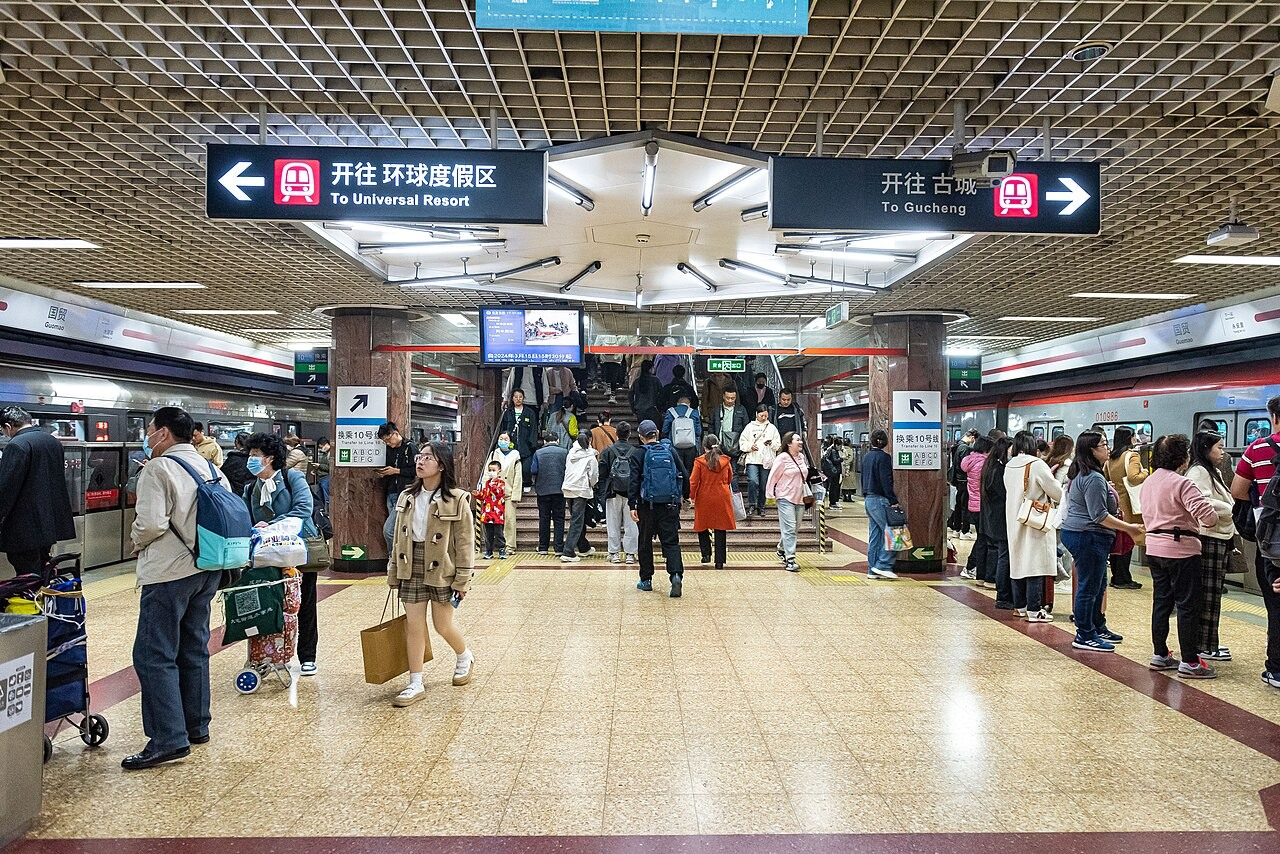
This is the metro-only tourist plan, not the all-modes get-around page
This page is for travelers who already expect to use Beijing’s subway for city sightseeing and now need a station-to-gate plan. It is not the all-modes page. That live guide covers taxis, reserved drivers, airport roads, and the last walk in one place. We stay here with a narrower job: which lines visitors actually ride, how to pay at the fare gate, how to read first and last trains, and when we still tell you to leave the system. We write as operators who have stood at the wrong exit with a timed palace ticket.
The subway is the usual tourist backbone inside the city. It is not a backbone for a Great Wall day, and it is not automatically kinder than a car when you have luggage, small children, or several transfers. Official visitor notes describe ticket machines, staffed counters, a Beijing Pass, an Alipay metro code, and tap-to-ride on supported cards. Those are payment tools. They do not decide whether the journey is the right tool. We choose the subway when the station-to-gate walk is honest. We choose a driver when the walk is the problem.
Save the attraction gate, not only the nearest station name. Tiananmen East and Tiananmen West are different approaches. Palace Museum visitors still have a security and reservation walk after they leave the train. A hutong pin on a map can sit on the wrong side of a lake. We ask you to store the destination in Chinese as well as English, and to keep it available offline. A screenshot of last year’s station map is useful only if you check current notices before you treat a closed exit as open.
If you want us to look at a specific hotel and a specific gate, send those two names. We will tell you whether the subway is the calm tool or whether a reserved car is kinder for that morning. We do not publish fares on this page. Official fare tables exist and they move; a printed number becomes a stale fact. We publish a way to reach the gate you actually need. The get-around page remains the place to compare modes once the metro plan is clear.
The tourist lines that actually appear on a first Beijing week
You do not need the whole network. You need the lines that sit under the visits you already booked. Line 1 is the east–west city axis many visitors ride for Wangfujing and the Tiananmen approaches. Line 2 is the loop that catches Qianmen, the Lama Temple area at Yonghegong, and several railway-adjacent stations. Line 4 is the usual Summer Palace and zoo corridor. Line 6 is useful for Nanluoguxiang and Beihai North. Line 8 reaches the Olympic Park area and Shichahai. Line 5 is a north–south that visitors use for Temple of Heaven East Gate and Dongdan.
Those names are a shortlist, not a promise that every exit will be the one you want. Stations have multiple exits. A “Temple of Heaven” station name can still leave you on the wrong side of a large park. A “Beihai North” arrival is not the same walk as a south-gate arrival. We confirm the exit letter or the gate name when the visit is timed. If you are wandering, we still want you to know which exit faces the street you meant. The Chinese station name on the platform is the one to match to your saved address.
Airport rail is part of the metro family and is not a city sightseeing line. The Capital Airport Express and the Daxing Airport Express are the usual rail answers from PEK and PKX when the subway is the tool you chose. They still leave you with a city transfer after you reach the connecting station. We do not treat an airport express as a reason to add a palace morning on a landing day. The airport-transfer page and the get-around page own those clocks. This page only needs you to accept that airport rail is a different ride from Line 1.
New lines and trial operations appear in official news and are not automatically open to passengers. Do not plan a tourist day on a line you saw in a headline. Do not plan a tourist day on a station that is listed as under construction on the map you downloaded two years ago. Confirm the current official map for your date. We would rather send you one extra stop on a line we know is running than invent a shortcut that only exists in a press release. The official subway site is the place to check service changes.
Usual tourist stations — confirm the exit and the gate
| Visit | Lines visitors often ride | What to save besides the station |
|---|---|---|
| Forbidden City / Tiananmen approaches | Line 1, then the posted visitor flow | The permitted entrance and reservation name |
| Wangfujing | Line 1 | The hotel or street entrance, not only the mall name |
| Lama Temple | Line 2 or 5 at Yonghegong | Security queue time before the hall |
| Nanluoguxiang | Line 6 | The lane you want, not the whole hutong word |
| Shichahai | Line 8 | Which lake and which evening walk |
| Temple of Heaven | Line 5 at the east-gate station | The park gate that matches your ticket |
| Summer Palace | Line 4 | The approach that matches energy and ticket |
| Olympic Park | Line 8 | Which venue, not the whole park |
| 798 Art District | Northeastern corridor, then a walk | The gallery cluster, not a souvenir street |
Plan station to gate, not pin to pin
A map pin is a marketing object. A permitted entrance is an operations object. The Palace Museum, Tiananmen Square, Temple of Heaven, and many parks do not let you walk in wherever the blue dot stops. Security, reservation checks, and pedestrian closures all sit between the fare gate and the site gate. We plan the last walk as its own decision. If that walk is long, crossed by a wide road, or full of stairs, the subway may still be right — or it may be the reason we book a car to a closer drop-off.
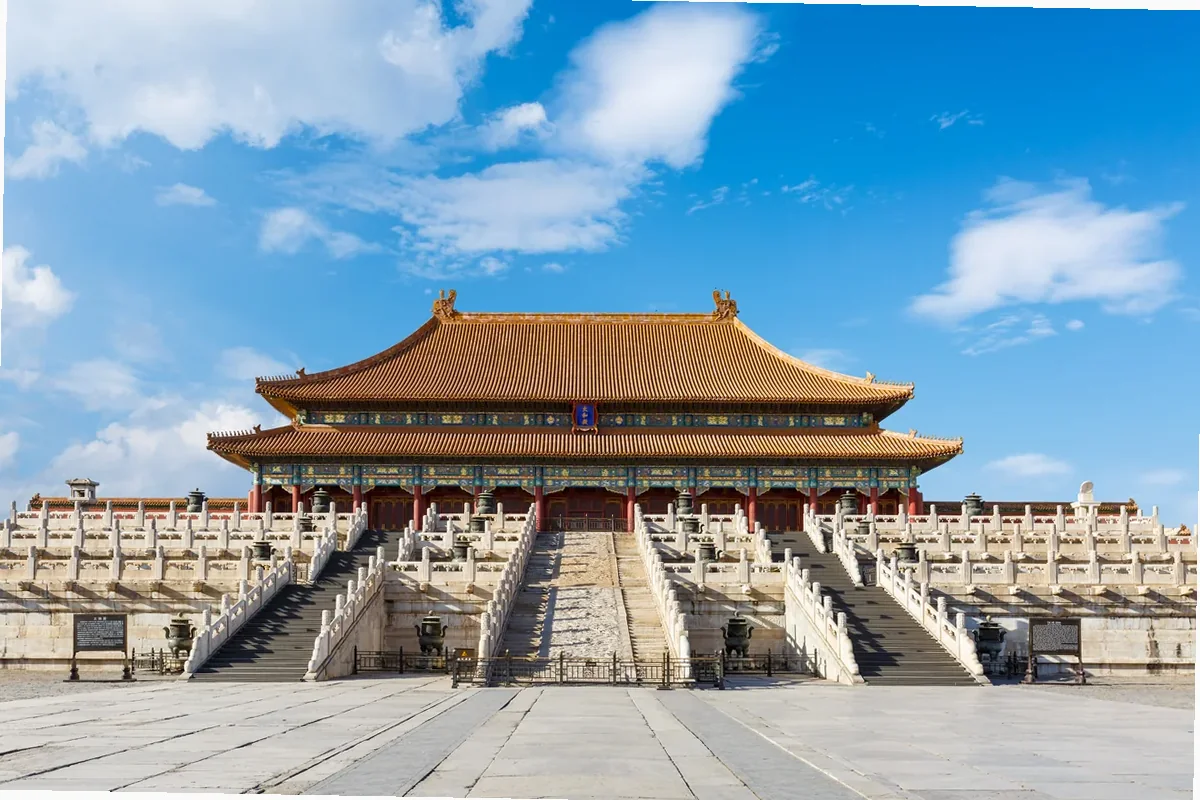
Forbidden City mornings fail when someone exits at a convenient-looking station and then discovers the visitor flow is on another side of the complex. Jingshan is the usual after-palace hill and is a separate walk, not a station substitute. Lama Temple has a station that is close and still has a security queue. Summer Palace has more than one approach; the one that matches your ticket and your energy is the one we want. Save the gate. Then save the station. In that order.
Hutong districts are worse for pins than palaces. Nanluoguxiang has a station on Line 6. Shichahai has a station on Line 8. Neither station is the whole district. A lakeside evening can be a twenty-minute walk from the exit you chose. A bar street can be a short walk from a different exit. We do not treat “the hutong station” as a plan. We treat the lane or the lake you actually want as the plan, then we pick the exit. The hutong guides exist so you choose the district first.
If anyone in the group uses a mobility aid, ask the station and the attraction about the specific entrance and the lifts on that route. A short distance across a complex can still be the hardest part of the journey. Official stations publish accessibility information unevenly. We will not invent a step-free promise from a diagram. Tell us the constraint. We will say when the subway is still kind and when a reserved car to a closer gate is the honest tool. That is a metro decision, not a luxury decision.
Choose a payment method before you join the fare-gate queue
Beijing’s official English subway notes list several visitor methods: a Beijing Pass sold as a tourist smart card, an Alipay metro QR code, ticket vending machines, and staffed counters. They also describe tap-to-ride on supported overseas cards and mobile wallets. A later 2026 visitor note describes contactless tap-and-go across major card networks at gates, machines, and top-up points. Those lists move. Check compatibility for the card or device you actually carry rather than assuming any bank card works. We do not print a fare. We print a setup order.
Set up one method before you reach the gate, and keep a second method in your pocket. A shop QR code is not automatically a transit code. An Alipay payment code that works at a convenience store is not the metro code until you claim the transit product inside the app. In-app labels change. Follow the current Travel or Transport tile and the metro claim flow on the day you ride, not a screenshot from a blog. The payment page on this cluster is the place that walks the wallet setup. This page only needs the gate to accept something.
Ticket machines usually have an English button and a destination map. Staffed counters exist in most stations and are the honest backup when a machine rejects a card or when you cannot get a code to load. Station staff may not speak much English. Have the destination station name written in Chinese. If the gate rejects your method, ask staff about another ticket option instead of following another traveler through. Tailgating is how you create a problem at the exit. It is not a payment plan.
Tap-to-ride on a supported card or phone can be the calmest first ride if your card actually works. Official Q and A pages have listed UnionPay QuickPass and overseas Visa and Mastercard, with other networks added in later visitor notices. Dual-currency and some China-issued foreign-branded cards have been called out as unsupported in older notes. We will not freeze a 2024 list as a 2026 fact. Test the card on a short ride before you need it for a timed palace morning. Carry a second way to buy a ticket. Confirm for your date.
Payment at the gate — methods, not fares
| Method | What official visitor notes describe | What you still confirm |
|---|---|---|
| Alipay metro code | A transit QR claimed inside the app after a wallet is linked | Current in-app tile names; a shop code is not enough |
| Tap-to-ride card or phone | Supported overseas cards and wallets at gates on current notices | Your exact card brand and whether a test ride works |
| Beijing Pass | A tourist smart card sold at airport arrival areas on official notes | Where it is issued on your arrival day |
| Machine or counter ticket | English machines and staffed counters as the backup | Destination name in Chinese if the machine rejects the card |
Quick facts for a Beijing metro week
- What this page is: A metro-only tourist plan — station to gate, payment at the gate, first and last trains
- Sibling page: How to get around Beijing — taxis, drivers, airports and the last walk
- Usual tourist lines: 1, 2, 4, 5, 6 and 8 for old-city, park and hutong days; airport expresses are separate rides
- Payment: Official notes list Beijing Pass, Alipay metro code, machines, counters and tap-to-ride on supported cards — confirm your method; no fare printed here
- Last trains: Per line and direction on the official subway tables — not a city-wide closing hour
- Leave the metro: Great Wall days, luggage-heavy airport legs, tight reservation clocks, and evenings that miss the last connection
- Save first: The attraction gate in Chinese, then the station, then the exit
First and last trains are per line and per direction — not a city closing hour
Do not plan the last train from a general “subway closes at” sentence. Official first and last train tables are published by line and by direction on the Beijing Subway site. A last train toward one terminus can be much earlier than a last train toward the other. A transfer can die even when both lines are still running, because the connecting train you need has already gone. We check the direction you are actually riding, including the last connection, before we call an evening subway-feasible.
First trains matter on palace mornings and on airport departures. A hotel that is two transfers from the visitor gate can lose the early ticket window if you treat the first train as “early enough.” We work backward from the reservation minute, then from the walk, then from the first train on each line you need. If that arithmetic is tight, we book a car. That is not a luxury add-on. That is how you keep a timed entry. The official table is the source. A memory of last year’s last train is not.
Service changes, temporary closures, and event days all move the table. Official English pages carry subway news and warn, in the way operators must, that trial operation is not passenger access. A station you used on a previous trip can be exit-only or closed for construction. Check the notice in the week you travel. We would rather add ten minutes than send you to a shuttered exit with a show start behind you. If your evening is a Peking Opera curtain, the last-train check is part of the show plan, not an afterthought.
We will not publish a sample last-train minute on this page. The minute would be wrong for someone else’s line. If you want us to look at a specific return, send the hotel station, the venue station, and the curtain or dinner end time. We will tell you whether the subway still works or whether a reserved transfer is the honest way home. The nightlife page and the opera transfer product exist for evenings that should not depend on a connection. Confirm for your date.
Airport rail is a metro cousin, not a city day
PEK and PKX are different airports with different rail stories. Confirm the airport printed on the ticket before you choose a train. The Capital Airport Express is the usual PEK rail answer into the city. The Daxing Airport Express is the usual PKX rail answer. Both still leave you with a city transfer or a taxi after the connecting station. Neither is a reason to treat wheels-down as the start of a Forbidden City morning. Arrival is immigration, bags, and a hotel unless the landing is early and the reservation can absorb a late start.
Luggage changes the metro plan more than a map admits. Stairs, gates, and peak-hour cars are ordinary. A pair of large cases on a transfer at a busy interchange is how people miss the next train and then blame the system. If you have more bags than hands, we usually take a car from the airport even when the rail is running. If you have a carry-on and time, rail can be calm. Tell us the bag count. We will not invent a porter service that does not exist at every station.
Split-airport stays — in at one, out at the other — are a road problem first. Rail can still connect them, and it will spend a half day you may not have noticed when you booked the cheap onward seat. We treat that transfer as consumed time and drop a sight, not a buffer. Do not add Mutianyu on a morning that also has to reach the other airport by rail. That is how people miss flights and then blame the Wall. The airport-transfer guide is the sibling for door-to-door timing.
A late-evening arrival is a bad first metro ride. You will be tired, the last-train table will be live, and a rejected payment method will feel larger than it is. Set up the wallet before you fly, or buy a ticket at a counter with a destination written in Chinese. If the hour is late and the hotel is not on a simple line, take a licensed taxi or a reserved pickup. The metro will still be there in the morning. The first night does not have to prove you can ride it.
Count transfers and walking connections, not only the ride minute
A journey with one slightly longer ride may be easier than several transfers when you are tired. Official journey planners show a duration that does not include the walk between lines, the wait, or the last street. We look at the number of changes and the walking connections first. A two-transfer route that looks short on a phone can include a long interchange hall. A one-transfer route that looks longer can be the kind one. Choose the route you can still walk after a palace morning.
Interchange stations in the centre are where visitors get lost. Follow the line colour and the terminus name, not a memory of “the red line.” English signage is common on tourist lines and is not perfect in every corridor. If you miss a transfer, you can usually ride to the next station and come back. That is cheaper in time than running. We would rather you take the extra ten minutes than arrive at a gate sweaty and late. Timed tickets do not wait for a missed interchange.
Peak hours on weekday mornings and evenings change the feel of the same route. A carriage that is calm at eleven can be packed at eight. If your palace ticket is early, you may ride with commuters. Stand to the side, let the first people off, and do not fight for a seat with a suitcase. If someone in the group hates crowds, say so. We will shift the ride later or book a car for that morning. The metro is a tool. It is not a test of character.
Walking connections above ground are part of the metro plan when two stations are close and the interchange would be worse. Some palace and park days are easier if you ride to one station, walk a planned street, and ride home from another. That only works if you know the gate. It fails if you treat the walk as exploration with a reservation in the pocket. We use above-ground connections on purpose, not as a surprise. Tell us if you want that kind of day. We will not invent it on a July afternoon.
Luggage, children and stairs change the metro more than the map does
A suitcase on a staircase is a different journey from a day bag on a flat interchange. Many stations have lifts, and many journeys still include a flight you did not see on the diagram. If you are moving hotels, or arriving from a station with luggage, we usually take a car for that leg even when the rest of the week is metro. The subway remains the sightseeing tool. The luggage leg is a logistics tool. Mixing them is how people start a palace day already tired.
Children change the plan in two ways: stamina and exits. A family Wall day is not a metro day. A family city day can be metro if the stations are simple and the walks are short. Strollers and peak-hour gates are a poor mix. Fold the stroller before the fare gate if the station requires it, and do not assume every interchange is step-free. The Wall-with-kids page is the ridge version of this caution. This page only needs you to name ages and whether anyone needs to sit.
Mobility constraints deserve a station-by-station check, not a city-wide “accessible” label. Ask the hotel which station exit they actually use. Ask the attraction which gate is the visitor gate that day. Then ask whether that path has a lift. We will not invent an answer from a photograph. If the honest path still has stairs, we book a car to a closer drop-off and use the metro only on the legs that are kind. That mix is ordinary. It is not a failure of the subway.
Groups larger than a family often look cheaper on the metro and feel worse at the gate. Four adults tapping through a peak-hour station with a show start behind them is a reason we book a transfer. Two adults with day bags and time is a reason we ride. Tell us the group size and the clock. We will not publish a rule that “groups should always take a car.” We will say when this group, on this morning, should not depend on a transfer.
Security, food and station rules visitors actually hit
Beijing subway stations use security screening. Bags go through a machine. Liquids and lighters can be questioned. This is ordinary and it adds minutes at busy stations. Do not arrive at a transfer with a last-train connection so tight that a security queue breaks it. We build a few spare minutes into every first ride of the day. That is not padding for fun. That is how the official screening process sits on a tourist clock. Follow the staff instructions. Arguing at the belt is how you miss the train you came for.
Food and drink rules are posted and are not the same as a picnic plan. Eat before you enter if you have a long ride and a sensitive stomach. Keep water if you need it and be ready to show it. A palace day already has its own bag rules at the site gate. The station is only the first screen. We do not publish a banned-item list that will be stale next season. We tell you to read the posted notice and to keep the bag simple. A simple bag is faster at both gates.
Rush, photography, and blocking doors are the visitor habits that annoy local riders. Stand aside, let people off, and take the photograph on the platform if you must, not in the doorway. Priority seating is for people who need it. If you have luggage, keep it out of the aisle as much as the car allows. These are not cultural lectures. They are how you avoid starting a city day with a confrontation. The metro is a commuter system that also happens to serve tourists. Ride it that way.
Unsolicited help at station mouths and at tourist exits is a pattern, not a welcome desk. Someone who appears with a story that the site is closed and a car is waiting belongs on the scams page. Pay listed taxis or a reserved car if you leave the metro. Do not follow a stranger to a tea house because they spoke English on the platform. The subway itself is not the scam. The exit crowd can be. Keep the booking you already hold and walk toward the gate you saved.
When we still tell you to leave the metro
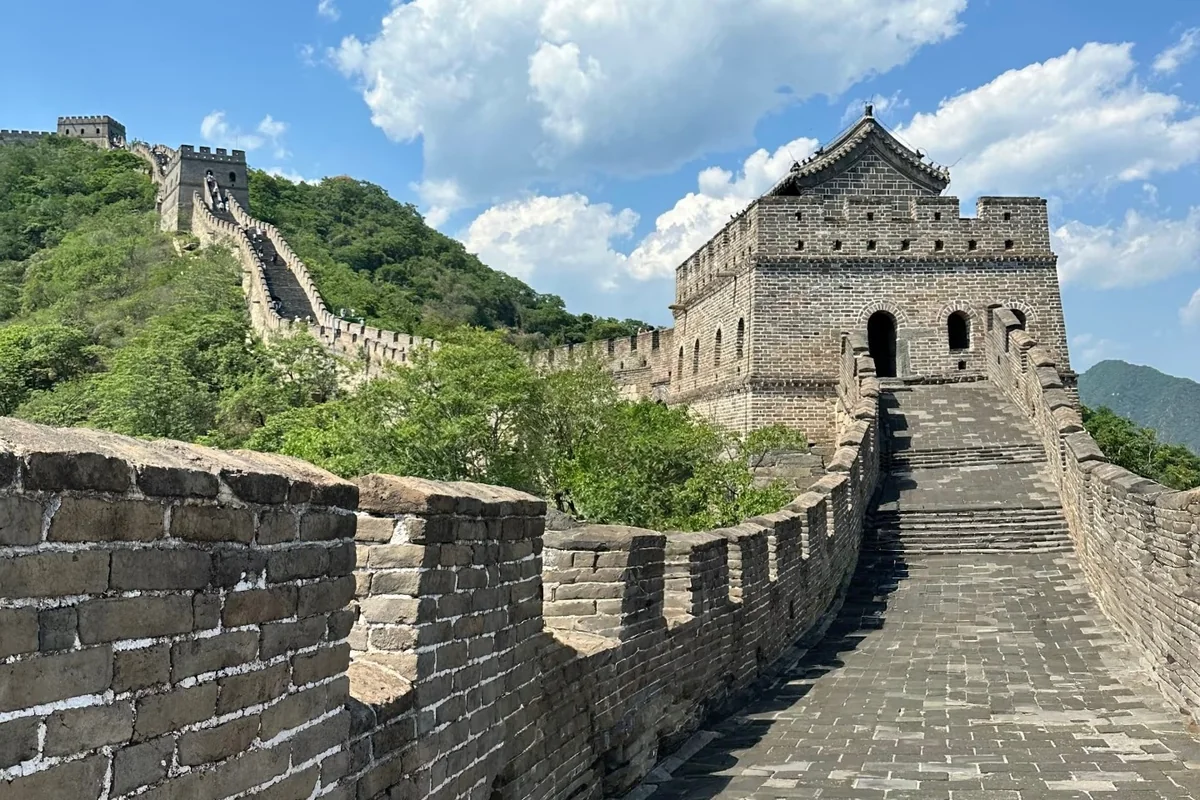
A reserved driver wins on a Great Wall day. The ridge is outside the city metro logic. Buses and tourist trains exist and they are not the visitor backbone we plan for a first-time Mutianyu morning. We put you in a car, or we send you to a Wall product that already includes the road. Trying to “do the Wall by subway” is how people lose the walk they came for. The Mutianyu tour pages are the honest tool. This metro page stays in the city.
A driver also wins when the clock is tight: an early palace ticket with two transfers, a show curtain after a late dinner, a split-airport morning, or a group that would hate several interchanges. The private-driver page is the product version of that sentence. We do not push a car for every city hop. We push a car when the metro would spend the thing you are trying to protect — the reservation, the energy, or the last train. Tell us which of those you are protecting.
Taxis and licensed ride apps sit on the get-around page. They are useful for awkward connections and for luggage. They are not a metro substitute you invent at a hutong mouth with a person who approached you. Pay listed taxis or a reserved car. Keep the hotel address in Chinese. If a driver cannot find the gate, the saved Chinese name is the fix, not a louder English pin. We would rather you ride one extra subway stop than get into an unmetered conversation you cannot exit.
If you want a week that does not depend on app setup, say so. A driver day does not need a metro QR. It still needs a way to reach you and a hotel door. The payment page explains the phone path. This page only needs you to know that “we will just take the subway” is a decision, not a default. Some weeks are metro weeks. Some mornings are car mornings. Mixed weeks are normal. We plan them that way instead of forcing one mode onto every date.
Common metro mistakes on a Beijing sightseeing week
Saving the station pin and not the attraction gate
The last walk and the permitted entrance are the plan. The station is only the delivery.
Treating a shop QR as a metro ticket
Claim the transit product inside the app, or buy a machine or counter ticket. Do not tailgate.
Planning the last train from a city-wide closing hour
Check the official table for your line, direction and last connection.
Riding the metro to the Great Wall as if it were a city hop
A first Mutianyu day is a road day. Use a Wall product or a reserved car.
Printing a fare from a blog
We do not publish fares here. Official tables move; confirm on the day if you need a number.
Sample tourist circuits we actually ride — without inventing minutes
A palace morning on the metro is usually Line 1 to a Tiananmen-area station, then the visitor flow and the reservation check. We do not print the exit letter as if it never changes. We do print the method: save the permitted entrance, ride the line that reaches it, and leave time for security. Jingshan after the palace is a walk, not a second ride, if you still have legs. If you do not, ride home. The palace tickets page and the route page own the inside of the complex. The metro only has to deliver you to the right side.
A hutong evening is usually Line 6 to Nanluoguxiang or Line 8 to Shichahai, then a walk you chose on purpose. Those two districts are not interchangeable; the comparison page exists for that reason. We pick the station after we pick the lake or the lane. We check the last train before we sit down for dinner. If the dinner runs late, we already know whether a car is waiting. That is an evening plan, not a metro flex. The nightlife page is the parent for show-versus-walk. This page only supplies the train.
A 798 morning is a different corridor from the old-city axis. Visitors usually ride toward the northeastern gallery district and then walk. It is a half-day with its own page, not a leftover after a palace. Olympic Park is a Line 8 story and is also a half-day. Neither district is a reason to skip the metro. Both are reasons to check whether the last walk from the exit is the walk you wanted. We will not stack 798, a palace, and a hutong dinner on one metro day. The train is fast. Your feet are not.
We do not publish a minute count for any of these circuits. Ride times change with waits and with your walk. If you want a timed plan, send the hotel station and the reservation minute. We will say whether the subway holds or whether a car should take the first leg. That is the only sample that matters: your hotel, your gate, your date. Official first and last train tables remain the source for the edges of the day. We will not replace them with a blog timetable.
What we confirm for your date, and what we will not guess
Send the hotel area, the gates you care about, whether anyone has luggage or stairs limits, and whether an evening has a curtain. That is enough for us to say which mornings are metro mornings and which mornings need a car. We reply with a station-to-gate order, not with a fare. Official ticket pages exist; we will not reprint them here. If you want a day that does not depend on a wallet setup, say so and we will talk about a driver day instead of coaching you through a QR at the curb.
We confirm current official payment methods and first and last trains for the lines you named, using the Beijing government visitor notes and the official subway tables. We do not confirm that your particular bank card will tap. We do not confirm that a trial line will be open. We do not confirm an exit letter from memory. Those are date-level checks. The payment page is the place to set up the phone before you fly. This page is the place to decide whether the phone even needs to become a ticket.
A private driver is the backup, not the enemy of the metro. Many weeks we plan use both: subway for a Wangfujing-to-hutong city day, a car for the Wall, and a reserved transfer after a show. That mix is how Beijing actually moves for visitors who want some independence and some certainty. The private-versus-group page is a different decision about guided days. This page only needs the mode. Confirm for your date. Then ride the line that reaches the gate you saved.
If you do not want help, you can still use the order on this page. Set up a payment method before the first gate. Save the gate, then the station. Check first and last trains by line and direction. Keep a second ticket option. Leave the metro for the Wall, the airport with luggage, and the evening that would miss the last connection. That is the whole metro-only tourist plan. The get-around page remains the place to compare cars and taxis once this plan is clear.
Frequently asked questions
- No. That page covers subway, taxis, drivers and airports together. This page is the metro-only tourist plan: lines, gates, payment at the gate, and last trains. Use the sibling when you need to compare modes.
- No. Official visitor notes describe several methods, including machines, counters, a tourist pass, an Alipay metro code, and tap-to-ride on supported overseas cards. Check the method you will actually use before the first timed morning.
- Not as the plan we will write for a first Mutianyu day. The ridge sits outside the city metro logic. Use a Wall day with a reserved road, then use the metro for city days.
- It depends on the line and the direction. Read the official first and last train tables for the ride you need, including the last transfer. We will not print a city-wide minute here.
- Visitors usually ride Line 1 toward the Tiananmen approaches, then follow the posted visitor flow to the permitted entrance. Save the gate and the reservation name, not only a station pin.
- Use a ticket machine in English or a staffed counter. Have the destination station in Chinese. Do not follow another person through the gate.
- It is a metro-family ride and a different clock. Confirm PEK or PKX, then decide whether rail or a car is kinder with your luggage. Arrival is not a sightseeing morning.
- Wall days, luggage-heavy airport legs, tight reservation windows, groups that would hate several transfers, and evenings that miss the last connection. Send hotel, gate and clock and we will say which mornings stay on the metro.
- No. Official fare tables exist and they change. This page is a station-to-gate plan, not a price list.
Visitor information sources
Checked on 2026-10-21. Read the attraction’s latest notices before travel.