This is a walking-surface guide, not a fashion article
We write this page for the ridge, not for a hotel lobby. The Great Wall day from Beijing is a walk on stone, brick and uneven steps, often with wind that does not appear in a downtown forecast. What you wear should keep you upright, warm enough and able to use your hands on a rail or a camera. A formal outfit that looks right in a courtyard photograph can fail on the first steep flight. Treat clothing as part of the walking plan, the same way you treat the section choice and the lift decision.
Mutianyu is the usual first-time walking surface we plan from Beijing: restored, with cable car and chairlift options, and a visitor area that still sits below a real climb. Jinshanling is a longer hiking day with fewer easy exits. Winter changes both, because ice and short daylight punish thin shoes and city coats. Those three cases — Mutianyu, Jinshanling and winter — are the clothing decisions that actually change the day. Other sections inherit the same logic once you know the surface.
We do not publish a costume list or a colour rule. Confirm the section, the lift status and the mountain forecast for your date, then dress for that combination. If you want us to match a Wall morning to your group, start from the Mutianyu section guide and tell us who is walking. The winter page and the family page sit beside this one; they do not replace the shoe and layer decisions here. Those pages answer ice and exits. This page answers what is on your feet and what you can peel.
Shoes decide the day more than any jacket
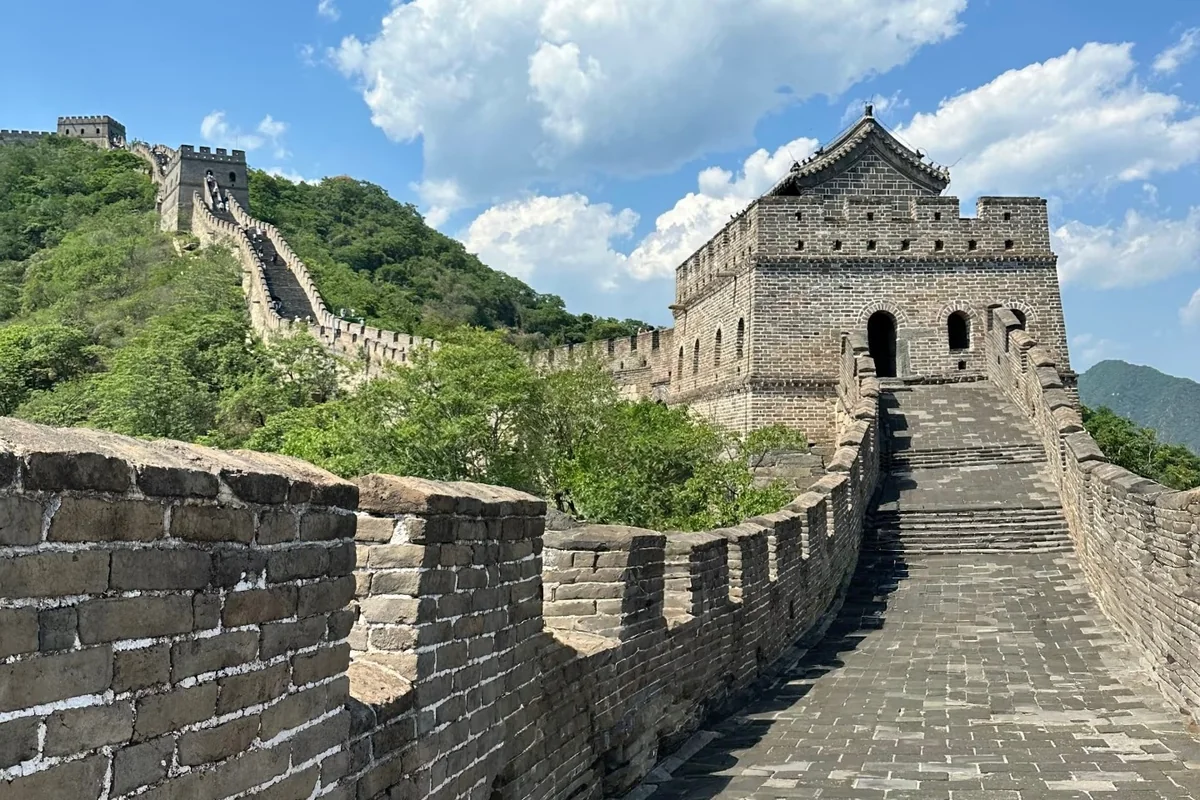
Closed shoes with a real sole and grip are the one item we will not treat as optional. Mutianyu’s restored steps are still steps: worn brick, sudden steep pitches, and towers with a lip you feel in the ankle. Jinshanling adds longer stretches where you cannot step off onto a shop terrace. A smooth fashion sneaker that is fine on Wangfujing will skate on dusty brick after a dry week and on damp brick after rain. New shoes that have never walked a hill are a blister plan, not a Great Wall plan.
Leave heels, wedges, and anything open-toed in the hotel. Flip-flops have no place on a ridge walk, including a short Mutianyu loop that uses the cable car. Trail shoes or broken-in walking shoes with a defined tread are what we see work. If your only pair is a city sneaker, choose the pair with the deepest grip and the most toe room. Thick socks matter in winter; thin dress socks do not keep a cold foot honest on a two-hour walk.
We confirm lift operation for your date because shoes and exits travel together. If the cable car or chairlift is closed, you will walk more of the approach, and a weak sole becomes a problem before you reach the wall. If ice is forecast, grip plus a slower pace beats any photograph of a clean white ridge. Pack a spare pair of socks in a dry bag. Wet feet end a Wall morning faster than a missed tower. A dry spare also helps after a summer storm on the same brick.
Layers beat a single downtown outfit
The ridge is almost always windier and cooler than the street outside your hotel. A Beijing city forecast that looks mild can still leave you underdressed at Mutianyu once you stand on an open tower. We dress in layers you can add or strip without returning to the car: a breathable base, a warm mid-layer, and a shell that blocks wind and light rain. A single heavy coat that you cannot vent will soak you from the inside on the climb and freeze you at the top.
Hands and ears are the details people forget. Towers channel wind. Phone batteries die faster in the cold, and you will want gloves that still let you hold a rail. A light hat in autumn and a real warm hat in winter change how long you stay outside. Sunglasses help on bright snow or a hard spring sun. None of this is fashion; it is how you keep the walk continuous instead of cutting it short to sit in a visitor-area shop.
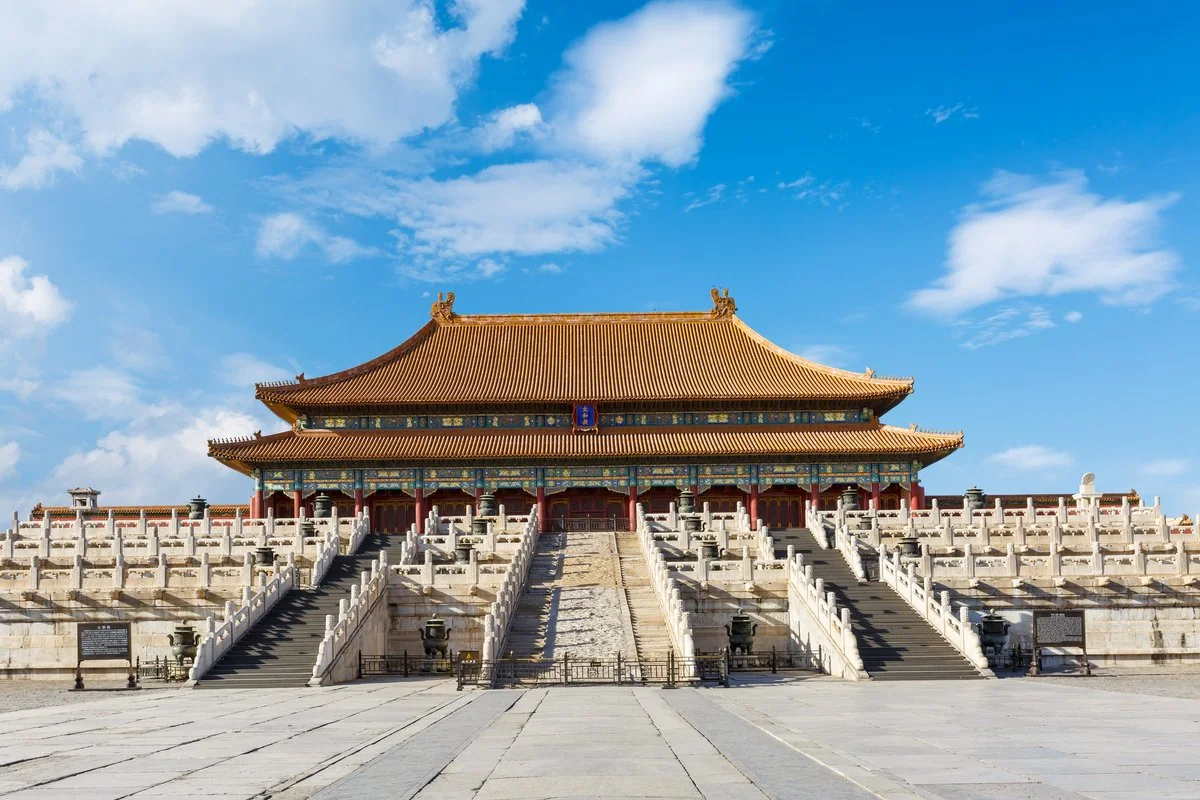
Downtown clothes that work for the Forbidden City axis do not automatically work on the Wall. Palace courtyards are stone and wind, but they have more indoor halls and a shorter vertical. The Wall asks for a hiking posture. If you are combining a city morning and a Wall afternoon, change shoes and add a layer in the car rather than wearing one compromise outfit all day. We would rather you look slightly overdressed at the hotel door than underdressed on the first exposed stretch.
Mutianyu: restored steps, lifts, and the usual first visit
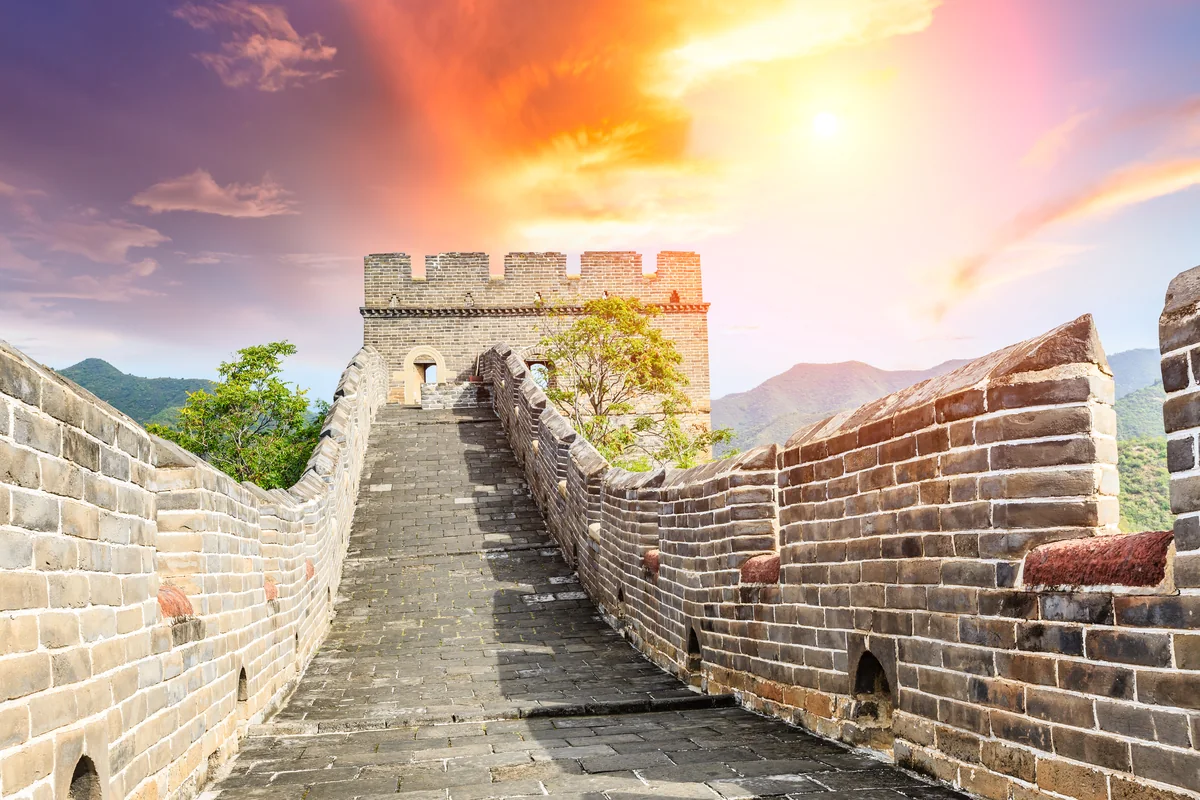
On Mutianyu we plan clothing around a restored walking surface plus an optional lift. The cable car and chairlift change how much climbing you do in the first twenty minutes; they do not make the wall flat. You still walk towers, steps and a ridge that can feel longer than the map suggests. Wear the same grip shoes you would wear if both lifts were closed. Confirm those lifts for your date before you decide that a light city shoe is enough because “we will ride up.”
The visitor village below the wall is not the climate of the ridge. You can buy water and a simple layer there on many dates, but we do not treat the shop row as a clothing plan. Pack what you need before you leave Beijing. Toilets and snack points exist; they are not a reason to wear something you cannot walk in for two hours. If children or older walkers are in the group, the Mutianyu family page covers exits and facilities. This page still owns the shoe decision for everyone.
Summer on Mutianyu is sun, sweat and sudden rain more often than people expect from a city hotel lobby. A hat, sun protection and a light shell in the bag are more useful than a second decorative shirt. Winter on Mutianyu is a different clothing problem and has its own page; do not copy a July photograph onto a January booking. Autumn and spring sit in the middle: start cooler than downtown, and keep a layer you can peel when the climb warms you.
Quick facts
- Usual first surface: Mutianyu restored steps, with lifts confirmed for your date
- Shoes: Closed, already walked-in, with a real tread — not heels or new dress pairs
- Layers: Ridge wind is colder than the hotel street; pack a shell you can peel
- Jinshanling: Dress for a longer hike and fewer easy exits, not a Mutianyu loop
- Winter: Insulation and grip; snow is not promised — see the winter Wall page
- Not this page: Fashion advice, ticket prices, or a palace-with-kids clothing list
- Confirm: Section opening, lift status and mountain forecast for your date
Jinshanling: dress for a longer hike with fewer easy exits
Jinshanling is not Mutianyu with a different name. We treat it as a hiking day: more unrestored or mixed surface, longer time on the wall, and fewer places to sit down and reset. Shoes that were merely adequate at Mutianyu become the weak point here. Pack more water than you think a “Wall photograph” requires, and wear layers you can manage while walking, not a coat you want to leave in a cafe. If anyone in the group has not walked hills recently, say so before we lock Jinshanling.
There is usually no cable-car habit like Mutianyu’s first-visit pattern. You should assume more of the elevation is yours. That means breathable clothes in warm months and real insulation in cold ones, because you cannot duck into a dense visitor village every twenty minutes. A small pack that leaves both hands free is better than a shoulder bag that swings on steps. We confirm the exact walking window for your date rather than promising a tower-by-tower costume or a fixed clothing list.
If your group wants Jinshanling for photographs of a quieter ridge, clothing still has to match the hike, not the photograph. We would rather move a first-time family to Mutianyu than dress them for a hike they will not finish comfortably. The Mutianyu versus Jinshanling page is the section choice. This page is what you wear once that choice is honest. Winter Jinshanling is a specialist day; confirm opening and ice before you pack as if it were a cool city walk.
What changes by walking surface
| Detail | Mutianyu | Jinshanling | Winter ridge |
|---|---|---|---|
| Shoes | Grip on restored steps; lifts do not cancel this | Hiking tread for a longer mixed surface | Insulation plus grip; ice is the risk |
| Layers | City-plus-wind; peel after the climb | Hike layers you can manage for hours | Real mid-layer, shell, hat and gloves |
| Exits | Cable car or chairlift if they run that day | Fewer shop-and-sit resets | Lifts and toboggan confirmed, not assumed |
| Usual first visit | Yes, for most Beijing first-timers | When the group already walks hills | Mutianyu first if the section is open |
Winter clothing is insulation and grip, not a snow costume
Winter on the Wall is wind, hard cold and a real chance of ice on steps. It is not a guarantee of photogenic snow. We dress for the cold that will be there even on a clear dry day, and we treat snow as extra underfoot risk if it arrives. Insulated shoes or sturdy walking shoes with thick socks, a real mid-layer, a wind shell, gloves and a hat are the baseline. A fashion coat that looks warm in a hutong will leak wind on an open tower.
Confirm opening and lift status for your date before you decide how light you can go. A closed cable car means more walking in the cold. A closed toboggan does not change clothing; it changes the exit. The winter Wall page owns daylight, ice and Mutianyu-first planning. Here we only say: do not borrow a March layering plan for January, and do not pack as if a snow photograph from another year is your weather. We confirm the mountain forecast the morning we travel.
Hands lose dexterity quickly. Gloves you can actually use on a rail are better than a decorative pair you take off to use a phone. A spare battery in an inner pocket lasts longer than one left in a cold bag. Sunglasses still help on bright days. If you run cold, add a layer you can remove in the car rather than hoping the visitor shop sells your size. We would rather you over-layer and peel than cut the ridge short because the wind found a gap.
Summer: sun, sweat and a rain shell in the bag
Summer clothing on the Wall is about heat, glare and a rain cell that can arrive while you are between towers. Light, breathable fabric and a hat do more than a second cotton shirt. The restored Mutianyu surface reflects sun; there is less shade than a city street with trees. Carry water on your person, not only a plan to buy some later. A compact rain shell beats an umbrella on steps, because you need a hand for balance. We do not treat a clear morning downtown as a dry mountain afternoon.
Shoes still need grip. Wet brick after a storm is as slick as winter dust is loose. Avoid dark heavy fabric that turns the climb into a heat problem. Sunscreen on neck and ears is part of the clothing plan, not a separate spa thought. If anyone is sensitive to heat, we shorten the ridge and use the lift, rather than dressing them in less fabric and hoping. Confirm last entry and lift hours for your date; summer crowds change how long you stand in the sun before you walk.
A Wall day in July is not a beach day. Shoulders can sunburn on an open ridge even when the city feels hazy. We still want closed shoes. Sandals that seem rational in a hotel courtyard fail on the first worn step. Pack a dry layer for the car ride back, because you will be damp from the climb even if it never rains. If thunder is in the mountain forecast, we treat that as a timing problem, not a reason to wear less.
Spring and autumn: start cooler than the city, then peel
Spring and autumn are the seasons when people underdress because downtown feels pleasant. The ridge will still be cooler, and the wind on a tower does not care that the hotel street was mild at breakfast. Start with a layer you can remove after the first climb. A light shell belongs in the bag even when the city sky looks clean. Dust and wind in spring can make eyes and lips the uncomfortable part; sunglasses and a simple lip balm are more useful than a third decorative top.
Autumn foliage photographs are not a clothing forecast. The same week can hold a warm climb at noon and a cold wind at three. We pack for both. If your dates sit on a holiday week, crowds mean more standing and less walking heat, so the wind layer matters more. Confirm the section’s hours for that holiday rather than assuming a midweek October pattern. Shoes stay the same: grip first, colour never. A spare pair of socks still earns its space in the bag.
These shoulder seasons are when a single outfit is most tempting and most wrong. Wear the walking shoes from the hotel door if you are going straight to the Wall. Change in the car if you have a city stop first. We would rather carry a spare layer than turn around because someone is shivering on an exposed tower. The Beijing weather-by-month page is for date-fixed city planning; this page is what that weather becomes on a ridge, including wind the city average does not show.
Season check before you leave the hotel
| Season | Wear | Leave behind |
|---|---|---|
| Summer | Breathable fabric, hat, rain shell, grip shoes | Open sandals and a single heavy cotton shirt |
| Shoulder months | Start cooler than downtown, pack a peelable layer | One light city jacket with no spare |
| Winter | Insulation, wind shell, gloves, thick socks | A fashion coat and thin dress shoes |
What not to wear, even for a short Mutianyu loop
Do not wear heels, new stiff dress shoes, or anything you would not walk a long flight of irregular stairs in. Do not wear a formal suit because a photograph looks ceremonial. The wall is not a studio. Long loose scarves and wide coats catch wind and rails. A bag that occupies both hands is a balance problem on steps. We have watched people turn around in the first towers for these reasons; the lift does not cancel them when it is even running.
Skip brand-new hiking boots that have never left the box. A blister at Mutianyu wastes a day you cannot easily repeat. If you must wear a new pair, walk them in the city first. Avoid cotton-only outfits in winter; once they dampen they stay cold. Avoid a single thin city jacket in January because a travel blog showed a sunny ridge. That photograph does not include the wind you will feel when you stop moving between towers. Confirm opening, lift or gate status and the forecast for your date rather than copying another traveler's photograph.
Children’s party shoes and adult fashion sneakers without tread belong in the same category: they look finished and walk badly. The family Wall page covers facilities and exits; it does not make those shoes safe. If someone in the group insists on a particular outfit for photographs, take the picture at the visitor area and change before the climb. We will not pretend a costume is a walking plan, and we will not treat the shop row as a shoe store.
Common mistakes
Dressing for the photograph instead of the steps
A formal outfit fails on the first steep Mutianyu flight. Wear grip shoes and change for pictures at the visitor area if you must.
Assuming the cable car makes city shoes enough
Lifts change the approach, not the brick. Confirm they are running, and still wear a tread you trust on towers.
Copying a Mutianyu outfit onto Jinshanling
Jinshanling is a longer hike with fewer exits. If the group cannot dress for that, choose Mutianyu.
Treating a snow photograph as the winter clothing brief
Snow is not promised. Pack for wind, ice and short daylight, then read the winter Wall page.
Wearing brand-new boots on the only Wall day
Walk them in the city first. A blister ends the ridge faster than a missed tower.
Keep your hands free: bags, phones and what you carry
A small backpack or a zipped cross-body bag leaves a hand for a rail. A shopping tote or an open camera bag does not. You will want that hand on steep Mutianyu pitches and on any icy step. Phones belong in a zipped pocket, not loose in a hand you also need for balance. In winter, keep a battery warm inside a jacket. In summer, keep water where you can reach it without unpacking on a narrow stretch between towers.
We do not need you to carry photography gear that turns the walk into a load-bearing exercise. One camera you can use while standing still is enough for most first visits. Tripods and dangling straps become hazards in towers. If you are serious about Jinshanling light, say so and we plan a slower hiking day, not a heavier bag on a first Mutianyu loop. Confirm whether lockers or a car hold is available for extra layers; do not assume a visitor shop will store a suitcase.
Passports and the identification you used for tickets stay on your person, not in a bag you set down on a tower floor. That is a clothing-adjacent habit: pockets you can close. A light rain cover for the bag is more useful than a second decorative pouch. If you buy a souvenir below the wall, carry it after the ridge, not during it. We would rather you walk light and add a layer than decorate the climb with swinging bags.
Kids and older walkers: the same grip, a shorter honest ridge
Children and older walkers wear the same category of shoe as everyone else: closed, grippy, already walked-in. We do not switch them into lighter fashion shoes because the walk is shorter. A shorter walk still has the same brick. Gloves and a hat in the cold, sun protection in the heat, and a layer they can actually zip themselves are more useful than a matching family outfit. The Great Wall with-kids page owns facilities, cable car and why we keep Jiankou off a family day.
Strollers do not belong on the wall. A carrier for a small child can work on Mutianyu if the adult wearing it has both hands partly free and the group uses a lift. Confirm that plan for your date; it is not a default. Older walkers should say how they handle stairs before we choose Jinshanling. Mutianyu with a cable car is the usual honest shape. Clothing cannot replace an exit plan, but bad shoes can cancel a good exit plan.
If the group includes both a photographer who wants Jinshanling light and a child who needs Mutianyu toilets, we do not split the difference with clothing. We split the section choice. Dress the hiking adult for the hike you actually booked. Dress the child for Mutianyu. Do not recreate the Forbidden City with-kids page here; palace halls and Wall steps are different walking problems. This page only keeps the shoe and layer rule consistent across the group. Confirm opening, lift or gate status and the forecast for your date rather than copying another traveler's photograph.
Confirm the section, lifts and forecast for your date
Clothing is the last honest check after section and date. We confirm whether Mutianyu lifts are running, whether Jinshanling is the walk you still want, and whether ice or rain is in the mountain forecast. A blog that lists a fixed outfit for “the Great Wall” is ignoring those three variables. Share who is walking, the month, and whether anyone has knee or balance limits. We will tell you if the clothes in your bag match the day, or if the day should change.
Do not add a palace afternoon after a winter ridge just because you packed a city coat in the same suitcase. Energy and daylight are part of clothing too: if you are cold and tired, the second ticket is wasted. The Beijing packing list covers the rest of the trip. This page stays with the Wall. If you want a paced morning at Mutianyu matched to your group, ask us for that day rather than copying a photograph’s wardrobe onto a mountain forecast.
We will not quote a price or a costume package here. Send the date, hotel area and who is walking. We reply with a section and a clothing note that matches the surface. The Mutianyu private day is the usual first-visit shape. Jinshanling is the hiking shape. Winter is the confirm-opening shape. Wear shoes that would still work if the lift closed. That is the whole rule, dressed in layers you can peel on the climb. Confirm opening, lift or gate status and the forecast for your date rather than copying another traveler's photograph.
Frequently asked questions
- Closed shoes with a real tread that you have already walked in. Heels, flip-flops and new dress pairs belong in the hotel. Mutianyu’s restored steps still need grip.
- Yes. Mutianyu is the usual first-visit surface with lift options. Jinshanling is a longer hike. Dress for the longer day only if that is the section you actually booked.
- If they have grip and a stable sole, they can work on Mutianyu. Smooth fashion sneakers are a poor match for dusty or wet brick. When unsure, choose the pair with the deeper tread.
- Insulation, a wind shell, hat, gloves and shoes you trust on ice. Confirm opening and lifts for your date. Snow is not guaranteed. The winter Wall page covers daylight and ice.
- You still need walking shoes and a wind layer. The cable car shortens the approach when it is running; it does not flatten the towers. Confirm operation for your date.
- The same grip-shoe rule, plus layers they can manage. Strollers stay off the wall. Facilities and exits are on the Great Wall with-kids page, not here.
- No. Palace courtyards have more indoor breaks. The Wall is a ridge walk. If you do both in one trip, change shoes and add a layer for the Wall day.
- Visitor shops may sell simple layers on some dates. We do not treat that as a clothing plan. Pack what you need in Beijing.
- No. Tell us the date, section preference and who is walking. We match a Mutianyu or Jinshanling day to the group and note what to wear for that surface.
Visitor information sources
Checked on 2026-10-21. Read the attraction’s latest notices before travel.