
Hong Kong at a glance
| Detail | Plan |
|---|---|
| Good first stay | 3 full days |
| Add Lantau or Macau | 4–5 days, and not both on the same date |
| Arrival | Airport Express to Hong Kong station is about 24 minutes |
| City transport | MTR, tram, and Star Ferry for the urban days |
| Use a car | Airport luggage, the south side, or a crossing with bags |
| Entry | Check Hong Kong rules separately from the mainland |
Three arranged shapes cover a first Hong Kong trip, and they are listed on Hong Kong tours. Harbour and City is three days in the urban core. Classic Hong Kong is four days, and it adds either Lantau or the south side. Hong Kong and Macau is five days, and it gives Macau a day of its own. The choice is how many full days you have, and what those days are allowed to contain.
We built the shapes so the harbour stays a harbour day, a neighbourhood stays a walk, and the famous extras stop competing for the same morning. If you would rather design the hours yourself, the itinerary page is the same calendar without the arranging. Use this page when you want the pacing already decided.
Three shapes, and the days they assume
A day, in all three shapes, is a full day on the ground. The evening you land at Hong Kong International Airport is the promenade and a meal, not a secret extra morning. The Airport Express reaches Hong Kong station in about 24 minutes, which is the simple arrival with luggage, and it still leaves immigration and the hotel hop outside that number. We do not start a Lantau day on the back of a long-haul landing.
The three-day shape assumes you want the city: the skyline, one serious walk, and a slower urban day so the first two are not rushed. The four-day shape assumes you also want either the Tian Tan Buddha and Tai O, or Stanley and the south coast, and that you understand those are a day rather than a finish. The five-day shape assumes Macau matters, and that you will give it a whole date with its own immigration, not an evening tacked onto Symphony of Lights.
What the shapes refuse is a private car shadowing every hour, a theme park slipped onto the Buddha day, and a list of districts to collect. Central, SoHo, and Sheung Wan are one walk. Mong Kok is a different day. Temple Street is a short night market for visitors, not a pillar of the plan. Disneyland and Ocean Park stay optional full days. If a park is the reason you are coming, say so and it replaces an outing. It does not join one.
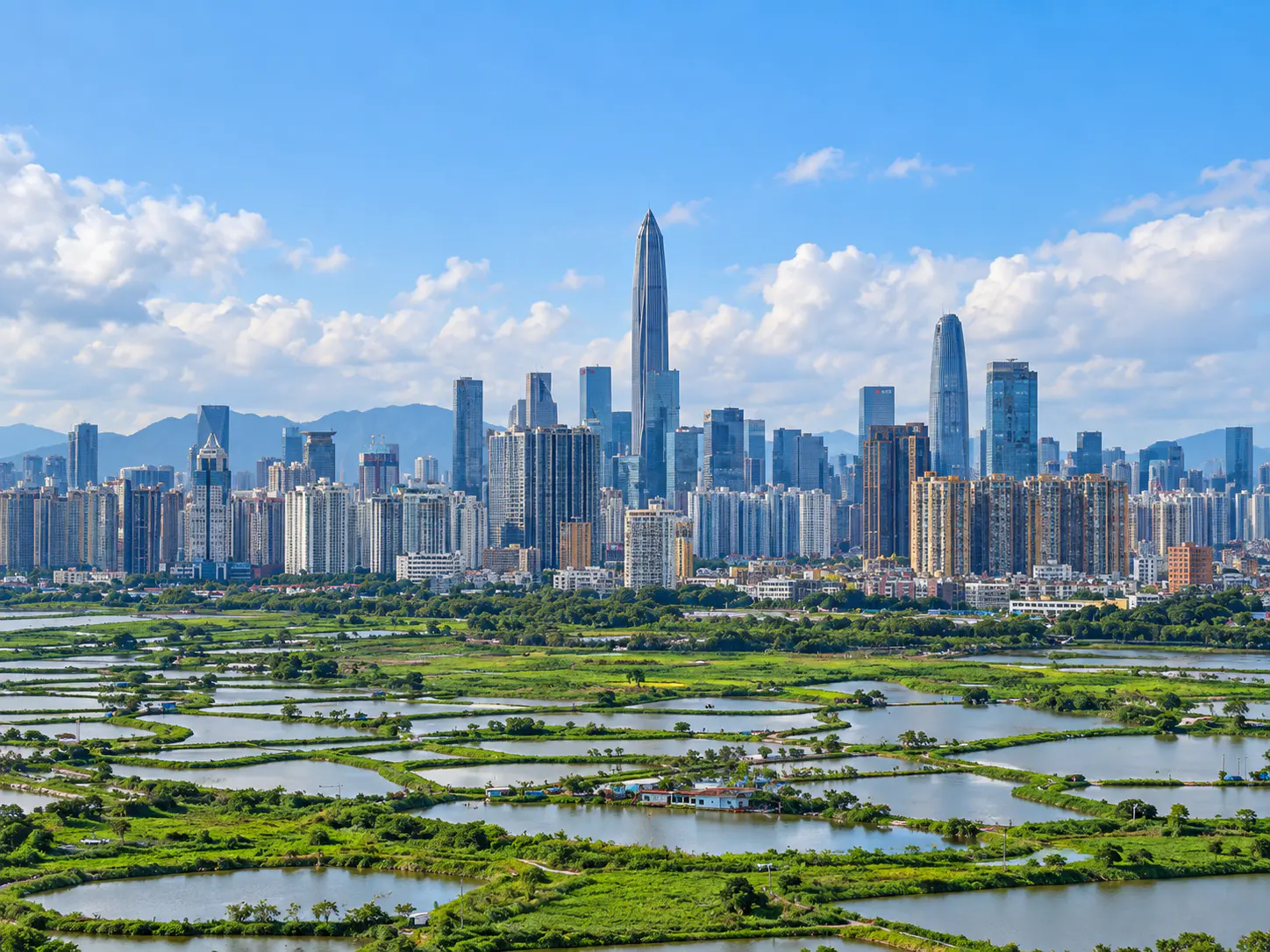
Hong Kong is a separate immigration territory from mainland China and from Macau. Entry rules differ by passport. Check Hong Kong before you fly, check Macau again if you choose the five-day shape, and check the mainland as well if Shenzhen is on the week. The Shenzhen guide is only relevant if that crossing is real.
Harbour and City across three days
Harbour and City is the three-day city visit. Day one is the harbour. Day two is one neighbourhood, walked until lunch has happened in it. Day three stays in the city on purpose: a second, slower urban piece, not a dash to the outlying islands.
The harbour day uses Victoria Peak when the ridge is visible, early or later, because the queue at Garden Road is the constraint and the tram ride is short. It includes the Star Ferry once between Tsim Sha Tsui and Central, and it keeps dusk for the promenade. Symphony of Lights, at about 8pm, is watched free from that promenade if you are already there. We do not hold a table hostage to the show. If the morning is in cloud, the day becomes the ferry, the waterfront, and the streets, and the Peak moves to the next clear hour. The harbour page is the detail. The shape simply refuses to spend this day on Tai O.
The neighbourhood day is Sheung Wan, Man Mo Temple, Tai Kwun, and SoHo by the Mid-Levels Escalator, with dim sum at the start. Weekend dim sum is booked or it is early. There is no official best restaurant inside the shape. A busy room on the walk is the meal. Groups who came for markets take Mong Kok on this day instead: the flower market in the morning, Ladies’ Market after, and they do not also march through Sheung Wan. The neighborhoods page is the walking order. Harbour and City follows it.
The third day is the pressure valve. It might be the island walk if day two was Mong Kok, or Mong Kok if day two was Sheung Wan, or a quiet repeat of the promenade and a museum if the group is done with new streets. It is deliberately not Ngong Ping. People who want the Buddha on a three-day trip should not buy this shape and then negotiate. They should spend their own third day on Lantau, as the itinerary describes, or they should take Classic Hong Kong and gain a fourth day.
How the city days are paced
Mornings carry the piece that can fail. On a clear day, that is the Peak, before the line and the haze. On a dim sum weekend, that is the table. On a hot day, that is the outdoor hour, finished before the midday steam. Afternoons are allowed to be the promenade, a tram, or a sit-down. Evenings are the skyline if you are on the Kowloon side, or a meal where you already are. We do not cross the harbour three times because two restaurants looked interesting.
Octopus remains the simple way to move. It covers the MTR, the trams, the Star Ferry, and a great many small shops. Contactless bank cards work on parts of the MTR, and you should confirm that for your dates rather than assume every gate and every ferry will take a foreign card. A Harbour and City group does not need a private car to do these three days. Taxis cover a wet hop, a late night, and the uphill finish to a SoHo hotel. The train covers the airport. Walking covers the rest.
The pace also leaves weather somewhere to go. From May through September the hot months bring real typhoon risk, and a signal at 8 or above stops ferries, trams, and most of the outdoor plan. Three city days are easier to repair than a mountain day: Tai Kwun, the Museum of Art, and a long lunch still feel like the trip. You should still keep the schedule loose enough that one afternoon can move indoors. October through December needs less repair and more patience with crowds, especially around National Day and on clear weekends at Garden Road. The best time page is the seasonal fine print. The shape does not pretend every week is November.
Luggage stays at the hotel after the arrival day. These are walking days. A suitcase on the Star Ferry is the wrong object. If the hotel is in Tsim Sha Tsui, the promenade is downstairs from the evening. If it is in Sheung Wan or Central, the neighbourhood day starts at the door. Either base works. A south-side hotel does not, because it makes every harbour morning a commute.
When three city days are the wrong shape
Choose something else if the Tian Tan Buddha is the picture you have already promised a travelling companion. Harbour and City will not deliver it, and squeezing it onto the third afternoon delivers it badly. Choose something else if Stanley is the outing you care about. The south side is a half day at least, and it is not hiding inside a Central walk. Choose something else if the group’s real wish is Disneyland or Ocean Park. Each park replaces a day. Inside a three-day city shape there is no spare day to replace unless you are willing to give up the neighbourhood or the harbour, which we would not.
Three city days are also the wrong shape if you are only physically present for two. A late arrival and an early departure are a harbour sampler, which is a good short trip and a poor match for this name. Be honest about full days before you pick the longer label.
They are the right shape if what you want is the skyline, a temple and a gallery afternoon, a market morning, dim sum, and the feeling of having been in Hong Kong rather than having orbited it. Many first trips are exactly that. The fourth day is how the orbit starts, and it is the next shape, not a failure of this one.
How to choose
| Choice | Fit | Skip when |
|---|---|---|
| Harbour and City | 3 days | The harbour, one neighbourhood day, and a south-side or market afternoon. |
| Classic Hong Kong | 4 days | Add a full Lantau day or a slower south-island day. |
| Hong Kong and Macau | 5 days | Four Hong Kong days plus one full Macau day with a ferry buffer. |
Classic Hong Kong across four days
Classic Hong Kong keeps the three city days and adds one outing. The outing is either Lantau or the south side of Hong Kong Island. It is not both. Four days is enough for one of them done properly, and it is not enough for Ngong Ping in the morning and Stanley in the afternoon.
The city days do not shrink to pay for the outing. The Peak still gets a clear window. The neighbourhood walk still gets a meal inside it. The third city day still exists, so the outing is not asked to share its date with Mong Kok. This is the point of the fourth day. People who try to run Classic’s content inside Harbour and City’s length are the people who come home tired and vague.
Put the outing on the date with the better forecast. The cable car and the Peak both care about wind and cloud. Stanley cares less, as long as the rain is ordinary rain and not a rising typhoon signal. In the warm months, keep the outing movable. A stopped cable car becomes the neighbourhood day moved forward, and the mountain waits for the next morning if you still have one. If the outing was written on your last day and the signal goes up, it is gone. Classic Hong Kong is more forgiving when the mountain or the coast is day two or day three, not the morning you fly.
Dragon’s Back can replace the outing for a group that asked for a hike, or it can sit on the third city day in the clearer months if that day was never precious. It is a half day, exposed, and optional. It is not added on top of Tai O. The Lantau and the islands page explains the mountain day. The neighbourhood page explains Stanley. Classic Hong Kong simply picks one and protects it.
Lantau or the south side, as the extra day
Lantau, when it is the extra day, starts at Tung Chung in the morning. Ngong Ping 360, the stairs to the Tian Tan Buddha, Po Lin Monastery, and a bus to the stilt village at Tai O fill it. The return is the MTR and a normal dinner in the city. We do not finish this day with a deadline on the promenade for an 8pm light show. The stairs are a real climb. Anyone who should not climb them can keep the monastery and the village and skip the terrace. A private car is not the design of this day. Some south Lantau roads are restricted, and the cable car plus the bus is the route that actually works.
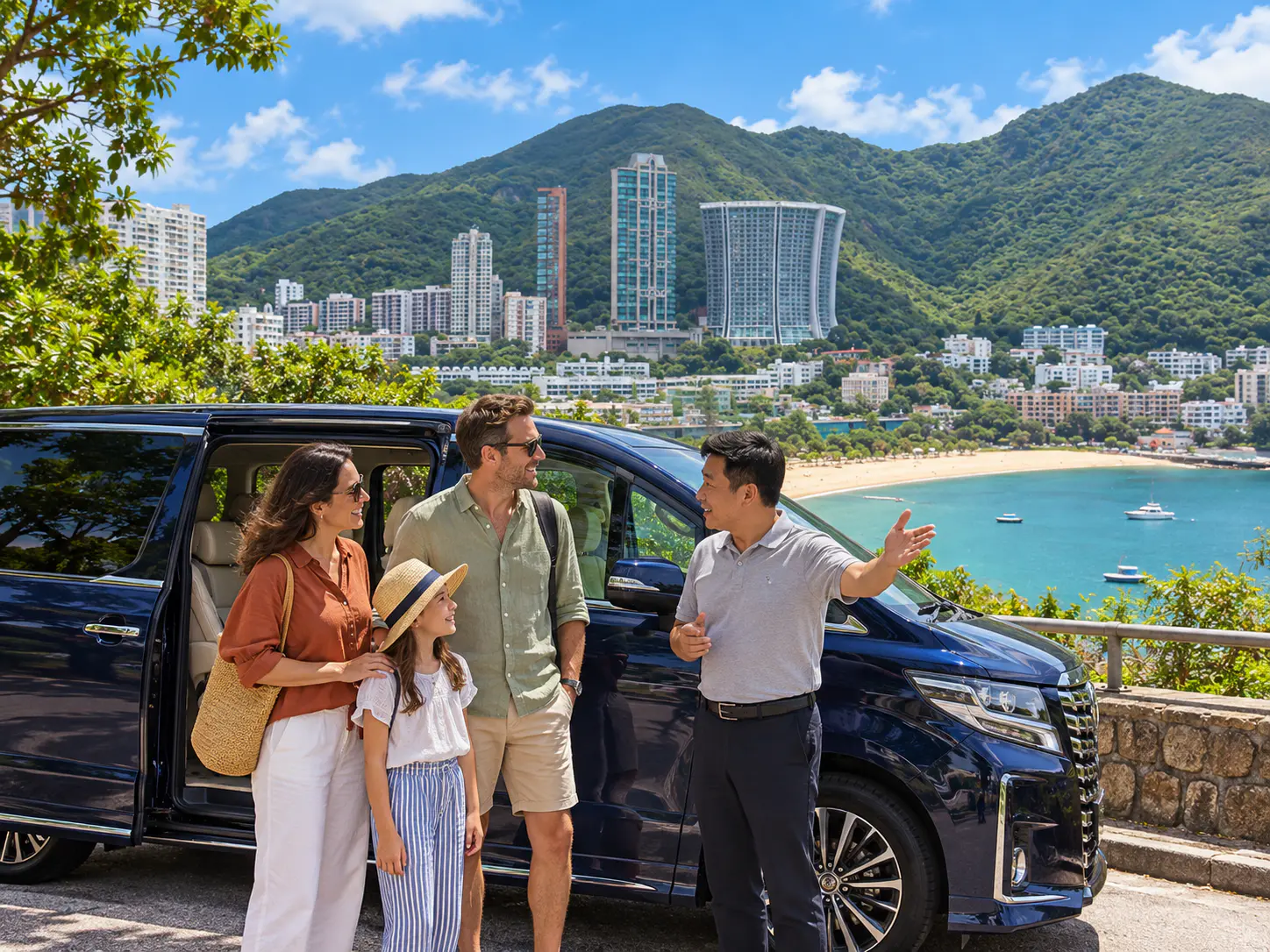
The south side, when it is the extra day, anchors on Stanley: the bus from Central, the market, the waterfront, and lunch. Repulse Bay fits when the group wants the beach promenade. Aberdeen fits when the day is being linked by car, with a short sampan in the typhoon shelter if you want it, and without the floating restaurant that used to sit there and no longer does. By public transport, Stanley alone is the calm version and it is enough. By car, the three stops are the reason the car was worth arranging. That is one of the few days in these shapes when a driver helps. The other two are an airport transfer with awkward luggage, and a border crossing with bags. A standard city day still does not need one.
You choose Lantau or the south side when you book the shape, or you choose with a glance at the forecast if both were left open. Choosing both “and we’ll see” is how the fourth day becomes two half-failures. Families with small children who do not want the Buddha stairs should take the south side, or switch the outing to Lamma or Cheung Chau, which are relaxed ferry days and still a different date from the Peak. They are not a combo with Ngong Ping.
Hong Kong and Macau across five days
Hong Kong and Macau is Classic Hong Kong plus a Macau day. The Hong Kong days stay intact: harbour, neighbourhood, the slower city day, and either Lantau or the south side. Macau is the fifth day, and it is a separate territory with its own border. You do not stroll there between lunch and the Peak.
The ferry takes about an hour from the Hong Kong, Kowloon, or airport ferry terminals, depending on the operator and the pier. The Hong Kong–Zhuhai–Macau Bridge bus is the other usual way. Both include leaving Hong Kong immigration and entering Macau. Check your passport for both sides before you treat the day as settled. The hours that remain after the halls are a peninsula day: the historic centre on foot, a meal, and the ride back. They are not Taipa, Coloane, and the ruins in one breathless loop, and they are not a resort crawl.
Put this day away from your flights. A delayed boat or a slow hall should threaten a dinner, not an international departure from HKIA. Read Macau from Hong Kong for the crossing and the Macau guide for the streets on the far side. The arranged Macau shapes themselves, Historic Macau and Classic Macau, live on Macau tours. Those shapes stay overnight and walk further, into Taipa and, on the longer one, Coloane. They are the right Macau if Macau is half the trip. They need more nights than this five-day week can give without hollowing out Hong Kong. Inside Hong Kong and Macau, we keep a single Macau day and we keep the Hong Kong days whole.
A typhoon signal can cancel the ferry. That is another reason the Macau day should be movable in the warm months, and another reason not to place it on the morning you fly. If the boat does not run, the day becomes a Hong Kong neighbourhood day, and Macau waits. There is no clever version that ignores the Observatory.
Shenzhen is not included. A mainland day is a different hall and a different city. Adding it to this five-day shape would cost you either Macau or Lantau. Add it only by lengthening the trip and reading the Shenzhen guide first.
What a private car is for, and what it is not
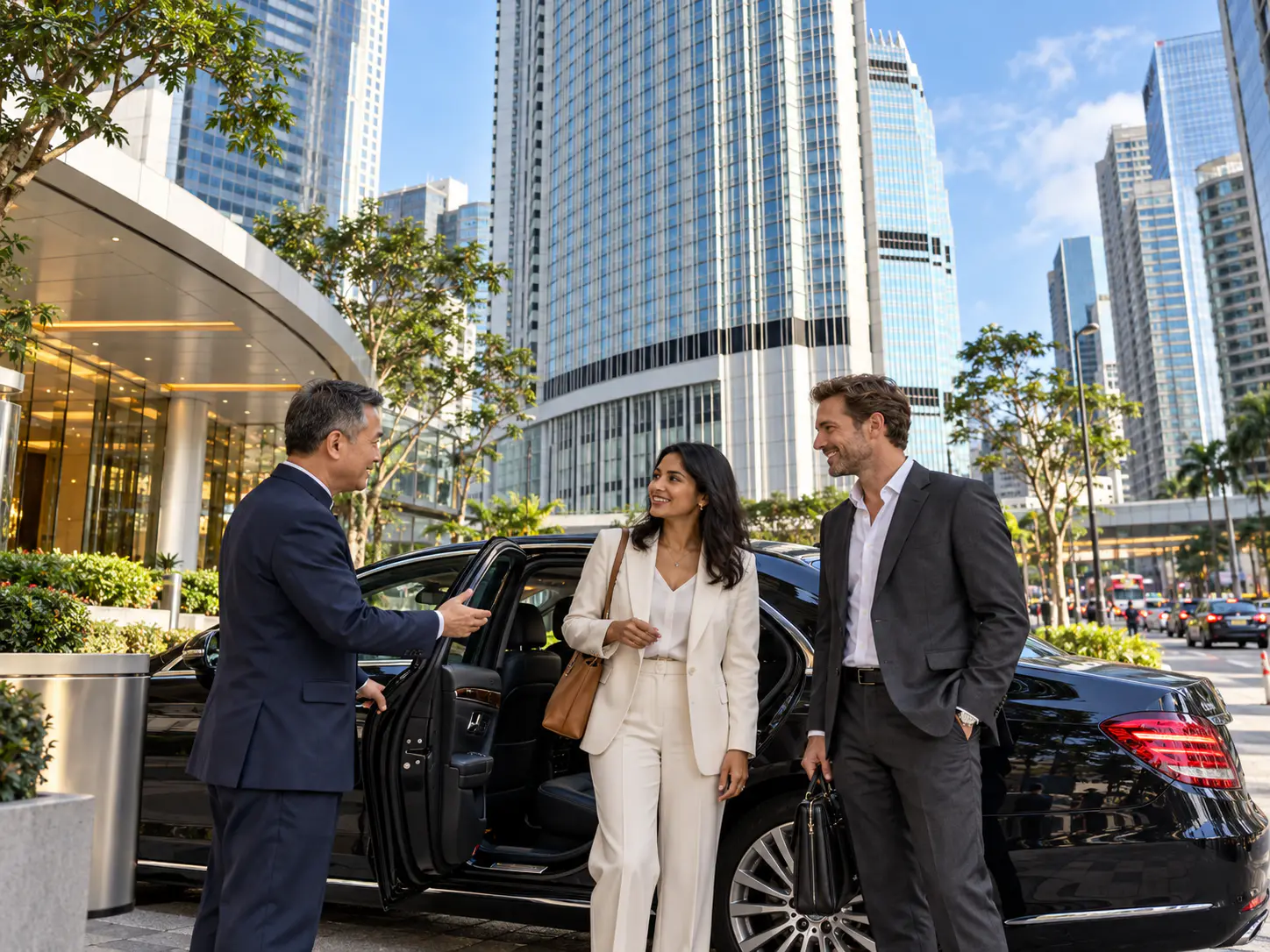
These shapes run on the MTR, the tram, the Star Ferry, the cable car, the buses, and your feet. A private car is a different product. It helps with airport luggage when the hotel connection is awkward, with a south-side day through Aberdeen, Repulse Bay, and Stanley, and with a crossing when you are carrying bags and would rather not drag them through the halls. It does not help a walk from Man Mo Temple to Tai Kwun. It cannot thread the lanes of SoHo, and it is the wrong tool for Ngong Ping.
If your Harbour and City days are only Central, Sheung Wan, and Tsim Sha Tsui, do not add a driver out of caution. You will sit in traffic beside a tram that is having a better time. If your Classic day is the south side and the group has luggage or limited walking between those bays, a car for that one day is coherent. If your five-day shape includes the Macau ferry, the ferry is still the usual crossing. A car does not make Macau a neighbourhood of Hong Kong, and it does not erase the border.
Taxis remain the ordinary middle. One ride from Garden Road down, one ride back from Stanley if the bus queue is grim, one ride with bags on the last morning to Hong Kong station or Kowloon station. That is enough vehicle for most weeks. The currency for all of this is the Hong Kong dollar, on the Octopus card and in cash for the stalls that want it. We do not quote a rate, and the shapes do not change because a card worked in your home city.
How to choose among them
Choose Harbour and City if you have three full days and the city is the wish: the harbour, a walk, dim sum, and a pace that leaves you glad at dusk. Choose the self-built three-day on the itinerary instead if those same three days must include the Buddha or Stanley. The arranged three-day shape will not pretend to be both.
Choose Classic Hong Kong if you can add a fourth day and you know which outing you want. Lantau is the mountain and the stilt village. The south side is the coast and the market. A hike replaces either one for people who asked for a ridge. It does not join them.
Choose Hong Kong and Macau if you have five full days and you want both territories, with Macau given a real day and the Hong Kong days left alone. Use the Macau tours if what you actually want is to sleep in Macau and walk Taipa properly. That is a Macau trip of its own size. It is a good trip. It is not a silent upgrade inside these five days.
If the dates fall from May through September, choose the shape whose outdoor day can move, and keep one morning you can spend indoors without ruining a promise. If the dates fall from October through December, choose the shape that matches your wishes and then book the meal and the early Peak, because the weather will not save you from a Saturday queue. In every month, count full days, check the passport for every border you will cross, and leave the second famous place for the day that has room for it.
Ways to plan the days
These shapes match the Hong Kong tours page. They are starting points, not fixed departures.
Harbour and City
Time fit: 3 days
The harbour, one neighbourhood day, and a south-side or market afternoon.
- Hong Kong
- Harbour and City
Why choose it: The harbour, one neighbourhood day, and a south-side or market afternoon.
Classic Hong Kong
Time fit: 4 days
Add a full Lantau day or a slower south-island day.
- Hong Kong
- Classic Hong Kong
Why choose it: Add a full Lantau day or a slower south-island day.
Hong Kong and Macau
Time fit: 5 days
Four Hong Kong days plus one full Macau day with a ferry buffer.
- Hong Kong
- Hong Kong and Macau
Why choose it: Four Hong Kong days plus one full Macau day with a ferry buffer.
Want help shaping the Hong Kong days?
Tell us how many full days you have and whether Macau is included. We reply with a private plan for the days a car or a guide actually helps.
Keep planning
Hong Kong
Time the Peak Tram, ride the Star Ferry once, and treat the night view as weather-dependent.
Central, Sheung Wan, Tsim Sha Tsui, and Mong Kok are different walks. Collecting every district in a day does not work.
October to December is the easy window. Summer is hot, and typhoon season means keeping a flex day.
Three days for the harbour and one neighbourhood, four with Lantau, five if Macau gets its own day.
Ngong Ping and Tai O are one full day. Lamma or Cheung Chau is a different, quieter day.
Questions people ask
- Match the shape to the number of full days and to the outing you refuse to drop. Harbour and City is three city days: harbour, one neighbourhood, and a slower urban day. Classic Hong Kong is those days plus either Lantau or the south side. Hong Kong and Macau is the four-day shape plus a separate Macau day. If you have three days and the Buddha is essential, do not take the city shape and hope. Follow the itinerary and spend the third day on Lantau. If you have two full days, you have a harbour sampler, not one of these names. The shapes are on the Hong Kong tours page. The right one is the one that does not require a famous stop to share a morning with another famous stop.
- Yes. The harbour day includes Victoria Peak when the air is clear enough, timed early or later because the Garden Road queue is the real cost, and the Star Ferry once between Tsim Sha Tsui and Central. Dusk stays on the promenade. The light show at about 8pm is optional and free to watch if you are already there. The second day is a single walk, Sheung Wan through Tai Kwun and SoHo, or Mong Kok if markets are the point, with dim sum rather than a champion restaurant. The third day stays in the city. Lantau, Stanley, Macau, and the theme parks are outside this shape. If the Peak is in cloud, the day uses the ferry and the streets and moves the summit to the next clear hour.
- No. The fourth day adds one of them. Lantau means Ngong Ping 360, the Tian Tan Buddha, Po Lin Monastery, and Tai O, started from Tung Chung in the morning and kept clear of the Peak. The south side means Stanley as a half day that can grow to include Repulse Bay and, by car, Aberdeen. Doing both on the same date makes both thin. A hike such as Dragon’s Back can take that fourth day instead, for people who want a ridge, and it still does not share the date with Tai O. The three city days remain in the shape. The extra day is the point of booking four days rather than three.
- As its own day, not as an evening and not as a neighbourhood of Hong Kong. The ferry is about an hour depending on the pier and the operator, and the bridge bus is the alternative. You leave Hong Kong and enter Macau under separate rules, which you should check for your passport before you travel. The day itself is the historic peninsula and a meal, then the return. Longer Macau stays, with a night and time for Taipa or Coloane, are the shapes on the Macau tours, and they need more room than these five days allow if Hong Kong is also supposed to feel complete. Keep the Macau day away from your flight, especially in the months when a typhoon can cancel the boat.
- A normal city day does not. Harbour and City runs on the MTR, trams, the Star Ferry, taxis for the awkward hop, and walking. Classic Hong Kong still uses the cable car and the bus for Lantau. A car is useful for one south-side day that links Aberdeen, Repulse Bay, and Stanley, for airport luggage when the hotel is a difficult last connection, or for a crossing with bags. It is a separate arrangement from these walking shapes, and it is unnecessary when the days are only Central and Tsim Sha Tsui. Some roads on south Lantau are restricted. Do not book a city car expecting it to replace Ngong Ping 360.
- From May through September, keep the outdoor day movable. A low Observatory signal is a reason to watch the forecast before you start for Lantau, Lamma, or Macau. A signal at 8 or above stops the ordinary city: buses, trams, ferries, and the cable car are not your plan, and many kitchens close. Stay in. Harbour and City can fold into museums and a long indoor lunch more easily than Classic can fold the Buddha. Do not schedule Ngong Ping or the Macau ferry for the only morning that cannot move, and do not schedule either against your departure flight. October to December asks for less of this flexibility and more respect for crowds.
Plan a Hong Kong visit
Share your dates, whether you land at HKIA, and if Lantau or Macau is the extra day. We reply with a harbour-first plan.