
Hong Kong at a glance
| Detail | Plan |
|---|---|
| Good first stay | 3 full days |
| Add Lantau or Macau | 4–5 days, and not both on the same date |
| Arrival | Airport Express to Hong Kong station is about 24 minutes |
| City transport | MTR, tram, and Star Ferry for the urban days |
| Use a car | Airport luggage, the south side, or a crossing with bags |
| Entry | Check Hong Kong rules separately from the mainland |
October to December is the easiest time to be in Hong Kong. The air is clearer, the humidity drops, walking is pleasant, and both the Peak and a hike have a fair chance of showing you something. The rest of the year is still visitable. It asks for different clothes, a looser day, and, from May through September, one date you are willing to give back if a typhoon signal rises.
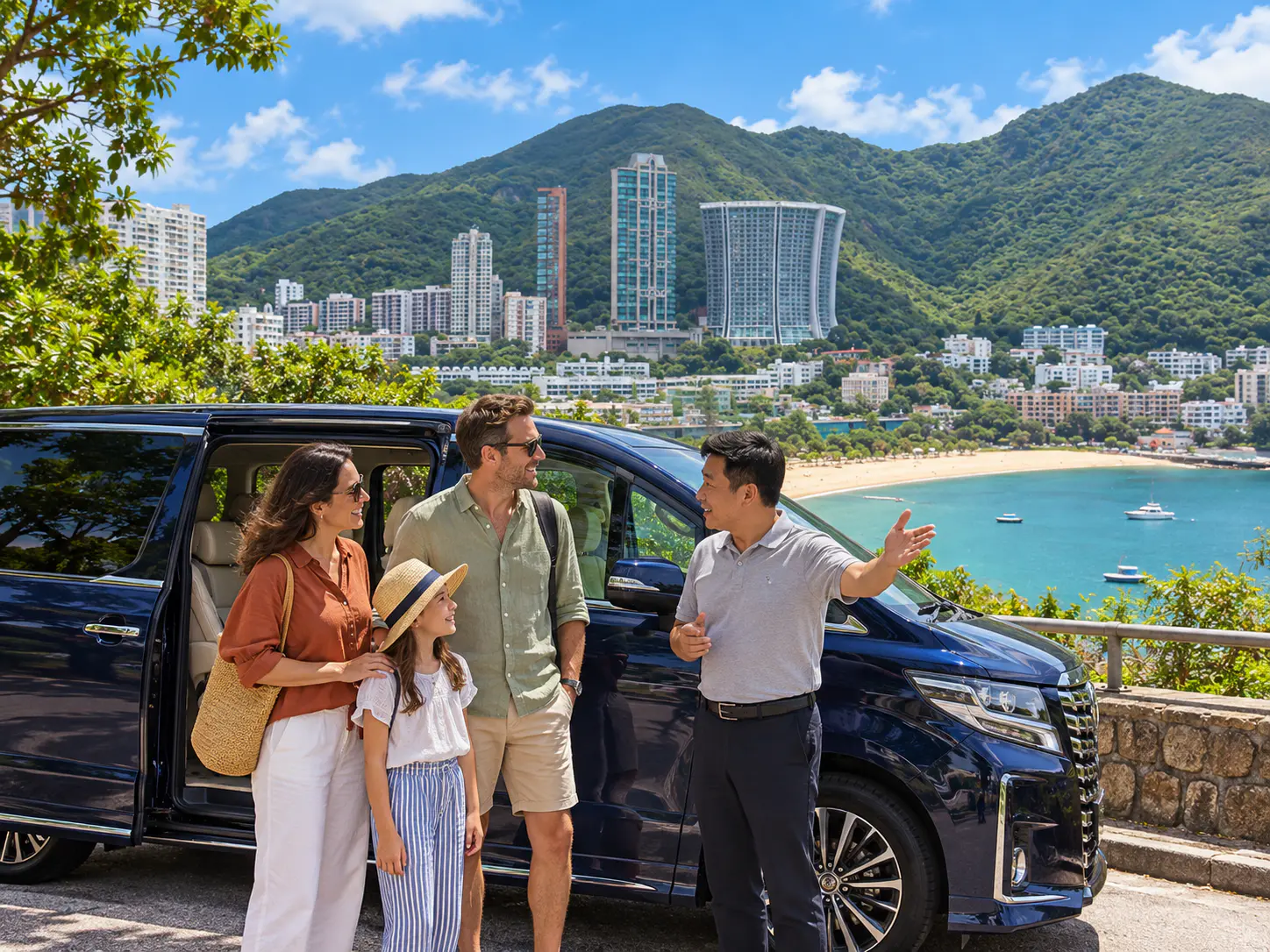
We plan around that rather than around a single perfect fortnight. This page is humidity, heat, holidays, and the weather a trail actually wants. It is not a promise that a given week will be blue.
October to December, the easy months
These are the months we would choose for a first trip if the dates are yours to move. Daytime temperatures suit a full day outside. The harbour haze lifts more often. Victoria Peak repays the queue on a higher share of mornings. Dragon’s Back and the other exposed ridges are warm rather than dangerous. You can eat outdoors in Stanley without calculating the distance to the next air-conditioned door.
October still carries the mainland National Day holiday at its start. The weather can be lovely while the promenade, the cable car, and the dim sum rooms are at their busiest. If you can shift even a few days past that rush, the same month becomes calmer without giving up the light. November is the heart of the easy window. December adds Christmas lights in the shopping streets and a festive density in Causeway Bay and Tsim Sha Tsui. The city is busy and the walking is still kind. Evenings on the water can feel cool once the wind is up. Bring a light jacket for the ferry and the promenade after dark. You will not need a winter coat.
Book the popular meals in these months, because everyone else has read the same climate advice. The weather is the reason to come. The queues are the tax. A weekday, an early Peak slot, and a dim sum booking still make a civilised day. Nothing about the season removes the Garden Road line on a clear Saturday.
Humidity and what it does to the view
Humidity is the fact that decides more photographs than the month printed on the ticket. When the air is wet, the skyline softens, the ridges disappear, and the Peak becomes a terrace in a cloud. This happens most stubbornly in spring, and it returns in bursts through the hot months. It is less common from October to December, which is why those months feel easy, not because the city has been repainted.
You can judge it from sea level. If the far towers look milky from the Tsim Sha Tsui promenade, the summit will not be clearer. That test saves a queue. It also saves an argument. The view has not “failed because you went at the wrong minute.” The air is wet. Come back when it is not, or enjoy the harbour from the ferry, where the nearer towers still read.
Humidity is also a body problem. From late spring through summer you will sweat on a short walk, including the walk from an MTR exit to a temple. Malls, trains, and dim sum rooms are cold by contrast. A light layer in the bag is the whole wardrobe trick: you wear it indoors and you carry it outdoors. Clothes dry slowly in this weather. On a short trip that only means you should not pack a single shirt you need again tonight. On a longer stay it means the laundry plan matters. Neither problem is dramatic. Both surprise people who packed for a dry city.
Haze is not always water. Some days the milk in the air is pollution, and the visitor experience is the same: weak contrast, no distant ridges, a terrace that does not pay. We do not quote an index in a guide that will go stale. We look out of the window. If the hills behind Kowloon are gone, change the order of the day and keep the neighbourhood walk.
The hot months
May through September is hot. The heat starts early, sits through the afternoon, and pairs with downpours that can flood a street for an hour and then leave it steaming. Walking still works. It wants a morning start, shade, water, and a plan that can move indoors without feeling like a defeat. Sheung Wan, Tai Kwun, a museum, and a long lunch are built for this. A midday climb to a viewpoint, followed by a south-side bus with no buffer, is not.
Rain in these months is often a hard burst rather than a full day of drizzle. A harbour morning can succeed and an afternoon cable car can look foolish. Build the outdoor piece first. Leave the mall for the hour the sky opens. Thunderstorms are common enough that an exposed ridge is a morning activity or it is cancelled. Do not be the group that starts Dragon’s Back at three because the hotel pool closed.
The hot months are also when some travellers most want a beach photo. Repulse Bay and the south side can deliver that, on a weekday, with the understanding that the sun is the main event and the market is secondary. Lamma and Cheung Chau feel more relaxed in theory and just as hot on the path between the ferry and lunch. Go for the ferry and the village. Do not go for a cool alpine walk. Hong Kong does not have one.
Air conditioning will be the climate you actually inhabit for half the day. Restaurants, the MTR, and hotel lobbies run cold. The street runs hot. Dress for both in the same outfit, which means breathable clothes plus that layer you keep taking off. Hats help. A compact umbrella helps more than a hopeful weather app, because the burst arrives faster than the plan.
Typhoons, without a false forecast
Typhoons are a real risk in the warm months. Tropical cyclones move through the South China Sea in this season, and Hong Kong has a formal signal system run by the Observatory. We will not invent a count of storms per year, and we will not tell you that a particular week in July is safe because a previous year was quiet. The useful fact is simpler. Keep one flex day between May and September so a stopped city does not delete the only thing you came to see.
Learn the signals as a visitor, not as a meteorologist. A low signal means a cyclone is in the region and you should watch the forecast before you commit to a ferry, a cable car, or a ridge. As the signal rises, ferries and outdoor rides are the first pleasures to go. When the signal reaches 8 or above, the city largely stops. Offices and schools close, buses and trams suspend, ferries stay in port, the Ngong Ping cable car and the Peak Tram are not your plan, and most of the shops you meant to wander will be shut. Stay at the hotel. Eat there, or in the nearest mall that is still open. Do not start a hike, do not cross to an outlying island, and do not treat the harbour promenade as a viewing platform for the storm. The waterfront in a gale is a place to leave.
Signals can go up quickly. A bright breakfast does not guarantee an outdoor lunch. If you are on Lamma, Cheung Chau, or in Tai O and the forecast is deteriorating, take the earlier boat or bus back. Being stranded is not an anecdote you want with children and a hotel on the other side of the water. The MTR has continued in some severe signals with adjustments. Do not build a plan that requires a particular bus or ferry once the Observatory is talking about gales.
After the signal drops, the city reopens fast and the trails and piers may still be messy. Give the first clear half-day to the neighbourhood, and put the cable car back only when the operator says it is running. Your flex day is what makes that patience possible. A schedule with the Buddha on the last morning and a flight at lunch has no flex. In the warm months, that schedule is the one we would rewrite.
How to choose
| Choice | Fit | Skip when |
|---|---|---|
| Best walking weather | Spring and autumn, or Oct–Dec in the south | Holiday weeks |
| Hot or storm season | Go, with a flex day | A packed outdoor checklist |
| Quiet season | Fewer people, different scenery | Anyone chasing peak bloom or peak snow |
Winter and Chinese New Year
January and February are the coolest months. Cool, in Hong Kong, still means a city you can walk, with evenings and boat decks that feel properly chilly in the wind. Bring a jacket you can wear on the Star Ferry after dark. You will use it. You will also meet mild, sunny days when the jacket lives in the bag until dusk. The range is the point. Pack the layer, and do not pack as if you were going to a temperate capital in deep winter.
These months can be brilliantly clear, which is when the Peak and the ridges look their most precise, or grey and damp for a week. Neither is a betrayal. A grey week is a neighbourhood and museum week. A clear week is the harbour week you hoped October would be. Watch the forecast a few days out and put the Peak on the sharp morning, whenever it appears.
Chinese New Year falls in late January or February, and it changes the city more than the temperature does. The holiday runs for several days. Families gather. Some restaurants close, especially at the start, and the ones that stay open fill. Flower markets set up beforehand, with Victoria Park the best known, and they are genuinely worth a walk if your dates catch them. Fireworks over the harbour have been part of many New Year nights and are not something to assume for the year you are travelling. Check whether a display is scheduled, and if it is, arrive early and treat the promenade as a crowd, not as a private balcony.
Book the meals you care about, expect a livelier street, and do not plan a delicate timetable of small shops that may be shut for the first days. The holiday is a reason to be here if you like the atmosphere. It is a reason to shift by a week if you wanted quiet galleries and easy dim sum reservations. Either choice is coherent. Arriving on the eve with no bookings and a list of specific restaurants is the version that struggles.
Spring haze
Spring, roughly March into May, is when the humidity returns ahead of the real heat. Flowers and milder mornings make the city sound ideal. The air often disagrees. Low cloud sits on the Peak. The harbour photograph goes flat. A week can be warm and sticky without quite becoming the summer you packed for, which is its own packing annoyance: too hot for the winter jacket, too damp for the clothes to feel clean on day three.
This is still a good season for the neighbourhoods, for food, and for museums. It is a weaker season if the only thing you want is the summit view and you have no spare morning to wait for a clearer day. We would keep the Peak opportunistic in spring. Walk Sheung Wan first. Look at the ridge. Go up if the air has opened. Stay down if it has not, without spending the goodwill of the group on a white terrace.
Easter falls in this season and is a local holiday. Beaches, malls, and the obvious viewpoints draw crowds. Ching Ming, around the start of April, sends people to cemeteries and to the countryside. Trails and outlying areas are busier. The city streets are not in festival dress for it. You will mostly notice the public holiday, the closed offices, and the fuller buses toward the hills.
By May the heat is no longer theoretical, and the typhoon window is open. A trip that starts in late spring should already be using the flex-day rule, not the October rule.
Holidays that change the city
A public holiday here does two things. It closes some offices and fills the places you wanted to have quietly: the Peak, Ngong Ping, Stanley, and the promenade. It does not shut the MTR, and it does not mean the city is closed to visitors. It means you should book the meal and start earlier.
National Day, on 1 October, is a Hong Kong holiday and also sits at the edge of a mainland travel rush. Early October can be the best weather of the year and the most crowded week of the season at once. Dim sum, the cable car, and harbour hotels feel it. If your dates land in that week, keep the plan simple and the reservations real. The light is still worth it.
Buddha’s Birthday, on the lunar calendar and often in May, makes Po Lin Monastery and the Tian Tan Buddha busier. The Cheung Chau Bun Festival sits in the same season. If it falls on your dates, the island and the ferry are packed, which is a reason to go only if the festival is the point. Dragon Boat Festival, also lunar and often in June, puts races on the water at Stanley and elsewhere. It is a fine thing to witness if you are already in the city. It is a hot-month event, so the flex day and the heat rules still apply. Do not build a first trip solely around a race unless the race is why you came.
Mid-Autumn Festival, in September or early October, brings lanterns to parks. Tai Hang’s fire-dragon tradition is the local event to look up if your night coincides with it. Confirm the year. Do not cross the city on a rumour. Christmas and the days around the Western New Year dress the shopping districts in lights. The weather is often in the easy window, the shops are full, and the harbour at night looks deliberately festive. It is a strong time for a city trip and a busy time for dinners.
Whenever a holiday is lunar, the Western date moves. Check the year you are actually travelling. A guide that pins one Saturday as “the” festival will be wrong the next year, and you will have planned a crossing or a dinner around an empty street.
Hiking weather
Dragon’s Back, on the south-east side of Hong Kong Island, is the half-day hike we mean when someone asks for a trail on a first trip. It is a ridge walk, not a scramble, and it is still a real hill: exposed, uneven, and long enough that the bus out and back fills a morning into mid-afternoon. People who want that should take it. People who do not should skip it without guilt. The Lugard Road loop at the Peak is a stroll at the viewpoint, not this hike. The MacLehose Trail is a long-distance route across the New Territories. A single section of it is a separate project, not a garnish on a harbour morning.
October through December is the comfortable hiking window. The heat is lower, the storms are rarer, and the views have a chance. Clear days in January and February can be even sharper, with a wind that feels cold on the ridge once you stop. Bring the jacket. Spring walks are possible and often foggy. You may do the work and see a white slope. Go if the walking itself is the pleasure. Wait if the photograph is.
May through September, start early if you go at all. Carry water. Wear a hat. Turn around if thunder is building. The ridge is the wrong place to wait and see. After rain the rock is slick, and a “short” trail stops being short when everyone is placing their feet. A typhoon signal, even a low one that has you watching the forecast, is enough reason to postpone. There is no version of this walk that is worth a gale.
Do not pair the hike with Tai O or with a Peak queue on the same day. The itinerary page gives it a morning of its own inside a four- or five-day stay. In the hot months, that morning is early and the afternoon is somewhere with a roof. In the easy months, you can linger at Shek O at the end and still feel like a person.
Children and anyone unsteady on uneven ground should hear the truth before the bus. The trail is a hill in the sun or the wind. It is not a paved viewpoint with a cafe at the midpoint. The promenade and the Star Ferry are the harbour plan for a group that does not want that hill. Both are complete visits.
What to protect in the diary
Protect one clear morning for the Peak in any month, and be ready to move it by a day when the air is wrong. Protect dusk on the Tsim Sha Tsui promenade, which fails less often than the summit and still fails in heavy rain. Protect dim sum from a weekend noon arrival. Protect the Lantau day from a late start, because the cable car and Tai O use the daylight.
In October to December, protect these from crowds and from your own over-scheduling, not from the climate. In January and February, protect them from Chinese New Year closures if your dates collide, and carry the jacket. In spring, protect them from haze by having a neighbourhood morning that is already worth doing. From May to September, protect them with a flex day and a willingness to swap the cable car for Tai Kwun when the Observatory says so.
Entry rules do not relax in the pleasant months. Hong Kong is a separate immigration territory from mainland China and from Macau in January and in July. If the trip crosses either border, check both sides for your passport before you fly. Holiday weeks are when those halls are slowest. A National Day crossing into Shenzhen, or a ferry to Macau on a long weekend, needs more time than the same ride on an ordinary Wednesday. The Shenzhen guide and the Macau guide are the place to see what the far side of each hall actually contains.
Choose October to December when you can. Come in the other months with the right layer, the right start time, and one day you can afford to spend indoors. Hong Kong is not a city that only exists in November. November is simply when the city asks the least of you.
Ways to plan the days
These shapes match the Hong Kong tours page. They are starting points, not fixed departures.
Harbour and City
Time fit: 3 days
The harbour, one neighbourhood day, and a south-side or market afternoon.
- Hong Kong
- Harbour and City
Why choose it: The harbour, one neighbourhood day, and a south-side or market afternoon.
Classic Hong Kong
Time fit: 4 days
Add a full Lantau day or a slower south-island day.
- Hong Kong
- Classic Hong Kong
Why choose it: Add a full Lantau day or a slower south-island day.
Hong Kong and Macau
Time fit: 5 days
Four Hong Kong days plus one full Macau day with a ferry buffer.
- Hong Kong
- Hong Kong and Macau
Why choose it: Four Hong Kong days plus one full Macau day with a ferry buffer.
Want help shaping the Hong Kong days?
Tell us how many full days you have and whether Macau is included. We reply with a private plan for the days a car or a guide actually helps.
Keep planning
Hong Kong
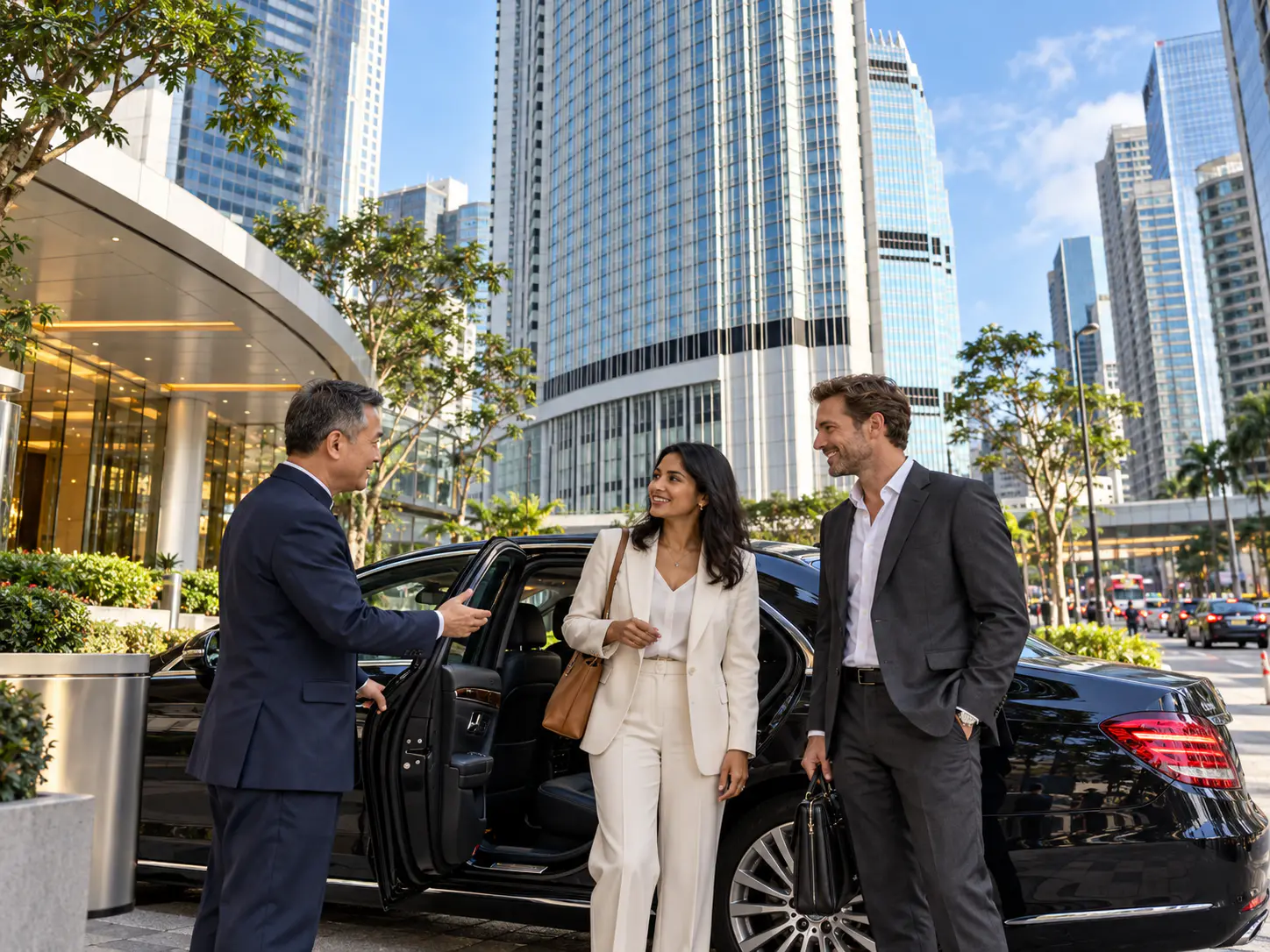
Time the Peak Tram, ride the Star Ferry once, and treat the night view as weather-dependent.
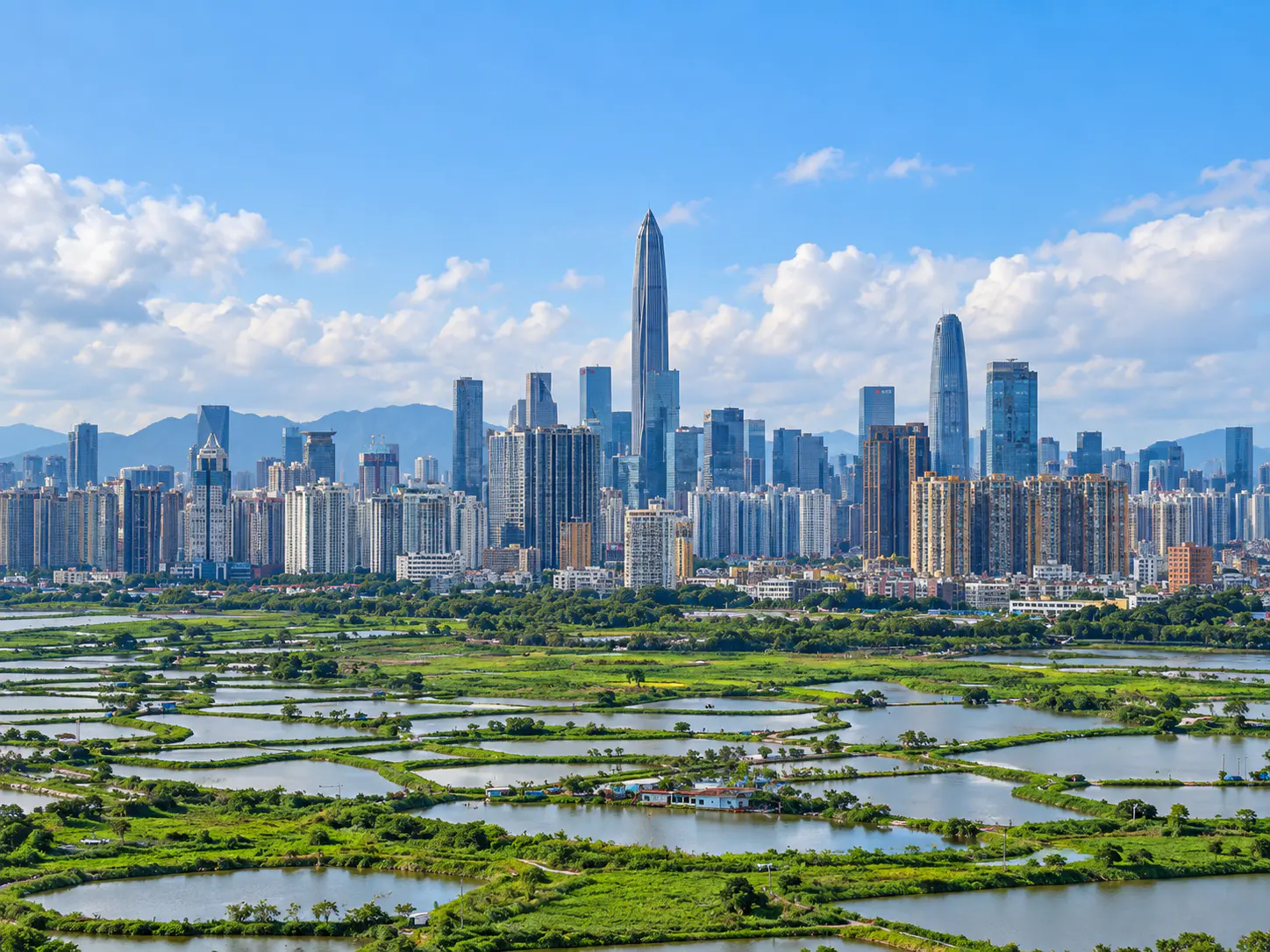
Central, Sheung Wan, Tsim Sha Tsui, and Mong Kok are different walks. Collecting every district in a day does not work.
Three days for the harbour and one neighbourhood, four with Lantau, five if Macau gets its own day.
Ngong Ping and Tai O are one full day. Lamma or Cheung Chau is a different, quieter day.
Compare a 3-day harbour stay, a 4-day classic, and a 5-day trip that gives Macau its own day.
Questions people ask
- October, November, and December. Humidity is lower, walking is comfortable, and you have a better chance of a clear hour at Victoria Peak and on a ridge such as Dragon’s Back. November is the calm centre of that window. Early October can be just as clear and much more crowded because of the National Day holiday and the visitors it brings. December adds festive lights and busy shops, with cool evenings on the ferry. You still want an early Peak slot on a sunny weekend, and you still want a dim sum booking on Saturday. The season removes the worst of the heat. It does not remove the queues.
- From May through September, tropical cyclones are a real risk, and the Observatory’s signals tell you when the city is going to stop. A low signal is a warning to watch the forecast and to avoid a rigid ferry or cable-car plan. When the signal reaches 8 or above, assume buses, trams, ferries, the Peak Tram, and the Ngong Ping cable car are finished for the duration, and that many shops and restaurants will close. Stay at the hotel. Do not go to the waterfront to look at the weather. Keep one flex day in these months so the lost outdoor day is not your only day. We do not pretend any particular week is exempt.
- It is a good time if you want the holiday itself: flower markets before the festival, a busier street, and the particular feeling of the city when families are gathered. It is a poor time if you wanted quiet restaurants and a loose timetable. The dates fall in late January or February and run for several days. Some kitchens close at the start, and the open ones fill. Book what you care about eating. Pack a jacket, because these are the cool months and the harbour wind is real at night. Harbour fireworks happen in many years and should be checked for yours, not assumed. If you want the climate without the closures, slide the trip to the week before or after.
- Only with an early start, water, a hat, and a willingness to cancel. Dragon’s Back is a half day for people who want a hike, and in May through September the heat and thunderstorms are the constraint. The ridge is exposed. Midday is the wrong hour. If thunder is building, or a typhoon signal is up, do not go. October to December is the comfortable window, and a clear day in January or February can be excellent if you bring a layer for the wind. The Lugard Road walk at the Peak is a level stroll, not a substitute hike, and it still wants clear air to be worth the trip up.
- Bad enough to change the plan, not bad enough to cancel the trip. March into May often brings humidity and low cloud before the full summer heat. The Peak can sit in cloud for a morning that looked acceptable from the hotel window, and the classic skyline photo goes flat. Use the promenade as a test and keep a neighbourhood walk, a museum, or Tai Kwun as the part of the day that does not depend on the ridge. Easter and Ching Ming add crowds and closed offices. If a clear view is the whole reason for the dates, October to December is the more reliable bet. If food and streets are the reason, spring is fine.
- They affect the halls and the crowds more than the weather. Hong Kong, mainland China, and Macau keep separate entry rules in every month, and you should check your passport for each side you will actually enter. On National Day week, Chinese New Year, and other long holidays, those halls slow down, ferries fill, and the far side is busy too. A Macau day needs the ferry or the bridge bus plus both immigration lines, which is already a full day on a quiet Wednesday. On a holiday it needs an earlier start and no plan that depends on a precise evening back at the Peak. Read the Macau and Shenzhen guides before you treat either crossing as a spare afternoon.
Plan a Hong Kong visit
Share your dates, whether you land at HKIA, and if Lantau or Macau is the extra day. We reply with a harbour-first plan.