
Hong Kong at a glance
| Detail | Plan |
|---|---|
| Good first stay | 3 full days |
| Add Lantau or Macau | 4–5 days, and not both on the same date |
| Arrival | Airport Express to Hong Kong station is about 24 minutes |
| City transport | MTR, tram, and Star Ferry for the urban days |
| Use a car | Airport luggage, the south side, or a crossing with bags |
| Entry | Check Hong Kong rules separately from the mainland |
Hong Kong’s neighbourhoods are walkable, close together on a map, and easy to ruin by collecting. Central, SoHo, and Sheung Wan are one walk. Tsim Sha Tsui is the harbour side. Mong Kok is the daytime market side. Temple Street is a tourist night market now, worth a short look and not a pilgrimage. Stanley is a half day on the south side of the island, not a stop you bolt on after lunch in Central.
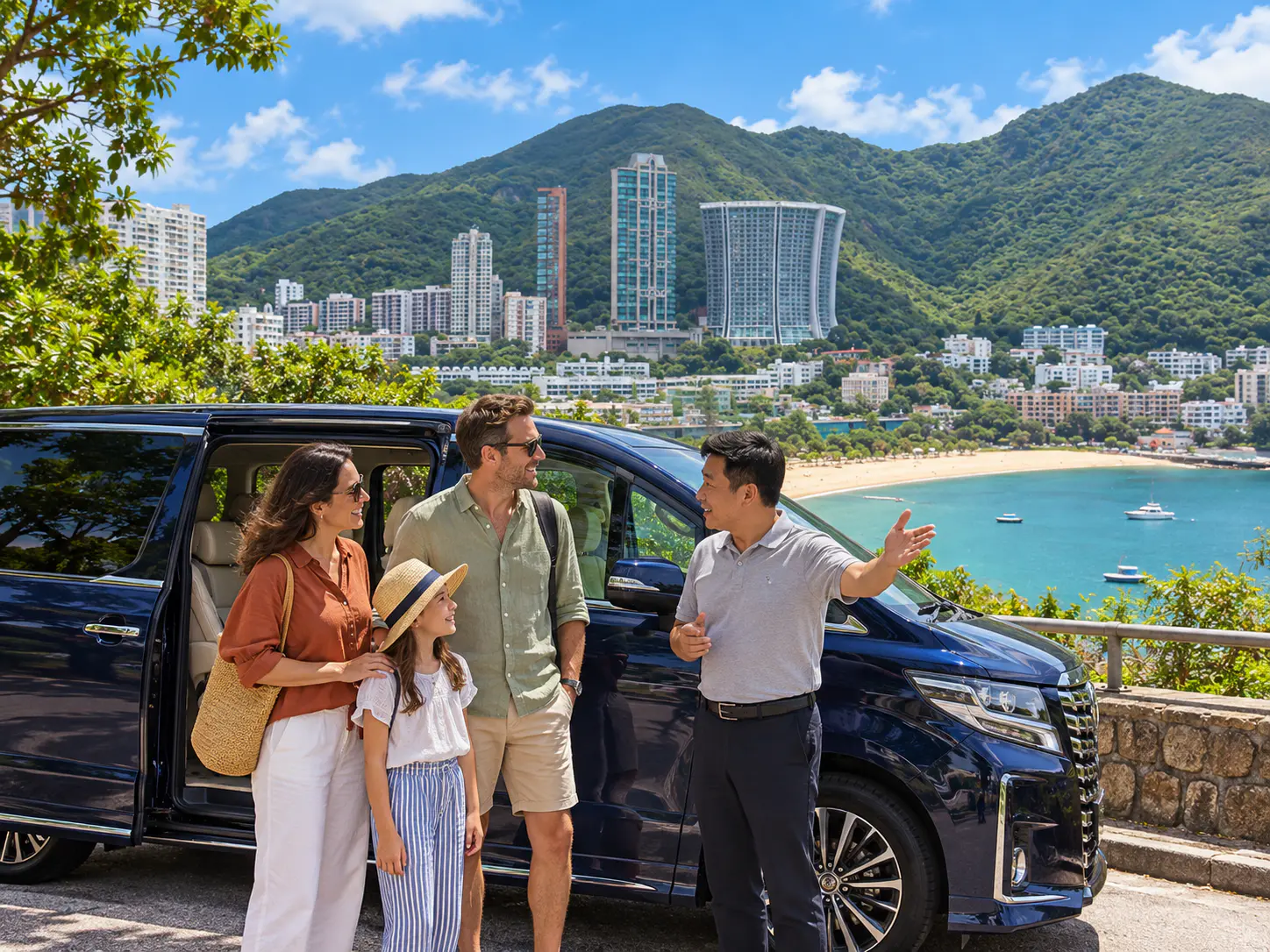
We would rather you finish one of these properly than touch four of them between trains. This page is where to walk, where to eat, and which streets to leave for a longer stay.
One walk, then stop collecting districts
The MTR makes every district look like a twenty-minute errand. That is true of the ride and false of the visit. Each of these places is a surface of streets, slopes, markets, and meals. The interesting part starts after you leave the station, often uphill, often slower than the map suggested. A day that “does” Sheung Wan, Wan Chai, Causeway Bay, Mong Kok, and Sham Shui Po is a day of ticket gates. You will remember the stations.
Pick one island walk and, if you still have appetite, one Kowloon walk on a different day. Sheung Wan through Tai Kwun and up into SoHo is the island walk we use for a first trip. It holds a temple, gallery buildings, the escalator, and a long lunch without a single forced march. Tsim Sha Tsui is the Kowloon walk when the harbour is the point, and it belongs with the promenade rather than with a market checklist. Mong Kok replaces Tsim Sha Tsui on a day when you want street markets more than the skyline. It does not follow Sheung Wan on the same afternoon unless you have already walked less than you planned and you still feel fresh, which is rarer than people think.
Wan Chai, Causeway Bay, Kennedy Town, and Sham Shui Po are good neighbourhoods. They are also how a four-day trip grows, not how a first morning proves effort. Wan Chai has the Blue House cluster and a real street market. Causeway Bay is shopping, dense and useful, with a typhoon shelter if you walk far enough. Kennedy Town is the tram’s western end, a waterfront extension when the Sheung Wan walk still has energy. Sham Shui Po is electronics, fabric, and a more local street grid. Save them for a day you have already enjoyed the core and want more of the same kind of walking. Do not line them up as obligations.
The rule is dull and it works. Stay until you have eaten. Then decide whether you are finished. A neighbourhood you leave at the first clock alarm was a transfer, not a visit.
Central and the Mid-Levels Escalator
Central is the commercial heart on the island: towers, connected malls, and the streets that still run at ground level underneath them. You do not need to tour the offices. You need to know how the levels work, because visitors lose time walking the wrong floor of a footbridge system that was built for people who already know the exits.
Arrive by MTR and follow a named exit rather than “Central” in general. Hong Kong station, the Airport Express stop, joins this area through indoor passages that are straightforward with empty hands and tedious with luggage. If you are fresh, walk. If you are arriving from the airport, take a taxi the last hop to a SoHo or Mid-Levels hotel and start the walk later, unburdened. The Star Ferry pier is the north edge, the right place to leave Central when the harbour page takes over. Queen’s Road, Des Voeux Road, and the tram lines run east–west. The tram is the slow, correct way to see this strip if you are not on a clock. Ride the upper deck once, toward Wan Chai or back toward Sheung Wan, and get off when the street you want appears. It is a poor tool for a tight connection and a good one for understanding how the island’s older core sits in a line.
The Mid-Levels Escalator is the spine that joins Central to SoHo and the residential slope above it. It is a covered public system of escalators and walkways, and it changes direction. In the early morning it runs downhill for the commute. For the rest of the day it runs up. Check the day’s hours if your plan depends on a particular ride, and do not count on riding it down at noon. Walking down is easy. Riding up is the point, especially in the hot months, when the hill from Queen’s Road to Staunton Street is the part of the day that empties people.
Use the escalator as transport between lunch and the upper streets, not as an attraction you watch from the bottom. Join it at Central and step off when the street life gets interesting, which is SoHo.
SoHo above the traffic
SoHo is the slope south of Hollywood Road: Staunton Street, Elgin Street, Peel Street, and the lanes around them. Galleries, small restaurants, cafes, and a good deal of walking up and down stairs even if you used the escalator for the main climb. It is the right place for a long lunch and an unhurried hour. It is the wrong place to sprint through on the way to a viewpoint, because the viewpoint is the Peak and it has its own page.
Come here after Tai Kwun or after the temple in Sheung Wan, not before you have any sense of the lower streets. The pleasure is the change in scale. Central at sea level is towers and trams. A few minutes up, the streets narrow, the signs get smaller, and you can sit. Pound Lane and the surrounding steps are part of that climb if you want a stair instead of the escalator. Take them when the weather is kind. Skip them in the wet, when the treads are slick and the escalator is the more honest choice.
Lan Kwai Fong is the entertainment pocket just east of this walk, famous for nightlife and easy to recognise by the density of bars. It is a destination after dark if that is the evening you want. It is not the cultural centre of the neighbourhood, and it is a loud place to wander into by accident with tired children at six. Eat in SoHo or down on the tram streets, and treat Lan Kwai Fong as a deliberate night rather than a required stop on the gallery walk.
If you stay up here, remember the descent. Taxis find Staunton Street and the nearby ranks. Walking down to the Star Ferry is reasonable on fresh legs and less so after a long lunch in humid weather. The harbour, if you still want it today, is down at the water. Do not add the Peak on top of a full SoHo afternoon unless the morning was short and the air is clearly worth the extra queue.
Sheung Wan: temple, market streets, and Tai Kwun
Sheung Wan is the walk we would give a first-time visitor who asks for “old Hong Kong” without the costume version. Start at Sheung Wan station in the morning, when the shops are open, and drift west before you drift east. Dried seafood, herbs, and the wholesale smells of Wing Lok Street, Des Voeux Road West, and Ko Shing Street are the working district. You are not expected to buy a sack of scallops. You are expected to be in the way as little as possible, because these are shops, not a set. A few minutes of looking is enough. An hour of pretending to shop is not.
Climb toward Hollywood Road. Man Mo Temple stands on that road, a working temple thick with incense, dedicated to the gods of literature and war. Go in quietly, keep to the side if people are praying, and leave a donation if you wish. It is a small building and it does not need a long commentary. It needs ordinary respect and shoes you can stand in. Just west and below, Upper Lascar Row is Cat Street, a lane of antiques, bric-a-brac, and souvenir stalls. The mix is honest about what it is: some old objects, a lot of things for visitors, and a pleasant few minutes if you are already passing. It is not a secret market.
Continue east and you reach PMQ, the old police married quarters turned into design studios and small shops, and Tai Kwun, the restored Central Police Station compound, which sits on the Hollywood Road and Old Bailey Street edge between Sheung Wan and Central. Tai Kwun is the courtyard we would not skip. Galleries, a few cafes, and a set of buildings that show you the city’s colonial police and prison architecture without a lecture ticket. You can spend forty minutes or two hours. Both are valid. From Tai Kwun the escalator and SoHo are close. That is the natural end of the morning and the start of lunch.
Graham Street’s market area has been under redevelopment for years. What is open changes. Walk it if the stalls are trading when you pass, and do not hunt for a stall a blog named in a year when the block was different. Western Market, the old brick building closer to the tram, is a short detour if you like market halls. Kennedy Town is the optional extension: stay on the tram to the end if the group still wants a waterfront and a coffee. Turn around at Tai Kwun if they do not. Both choices are complete.
Tsim Sha Tsui as a neighbourhood, not only a view
Tsim Sha Tsui is where many visitors sleep, because the promenade is at the foot of the hotels and the skyline is the reason they booked. Treat it as a neighbourhood for the hours you are not on the water, and as the harbour’s front row for the hours you are. The Clock Tower, the Cultural Centre, the Museum of Art, and the Avenue of Stars are the waterfront set. The Hong Kong Museum of History, east toward Chatham Road, is the indoor choice on a wet afternoon. None of these is compulsory. One museum, chosen because it interests someone in the group, is plenty. Two museums plus the Peak plus Mong Kok is how the day becomes a list.
Nathan Road runs inland from the water, bright, commercial, and useful. Pharmacies, clothing, and the ordinary business of a Kowloon high street. Walk it when you need something. Do not walk it as the cultural programme, because the promenade one block over is doing the real work. Kowloon Park, west of Nathan Road, is the green pause: a pool complex, birds, and enough trees to sit under when the pavement is too hot. It is a good half hour inside a Tsim Sha Tsui day and a poor reason to cross the harbour on its own.
Eat here when your hotel is here and the evening is the promenade. Dim sum rooms, cha chaan tengs, and hotel restaurants all exist within a short walk. The blocks near Chungking Mansions hold South Asian and other kitchens if that is the meal you want. Go in for the food. The corridors are not a sight to wander.
How to choose
| Choice | Fit | Skip when |
|---|---|---|
| Make this the focus | When this page is the reason for the day | When it is only a name on a list |
| Pair it | With one nearby stop | With a second full excursion |
| Leave it | If the main stay is already full | If you have the night it needs |
Mong Kok in the daytime
Mong Kok is the street-market district, and it works in the daytime. Come in the morning for the flower market at the Prince Edward end, when the stalls are actually selling flowers to people who plan to carry them home. The goldfish market is beside that world, a lane of bags and tanks that smells like what it is. You can enjoy both in under an hour without buying anything alive. South of there, Tung Choi Street is Ladies’ Market: clothing, bags, phone cases, and the general goods of a market that knows its visitors. Fa Yuen Street is the sneaker street. Both are crowded, both are commercial, and both are worth the crush for as long as you are still curious.
Curiosity usually lasts sixty to ninety minutes. Stay longer only if someone is genuinely shopping. The point is the density and the ordinary theatre of a Kowloon market street, not a rare object at the end of the lane. Keep your bag in front of you, agree a meeting corner before you enter the thick part, and do not stop dead in the middle of the flow for a photograph. Side streets are calmer and often better for a snack.
Eat around the market rather than treating the stalls as the meal. A sit-down room on a nearby street will feed you better than a string of impulse snacks, though egg waffles and fish balls are a fair part of the hour if you want them. Toilets are the practical problem. Malls and the larger stations are the reliable answer. Build that stop in before someone needs it urgently.
Mong Kok is a tiring place in summer heat and a poor start after a long flight. Do not pair it with a Peak slot you still need to make. The MTR from Central or Tsim Sha Tsui is the way back.
Temple Street after dark
Temple Street sits in Yau Ma Tei, south of Mong Kok, and it becomes a night market when the stalls set up. Go if you are already on the Kowloon side after dinner and you want the atmosphere of a lit street, fortune-tellers, and souvenir stalls. Go knowing that this is a tourist night market now. The local night-life that used to define it has thinned. What remains is aimed at visitors, and pretending otherwise leads to a sulky hour and an unfair review.
A single walk from one end to the other is the right dose. Eat there only if the stall is full of people finishing plates. If you cannot tell, keep the dinner you already trust toward Jordan or Tsim Sha Tsui and let Temple Street be the stroll. Choose the daytime flower market and Ladies’ Market first. Add this street only at night.
The ground is uneven in places, and touts are part of the scene. A polite no is enough.
Stanley as a south-side half day
Stanley is on the south coast of Hong Kong Island. It is a half day: a bus ride, a market, a waterfront, and lunch. It is not a neighbourhood of Central, and it is not the thing you do after Tai Kwun because the afternoon looked empty. The ride is the bridge. From Central, take a bus that goes over the island if you want the coast road and Repulse Bay on the way, and allow the time that road actually takes. A tunnel bus is faster and duller. Either is fine. Neither is a spur-of-the-moment hop between courses.
Stanley Market is souvenirs, clothes, and the usual seaside-market mix. Walk it once. The waterfront promenade and the beach are the reason the trip feels like a change of city: open water, a different light, and a pace that Kowloon does not offer. Murray House, the reconstructed colonial building by the shore, is the landmark for meeting and for sitting. Eat lunch here, on the water if you can get a table without a long wait, and then go home. Stretching the market into a second lap does not improve it.
Repulse Bay can share this half day when the bus stops there and the group wants a beach promenade and the temple complex set back from the sand. It should not share the day with a full Peak morning. Aberdeen can share it more easily by private car than by a chain of buses. The typhoon shelter still has small sampan rides. The giant floating restaurant that used to sit in that shelter is gone. Do not send anyone looking for it. A car that strings Aberdeen, Repulse Bay, and Stanley is one of the few urban-edge days when a driver earns the booking. By public transport, make Stanley the anchor and add a second stop only if the return still looks calm.
Ocean Park is on this side of the island and has its own MTR station. It is an optional full day, not a prelude to Stanley Market. If someone wants the park, give them the park and pick another date for the market. The south side is large. The half day is a choice of one pleasant piece, not a sweep of the coast.
Eating, including dim sum without a champion
Eat dim sum once, earlier in the day. The meal is a shared table of small plates: har gow, siu mai, cheung fun, char siu bao, turnip cake, and an egg tart if the table still has room. Tea comes with it. Pour for the people beside you if the pot reaches you first. Point at what the next table is eating if the card is more Chinese than you can read, or ask for the usual plates for your group.
At the weekend, arrive when the room opens or book. A noon walk-in on Saturday or Sunday spends the hungry hour in a line. Weekday late mornings are kinder. There is no official best restaurant, in Central or anywhere else. Choose a busy room near the walk you are already taking. Sheung Wan, Central, Jordan, and Causeway Bay all have serious dim sum. A local crowd is a better signal than a foreign list. If a place is so famous that the queue is the product, decide in advance that the queue is how you want to spend the morning. Otherwise walk one block and eat where people are already being served.
The rest of the food in these neighbourhoods is daily Hong Kong cooking, which is the point. A cha chaan teng gives you milk tea, a bakery pork-chop rice, or a noodle that costs you a seat and half an hour. Roast goose and char siu hang in windows in Sheung Wan and all over Kowloon. Order them without a quest. Street snacks in Mong Kok are a supplement, not the meal you describe later as dinner. Vegetarian diners can eat well, and they should say so clearly in a traditional dim sum room, where pork and shrimp are the default. A monastery meal is a different day, on Lantau. Allergies belong in a sentence to the server before the food arrives, not as a surprise after the bamboo basket lands.
Dinner can be anywhere you already are. Crossing the harbour for a restaurant name is rarely worth the hour it costs the promenade. Eat on the side of the water where the evening walk is, and let the meal serve the day rather than the other way around.
How these walks sit with the rest of the trip
Put the Sheung Wan and SoHo walk on the neighbourhood day of a three-day trip, with dim sum at the start. Put Tsim Sha Tsui with the harbour day, because the promenade and the ferry are already there. Put Mong Kok on a fourth day, or in place of the island walk if markets are the reason someone came. Put Stanley on the day you are not doing Lantau. The itinerary page makes that swap explicit. The harbour page takes the Peak and the ferry off this one, so you do not have to carry them.
Lantau does not share a date with Stanley, and neither shares a date with a full Sheung Wan morning plus the Peak. Read Lantau and the islands before you promise a beach island as well. Lamma and Cheung Chau are relaxed walks of a different kind, with their own ferries from Central, and they replace Stanley rather than follow it.
If you want the pacing decided for you, the city days inside Harbour and City and Classic Hong Kong are described on the tour shapes page. However you book, the walking rule stays the same. One neighbourhood until you have actually been there. Then the harbour, or the island, or the south side. Not all of them before dinner.
Ways to plan the days
These shapes match the Hong Kong tours page. They are starting points, not fixed departures.
Harbour and City
Time fit: 3 days
The harbour, one neighbourhood day, and a south-side or market afternoon.
- Hong Kong
- Harbour and City
Why choose it: The harbour, one neighbourhood day, and a south-side or market afternoon.
Classic Hong Kong
Time fit: 4 days
Add a full Lantau day or a slower south-island day.
- Hong Kong
- Classic Hong Kong
Why choose it: Add a full Lantau day or a slower south-island day.
Hong Kong and Macau
Time fit: 5 days
Four Hong Kong days plus one full Macau day with a ferry buffer.
- Hong Kong
- Hong Kong and Macau
Why choose it: Four Hong Kong days plus one full Macau day with a ferry buffer.
Want help shaping the Hong Kong days?
Tell us how many full days you have and whether Macau is included. We reply with a private plan for the days a car or a guide actually helps.
Keep planning
Hong Kong
Time the Peak Tram, ride the Star Ferry once, and treat the night view as weather-dependent.
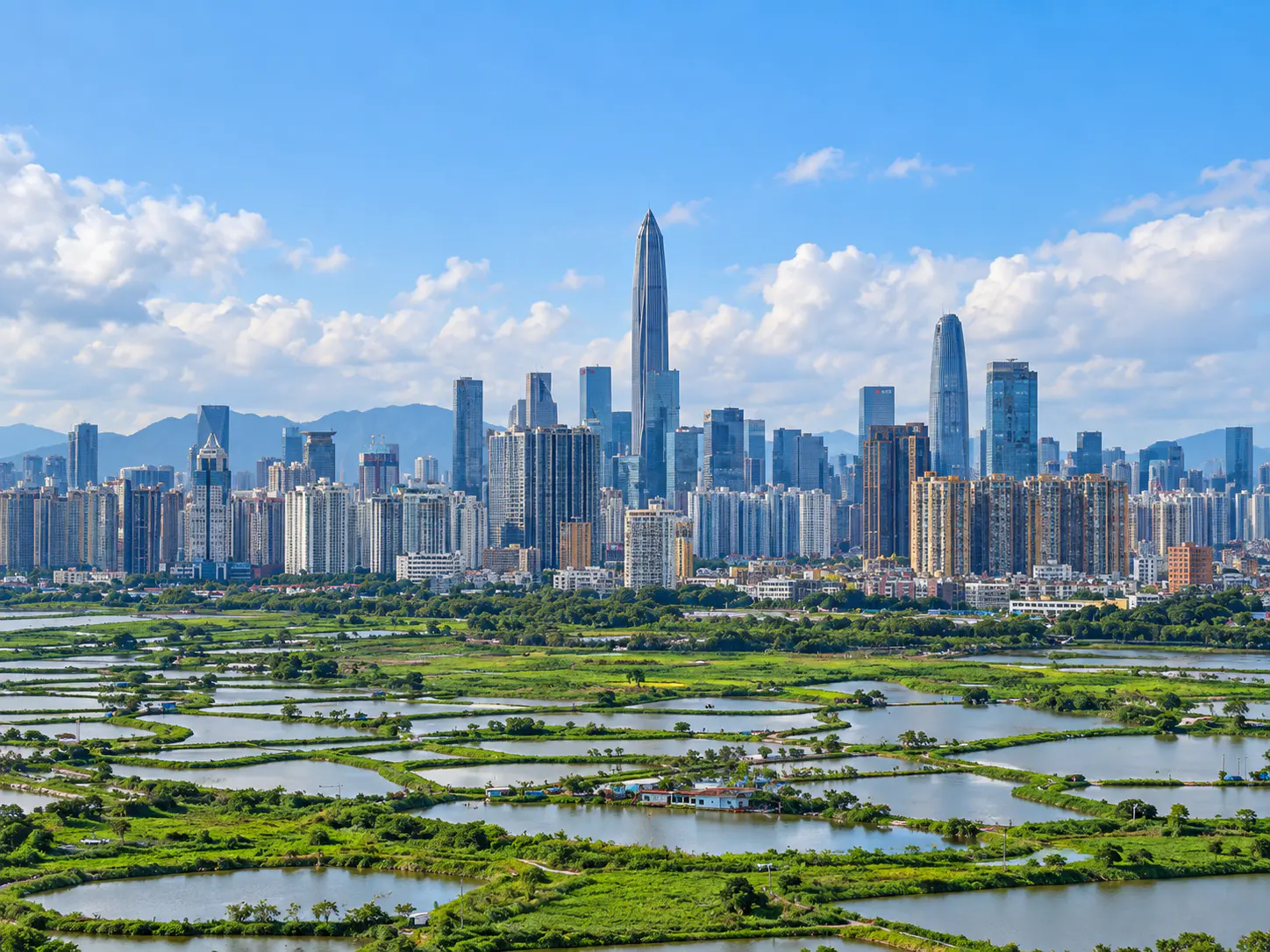
October to December is the easy window. Summer is hot, and typhoon season means keeping a flex day.
Three days for the harbour and one neighbourhood, four with Lantau, five if Macau gets its own day.
Ngong Ping and Tai O are one full day. Lamma or Cheung Chau is a different, quieter day.
Compare a 3-day harbour stay, a 4-day classic, and a 5-day trip that gives Macau its own day.
Questions people ask
- One walk, done until you have eaten, is the right ambition. Central, SoHo, and Sheung Wan count as that one walk because they connect by street and escalator. Tsim Sha Tsui is a second walk for a different day, tied to the promenade. Mong Kok is a third, and only if markets are the point. Adding Wan Chai, Causeway Bay, and Sham Shui Po on top produces station exits rather than neighbourhoods. If you finish Sheung Wan by early afternoon and still feel fresh, Kennedy Town by tram is the honest extension. A new district chosen from a list is how the day goes thin. Stay where you are until you are actually done.
- Only as a short night walk if you are already in Yau Ma Tei or on the way back from Mong Kok. Temple Street is a tourist night market now: stalls, souvenir goods, and a lit-street atmosphere that some people enjoy for half an hour. It is not a surviving local secret, and it is not a reason to leave a clear dusk on the Tsim Sha Tsui promenade. Eat there only when a stall is full of people finishing real plates. Otherwise keep the dinner you trust and let the street be the stroll. The daytime flower market and Ladies’ Market in Mong Kok are the better market hours if you have to choose.
- On weekends, yes, or arrive when the doors open. Saturday and Sunday midday is when even ordinary rooms fill, and the famous ones have already filled. A booking, or an early arrival, is the difference between eating and standing in a mall. Weekday late mornings are easier for a walk-in. There is no official best dim sum restaurant you are obliged to conquer. Pick a busy room on the walk you are already doing, in Sheung Wan, Central, Jordan, or wherever you woke up. Point at what you want. Pour the tea. Leave the hunt for a single champion address to someone with a longer trip and a love of queues.
- Give it a half day, including the bus from Central and lunch on the waterfront. The market is one walk-through, not an afternoon by itself. Repulse Bay can fit when the bus already stops there and nobody is trying to add the Peak. Aberdeen fits more cleanly when a car is stringing the south side together, and the old floating restaurant in the typhoon shelter is gone, so do not go looking for it. Ocean Park is a separate full day on the same side of the island. By public bus, Stanley alone is the calm version. By private car, Aberdeen, Repulse Bay, and Stanley are the version that justifies the vehicle.
- The crowd is the point, and it is manageable if you treat it as a busy market rather than a parade to fight. Keep bags in front, agree a corner to regroup, and step out of the flow before you stop. Daytime is the right visit: flower market in the morning, then Ladies’ Market and the sneaker street for as long as you are still looking. The area is a normal Kowloon shopping district, loud and commercial, not a place we would send you at random after midnight for no reason. Heat is the larger discomfort in summer. Toilets are in the malls and stations. Plan the pause, then leave while the group is still glad they came.
- Stay in Sheung Wan, Central, or the lower edge of SoHo if the island walk is the trip you care about. You can reach Tai Kwun, the escalator, and the Star Ferry without a daily commute. Stay in Tsim Sha Tsui if the harbour view and the promenade are the point, and accept that Sheung Wan becomes a short MTR ride rather than a stroll from the door. Mong Kok is practical for markets and noisier at night. A hotel on the south side makes the harbour awkward. You do not need a different hotel for each neighbourhood. Pick the side of the water you want to see at the start and end of the day, and ride the MTR for the other walk.
Plan a Hong Kong visit
Share your dates, whether you land at HKIA, and if Lantau or Macau is the extra day. We reply with a harbour-first plan.