
Hong Kong at a glance
| Detail | Plan |
|---|---|
| Good first stay | 3 full days |
| Add Lantau or Macau | 4–5 days, and not both on the same date |
| Arrival | Airport Express to Hong Kong station is about 24 minutes |
| City transport | MTR, tram, and Star Ferry for the urban days |
| Use a car | Airport luggage, the south side, or a crossing with bags |
| Entry | Check Hong Kong rules separately from the mainland |
How to use a short stay in Hong Kong
Hong Kong rewards a short stay when you treat it as a compact city with one famous view, a few walkable streets, and a real outing that takes a whole day. It punishes a short stay when you try to collect every district name you have heard. The harbour is the centre of the visit. The neighbourhoods are how you spend the hours when you are not looking at the water. Lantau, or the south side of Hong Kong Island, is the day you leave the core. Macau and Shenzhen are other territories, reached only by crossing an immigration line.
Use this page to set the shape of the trip, then read the guide that matches the decision in front of you. The harbour page is the Peak, the Star Ferry, the Tsim Sha Tsui promenade, and the difference between a clear day and a wet one. The neighborhoods page is where to walk, where to eat, and which markets are worth the crush. Lantau and the islands is the Buddha, Tai O, and the quieter ferry islands, which are a different kind of day. The itinerary turns that into two, three, four, and five days. The best time page is humidity, holidays, and typhoons. The tour shapes page describes three arranged visits on Hong Kong tours if you would rather follow a set plan than build one.
Read in that order if your dates are still open. If the dates are fixed, read the itinerary first and use the other pages to fill the days you have actually kept.
What belongs on a first trip
A first trip that feels complete has three pieces. One is the harbour: Victoria Peak when the air is clear enough to bother, the Star Ferry once between Tsim Sha Tsui and Central, and time on the Tsim Sha Tsui promenade, including dusk if you can manage it. One is a neighbourhood on foot. Central, SoHo, and Sheung Wan are the walk for galleries, temples, and the escalator. Tsim Sha Tsui is the harbour neighbourhood. Mong Kok is the street-market neighbourhood. One is a day away from that core: either Lantau, with Ngong Ping 360, the Tian Tan Buddha, Po Lin Monastery, and Tai O, or a south-side half day anchored on Stanley, with Aberdeen and Repulse Bay only if the transport is kind.
That is the whole first trip. Disneyland and Ocean Park are optional full days for people who came for those parks. They are not the opening move of a first visit that is really about the city. Dragon’s Back and trails like it are a half day for people who want a hike, not a requirement. Temple Street is a tourist night market now; it can be a short evening, and it is not a reason to redraw the map.
Two full days cover the harbour and a sample of one neighbourhood. Call that a sampler. Three full days are the first length that holds the harbour, a neighbourhood day, and either Lantau or the south side. Four or five days are how you add the outing you skipped, a hike, or Macau as its own day. Anything you add inside a shorter trip pushes something better off the list.
Arrival at Hong Kong International Airport
You land at Hong Kong International Airport, HKIA, on Chek Lap Kok. After immigration and baggage, follow the Airport Express. The train to Hong Kong station takes about 24 minutes. That is the simple arrival with luggage: room for suitcases, a direct city station, and no need to negotiate a curb. Hong Kong station is in Central. Kowloon station comes first and is the better exit when the hotel is on the Kowloon side. Tsim Sha Tsui hotels usually suit Kowloon station plus a short taxi more than a ride all the way to Hong Kong station and a second crossing of the harbour with bags.
The 24 minutes is the train, not the door-to-door time. Immigration, the wait for bags, and the walk or taxi at the far end sit on either side of it. Hong Kong station connects toward Central through indoor passages that feel long with two suitcases. A hotel in SoHo or the Mid-Levels is an uphill finish; take a taxi for that last hop even if the train did the main job. Lifts exist, and you should use them. This is a poor city in which to prove you can carry a bag up a hill in humidity.
Taxis queue at the airport and are the right tool when the group is large, the hotel sits away from both Airport Express stations, or you are landing tired and want one vehicle to the door. Airport buses also run and suit a traveler whose stop is genuinely near the hotel and who is not hauling a heavy set of bags. Choose the train for a standard arrival, and switch to a taxi when the hotel door is the part that will hurt. If you are continuing the same day into mainland China or Macau, do not pretend the airport train finished the border. That crossing is a separate queue, later, with its own rules.
Getting around the city
A standard urban trip does not need a private car. The MTR joins the airport, Central, Admiralty, Tsim Sha Tsui, Mong Kok, and Tung Chung. The island tram, the Star Ferry, and your feet do the rest of a harbour day and a neighbourhood day. Taxis fill the gaps: a late night, a short hop with bags, a ride back from Stanley when the bus queue looks grim. You will walk more than a map of stations suggests, because the interesting streets sit a few blocks off the exit, often uphill.
The Octopus card is still the simple way to ride the MTR, the trams, the Star Ferry, and many small shops. Buy one when you arrive, keep it, and tap as you go. Contactless bank cards work on parts of the MTR. Coverage and the reader at the gate have changed over time, so confirm what your card can do on the dates you are actually travelling, rather than assuming every turnstile, tram, ferry, and bakery will take it. Small stalls, some taxis, and market stalls still expect Octopus or Hong Kong dollar notes and coins. Do not arrive with only a foreign card and a theory.
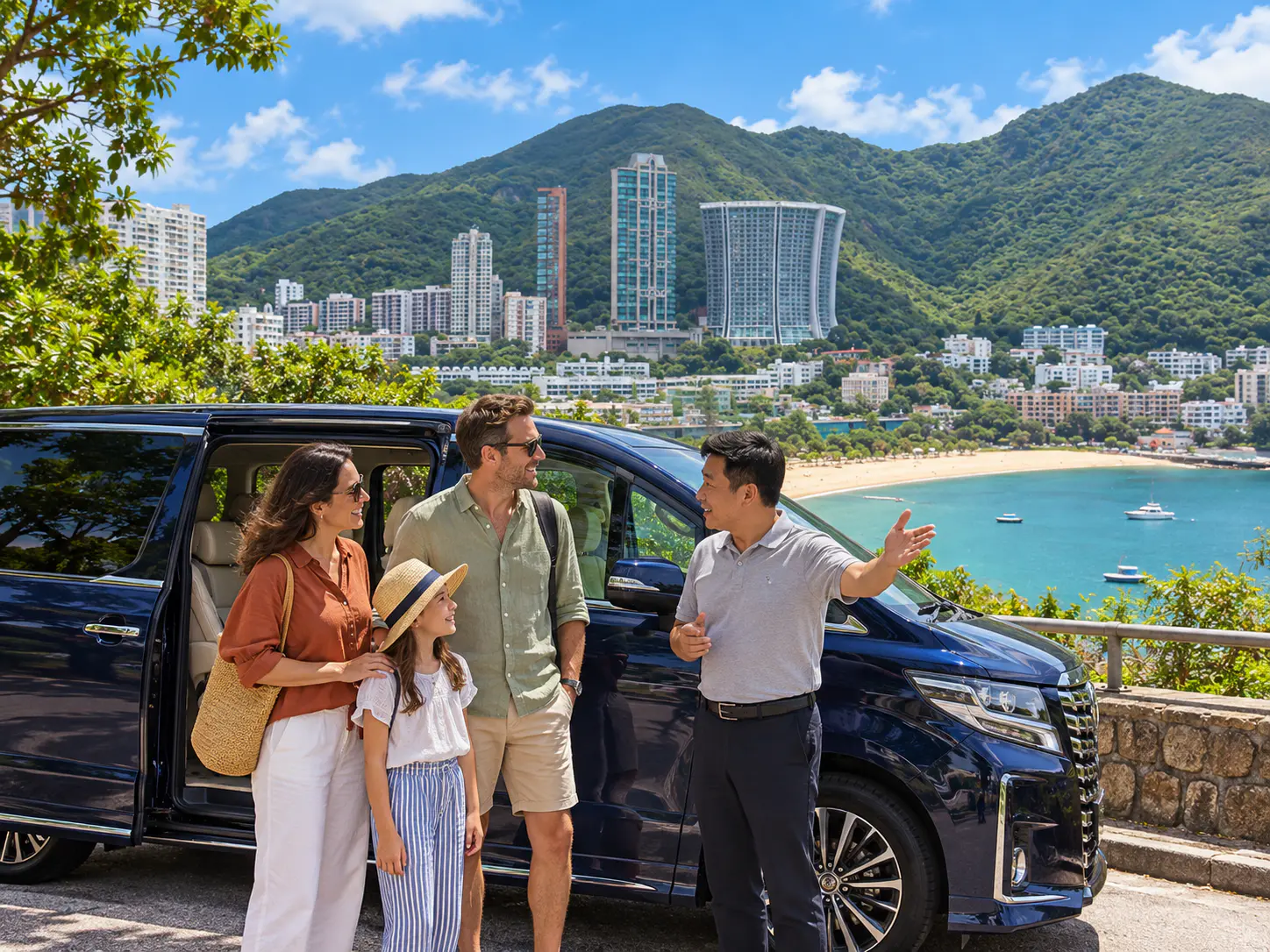
A car earns its place in three situations: airport luggage when the hotel connection is awkward, a south-side day that strings Aberdeen, Repulse Bay, and Stanley together, or a crossing with luggage. That is a different product from the city visit, arranged as a Hong Kong private driver when you want the vehicle and the waiting time agreed in advance. It is a poor tool for hopping between Central, SoHo, and Tsim Sha Tsui, where the car will spend the hour in traffic while you would have been on a train. Some roads on south Lantau are restricted. Do not assume a city car can drive you to the Buddha or to Tai O. The cable car and the bus are the normal way up that mountain.
The harbour, the neighbourhoods, and the islands
Keep the harbour day intact. Victoria Peak is a short ride and a long queue, and the view can vanish in humidity or rain, so it wants a clear window rather than a random midday slot. The Star Ferry between Tsim Sha Tsui and Central is a short ride worth doing once. The promenade on the Kowloon side is where the skyline makes sense, in the afternoon and again around dusk. Symphony of Lights, about 8pm, is a free show you can watch from that promenade if you are already there. It is optional. It is not a reason to aim the whole day at 8pm. The harbour page is the place for the order of those hours and for what to do when the Peak is a cloud.
Spend the neighbourhood day in one place until you are actually done. Central, SoHo, and Sheung Wan connect on foot and by the Mid-Levels Escalator: temples, Tai Kwun, galleries, and a long lunch. Tsim Sha Tsui is the hotel side of the view, the Clock Tower, and the museums if you want them, not a list you owe the trip. Mong Kok is Ladies’ Market, the flower market, and the sneaker streets, best in the daytime. Stanley is not a Kowloon errand. It is a south-side half day. The neighborhoods page tells you how to walk these without turning the day into a chain of station exits.
Lantau is the full-day outing: cable car, Tian Tan Buddha, Po Lin Monastery, and the stilt village at Tai O. Do not pin it to the end of a Peak morning. Lamma and Cheung Chau are relaxed ferry days with no cars and no Buddha. They are not a combo with Ngong Ping. The Lantau and the islands page keeps those days apart so the timetable does too.
How to choose
| Choice | Fit | Skip when |
|---|---|---|
| Harbour and City | 3 days | The harbour, one neighbourhood day, and a south-side or market afternoon. |
| Classic Hong Kong | 4 days | Add a full Lantau day or a slower south-island day. |
| Hong Kong and Macau | 5 days | Four Hong Kong days plus one full Macau day with a ferry buffer. |
How many days to allow
Count full days on the ground, not nights in a bed. A late landing gives you the promenade, not a Lantau day. An early flight out gives you the airport train, not a last run up the Peak.
Two full days are a harbour sampler. Do the ferry, the promenade, the Peak if the air is clear, and one walk in Central and Sheung Wan or along the Kowloon waterfront. Leave the Buddha, Stanley, and Macau off the promise you make to yourself.
Three full days are the first complete shape: a harbour day, a neighbourhood day, and either Lantau or the south side. Pick one outing. Doing both means both are rushed, and the rushed version of Tai O is a bus ride you will not remember kindly.
Four days let you add the outing you did not choose, or a hike such as Dragon’s Back, or a slower second neighbourhood. Mong Kok on a fourth day is a pleasure. Mong Kok bolted onto a Sheung Wan morning is a blur. Five days are how Macau fits, as its own day, or how a hike and the second outing both fit if you are not crossing to Macau. The itinerary page writes those shapes as days. If you want them arranged rather than self-built, the tour shapes page matches them to Harbour and City, Classic Hong Kong, and Hong Kong and Macau on Hong Kong tours.
Entry, currency, and a border on the same trip
Hong Kong is its own immigration territory. It is not mainland China, and it is not Macau. You pass through Hong Kong immigration at HKIA even if the rest of your month is on the mainland. You pass through it again, in the other direction, when you leave. Entry rules differ by passport. Check the official Hong Kong requirements for the passport you hold before you fly. Do not rely on a friend’s experience, a blog’s day count, or the fact that you have entered somewhere else in the region without trouble.
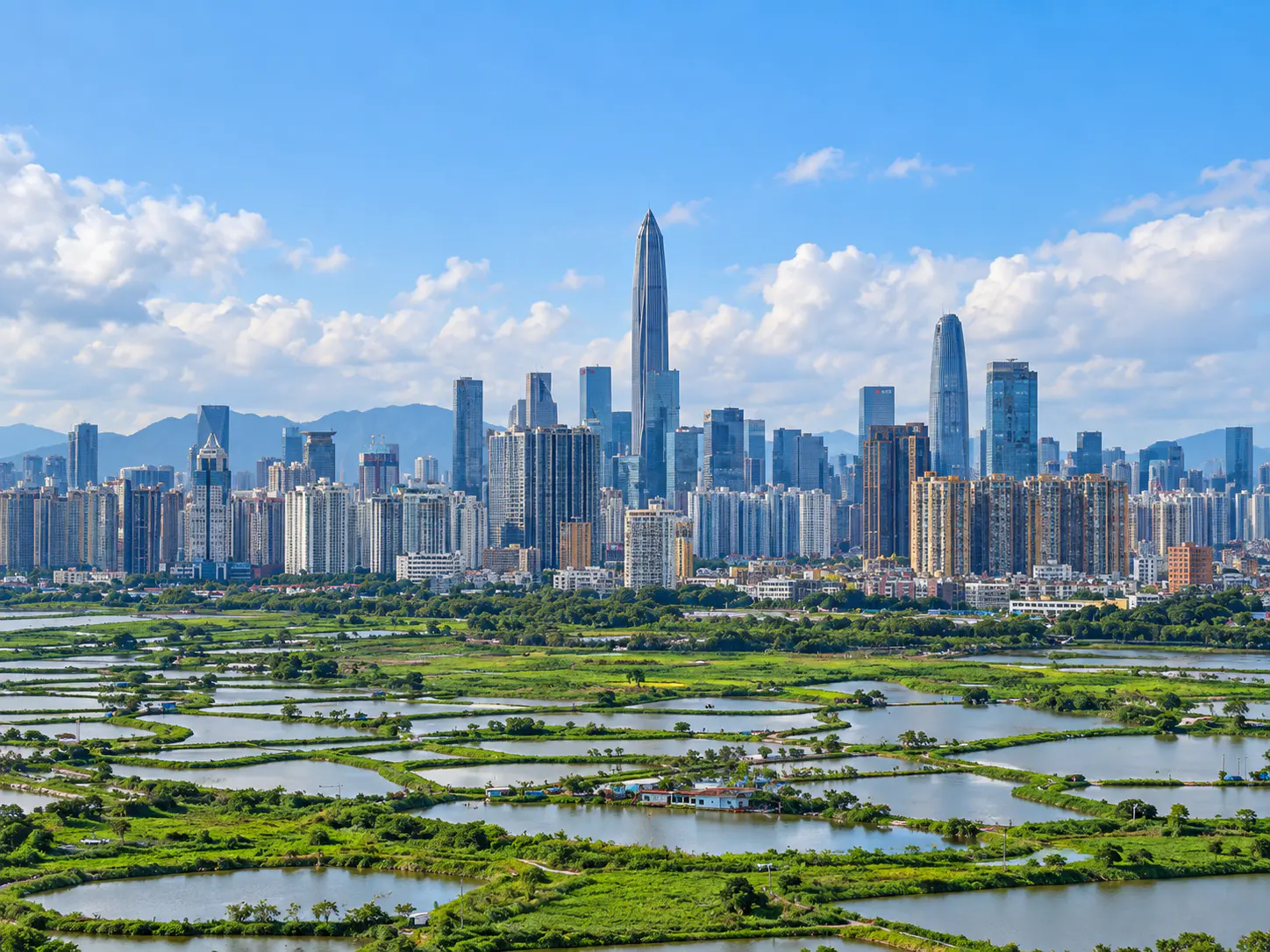
If the same trip also enters mainland China, check the mainland rules as a separate question. A high-speed train from West Kowloon, or an East Rail ride to Lo Wu or Lok Ma Chau, delivers you to a real border, not to the next MTR stop. Shenzhen is a different city with its own arrival formalities. Use the Shenzhen guide when that city is actually on the plan, and leave enough of the day for both halls and the onward connection. The same warning applies to Macau. The ferry takes about an hour from the Hong Kong, Kowloon, or airport ferry terminals, depending on the operator and the pier, and the Hong Kong–Zhuhai–Macau Bridge bus is the other usual way. Either one includes leaving Hong Kong and entering Macau. Read the Macau guide as a separate visit. A stamp, a permit, or a visa that satisfies one of these three places does not satisfy the others.
The currency is the Hong Kong dollar. Cards are widely accepted in hotels, malls, and larger restaurants. Octopus and cash still matter for the ferry, the tram, market stalls, and plenty of everyday meals. Check your card and your bank’s foreign-use rules before you fly. Rates move, so use what your card and the hotel offer when you arrive rather than a number remembered from an earlier trip.
Food, weather, and the days you can skip
Eat dim sum at least once, earlier in the day. At the weekend, arrive when the room opens or book. Walk in at noon on a Sunday and you will spend the mealtime standing in a mall. There is no official best restaurant, and you do not need one. A busy room that is already full of local tables will feed you better than a famous name you crossed the harbour to reach. Roast meat, milk tea in a cha chaan teng, and a bowl of noodles are the rest of an ordinary Hong Kong diet. Use them. They are the city, not a gap between attractions.
October through December is the easiest weather: clearer air, kinder humidity, better odds on the Peak, and the comfortable window for a hike. Spring is humid, and the skyline often sits in haze. May through September is hot. Typhoons are a real risk in those warm months. Keep one flex day rather than a schedule that collapses if the ferries stop. The best time page is the longer version, including holidays that fill the promenade and the cable car.
Skip, on a first short trip, any plan that treats districts as stamps. You do not need Causeway Bay and Wan Chai and Sham Shui Po and Kennedy Town on top of Sheung Wan. Skip a private car for a day that is only Central and Tsim Sha Tsui. Skip Disneyland unless someone in the group will be disappointed without it. Skip Macau as an evening add-on after the Peak. Skip the Peak on a morning when you cannot see the far shore from the promenade. Those cuts are what leave room for the day to feel like Hong Kong rather than a checklist.
A simple way to order the visit
If you land in the afternoon or evening, go to the Tsim Sha Tsui promenade or the Central waterfront and look at the skyline. Eat nearby. Sleep. The next clear morning is the Peak, early, before the Garden Road queue becomes the whole activity. Pair it with the Star Ferry and leave Symphony of Lights as something you catch if dinner happens to finish near the promenade around 8pm.
Give the following day to one walk. Sheung Wan through Tai Kwun and SoHo is the best default if you like streets, shops, and a temple. Swap in Mong Kok if markets are the point. Do not do both and also call it a relaxed day. Keep dim sum on this day or on the harbour morning, and protect it from a late start.
Put Lantau or Stanley on its own date, starting in the morning. Lantau in particular consumes the daylight you think you will have left after the Peak. If a typhoon signal is rising in the warm months, this is the day you give up first. Museums, a neighbourhood walk, and a long lunch still work in heavy rain. A cable car and an exposed ridge do not.
If Macau is included, give it a full day of its own and keep the Hong Kong days intact around it. If a hike is included, give Dragon’s Back a morning in the clearer months and do not stack it on Tai O. The order is flexible. The rule is that each of these is a day, or a protected half day, and not a garnish.
Where to read next
If you are still choosing dates, go to the best time page before you hold flights in the wet months without a spare day. If the dates are set, the itinerary page will tell you which outing fits and which one to drop. Use the harbour and neighborhoods pages to script the city days hour by hour. Use Lantau and the islands before you promise anyone the Buddha and a beach island on the same date.
Travelers who want the days arranged, with the pacing already decided, should read the tour shapes and then the matching visits on Hong Kong tours. A trip that continues to Macau should split off to the Macau guide. A trip that continues to the mainland through Shenzhen should split off to the Shenzhen guide. Both are worth reading before you buy the onward ticket, because both are borders, and both can take the best hours of a day you thought you still had in Hong Kong.
Ways to plan the days
These shapes match the Hong Kong tours page. They are starting points, not fixed departures.
Harbour and City
Time fit: 3 days
The harbour, one neighbourhood day, and a south-side or market afternoon.
- Hong Kong
- Harbour and City
Why choose it: The harbour, one neighbourhood day, and a south-side or market afternoon.
Classic Hong Kong
Time fit: 4 days
Add a full Lantau day or a slower south-island day.
- Hong Kong
- Classic Hong Kong
Why choose it: Add a full Lantau day or a slower south-island day.
Hong Kong and Macau
Time fit: 5 days
Four Hong Kong days plus one full Macau day with a ferry buffer.
- Hong Kong
- Hong Kong and Macau
Why choose it: Four Hong Kong days plus one full Macau day with a ferry buffer.
Want help shaping the Hong Kong days?
Tell us how many full days you have and whether Macau is included. We reply with a private plan for the days a car or a guide actually helps.
Keep planning
Time the Peak Tram, ride the Star Ferry once, and treat the night view as weather-dependent.
Central, Sheung Wan, Tsim Sha Tsui, and Mong Kok are different walks. Collecting every district in a day does not work.
October to December is the easy window. Summer is hot, and typhoon season means keeping a flex day.
Three days for the harbour and one neighbourhood, four with Lantau, five if Macau gets its own day.
Ngong Ping and Tai O are one full day. Lamma or Cheung Chau is a different, quieter day.
Compare a 3-day harbour stay, a 4-day classic, and a 5-day trip that gives Macau its own day.
Questions people ask
- No. Hong Kong controls its own border, separate from mainland China and separate from Macau. Whatever permission you hold for the mainland is a mainland document. Hong Kong will look at your passport under Hong Kong’s own rules, and those rules differ by nationality. Check them on an official Hong Kong source before you fly. If this trip also enters Shenzhen or any other mainland city, check the mainland rules as a second task, not as a detail you assume is already solved. The same split applies if you add Macau. A successful Hong Kong arrival does not clear you into either of the other two. Build extra time for each hall, especially with luggage, and keep the crossing on a day that can absorb a queue.
- For most hotels in Central or near Kowloon station, yes. The Airport Express reaches Hong Kong station in about 24 minutes, with space for suitcases, and that is the simple arrival. Kowloon station is the better alighting point when you are sleeping on the Kowloon side. The train time does not include immigration, baggage reclaim, or the indoor walk from Hong Kong station toward a Central hotel, which is real distance with bags. Use a taxi for the last hop if the hotel is uphill in SoHo or the Mid-Levels. Use a taxi for the whole ride when the group is large or the hotel sits far from both stations. Airport buses are the third option when a stop is close to the door and the bags are light.
- Plan on an Octopus card. It remains the simple way to pay for the MTR, the island trams, the Star Ferry, and a great many small shops and everyday restaurants. Contactless bank cards are accepted on parts of the MTR, but that is not the same as full coverage of every gate, every tram, every ferry, and every stall. Confirm what your particular card can do for the month you are travelling, because acceptance is still partial and can change. Carry some Hong Kong dollar cash as well. Market stalls, smaller cafes, and a share of taxis still prefer Octopus or notes. A card that worked at a mall in Central can fail you on a minibus or at a ferry turnstile.
- Not for a stay that is Central, Tsim Sha Tsui, Mong Kok, the Star Ferry, and the Peak. The MTR, trams, ferries, and short taxi hops cover that city without a driver waiting at the curb. A private car helps in three cases: an airport arrival or departure with awkward luggage, a south-side day linking Aberdeen, Repulse Bay, and Stanley, or a border crossing when you are carrying bags and would rather not drag them through several halls on foot. Book that as its own arrangement. Do not expect a city car to solve Lantau. Roads toward Tai O and parts of the south coast are restricted, and the practical route remains the Tung Chung line, the Ngong Ping cable car, and the bus.
- You can ride a ferry in about an hour each way, from the Hong Kong, Kowloon, or airport ferry terminals depending on the operator and the pier, or you can take the bridge bus. You still should not treat Macau as an evening errand. You leave Hong Kong immigration, enter Macau, and later do both in reverse. The hours that remain after those halls are not a fair look at Macau, and they steal the harbour evening you came to Hong Kong to see. Give Macau its own day, and read it as another city. If your only free time is an evening, stay on the Tsim Sha Tsui promenade. The skyline is the better use of those hours.
- Two full days are enough for a harbour sampler and one neighbourhood walk. You can do the Star Ferry, the Tsim Sha Tsui promenade, Victoria Peak if the weather cooperates, and either Sheung Wan and SoHo or a Kowloon market stroll. You cannot also do justice to Lantau, Stanley, a hike, and Macau. Three full days are the first length that holds the harbour, a neighbourhood, and one of the outings. If you only have two, protect the harbour day from extra stops and leave the Buddha for another visit. Arriving at dusk and flying out the next evening is closer to one day than two. Count the days you can walk, not the nights the hotel charges you for.
Plan a Hong Kong visit
Share your dates, whether you land at HKIA, and if Lantau or Macau is the extra day. We reply with a harbour-first plan.