Orders that work
| Detail | Plan |
|---|---|
| City day | Memorial morning, rest, Hetou after dark |
| Tombs day | Zunhua and back |
| Two days | One of each, with a night in Tangshan |
| Cut first | Kailuan, then Nanhu, then any coast idea |
| Chengde | Its own two-day tour, another direction |
| Baoding | The other tombs, another day |
Tangshan fits a Beijing week in one of two shapes, and the shapes do not merge. Either you take a day from Beijing for the Eastern Qing Tombs in Zunhua and you sleep back in the capital, or you stay one night in the city for the earthquake memorial, a Nanhu walk, and Hetou if you want lights. You do not do the tombs, the beach, and the memorial as one outing. That sentence is the whole itinerary. What follows is the clock for each shape, what a same-day memorial dash gives up, and the only honest reasons to stay a second night.

The photograph is Hetou Old Street, 河头老街, in Fengnan. It is a new Tang-style night district rebuilt around 2023 along a former coal canal: lanterns, boats, and whatever performance is posted that night. It is not a Tang-dynasty street that survived, and it is not the memorial. On the overnight shape it is the optional last block. On the tombs day it stays in the camera roll. Check the current site rules before you promise a show, because the title and the hours move.
Shape one: a tombs day from Beijing
Leave after breakfast from a Beijing hotel by car. The Eastern Qing Tombs day tour is this day if you want the order set for you. The destination is Zunhua, 遵化, inside Tangshan prefecture and not downtown. The first landmark is the stone memorial archway, then the Sacred Way. Walk the statues. Do not treat them as the driveway. Xiaoling, the Shunzhi complex, is the morning's main tomb. Eat a real meal. Dingdongling, where Cixi and Ci'an are buried, is the afternoon complex if the group still has legs. Then go back to Beijing with a buffer you would be willing to lose to traffic.
That is a full day. It does not have a spare hour for the Tangshan memorial, for Nanhu, or for a lantern street in Fengnan. It does not continue east to Beidaihe. If someone asks to "look at the city on the way home," the answer is no, unless looking means a highway rest stop. Downtown Tangshan is not on the walking edge of the cemetery, and adding it turns the return into a second itinerary. Other tomb complexes in the same cemetery, including Qianlong's, wait for a group that has already protected the approach and Dingdongling. Confirm which halls are open. Do not invent an underground visit from an old photo.
Say the return time before you leave the hotel. An evening show in Beijing, a late dinner with friends, or an early flight the next morning all need to be known at breakfast. The tombs page is the longer version of manners, east-versus-west, and why a train toward the city does not deliver you to the gate. There is no Tangshan city tour on this site that will carry you from the archway to the memorial and call it one product.
Shape two: one night for the city
Use this shape when the memorial is the reason, and the lake and the lanterns are welcome extras. Two versions work.
Arrive the evening before on a high-speed train. Many of those trains take on the order of an hour to a bit more from Beijing. Read the stop printed on the ticket. That name is the one that matches the plan. A different stop, even one that uses the city name in English, is a different ride. Sleep. If you are awake and you already know you want lights, Hetou can be the arrival evening. Do not put the memorial at dusk because the train got in late. The park is a daylight visit.
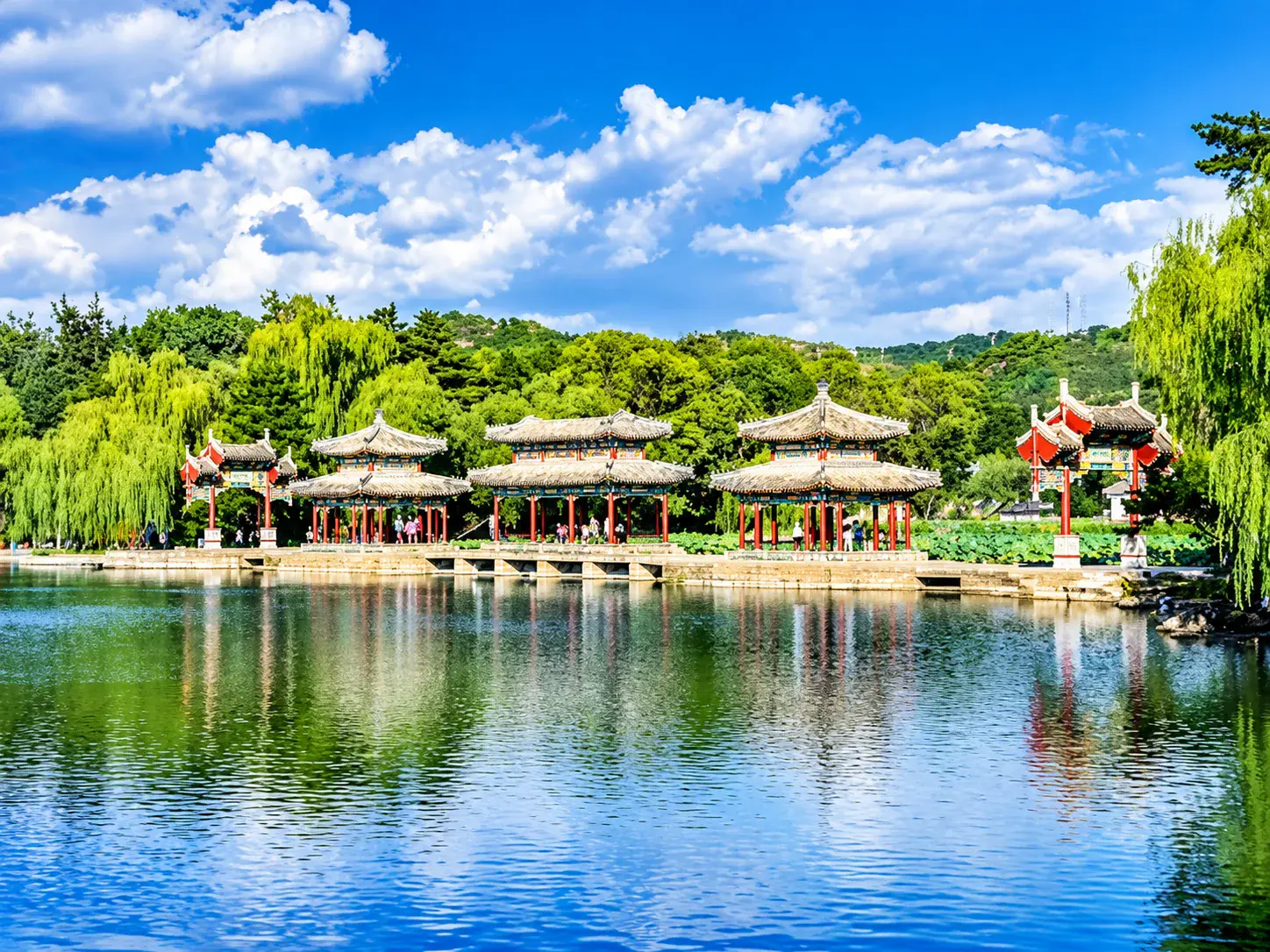
The next morning belongs to the earthquake memorial. Breakfast first, then the park when it opens. The wall of names, the square, and the preserved ruin of the old rolling-stock works need an unhurried stretch. Do not book lunch at a fixed early time across town. Eat when you come out. Spend the afternoon at Nanhu, 南湖, on a loop you can finish. The lake is reclaimed mine-subsidence land, a walk rather than a show. If a seasonal light display is advertised, confirm it that day and do not make it the reason you cut the memorial short.
Hetou, if it did not happen on arrival night, can happen after dark on this second evening only if people still want a loud walk. Ride to Fengnan. Stay while the boats and the lanes are interesting. Leave when they repeat. Then sleep, and leave Tangshan the following day. A morning train back to Beijing is kinder than a same-night departure after the lanterns, unless you have checked the last train and the ride from Fengnan to the station and both still look calm.
The other version starts with an early train, does the memorial as soon as you arrive, walks Nanhu in the afternoon, and uses Hetou as the only evening before a next-morning departure. That is the same one-night shape with less slack. It fails if the train is late, if the park is unusually crowded, or if anyone needed a quiet hour after the wall. Prefer the "arrive the night before" version when the group includes children, older walkers, or someone who finds a memorial hard.
Where to sleep, without naming a hotel
On the city night, sleep where the memorial is a short morning ride. Fengnan is the right area only if the lanterns are the thing you care about and you accept a longer ride to the park. A room chosen because the night photograph looked pretty puts Hetou first and the wall second. That is the inversion these days exist to avoid. You do not need a famous property. You need a bed that still works if the train is late, a child is tired, or you decide at 4 p.m. to skip the canal.
On the tombs day, sleep in Beijing before and after. A night booked in Tangshan "so the tombs are closer" usually is not closer. Zunhua lies west of the downtown rooms that appear when you search the city name. If a booking site offers a room somewhere in the prefecture, read the district. Downtown, Fengnan, and Zunhua are not the same pin, and the wrong one spends the morning you needed at the archway.
The plan to refuse
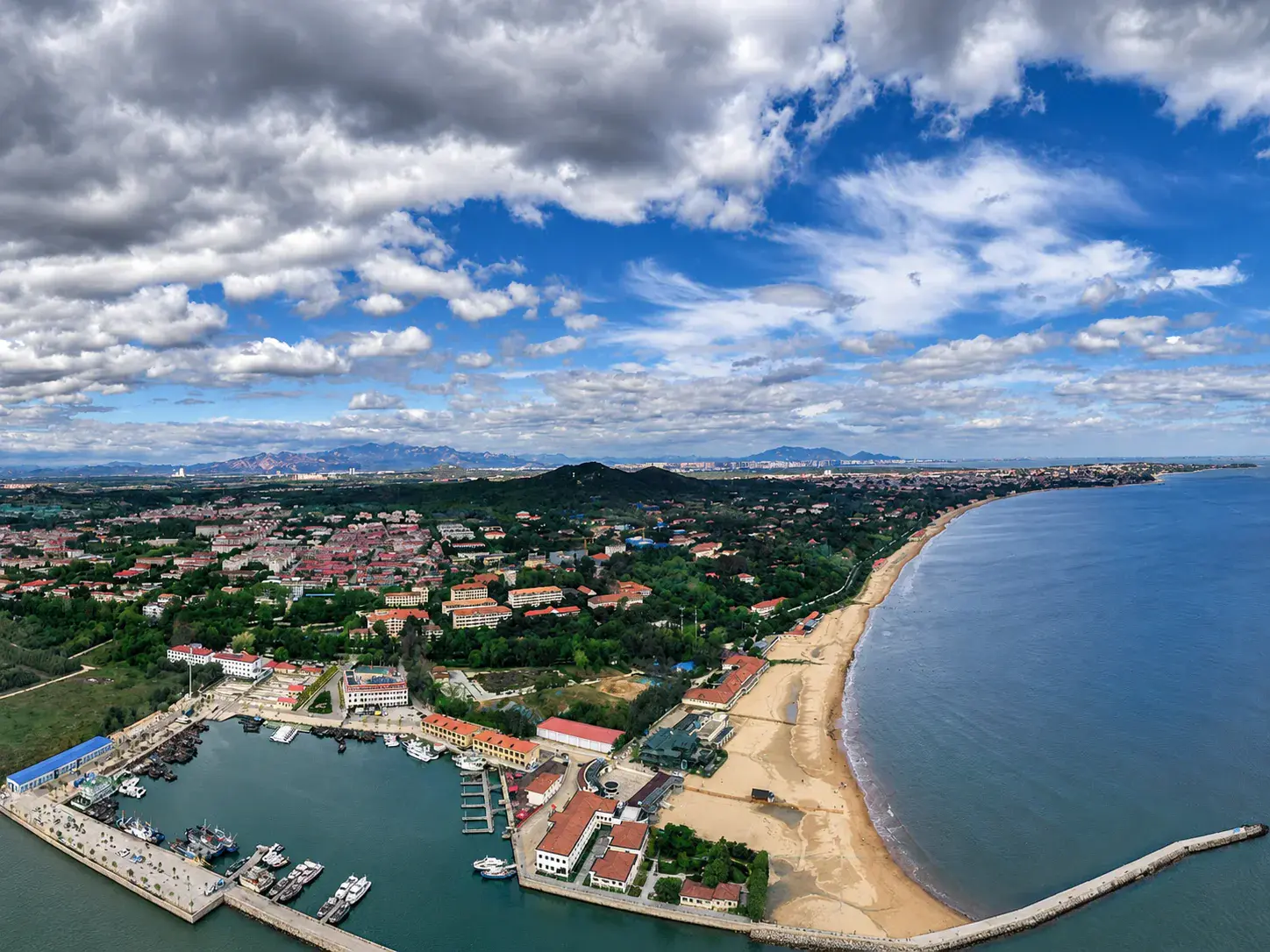
Do not do the tombs, the beach, and the memorial on the same day, and do not hide that trio inside a single overnight by calling each stop "quick." The geography is three different mornings.
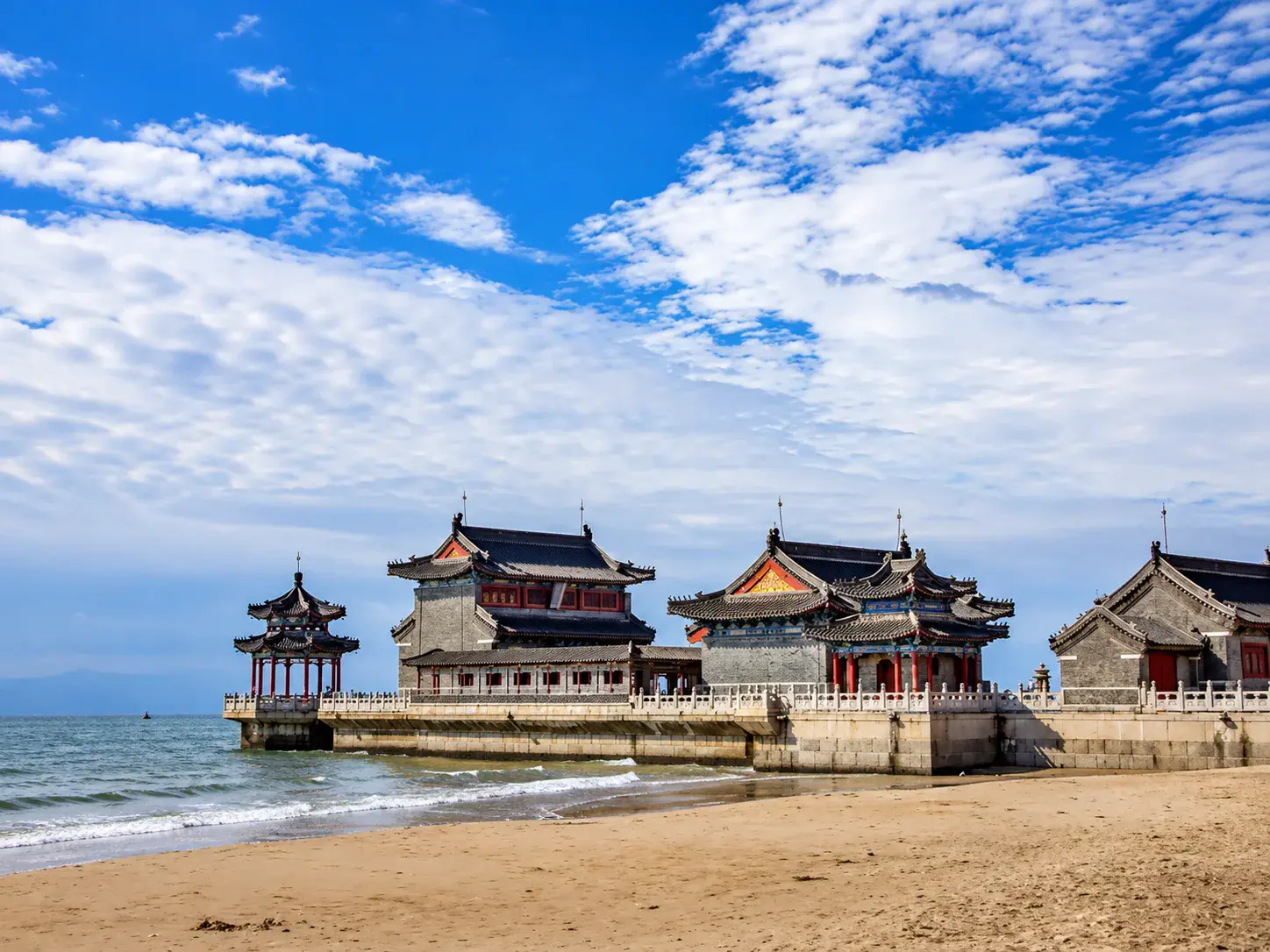
Zunhua wants the car from Beijing and the hours around the archway, Xiaoling, and Dingdongling. If you leave the cemetery at lunch to chase Tangshan, you have cut the tombs and you still arrive at the memorial tired, in the wrong half of the day. The memorial wants its own morning, with quiet and without a stage show booked behind it. If you leave the wall at 10:30 to make Beidaihe, you have turned a place of names into a photo stop. The coast wants still more time. Beidaihe and Shanhaiguan are further east, a Qinhuangdao trip, and a fair version of that trip is its own night so the sea-end of the Wall and a beach walk are not both leftovers. Stacking the three produces a dark highway and three half-visits. Pick one of the two shapes above. Take the coast on a different date, from Beijing, when the sea is actually the point.
The western Qing tombs fail the same test from the other side of the capital. They are in Yi County, toward Baoding, where Yongzheng, Jiaqing, Daoguang, and Guangxu are buried, not a stop after Zunhua. Cixi and Ci'an stay in the east. Chengde fails it to the northeast: resort and temples, not a coda to Dingdongling. The Chengde guide and the Chengde two-day tour by high-speed rail are that separate trip. The coast, if it is actually the point, is the Qinhuangdao two-day tour or the narrower Shanhaiguan Great Wall tour. Neither belongs on the back of a tombs morning. The Ming Tombs fail it on the Wall corridor. A week can hold more than one of these days. A date cannot.
What a same-day memorial return really is
You can go to the memorial and come back to Beijing without a hotel night. Take a morning train, give the park the middle of the day, eat, and take an afternoon or early-evening train home. Check the timetable in both directions on the day you book, and again the day you ride. This is a memorial day. Nanhu, if you touch it, is a short walk for air, not a tour of the shore. Hetou is off the list, because a lantern district after dark plus a return train is how people miss the last practical departure or arrive in Beijing too tired to have enjoyed either. Kailuan is off the list for the same reason. Say this plainly to anyone who thinks a day trip "covers Tangshan." It covers the park, if you protected the hours. The from Beijing page is how not to get off at the wrong stop and spend the memorial's morning in a car.
Two nights, and the only things they buy
A second night is worth it when you want a slow Nanhu morning that the one-night shape squeezed, or when Kailuan's mine park is a real interest and you have confirmed it is open. Ask, that day, whether any underground visit is operating. Do not bring a depth or a ticket from an article. If the underground portion is closed, use the half day at the lake and do not hunt a replacement factory.
A second night is not a slot for Zunhua in the morning and Qinhuangdao in the afternoon. The drive west to the tombs and the ride east to the coast are opposite uses of the same daylight, and each is already a day from Beijing without Tangshan in the middle. Two nights are also not a food tour. Eat ordinary meals near the hotel. A banquet with a fixed start time is how the memorial loses its last hour or Hetou becomes mandatory. The city is not a cuisine capital you are failing to sample.
Use the second morning for one thing. Lake paths, or Kailuan, or a quieter return to a hall at the memorial if the first visit was shortened by a closure and the site is open again. Then leave. Lingering in downtown to "find the old city" is a poor use of the extra night. The old city was destroyed in 1976. The rebuilt streets are a place to live, not a historic center you walk for lanes.
Rain, fatigue, and a split group
Rain: keep the memorial if it is open, shorten the outdoor standing, and let Nanhu be a shorter loop or a skip. Hetou in the rain is only for people who already wanted lanterns and do not mind wet pavement. Tombs in the rain are still the archway and the Sacred Way, walked more slowly, with halls only where the doors are open. Ice is the winter version of the same advice. Do not add stops to compensate for weather. Compensate by cutting.
Fatigue after the wall is normal. The itinerary's answer is Nanhu or the hotel, not a louder evening to "shake it off." If the group is done, the day is done. Hetou can be dropped at 4 p.m. without anyone having failed the trip.
A split group is often the cleanest version of the one-night stay. One pair goes to the memorial and wants quiet afterward. Another pair was always there for the boats. They can meet at dinner or not. They should not force a shared Hetou hour that makes the first pair feel ungrateful and the second pair feel rushed. On a tombs day, splitting is less useful. The car is the shared tool, and the Sacred Way is the shared walk. Someone who cannot walk the approach should say so before you leave Beijing, so the day can be shortened honestly rather than abandoned at the archway.
What to cut first
On the city overnight, cut in this order: the promise of a specific Hetou show, then Hetou itself, then any Kailuan hope you did not confirm, then the longer Nanhu loop. Do not cut the memorial down to a gate photo if the memorial is why you came. On the tombs day, cut extra tomb complexes first, then any fantasy of a city stop. Do not cut the Sacred Way to make room for Dingdongling in a sprint, and do not cut Dingdongling if Cixi or Ci'an is the reason you came, unless the hall is actually closed. On either shape, cut the beach before you cut the thing you named at breakfast.
Three generations, and a late start
Grandparents, parents, and children can share the city night if the memorial has been explained ahead of time and anyone who needs a shorter walk is allowed to take one. They should not be marched from the tombs to the wall to the lanterns. The Sacred Way is long stone. The memorial is heavy. Hetou is crowded and late. For a mixed-age city night, keep the memorial and Nanhu, and leave Zunhua for a date when the people walking actually want that walk. A child who stood at the wall in the morning should not be kept out for a show they never asked to see.
If the train into the city is late, drop Hetou and protect the memorial the next morning. If the car is late leaving Beijing for Zunhua, drop extra tomb complexes and keep the archway, Xiaoling, and as much of Dingdongling as daylight still allows. Lateness is not repaired by driving faster between three places. It is repaired by deleting stops. The Tangshan guide sorts the reasons to come. The work here is only to put those reasons into days. Check the rail timetable before you leave the hotel, and check the cemetery rules before you promise anyone a particular hall.
The Hebei guide and the Beijing guide are where the rest of the week lives. Tangshan enters that week as a tombs day or as a city night. Write down which one, the station on the ticket if you are using rail, and the time you must be back. Those three lines are the itinerary a driver can follow. Everything else on a souvenir map of Hebei can wait for another date.
Ways to plan the days
The tombs tour and the coast tours are different products. This order says so.
City only
Time fit: 1–2 days
Memorial and an optional Hetou night.
- City only
Why choose it: Memorial and an optional Hetou night.
Tombs only
Time fit: 1 day
Eastern Qing Tombs day.
- Tombs only
Why choose it: Eastern Qing Tombs day.
City plus tombs
Time fit: 2 days
A night between them.
- City plus tombs
Why choose it: A night between them.
Want one Tangshan theme per date?
Send the nights. We will drop the coast and the second cemetery.
Keep planning
A memorial, a rebuilt lantern street, and the Eastern Qing Tombs out in Zunhua.
A sober visit. Not a spectacle, and not the lantern street.
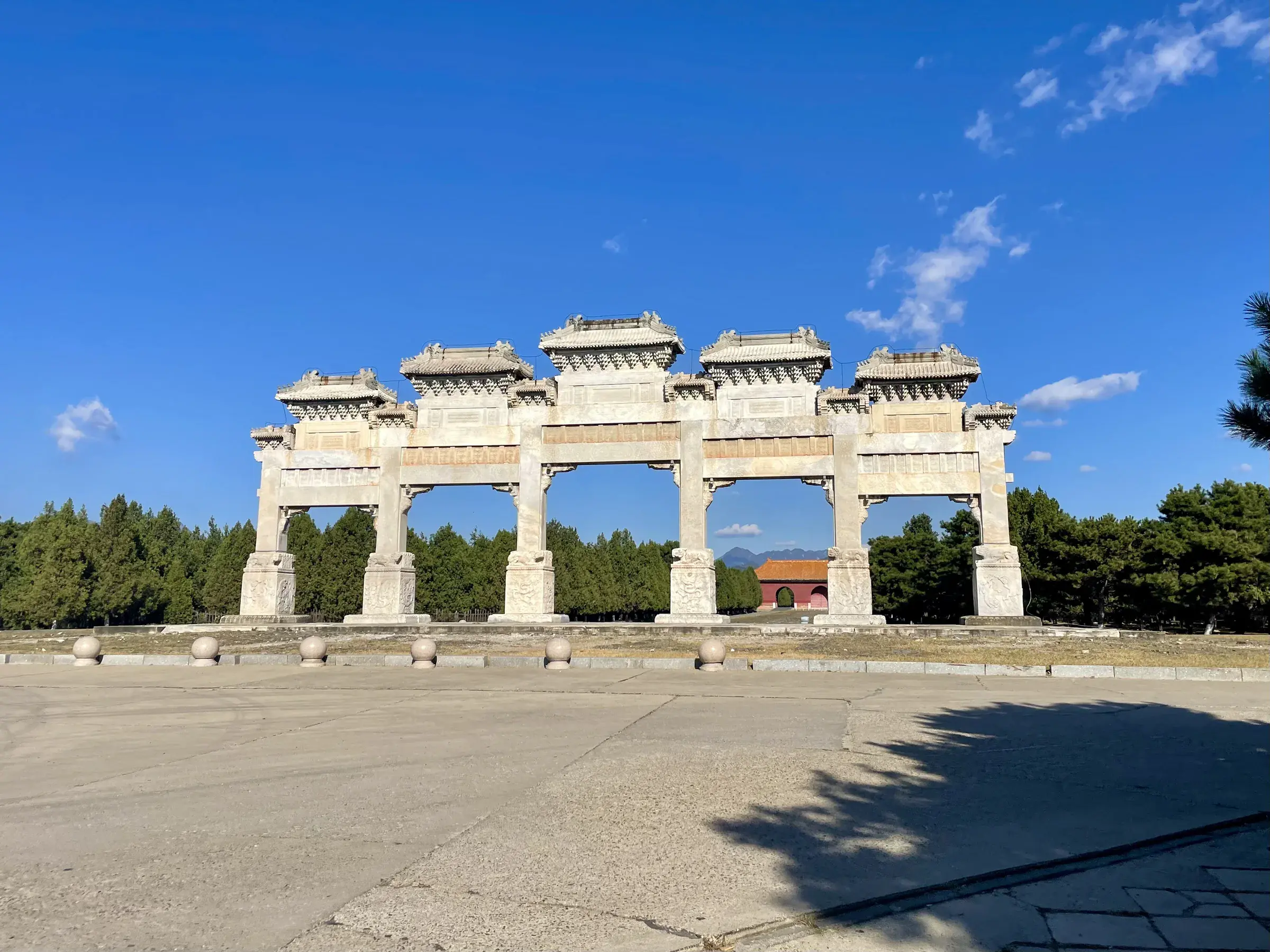
Zunhua. Cixi and Ci'an are here. The Western Tombs are not.
Often around an hour or a bit more. Read the station on the ticket.
Itinerary questions
- Either the memorial or the tombs. A lantern photo alone is a thin reason for the train.
- Only by switching trips. Use the Qinhuangdao guide.
- On a Chengde two-day tour. Not as a Tangshan evening.
- As a walk if you are already in the city, not as a third anchor.
- Drop it. The memorial and Hetou do not depend on it.
- Yes, if the tombs get a full daylight date and the city gets the other.
Split Tangshan into a city day and a tombs day
Hetou is the evening of a city stay. Zunhua takes daylight from the start.