Hebei at a glance
| Detail | Plan |
|---|---|
| What this is | A province of separate overnights, not one sightseeing day |
| North of Beijing | Chengde for palaces, Zhangjiakou for ski |
| The coast | Qinhuangdao: Beidaihe and Shanhaiguan |
| Down the rail line | Baoding, Shijiazhuang, Xingtai, Handan |
| East of Beijing | Tangshan, including the Eastern Qing Tombs in Zunhua |
| Leave unlinked | Cangzhou, until it has a guide and a photograph |
Hebei is the province wrapped around Beijing and Tianjin, and that sentence is the one to get right before you book anything. Beijing and Tianjin are municipalities. They are not Hebei cities. A week in either of them is not a Hebei trip you forgot to label. The province around them runs from the Bohai shore to the Taihang foothills and from the mountains north of the capital down the plain toward Henan. It is too large to treat as one base. You pick an anchor, you sleep near that anchor, and you leave the other anchors for another ticket.
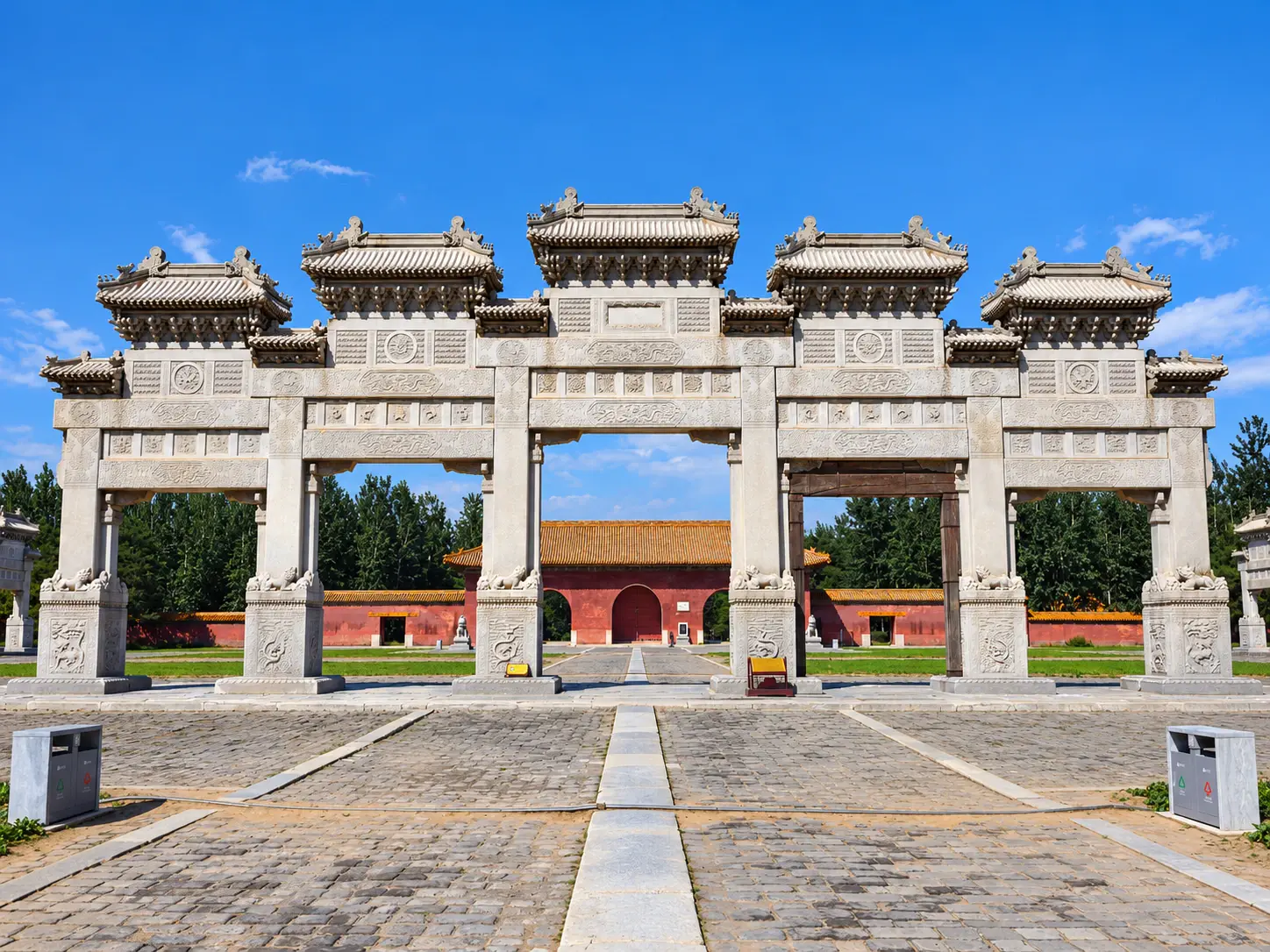
The photograph is a stone memorial archway at the Western Qing Tombs in Yi County, on the Baoding side of the province. It is one cemetery, not an emblem for every outing in Hebei. Empress Dowager Cixi and Empress Dowager Ci'an are not buried behind this arch. They lie at the Eastern Qing Tombs in Zunhua, inside Tangshan prefecture, on the other side of Beijing. The western complex is where Yongzheng, Jiaqing, Daoguang, and Guangxu were buried. Qianlong is with the eastern group, not this one. If a plan says "the Qing tombs" and does not say east or west, it has not chosen a day.
How you pick
Name the thing you came for, in one sentence, before you name a city. The eight guides below are the anchors that sentence can honestly support: a summer palace, a ski valley, a northern shore, a Song bronze, an earthquake memorial, a governor's yamen, a Zhao capital, or one southern temple or gorge. If the sentence needs two of those, you are planning two trips.
Those eight places have their own guides. This page is the choice among them. Where you sleep is the suitcase question. The itinerary page keeps a two-day add-on to one anchor, and a full week to two Hebei places. When to go is the calendar, which is not the same month for a beach, a wall, and a ski hill. From Beijing is which railway you board. Read those four before you try to be clever with a map.
You cannot draw one loop that covers the Bohai coast, Chengde, and the southern cities and then call it a week. The coast lies east. Chengde lies north. Shijiazhuang, Xingtai, and Handan lie south on the Beijing–Guangzhou line. The fast trains do not bend into a triangle among those wishes. A car does not rescue the triangle. It spends the daylight on highways and delivers you to each gate in the worst hour.
Chengde, when the garden is the point
Chengde was the Qing court's summer seat. The Mountain Resort is an imperial garden and palace complex, large enough that a sprint to one pavilion wastes it. A ring of outer temples was built for Mongol, Tibetan, and other guests of the empire. Puning Temple, and Putuo Zongcheng, the complex people call Little Potala, are the temples that usually justify a second morning. High-speed rail from Beijing is short enough that a same-day return tempts almost everyone. The size of the garden is why that temptation is often wrong. An overnight lets the second morning be a temple morning instead of a compressed copy of the first day.
The Chengde two-day tour by high-speed rail is that overnight shape with the order already set. A single clean rail day can still be right when you already know you want only the Resort and one temple. Do not add Qinhuangdao to that date. The coast is another direction. Do not add the western cemetery either. Yi County sits west of Beijing. Chengde sits north.
Zhangjiakou, when the week is snow
Zhangjiakou is the city on the northwest rail. The skiing is at Chongli, in the mountains beyond downtown, on ground used for the Beijing 2022 winter events. If the lifts are why you came, you sleep in Chongli. A night in the city is a buffer when a train time forces it, not the ski trip itself. The ski tours are how a base gets matched to the number of ski days you can actually use.
Chongli is not an Inner Mongolia grassland. Open steppe, summer pastures, and the riding trips sold under that name are a different landscape and a different road. The ski hills will not turn into that landscape because a map of the north looked empty. Datong and Pingyao are not this week either. Both are in Shanxi, farther west, with their own caves and merchant courtyards. A Hebei ticket does not pass through them on the way to a lift, and a lift day does not become a Shanxi day because you have a free morning.
Qinhuangdao, when you want the sea and the Wall's end
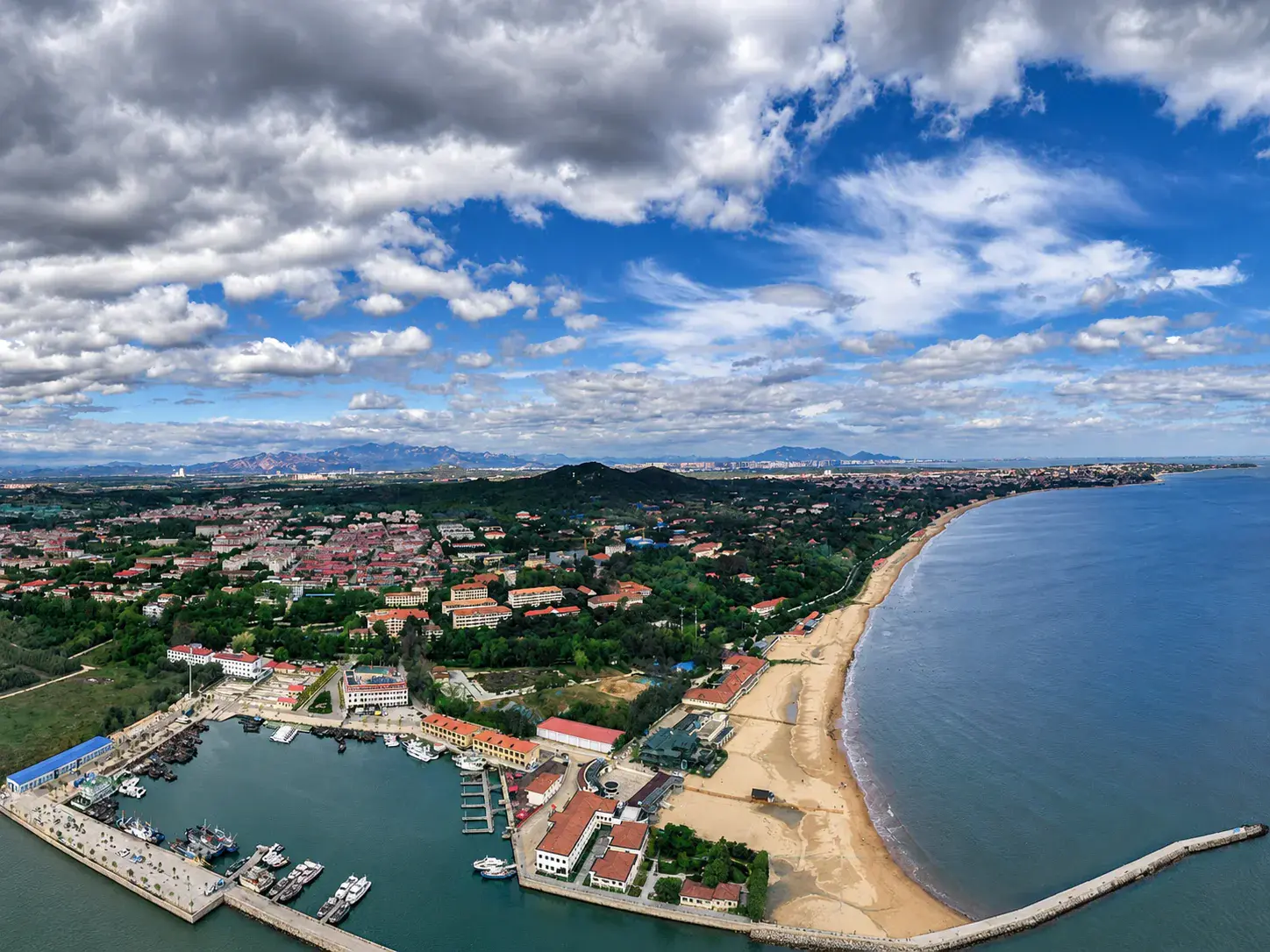
Qinhuangdao is the coast people mean, and the working port is not the holiday. Beidaihe is the old seaside resort. Shanhaiguan is the walled pass where the Ming Great Wall meets the Bohai at Old Dragon's Head. Many direct high-speed trains from Beijing take about two hours, sometimes a little less, sometimes more when the train stops often. That sounds like a day trip. It is a poor day trip if you want both the pass and the beach. A night on the coast is the length that lets them be separate appointments.
The water is a northern gulf, not a tropical beach. July and August crowd the shore. October is jacket weather and a better Wall month, with swimming mostly finished. The Qinhuangdao two-day tour keeps the pass and a Beidaihe evening. The Shanhaiguan Great Wall tour is the narrower day: the sea-end of the Wall, then Beijing, and no beach night. Do not send either trip on to Chengde after the pier.
Shijiazhuang, when the bronze is the point
Shijiazhuang is the provincial capital, a rail city grown up around a junction. The old reason to stop is Zhengding, on the north side, where Longxing Temple holds a giant Song-dynasty bronze Guanyin. Many of the fastest trains from Beijing West take a little over an hour. That figure ends at the station, not at the halls. A same-day return can work when the bronze is the whole wish and the morning train is early.
Zhaozhou Bridge, the Sui stone arch in Zhao County, and Cangyan Mountain, the gorge hall in Jingxing, are separate car days and they do not sit in the same direction. Do Zhengding, then choose one county. Promise both counties only when an overnight makes the second morning possible. That is the job of the Shijiazhuang two-day tour. The Zhengding day tour is the bronze and the return, without a mountain quietly added. A private driver in Shijiazhuang earns the day when you are already in the city and the road you care about is a county road. None of those trips continues to Handan, to Yi County, or to the beach.
Tangshan, when the memorial or the eastern tombs are the point
Tangshan was destroyed by the earthquake of 28 July 1976 and rebuilt as a working city of wide roads, steel, and coal history. There is no hidden lane of old Tangshan that you failed to find. The place to stand with the history is the memorial park, on a morning you have not filled with other tasks. Hetou Old Street, in Fengnan, is the night photograph: boats and red lanterns on water that used to be a coal canal. The pavilions are a new Tang-style scene, opened to visitors around 2023. They are not a street that has stood since the Tang dynasty. The city's name is doing decorative work. Give the memorial the daylight. Give Hetou the evening only if a bright walk still feels welcome. Skipping the lanterns after a serious morning is a good decision, not a missed sight.
The Eastern Qing Tombs stand in Zunhua. The county is administratively Tangshan, and it is still not a short ride from the memorial. Cixi and Ci'an are buried there, and so is Qianlong. The useful shape is a car day from Beijing and back, which is what the Eastern Qing Tombs day tour is. Sleeping downtown does not move you closer in a helpful way. Zunhua lies back toward the capital. Beidaihe is a different trip again. Memorial, tombs, and beach are three dates.
Baoding, when the yamen or the western tombs are the point
Baoding keeps the yamen of the Zhili governor-general, the office that administered this region through much of the Qing. The building is an old-city morning, a courtyard sequence rather than a viewpoint you collect from the street. The Western Qing Tombs, the archway above, are in Yi County. They are a car day from that yamen and a dedicated day from Beijing, longer and quieter than the eastern cemetery. The Western Qing Tombs day tour goes out to Yi County and back. It does not pretend the cemetery is a brief stop after the yamen, and it does not cross the capital afterward to see Cixi.
Baoding is the first large Hebei city many southbound trains reach. Sleep there when the yamen and the western cemetery are both yours, on separate dates. If the tombs are the only wish, stay in Beijing and give the day to the car. A night in a city that still needs its own morning transfer does not shorten the avenue.
Handan and Xingtai, farther south
Handan was a capital of Zhao in the Warring States. The city teaches that history through a set of idioms and through Wuling Congtai, the terrace in Congtai Park. The brick you climb is a later rebuild, Qing and after, on a famous site. It is not an intact hall from King Wuling's reign. The outing that deserves a night is Xiangtangshan, Northern Qi cave temples in the Fengfeng mining district, important, damaged, and a car day through industrial country, or the walled town of Guangfu out in the Yongnian wetland. Fast trains use Handan East on the Beijing–Guangzhou line. Many from Beijing take a bit under two hours to around two hours. A terrace-only stop is thin unless Zhao history is the actual assignment. The caves are not a coda you attach after Shijiazhuang because the line continues.
Xingtai sits on the plain between the provincial capital and Handan. Most high-speed trains that call at Xingtai East should keep going. Stay when Bianque Temple, in Neiqiu County, or Tianhe Mountain is a reason you can say aloud. The temple honors the legendary physician Bian Que and is a later complex, not a dig. Tianhe is a full day of stairs and a gorge, with the Cowherd and Weaver Girl story told along the path. The myth is national. This hillside is not its only address. Xingtai is a poor first-week base beside Beijing. Come when the temple or the mountain is the point.
The prefecture these pages leave alone
Cangzhou is a plain prefecture between Tianjin and the south, toward Shandong, off the Beijing–Guangzhou line that serves Baoding, Shijiazhuang, Xingtai, and Handan. These pages do not route it. There is no Cangzhou guide to open and no photograph to plan from. If a train south of Tianjin stops there, ride through, or plan a trip that is actually about that prefecture. A platform is not a sight.
Datong and Pingyao are in Shanxi, not down this line. Tianjin can be its own day from Beijing. It is not the door into Chengde, the coast, or the southern plain.
Which Hebei base
| Choice | Use it when |
|---|---|
| Chengde | You want the Mountain Resort and can give it a night |
| Qinhuangdao | You want the sea and the Wall, and not on the same date as Chengde |
| Zhangjiakou | The week is about snow at Chongli |
| Shijiazhuang | You want Zhengding, then a bridge or a mountain the next day |
| Baoding or Tangshan | You want a yamen walk or the 1976 memorial, plus the matching Qing tombs |
| Handan or Xingtai | You already have Beijing handled and want one southern anchor |
What to refuse before you book
Refuse any week that stacks the coast, Chengde, and a southern city and calls the stacking efficient. You would spend the useful hours in stations. Refuse a tomb day that does not name the cemetery. East is Zunhua: Cixi, Ci'an, and Qianlong. West is Yi County: Yongzheng, Jiaqing, Daoguang, and Guangxu. The two sit on opposite sides of Beijing. A driver who offers both after lunch is inventing a road. Refuse Chengde and Shanhaiguan on the same date. One is a garden to the north. The other is a pass on the gulf, about two hours east by fast train before you have even walked the pier.
Refuse Chongli as a summer substitute for Beidaihe. The hills and the shore share a province and almost no season. Winter is the ski reason. July is the beach reason. They are two trips, written on two calendars. Refuse Xingtai, and usually Handan, as the bed for a first week whose real content is the Forbidden City, a Wall section near Beijing, and one museum day. Those days want Beijing. Southern Hebei wants a sentence you can say without opening a map of the whole province. Where you sleep is the longer comparison, for the moment when two cities both sound plausible and the suitcase can be in only one of them.
The Ming Tombs are a different dynasty and a different northern road out of Beijing. They are not the Qing cemeteries in this photograph and not the halls at Zunhua. A Wall day near the capital does not become a Hebei tomb day because both involve stone and an avenue. Keep the names apart when you talk to a driver.
A first week that still leaves Beijing intact
Keep Beijing as the week. Add one Hebei anchor, not a survey. If the group wants Qing gardens, take the Chengde overnight and come back. If someone wants the sea or the Wall's eastern end, take the coast night, or the Shanhaiguan day if the beach is not part of the wish. If the wish is a cemetery, choose east or west, give it the car, and sleep back in Beijing. If the dates are winter and the wish is snow, go to Chongli and do not also promise a palace morning between ski days. If the wish is the Song bronze, take Zhengding as a rail day or as the two-day with one county, and stop there.
Seven days can hold Beijing plus two Hebei places. It still cannot hold a survey of the province. The itinerary page puts that limit on a calendar. The best time page tells you whether the anchor is in season. July in Chengde and July in Chongli are different trips. Early October at Shanhaiguan, during the national holiday, is a different crowd from a mid-October weekday.
Prefecture borders that are not neighborhoods
Zunhua belongs to Tangshan on an administrative map and still demands its own day from the memorial. Yi County belongs to Baoding and still demands its own day from the yamen. Zhao County and Jingxing belong to the Shijiazhuang orbit and still are not a walk from Longxing Temple. Fengfeng is part of Handan, and the caves are still a drive through a mining district. Neiqiu is part of Xingtai, and Bianque Temple is still not outside the high-speed station. If you book only the big-city name and expect the county gate at the platform, the margin disappears into a transfer. Use the city guide before you tell anyone you will be "there" at the minute the doors open.
Stations share names with places they do not reach. Qinhuangdao, Beidaihe, and Shanhaiguan are three stops. Shijiazhuang's main station is not the Zhengding gate. Handan East is not Congtai Park. Xingtai East is not Tianhe Mountain. From Beijing keeps those mornings apart.
Walking, meals, and the frictions that repeat
The limit is usually walking, not the train. Chengde's resort is a long garden stroll that becomes a temple stair when you leave the lakes. Shanhaiguan's gate tower and the first mountain behind the pass are climbs. Both tomb avenues are open walks, hot in July and windy once the leaves are gone. Cangyan, Tianhe, and the roads toward Xiangtangshan are mountain days with real stairs. Say who should not climb before you promise the upper halls. A person who stops at the archway in the photograph has seen the western approach. Say so. Do not describe it as the same visit as every mound at the far end.
Meals on this plain are wheat-belt food: noodles, dumplings, baked cakes, and, around Baoding, donkey-meat bread. Eat simply after a courtyard. A long banquet booked before the Tangshan memorial fixes a mood the morning may not leave you with.
At that memorial, keep voices low. Do not treat the preserved ruin as a set. Drones are unwelcome over tombs, a crowded pass, and a ski slope. Save the Chinese names of the site, the station on your ticket, and the address where you sleep. An English city name is too wide. Qinhuangdao can mean the docks. Baoding can mean a county an hour from the yamen.
Where each arranged trip stops
Use a tour when it matches one anchor. The Chengde overnight stays in Chengde. The Qinhuangdao two-day stays on the coast. The Shanhaiguan day stays a Wall day. The Zhengding day stays with the bronze. The Shijiazhuang two-day can hold the temple and a county road, and it still does not hold Handan. The eastern tomb day ends in Beijing, not at Beidaihe. The western tomb day ends in Beijing, not in Zhengding. Ski trips answer a Chongli question.
If none of those is your sentence, stay in Beijing. That is a complete trip. Open one city guide, then the page for sleep, days, month, or the ride out of the capital.
Ways to plan the days
These are shapes from Beijing. Each one keeps a single Hebei base.
Chengde nights
Time fit: 2 days
High-speed rail north, Mountain Resort, and no coast bolted on.
- Chengde nights
Why choose it: High-speed rail north, Mountain Resort, and no coast bolted on.
Coast nights
Time fit: 2 days
Qinhuangdao for Shanhaiguan and a Beidaihe evening.
- Coast nights
Why choose it: Qinhuangdao for Shanhaiguan and a Beidaihe evening.
One southern city
Time fit: 2–3 days
Baoding, Shijiazhuang, Tangshan, Handan, or Xingtai — not all five.
- One southern city
Why choose it: Baoding, Shijiazhuang, Tangshan, Handan, or Xingtai — not all five.
Want the Hebei days in a real order?
Tell us which anchor matters. We will not draw a triangle that the trains do not run.
Hebei guides
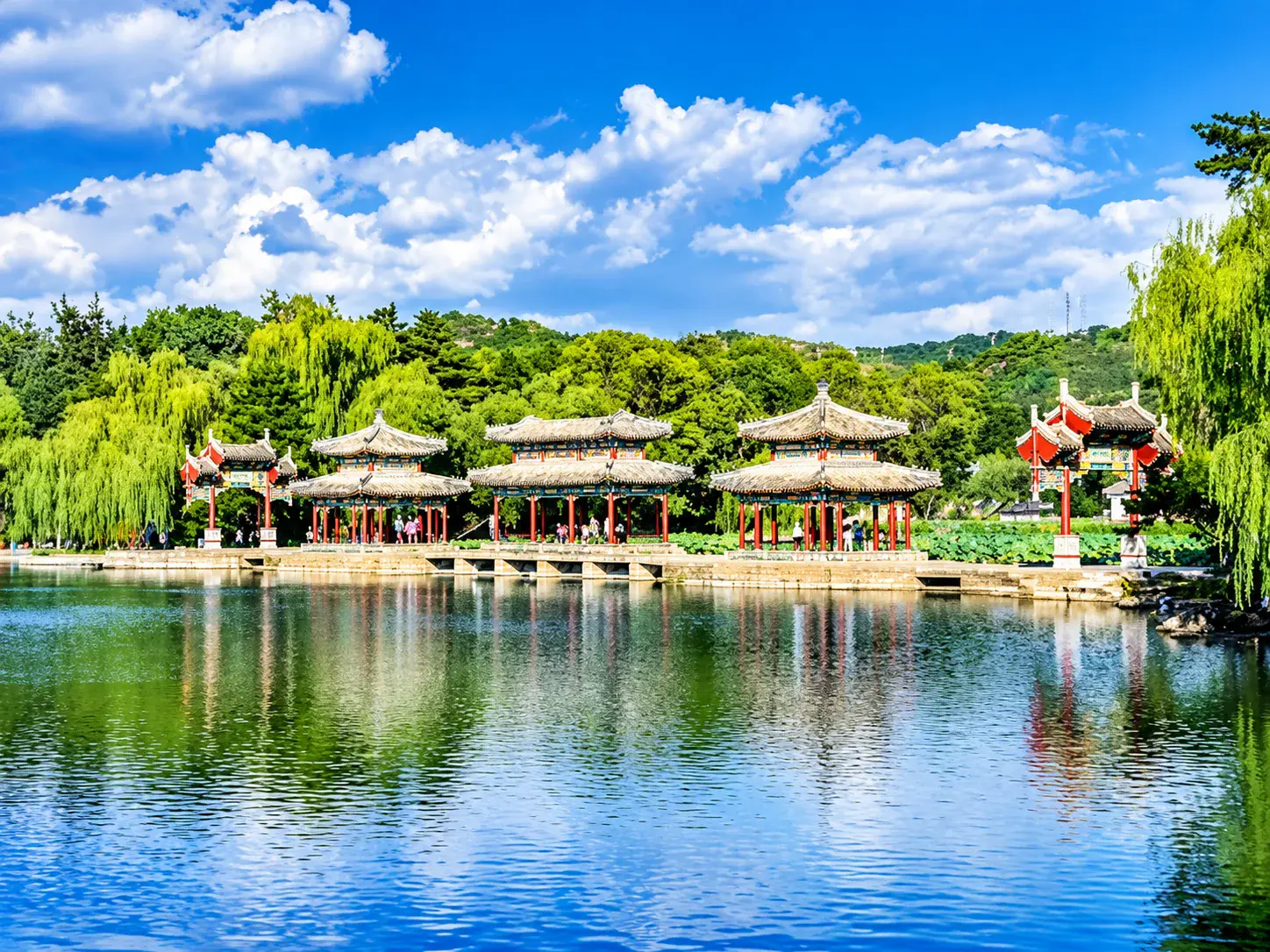
Mountain Resort and the outlying temples. An overnight north of Beijing, not a coast add-on.
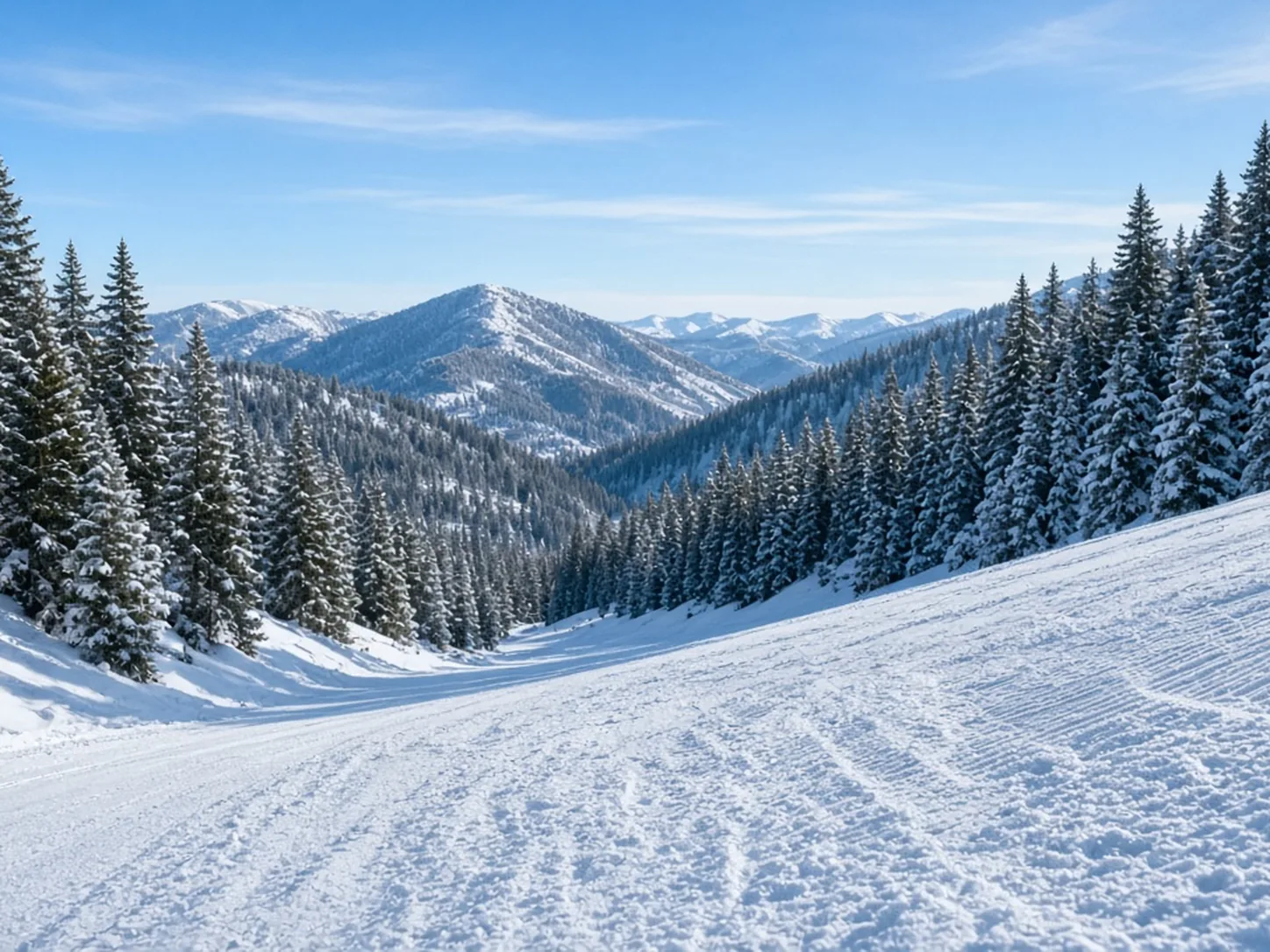
Chongli when the reason is snow. It is not a summer detour from the beach.
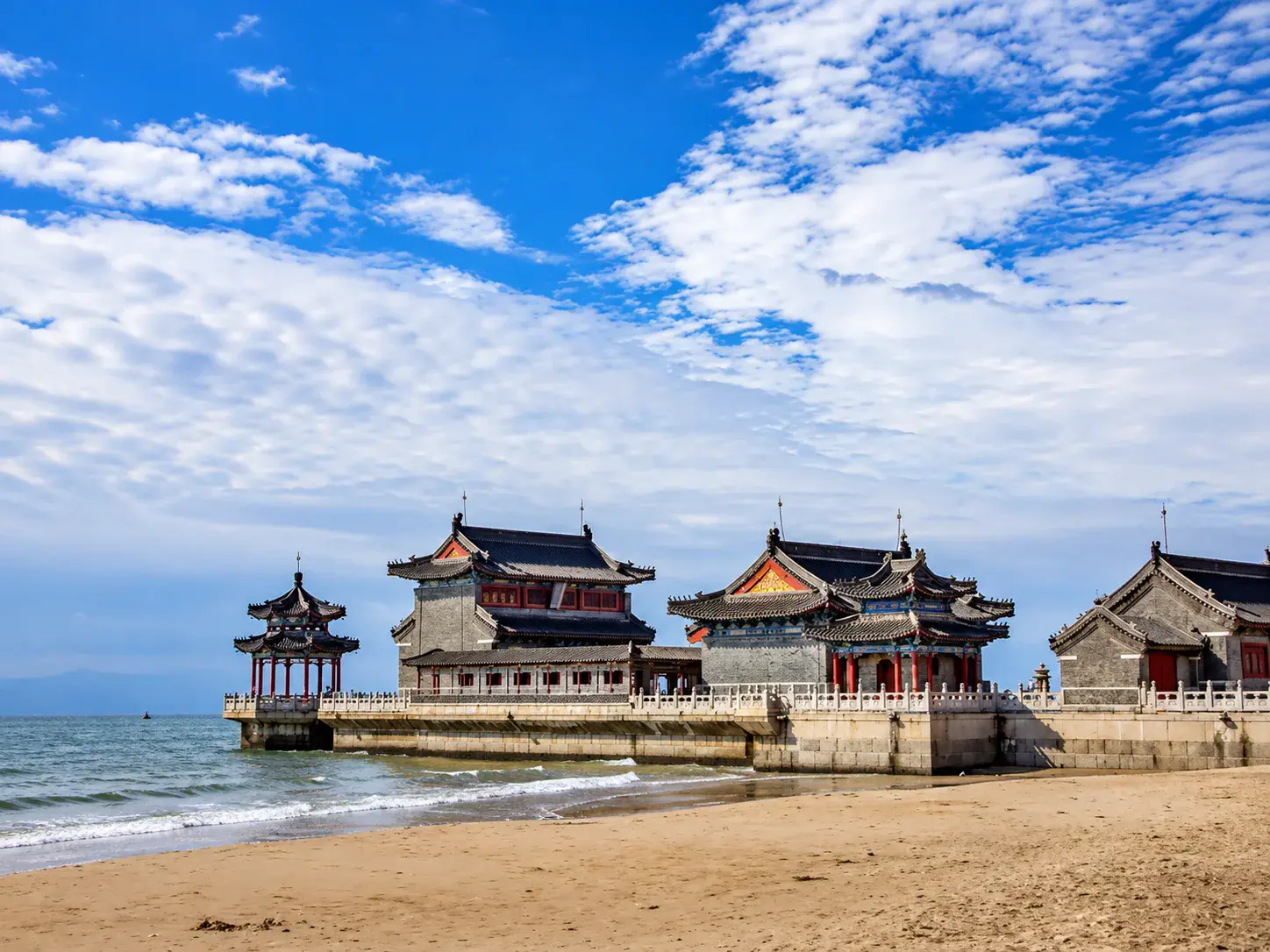
Beidaihe and Shanhaiguan. Give them a night if you want both the sand and the pass.
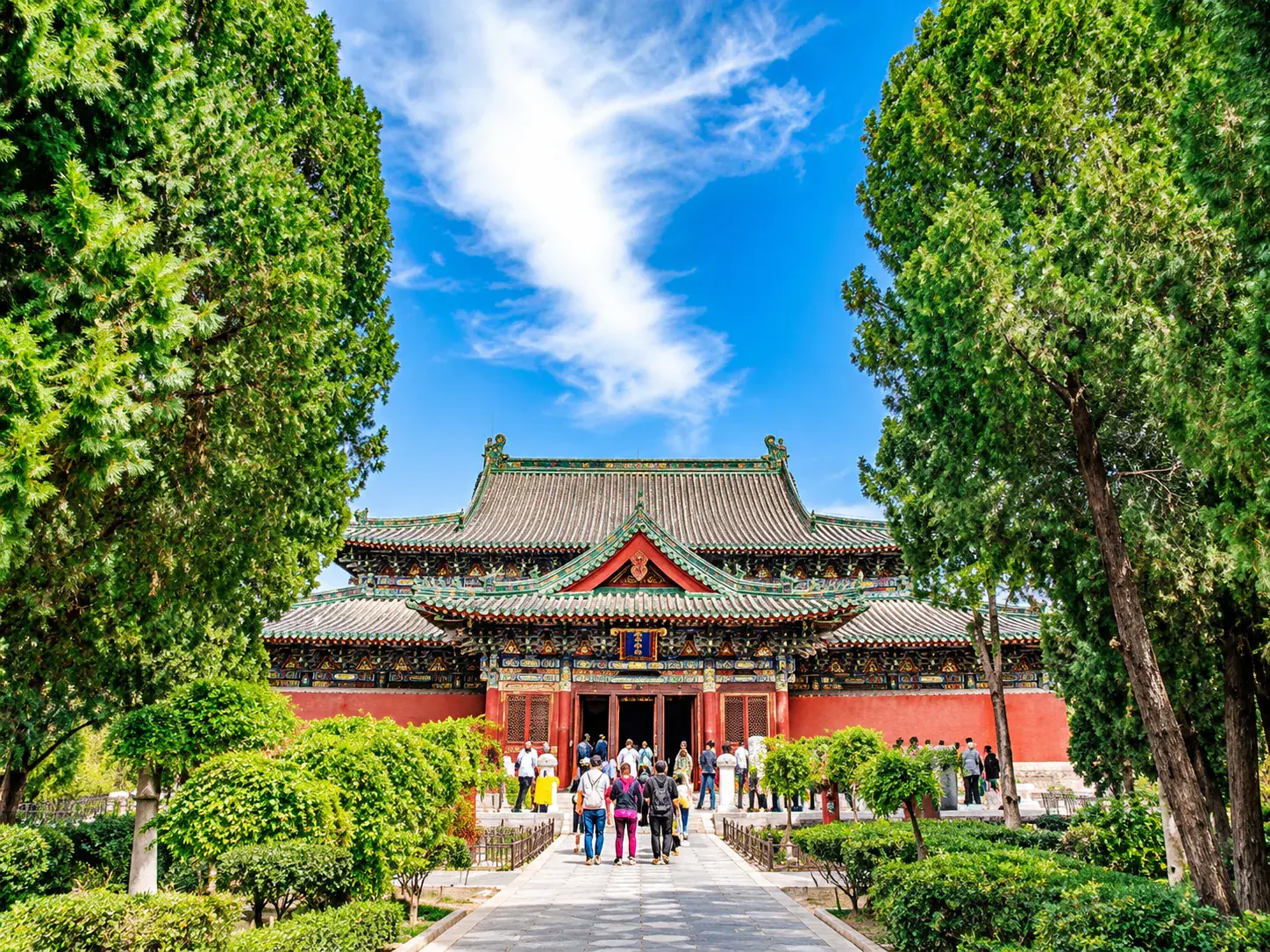
Zhengding in the morning. Zhaozhou Bridge or Cangyan Mountain on another day.

The 1976 memorial, a Hetou lantern evening, and the Eastern Qing Tombs in Zunhua.

The old governor's yamen in town, and the Western Qing Tombs out in Yi County.
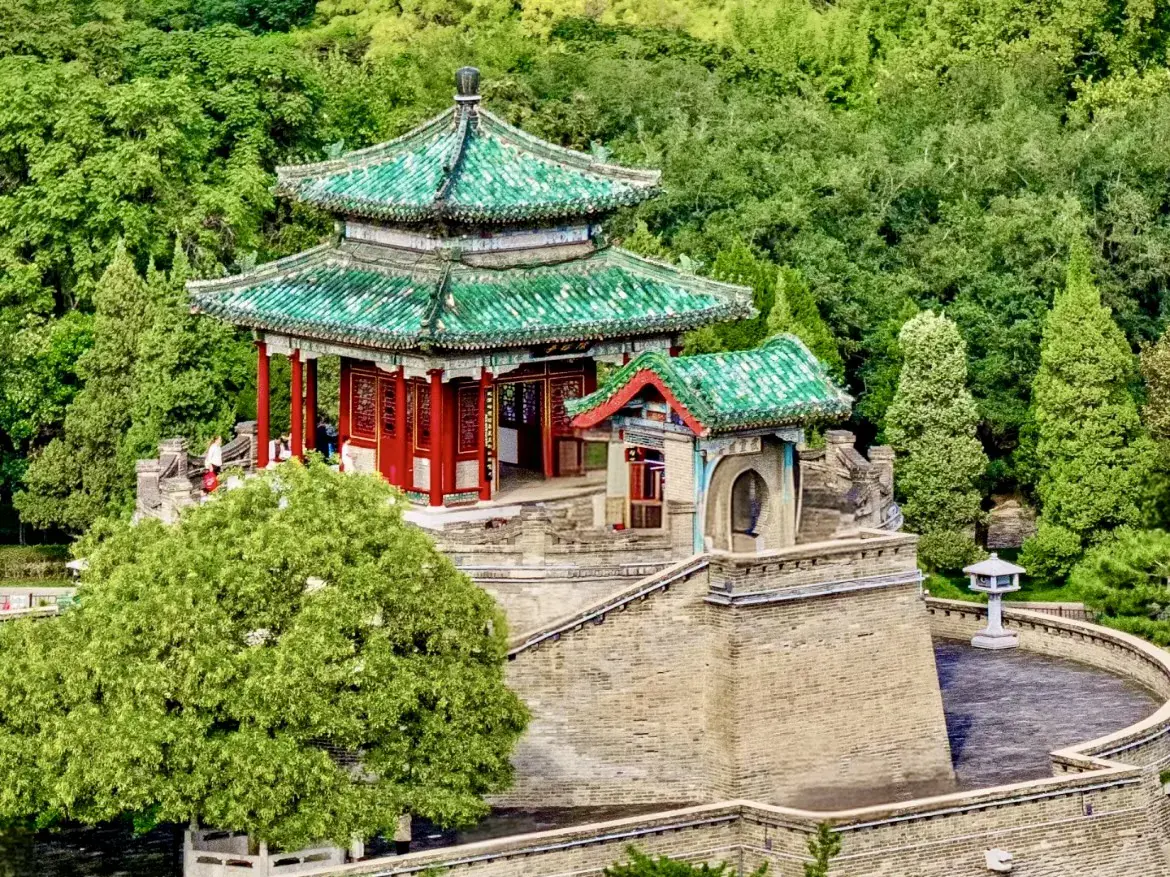
Congtai, the idiom stops, Xiangtangshan, or Guangfu. One of those per day.
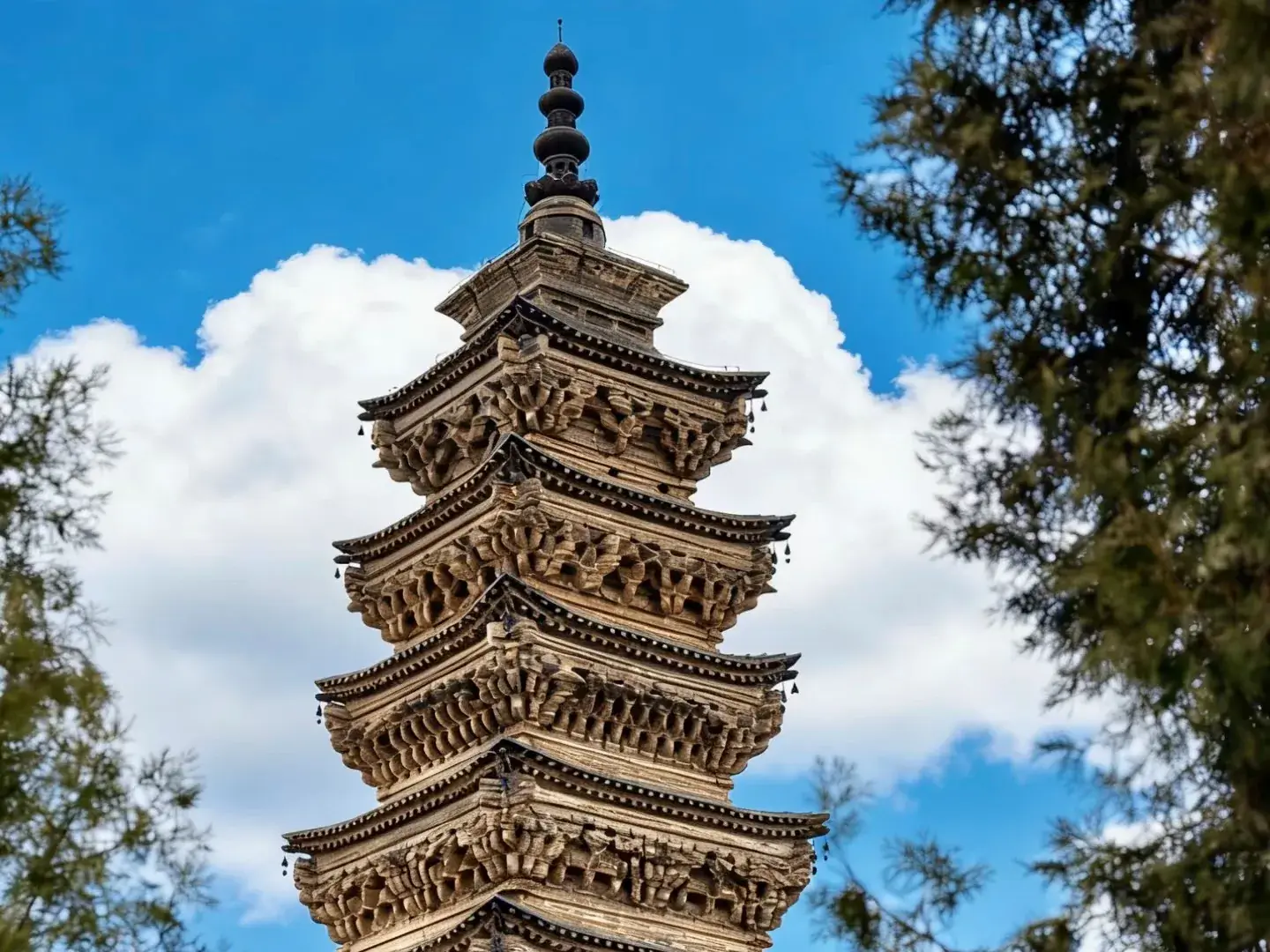
A southern rail city for Bianque Temple or Tianhe Mountain, not a first base beside Beijing.
Hebei questions
- No. Beijing and Tianjin are municipalities with their own guides. Hebei starts when you leave them.
- No. They leave Beijing in different directions. Give the coast its own night or skip it.
- At the Eastern Qing Tombs in Zunhua, in Tangshan prefecture. The Western Qing Tombs in Yi County are a different cemetery.
- There is no owner photograph and no city guide yet. It stays a name in the prose, not a link.
- No. Zhangjiakou and Chongli are Hebei ski country. The grassland guide is a separate trip.
- Pick Chengde, or Qinhuangdao, or one tombs day. Do not collect the southern cities as a bonus.
Plan Hebei as one base
Chengde, the coast, Chongli, or a city on the southern line. Name the one you can actually sleep in.