
Quick Answer
Longji Rice Terraces is about 77 km north of Guilin and is divided into several sightseeing areas.
For most first-time visitors, the main choice is between Ping’an and Jinkeng/Dazhai.
Ping’an has a more concentrated walking route around two well-known viewpoints.
Jinkeng/Dazhai covers a broader mountain area and has a cable car to Golden Buddha Peak, which can reduce some of the uphill walking.
If you only have one day, choose one area rather than trying to cover both.
Stay overnight if you want a slower visit, more walking, or time in the terraces before or after most day visitors have left.
Because Longji is north of Guilin while Yangshuo is south, it usually makes more sense to visit Longji before moving on to Yangshuo.
- Ping’an — Concentrated first visit
- Jinkeng/Dazhai — Larger area + cable car option
- Overnight — Slower pace + morning/evening
- Ancient Zhuang Village — Village culture + terraces
Longji Is Not on the Way to Yangshuo
This is the most important route-planning point.
Longji Rice Terraces is north of Guilin.
Yangshuo and the main Li River route are south of Guilin.
That means Longji should not normally be treated as another stop between Guilin and Yangshuo.
A cleaner first-time route is:
Guilin → Longji → Guilin → Li River → Yangshuo
If you have enough time for Longji, give it its own day before moving south.
If you only have two or three days for Guilin and Yangshuo, it is often better to leave Longji out rather than make every day a long transfer.
Longji is worth adding when you have the time for it. It is not worth damaging the rest of the itinerary simply to say you visited.
What Are the Longji Rice Terraces?
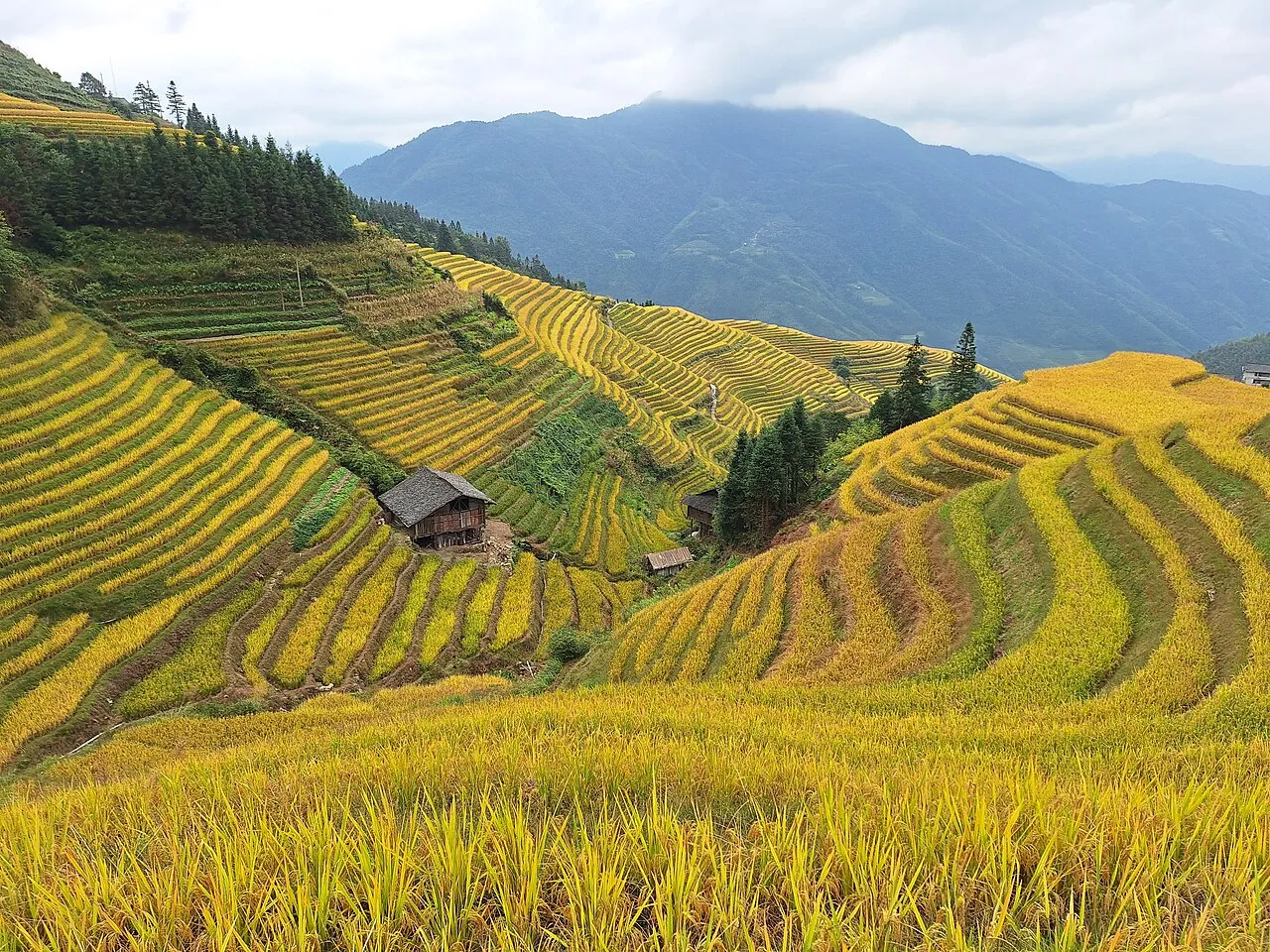
Longji Rice Terraces is a large terraced agricultural landscape in Longsheng County, north of Guilin.
The official scenic area is divided into three main sightseeing areas:
- Ping’an Zhuang Rice Terraces
- Jinkeng/Dazhai Red Yao Rice Terraces
- Longji Ancient Zhuang Village Rice Terraces
They are part of the same wider scenic area, but they should not be treated as three neighboring viewpoints that you can quickly walk between.
Each area has its own village setting, walking routes and viewpoints.
For a normal one-day visit, choose one.
Ping’an or Jinkeng/Dazhai?
There is no need to visit both on a first trip.
The better choice depends on how much time you have, how much you want to walk and what kind of experience you prefer.
| Choose It If | What to Expect | |
|---|---|---|
| Ping’an | You want a more concentrated first visit | A village surrounded by terraces, with walking routes to Seven Stars Around the Moon and Nine Dragons and Five Tigers. |
| Jinkeng / Dazhai | You want a larger mountain area or want the option of using a cable car | A broader Red Yao terrace area with several viewpoints, including Golden Buddha Peak. |
| Longji Ancient Zhuang Village | You are especially interested in village architecture and local agricultural culture | Traditional wooden houses, village paths and surrounding terraces, with less emphasis on the best-known panoramic viewpoints. |
For most travelers choosing between the two better-known areas, the real decision is Ping’an versus Jinkeng/Dazhai.
Ping’an: A More Concentrated First Visit
Ping’an was one of the earliest-developed sightseeing areas at Longji and is associated with the local Zhuang community.
Its two best-known viewpoints are:
- Seven Stars Around the Moon
- Nine Dragons and Five Tigers
The sightseeing is still on mountain terrain. Expect uphill paths, stone steps and walking between the village and viewpoints.
Choose Ping’an when you want a relatively straightforward introduction to Longji without trying to cover a very large mountain area.
More concentrated does not mean step-free. Longji is a mountain destination and walking remains part of the experience.
Jinkeng/Dazhai: A Larger Terrace Area
Jinkeng/Dazhai is the larger Red Yao terrace area and spreads across a wider mountain landscape.
Its named viewpoints include:
- Golden Buddha Peak
- Thousand-Layer Ladder
- Xishan Shaole
You do not need to reach every viewpoint in one visit.
One practical difference is the cable car serving Golden Buddha Peak.
This can reduce part of the uphill climb, which makes Jinkeng/Dazhai useful for travelers who want wider terrace views without doing every section on foot.
However, a cable car does not make the entire scenic area step-free. Village paths and walking are still involved.
Do not choose Jinkeng simply because it has more viewpoints. Choose one or two parts of the area and leave enough time to actually experience them.
What About Longji Ancient Zhuang Village?
Longji Ancient Zhuang Village is the third main sightseeing area.
It combines terraces with an older Zhuang village environment and traditional wooden houses.
For a first visit focused mainly on the terrace panoramas, most travelers will find it simpler to choose Ping’an or Jinkeng/Dazhai.
Consider Ancient Zhuang Village when village architecture, local culture and a quieter walking experience are more important to you than seeing the most famous viewpoints.
Day Trip or Stay Overnight?
Both work. The difference is not whether you can physically visit Longji in one day. You can. The difference is how much of the day you want to spend moving versus being in the terraces.
Day Trip from Guilin
A day trip works well when Longji is one part of a wider Guilin and Yangshuo itinerary. Keep the plan simple: Guilin hotel → one Longji area → selected viewpoints → Guilin Choose either Ping’an or Jinkeng/Dazhai. Do not spend the day transferring between multiple terrace areas simply because the entrance ticket covers more than one. Best for:
- First-time visitors
- Travelers with a 4-day regional itinerary
- People who already have a Guilin hotel
- Travelers who do not need sunrise or sunset
1 Night at Longji
An overnight stay changes the pace more than it changes the attraction list. You can arrive without worrying about a same-day return, spend more time walking through the village and terraces, and experience the area in the quieter morning or evening. Best for:
- Photographers
- Travelers who enjoy hiking
- Slower itineraries
- People who want village time
- Travelers with 5 or more days in the region
Do not stay overnight simply because a template itinerary tells you to. If Longji is only one part of a short Guilin and Yangshuo trip, a focused day visit can make more sense.
What Will the Terraces Look Like When You Visit?
Longji does not look the same throughout the year. These are working rice fields, so the landscape changes with irrigation, planting, growth and harvest. The exact agricultural timing varies from year to year. Do not book a trip around a photograph and assume the fields will look exactly the same on your date.
Spring
The terraces begin moving toward the planting season. During the irrigation period, water-filled fields can reflect the sky and emphasize the curved terrace lines.
Summer
Rice growth turns much of the landscape green. This is the classic lush mountain look rather than the reflective or golden version of Longji.
Autumn
Before harvest, mature rice can turn the terraces golden. The exact timing depends on the agricultural cycle and should be checked close to your travel date.
Winter
The terraces become quieter and visually different after the growing season. Snow is possible in cold weather but should never be treated as something you can reliably plan around.
There is no single “correct” season for Longji. Choose based on the kind of landscape you want to see, then check current field conditions before your trip.
A Sensible Longji Day Trip from Guilin
Do not build this day around a long list of attractions.
Build it around one terrace area.
Use this simple flow:
- Guilin hotel pickup
- Travel north to Longji
- Enter your chosen terrace area
- Walk to one or two main viewpoints
- Have time for lunch and the village
- Return to Guilin
If you choose Ping’an, the day can focus on its two major viewpoint areas.
If you choose Jinkeng/Dazhai, decide whether you want to use the cable car and select the viewpoints around that decision.
You do not need to “complete” Longji.
How Much Walking Is Involved?
Longji is a mountain destination.
Even when road transport takes you close to a village, the actual sightseeing involves slopes, steps and pedestrian paths.
Expect:
- Stone steps
- Uphill and downhill sections
- Village paths
- Uneven surfaces
- Walking between viewpoints
The Jinkeng/Dazhai cable car can reduce one major climb, but it does not remove all walking.
Travelers with limited mobility should decide on the terrace area and route before arriving rather than assuming every viewpoint will be accessible.
Comfortable walking shoes are more useful here than trying to dress for a city sightseeing day.
What If You Are Staying Overnight With Luggage?
This needs more planning than an ordinary city hotel stay.
Some accommodation is located inside mountain villages where the final approach may include steps or pedestrian paths.
Do not assume a vehicle can stop directly outside every guesthouse.
Before booking an overnight stay:
- Check the exact location of the accommodation
- Ask how guests reach it from the vehicle drop-off point
- Ask whether luggage assistance is available
- Avoid bringing unnecessary large luggage up the mountain if you have another option
If you are returning to the same Guilin hotel afterward, leaving large luggage there and taking only an overnight bag may be simpler.
How to Get to Longji Rice Terraces
Longji can be visited independently. A private vehicle is not compulsory. The important difference is how much transfer planning and schedule flexibility you want.
Public Transport
Independent travelers can reach the Longsheng and Longji area using buses and local transport. This can be the lowest-cost option, but routes, departure points and schedules should be checked for your actual travel date. It works best when you are comfortable navigating transport in China and do not have a tight return deadline.
Organized Day Tour
A group day tour can combine transport and sightseeing into one booking. This is useful if you mainly want a straightforward visit and do not need control over the exact route or timing.
Private Vehicle
A private vehicle is most useful for door-to-door travel from a Guilin hotel, flexible departure times, families, groups, luggage or travelers who want to control how long they spend at Longji. The vehicle handles the road journey. The terrace sightseeing itself still involves walking.
Whichever option you choose, confirm current transport arrangements before travel rather than relying on an old bus timetable copied from another website.
Can You Visit Longji from Yangshuo?
Yes, but look at the map before deciding to do it.
Yangshuo is south of Guilin.
Longji is north of Guilin.
Starting from Yangshuo therefore creates a longer northbound travel day than starting from Guilin.
If you are planning a multi-day trip, it is usually cleaner to visit Longji while you are based in Guilin and only then move south toward Yangshuo.
This avoids unnecessary backtracking.
Where Longji Fits in a Guilin & Yangshuo Itinerary
A simple four-day first trip can look like this:
Day 1 — Arrive in Guilin + selected city sightseeing
Day 2 — Longji Rice Terraces
Day 3 — Guilin → Li River cruise → Yangshuo
Day 4 — Yangshuo countryside
This keeps Longji on its own day before the trip moves south.
If you only have three days, removing Longji often creates a better trip than squeezing it into an already full itinerary.
Do You Need a Private Driver or Guide?
Not necessarily.
You can visit Longji independently if you are comfortable arranging the transport and navigating the scenic area yourself.
A private vehicle becomes more useful when:
- You want hotel-to-hotel transport
- You have a family or larger group
- You are traveling with luggage
- You have limited time
- You want a flexible return
- You are combining Longji with another transfer day
An English-speaking guide is optional.
A guide adds more value if you want explanation of the villages, local communities, agriculture and the cultural landscape rather than simply seeing the viewpoints.
For many travelers, private transport without a full-day guide is enough.
Want Help Fitting Longji Into Your Route?
Send us your travel dates, hotels, arrival and departure details and the rest of your Guilin and Yangshuo plan. We can tell you where Longji fits, which transport days are worth arranging privately and where you can easily explore independently.
Before You Go
- Choose Ping’an or Jinkeng/Dazhai before the day
- Check current field conditions if the season matters to you
- Check current ticket and cable-car information
- Confirm transport in both directions
- Wear suitable walking shoes
- Check the weather
- Bring only the luggage you actually need
- Confirm how to reach your accommodation if staying overnight
- Leave enough time for mountain roads and walking
- Do not plan onward transport with an unrealistically tight connection
Longji Rice Terraces FAQs
- They are a good addition when you have enough time for a separate mountain day and want something different from Guilin and Yangshuo’s karst scenery. If your trip is very short, prioritizing the Li River and Yangshuo may create a better overall itinerary.
- Neither is universally better. Ping’an offers a more concentrated route around two famous viewpoints. Jinkeng/Dazhai covers a larger terrace area and has a cable car to Golden Buddha Peak. Choose based on your available time and how much walking you want to do.
- It is possible to move between different parts of Longji, but it is usually a poor use of a one-day visit. Choose one area and spend the time walking through it rather than spending a large part of the day transferring between villages.
- Yes. A focused day trip from Guilin is one of the most practical ways to include Longji in a wider Guilin and Yangshuo itinerary. Choose one terrace area and return to Guilin afterward.
- Stay overnight if you want a slower pace, more hiking or quieter morning and evening time in the terraces. For a shorter regional trip, a day visit from Guilin can be more efficient.
- There is no single best time. The fields change through irrigation, planting, green growth and harvest. Spring can bring reflective water-filled terraces, summer is greener, and the fields can turn golden before the autumn harvest. Exact agricultural timing varies each year.
- Yes. The Jinkeng/Dazhai area has a cable car serving Golden Buddha Peak. It can reduce part of the uphill walking, but other parts of the scenic area still require walking.
- Yes, but the route should be chosen carefully. Longji includes slopes, steps and uneven village paths. Jinkeng/Dazhai can reduce one major climb by using the cable car, but it should not be presented as a completely step-free visit.
- Yes, but Yangshuo is south of Guilin while Longji is north. In a multi-day itinerary, visiting Longji while based in Guilin before moving south to Yangshuo usually avoids unnecessary backtracking.
- No. Independent public transport and organized tours are alternatives. A private vehicle is mainly useful when you want door-to-door travel, flexible timing, easier luggage handling or transport for a family or group.
Plan the Rest of Your Guilin & Yangshuo Trip
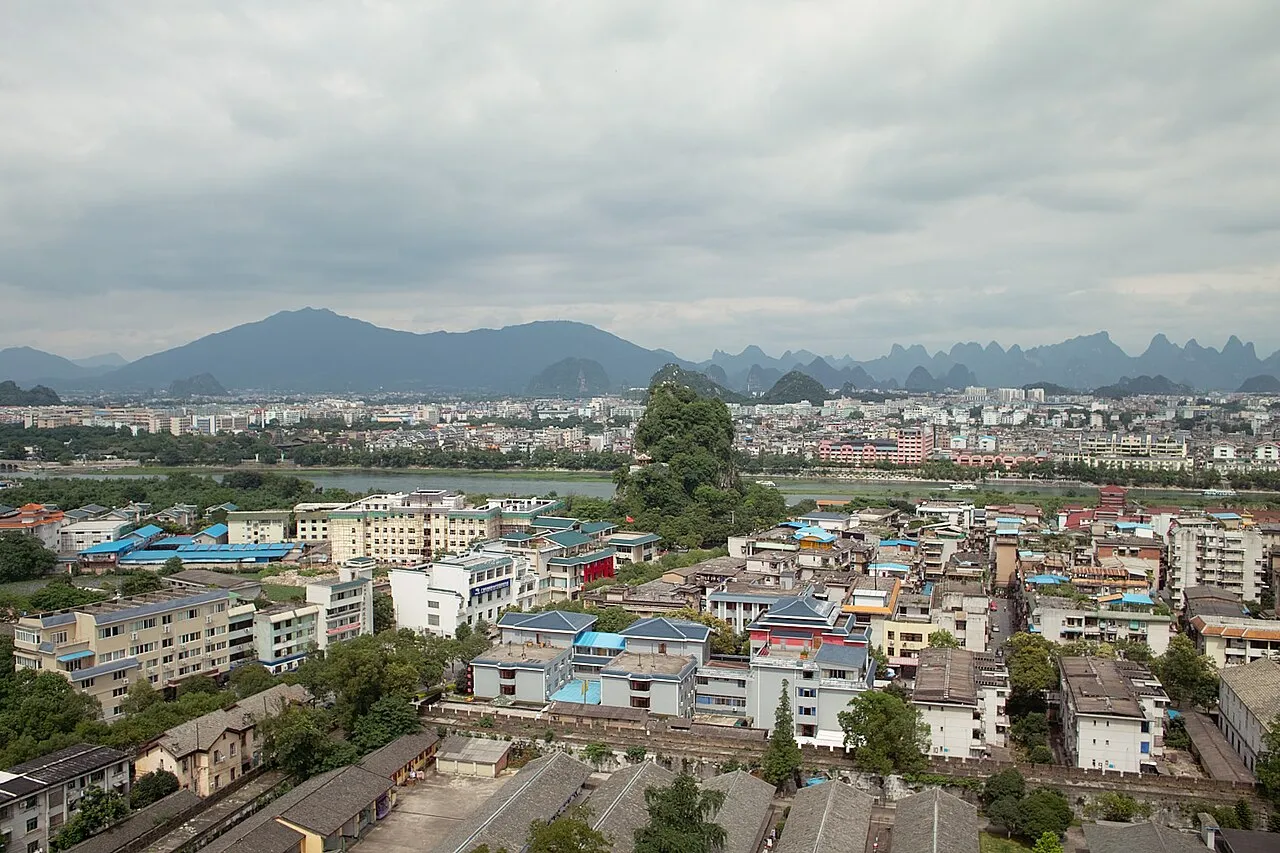
Compare practical 2-, 3-, 4- and 5-day routes and see where Longji fits.
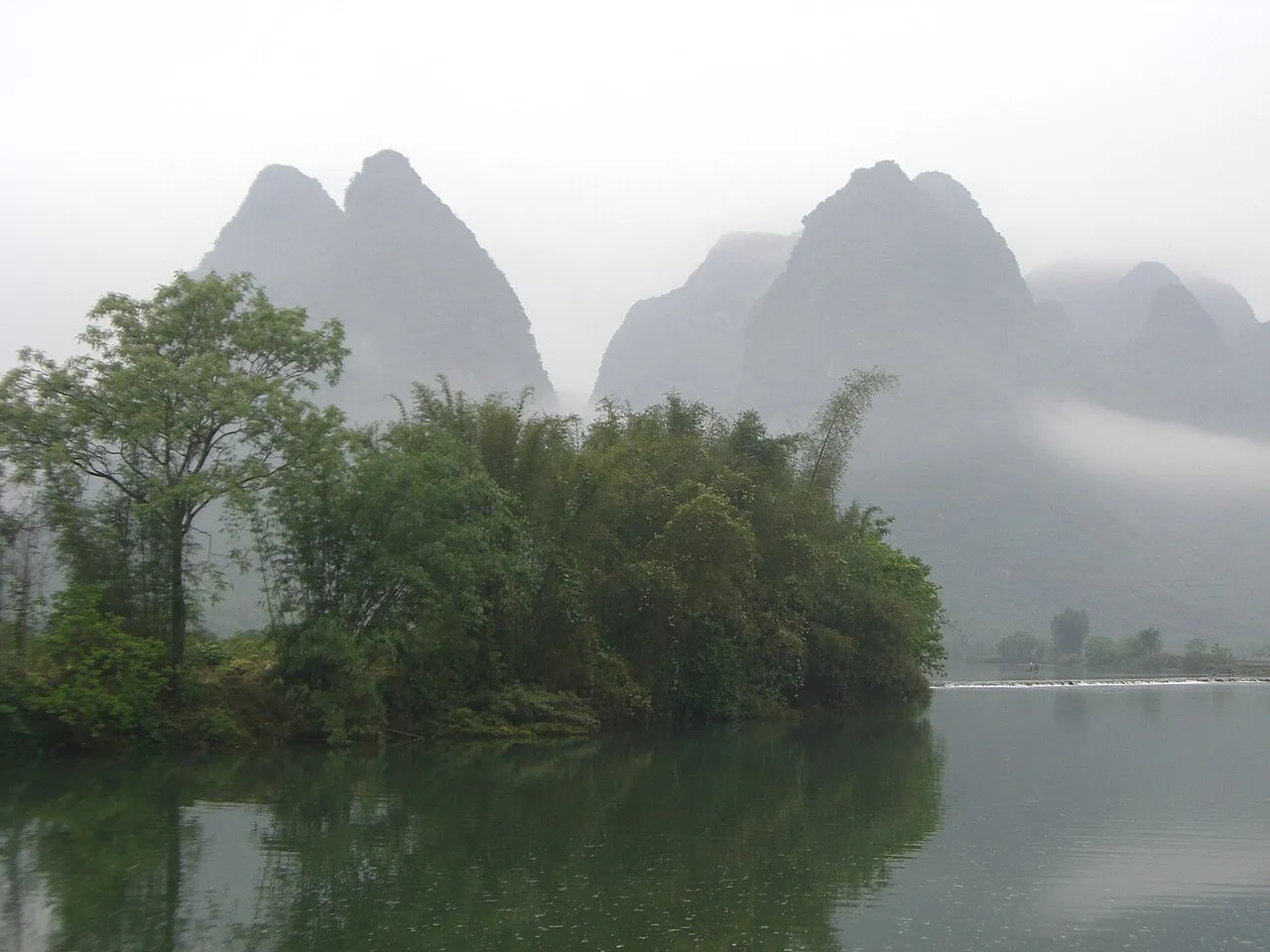
Decide where to stay and how to divide your nights.
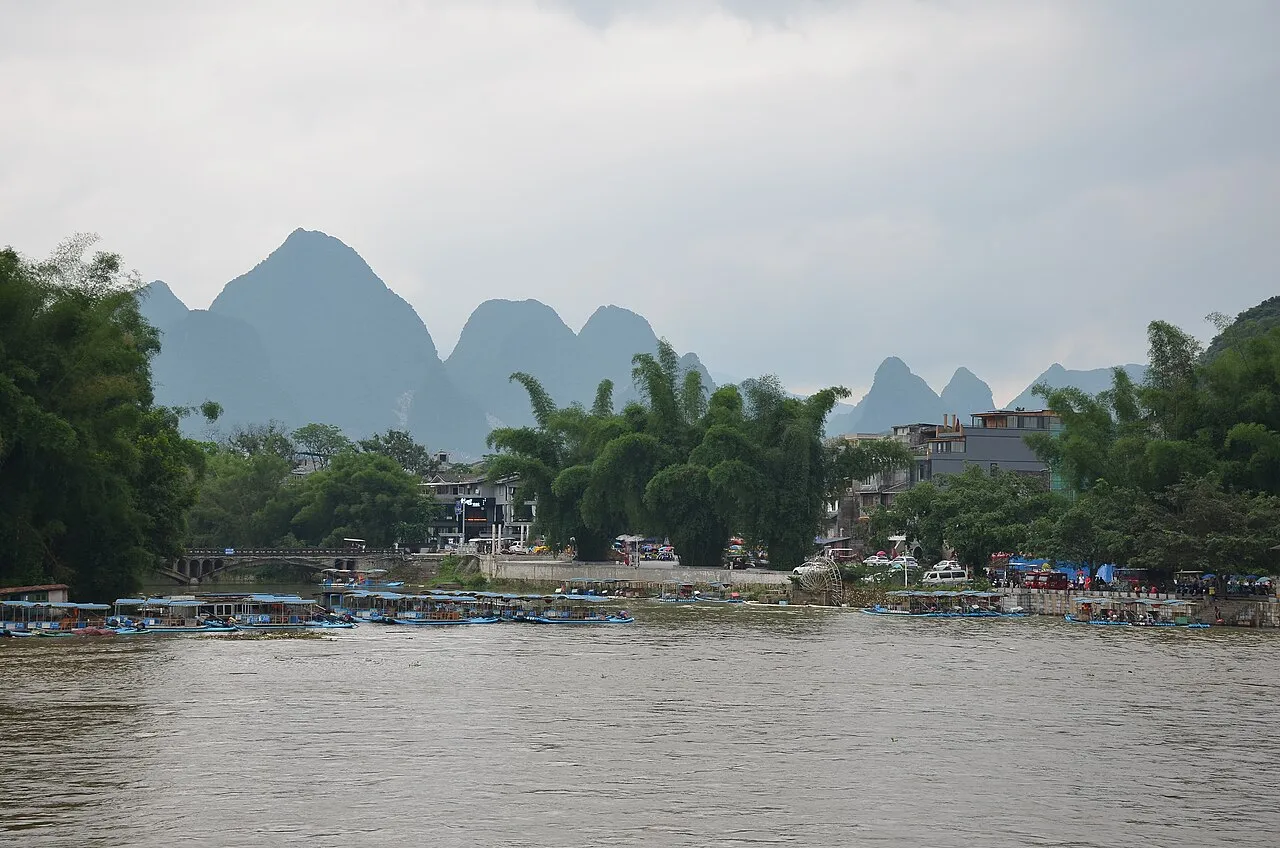
Understand how the one-way cruise from the Guilin side to Yangshuo works.
Compare the cruise, train, bus, taxi and private-transfer options.
Build Longji Into the Route Without Backtracking
Tell us your dates, hotels, flights or trains and the places you want to visit. We can suggest a practical Guilin, Longji and Yangshuo route and arrange private transport or a guide only where it is useful.