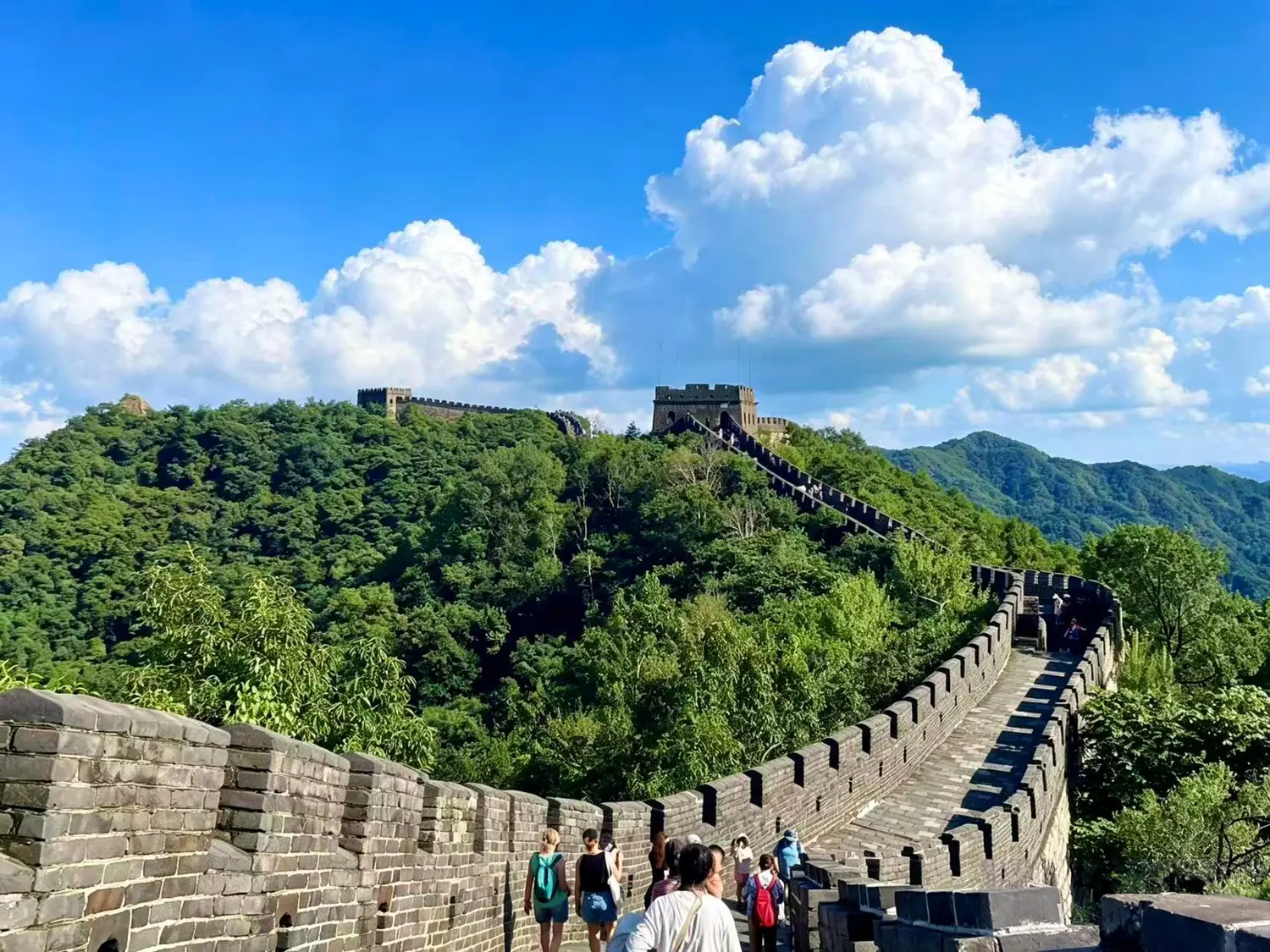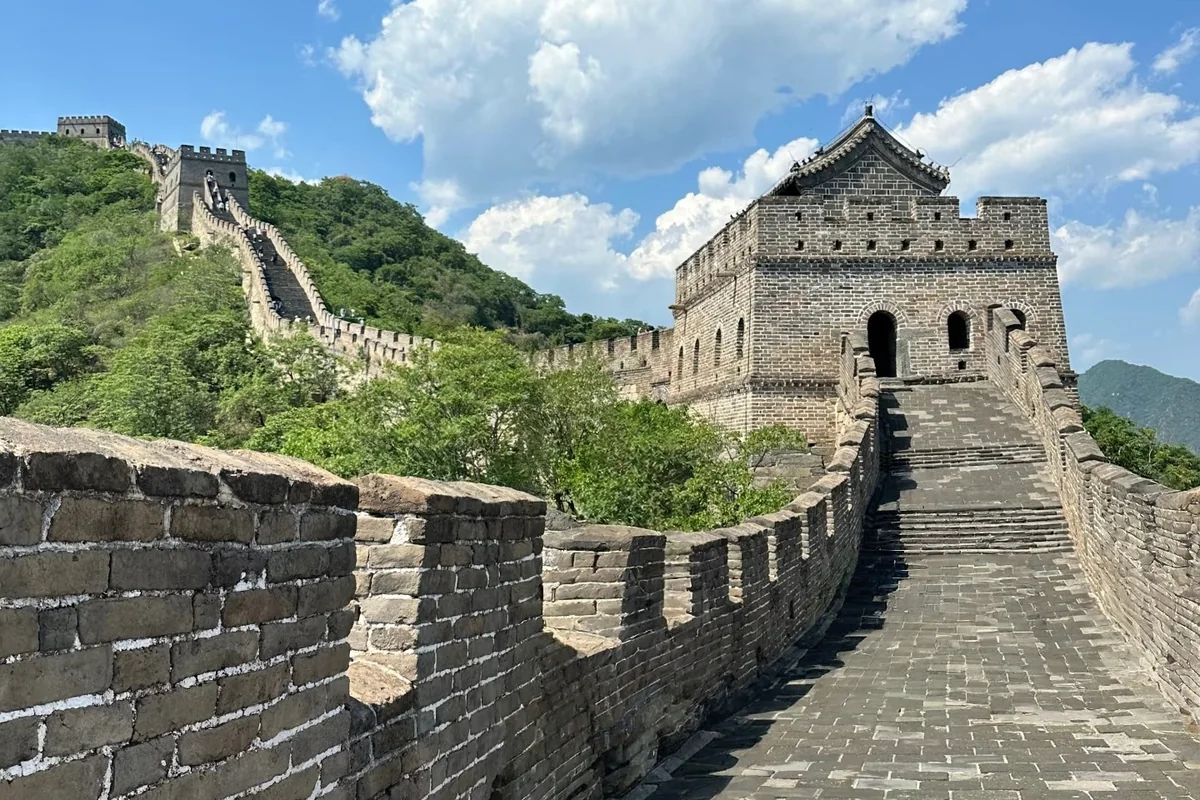
Best and weakest weather months overview
How to use this table
Treat April-May and September-October as the default planning window. Treat July-August as operationally risky, not impossible. Treat January and March as winter / shoulder months that need conservative routing and proper clothing.
| Month group | Verdict | Why | Main problem |
|---|---|---|---|
| April-May | Best | Mild temperatures, longer daylight, flowers in full bloom | Wind on the ridge, occasional dust days |
| September | Best | Clear skies, low humidity, comfortable walking temperatures | Crowd build-up on weekends |
| October (excluding Oct 1-7) | Best | Strongest scenery, autumn color, crisp air | Avoid Oct 1-7 Golden Week crowds |
| June | Acceptable | Warm and green; manageable with an early start | Afternoon thunderstorm risk |
| July-August | Weakest | Hot, humid, thunderstorm-prone; rides may pause | Heat plus storms plus crowds in one day |
| January | Weakest | Quiet and beautiful after snow, but cold and icy | Wind chill, ice on steps, short daylight |
| March | Weakest | Transition month; weather still unstable | Strong wind, dust days, large temperature swings |
Why Mutianyu weather is different from downtown Beijing
The simplest weather rule
A comfortable Beijing city day can still feel cold and windy on the Wall. Always add a windproof layer, even when the downtown forecast looks mild.
| Factor | Downtown Beijing | Mutianyu Great Wall |
|---|---|---|
| Temperature | Reported city temperature | Typically 3-5 degrees C cooler on the ridge |
| Wind | Sheltered by buildings | Open ridge wind, often much stronger and gustier |
| Rain and storms | City rain shadow effect at times | More frequent summer thunderstorms forming over mountains |
| Fog and clouds | Mostly haze | Low cloud and morning fog can sit on the towers |
| Sun exposure | Mixed shade from buildings and trees | Stronger UV at altitude with limited shade on the Wall |
| Winter ice | Cleared streets and pavements | Icy steps can persist for days after snow or freeze-thaw cycles |
Best weather months for Mutianyu Great Wall: month-by-month
DragonTrail practical ranking
Best overall: September, October and May. Best for flowers: late April through May. Best for autumn color: late September through mid-to-late October. Lowest crowds: winter weekdays. Highest combined heat, storm and crowd stress: July and August. Always confirm the live Huairou forecast before travel.
| Month | Weather quality (typical) | Visitor recommendation |
|---|---|---|
| January | Harsh cold, windy | Only if well prepared; short routes only |
| February | Cold, often bright | Good after snow scenes; watch ice on steps |
| March | Mixed: wind, dust, temperature swings | Layers and windproof; conservative route |
| April | Strong spring window | Flowers; still windy, hat with strap discipline |
| May | Very good overall | Strong month for families and first-time visitors |
| June | Warm, some storm risk | Earlier starts beat midday heat and afternoon storms |
| July | Weak: hot, humid, stormy | Highest weather-risk month for most visitors |
| August | Weak: heavy rain risk | Avoid long routes if storms are forecast |
| September | Excellent | Clearer, drier; great photography weather |
| October | Excellent foliage | Avoid Oct 1-7 Golden Week crowds if you can |
| November | Cold but often clear | Fewer crowds; dress warmer, shorter daylight |
| December | Cold, shorter daylight | Quiet; watch ice and wind, plan an early descent |
Spring weather (March-May)
What to wear in spring
A windproof shell over a warm layer, walking or trail shoes, a hat with a strap, a buff or scarf, and sunglasses. Spring temperature swings are large between sun and shade and between morning and afternoon.
Best spring route
The west cable car to Tower 14, then a walk toward Tower 18 or Tower 20, returning by cable car. In strong wind, turn around at Tower 16 or Tower 18 instead of pushing for Tower 20.
| Month | Conditions | Planning note |
|---|---|---|
| March | Cold, windy, occasional dust | Conservative route only; pack as for winter |
| April | Mild, breezy, blossom | Best month for spring photography; still windy |
| May | Mild to warm, longer daylight | Strong default month for most visitors |
Summer weather (June-August)
Main summer risks
Heat, dehydration, thunderstorms, cable car pauses in lightning or strong wind, toboggan closure in rain, slippery stone after rain, and large weekend crowds. Treat any storm in the forecast as a real planning constraint.
Best summer strategy
Arrive at opening, take the west cable car to Tower 14, walk to Tower 15 or 16, and return by cable car before midday. Skip the toboggan if rain is forecast. Carry extra water and a lightweight rain shell.
| Month | Conditions | Planning note |
|---|---|---|
| June | Warm and green, occasional storms | Manageable with an early start and short route |
| July | Hot, humid, thunderstorm-prone | Highest weather-risk month; check Huairou forecast |
| August | Warm, heavy rain risk | Avoid long ridge walks if storms are forecast |
Autumn weather (September-November)
Best autumn strategy
Take the west cable car to Tower 14, walk all the way to Tower 20, and return by cable car. Autumn is the season where Tower 19-20 is worth the extra effort for most visitors.
Photographer extension
Arrive at opening for low golden light, or stay until the late afternoon for warm light. Avoid leaving Tower 20 too late in November because daylight is already shortening.
| Month | Conditions | Planning note |
|---|---|---|
| September | Clear, dry, comfortable | Strongest overall planning window with May |
| October | Crisp, foliage, low storm risk | Avoid Oct 1-7 Golden Week; weekdays are best |
| November | Cold, often clear, fewer crowds | Dress warmer; shorter daylight, plan early descent |
Winter weather (December-February)
Main winter risks
Cold and wind chill, icy steps, shorter daylight, possible facility-hour reductions, and stronger ridge wind. Toboggan typically closes in snow; chairlift can be uncomfortable in cold.
What to wear in winter
Down jacket over a thermal base layer, windproof outer, warm hat, gloves, non-slip shoes, and hand warmers if available. Add a scarf or buff to protect the face from wind chill on the ridge.
Best winter route
West cable car to Tower 14, then a short walk to Tower 15 or 16, and back to Tower 14 for the cable car down. Do not force Tower 20 if wind or ice is strong.
| Month | Conditions | Planning note |
|---|---|---|
| December | Cold, shorter daylight | Quiet; watch ice and wind on the steps |
| January | Coldest month, wind chill | Beautiful after snow; short route only |
| February | Cold, often bright after snow | Best winter month for clear photography days |
Weather and ride operations
Weather-sensitive default
When the forecast is uncertain, default to the west cable car round trip with a Tower 14 to 15 short walk. Do not plan a mixed cable-car-up and toboggan-down route on a marginal weather day.
| Weather | Cable car | Chairlift | Toboggan | Route advice |
|---|---|---|---|---|
| Light rain | Generally runs | May pause if rain is heavy | Closes | Tower 14 short loop, return by cable car |
| Heavy rain | May pause | May pause or close | Closed | Do not visit; reschedule |
| Thunderstorm / lightning | Pauses | Pauses | Closed | Cancel; thunderstorms are a hard red line |
| Snow | Generally runs once cleared | May pause until cleared | Closed | Wait 1-3 days for snow to settle and steps to clear |
| Ice on steps | Runs | May pause | Closed | Tower 14 to 15 short walk only |
| Strong wind | May pause | More likely to pause | Closed | Stay short; turn around at Tower 16 or 18 |
| Fog or low cloud | Runs | Runs if visibility allows | May close | Tower 14 short loop; expect limited views |
Rain at Mutianyu
Light rain at Mutianyu is workable with the right shoes and a short route. Heavy rain is not. The deciding factor is whether the cable car runs and whether the steps stay safe.
- Light rain checklist: waterproof shell, non-slip shoes, dry pack cover, hat or hood, walking poles optional.
- Best rain route: west cable car to Tower 14, walk to Tower 15, return by cable car. Skip the toboggan.
- Heavy rain: not recommended; visibility, ride pauses and slippery stone combine into real risk.
- Best photography window: in the first 1-2 hours after rain stops, when the air is clear and clouds are dramatic.
Thunderstorms: the main weather red line
Thunderstorms are the highest-risk weather at Mutianyu. Towers and the ridge are exposed; rides will pause; toboggan will close. Treat lightning warnings as a cancel-the-day signal.
- Do not go: any active thunderstorm warning, persistent lightning forecast, or summer afternoon convective storm risk on the day.
- On-the-Wall response: descend immediately by cable car if a storm forms during your visit; do not wait it out on the ridge.
- Planning rule: in summer, finish the Wall portion before midday whenever possible to avoid afternoon convection.
Snow and ice at Mutianyu
Mutianyu in snow is one of the most beautiful versions of the Wall, but only after the snow has settled and the steps have been cleared. Day-of and day-after fresh-snow visits are usually unsafe.
- Best snow timing: 1-3 days after snowfall, once the scenic area has cleared steps and rides have resumed.
- What to avoid: walking on fresh snow on steep stairs, descending in toboggan (closed), and pushing toward Tower 20 on icy ridge.
- Best snow route: west cable car to Tower 14, short walk to Tower 15 or 16, return by cable car.
Wind at Mutianyu
Ridge wind at Mutianyu is consistently stronger than downtown Beijing wind. Strong wind affects ride operations and walking comfort more than most visitors expect.
- Strong wind affects: cable car operation (may pause), chairlift (more likely to pause), toboggan (closes), and walking stability on exposed sections.
- Wind strategy: keep hats on a strap, use a windproof shell, and turn around at Tower 16 or Tower 18 instead of pushing for Tower 20.
- Photography note: wind-cleared days often deliver the clearest views; the trade-off is comfort and ride reliability.
Fog and low clouds
When fog is still a good visit
Fog and low cloud work with short controlled routes only. Plan a Tower 14 to 15 loop and return by cable car; do not commit to a Tower 20 walk in fog because steps and edges are harder to read.
| Visitor type | Fog impact |
|---|---|
| First-time visitor | Limited views; consider rescheduling if it is a single-day trip |
| Photographer | Can be excellent for atmospheric shots when fog drifts |
| Family with children | Short controlled route at Tower 14-15 only |
| Senior traveler | Use the cable car round trip; avoid long ridge walks |
| Layover traveler | Decide based on whether the forecast clears within your window |
Weather-based route decision model
How this model fits with route timing
Use the route decision model with the route and how-long-to-spend guides. For seasonal opening hours and last-entry rules that interact with daylight, see the opening hours guide.
| Weather | Best route | Avoid |
|---|---|---|
| Clear, light wind | Tower 14 to Tower 20, return by cable car | Skipping the cable car if you have limited time |
| Clear, strong wind | Tower 14 to Tower 16 or 18, return by cable car | Tower 20 ridge in heavy gusts |
| Light rain | Tower 14 to Tower 15, short loop | Toboggan, long ridge walk |
| Heavy rain | Reschedule the visit | Any on-Wall plan |
| Thunderstorm | Cancel; do not visit | Any exposed ridge time |
| Snow (1-3 days after) | Tower 14 to Tower 15 or 16, short walk | Toboggan, Tower 19-20 climb |
| Fresh heavy snow | Delay until steps are cleared | Same-day ridge walk |
| Fog or low cloud | Tower 14 to Tower 15, short loop | Long Tower 18-20 walk |
| Summer heat (no storms) | Tower 14 to Tower 16, finish before midday | Long midday ridge walk |
What to wear by season
| Season | Pack list |
|---|---|
| All seasons | Trail or walking shoes, windproof layer, sunscreen, sunglasses, small first-aid, extra water |
| Spring (Mar-May) | Windproof shell, warm layer, hat with strap, buff or scarf |
| Summer (Jun-Aug) | Breathable long sleeve, sun hat, lightweight rain shell, extra water |
| Autumn (Sep-Nov) | Warm layer, windproof jacket, walking shoes, light gloves in November |
| Winter (Dec-Feb) | Down jacket, thermal base layer, windproof outer, warm hat, gloves, non-slip shoes, hand warmers |
Best weather for photography
Photographer rule
Do not trade safety for a photo. If the forecast turns toward thunderstorms or lightning, descend by cable car and return on another day. The best Mutianyu shots reward patience, not risk.
| Weather | Photography value | Best area |
|---|---|---|
| Clear autumn day | Best overall: long views and warm tones | Tower 14 to Tower 20 ridge |
| After rain (clearing sky) | Excellent for clean air and dramatic clouds | Tower 14 to Tower 18 |
| After snow (settled) | Iconic winter Wall scenes | Tower 14 to Tower 15 or 16 |
| Fog drift | Atmospheric, soft layered light | Tower 14 to Tower 15 |
| Spring blossom days | Foreground flowers with the Wall behind | Tower 14 short walk |
| Summer storm forming | Avoid: safety must come first | Do not stay on the ridge |
Weather advice for layover travelers
Layover travelers have less buffer for weather delays. Decide before leaving the airport whether the forecast supports a Wall visit, and which version of the route fits the day.
- Clear weather: standard west cable car to Tower 14 with a walk to Tower 18, return by cable car.
- Light rain: short Tower 14 to Tower 15 loop, return by cable car; protect your return-to-airport time.
- Thunderstorm or heavy rain: do not visit Mutianyu; reschedule or use the layover for downtown Beijing instead.
- Snow or ice: Wall visit only after steps are cleared and the forecast is stable; otherwise reschedule.
- Plan against the forecast and the airport return clock; cross-link the from-Beijing-airport guide for transit timing.
Should you cancel Mutianyu because of weather?
The real planning question
The operating question is not only "Is Mutianyu open?" — Mutianyu is generally open year-round. The real question is whether rides will run, whether steps will be safe, and whether you can reach the Wall and return to your hotel or airport on time.
| Forecast | Decision |
|---|---|
| Clear, light wind | Go as planned |
| Cloudy, no rain | Go; bring a windproof layer |
| Light rain | Go with a short cable-car route |
| Heavy rain | Reschedule |
| Thunderstorm or lightning | Cancel; do not visit |
| Snow forecast (fresh) | Delay 1-3 days for cleared steps |
| Strong wind warning | Short route only or reschedule |
| Heatwave with storm risk | Early start short route or reschedule |
FAQ: Great Wall Mutianyu weather
- Yes. Mutianyu is in the Huairou mountain area and is typically 3-5 degrees C cooler than downtown Beijing, with much stronger ridge wind. Always add a windproof layer.
- April, May, September and October are the best weather months. September and October are particularly strong for clear skies and autumn color. Avoid Oct 1-7 because of Golden Week crowds.
- Light rain is workable with non-slip shoes, a waterproof shell, and a short cable-car route. Heavy rain or thunderstorm is not recommended.
- The toboggan is downhill only and weather-sensitive. It typically closes in rain or snow. Do not plan the toboggan as a guaranteed descent on a marginal weather day.
- Yes. Mutianyu is generally open year-round. In winter, plan for cold, wind chill, icy steps, and shorter daylight. Use a short Tower 14 to Tower 15 or 16 route and return by cable car.
- All seasons need walking shoes, a windproof layer, sunscreen and sunglasses. Add warm layers in spring and autumn, sun protection and a rain shell in summer, and a down jacket, gloves, and non-slip shoes in winter.
- Yes. Towers and the ridge are exposed; lightning is the highest-risk weather. Cancel the visit if thunderstorms are forecast, and descend immediately by cable car if one forms during your visit.
- Yes, fog can be excellent for atmospheric shots, but use a short Tower 14 to Tower 15 loop. Long ridge walks are harder to navigate safely in low visibility.
- Mutianyu in settled snow is one of the most beautiful versions of the Wall. Wait 1-3 days after snowfall for steps to be cleared, use the west cable car, and keep the route short.
- Always check Huairou-specific weather, not just downtown Beijing. Mutianyu is in the mountains and runs cooler, windier and more changeable than the city forecast.
Plan a Mutianyu visit
DragonTrail Beijing can plan a Mutianyu visit around the live forecast: pickup time, Wall route, cable car or toboggan choice, and return deadline based on your hotel or airport location, season, weekday vs weekend, family or senior needs, and weather constraints.
Our recommendation for most visitors: choose April, May, September or October; check the Huairou-specific forecast (not just downtown Beijing); arrive at opening; use the west cable car if uncertain; and skip the toboggan in rain.