
| Item | Detail |
|---|---|
| Chinese | 茉莉花茶 (mòlìhuā chá) |
| Category | Reprocessed / scented tea |
| Typical base | Green tea; white or other bases possible |
| Scenting | Repeated layering with fresh jasmine flowers |
| Northern association | Common in Beijing restaurants and homes |
What Jasmine Tea Is
Jasmine tea is tea plus scent, not a separate plant species of tea leaf. Quality depends on base tea quality, flower freshness, number of scenting rounds, and whether artificial flavor is added—low grades may rely on flavoring rather than traditional layering.
Why It Is Scented / Reprocessed Tea
Base tea is fully processed first (e.g. as green tea), then reprocessed with jasmine. That places it alongside other scented teas (osmanthus, rose) in classification systems used by UNESCO and Chinese industry descriptions.
Framework: Types of Chinese Tea.
How Scenting Works (High Level)
Traditional method: alternate layers of tea and fresh jasmine blossoms overnight; flowers release aroma; tea absorbs scent; spent flowers removed; process repeated for premium grades. Machine and flavor-added shortcuts exist in commodity tea—aroma that smells perfume-like may indicate flavoring.
Base Teas Used
Green tea is standard—often pearl-style rolled leaves. White tea bases appear in specialty products. Base choice affects body and sweetness beneath the floral top note.
See Green Tea for base processing.
Chinese Terminology
- 茉莉花茶 — jasmine flower tea
- 七窨 / 九窨 — seven or nine scenting rounds (marketing grade terms; verify with taste)
- Dragon Pearl style — hand-rolled pearls scented with jasmine
Jasmine Tea and Northern / Beijing Traditions
Jasmine tea is widely served in northern Chinese restaurants, including Beijing, as the default complimentary pot—different from southern China where oolong or pu-erh dominate some teahouse cultures. That regional habit makes jasmine many visitors' first Chinese tea experience, even before a formal tasting.
Explore context: Chinese Tea in Beijing | Culture & Etiquette
Other Flower-Scented Teas
| Scent | Common base | Note |
|---|---|---|
| Osmanthus | Oolong or green | Sweet floral |
| Rose | Black or green | Popular gift tea |
| Magnolia | Green | Regional specialties |
How to Brew
- Water ~85–90°C—boiling can flatten jasmine aroma.
- Western pot 2–3 minutes; pearls may need longer to unfurl.
- Multiple steeps possible on quality whole leaf.
How to Judge Aroma Without a Buying Encyclopedia
- Aroma should feel integrated, not like perfume sprayed on dry leaf.
- Liquor stays clear on decent green base; heavy cloudiness may indicate lower base quality.
- Taste side by side at market when possible—Maliandao vendors often sample freely but expect polite engagement.
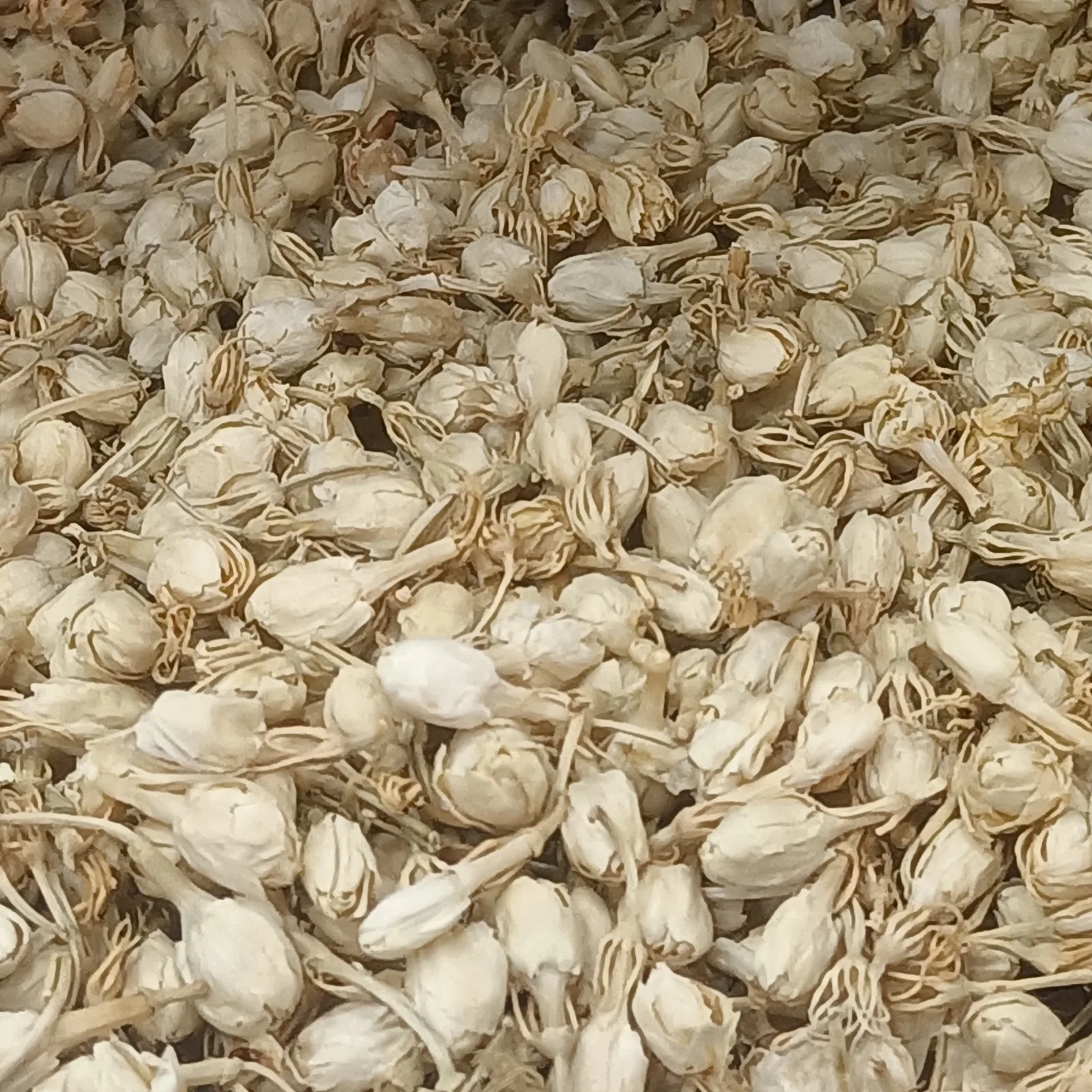
*Jasmine tea leaves and blossoms displayed in a clear glass tea vessel.*
FAQ
Is jasmine tea green tea?
Usually scented green tea, classified as reprocessed jasmine tea—not identical to plain green tea.
Why do Beijing restaurants serve jasmine tea?
Northern dining habit—jasmine pairs with varied dishes and is affordable for house service; not a ceremony default.
What does "seven scentings" mean?
Marketing term for multiple jasmine layering rounds; more rounds can mean deeper scent if base tea supports it—taste to verify.
Is artificially flavored jasmine tea bad?
Not unsafe by default, but traditional layering tastes different from perfume-like flavoring—choose knowingly.
Can I brew jasmine tea like oolong gongfu?
Possible with quality pearl jasmine; shorter steeps preserve flower note.
Where to buy jasmine tea in Beijing?
Tea shops citywide and Maliandao Tea Market—buy small amounts first.
Does jasmine tea contain flowers in the cup?
Some styles include dried petals; many remove spent flowers after scenting—either is normal.
Continue with Chinese Tea
Experience Tea in Beijing
Sources & Review
- UNESCO — Traditional tea-processing techniques in China
- Chinese characters verified
- Author: Chuan Shi
- Last reviewed: August 2026