This page is for dates you already hold, not for choosing a season
This page is for travelers who already hold Beijing dates and need to know what those months feel like on the ground. It is not the season-choice guide. That live page helps you pick spring or autumn when the calendar is still movable. We stay here with a different job: you already bought the flights, or the school holiday is fixed, and you need to shape walking, a Wall day, and indoor backups around the month you actually have. We write as operators who still have to put a driver on a ridge in January and a palace morning in July.
Beijing’s official geography note describes a temperate continental monsoon climate: short spring and autumn, hot rainy summers, and cold dry winters. Around three quarters of the year’s precipitation falls in summer, with the heaviest rain in July and August. That pattern is enough to change a day. It is not a forecast for your Tuesday. A climate sentence cannot tell you whether one afternoon will be clear, whether a courtyard will be windy, or whether a mountain lift will run. Confirm the forecast and the attraction notice for your date.
The useful question on a date-fixed trip is not “is this the best month.” The useful question is “what do we change so the month we have still works.” In January we shorten the ridge and add a warm indoor block. In July we start earlier, rest at midday, and keep a museum that does not need a second scarce ticket. In October we still check the holiday calendar before we celebrate the walking weather. Comfortable air does not create a palace reservation, and a grey sky does not cancel a ticket you already hold.
If you can still move the whole trip, stop here and use the best-time page first. If you cannot, stay with us through the month table. Send the dates, the one visit you will not drop, and whether anyone in the group is sensitive to heat, ice, or stairs. We will tell you how we would reshape those days rather than pretending we can change the climate. We do not publish a priced weather product. We publish a way to keep a fixed week honest.
Which weather page you should keep reading
| Question | Dates already fixed | Dates still movable |
|---|---|---|
| Page to use | This month table | Best time to visit Beijing |
| Main decision | How to reshape the days you have | Whether to move the week or the month |
| Holiday week | Plan it as a peak week | Move the week if you can |
| Bad forecast in the last days | Swap the flexible walk, keep the scarce ticket | You may still slide the whole trip |
How to read the month table without treating it as a forecast
The month table later on this page is a traveler decision grid, not a meteorological product. Each row names a month, then says what city walking usually feels like, what a Great Wall day usually needs, and what we confirm before we lock the day. Use it to see the shape of your week, then check a current forecast as the date approaches. A row that says “hot and wet” is a planning posture. It is not a promise that it will rain on your palace morning or that it will not.
We keep numbers off this table on purpose. Monthly normals exist in climate datasets, and they still fail as day plans. January is the coldest month in the official pattern; July is the hottest and usually the wettest. Those two facts are enough to change clothing and start time. They are not enough to print a degree for your hotel door. If you want a number, look at a forecast issued for your date, not at a blog that reprints last year’s average as if it were next Tuesday.
Read three columns together. City walking describes courtyards, hutongs, and parks inside Beijing. The Wall day describes an open ridge outside the city, where wind is colder and sun is harder than downtown. The confirm column is the work we still do: opening, lifts, holiday crowds, and air-quality days. A comfortable October city walk can sit next to a holiday-week palace that feels nothing like a quiet autumn photograph. The table does not erase the reservation order on the planning page.
If two months sit on one trip — a late March arrival and an early April departure, or a June-into-July stay — plan the harder day for the harder month. Do not average them into a fictional “shoulder week.” Arrival and departure days already steal usable time. A weather swing on top of that is why we keep one indoor alternative that does not require a new scarce ticket. Tell us both calendar dates, not only the month name on the flight search.
Quick facts for a date-fixed Beijing week
- What this page is: A month-by-month walking and Wall plan for dates you already hold — not the season-choice guide
- Official climate pattern: Short spring and autumn, hot rainy summer, cold dry winter; heaviest rain in July and August
- Usual walking windows: March–May and September–November, with holiday weeks checked separately
- Hardest outdoor months: July–August for heat and rain; December–February for cold, ice and short light
- Wall day rule: Its own daylight in every month; winter and summer change length, not the stacking ban
- Three separate checks: Climate posture, holiday calendar for your year, and a current air-quality and weather forecast
- Sibling page: Best time to visit Beijing — use that page if the dates can still move
January and February: cold, dry, and still a real Beijing trip
January is the heart of Beijing winter. Official climate language calls the season cold and dry. City days still work if you build warmth into the route: a substantial indoor visit, a short outdoor stretch, and a place you can sit without standing in a courtyard wind. The palace is an outdoor museum with indoor halls. It is not a heated shopping mall. We plan a shorter walking loop and a proper lunch, then decide whether a second outdoor stop is kind. Photographs of snow on roofs are beautiful and are not a clothing plan.
A January Wall day is shorter, colder, and still worth it when the section is open and you dress for wind. Mutianyu is the usual first-time winter section from Beijing. Ice, early dusk, and closed lifts change the walk. Read the winter Wall page before you treat a ridge as a city-park stroll. We confirm opening for your date rather than promising a winter circuit from a photograph. Do not add a palace after a winter ridge. The day already used its outdoor hour budget.
February keeps the same winter logic and adds a moving holiday problem. Lunar New Year week changes crowd, hours, and reservation difficulty. The holiday date moves each year. We will not print a festival calendar from memory on this page. Tell us the dates and we will check the year you are actually traveling. A February trip that avoids the holiday week can feel like a quiet winter city. A February trip that lands inside it is a different product: earlier starts, more security time, and fewer impulsive add-ons.
Pack real insulation, closed shoes with grip, and a layer you can add on the ridge. The packing-list page and the what-to-wear page are the clothing versions of this month. We do not invent a temperature you should “feel.” We ask what you already own and whether anyone in the group gets cold quickly. If winter is why you came — ice lanterns, a snow courtyard, a quieter palace — say so. Those are separate seasonal plans with their own opening notices, not extras that appear because the month is cold.
March and April: spring is short, windy, and not a blossom appointment
March is when Beijing starts to leave winter, and it is still not a reliable outdoor month. Wind is common. Dust days happen. A morning that feels mild can turn cold on an open ridge. We treat March as a layer month: a palace or garden with an indoor backup, and a Wall day only if the group is ready for wind. Flowering-tree photographs from a previous year are not a dependable appointment. If blossom is why you chose March, keep the park date flexible and lock the scarce reservation first.
April is the first month many visitors describe as comfortable for city walking, and it is still variable. You can plan a longer hutong walk or a park afternoon and still need a layer in the evening. Rain is usually lighter than high summer, which does not mean a dry week. We start using April as a walking-first month while keeping one indoor swap. Do not pay for a non-refundable side trip solely on the promise of a precise blossom peak. Parks publish their own notices; a social-media date is not an opening hour.
A March or April Wall day is often the first pleasant ridge of the year, and it is still a hike. Shoes with grip matter more than a spring outfit. Wind on the wall is colder than downtown. Confirm lifts and opening for your date, especially early in March when winter operating patterns may still apply. Families and anyone who tires on stairs should say so before we treat April as an automatic long walk. The Mutianyu section guide is the usual first-time walking surface; other ridges need their own reasons.
Spring holiday weeks sit inside this pair of months in some years and just outside them in others. Check the official holiday dates for your travel year before you assume April is quiet. A comfortable forecast does not create ticket availability. Fix the Palace Museum date first, then place flexible scenery around it. If you can still move the whole trip by two weeks, the best-time page may send you later into spring or into autumn. If you cannot, we reshape the days you have.
May and June: warmth arrives, then heat starts to run the clock
May is often a strong walking month in the city if you avoid the holiday week that can sit at the start of it. Days are longer. Parks and courtyards feel like the photographs people imagine when they say spring. We still check the holiday calendar and the reservation board before we celebrate. A May palace morning can be excellent and crowded at the same time. Start earlier than you would in winter, carry water, and leave a rest after lunch. Do not add a second major landscape because the weather looks kind.
June is when heat begins to decide the day. Official language already points toward a hot, rainy summer, and June is the on-ramp. Midday palace courtyards become harder. We move the main outdoor visit to the morning, put lunch and an indoor block in the middle, then decide whether a short evening walk is still kind. A Wall day in June needs sun protection, water, and an honest exit. It does not need a second mountain stop on the way home. Heat is not a reason to skip Beijing. It is a reason to stop stacking.
Rain starts to matter more in June than in April, even before the heaviest July–August window. We do not cancel a palace reservation because a forecast shows a shower. We do keep a covered lunch and a museum or hall that can absorb a wet hour. Severe weather can change mountain access; that is a notice check, not a vibe check. If your June week includes a Wall day, we watch the mountain forecast separately from the city forecast. They are not the same place.
Pack a sun layer, a rain layer, and closed walking shoes. The packing list is seasonal on purpose. June is not a month for a formal Wall outfit or for a day that depends on every outdoor attraction operating in sequence. If someone in the group is heat-sensitive, say so. We would rather give that person a shorter ridge and a longer rest than collect a photograph they will not remember kindly. Confirm for your date. Then we talk about start times, not about pretending June is April.
July and August: hot, wet, and planned around midday
The city’s official climate overview places the heaviest rainfall in July and August. For a date-fixed trip that means one thing: leave room to swap a long outdoor walk with an indoor visit if conditions warrant it. Avoid creating a day that depends on every outdoor attraction operating in sequence. Start with one substantial visit, pause properly for lunch and rest, then decide whether to add anything. An air-conditioned vehicle does not change the conditions inside open palace grounds. Carry what you need for the forecast.
A July or August Wall day is still possible and is a different product from an October ridge. Sun, humidity, and afternoon storms all sit on the clock. We start earlier, keep the walk shorter, and treat a lift as a comfort tool rather than as a way to add distance. Confirm the section’s opening and lift notices for your date, especially after heavy rain. Do not use a mountain outing as the automatic backup for a rainy city day. The mountain can be worse. Read the Mutianyu guide and the what-to-wear page before you pack a city sandal.
Holiday travel in late summer and the weeks around it can change crowd even when the weather is only “ordinary hot.” We check the year you are traveling rather than reprinting a festival list. If your dates sit on a Chinese public holiday, say so. The day becomes earlier, slower at gates, and less forgiving of add-ons. A summer holiday week is not a reason to skip the palace. It is a reason to hold the timed entry you already have and to drop the extra garden you hoped to squeeze after lunch.
Indoor backups that work in high summer are museums and halls you can actually enter on that weekday. The Palace Museum’s own Monday closure still applies in July. The National Museum and Capital Museum have their own notices. We do not treat “go inside” as a blank instruction. We name one backup that does not require a new scarce ticket. If the only indoor idea you have is a second palace, you do not have a backup. Tell us the weekday and we will name a realistic swap.
September and October: the walking window, with holiday and leaf traps
September is when many first-time visitors finally get the walking weather they imagined. Heat eases. Rain usually eases after the summer peak. City courtyards and hutong lanes become pleasant for longer loops. We still treat September as a reservation-first month. Comfortable air does not unlock a sold-out palace date. Lock the Palace Museum on an opening day, give the Wall its own daylight, then spend the leftover energy on a park or a neighborhood walk. Do not reverse that order because the forecast looks pretty.
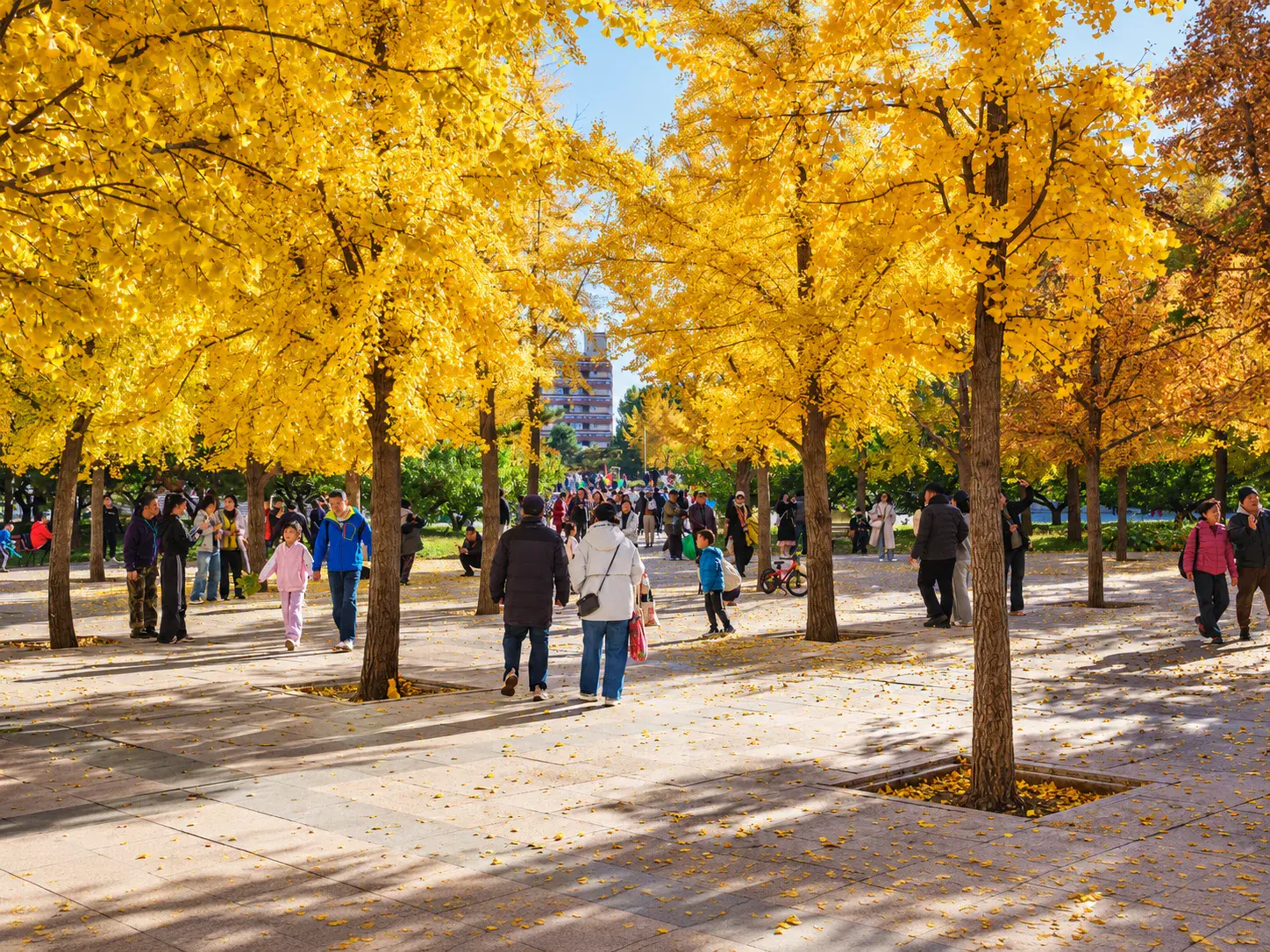
October is the month people quote when they say autumn in Beijing, and it is also a month that can contain a major holiday week. A week described as autumn can be a busy holiday period; the month alone does not describe the visitor experience. Before you celebrate ginkgo photographs, look up the official holiday dates for your travel year and check attraction opening notices. If your October week is the holiday week, we plan it like a peak week: earlier starts, fewer add-ons, and no assumption that a park will feel empty because the leaves are gold.
Foliage is a flexible scenery goal, not a ticket. Fragrant Hills and city parks have their own peak windows that move with the year. We will not print a leaf date as if it were a reservation. If autumn color is why you chose October, keep that park movable and protect the palace and Wall days. A grey day in a courtyard is still a courtyard. A missed palace date because you chased a hillside is a worse memory. Confirm current local reports rather than relying on a fixed annual peak from a previous trip.
An October Wall day is often the most comfortable ridge of the year, which is exactly why we still refuse to stack it with a palace. Comfort is not extra hours. It is a reason to walk well, eat lunch, and go home without inventing a second mountain. Pack a layer for the evening and for wind on the wall. The packing-list page is the clothing version. If you can still move the whole trip, the best-time page may tell you this is the window you wanted. If you cannot, this is how we use the window you have.
November and December: the city cools fast; the ridge cools faster
November is the month Beijing remembers it is a northern city. Mornings start cold. Afternoons can still be good for walking. Evenings need a real layer. We treat November as a shoulder that leans toward winter: a substantial indoor visit, a shorter outdoor loop, and a Wall day only if the group is dressed for wind. The official climate pattern is already moving toward cold and dry. That is useful. It is not a reason to pack as if October never ended. Confirm the forecast in the week you travel.
A November Wall day can be excellent and can also be the first ice of the season. We confirm opening, lifts, and surface conditions for your date. Mutianyu remains the usual first-time section. Other ridges need their own daylight and their own reasons. Do not add a palace after a cold ridge. Do not treat a cable car as a way to stay out until dusk. Early dark is part of the month. The winter Wall page becomes more relevant as November runs on; we will point you there when the date sits late in the month.
December is winter. City days still work with the January logic: warmth built into the route, shorter courtyards, and one indoor block you can actually enter. Holiday weeks at the end of the year change some visitor patterns and do not change the climate. We check the notices for the sites you care about rather than assuming a Western holiday empties Beijing. A December palace morning can be quiet and cold at the same time. That combination is pleasant if you dressed for it and miserable if you packed for a shopping street.
Pack the winter list, not the autumn list. Closed shoes with grip, a hat, and a layer you can add on the ridge matter more than a formal coat you cannot walk in. The what-to-wear page is written for the Wall; use it for December even if your Wall day is only a maybe. If you are deciding whether December is “worth it,” that question belongs on the worth-visiting page and the how-many-days page. Weather is a shaping tool. It is not, by itself, a reason to skip the city you already booked.
Beijing by month when the flights are already booked
| Month | City walking | Great Wall day | Confirm before you lock |
|---|---|---|---|
| January | Short loops, warmth built into the route | Open-ridge winter walk if the section is open | Opening, ice, lifts, and real insulation |
| February | Same winter logic, quieter if you miss the holiday | Same winter ridge rules as January | Lunar New Year dates for your year |
| March | Layers, wind, blossom not a booking | Possible, dress for wind | Dust or wind days and lift notices |
| April | First comfortable walking month, still variable | Often a pleasant first-time ridge | Holiday overlap and a layer for evening |
| May | Longer park and hutong loops | Warm ridge, start earlier | Early-month holiday week in some years |
| June | Morning outdoor, midday indoor | Sun, water, honest exit | Heat-sensitive travelers and mountain forecast |
| July | Earliest start, rest after lunch | Shorter walk, storm backup | Heaviest-rain month and weekday museum openings |
| August | Same hot-wet posture as July | Same shorter ridge as July | Holiday travel and post-storm access |
| September | Walking window opens | Comfortable first-time ridge | Reservations first, not the forecast |
| October | Strong walking, holiday-week risk | Often the year’s kindest ridge | Official holiday dates and foliage as a flexible extra |
| November | Cool mornings, shorter afternoons | Wind and first ice possible | Early dusk and winter clothing |
| December | Winter city plan again | Winter Wall page applies | Opening, ice, and a warm indoor block |
A Great Wall day changes more by month than a palace morning does
The Palace Museum is a large outdoor complex in every month. The Great Wall is an exposed ridge in every month. That is why we give the Wall its own month reading. Wind, ice, sun, and early dusk change the walk more than they change a hall-to-hall palace route. We still confirm both notices. We do not pretend they are the same outdoor problem. If your date-fixed week can hold only one hard outdoor day, decide whether that day is the ridge or a long park. Do not make the ridge the leftover after a palace afternoon.
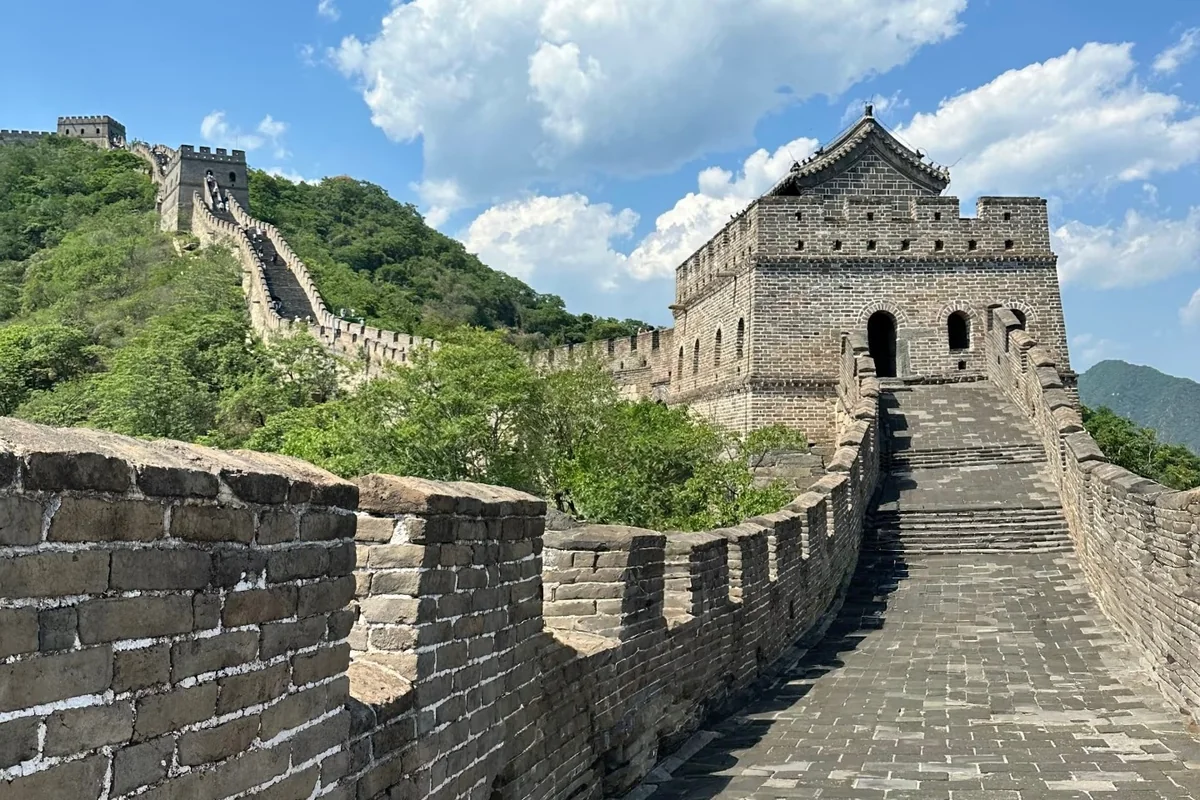
Mutianyu is the usual first-time section from Beijing in every season we plan. Winter uses it because facilities and exits are clearer. Summer uses it because you can shorten the walk. Autumn uses it because the walking surface matches a first visit. Other sections have their own pages and their own reasons. Jinshanling is a hiking day, not a weather upgrade. Badaling is a different corridor. We will not swap sections because a photograph from another month looked clearer. We swap clothing, start time, and walk length first.
Lifts, shuttles, and last-entry rules are date-specific. A blog that says “the cable car always runs” is not a source. After rain, ice, or high wind, a section can change access without changing the city’s downtown forecast. That is why we watch the mountain notice separately. If a lift is closed, the day becomes a stair day or a shorter day. Families should read the Wall-with-kids page before they assume a summer or winter lift will remove the hike. Confirm for your date. Then pack shoes that can handle the backup.
We will not stack a Wall day with a palace on the same date in any month, including the comfortable ones. October comfort is not extra hours. July heat is not a reason to “get both done.” The how-many-days page is the clock version of that rule. This page only adds the weather reason: the ridge already used the outdoor budget that the palace would also spend. If you have one full day, choose one. If you have two, give each visit its own daylight and let the month change how long each one lasts.
Palace, park and hutong days: same buildings, different hour budgets
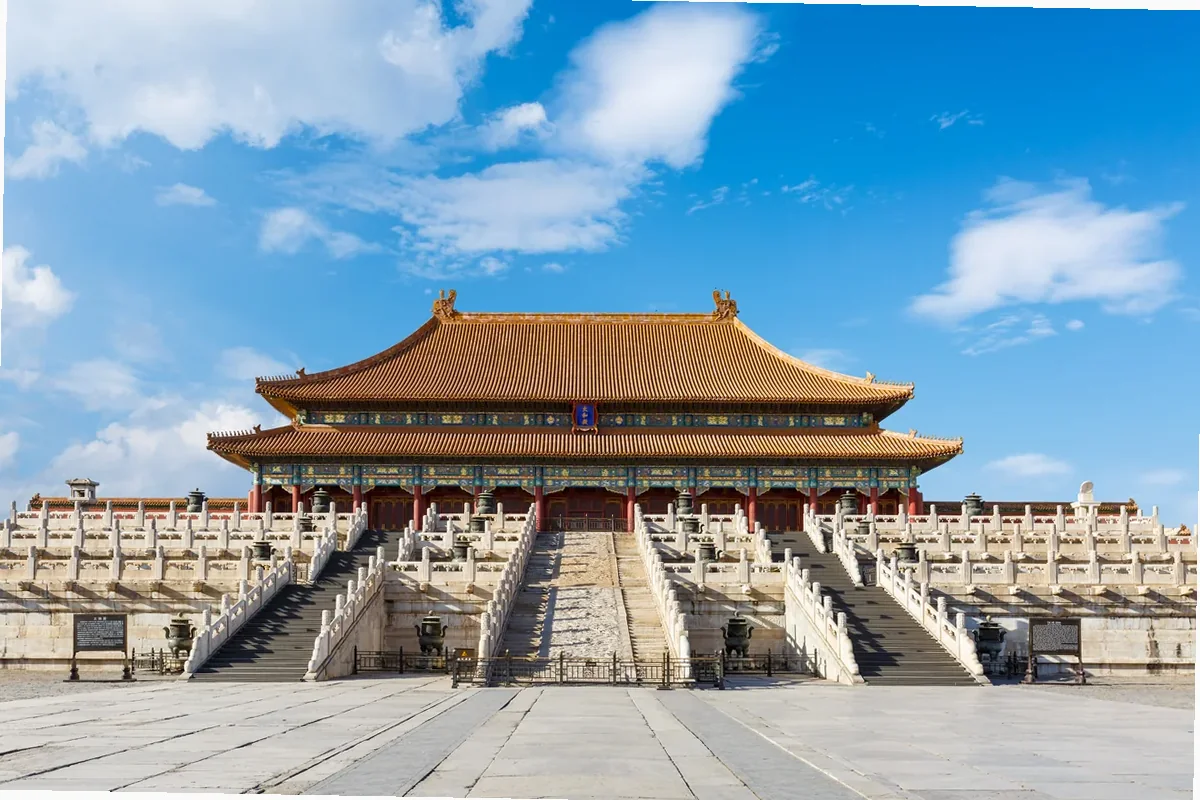
A Forbidden City morning is a reservation problem first and a weather problem second. Monday closures, identification, and timed entry sit on the planning page and the tickets page. Weather changes how far you walk inside after you enter. In January we keep a shorter axis and a warm lunch. In July we enter as early as the ticket allows and leave before the courtyard becomes a furnace. In October we still do not add Temple of Heaven as a second major outdoor ticket unless you have a second full day. The building does not get smaller because the air is nice.
Parks are the flexible outdoor layer. Jingshan is a short, steep view after the palace if you still have legs. Beihai is a longer water walk. The Old Summer Palace and the Summer Palace are full landscapes, not weather add-ons. Fragrant Hills is a foliage outing with its own road. We place parks on the leftover energy of a city day, and we move them when the forecast is unkind. We do not move a scarce palace ticket because a park looks greener. That order is how date-fixed weeks stay intact.
Hutong walks change more by crowd and evening light than by climate, and climate still matters. January lanes are cold and can be icy. July lanes are hot and can feel airless. October lanes are why people stay out after dinner. Nanluoguxiang and Shichahai are different evenings; that comparison has its own page. Weather only tells you whether the walk should be twenty minutes or two hours. It does not tell you which district you wanted. Choose the district first. Then let the month cut the loop.
Indoor museums are the honest summer and winter backups. They have their own closure days. A Monday that closes the palace does not automatically open a second museum in a way that fills the same hours. We check the weekday before we name the swap. The Capital Museum and the National Museum are the usual city backups we discuss; Olympic Park and 798 are outdoor-leaning districts that do not solve a rain day by themselves. Confirm opening for your date. Then we will not send you to a closed hall because the month said “go inside.”
Holiday weeks and air-quality days are not climate
A climate average cannot see a public holiday. A public holiday cannot see a bad air-quality morning. Those are three different checks, and date-fixed travelers have to do all three. We look up the official holiday dates for the year you travel. We look at a current air-quality forecast as the week approaches. We look at the climate pattern only to decide clothing and start time. Mixing the three into one “October is perfect” sentence is how people arrive in a peak week with summer clothes and no reservation.
Holiday weeks change queue time more than they change temperature. The palace still needs a timed entry. The Wall still needs a road. We start earlier, drop add-ons, and do not invent a secret courtyard that will be empty. If your only full days sit inside a holiday week, we still take the trip. We just stop promising a quiet photograph. The best-time page is useful here only as a warning: if you can still move the week, move it. If you cannot, stay with the month table and the reservation order.
Air-quality days are uneven and are not a month. Winter and spring can bring worse spells; summer can be clear or heavy depending on the week. We will not print a monthly air score as if it were a ticket. If someone in the group is sensitive, say so. We keep indoor options ready and we will move a ridge walk when the mountain morning looks unkind. We will not cancel a whole Beijing week because a city is sometimes hazy. That is an honest health conversation, not a reason to erase the palace and the Wall.
Confirm all three in the week you travel, not in the month you booked. A forecast issued six months out is entertainment. A notice issued the day before is operations. We ask you to send dates early so we can place the scarce reservation, then we look at weather again as the week arrives. That two-step is the whole method. Climate shapes the clothing list. Holidays shape the start time. Air quality shapes whether the ridge stays on the day. None of them replace the how-many-days clock.
Common mistakes on a date-fixed Beijing week
Using the best-time page as if it could move your flights
If the tickets are bought, stay on this month table and change the shape of the day.
Treating a climate average as Tuesday’s forecast
Official season language is a posture. Confirm the forecast and the site notice for your date.
Chasing blossom or ginkgo as if they were timed tickets
Lock the palace and the Wall first. Keep parks movable.
Stacking the palace and the Wall because October feels kind
Comfortable air is not extra hours. Each visit still needs its own daylight.
Packing for downtown and walking the ridge in the same clothes
Wind on the Wall is colder and sun is harder. Read the clothing page for the month you have.
What we confirm for your date, and what we will not guess
Send the dates, the hotel area if you have one, the one visit you will not drop, and whether heat, ice, or stairs change the group. That is enough for us to say how we would reshape a January week versus a July week. We reply with a day order and a clothing posture, not with a priced weather menu. If the dates are still movable, we will send you to the best-time page instead of forcing a date-fixed conversation onto a flexible calendar. If they are fixed, we stay here.
We confirm palace opening days, Wall section notices, and any holiday overlap for the year you named. We do not confirm a blossom minute, a leaf minute, or a snow guarantee. Those are seasonal hopes. We also do not publish a temperature, a rainfall total, or a last-entry minute on this page, because those figures move and because a printed number becomes a stale fact the next season. The official climate pattern is the background. The attraction notice is the foreground. The forecast is the last check.
A private day is useful in the months when the clock is tight: winter light, summer storms, or a holiday week. A driver does not change the weather. A driver does change whether you can start at the hotel door and drop a stop without standing in a station in the rain. The private-versus-group page is the Beijing-wide version of that choice. This page only needs you to say whether the month makes transfers harder. We will not invent a coach that matches a storm. We will say when a reserved car is the calmer tool.
If you do not want help, you can still use the month table without writing to us. Dress for the official season pattern. Give the Wall its own daylight. Keep one indoor backup that can actually open. Check the holiday calendar for your year. Check the forecast in the last days before you fly. That is the whole date-fixed method. The best-time page remains the place to choose a season. This page remains the place to keep the season you already bought.
Frequently asked questions
- No. That page helps you choose a season when the calendar can still move. This page is the month table for trips whose dates are already fixed. Use both only if you are still deciding whether to move the week.
- March through May and September through November are the usual walking windows in the official short-spring-and-autumn pattern. Holiday weeks inside those months are a separate check. Confirm the year you travel.
- No. It is a reason to start earlier, rest at midday, keep an indoor backup, and shorten the Wall walk. The heaviest rain sits in those months. It does not erase the palace or the ridge.
- Yes if the section is open and you dress for wind and ice. Mutianyu is the usual first-time winter section. Read the winter Wall page and confirm opening for your date. Do not add a palace after that ridge.
- No. Climate normals exist and still fail as day plans. We use the official season pattern and ask you to confirm a forecast issued for your date.
- It is a day-level check, not a month score. If someone is sensitive, say so. We keep indoor options and we will move a ridge morning when the mountain looks unkind. It does not, by itself, cancel a Beijing week.
- It changes start time, crowd, and how many extras we allow. It does not change the climate posture. Look up the official holiday dates for your year before you treat October as quiet.
- Use the Beijing packing list and the Great Wall clothing page for the month you actually have. Closed walking shoes and a layer you can add on the ridge cover most first visits. Winter and high summer change the list more than a hotel rating.
- Yes. Send dates, hotel area, and the one visit you will not drop. We reply with a realistic day order for that month. We do not publish a price on this page.
Visitor information sources
Checked on 2026-10-21. Read the attraction’s latest notices before travel.