Plan Beijing as a sequence of decisions, not a list of famous names
A first Beijing trip goes wrong when people collect names before they lock a date. The Forbidden City, a Great Wall section, a hutong walk, and a duck dinner can all belong on the same journey, and they still cannot share the same morning. This page is the order of decisions we use when someone writes with flights and a hotel guess. It is not a day-by-day itinerary. Those sample shapes already live on the two-day and three-day pages. It is also not a best-time essay. Season belongs later, after the scarce reservation exists.
The sequence we keep is simple on purpose. Lock a Palace Museum reservation on an opening day if the palace is why you came. Give the Wall its own daylight on a different date. Choose a hotel area that makes those two mornings and the airport roads honest. Then look at weather, air quality, and walking load. Arrival and departure days are not extra sightseeing mornings you can spend on timed tickets. If you reverse the order, you will be moving hotels to chase a ticket you should have booked first.
We write in the first person plural because we have to put a car or a subway plan on a real weekday. Confirm every notice for your date: museum closure, Wall access, holiday hours. We will not invent a last-entry minute or a promise that a guide can walk you in without a reservation. If your dates are already fixed, this page still helps — it tells you which decision to make first inside those dates. If your dates can move, move them around the palace opening day and the Wall day, not around a restaurant.
Read the how-many-days page when you are still arguing about length, because length decides whether both anchors fit. Read this page when you already have a length and need an order. A three-day stay planned in the wrong order feels shorter than a two-day stay planned in the right one. The rest of the city — gardens, temples, hutongs, food — fills the space that remains after the two anchors are safe. That leftover space is where taste belongs. The anchors are where the calendar belongs, and the calendar is what we ask for first.
Beijing planning order
| Step | What you decide | What you do not decide yet |
|---|---|---|
| 1. Palace date | An opening-day reservation and the matching identification | Hutong lanes, restaurants, or a second palace |
| 2. Wall day | A separate full date and a section that matches the group | A same-day palace-and-ridge stack |
| 3. Hotel area | A door that makes those mornings and the airport roads honest | Collecting districts for their names |
| 4. Weather | Clothes, walking load and one indoor backup | Throwing away a locked palace date |
Lock the Palace Museum date before you order the rest
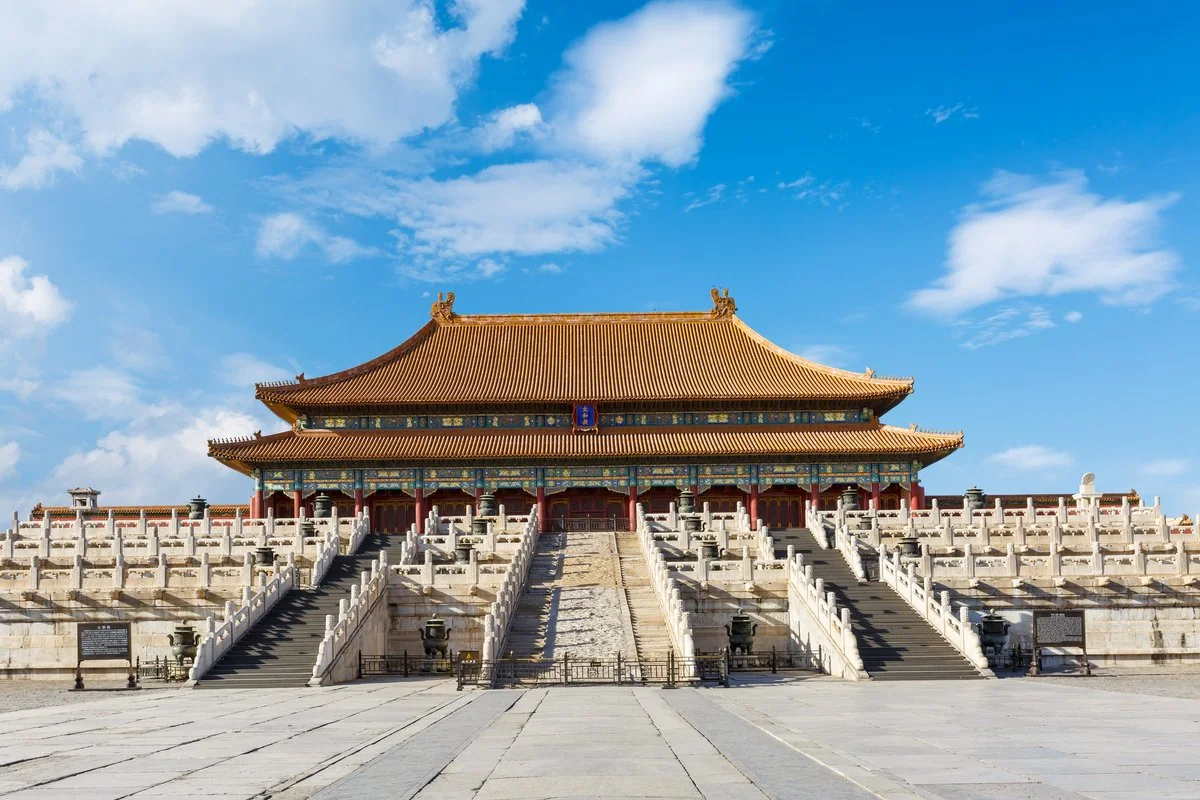
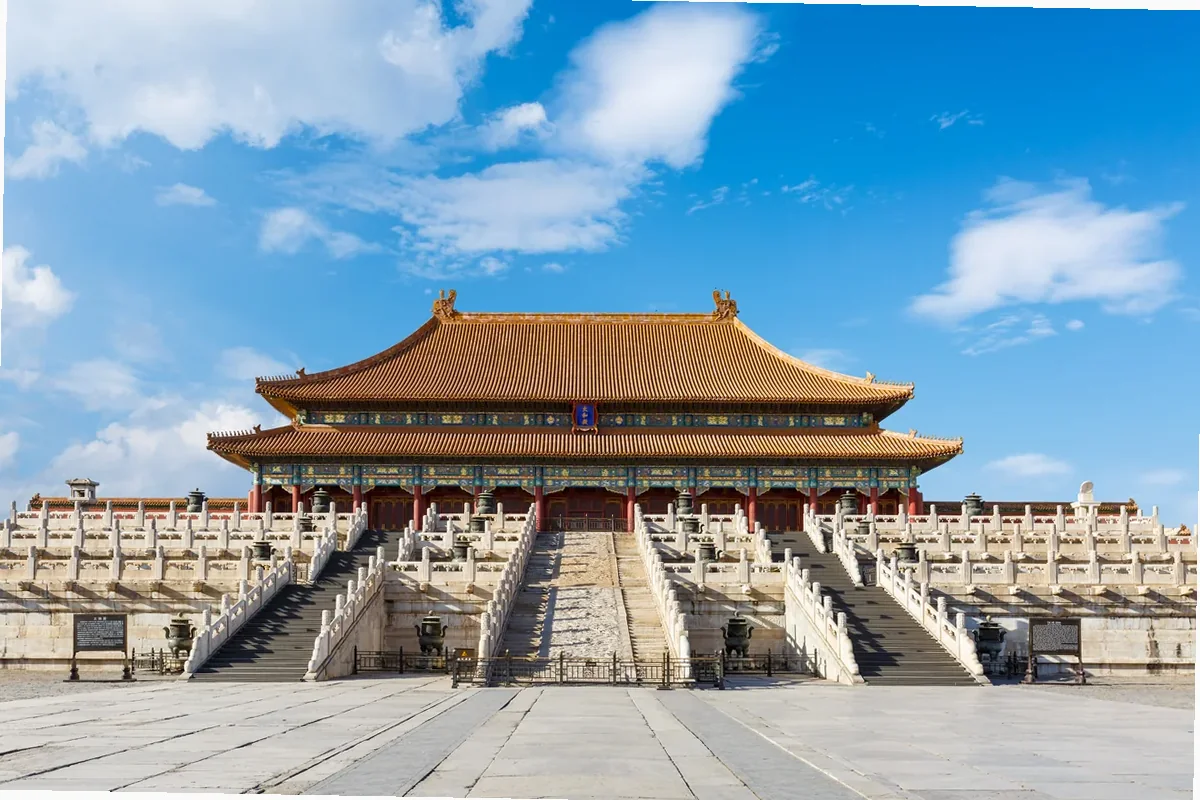
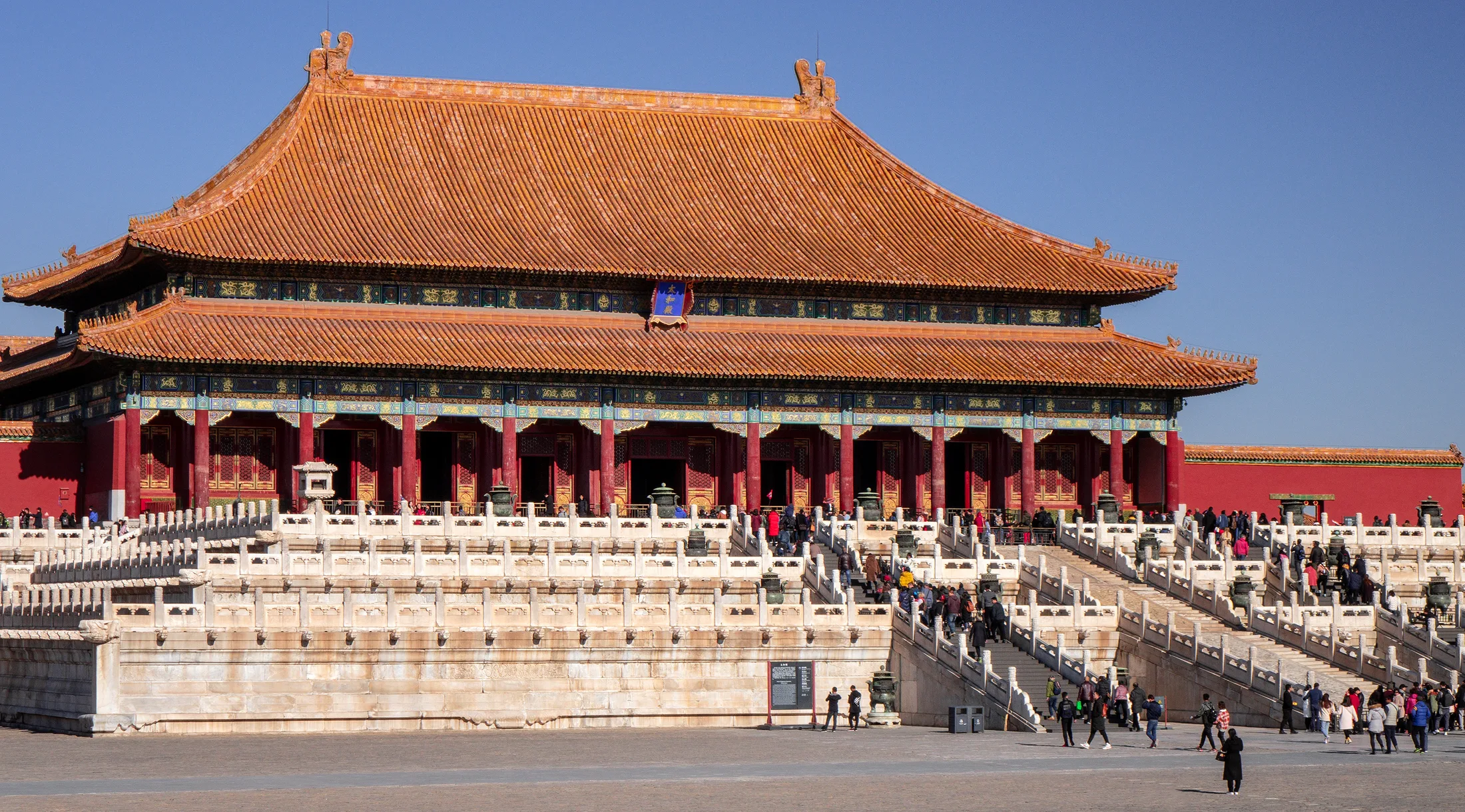
If the Forbidden City is on the trip, treat the Palace Museum reservation as the first real booking after the flights. The museum normally closes on Mondays, with statutory-holiday exceptions that you must confirm on the official notice for your year. It expects the original identification used to book. Same-day tickets are not a plan we will build a week around. A traveler who lands on Sunday and hoped for a Monday palace morning needs a different city day, not a story at the gate. We check the weekday before we check the lunch list.
Tiananmen Square is a separate reservation and a separate security line. Do not fold it invisibly into the palace booking and then discover you have spent the timed window in another queue. If the square matters, decide that after the palace date exists. If it does not matter, plan the permitted approach to the palace without adding a second visit. Jingshan is a viewpoint with steps, useful after the palace only when energy remains and entry is arranged. It is not a substitute for the palace and it is not automatic.
Bring the same passport or identity document that sits on the reservation. Name mismatches and screenshots of a friend’s booking are ordinary ways to lose a morning. We would rather move the visit to an opening day you can actually enter than argue with a posted rule. If tickets are gone for your only opening day, choose an alternative city day before you commit the Wall car. A guide cannot honestly promise sold-out admission. Anyone who does is selling hope, not a gate.
The palace-specific choice of a guide versus walking it yourselves lives on its own page. This page only needs the date. Once the date is real, the rest of the week can bend around it. That is why we refuse to start with a hotel that looks pretty on a map and a Wall day that happens to be Monday. Scarce things first. Flexible things second. The Hall of Supreme Harmony will still be there if you arrive on the morning you actually reserved.
Give the Great Wall its own daylight
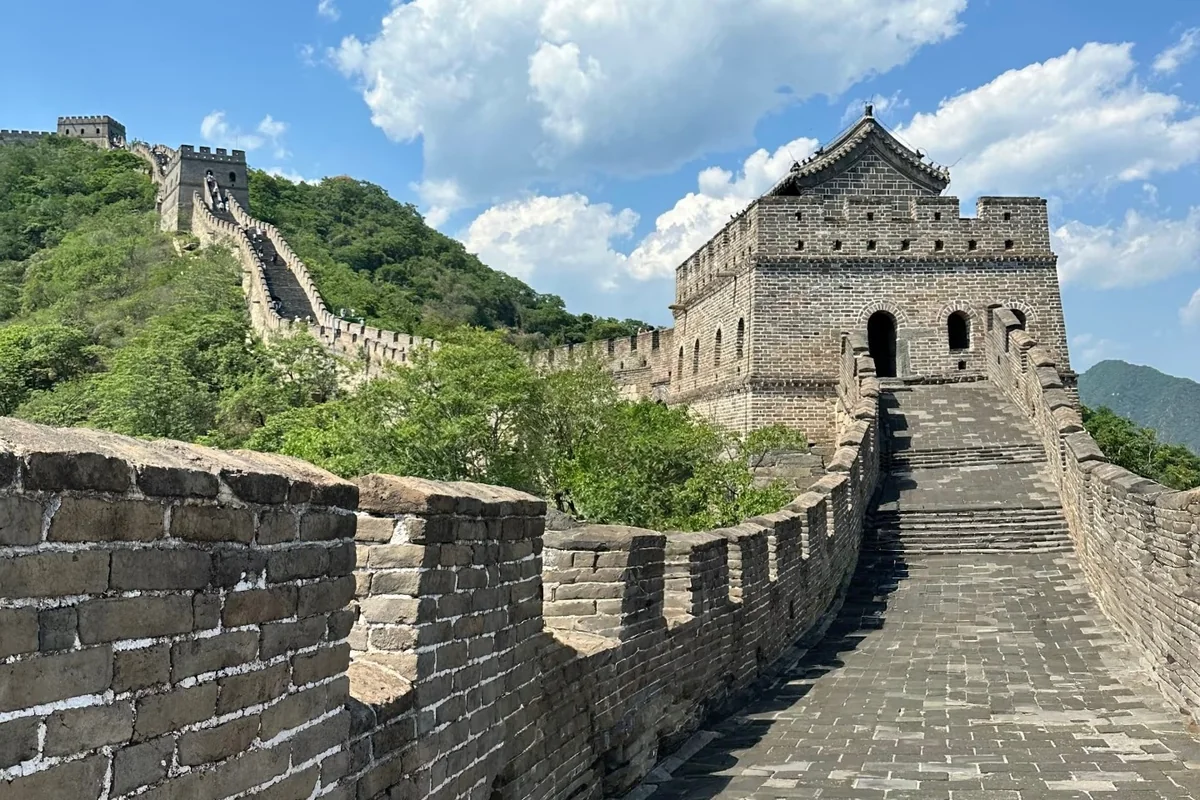
The Wall is a road day and a walking day, not a late add-on after lunch in the palace. Mutianyu is the usual first-time section from Beijing because the facilities and the walking options fit most groups. Other sections have their own access, lifts, and unrestored stretches. Choose the section for the walk you want, then give it the whole date. A private car does not shorten the ridge. A cable car does not make the visit step-free. Explain knees, children, and fear of heights before we pick a tower range.
Do not pair the Wall with the Palace Museum on the same date. Do not pair it with Chengde, Tianjin, or a tomb field. Those combinations look efficient on a spreadsheet and feel like a mistake on the road. If you have only one full day in Beijing, choose palace or Wall. If you have two, that is the classic split. If you have three, the third day is where a garden or a hutong walk becomes a choice instead of a theft. The Great Wall guide is the section-comparison page; this page only protects the daylight.
Put the Wall on a day that is not the inbound and not the outbound whenever you can. Night flights and Daxing returns eat the afternoon you thought you had. Winter days are shorter and colder; summer afternoons are harder on an open ridge. Confirm the section’s opening and lift notices for your date rather than copying a photograph from another season. If the forecast is truly unkind, a city indoor day can move. The Wall day should be the one you are least willing to gamble.
Families often want a shorter ridge and a sure way down, which is a Mutianyu conversation rather than a long unrestored hike. Photographers who want unrestored brick need a different section and a longer clock, and they still need that clock on a separate date from the palace. Tell us which group you actually are before we name towers. We would rather walk fewer towers well than collect names you will not remember because you were hurrying back for a dinner you should have booked on another night. The Wall day ends when the group is still willing to eat.
Choose the hotel area after the two mornings exist
Hotel area is the third decision because the first two already tell you where the mornings start. If the palace and a central walk dominate, a Dongcheng or inner-city stay can reduce the first transfer. If PEK or PKX is an awkward pair, the hotel should make those roads honest even if the lane is less photogenic. A pretty hutong courtyard is a weak reason to add forty minutes to every airport run on a short stay. Read the where-to-stay page for neighborhood character. Use this page to keep the hotel from leading the itinerary.
Split-airport trips deserve a hotel that does not punish the last morning. Capital and Daxing are not interchangeable suburbs. If you arrive at one and leave from the other, say so before you fall in love with a lane near the Drum Tower. We would rather move the hotel recommendation than invent a sightseeing stop that only exists to fill a transfer. If the hotel is already booked, we plan around it. We do not pretend the road got shorter because the courtyard is charming.
Stay in one Beijing hotel unless you have a reason that survives daylight. Changing rooms in the middle of a three-night stay usually costs a morning and gains a photograph of a lobby. Day trips leave from the same hotel and return to it. Chengde is the rare case that may justify an overnight elsewhere, and that overnight is a Chengde decision, not a Beijing hotel strategy. Keep luggage logic boring. Boring luggage is how the palace morning stays on time.
Families and anyone with limited walking should ask about the last street, not only the district name on a booking site. Some hutong hotels are a cart ride from where a car can legally stop. Some business hotels are a long underground walk from the subway gate you thought was next door. Save the actual entrance in Chinese before the first morning. The getting-around page is the journey version of this problem. The hotel decision on this page is only whether this door makes tomorrow’s reservation easier or harder.
Weather comes fourth — it changes walking load, not the reservation order
Beijing weather is a reason to change clothes and walking distance, not a reason to delay the palace booking. Spring and autumn are the usual comfortable walking windows, and they are still not a guarantee of a clear courtyard. Summer is hot and wet; winter is cold and dry, especially on a ridge. The best-time page compares seasons for people who can still move the month. This page assumes your dates are mostly fixed and asks only how to keep the day humane inside them.
Air quality is a separate check from climate averages. A grey morning can make a long outdoor walk feel unwise even when the temperature is fine. Keep one indoor alternative that does not require a new scarce ticket: a museum you can enter, a covered market lunch, or a rest at the hotel. Do not use a mountain outing as the automatic backup for a rainy city day. The mountain has its own weather, and it is usually less forgiving than a hutong.
Holiday weeks sit on the calendar independently of the forecast, and they change queues more than they change the sky. A beautiful October day can also be a public holiday with longer security lines at the same palace you reserved. Confirm the holiday dates for the year you are traveling before you treat autumn as automatically easy. If your palace date sits on a holiday opening, start earlier and drop the extra stop you were going to squeeze after lunch. Weather and holidays are both reasons to protect buffers, not reasons to add attractions.
Pack for walking rather than for a photograph of the outfit on the ridge. Closed shoes matter more on the Wall than a formal jacket you will carry in one hand. Layers matter more than a single heavy coat you cannot take off in a subway car. The packing-list and Wall clothing pages exist so this page can stay on order. If the forecast turns after you have booked, we move the flexible walk. We do not throw away a palace date because the sky is ordinary or because a friend sent a grey courtyard picture.
Planning order at a glance
- What this page is: Decision order for a Beijing trip — not a day-by-day and not a best-time essay
- First lock: Palace Museum reservation on an opening day, with the original booking identification
- Second lock: A Great Wall section on a different full day
- Third lock: Hotel area that matches those mornings and the actual airports
- Fourth adjustment: Weather, air quality and walking load — not a reason to delay the palace date
- Not full days: Arrival and departure; count usable days on the how-many-days page
- Monday: Palace Museum normally closed; use the Wall or a garden, or move the date
- Samples: Two-day and three-day itinerary pages — bend them around your weekday
Arrival and departure days are not extra sightseeing mornings
Count the landing date as an arrival date unless the flight is early and you already hold a reservation that can absorb a late start. Immigration, bags, the road, and check-in all sit between the aircraft and the first gate. Jet lag sits after that. A timed palace ticket on the inbound morning is the plan we rewrite most often. We would rather walk near the hotel after you have slept than watch you miss a window you cannot replace. Tell us wheels-down in local Beijing time.
The departure date works backward from the airline’s required airport arrival, then from the hotel-to-airport road for PEK or PKX, then from checkout. What remains is the only honest morning. If that remainder is two hours, it is breakfast, not Temple of Heaven. If it is a long late-evening flight from a nearby hotel, a short city walk can still fit — a Wall day cannot. Split airports make this arithmetic harsher. The layover pages own the tight-connection version of the same clock; this page only needs you to stop spending the last morning twice.
Night arrivals deserve an empty evening even when a famous carving table is still serving and a theatre still has seats. A show with a fixed curtain and a duck reservation you cannot move are both bad partners for a delayed inbound. If you have only three nights, one is already damaged by landing and one by leaving. That is why a stay that looks like four calendar dates may hold only two full sightseeing days. The how-many-days page is the longer version of this honesty. Use it before you add a day trip you do not have time to finish.
Transit travelers should read the Beijing 240-hour stay page after they confirm eligibility on the official notice, because the stamp does not create extra mornings. Visa travelers can ignore the stamp math and still must respect arrival physics. In both cases we keep day one flexible when the inbound is short on sleep. The scarce reservation goes on the first opening day that is not the inbound. That single rule prevents most angry first mornings we see in inboxes. If that opening day is a Monday, we check the palace notice before we place it.
Tickets, identification and the Monday palace closure
Build the week around opening days, not around a wish that every museum is open every morning. The Palace Museum’s Monday closure is the one that wrecks the most first drafts. Other museums and some interiors have their own closed days. We confirm the set for your date rather than publishing a fixed city-wide table here. If Monday is your only full day, it can still be an excellent Wall day or garden day. It is a poor day to discover the palace gate is shut.
Real-name reservations mean the person standing at the gate matches the name on the booking, including spelling. Carry the original document, not only a phone photograph of the information page. Screenshots help you find the time; they do not replace the document the museum asked you to bring. If two people share a booking channel, both names need to be correct before you travel. We will not tell you that a guide can override this. Anyone who offers that override is asking you to gamble the morning. Gamble something else, or nothing at all.
Holiday openings can create exceptions to a usual Monday closure and also create crowds that eat the afternoon. Confirm the notice instead of memorising a rule from a previous trip or from a friend’s year. If your only palace opening day is a holiday, keep the afternoon empty on purpose. Security and walking both run long when the city is on holiday time. The sample three-day itinerary will show you a shape; it will not change the holiday. Swap days to match a valid reservation rather than treating any published table as a weekday prison.
Keep a paper or offline copy of the reservation, because connectivity at a gate is a poor moment to discover that a payment app wants a code you cannot receive. The payment and SIM page is the setup version of this problem. This page only needs you to treat tickets as dates that constrain the week, not as details to sort after the hotel has been paid. If you cannot show the booking and the matching identification together, the rest of the beautifully ordered plan does not matter. Confirm both the night before the palace morning.
Do not use this page as a day-by-day — use the sample itineraries
Once the order is set, you still need a walking shape for each full day. That shape is not this page’s job. The two-day itinerary shows a city-plus-Wall split and a city-only split. The three-day itinerary shows how a third day absorbs a garden or a second neighborhood without stealing the Wall. Use those pages as samples. Then bend them around your actual reservation weekday and your actual airport times. A sample that ignores your Monday is no longer a sample; it is a conflict.
People ask us to merge both sample itineraries into one heroic four-stop day that still returns for a show. We will not. The samples are already the compressed version of a first visit. Adding Temple of Heaven, Summer Palace, and a tomb field onto a two-day stay is how the trip becomes a car interior with tickets you barely used. If you have a fourth full day, the day-trips page is the parent for that date. One landscape per date remains the rule even when you are proud of your stamina and your step count.
Food and evenings are flexible layers that sit on top of the order, not underneath it. A duck dinner can sit on a city night when you can still taste it. A show can sit on a night that is not the Wall return and not the inbound. Neither should set the reservation order or force a shorter ridge. If a restaurant is the emotional centre of the trip, say so and we will protect that evening — after the palace date exists. The Peking-duck page is the restaurant-area version of that conversation. This page will not rank rooms.
If you already drafted a day-by-day from a blog or from an airline magazine, bring it and we will strip it without ceremony. The usual edit is the same three cuts: move the palace off Monday, pull the Wall off the departure morning, and delete the extra stop after lunch. What remains is usually a better trip than the draft you liked in the airport lounge. That is planning. Listing every famous name is something else, and it produces a week that looks complete on paper and unfinished at the gates.
This page versus the live siblings
| Need | Use this page | Use the sibling |
|---|---|---|
| Order of decisions | Yes — palace, Wall, hotel, weather | No — the itinerary pages assume the order is already set |
| Hour-by-hour walking | No | Two-day or three-day sample itineraries |
| Which month to fly | Only as a later adjustment | Best time to visit, and the month table |
| How long to stay | Only enough to place the two anchors | How many days in Beijing |
Day trips come after the Beijing core is safe
Tianjin, Chengde, the Ming Tombs, and the Eastern Qing Tombs are real outings with their own guides. They are not rewards you add because a three-day stay feels too short. They are fourth-day or later decisions, or replacements for a city day you knowingly drop. The day-trips page is the parent. This page only states the order: palace, Wall, hotel, weather, then — if a full date remains — one landscape. Two landscapes on one date is how you remember the highway.
The Ming Tombs sit on the northern corridor and are sometimes sold with Badaling as a coach pairing, which is a product with its own clock. That pairing is a Wall-and-tombs day, not a free extra after a Mutianyu morning. Chengde needs rail or car time that a Beijing palace morning cannot share. Eastern Qing is a Zunhua cemetery day, not a Ming Tombs synonym, and mixing those names is the most common day-trip error we see. If you mix them in the first email, we will slow down and separate them before we talk about cars.
Fragrant Hills, the Summer Palace, and Temple of Heaven are city-scale days or half-days, not intercity day trips, and they can fill a third Beijing day beautifully. They should not be used as a consolation prize after you have already stacked a Wall morning with a tomb afternoon. Choose the one outdoor landscape that matches the weather and the group’s legs. Leave the rest for a later visit or a longer stay. A garden you finish is worth more than three gardens you photograph from the parking approach.
If your China route continues to Xi’an or Shanghai, protect the Beijing core instead of collecting Hebei names to feel that the capital week was long enough. A rushed Beijing plus a tired high-speed train is a common way to dislike a city that would have worked with one fewer outing. We would rather you leave wanting one more garden than leave unable to remember which gate was which. The day-trips parent page can wait until a full leftover date actually exists on the calendar.
Common planning-order mistakes
Choosing the hotel before the palace date
A charming lane does not create an opening-day ticket. Lock the reservation, then pick the door.
Treating this page as a day-by-day
Use the two-day and three-day samples for walking shape. This page is the order of decisions.
Putting the Wall on the inbound or outbound
Ridge time plus an airport road is how buffers die. Give the Wall a full date in the middle.
Using weather to delay the palace booking
Grey light does not unlock a sold-out morning. Book the opening day, then pack layers.
Adding Chengde because three days feels short
Fill the Beijing core first. Day trips are leftover full dates, not decorations.
Plan around the group’s energy, not around a complete set
A family with small children, a pair of keen walkers, and a group with one person who hates stairs are three different Beijing trips that can share the same hotel. The reservation order stays the same. The walking load changes. Say who tires first. We will shorten the ridge, skip Jingshan, or keep the afternoon empty. We will not add a third gate to prove the day was full. Full is not the goal. Finished and still speaking to each other is the goal.
Private days and coach days are a later choice and they do not replace the reservation order. A coach that leaves at a fixed hour can make a palace window impossible even when the ticket is valid. A private car can wait at the hotel until you have eaten and until the identification is in the bag. The private-versus-group page is the Beijing-wide comparison. The palace tour-versus-walking page is the inside-the-museum version. Use those after the dates exist. Choosing a coach first and then discovering Monday is how people tour the parking lot.
Jet lag is an energy fact, not a moral failing you can defeat with coffee at the gate. People who insist they will be fine on the inbound morning are the people we meet at three in the afternoon looking for a taxi and a dark room. Believe the inbound time. Put something gentle near the hotel. Save the scarce ticket for the first opening day that is not the landing day. That is planning for adults, not for brochures, and it is the same rule we use on transit stays.
If the group cannot agree on palace versus Wall, do not split the only full day into two thin visits that will disappoint both camps. Split the trip instead: one full day each when you have two, or accept that this visit is a single-anchor skim. Splitting a car in two directions on one date sounds clever and usually makes both visits thin. We would rather pick one well and leave the other named for next time. Agreement is a planning input, not something we can manufacture at the hotel desk.
Payment, phones and transport support the order — they do not lead it
Set up a working phone path and a shop-or-transit payment method before the first subway gate, but do not let app setup become the trip. Maps, a metro code, and a backup ticket option matter on city days. A reserved driver day depends less on those apps and more on the hotel door and the ticket window. The SIM-and-payment page and the metro page are the setup manuals. This page only asks you to finish setup before the palace morning, not during it.
The subway is a useful backbone for central sights if you plan station-to-gate rather than pin-to-pin, and if a payment method already works. Save the attraction entrance in Chinese before you leave the hotel. A Wall day, an airport with luggage, and a group that hates transfers are the usual reasons we put a car on the day instead. Getting around is a separate guide because the modes are many. The planning order does not change if you ride the subway or sit in a car. The last walk to the correct gate still exists.
Unsolicited help at busy gates is a clock problem as well as a scam pattern, and it is most common on the morning you finally held a scarce ticket. A stranger who says the palace is closed and a tea house is open is asking you to abandon the reservation you just spent a week locking. Walk away and keep the order you already set. The scams page lists the usual scripts. This page only needs one sentence you can remember: do not let a stranger reorder a trip you have already sequenced correctly.
Pack the walking shoes before you pack the formal jacket, because the ridge and the palace courtyards both punish the wrong pair. Confirm liquids and power adapters against your airline, not against a generic China list alone. The Beijing packing page is city-specific; the China-wide list is a different document with a different job. Setup is finished when you can leave the hotel on the palace morning without discovering a missing document, a dead payment method, or shoes you cannot walk in. Then the order you set can actually run.
When to ask us to put the days in order
Send arrival time, departure time, both airports if they differ, hotel area if you have one, and whether the palace or the Wall is the visit you will not drop. That is enough for us to place the two anchors on opening days and to tell you whether a third date is a garden, a rest, or a day trip. We reply with a realistic order, not with a priced menu on this page. If the inbound is a layover, we will say so and point you at the layover conversation.
If your dates are already bought, say so in the first note so we do not waste a paragraph on moving flights. We will work inside those dates, including a Monday that cannot hold the palace. If your dates can still move, say that too. Moving a flight by one day to catch an opening morning is sometimes the entire improvement. We will not move you for foliage or for a restaurant. We will consider moving you for a closed palace or for a Wall day that currently sits on the departure morning.
Families, mixed passports, and anyone who needs a step-free story should put that in the first note rather than after we have sketched a ridge. Those facts change walking load and sometimes the Wall section. They do not change the decision order. Palace date, Wall day, hotel area, weather — that sequence still holds when the group is six and when the group is two. The private-versus-group page can come after we know the dates. Energy is an input to the walking load, not a reason to skip the scarce reservation.
If you do not want help, use the sequence anyway and you will already be ahead of most first drafts we see. Lock the scarce reservation on an opening day. Protect the Wall daylight on a different date. Pick a hotel that does not fight the airports. Adjust clothes and walking for the forecast. Then open a sample itinerary and bend it around the weekday you actually have. That is a Beijing plan. A list of every famous name is a shopping list, and it makes a poor week.
Frequently asked questions
- No. Those sample walking shapes have their own pages. This page is the order of decisions you make before you open a sample.
- Book a cancellable room if you must, but do not let the lane decide the week. Lock the palace opening day and the Wall day, then confirm the hotel still fits those roads.
- Monday may be a palace closure. Confirm the museum notice. Put the Wall or a garden on Monday and hold the palace for the next opening day.
- We will not plan that stack. Each needs its own daylight. If you have only one full day, choose one.
- Fourth. It changes clothes and walking load. It is not a reason to delay the palace reservation or to treat a month page as a substitute for this order.
- After the palace and Wall days are safe and only if a leftover full date exists. Use the day-trips parent page.
- No. The order works if you walk yourselves. A guide or a private car is a later choice on the private-versus-group page and the palace tour-versus-walking page.
- Airports, local landing and departure times, hotel area if you have one, and the one visit you will not drop. We reply with a realistic day order.
- No. Season helps you pack and choose walking load. It does not lock a Monday-safe palace date or a separate Wall day.
Visitor information sources
Checked on 2026-10-21. Read the attraction’s latest notices before travel.