This is the Beijing stay planner, not the policy page or the layover clock
This page is for travelers who already think they may enter Beijing under 240-hour visa-free transit and now need a stay plan. It is not the country-wide policy explainer. That live page covers nationality lists, the third-country or third-region rule, designated ports, and permitted stay areas. It is also not the Beijing layover clock. That page owns PEK and PKX processing, same-day feasibility, and how immigration time eats a connection. We stay here with a different question: once you have a qualifying onward ticket, how many honest sightseeing days can you keep in Beijing.
We write as operators who have to put a driver at the correct airport and a reservation on the correct morning. A stamp photograph does not create a two-palace-plus-Wall week. The 240-hour window is a stay-shaped permission, not a city-tour guarantee. If your connection is same-day or overnight, stop on this page and use the layover guide instead. If you do not yet know whether your route qualifies, stop here and read the China-wide transit page, then confirm the current National Immigration Administration notice for your passport and itinerary.
The useful Beijing version of 240-hour transit is a short stay with buffers. Arrival is not a full day. Departure is not a full day. Palace reservations, Monday closures, and a Wall outing each need their own daylight. We will not invent a country count, a last-entry minute, or a claim that every nationality on a blog list still qualifies. Eligibility is a journey test: passport, onward ticket to a third country or region, participating port, and the permitted area. We plan the days after that test looks real.
If you want us to look at a specific pair of flights and a hotel area, send those details before you lock every reservation. We will tell you whether the stay has one usable city day, two, or three — and what we would refuse to stack even if the stamp looks generous. We cannot promise that immigration will admit you, and we will say that in the first reply. We can promise not to design a sprint that only works on a brochure. A useful note includes both airports, local landing time, local departure time, and the one visit you will not drop.
Which 240-hour page to use
| Question | This Beijing stay page | China policy page | Beijing layover page |
|---|---|---|---|
| Main question | How many honest Beijing days fit after you land | Who qualifies and what the third-country rule is | Whether a PEK or PKX connection leaves the airport |
| Clock | Usable sightseeing days, not a reprint of the stamp math | Policy window as published by the administration | Immigration, bags and same-day buffers |
| Airports | PEK versus PKX as hotel and transfer choices | Designated ports across China | Terminal process at PEK and PKX |
| Use it when | You already have a multi-night onward ticket and want a stay plan | You do not yet know if the route qualifies | The connection is same-day or overnight |
Confirm eligibility against the National Immigration Administration, not a blog list
Start with the official notice, not with a sightseeing list. The National Immigration Administration publishes the current visa-free transit policies, including participating ports and the conditions that sit on the journey. We do not copy a nationality count onto this page, because that list moves. We also do not decide eligibility for you. Your airline may check documents before boarding, and a border officer decides admission. DragonTrail can help you read whether a route looks like transit to a third country or region. We cannot stamp a passport.
The pattern that usually fails is a simple return to the same country with no qualifying third country or region after mainland China. London to Beijing to London is the example we keep using because travelers still book it and hope. Hong Kong and Macau can count as third-region destinations where the policy allows that reading; they are not countries, and we will not describe them as such. A hotel booking is useful for the stay and is not, by itself, the eligibility test. The onward ticket is.
Carry the documents you would need to explain the journey at a counter: passport, confirmed onward ticket, and a clear account of where you sleep if you stay overnight. Inconsistent stories and missing tickets are ordinary refusal reasons on the country page. If your airline is unsure, settle that before you fly rather than treating Beijing as a backup visa. If you already hold a Chinese visa, you may not need this scheme at all — that is a different, often simpler, planning path.
When we review an enquiry we ask for the exact flight numbers, the onward city, and whether anyone in the group holds a different passport. Mixed nationalities are common on family trips and change the plan immediately. One person who needs a visa is enough to stop a shared assumption that everyone is on the same 240-hour path. Confirm the current notice for your date rather than forwarding a screenshot from last year. Only after that paperwork looks coherent do we talk about palace mornings, Wall sections, or a hotel area that matches both airports.
PEK and PKX are both listed ports — they are not the same road
Beijing Capital International Airport and Beijing Daxing International Airport both participate in the 240-hour visa-free transit scheme on the current official lists we work from. Policy is not the difference. The road is. Capital sits north of the old city pattern many hotels still use. Daxing sits far to the south. A stay that arrives at one and leaves from the other spends a transfer day you may not have noticed when you booked the cheap onward seat. We treat split-airport stays as a logistics problem first.
On arrival, follow the signs for the visa-free transit or temporary-entry counter that the airport is using that day. Present the passport and the confirmed onward ticket to a third country or region. If the officer approves the stay, you receive the temporary entry permission that applies to your case. We do not publish a processing minute here. Queues move. The layover page is the place that discusses typical airport-exit ranges. This page only needs you to accept that wheels-down is not the start of a Forbidden City morning.
Choose the hotel area after you know both airports, not before. A hutong hotel that looks central on a map can be an awkward Daxing return on a short last morning. A southern business hotel can be a long Capital arrival after a night flight. We would rather move the hotel than invent a sightseeing stop that only exists to fill the transfer. If you already booked the hotel, tell us the area so we can protect the first and last days.
Same-airport in and out is the calmer shape for a short Beijing stay, and we will say so even if a split-airport fare looks convenient on the booking screen. If your onward flight forces a switch, count that road as consumed time and drop a sight, not a buffer. Do not add Mutianyu on a morning that also has to cross the city to the other airport. That is how people miss flights and then blame the Wall. Tell us both airport codes in the first note so we can protect the last morning before we talk about tickets.
Arrival is immigration, bags and a hotel — not a sightseeing day
Count the first calendar date as an arrival date unless the flight lands early and you already hold a reservation that can absorb a late start. Immigration, possible baggage claim, customs, and the road to the hotel all sit between the aircraft and the first gate. Jet lag sits after that. A transit stay that treats the landing morning as a palace morning is the plan we rewrite most often. We would rather walk a nearby neighborhood after check-in than race a timed ticket you might miss.
The last calendar date is a departure date. Work backward from the airline’s required airport arrival, then from the hotel-to-airport road for that airport, then from checkout. What remains is the only honest morning. If that remainder is two hours, it is breakfast, not Temple of Heaven. The layover clock page is useful here even on a multi-day stay, because the last morning behaves like a layover. We confirm the buffer for your flight rather than publishing a city-wide number.
Night arrivals deserve an empty evening, even when a restaurant with a famous carving table is still serving. A duck reservation can wait until a night when you can taste it rather than endure it. A show with a fixed curtain does not pair well with a delayed inbound or with immigration that ran long. If you only have three nights, one of them is already damaged by the inbound and one by the outbound. That is why a ten-day-looking permission does not automatically become eight sightseeing days. Permission and energy are different clocks, and we plan from energy.
Tell us the landing time in local Beijing time, not the departure-city clock printed on the first coupon. We plan from wheels-down, then from the road that matches the airport on the ticket. If the inbound is already short on sleep, we keep day one flexible and put the scarce reservation on day two whenever the weekday allows it. That single swap is how a transit stay starts to look like a trip instead of a recovery room with a ticket code. If day two is a Monday, we check the palace notice before we make that swap.
How many honest sightseeing days a 240-hour Beijing stay actually holds
We count usable days, not the word “240.” A qualifying stay can look long on the stamp and still hold only one or two full sightseeing days after arrival, departure, and one rest evening. A longer connection that lands early on day one and leaves late on day four can hold two full days and two partials. The how-many-days page is the city-wide version of this arithmetic. Here we apply it to transit: the window is real, and it is still eaten by airports.
One honest full day in Beijing is enough for one major visit. That usually means the Palace Museum on an opening day, or a Great Wall section, not both. Two full days is the first shape that can hold a palace day and a Wall day without lying. Three full days is when a hutong walk, Temple of Heaven, or a second garden becomes a choice rather than a theft from the Wall. Four or more is uncommon on transit unless you built the stopover on purpose.
Do not convert leftover hours into a second landscape just because the car is already paid for the morning. Four unused hours after a palace visit are lunch, Jingshan if you still want steps, or a return to the hotel. They are not Mutianyu, and they are not a second palace. Six leftover hours on a departure day are still not Chengde. The day-trips page exists for people who have a spare full date. Transit travelers rarely do. We would rather you keep one complete memory than three unfinished gates and a missed buffer.
If your onward flight is in the evening of a day that also has a Wall outing, we usually kill the Wall outing and keep the city. Ridge time plus a Daxing return is how buffers die, especially when the hotel is on the wrong side of town. Read the sample two-day and three-day itineraries as shapes, not as promises that a transit stay contains those shapes. Then tell us the actual dates, including the weekday of each full day. We will match the sample only where the clock and the palace opening day both agree.
Quick facts for a Beijing transit stay
- What this page is: A Beijing stay planner for 240-hour visa-free transit — not the country policy page and not the layover clock
- Ports we plan around: PEK and PKX; both listed, different roads
- First check: Current National Immigration Administration notice for your passport, onward ticket and ports
- Honest full days: Usually one or two after arrival and departure; three only if you built a real stopover
- Reservation order: Palace opening day, then a separate Wall day, then hotel area, then weather
- Do not stack: Palace plus Wall on one date; Chengde or tombs on a short stay; sightseeing on the inbound morning
- Monday: Palace Museum normally closed; confirm holiday exceptions
- Admission: Decided by officers and sometimes by the airline before boarding; we do not guarantee it
Reservation order: palace date, then Wall day, then the hotel area
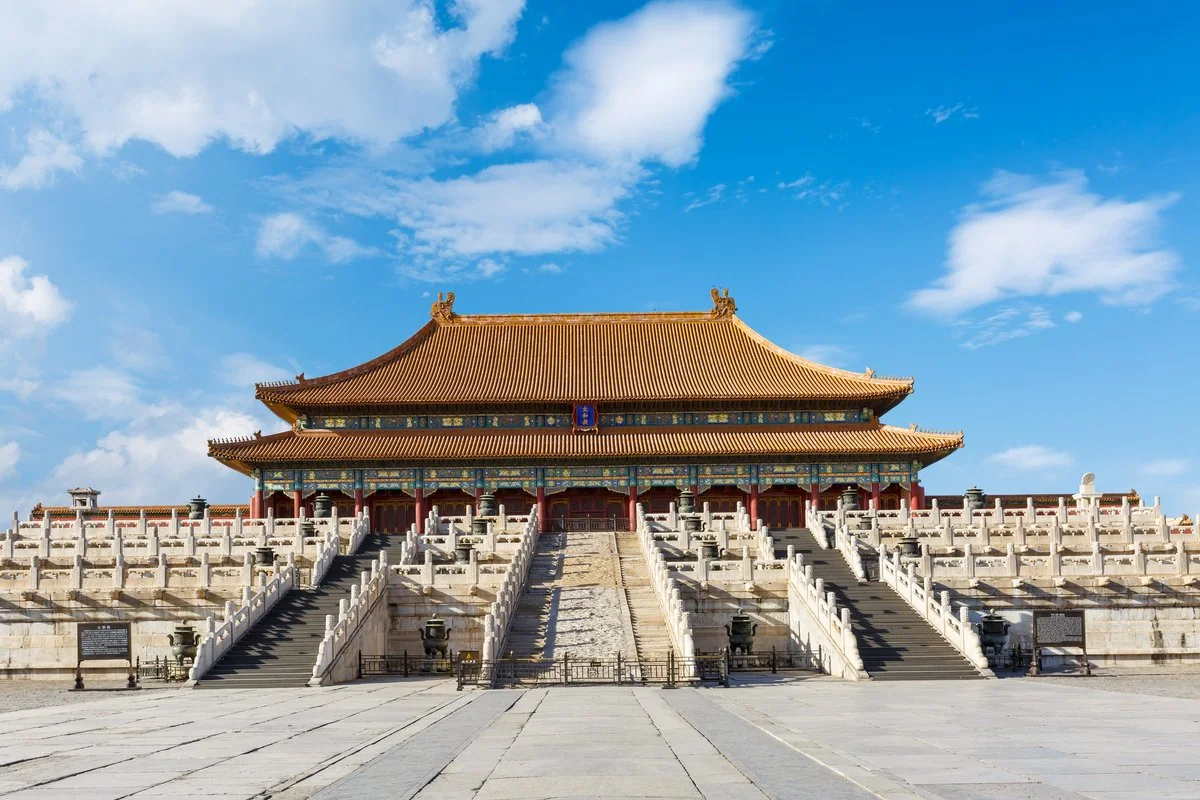
If the Forbidden City is why you stopped in Beijing, lock a Palace Museum reservation on an opening day before you argue about hutongs. The museum normally closes on Mondays, with statutory-holiday exceptions that you must confirm for your year. It expects the original identification used to book. Same-day tickets are not a plan we will build around. Transit travelers who land on Sunday and hoped for a Monday palace morning need a different city day. We check the calendar before we check the restaurant list.
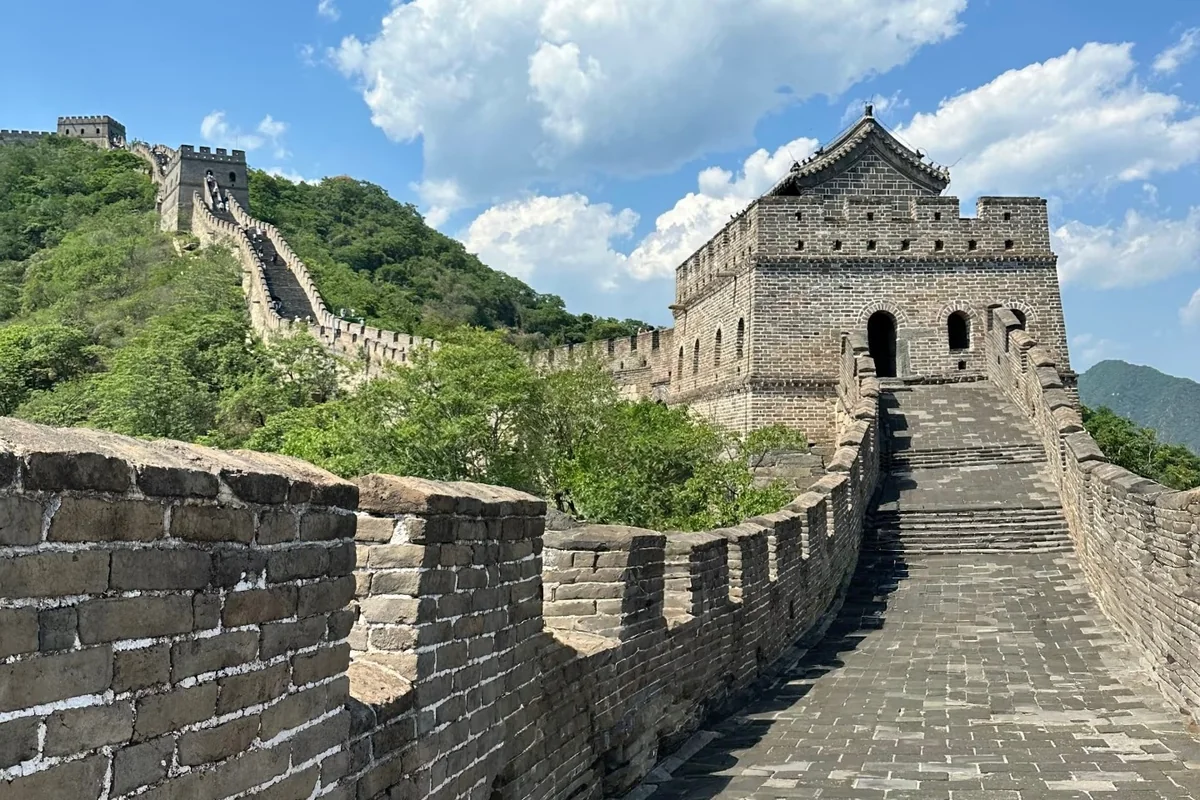
The Wall day comes second because it consumes daylight and a road. Mutianyu is the usual first-time section from Beijing; other sections have their own walking and access rules. You cannot hold a palace timed entry and a ridge walk on the same date without dropping one of them into a sketch. Put the Wall on a day that is not the inbound and not the outbound. If you only have one full day, choose palace or Wall. We will not pretend the combination is kind.
Hotel area comes third because the first two decisions already tell you where the mornings start. Stay near the sights you actually booked, or stay where the airport roads are honest for your pair of flights. A pretty hutong lane is a weak reason to add forty minutes to every transfer on a three-night stay. The where-to-stay page is the neighborhood version of this choice. Transit stays should bias toward simpler returns, not toward collecting districts you will only see from a taxi window. If the hotel is already booked, we plan around it instead of pretending we can move the road.
Weather is fourth, not first, because a grey sky does not unlock a sold-out palace date. You can move a flexible walk for wind, rain, or a bad air-quality morning. You cannot move a timed palace entry because the courtyard looks dull in photographs. Air quality can change how far you want to walk on an open ridge; it does not erase the reservation order. Confirm the forecast as you get closer, and keep one indoor alternative that does not require a new scarce ticket. The best-time page is for people who can still move the month.
What we will not stack on a Beijing transit stay
We will not stack the Palace Museum and a Great Wall section on the same date. We will not stack Tiananmen, the palace, Temple of Heaven, and a hutong dinner on the arrival day. We will not stack Chengde or the Eastern Qing Tombs onto a stay that already has a Wall day and a palace day. Those are full landscapes with their own pages. Transit stays that try to collect them become a series of photographs taken from a car park.
Tianjin can look close on a map and still spend a rail day you do not have after a palace morning. If you have a leftover full date after the palace and the Wall, and you actually want a different city, read the Tianjin guide and confirm that the destination sits inside the current permitted stay area. Do not add it because a connection is almost ten days on paper. Permission to stay is not a reason to leave Beijing when Beijing is why you stopped. We would rather walk one extra hutong lane than put you on a train for the sake of a second stamp.
A show with a fixed start time is a maybe on a night that is not the inbound and not the Wall return. A duck dinner is a maybe on a night when you can sit still long enough to enjoy the carving. Neither is a reason to shorten the Wall walk or to skip lunch so the driver can make a curtain. We keep evenings optional on transit stays because energy is the hidden constraint. The people who enjoy Beijing on a short stop are the people who leave one night empty on purpose and do not apologise for it.
Shopping streets and tea-house invitations are how clocks disappear in the city centre after a gate photograph. If someone appears with a story that the palace is closed and a car is waiting, that is a pattern for the scams page, not a backup plan for a missed reservation. Keep the booking you already hold and walk away from unsolicited help. A private day with no shopping stop is the simplest way to keep a short stay honest. We would rather end early at the hotel than add a jade shop that was never on your list.
Transit stay shapes we will actually keep
| Stay shape | What we keep | What we drop |
|---|---|---|
| One full day plus partials | Palace or Wall, not both | Second landscape, shows, distant dinners |
| Two full days | Palace day and a separate Wall day | Chengde, Tianjin, tomb fields |
| Three full days | Palace, Wall, and one city extra | Two day trips stacked |
| Split airports | A calmer hotel and a protected last morning | A Wall day on the transfer date |
When the 24-hour path and the layover page are the right tools
If you are in Beijing for a same-day or overnight connection, you may be looking at 24-hour visa-free transit rather than the 240-hour stay. The two schemes are related and they are not interchangeable, and using the longer name does not stretch the shorter clock. The layover page and the airport-exit guide explain when leaving the terminal is realistic and when you should stay airside. This page will not restate those clocks. Using 240-hour language for a nine-hour connection is how people over-plan a city they will never reach and then feel cheated at the gate.
A traveler using 24-hour visa-free transit still needs the temporary entry permission before leaving the port restricted area. That is process, not sightseeing, and it sits in the same airport hour as baggage and the road. If the connection is tight, the honest decision is often to remain in the airport and sleep. We would rather say that than design a Forbidden City dash that depends on every queue being kind. Confirm the scheme that matches your actual hours, then decide whether this stay page or the layover page is the document you should keep reading.
The 240-hour path becomes relevant when you have several nights and a genuine onward ticket to a third country or region. That is a stopover you designed, or a long connection you decided to use. It is still not a China visa. It is still not permission to travel anywhere in the country. Stay inside the permitted areas on the current notice. If you want a second mainland city, confirm that city and both ports before you buy the extra train.
If you are unsure which scheme applies, send the inbound and outbound times in local Beijing time before you ask for a palace plan. We will point you at the layover conversation or the stay conversation, not both in one itinerary. Mixing the two pages is how travelers arrive with a ten-day daydream and a twelve-hour ticket. We would rather disappoint you in an email than at the curb. Once the scheme is clear, the Beijing decisions become ordinary: which day is full, which reservation is scarce, and which airport road must stay empty.
Permitted areas, Tianjin and anything outside the city
The official transit policy limits you to designated permitted stay areas, not to China as a whole, and some participating regions list only specified cities or zones. We will not publish a home-made map of every allowed district, because that list is exactly what the National Immigration Administration updates. Before you add Tianjin, Chengde, or a tomb field in another province, confirm that the destination and the ports you will use are covered for your date. If we cannot confirm the area, we keep the day in Beijing. That is caution, not a lack of ideas.
Tianjin is the usual second-city temptation because the rail is familiar to anyone who has already looked at a China map. Chengde is a longer garden-and-temple day with its own overnight question. The Eastern Qing Tombs sit near Zunhua. The Ming Tombs sit on Beijing’s own northern corridor and are a different landscape from the Qing cemeteries. Each of those has a dedicated guide. None of them belong on a transit stay that still lacks a palace day or a Wall day. Fill the Beijing core first, then ask whether a leftover date exists.
Cross-province travel under the 240-hour policy is a policy question, not a sightseeing upgrade you earn by landing early. A domestic hop does not fix a route that returns to the same country without a third-country or third-region onward. It also does not create extra days in the clock. If the stay is short, remaining in Beijing is the cleaner use of the permission. If the stay is long and you have a reason to leave the city, we confirm the area first and the itinerary second. The day-trips page stays the parent for those leftover dates.
Overstaying the window, even by hours, is how future entries become difficult, and leaving the permitted area is the same class of problem. We plan departure with a buffer that looks boring on purpose. Exciting last-morning ideas belong on a trip that has a visa and a spare night, not on a transit stay that still has to clear a second airport. If a friend suggests one more tomb on the way to Daxing, the answer is no. Confirm the deadline on the permission you were given, not on a memory of the phrase ten days.
Monday palace closure and other date traps on a short stay
The Palace Museum normally closes on Mondays, except around statutory holidays, and those exceptions are checked on the museum’s own notices. A transit stay that lands Sunday night and leaves Tuesday morning may have no legal palace morning at all. That is not a disaster if you planned a Wall day or a garden day. It is a disaster if the palace was the only reason you stopped. We look at the weekday of each full day before we talk about tickets.
Holiday weeks in China change crowd, hours, and reservation difficulty at the same time, and a transit stay has little room to slide. A stay that overlaps a public holiday can still work, but it is a different product: more time in security lines, earlier starts, and fewer impulsive add-ons. We will not guess the holiday calendar from memory on this page. Tell us the dates and we will check the year you are actually traveling. If the holiday eats your only palace opening day, we rebuild around the Wall or a garden instead of hoping the gate will make an exception.
Wall sections publish their own access, lift, and weather notices, and those notices are not the same as a city-park forecast. Winter days are shorter and colder; summer afternoons are harder on an open ridge. A transit stay has less room to swap dates than a week-long hotel stay, so the section has to match the day you actually have. Choose a walk you can finish, not the section that looked best in a photograph from another season. Mutianyu is the usual first-time answer; other ridges need their own reasons and their own daylight.
Bring the identification that matches the reservation, including the same spelling that appears on the booking. A passport used to book a palace ticket is the passport you carry to the gate, not a second document you hoped would be close enough. Name mismatches and screenshots of someone else’s booking are ordinary ways to lose a morning you cannot replace on a short stay. We would rather move the visit to an opening day you can actually enter than argue with a gate that is following the posted rule. Confirm the current museum notice before you travel.
Common mistakes on a Beijing transit stay
Treating 240 hours as eight sightseeing days
Arrival, departure, sleep and one rest evening are part of the window. Count usable days.
Booking London–Beijing–London and calling it transit
Without a qualifying third country or region, the scheme does not apply. Confirm the route first.
Stacking the palace and the Wall on the only full day
Choose one major visit. The combination needs two full days.
Landing on Sunday and assuming a Monday palace morning
The Palace Museum normally closes on Monday. Check the notice for your date.
Adding Chengde because the stamp looks long
Hebei days are full outings and must sit inside the current permitted area. Fill Beijing first.
Documents, airlines and what we will not promise
Keep the onward ticket available offline. Airline staff at the origin airport may ask for it before they will board you toward Beijing. A vague plan to buy a ticket later is a common reason boarding fails. If you change the onward flight after you have entered, understand that the permission is tied to the stay conditions you were given. We are not an immigration office and we will not treat a rebooked last flight as a detail to fix at the hotel desk.
Print or save accommodation details for overnight stays even if you think the onward ticket is the only paper that matters. Officers may ask where you will sleep even when a hotel booking is not listed as a universal eligibility condition on the notice. Consistency matters more than a famous hotel name. If you are staying with friends, have an address you can show in Chinese. If you are staying in a hotel, have the name in Chinese as well as English. We ask for the hotel area because it also decides the first and last roads.
Previous Chinese entry problems, overstays, or visa issues are not something we can clean up inside a sightseeing plan, and we will not pretend otherwise. If that history exists, get advice from the embassy or consulate that handles your place of residence, not from a tour page. We will still help you think about days if you are clearly eligible on the current notice. We will not tell you to try the counter and see. A refused boarding at the origin airport is cheaper than a refused entry after a long flight, and it is still a bad surprise.
DragonTrail cannot guarantee immigration approval, and no honest operator will sell you that sentence. We can help you avoid a Beijing plan that would be unwise even if you are admitted: stacked landscapes, Monday palace fantasies, and last-morning Wall days toward the wrong airport. That is the limit of a useful operator conversation on transit. If you want a private pickup after you clear the airport, say which terminal you expect and we will not schedule the car before you can legally walk out. The layover quote exists for connections that never become a stay.
When to ask us to look at the stay
Send inbound airport, outbound airport, local landing time, local departure time, hotel area if you have one, and whether the Forbidden City or the Wall is the non-negotiable visit. That is enough for us to say whether you have one honest day or two, and which weekday can hold a palace reservation. We reply with a realistic order of days, not with a priced menu on this page. If the connection is actually a layover, we will send you to the layover conversation instead of forcing a stay-shaped itinerary onto a twelve-hour ticket.
Families, anyone who tires on stairs, and groups with mixed passports should say so in the first note rather than after we have sketched a ridge walk. Those facts change whether a palace morning should be guided, whether Mutianyu is the right Wall, and whether arrival night should stay empty. A private day is timed around your ticket window and hotel door. A shared coach is timed around a meeting point you may not want to reach after immigration. The private-versus-group page is the Beijing-wide version of that choice; this page only needs you to name the constraint.
We keep this page free of invented hours and invented eligibility on purpose, even when that makes the advice look cautious. Confirm the current National Immigration Administration notice, confirm the museum notice, and confirm the Wall section notice for your date. Then the stay becomes a sequence of ordinary Beijing decisions: palace, Wall, hotel, weather. That sequence is the same one we use for visa travelers. Transit only makes the sequence shorter and less forgiving. If a blog promises four landscapes inside the window, treat that as marketing, not as a walking plan.
If you do not want help, you can still use the order on this page without writing to us. Lock the scarce reservation on an opening day. Give the Wall its own daylight. Do not spend the arrival morning on a timed ticket you might miss after a long immigration line. Leave Beijing with one complete visit rather than four unfinished ones. That is the whole point of treating 240 hours as a stay instead of a dare. The China policy page and the layover clock remain the places to settle eligibility and airport minutes.
Frequently asked questions
- No. The China 240-hour visa-free transit page is the country policy explainer. This page is the Beijing stay planner that you use after the route looks eligible. Confirm the current National Immigration Administration notice before you fly.
- Both airports participate on the current lists we work from, but they are different roads. A stay that arrives at one and leaves from the other spends transfer time. We protect that last morning instead of adding a sight.
- Often one or two full days after you subtract arrival and departure. Two full days can hold a palace day and a Wall day. Three is a designed stopover, not an automatic gift of the stamp.
- We will not plan that stack. Each visit needs its own daylight. If you have only one full day, choose one.
- No. Eligibility is about passport, onward ticket to a third country or region, port and permitted area. A hotel address is still useful to carry if you stay overnight.
- Only after the Beijing core is intact and only if the destination sits inside the current permitted stay area. On most transit stays we keep you in Beijing.
- Then Monday may be a palace closure. Confirm the Palace Museum notice and put the Wall or a garden on that date instead of hoping for an exception.
- No. Airlines and border officers decide. We help you plan a stay that is realistic if you are admitted.
- Yes, if the connection is same-day or overnight. That page owns the PEK and PKX clock. This page owns multi-night stay shape.
- No. Send airports, times, hotel area and the one visit you will not drop. We reply with a realistic day order.
Visitor information sources
Checked on 2026-10-21. Read the attraction’s latest notices before travel.