
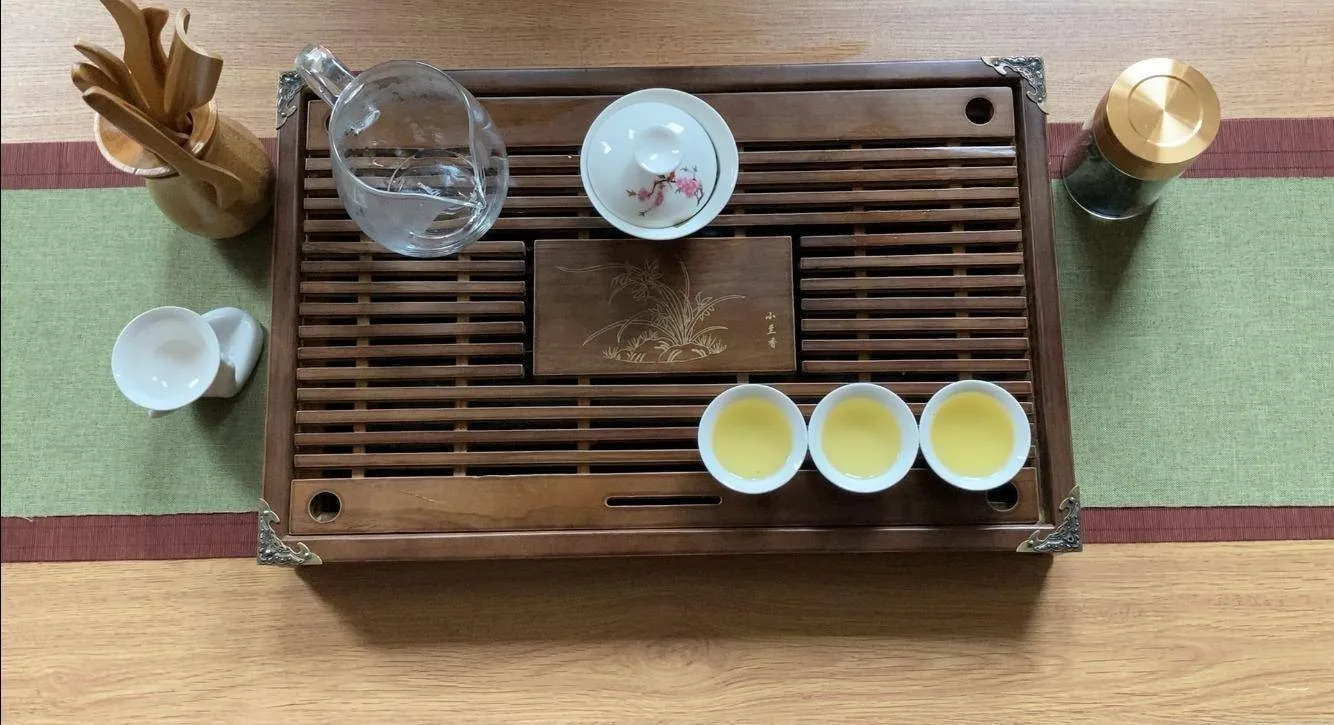
Traditional Tea Preparation
Watch gongfu cha and learn how a small vessel, short steeps and repeated infusions change the cup.
Discover the Art of Chinese Tea. Learn gongfu tea preparation, taste several Chinese teas side by side and explore Beijing’s Maliandao tea-trading district with a private guide.
Shopping is optional
Discover the Art of Chinese TeaLearn gongfu tea preparation, taste several Chinese teas side by side and explore Beijing’s Maliandao tea-trading district with a private guide.
Shopping is optional
Tea has long been part of Chinese hospitality and everyday life. Growing regions developed different ways to process their leaves, while brewing traditions shaped how tea is shared. Gongfu cha brings careful preparation and small servings together so drinkers can notice how the same leaves change between infusions.
At Maliandao, a working tea-trading district in Beijing, you can put that knowledge into practice. See the Chinese tea culture guide for more background.
Watch gongfu cha and learn how a small vessel, short steeps and repeated infusions change the cup.
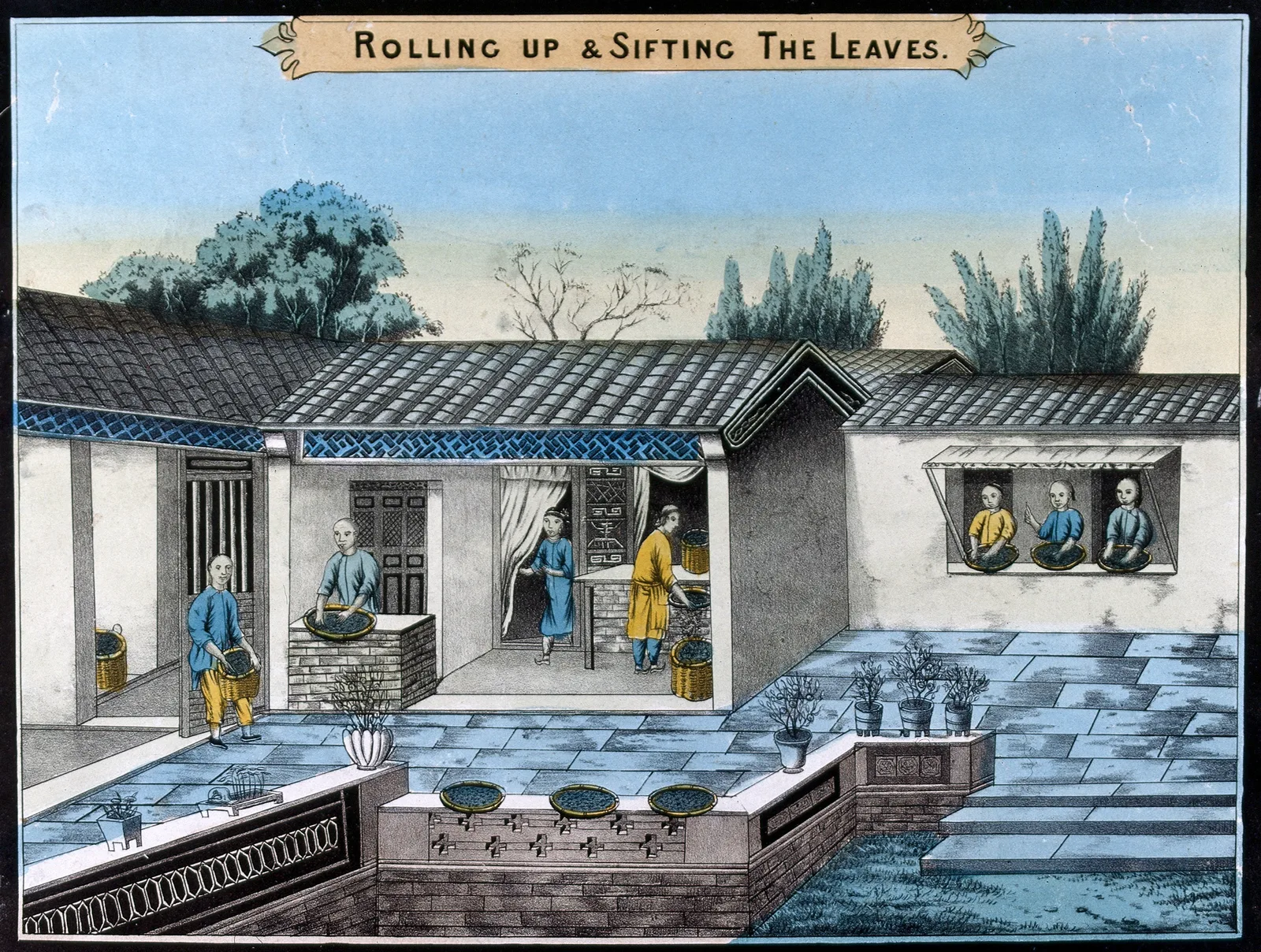
Compare aromas, textures and flavours while your host explains how origin and processing affect each tea.
Explore a working tea-trading district and meet selected merchants who can explain the teas and teaware they carry.
Processing, including oxidation, heat and ageing, gives each category its character. Flavour varies with the tea and how it is brewed. The examples below are reference points for your tasting.
Heat limits oxidation soon after picking. Longjing can show a toasted or nutty aroma and a light liquor.
Leaves are typically withered and dried with little handling. Bai Mudan can have soft floral and hay-like notes.
A brief warm, humid resting step follows heating, giving the leaves and liquor a yellow cast and a softer taste.
Partial oxidation and sometimes roasting give oolongs a wide range, from floral Tieguanyin to darker roasted styles.
More extensive oxidation creates darker leaves and an amber or red liquor. Dianhong can taste malty or sweet.
Microbial processing or ageing develops deeper flavours. Ripe Pu-erh is a useful example to request if available.
Read our guide to the six tea categories for more examples.
Your host demonstrates a gaiwan or small teapot and explains how to adjust the leaf quantity, water temperature and steep time. Watch the first pour, then compare later infusions for changes in aroma, texture and finish. Your host can also explain serving etiquette and how to handle the vessels.
Read the Chinese tea ceremony guide before your visit.
Maliandao is a commercial district with wholesale and retail shops. Merchants carry teas from different growing regions, including loose-leaf tea and pressed cakes, as well as teapots, gaiwans and cups. We plan for two or three selected shops if arrangements and time allow.
See the Maliandao Tea Market guide for neighbourhood context.
If you want to shop, your guide can explain labels, compare like quantities and grades, and help you discuss prices and teaware with merchants. Vendors set their prices and availability varies. Purchases are optional and paid separately to the shop. Confirm any international shipping with the merchant.
This sample schedule covers about three hours. We adapt it to the host, participating shops and your interests.
| Elapsed time | Activity |
|---|---|
| 00:00–00:20 | Introduction to Chinese tea culture |
| 00:20–01:00 | Gongfu brewing and first infusions |
| 01:00–02:00 | Comparative tasting and selected shop visits |
| 02:00–02:40 | Explore Maliandao and compare teas |
| 02:40–03:00 | Optional shopping and finish |
The private visit lasts about 2.5–3 hours at Maliandao. Your quote confirms your English-speaking host, gongfu demonstration, included tastings, participating shops, meeting point and transit directions. Hotel pickup, an extended tasting or a local meal can be requested separately.
We quote the tour based on group size and confirmed arrangements. Purchases and optional additions are separate. For more ideas, see Beijing cultural experiences, the Hutong Walking Tour, the Beijing Street Food Walk or the Beijing food guide.