
Yangzi Explorer is different. Its current ship was designed to fit the Three Gorges ship lift and can navigate the lift itself when operating conditions allow.
Understanding that distinction makes the itinerary much easier to follow.
Three Gorges Dam at a Glance
| Fact | Three Gorges Dam |
|---|---|
| Location | Sandouping, Yichang, Hubei |
| River | Yangtze River |
| Type | Concrete gravity dam and multi-purpose water-control project |
| Length | About 2.3 km |
| Maximum dam height | About 181 m |
| Installed hydropower capacity | 22.5 GW |
| Generating units | 34 |
| Normal reservoir level | 175 m |
| Navigation | Twin five-stage ship locks + vertical ship lift |
| Maximum ship-lift height difference | About 113 m |
| Main purposes | Flood control, power generation and navigation |
The Three Gorges power station has 22.5 GW of installed generating capacity, the largest installed capacity of any hydroelectric power station. The wider project also includes the dam, spillway, navigation locks, ship lift and reservoir.
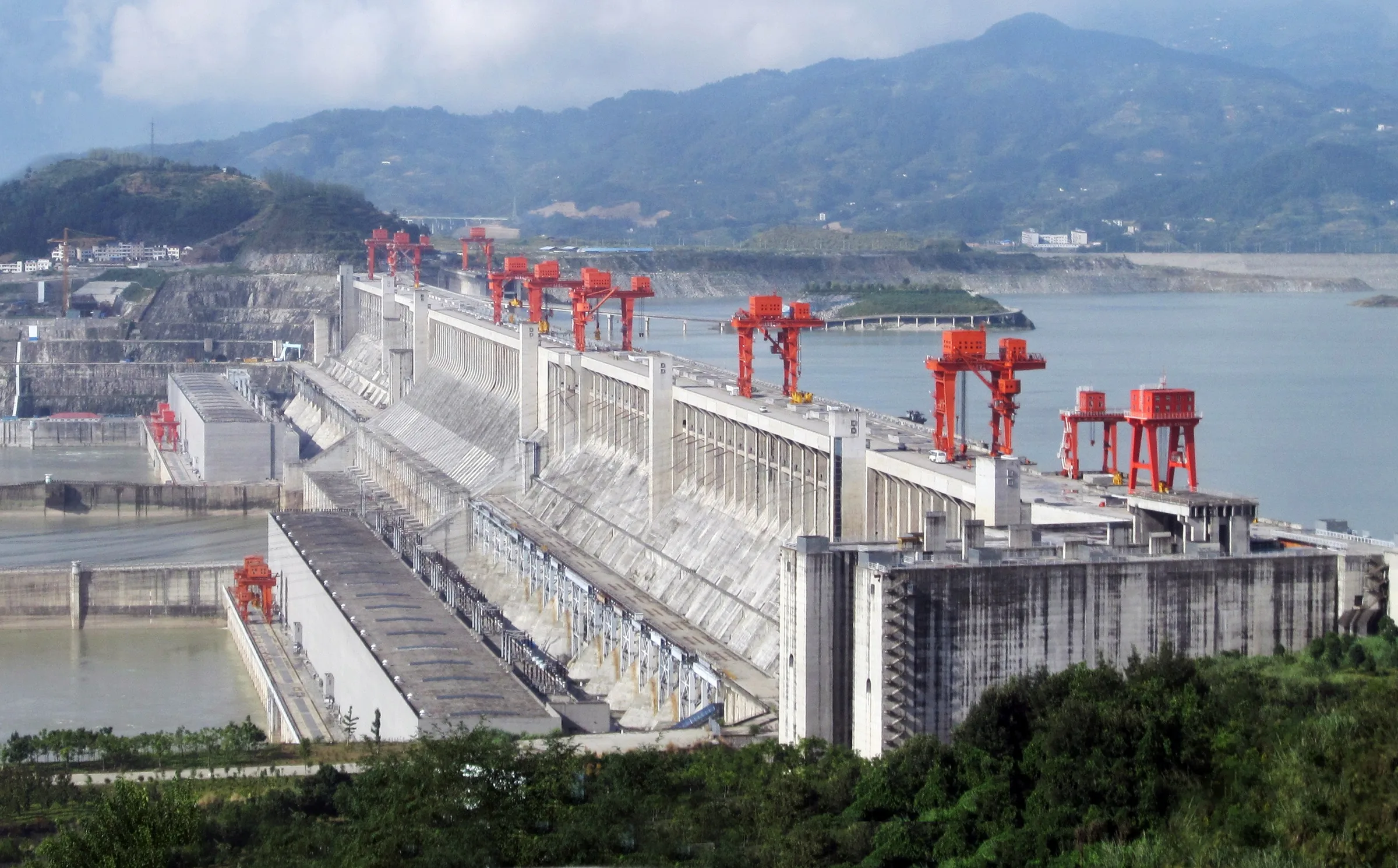
*The Three Gorges Dam lies near Yichang at the eastern end of the classic Three Gorges cruise route.*
Where Is the Three Gorges Dam?
The dam stands at Sandouping in Yichang, Hubei Province, within the Xiling Gorge region. It is near the eastern end of the classic Three Gorges cruise route between Chongqing and Yichang.
Downstream
Qutang Gorge → Wu Gorge → Xiling Gorge → Maoping / Zigui → Three Gorges Dam / Sandouping → downtown Yichang
Maoping lies upstream of the dam. Sandouping is the dam area. Downtown Yichang lies farther downstream.
This geography explains why many downstream cruises finish the ship portion at Maoping, visit the dam by coach and then continue to downtown Yichang by road.
Pier and transfer detail: ports & boarding. Landscape context: Three Gorges guide.
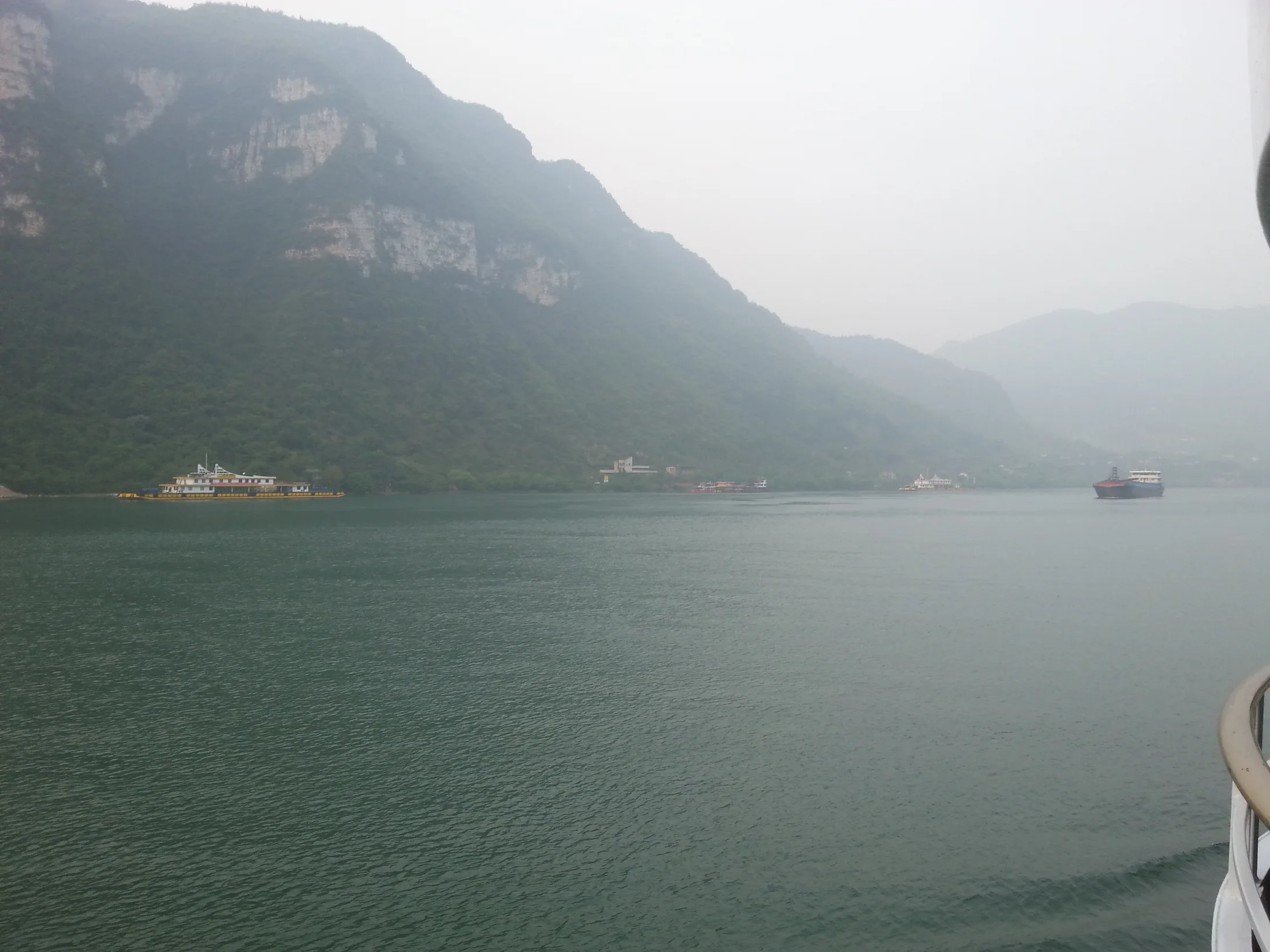
*Xiling Gorge is the eastern gorge on the classic Chongqing–Yichang cruise route toward Yichang.*
What Happens on a Yangtze Cruise at the Dam?
The answer depends on the cruise line. There are three different experiences that are often confused online.
1. Visiting the dam on land
This is the standard experience on many mainstream cruises. Passengers leave the ship, travel by coach through the managed dam area and visit viewpoints, memorial areas or the Three Gorges Project Museum depending on the cruise program.
Current Century 2026 programs include the River Closure Memorial Park and Three Gorges Project Museum.
2. Taking a smaller boat through the ship lift
On Century and several other mainstream cruises, the Three Gorges ship lift may be offered as an optional excursion. Passengers disembark from the main cruise ship around Maoping and transfer to a smaller sightseeing vessel designed for the lift.
After passing through the lift, the excursion continues toward Sandouping and the dam visit.
3. Passing through the ship lift on your cruise ship
This is much less common. Yangzi Explorer is specifically designed to fit the ship lift and can navigate it with guests remaining onboard, subject to operating conditions.
These are three different experiences. Do not book a cruise simply because its brochure mentions the "Three Gorges ship lift" without checking which one applies.
2026 temporary notice (verify after planned reopening): Official China Three Gorges Corporation maintenance for the ship lift started August 18, 2026 at 08:00, with a planned duration of 42 days and planned reopening September 29, 2026 at 08:00. Ship-lift excursions are unavailable or replaced while the lift is closed; do not treat the lift as operational before verified reopening.
Three Gorges Ship Locks vs Ship Lift
| Ship locks | Ship lift | |
|---|---|---|
| How it works | Vessel moves through a sequence of water-filled chambers | Vessel enters a water-filled chamber that is raised or lowered vertically |
| Structure | Twin five-stage locks | Single vertical lift |
| Main role | High-capacity commercial navigation | Faster passage for suitable passenger, cargo and special-purpose vessels |
| Height difference | Managed in stages | Up to about 113 m vertically |
| Vessel scale | Can handle much larger vessel traffic | Designed for vessels up to roughly 3,000 tonnes |
| Typical cruise relevance | Often seen or explained but not necessarily traversed by the main cruise ship | Often optional by smaller sightseeing boat; Yangzi Explorer is a notable direct-transit exception |
The locks are sometimes described as a staircase for ships, while the ship lift works more like an elevator.
China Three Gorges Corporation says the ship lift can raise suitable vessels through a maximum vertical difference of about 113 m and normally completes the passage much faster than the locks.
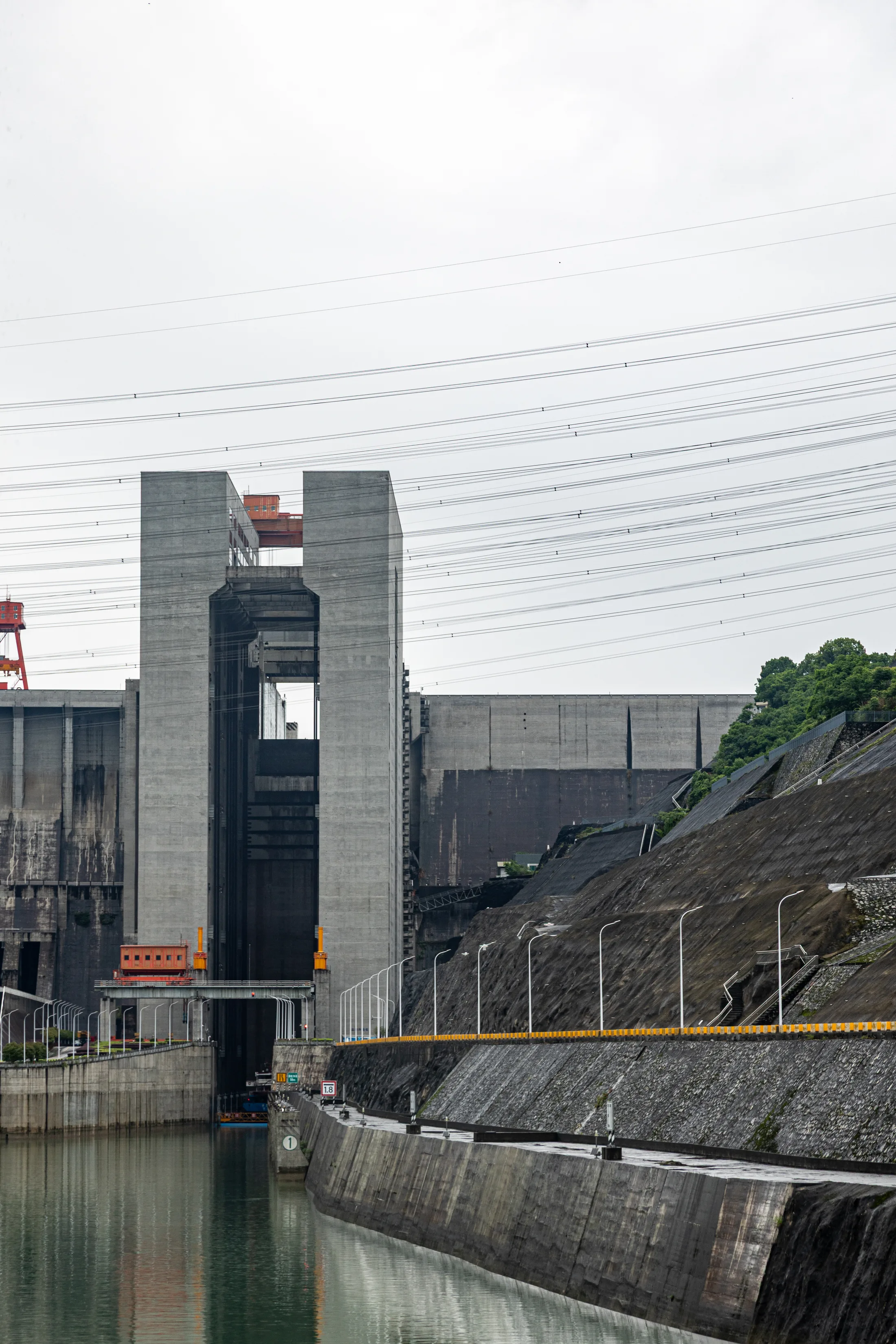
*The Three Gorges Dam ship lift is separate from the multi-step ship locks and is not guaranteed on every sailing.*
Ship-lift operation is never guaranteed. Maintenance, water level, weather and navigation control can suspend or change the experience.
The locks are an essential part of commercial navigation through the Three Gorges Dam, but many current Chongqing–Yichang cruise ships do not carry passengers through them as part of the standard itinerary. Mainstream cruise programs commonly begin or end at Maoping Port upstream of the dam instead.
Why Doesn't Every Yangtze Cruise Pass Through the Dam?
Because the main cruise itinerary does not need to. Maoping Port is upstream of the Three Gorges Dam and has become the normal Yichang-side terminal for many modern Chongqing–Yichang cruise programs.
The cruise vessel can therefore finish at Maoping while passengers continue separately through the dam sightseeing area toward central Yichang. The arrangement avoids making the passenger itinerary depend on navigation scheduling through the dam.
Why Was the Three Gorges Dam Built?
The project was designed around three main goals: controlling Yangtze floods, generating electricity and improving river navigation.
Flood control
Major floods have shaped life along the middle and lower Yangtze for centuries. The reservoir provides substantial storage that can be used to reduce flood peaks during high-water periods.
Hydropower
The power station has 22.5 GW of installed generating capacity from 34 generating units. Hydropower from the project supplies China's electricity grid without directly burning fossil fuel at the power station.
Navigation
The reservoir created deeper navigation conditions upstream, while the five-stage locks and ship lift allow vessels to cross the large difference in water level at the dam itself.
Tourism was not the reason the dam was built. The cruise experience developed around a national infrastructure project.
When Was the Three Gorges Dam Built?
| Year | Milestone |
|---|---|
| 1992 | China's National People's Congress approved construction of the Three Gorges Project |
| 1994 | Major construction began |
| 2003 | Reservoir impoundment and permanent ship-lock operation began |
| 2012 | All major generating units were in operation, bringing installed capacity to 22.5 GW |
| 2016 | Three Gorges ship lift entered operation |
| 2020 | Overall project completion formally passed final acceptance |
What Did the Dam Change?
The Three Gorges Project brought major engineering benefits, but it also transformed a vast stretch of the Yangtze valley. Both parts of that story matter.
Floods and electricity
The dam helps manage catastrophic flood risk on the middle and lower Yangtze while supplying a major share of China's hydropower capacity.
River navigation
Upstream of the dam, deeper reservoir water improved navigation for larger vessels. At the dam itself, the locks and ship lift allow ships to cross the height difference between the reservoir and the river below.
Resettlement
The largest human impact was resettlement. Official project audits record approximately 1.3 million people relocated as reservoir towns, villages and industrial sites were moved or rebuilt.
Cultural heritage
Historic buildings, archaeological sites and settlements in the reservoir zone were documented, relocated where possible or submerged as water levels rose. Some familiar sites, including Baidicheng, now sit in a very different relationship to the river than they did before the reservoir.
River and ecosystems
The dam also altered water flow, sediment transport and aquatic habitats along the Yangtze. These effects continue to be studied and managed.
Did the Dam Flood the Three Gorges?
It raised the river level substantially, but saying that the Three Gorges simply "disappeared" is incorrect.
The reservoir changed shorelines, submerged former rapids and settlements, and made the water through much of the gorge system broader and calmer. But the towering cliffs of Qutang Gorge and the mountain landscape around Wu Gorge remain clearly visible.
What modern travelers see is therefore the same major mountain system under very different river conditions from those described in pre-dam books and photographs.
See the Three Gorges guide for the landscape journey.
What Do Cruise Travelers See at the Dam?
The exact visitor route varies by operator and year. Current Century programs, for example, use the River Closure Memorial Park and Three Gorges Project Museum on their standard dam excursion.
Three Gorges Project Museum
Opened in 2022, the museum explains the engineering, construction, reservoir region and history of China's hydropower development.
The museum is located about 1 km from the dam and contains dedicated Three Gorges, engineering and hydropower exhibitions.
Dam viewpoints
Outdoor viewpoints help convey the scale of the dam, spillways and reservoir. The exact viewpoint depends on the excursion route and access arrangements.
River Closure Memorial Park
This area interprets the river-diversion and closure stage of construction and provides broad views toward the project.
Expect a mixture of coach transfers, walking, security screening and guided explanation rather than unrestricted movement through an industrial site.
The dam remains operating national infrastructure, so access is controlled. Expect identity checks, security screening and designated visitor routes. Follow posted photography and security restrictions inside the managed dam area.
Can You Visit the Three Gorges Dam Without a Cruise?
Yes. The Three Gorges Dam tourism area can be visited independently from Yichang, so taking a multi-day cruise is not required to see the project.
Independent access uses the tourism area's reservation, security and internal transport system. Rules can change, so check the current visitor instructions before travel.
For foreign visitors, current visitor guidance allows booking at the service window using a valid passport or other accepted travel document.
When Does the Dam Visit Happen on a Cruise?
Downstream: Chongqing → Yichang
On many current mainstream cruises, the main vessel reaches Maoping on the final morning. Passengers disembark, visit the Three Gorges Dam and then continue to downtown Yichang.
If you add the optional ship-lift excursion, the final arrival in Yichang is normally later.
Upstream: Yichang → Chongqing
The dam is normally visited near the beginning of the journey before or shortly after boarding at Maoping, depending on the cruise program.
Do not book a tightly timed train or flight based only on the words "Day 4" or "Day 5." Use the confirmed finish time for the exact excursion package you select.
Transfer planning: ports & boarding.
Common Three Gorges Dam Misunderstandings
- Assuming every cruise ship passes through the locks. Many mainstream cruises now begin or end at Maoping upstream of the dam.
- Assuming the ship lift and ship locks are the same thing. They are two separate navigation systems.
- Assuming the main cruise ship always uses the ship lift. Mainstream cruises often use a separate sightseeing boat; Yangzi Explorer is a notable exception.
- Thinking Maoping and Zigui are two separate terminal areas. Maoping Port is in Zigui County.
- Assuming the dam excursion is identical on every cruise. Visitor sites and optional experiences vary by operator.
- Expecting the pre-dam Three Gorges landscape. The reservoir substantially changed water levels, shorelines and navigation.
Choose a Cruise With the Dam Experience You Want
If the ship lift matters to you, tell us before choosing a cruise. We can compare whether the sailing includes the standard dam visit, offers the ship lift as an optional smaller-boat excursion, or uses a ship capable of passing through the lift itself.
DragonTrail does not operate the dam, ship lift or cruise vessels. We compare sailings and coordinate bookings through local cruise partners.
FAQ
- The Three Gorges Dam spans the Yangtze River at Sandouping in Yichang, Hubei Province, near the eastern end of Xiling Gorge.
- The main dam is about 2.3 km long and reaches a maximum height of about 181 m. The hydropower station has 22.5 GW of installed generating capacity.
- Its principal purposes are flood control, hydroelectric power generation and improved navigation on the Yangtze River.
- No. Many current mainstream Chongqing–Yichang cruise programs begin or end at Maoping Port upstream of the dam, so the main cruise ship does not need to transit the locks.
- The locks move vessels through several water-filled chambers in stages. The ship lift raises or lowers a suitable vessel vertically in a large water-filled chamber, covering a maximum height difference of about 113 m.
- It depends on the ship. On many mainstream cruises the ship lift is an optional excursion using a smaller sightseeing boat. Yangzi Explorer is specifically designed to navigate the lift itself when operating conditions allow.
- No. Water levels, weather, maintenance and navigation control can suspend or alter ship-lift operations.
- Maoping Port is in Zigui County on the Yichang side of the cruise route, upstream of the Three Gorges Dam. Many modern Yangtze cruises begin or end there.
- Many classic Chongqing–Yichang cruises include a dam-area excursion, but the exact visitor sites and any ship-lift experience depend on the cruise line and departure.
- Yes. The dam tourism area can be visited independently from Yichang under its current reservation, security and internal-transport procedures.
- Official project audits record roughly 1.3 million people relocated as part of reservoir construction and resettlement.
- No, but it changed them substantially. The reservoir raised water levels, submerged former settlements and rapids and altered the river landscape. The major cliff and mountain scenery of Qutang, Wu and Xiling remains visible.