
8-day Classic Circuit at a glance
| Item | Detail |
|---|---|
| Package | Classic Tibet Circuit |
| Focus | Lhasa + Yamdrok–Gyantse–Shigatse (first overland) |
| Headline days | Capital monasteries, then lake / Gyantse / Tashilhunpo |
| Capital-only? | No — use Essence ~5 days |
| Tibet-side EBC? | No — use Highlights ~10 days |
| Private help | LXA pickup, circuit vehicle days, altitude-aware pacing |
Who this 8-day plan is for
Choose Classic Tibet Circuit if:
- Yamdrok Lake, Gyantse, and Shigatse (Tashilhunpo) are non-negotiable on a first Tibet trip;
- you have roughly eight days including Lhasa arrival acclimatization and a return buffer;
- you want the default first overland shape — southern circuit after capital monasteries;
- Tibet-side Everest (Tingri / Rongbuk) can wait for a longer trip or a future visit;
- the group accepts multi-hour plateau roads after two solid Lhasa nights.
Choose something else if:
- calendar is only ~5 days or capital culture is enough → 5-day Lhasa Essence;
- Tibet-side Everest north face is a must → 10-day Everest Highlights;
- someone is still altitude-fragile after Lhasa — do not force day-4 overland; stay capital longer or shorten to Essence.
Classic is Lhasa + southern circuit done properly, not a crushed "see everything" dash and not an Everest attempt. Forcing Tingri / Rongbuk into eight days usually steals either acclimatization or circuit quality.
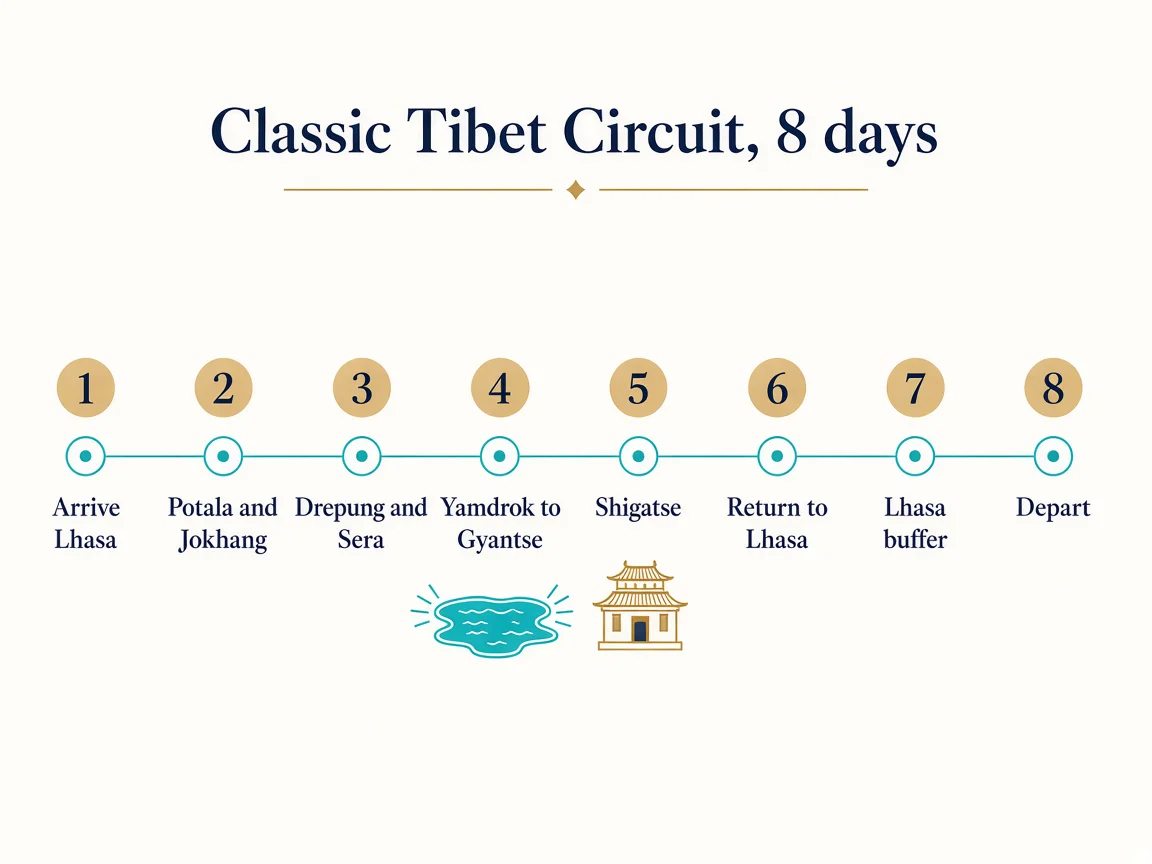
Day 1 — Arrive Lhasa and protect rest
- Private or arranged LXA (or train-station) pickup after multi-leg flights and thin air.
- Hotel check-in, water, light meal — no heroic sightseeing stack tonight.
- If energy allows: a short, flat Barkhor stroll only.
- Skip Potala stairs and monastery marathons on night one.
Altitude note: Lhasa ~3,650 m. Classic depends on days 1–2 as real acclimatization before the southern circuit climbs and longer roads. Day-1 overreach is the fastest way to lose days 4–5. Deep dive: permits & altitude.
Permit note (high level): Foreign travel typically needs a Tibet Travel Permit plus guided arrangements for both capital and circuit towns. Your private plan coordinates this — do not invent DIY overnight loops that break permit geography.
Day 2 — Potala + Jokhang / Barkhor (light capital headline)
This is often the first quality capital day after overnight rest:
- Easy morning start
- Potala Palace with paced tickets (stairs + altitude)
- Afternoon: Jokhang and Barkhor with café exits
- Early dinner and hotel reset — protect sleep before monastery day 3 and the overland block
If day-1 arrival was late evening, keep day 2 lighter (Barkhor + Jokhang) and move Potala to day 3. Place depth: Lhasa guide.
Classic still needs this capital quality. Do not "save" all monasteries for after the circuit — the acclimatization ladder works better with Potala / Jokhang before Yamdrok–Gyantse roads.
Day 3 — Lhasa monasteries (Drepung / Sera)
Option A: Drepung and/or Sera with real pacing — debate courtyards when timing allows. Option B: One major monastery + soft Barkhor afternoon if legs are still adjusting. Option C: Norbulingka softer day if someone is altitude-fragile before tomorrow's road.
Keep the evening early. Tomorrow is the first long southern-circuit day — sleep is itinerary infrastructure.
Do not invent a same-day Yamdrok "preview" dash on day 3. The circuit starts day 4 with proper packing, water, and an early departure.
Day 4 — Lhasa → Yamdrok → Gyantse
The classic southern-circuit opener:
- Early departure from Lhasa with packed layers, water, and snacks
- Yamdrok Lake viewpoint stops (altitude and wind — short outdoor blocks)
- Continue to Gyantse for overnight; Pelkor / Kumbum when timing and energy allow
This is a road + landscape + town day, not a museum marathon. Protect photo stops without stacking every chapel after a long drive.
Geography depth: Yamdrok–Gyantse–Shigatse. Altitude context: passes and lakes sit above Lhasa — treat hydration and pacing as seriously as on capital stairs days.
Day 5 — Gyantse → Shigatse (Tashilhunpo)
- Morning Gyantse depth if day 4 arrived late (fortress views / Pelkor flex)
- Road to Shigatse
- Afternoon: Tashilhunpo Monastery with paced walking — headline western Tibet capital monastery for this band
- Overnight Shigatse; early dinner after road dust and altitude
Shigatse is not a transfer sandwich. Give Tashilhunpo real time. Place context sits inside the Yamdrok–Gyantse–Shigatse guide.
Day 6 — Shigatse area / return toward Lhasa
Standard Classic pattern: morning soft Shigatse buffer or short local stop, then return road toward Lhasa for overnight back in the capital.
Flex if energy is high: a slightly longer Shigatse morning before the return — still not a Tingri / Rongbuk attempt.
What day 6 is not: Everest Base Camp on the Tibet / China north side, a Nepal-side trek fantasy, or a same-day Shigatse–EBC–Lhasa hero loop. Those geographies belong on 10-day Highlights.
Arrive Lhasa with enough evening left for a quiet meal and sleep — day 7 is your buffer, not a second overland.
Day 7 — Lhasa buffer / optional soft capital
Use this day as designed — a buffer, not a guilt-trip to invent new geography:
- Soft Barkhor / café recovery after circuit roads
- Optional light capital site you skipped on days 2–3
- Packing, laundry, permit paperwork close-out with your guide team
- Early night before departure
If someone struggled on the circuit, day 7 is rest medicine. If the group is strong and departure is late day 8, a short local outing is fine — still capital-scale.
Day 8 — Departure
- Protect LXA or train timing for altitude, traffic, and luggage
- Optional short morning walk only if departure is late
- Do not invent a mini Namtso or second Yamdrok dash on outbound morning
Classic succeeds when the southern circuit felt paced and Lhasa bookends stayed human. Leaving tired but satisfied beats leaving with a half-seen Everest detour.
Swap logic when flights, altitude, or roads fight the template
| Constraint | Adjustment |
|---|---|
| Late day-1 arrival | Arrival-only day 1; keep Potala on day 2 or 3 before overland |
| Altitude struggle in Lhasa | Delay day-4 circuit; stay capital; consider Essence instead |
| Early day-8 departure | Protect day-7 buffer; no invented lake dash on outbound morning |
| Weather kills Yamdrok views | Keep Gyantse overnight; do not chase reckless second passes |
| Wanted EBC in eight days | Decline as core — step to Highlights ~10 days |
| Peak festival / ticket pressure | Book earlier; accept crowds; protect rest before road days |
What we deliberately leave out of Classic
- Tingri / Rongbuk / Everest Base Camp on the Tibet / China north side (upgrade to Highlights ~10 days)
- Namtso as a core overnight (optional fold-in only when calendar and energy allow — not default)
- Nyingchi or Kailash (custom plans only — not one of the three standard trips)
- Crushing Essence capital quality to "make room" for a same-trip EBC attempt
- Exhaustive chapel lists that steal acclimatization before the first overland day
Classic is the first overland Tibet shape: Lhasa → Yamdrok → Gyantse → Shigatse → Lhasa.
Everest disambiguation: "EBC" on this page means the Tibet / China north side (Rongbuk approach) when we say what Classic does not include. It is not the Nepal trek via Lukla / Namche. Same mountain; different country, permits, and altitude ladder. Upgrade path: 10-day Everest Highlights · place depth: Everest Base Camp Tibet.
Why eight days beats a crushed six-day circuit dash
Six "full" days on paper often become: late LXA arrival, one exhausted palace day, a rushed Yamdrok photo stop, a short Shigatse glance, and an early departure. Eight days create room for:
- two protected Lhasa acclimatization / capital nights before overland;
- one monastery depth day in the capital;
- a real Yamdrok → Gyantse road day;
- a real Gyantse → Shigatse / Tashilhunpo day;
- a return toward Lhasa that is not a midnight airport dash;
- a buffer day and a sane departure.
If your calendar truly only has five usable ground days, use Lhasa Essence — do not pretend Classic fits unchanged. Frameworks: itinerary overview.
Contrast vs Essence 5 days and Everest Highlights 10 days
| Question | Essence ~5d | Classic ~8d | Highlights ~10d |
|---|---|---|---|
| Core geography | Lhasa capital | Lhasa + Yamdrok–Gyantse–Shigatse | Circuit + Tingri / Rongbuk / EBC Tibet side |
| Long overland? | No | Yes (southern circuit) | Yes + further west |
| Right when… | Short calendar, capital culture, altitude testing | Default first overland Tibet trip | Everest north face is non-negotiable |
| Wrong when… | Someone expected Yamdrok or EBC | Calendar is only ~5 days | Group struggles above circuit altitudes |
Step links: 5-day Essence · 10-day Highlights · packages compared.
Altitude pacing on the southern circuit
Classic adds lake / pass exposure after Lhasa nights:
- Days 1–2: Lhasa sleep and light stairs only when ready
- Day 3: monastery walking still in the capital basin
- Day 4–5: Yamdrok viewpoints and circuit towns — short outdoor blocks, layers, water
- Day 6–7: return and buffer — do not "make up" skipped chapels with heroic stacking
Altitude ladder context (Lhasa vs circuit vs Tingri / Rongbuk):
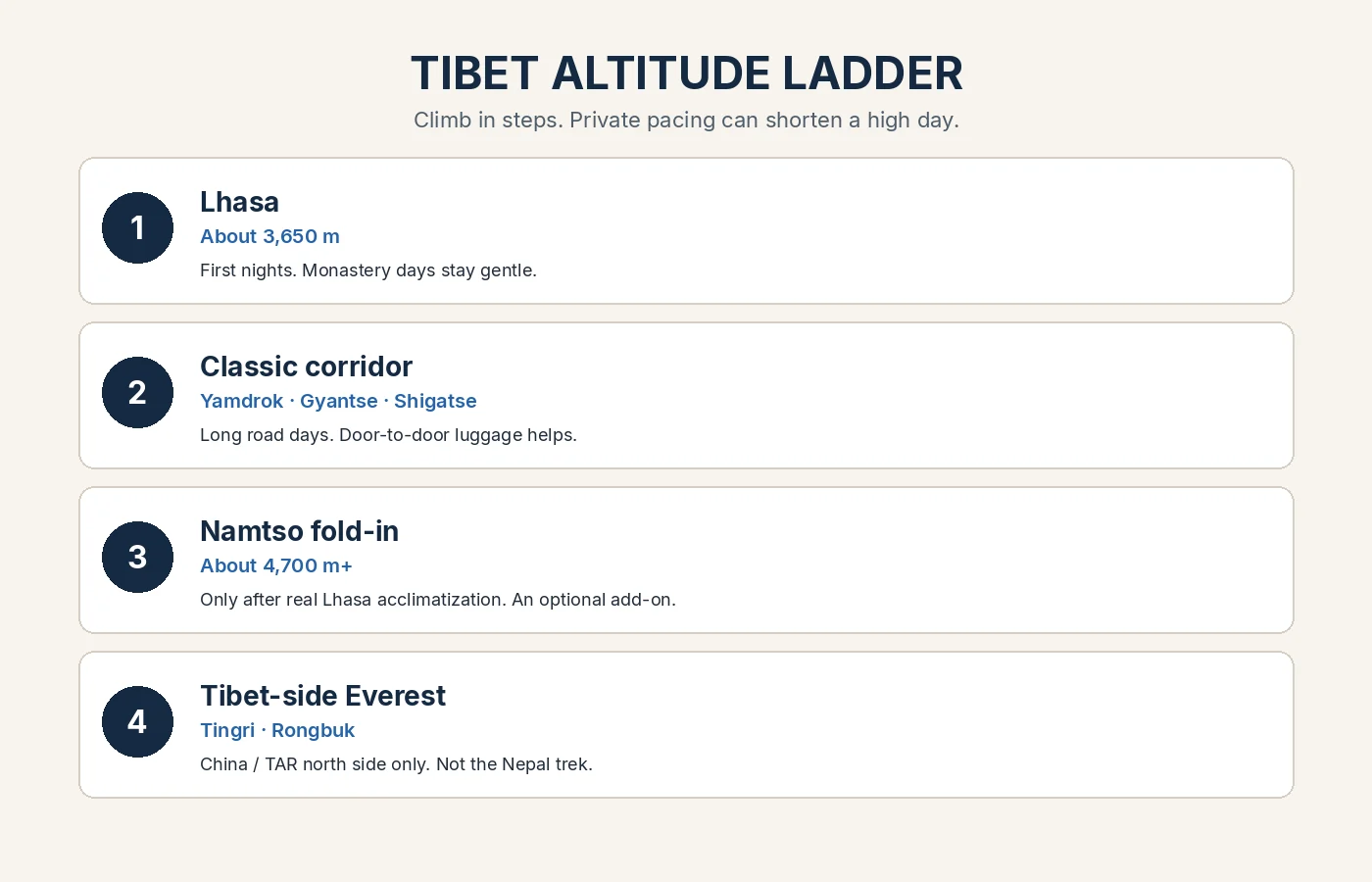
Deep dive: permits & altitude. Season windows: best time.
Permits and guide rules at Classic length
For most foreign travelers, Tibet travel involves a Tibet Travel Permit and guided arrangements — capital and southern-circuit towns. Classic does not remove that layer; it expands geography so permit pacing, hotel nights, and vehicle days must align.
On a quote-led private plan we coordinate permit timing with passport nationality, dates, LXA / train arrival, and overnight towns (Lhasa / Gyantse / Shigatse). Do not assume a last-minute DIY lake loop works the way a lowland Chinese city day-trip might.
Independence math: private vs group.
Road-day thinking for Yamdrok → Gyantse
A workable pattern:
- Early start from Lhasa with layers and water already packed
- Viewpoint discipline — short stops, no hour-long photo quests if weather turns
- Lunch flex between lake and Gyantse rather than a fixed tourist-trap slot
- Afternoon Gyantse — check in, light town walk or Pelkor if energy remains
- Early sleep — Shigatse and Tashilhunpo still ahead
If cloud or wind kills lake views, the day is still a successful transfer into Gyantse culture — do not punish the itinerary with a reckless second pass chase.
Tashilhunpo without letting it eat Shigatse
Tashilhunpo is the Classic western-capital monastery headline. Cap the visit. Leave room for hotel reset and the return-road planning conversation. Collecting every chapel after a dusty drive produces worse photos and worse tomorrow.
Treat Tashilhunpo as a quality block, not an all-day quest.
Namtso decision tree inside Classic
Usually skip as a core overnight on a tight eight-day southern-circuit template. Consider only when energy, permits, and calendar allow a northern high-lake fold-in instead of inventing Everest. Never stack Namtso + full Yamdrok–Gyantse–Shigatse + early departure without stealing sleep.
Namtso is a custom / longer-plan conversation — not a silent Classic default.
Family and senior pacing on circuit days
With children: shorter viewpoint stops, mandatory sit-down meals, earlier hotel arrivals, and no shame about skipping a second monastery after a long road. With seniors: grip footwear, avoid stacking lake wind exposure with a hard afternoon chapel run, private curb-to-curb transfers, and permission to rest mid-site.
How this plan maps to the Classic Circuit tour
On Tibet private tours, Classic Tibet Circuit is the default first overland plan: Yamdrok–Gyantse–Shigatse after Lhasa acclimatization, private sample route, quote-led. Use this page as the day-by-day explanation behind that plan — then request dates.
Fallback if altitude or roads fight the template
If Lhasa nights go poorly or a road day turns harsh:
- Keep days 1–3 capital-heavy and delay overland
- Convert day 4 to a softer half-day lake / return if needed — or postpone circuit
- Protect Tashilhunpo quality over collecting every Gyantse option
- Use day 7 as medical-rest buffer, not invented geography
- If Everest pressure appears mid-trip, decline same-band EBC — re-quote Highlights
Do not "make up" lost circuit hours by inventing a same-day Tingri dash. Geography that needs ten days still needs ten days.
Packing checklist specific to eight circuit days
- Layers for Lhasa sun, lake wind, and Shigatse evenings
- Broken-in walking shoes (Barkhor stone + monastery courtyards + viewpoint gravel)
- Sun protection (UV is serious at altitude and on open lake shores)
- Personal medications and any clinician-advised altitude prep — discuss before travel
- Daypack for road days; leave excess at Lhasa hotel when the circuit loop allows
- Unlocked phone + offline maps sorted before the first overland morning
- Soft bag or packing cubes for Gyantse / Shigatse hotel hops
Season and packing depth: best time.
Why Classic is the default first overland shape
Essence proves altitude and capital culture. Classic adds the southern circuit travelers mean when they say "see more of Tibet" without yet committing to Everest logistics. Competitors often sell lake + fortress + Tashilhunpo as a blur; we budget acclimatization nights first, then honest road days, then a Lhasa return buffer.
That is why eight days — not five, not a fantasy four-day "circuit" — is the packaging default for first overland private plans. Compare bands: tour packages · decision framework: itinerary overview.
8-day sample frames
Three rhythms depending on arrival time, altitude response, and how hard the circuit roads feel.
Standard Classic Circuit
D1 Arrive + rest / light Barkhor D2 Potala + Jokhang / Barkhor D3 Drepung + Sera D4 Lhasa → Yamdrok → Gyantse D5 Gyantse → Shigatse (Tashilhunpo) D6 Return toward Lhasa D7 Lhasa buffer D8 Depart
Late-arrival / slow-acclimatize variant
D1 Arrive late — hotel only D2 Soft Barkhor + Jokhang D3 Potala D4 Monastery depth (still Lhasa) D5 Lhasa → Yamdrok → Gyantse D6 Gyantse → Shigatse D7 Return Lhasa / soft buffer D8 Depart
Early-departure / low-energy variant
D1 Arrive + rest D2 Potala + soft afternoon D3 One monastery (not two) D4 Yamdrok → Gyantse (earlier hotel) D5 Shigatse / Tashilhunpo paced D6 Return Lhasa D7 Full rest buffer / packing D8 Early airport or train run
Request an 8-day Classic Circuit quote
Send dates, passport nationality, party size, and LXA or train times. We build a private Classic Circuit plan with permit coordination, southern-circuit vehicle days, and altitude-aware pacing — quote-led.
Plan your Tibet trip
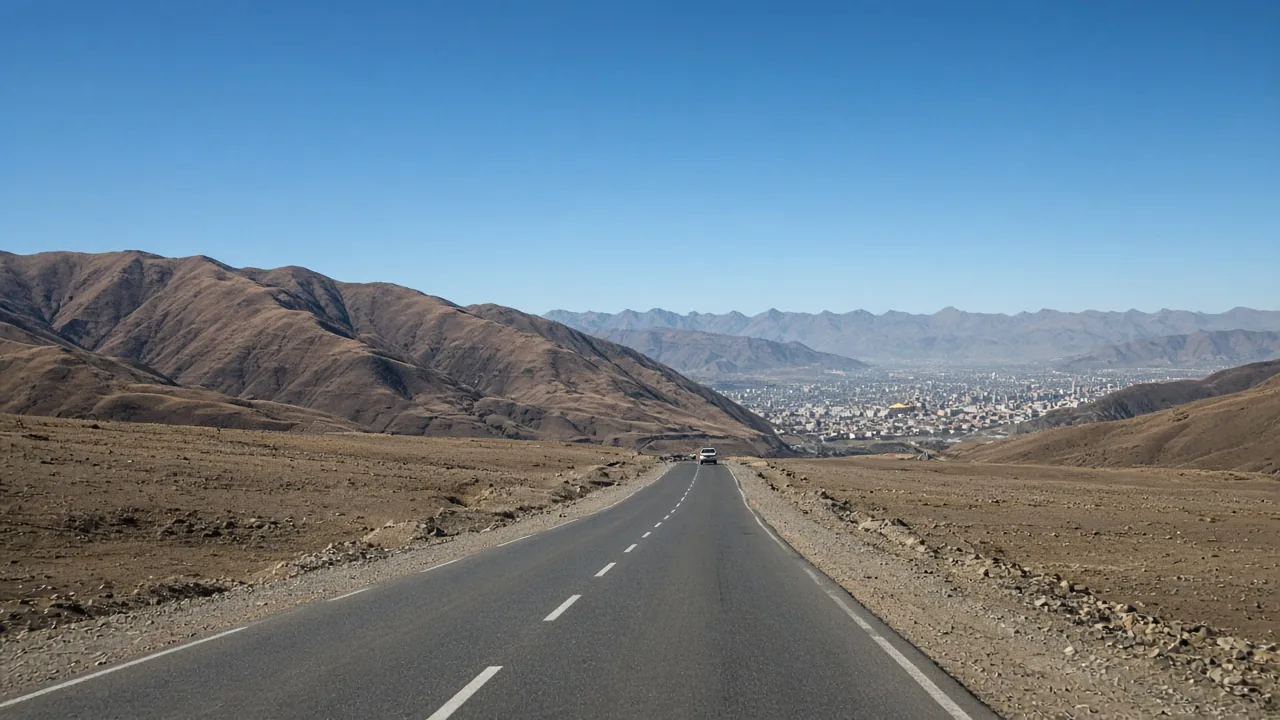
5 / 8 / 10 day decision framework
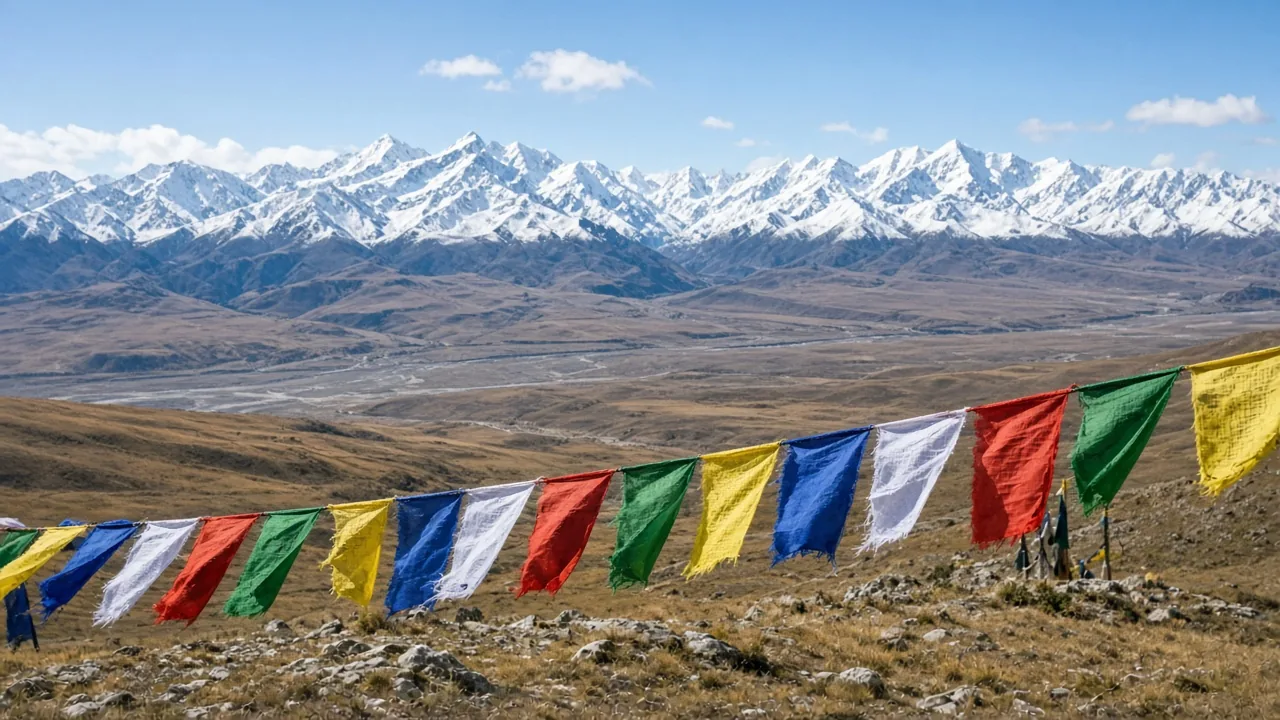
Essence 5d · Classic 8d · Highlights 10d
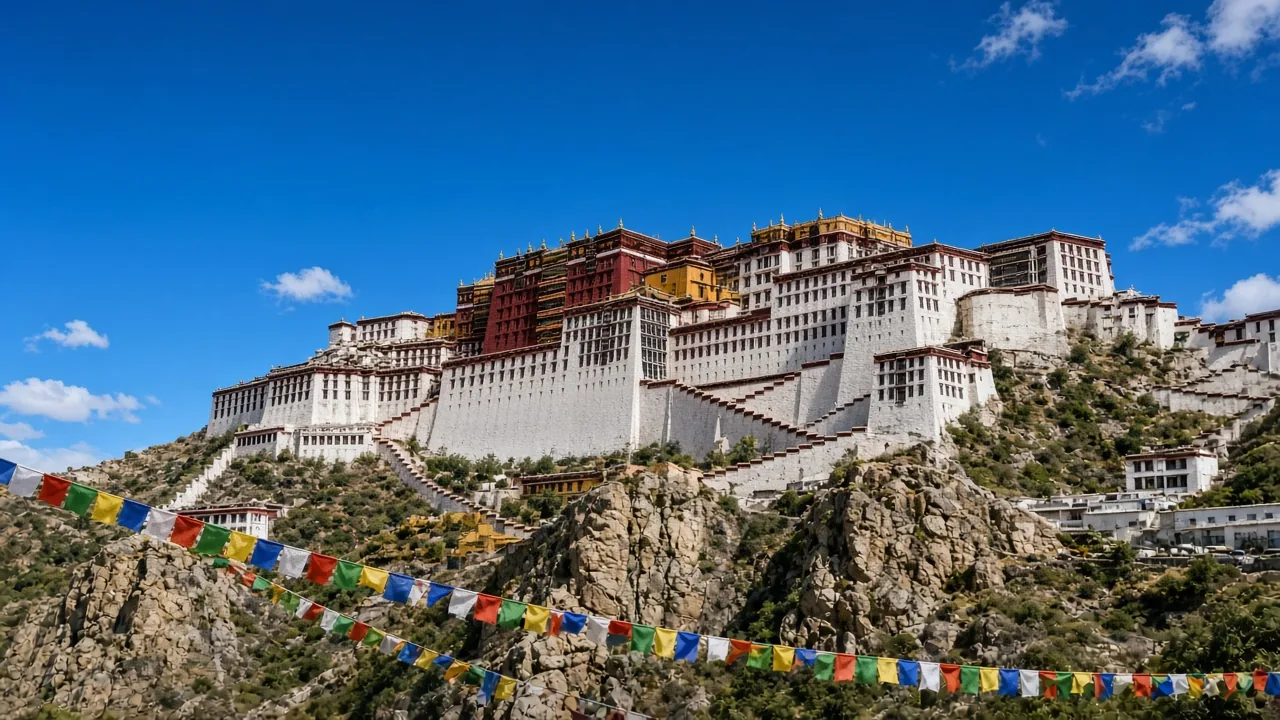
Capital monasteries — no long overland
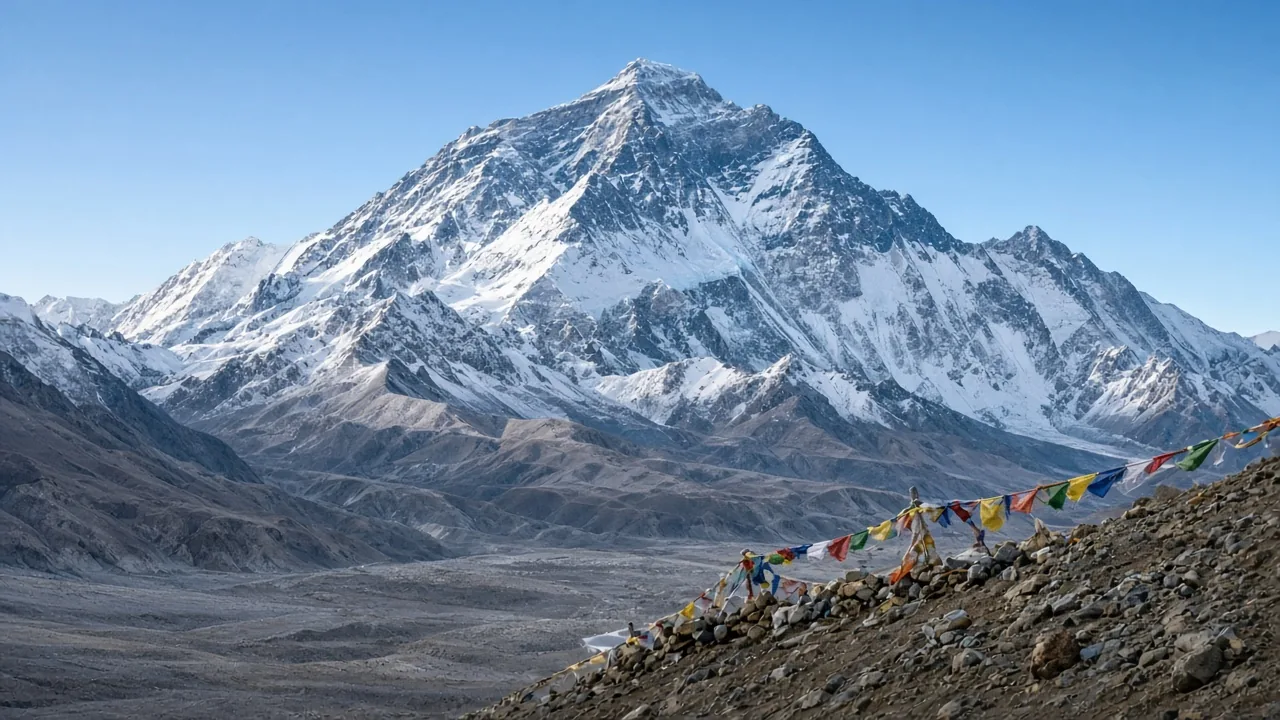
Circuit + Tingri / Rongbuk / EBC Tibet side
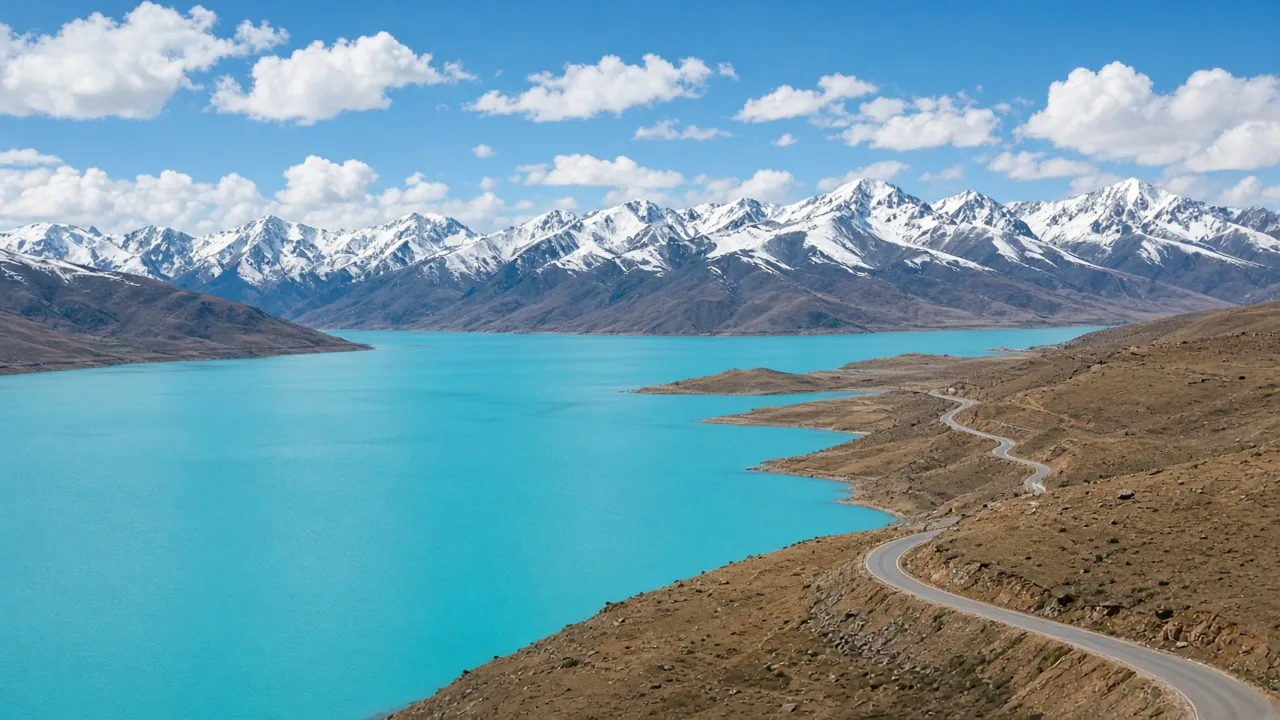
Southern circuit place guide
Potala, Jokhang, Barkhor, monasteries
TTP, guide rules, acclimatization ladder
Season windows for circuit roads
8-Day Tibet Itinerary FAQ
- Yes for Lhasa acclimatization plus Yamdrok–Gyantse–Shigatse and a return buffer (Classic Tibet Circuit). It is not enough for a quality Tibet-side Everest (Tingri / Rongbuk) add-on — that needs Highlights ~10 days.
- Usually no. Protect days 1–2 (and often day 3) in Lhasa for acclimatization and capital monasteries before the southern-circuit roads. Starting overland too early is a common way groups underperform at the lake and in Gyantse.
- No. Classic stops at the southern circuit and returns to Lhasa. Tibet-side EBC (north face via Tingri / Rongbuk) is the Highlights upgrade — and it is not the Nepal trek.
- Sometimes as a custom fold-in when energy and calendar allow, but it is not a default Classic overnight. Stacking Namtso on top of a full Yamdrok–Gyantse–Shigatse loop often steals sleep or circuit quality.
- Delay or shorten overland. Keep capital quality sacred, use buffer days for rest, and re-quote rather than forcing lake viewpoints. Success is paced geography — not collecting every named town while ill.
- For most foreign travelers, yes — capital and southern-circuit towns sit inside Tibet permit and guided-travel rules. A private Classic plan coordinates this; see the permits & altitude guide for the deep dive.
- Essence (~5 days) stays in the Lhasa capital for monasteries and acclimatization with no long overland. Classic (~8 days) adds Yamdrok–Gyantse–Shigatse after those capital nights — the default first overland shape.
- For most Classic plans, yes — multi-hour plateau roads, viewpoint timing, and town overnights are the usual private-vehicle sweet spot, alongside LXA pickup and paced monastery transfers.
See all Tibet private tour shapes
Compare Classic with Essence and Highlights on the commercial hub, then pick the day-band that matches your geography goals.