
Everest Base Camp Tibet at a glance
| Fact | Detail |
|---|---|
| Product meaning | Tibet / China north side via Tingri & Rongbuk |
| Viewpoint altitude | ~5,200 m (north-side viewpoint) |
| Approach hinge | Tingri / Everest-approach lodging corridor |
| Honest trip length | Everest Highlights ~10 days (after Lhasa + circuit) |
| Not this product | Nepal EBC trek (Lukla / Namche / south side) |
| Not a substitute for | Lhasa capital days or Yamdrok–Gyantse–Shigatse culture |
What Everest Base Camp Tibet is (and is not)
Everest Base Camp Tibet on this page means the China / Tibet Autonomous Region north side approach: overland from Lhasa via the classic southern corridor to Shigatse, then west through the Tingri belt to Rongbuk Monastery and the north-face Everest viewpoint travelers commonly call Tibet-side EBC. The viewpoint sits around ~5,200 m — a high, cold, wind-exposed plateau experience, not a casual photo stop from downtown Lhasa.
It is: a multi-day altitude ladder product (capital acclimatization → circuit → Tingri → Rongbuk / north-side viewpoint); the mountain days inside Everest Highlights (~10 days) on Tibet private tours; a road-and-viewpoint visit with monastery context at Rongbuk.
It is not: the Nepal Everest Base Camp trek (Lukla / Namche / south side); a day trip from Lhasa; a substitute for Yamdrok–Gyantse–Shigatse culture days; a free independent drive you invent after a Barkhor evening; or something you "squeeze into" a Classic eight-day circuit without extra days and pacing.
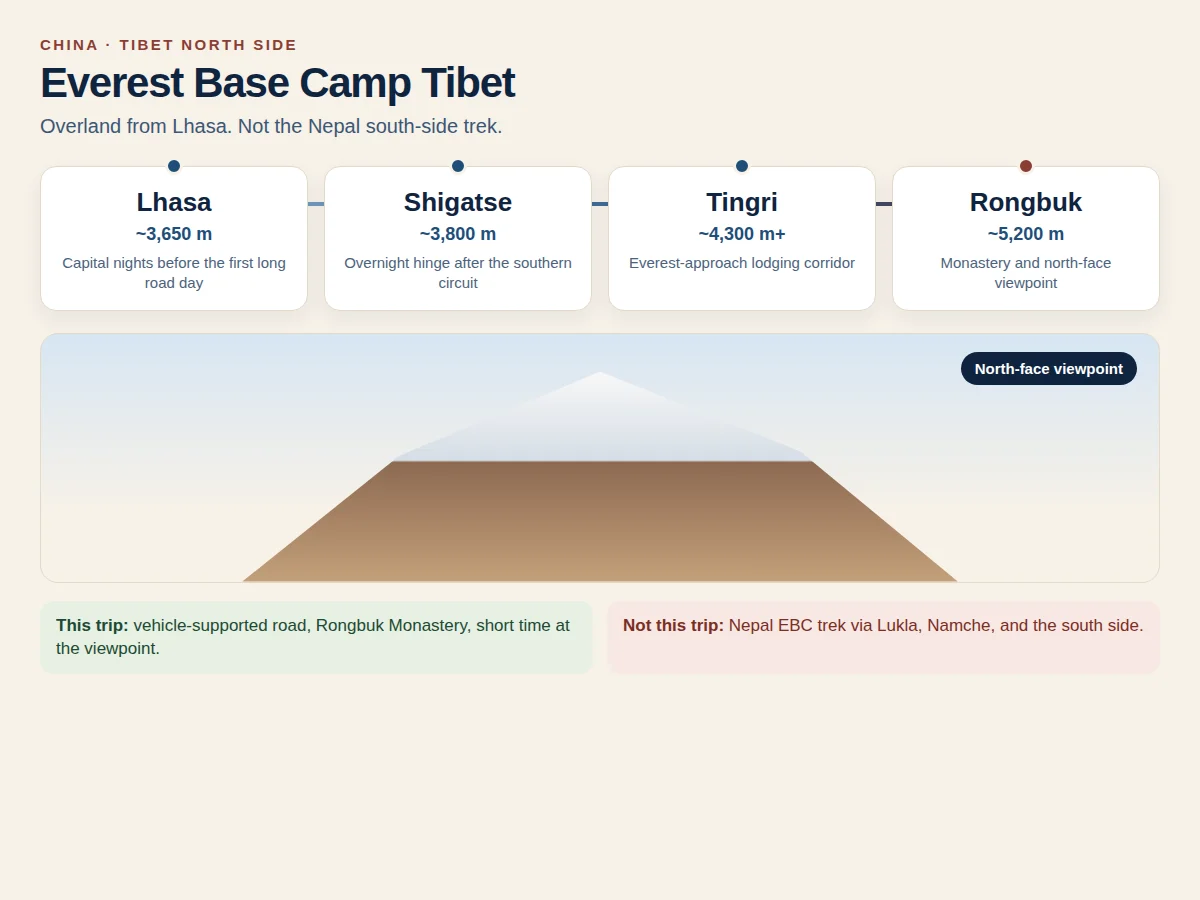
Whenever you see "EBC," "Everest Base Camp," or "Everest viewpoint" on DragonTrail Tibet pages, read Tibet / China north side via Tingri and Rongbuk unless a sentence explicitly says otherwise. We never sell the Nepal trek as this product. Different country, different permits, different vehicles, different trail culture, different altitude ladder.
Hub geography refresher: Tibet Travel Guide. Day-band frame: 10-day Everest Highlights itinerary. Capital on-ramp: Lhasa travel guide.
Tibet-side EBC vs Nepal south-side trek
| Topic | Tibet / China north side (this product) | Nepal south side (not this product) |
|---|---|---|
| Country / region | China · Tibet Autonomous Region | Nepal |
| Typical access | Overland Lhasa → Tingri → Rongbuk | Flights/trek via Lukla / Namche |
| Trip style here | Road + viewpoint + monastery | Multi-day trek / tea houses |
| Our plan | Everest Highlights ~10d | Not sold as this product |
| Altitude story | Ladder via ~3650 m Lhasa first | Different Khumbu ladder |
| Common confusion | People say "EBC" meaning north viewpoint | People say "EBC" meaning south trek |
Altitude ladder: Lhasa → Shigatse → Tingri → Rongbuk
Tibet-side Everest fails most often when planners treat the mountain as a distant postcard and skip the ladder. Honest sequencing:
Lhasa          ~3,650 m   capital base & first 48–72 hours
Southern circuit          Yamdrok / Gyantse passes — higher than downtown Lhasa
Shigatse       ~3,800 m   overnight hinge before the west push
Tingri belt    ~4,300 m+  Everest-approach lodging corridor
Rongbuk / EBC  ~5,000–5,200 m   monastery + north-side viewpoint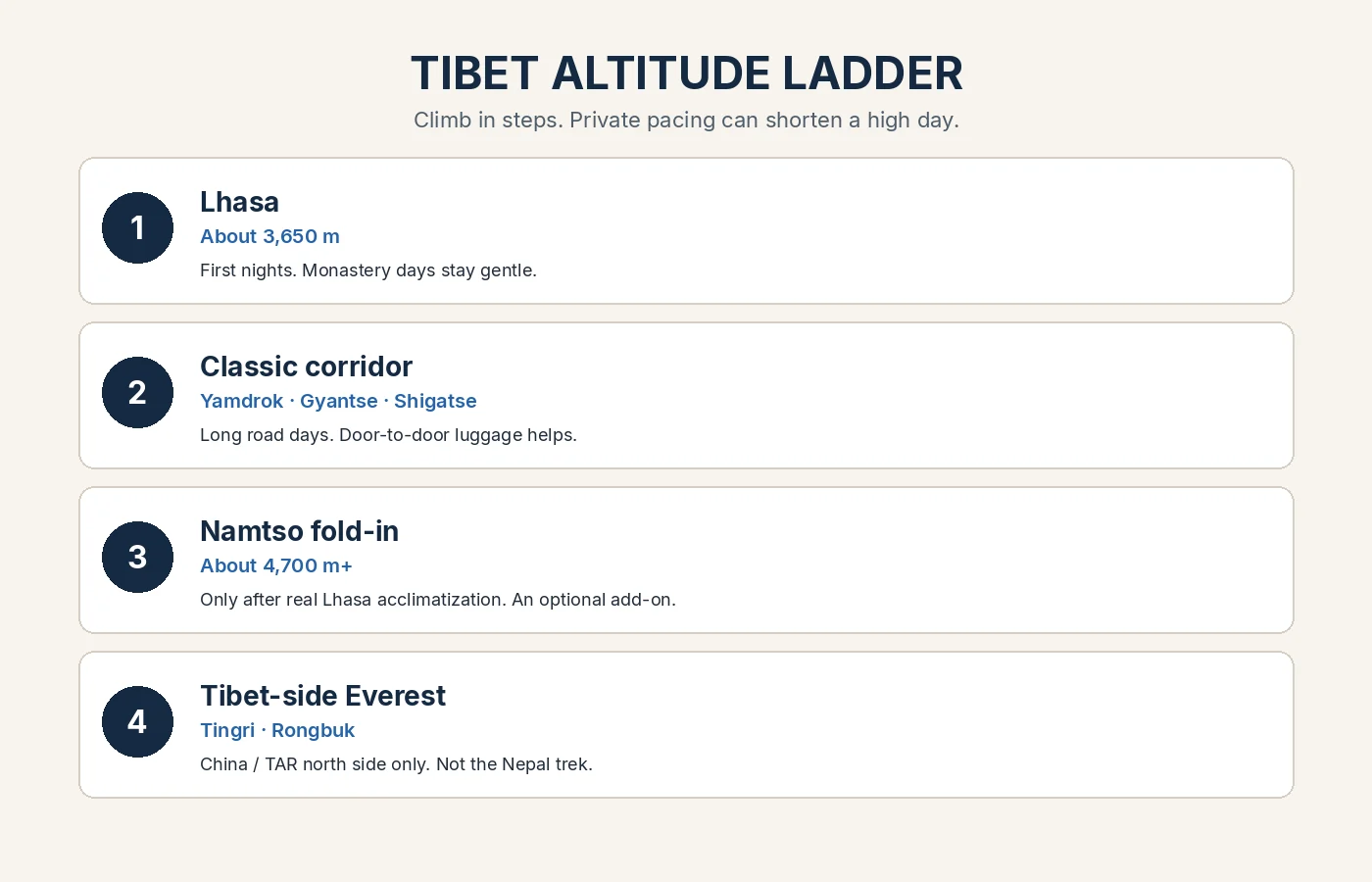
Practical rules of thumb:
- Protect real Lhasa acclimatization before the first overland morning — see Lhasa and permits & altitude.
- Treat Yamdrok–Gyantse–Shigatse as part of the ladder, not disposable transit — Yamdrok–Gyantse–Shigatse.
- Plan a Tingri / approach overnight before a serious Rongbuk / viewpoint day when the itinerary allows.
- Keep outdoor blocks at ~5,200 m short; wind and UV punish heroic "just one more ridge" loops.
- If someone is still altitude-fragile after Lhasa or circuit days, do not force Tingri / Rongbuk — stay on Classic or Essence rather than inventing a compressed Everest hero day.
Deep dive on symptoms, pacing, and paperwork: permits & altitude. Season and layers: best time.
Why choose Tibet-side EBC (China north side)
Travelers pick the Tibet / China north side when they want:
- North-face Everest from a vehicle-supported approach rather than a multi-day Nepal trek
- A trip that already includes Lhasa capital culture and the classic southern circuit before the mountain
- Private pacing with a host, guide, and vehicle under TAR travel rules for foreign visitors
- A clear commercial band — Everest Highlights (~10 days) — instead of bolting "Everest" onto an eight-day Classic without time
They should not pick this page if they meant:
- The Nepal EBC trek (Lukla flights, tea houses, south-side trail) — different product, different country
- A same-week "see Everest from Lhasa" fantasy
- A hiking expedition that replaces monastery and circuit days with tent-camp mountaineering (not our default Highlights shape)
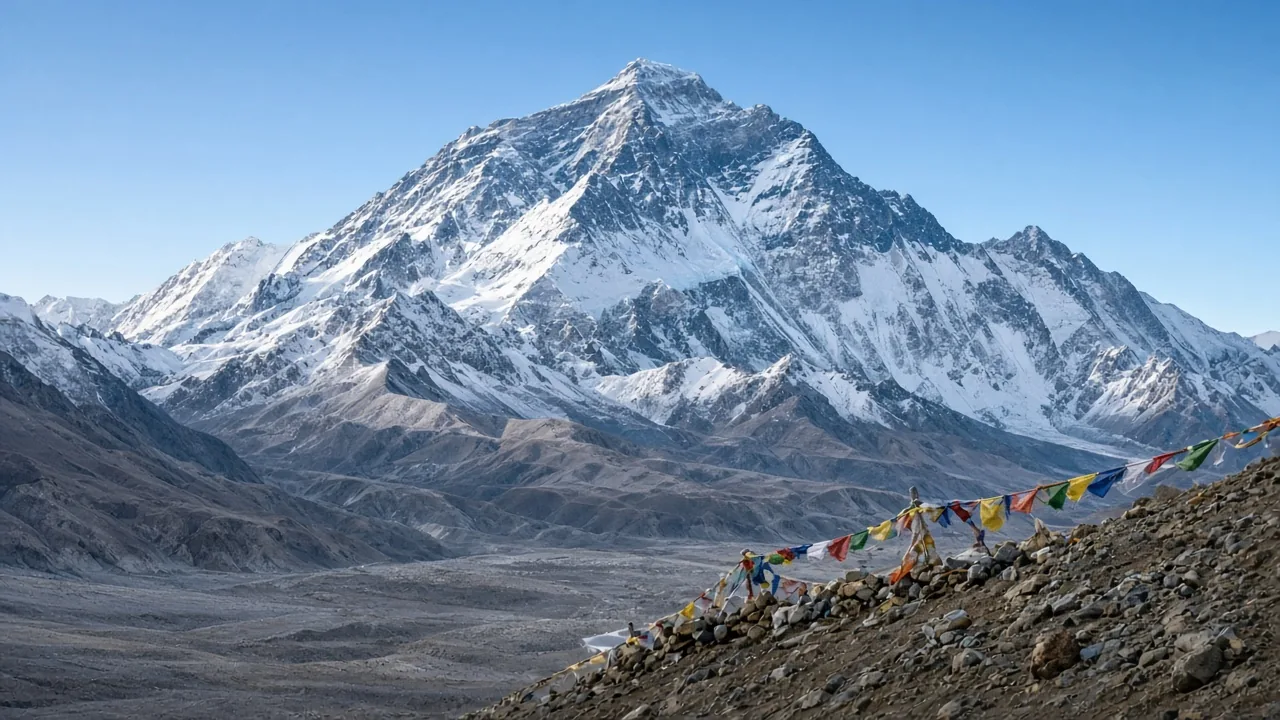
What you typically see vs trek expectations: Tibet-side EBC in this product family is primarily a road approach + high viewpoint + Rongbuk context day (or tightly paced pair of days), not a multi-day trek to a south-side base-camp village. Expect plateau light, prayer flags, monastery courtyards, vehicle legs, and a cold, thin-air viewpoint — not Namche lodges or Khumbu trail days. If your mental model is "I will trek for a week to EBC," you are describing Nepal, not this page.
Photographers and first-time Tibet visitors often love the north face on a clear morning. Weather is not guaranteed; build margin, not pressure.
Road approach: Tingri corridor and Rongbuk
From Lhasa to the Everest region
The honest overland story is not a straight line from Barkhor to the mountain. Sample Highlights logic (exact nights flex with permits, season, and group energy):
- Lhasa capital nights (acclimatize + Potala / Jokhang / Barkhor / monasteries)
- Yamdrok → Gyantse → Shigatse classic corridor
- Shigatse → Tingri / Everest-approach west push
- Rongbuk / Tibet-side EBC viewpoint day
- Return toward Shigatse / Lhasa with a buffer before flights
Full day-band: 10-day Everest Highlights itinerary. Circuit geography without the Everest core: 8-day Classic itinerary.
Tingri as the approach hinge
Tingri (and nearby Everest-approach lodging towns) is where altitude, logistics, and weather become real. Overnight here when the plan allows so the Rongbuk morning is not a sleep-deprived hero push from Shigatse and back in one unbroken ordeal. Exact lodge towns shift with road status, permits, and season — your private quote should name the pattern, not invent DIY camping loops.
Rongbuk Monastery
Rongbuk is the high monastery most north-side visitors associate with the Everest approach — spiritual context, thin air, and a staging point for the north-side viewpoint. Dress modestly, move slowly, follow photography rules, and treat stairs and wind as altitude work, not a race. The monastery is part of why Tibet-side EBC feels different from a pure trailhead selfie culture; it is also not a long indoor museum day — outdoor exposure still dominates.
North-side viewpoint (~5,200 m)
The commercial "EBC Tibet" moment for most private travelers is the authorized north-side Everest viewpoint accessed via the Tingri / Rongbuk approach — not a Nepal south-side trek endpoint, and not an unsupervised wander onto glacier ice. Access rules, shuttle segments, and exact stop points can change; your host and guide manage the on-the-day sequence. Plan short outdoor blocks, layers, water, and an early return — do not invent a second attempt "because the weather cleared" if the group is already depleted.
Permits, guides, and rules (high level)
Tibet Travel Permit and Everest-area paperwork
Most foreign travelers need a Tibet Travel Permit arranged through a qualified host before entering the Tibet Autonomous Region. Travel west toward the Everest region typically involves additional permissions beyond a Lhasa-only stay. Nationality, entry point, and itinerary shape what is required. This page is trip-planning guidance, not legal advice. Policy can change; a serious quote should name what is being arranged for your dates.
Deep dive: permits & altitude. Private vs group framing: private vs group.
Guide and vehicle reality
Inside the TAR, foreign visitor sightseeing and overland travel are typically arranged with a compliant host, vehicle, and guide. Fully improvisational independent travel toward Tingri / Rongbuk is usually not the model. Private pacing helps when ages differ, when someone needs an earlier hotel return, or when altitude forces a slower morning — it does not erase the need for permits or compress geography.
What we will not sell as this product
- Nepal EBC trek packages framed as "Tibet Everest"
- Same-day "Everest from Lhasa" sightseeing
- Unpermitted DIY vehicle loops sold as "just drive west"
- Kailash or Nyingchi bolted on as if they were half-days from Rongbuk
Namtso, Nyingchi, and Kailash can be added only on a custom quote. They are not part of Essence, Classic, or Everest Highlights. Compare bands on tour packages.
Best season and what the day feels like
Clear, cold mornings give the best north-face views; monsoon-adjacent cloud and winter extremes both change the experience. Broad planning:
| Window | Typical feel for Tibet-side EBC |
|---|---|
| Spring / autumn peaks | Often preferred for clarity + workable roads — still cold at ~5,200 m |
| Summer | Greener valleys possible; cloud and rain risk on the mountain view |
| Winter | Clearer air possible; colder nights, tighter logistics, higher weather risk |
None of these windows remove the altitude ladder. "Perfect Instagram light" is not a medical plan. Pack layers for sun, wind, and sharp temperature drops even when Lhasa felt mild at noon. Full season and packing: best time.
On the day: expect long vehicle time, short high outdoor blocks, strong UV, phone battery death, and the need for an agreed meeting point if anyone returns to the vehicle early. Eat earlier than you think; caffeine and alcohol are poor allies at this height. Children, seniors, and anyone still symptomatic after circuit days need shorter blocks — or a decision to stop at a lower, safer scenic stop rather than forcing the highest viewpoint.
Who should pick Everest Highlights 10d vs Classic 8d
| Signal | Lean toward |
|---|---|
| Tibet-side Everest (Tingri / Rongbuk / north viewpoint) is non-negotiable | Everest Highlights (~10 days) |
| Want Yamdrok–Gyantse–Shigatse culture without the Everest push | Classic Circuit (~8 days) |
| Capital monasteries only; first Tibet trip; tight total days | Lhasa Essence (~5 days) |
| Someone still altitude-fragile after Lhasa | Stay Essence / Classic — do not force Tingri |
| You meant the Nepal trek | Different country — not this product |
Everest Highlights (~10 days) exists because Classic geography plus a proper Tingri / Rongbuk ladder needs more calendar than eight days can honestly hold. Squeezing "a quick Everest look" into Classic is how groups lose buffer, sleep, and safety margin.
Classic (~8 days) is the right pride product when the southern circuit is the goal and Everest is optional later or not desired.
Essence (~5 days) stays in the capital on-ramp — no long west push.
Day-by-day frames:
- 10-day Everest Highlights itinerary
- 8-day Classic itinerary
- 5-day Lhasa Essence itinerary
- Band decision: itinerary overview · tour packages compared
Commercial shapes: Tibet private tours.
On-the-ground rhythm, expectations, and red flags
A sample Highlights-era Everest block
- Approach overnight in the Tingri / Everest-approach belt after Shigatse.
- Early start toward Rongbuk — layers on before the wind finds you.
- Monastery + north-side viewpoint with short outdoor blocks and honest turnaround times.
- Return toward lower lodging; early meal; protect sleep.
- Buffer days toward Lhasa before international flights — do not schedule a tight long-haul the morning after ~5,200 m.
Exact nights flex; the pattern does not.
What success looks like
Clear north-face light is wonderful when it happens. Success also means: nobody pushed through red-flag altitude symptoms; permits and vehicle timing held; the group still has energy for a Lhasa buffer; and nobody thought they had bought a Nepal trek. Manage expectations toward viewpoint + monastery + plateau road, not toward summit culture or multi-day south-side hiking.
Photography and respect
Rongbuk and the viewpoint are lived high-altitude spaces, not a theme park. Ask before close portraits of people at prayer; follow restricted-hall rules; keep drones and blocked paths out of the fantasy. Wind can end a shoot faster than a guide's polite reminder — listen.
Families, seniors, and mixed energy
Private vehicles help with early returns without stranding the whole group. The constraint is usually altitude + cold exposure, not horizontal walking distance. It is legitimate to stop short of the highest authorized viewpoint if someone is not coping — that is good trip leadership, not failure.
Common planning mistakes
- Treating Tibet-side EBC as a day trip from Lhasa
- Confusing this product with the Nepal EBC trek
- Skipping Lhasa acclimatization to "save days for Everest"
- Forcing Tingri / Rongbuk when circuit days already went poorly
- Booking a tight international departure the morning after the highest night
- Assuming Classic eight days secretly include a proper Everest core
Red flags in third-party "Everest Tibet" offers
- Nepal trek itineraries sold under a China / Tibet map
- "Everest day trip from Lhasa" language
- No mention of permits, host, or guide rules for foreign visitors
- No altitude ladder between Lhasa and ~5,200 m
- Bundling Kailash or Nyingchi into ten days as if distance were optional
- Floor-price banners that ignore season, nationality paperwork, and lodging reality
Why this page exists
People who search for Everest Base Camp Tibet often land on Nepal trek pages. This guide is only the China / Tibet north side — Tingri, Rongbuk, and the viewpoint that Everest Highlights is built around. It is quote-led, paced for altitude, and explicit about what is not included.
Linking the rest of the cluster
- This place guide: Tibet-side EBC only
- Day-band: 10-day Everest Highlights
- Circuit without Everest core: 8-day Classic · Yamdrok–Gyantse–Shigatse
- Capital base: Lhasa
- Rules & health: permits & altitude
- Season: best time
- Style: private vs group
- Packages & commercial: tour packages · Tibet private tours · hub Tibet Travel Guide
Luggage and meeting points
Bring a smaller day bag for the Rongbuk morning when possible; leave excess at the approach hotel if secure storage exists. Agree vehicle meeting points before viewpoint walks so dying phone batteries do not strand anyone. Carry hotel names in Chinese as offline backup.
Weather inside the Everest approach
Sunny courtyards in Tingri can become biting wind twenty minutes later at the viewpoint. Summer cloud can erase the north face entirely. Winter clarity can come with dangerous cold. None of that is a reason to skip layers or hydration. Build margin into every Everest morning.
Tibet-side EBC visit patterns
Fold into Everest Highlights — not into Essence, and not as a silent Classic add-on.
Highlights core (recommended)
Lhasa acclimatize → Yamdrok–Gyantse–Shigatse → Tingri approach → Rongbuk / north-side viewpoint → buffer toward Lhasa. See 10-day Everest Highlights.
Classic without Everest
Stop after Shigatse culture when the mountain is optional — 8-day Classic and Yamdrok–Gyantse–Shigatse.
Capital only
Skip the west push entirely — Lhasa Essence / Lhasa place guide.
Build a private plan around Tibet-side Everest
Tell us dates, passport nationality, and whether Tingri / Rongbuk / north-side EBC is non-negotiable. We quote a private Everest Highlights or Classic plan — no floor prices. We do not sell the Nepal trek as this product.
Plan your Tibet trip
Circuit + Tingri / Tibet-side EBC day band
Lhasa + Yamdrok–Gyantse–Shigatse without Everest core
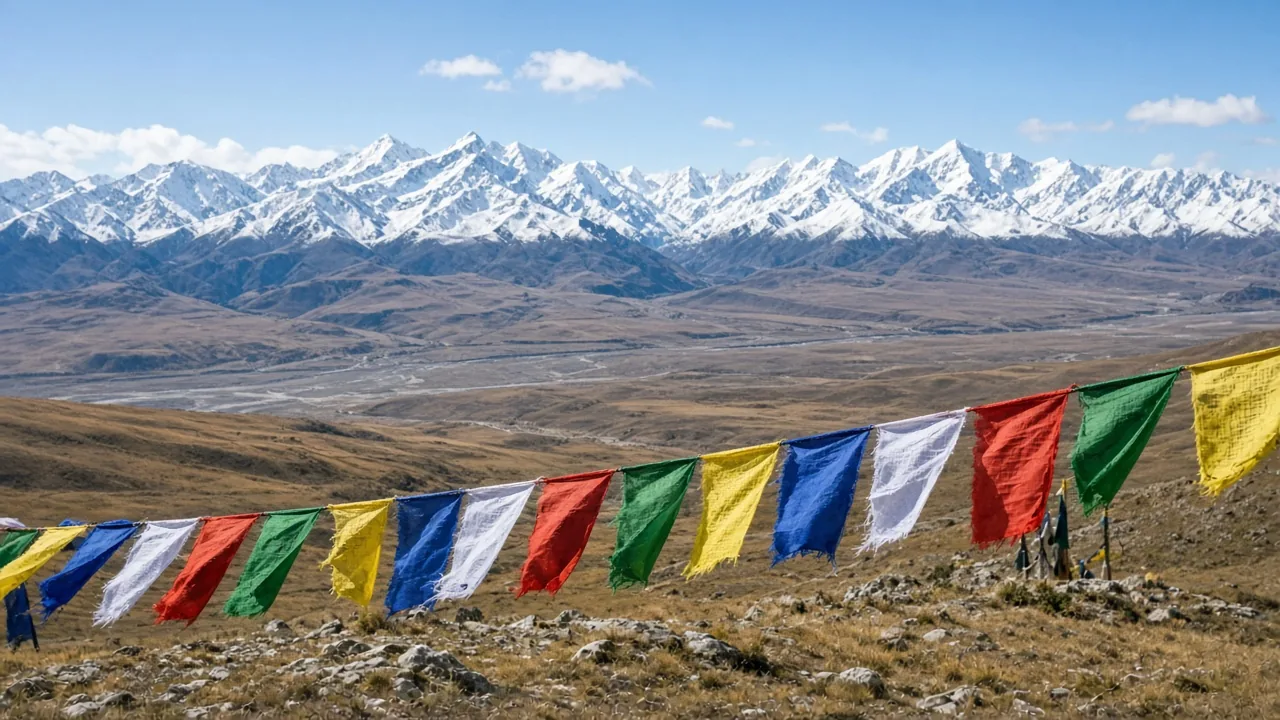
5 / 8 / 10 day decision framework
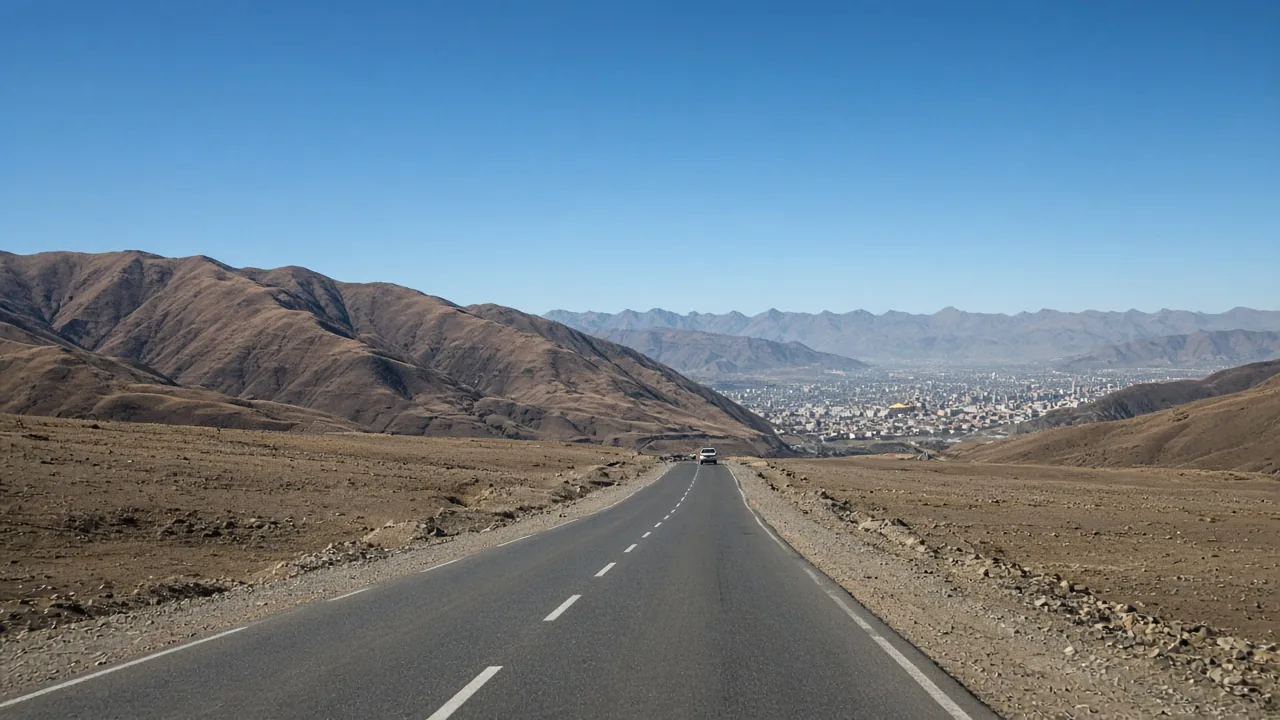
Essence 5d · Classic 8d · Highlights 10d
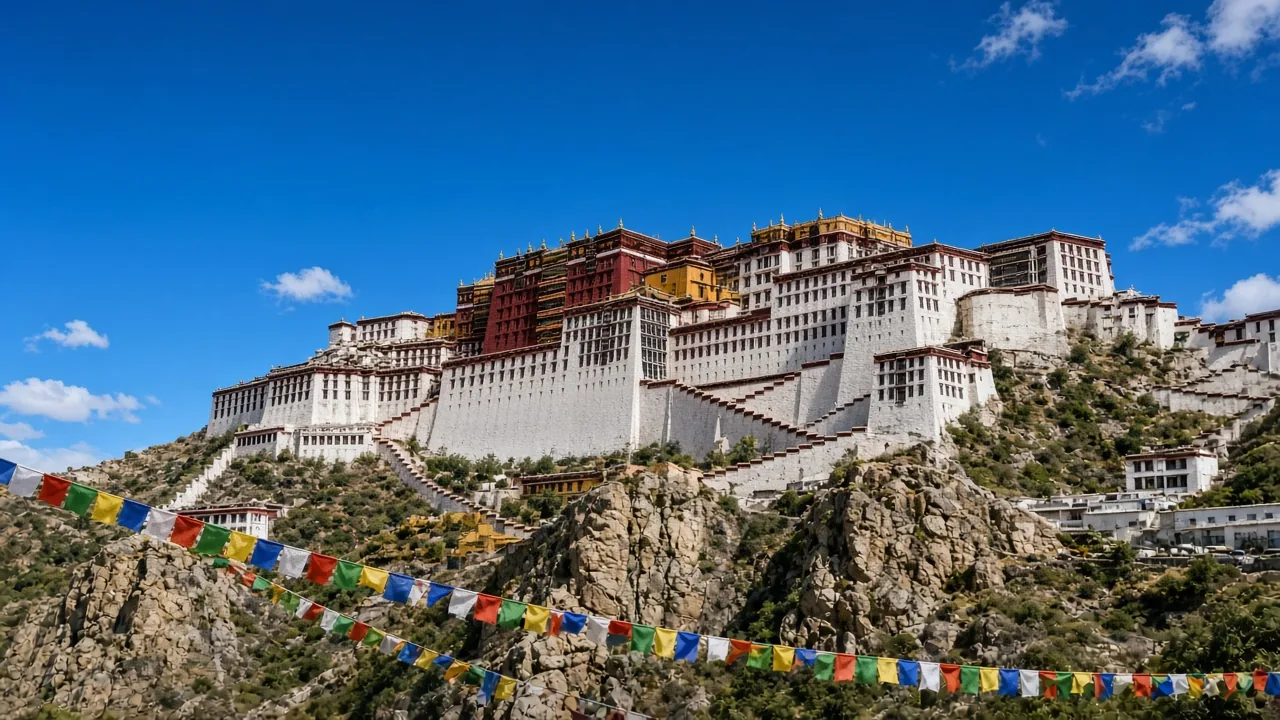
Capital base & ~3650 m on-ramp
Classic southern corridor before Tingri
Tibet Travel Permit and pacing ladder
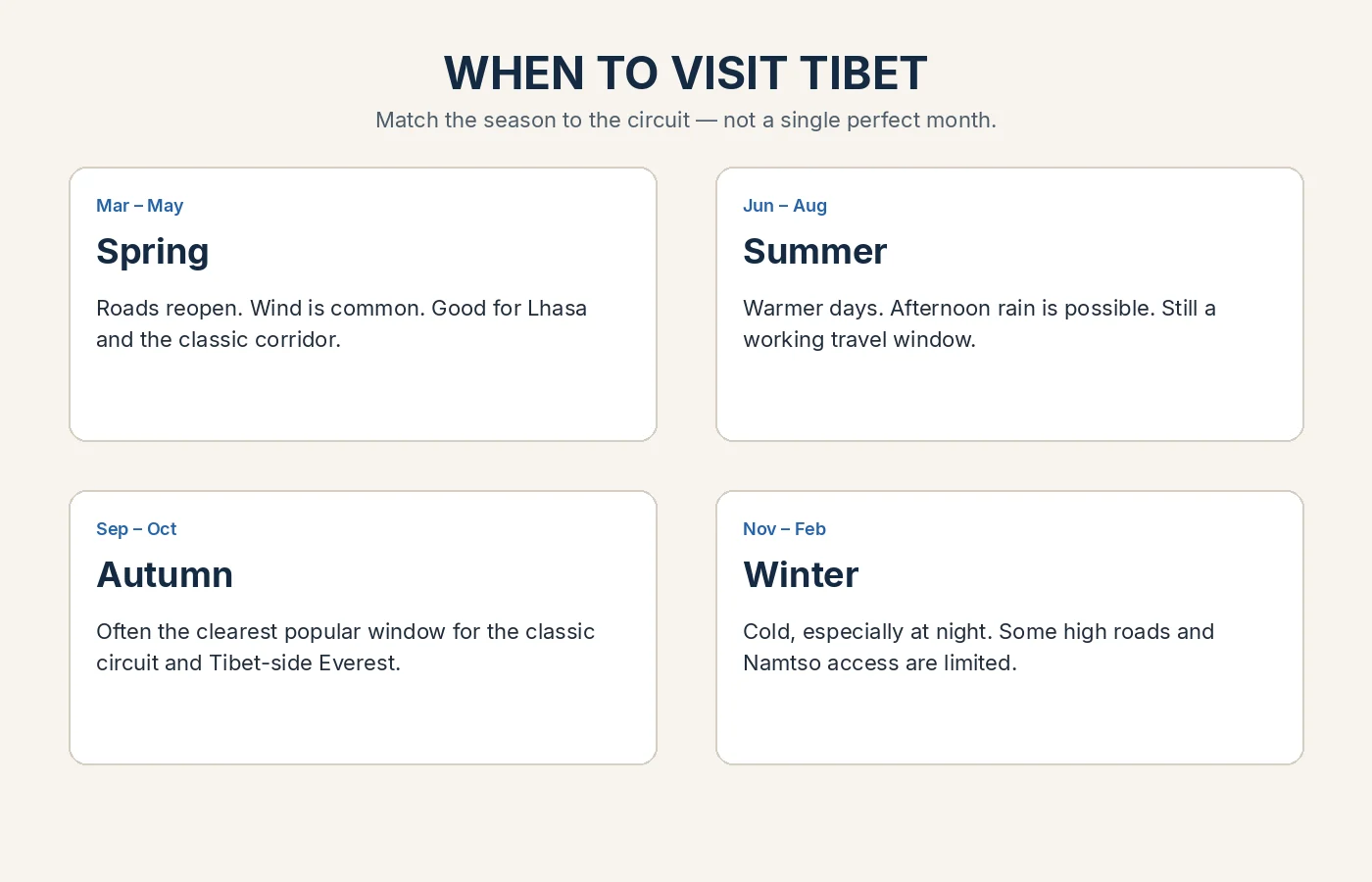
Season windows and what to wear
Everest Base Camp Tibet FAQ
- No. This page covers Everest Base Camp on the Tibet / China north side via Tingri and Rongbuk. The Nepal trek (Lukla / Namche / south side) is a different country, permit system, and trip style. DragonTrail never sells the Nepal trek as this product.
- The commonly visited north-side viewpoint near Rongbuk sits around 5,200 m. Reach it only after a real altitude ladder through Lhasa, the southern circuit, and usually a Tingri / approach overnight — not as a day trip from downtown Lhasa.
- No. Honest plans use multi-day overland pacing: capital acclimatization, Yamdrok–Gyantse–Shigatse, then Tingri and Rongbuk. Same-day Everest from Lhasa language is a planning red flag.
- Everest Highlights (~10 days) is the band built around circuit geography plus Tingri / Rongbuk / north-side EBC. Classic (~8 days) covers the southern circuit without an Everest core. Essence (~5 days) stays Lhasa-focused.
- Choose Highlights when Tibet-side Everest is non-negotiable and you can protect the altitude ladder. Choose Classic when Yamdrok–Gyantse–Shigatse culture is the goal and you do not need the west push to Rongbuk. If someone is still altitude-fragile, stay on Essence or Classic.
- Most foreign travelers need a Tibet Travel Permit arranged through a qualified host, and Everest-area travel usually involves additional permissions beyond Lhasa-only stays. See permits & altitude for planning detail — not legal advice. Policy can change.
- Expect a vehicle-supported approach, Rongbuk Monastery context, and a high north-face viewpoint with short outdoor blocks — not a multi-day Nepal tea-house trek. Clear views depend on weather; success also means safe pacing and a buffer before flights.
- Many travelers prefer spring or autumn clarity, but cloud, wind, and cold can appear in any season at ~5,200 m. Summer brings more rain-cloud risk; winter can be clearer and harsher. See best time for packing and season windows — altitude rules still apply.
See Everest Highlights on the tours page
Tibet-side Everest (China north / Rongbuk) is why Everest Highlights exists beside Essence and Classic — quote-led, altitude-aware, no floor prices, and never confused with the Nepal trek.