
Hangzhou at a glance
| Detail | Plan |
|---|---|
| Good first stay | 2 nights on the lake |
| Add the hills | A third day for Lingyin and Longjing |
| Add the wetland | A fourth day for Xixi, not the same afternoon |
| From Shanghai | Often 45–70 minutes to Hangzhou East |
| Airport | HGH is east of the city, not on the lake |
| Skip stacking | Lingyin, tea, and Xixi are three plans |
Hangzhou works best as one of three lengths, and those lengths are the trips. Two days stay with the lake and Lingyin. Three days add a Longjing village and refuse to rush it. Four days slow the lake and add either Xixi or a longer tea afternoon, not a second city. The walking itself is explained in the guides. This page is the shape of the days when you want that sequence held together, which is what the trips on Hangzhou tours are built to do.
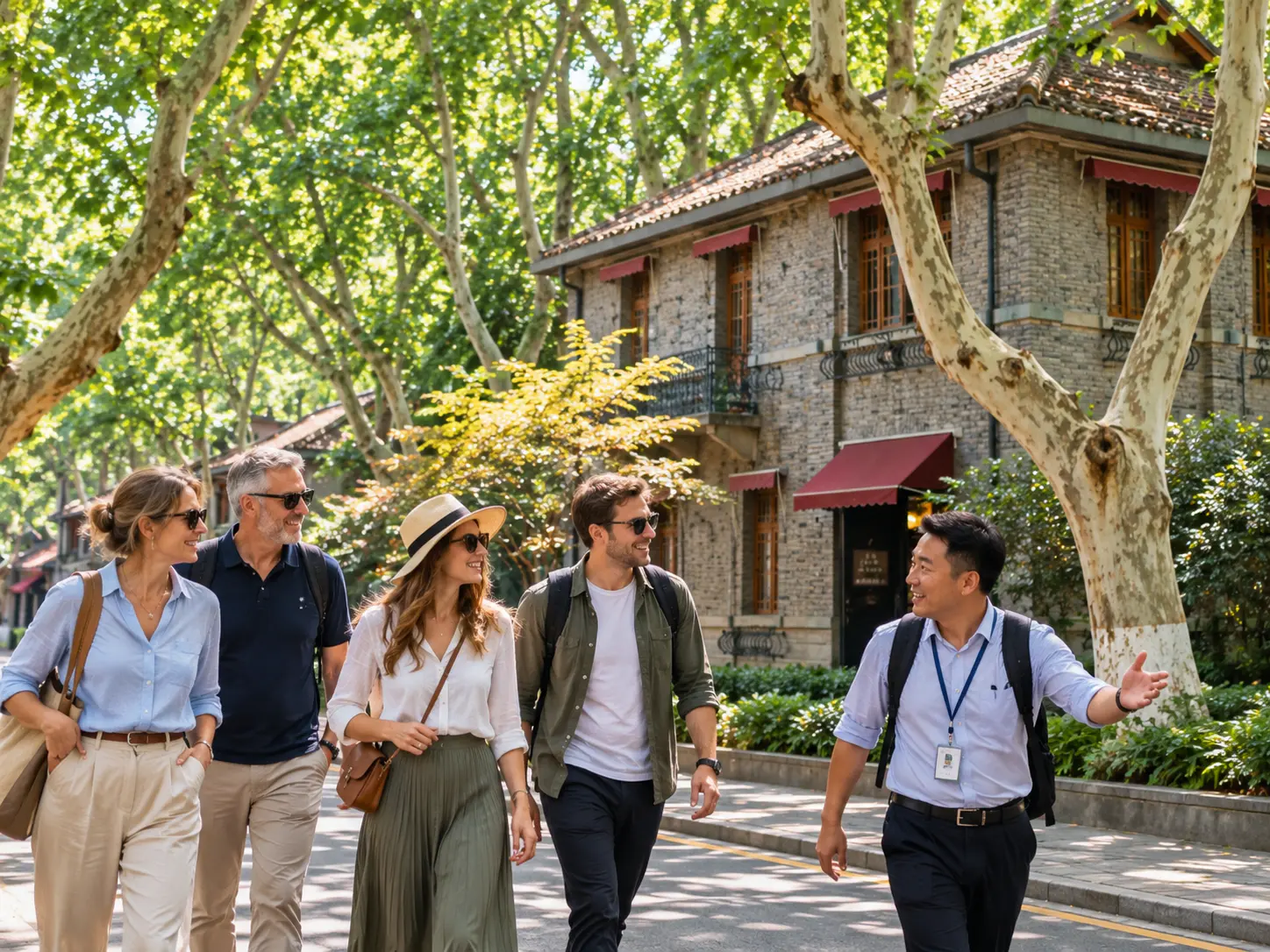
Three shapes for a Hangzhou stay
West Lake Essence is the two-day shape. Classic Hangzhou is the three-day shape: lake, Lingyin, Longjing. Slow Hangzhou is the four-day shape, with more time on the water and one extra that is either the wetland or a slower afternoon in the tea hills. They share a rule. Each morning has one landscape. The night before Lingyin stays short. Nothing important starts at noon.
They are not a menu you combine into a fourth, thicker trip. Adding Wuzhen, the tidal bore, and Suzhou on top of Slow Hangzhou does not create a better Hangzhou stay. It creates a week of gates. If you want gardens as well as the lake, that is a longer journey with its own nights, planned on Suzhou tours, and the Hangzhou piece remains one of these three shapes rather than a hybrid.
Choose the length from the nights you will actually sleep near the lake. A late landing at Xiaoshan and a noon train out of Hangzhou East do not count as days inside the shape. The itinerary is the same clock written as a plan you can follow yourself. Use it if you want the hours. Use this page if you want to know what each trip refuses to squeeze in.
All three assume a hotel you can walk out of toward the water, an early first morning, and the honesty to leave one famous name undone. That undone name is usually the sign the trip was the right length.
West Lake Essence, two days
Essence is for a first look that still feels finished. Day one is the lake. You are at Broken Bridge between 7:30 and 8:00, along Bai Causeway to Solitary Hill through the middle of the morning, and at lunch on the north shore without having collected a second district. The afternoon is Su Causeway toward Flower Harbor and Leifeng Pagoda for the later light. One boat fits, either as a crossing or as a short loop. A landing at Three Pools Mirroring the Moon fits only after the current entry rules for the lake islands are checked, and only if the pier is calm. The evening is a short lit walk. Hefang Street waits.
Day two starts at Lingyin as the gate opens. Feilai Feng first, the halls next, shoulders and knees covered, and the western hills released by late morning. Check the current entry rules for Lingyin that morning. Lunch, then the piece of shore day one did not really walk: the south side if the first day was cut short, or a quieter west-shore hour and a boat if Leifeng is already done. You finish in the late afternoon. A single hour on Hefang can happen this evening because the early morning has been spent.
Essence does not include a tea-village walk, Xixi, Wuzhen, or the bore. A tasting room on the promenade is not added to repair that. People who came for Dragon Well should be on the three-day shape. People who have one weekend, who want the landscape and one great temple, or who tire once a day has had a single clear purpose, are the travelers Essence is for.
The detail of the shores sits in the West Lake guide, and the temple morning sits with Lingyin and Longjing. Essence uses the temple half of that second guide and leaves the village for another visit. That is a deliberate cut, not an oversight. Two days that try to touch the terraces at 16:00 touch a shop and lose the south shore.
Classic Hangzhou, three days
Classic is Essence with a protected third day for the tea hills. The first day is still the lake, walked rather than sampled. The second day is still Lingyin at opening. The afternoon after the temple stays lighter than it does on the two-day trip: a boat, a short west-shore walk, or a real rest. You are saving the legs and the attention for the village, not hunting a second monument.
The third day is one village, Longjing or Meijiawu, from about 9:00. You walk the lanes and a stretch of terrace, eat in the village for a proper meal, and sit for tea only if you want to. One room, one tea you actually drank, then the ride back by mid-afternoon. A late causeway is optional. A second village is not. The sales talk in these lanes can be confident, especially in the spring flush, and the day is built so you can leave a room without having failed the itinerary. Pre-Qingming and Guyu, the pickings around early April and later in April, are the season this day is proudest of. In other months the walk is still the right third day if the hills are what you want. The flush is a bonus, not a guarantee you can demand from a calendar.
Classic does not include Xixi. The wetland is a different direction and a different half day. If you care more about boardwalks than about tea rows, say you want the three-day length with Xixi in the village's place. That is a real request. It is not a different named trip, and it is not Classic. Classic is the tea version. Taking both the village and the wetland on day three is the request these shapes are designed to refuse.
April weekends are the busy version of Classic. The clocks do not change. The temple is still at opening, and the village is still a single place. What changes is your patience at the pier and in the lane. The best time page is where to see whether your dates are those weekends, the May holiday, or a quieter weekday that will make the same three days feel twice as wide.
Slow Hangzhou, four days
Slow Hangzhou is the three-day material given room, plus one addition that is either Xixi or a slower tea afternoon. The extra time goes first to the lake. You are allowed to see a causeway twice.
A clean order is a north-shore day that stops after lunch and a boat, a Lingyin morning followed by Leifeng in real afternoon light, a third day for the chosen extra, and a fourth morning that is dawn on Su Causeway with nothing else required of it. If the extra is the village, the afternoon is long: one place, a seated lunch, time to watch the rows, and no second lane "on the way." If the extra is Xixi, it is a morning of about three to four hours on the boardwalks and one boat, northwest of the lake, finished early enough that the afternoon can be empty. The Xixi and day trips page is that half day written out. It is not a second lake.
The word "or" is the design. Slow does not stack a full village day, a full wetland day, and a water town, and then call the result relaxed because it lasted four days. If you insist on both the village and Xixi, you have spent the empty morning, and the trip is no longer the slow one. It is a full one. Some people want that. They should know they have traded away the repetition of the lake, which is the luxury the fourth day was buying.
Summer is when Slow earns its name most clearly. The middle of each day is hot, and the shape already contains rest because the mornings started at the right hour and then stopped. Winter is when Slow is optional. Two days of quiet causeways may be all you need, and four days are a pleasure rather than a correction. In Golden Week and the May holiday, four days help only if you still start at dawn and still refuse Wuzhen. Extra days do not dilute a national crowd. They only give you more early mornings to work with.
The fourth day's dawn is compatible with a late train. It is compatible with a noon flight from Xiaoshan only if the bags were closed the night before and the ride is already set. The airport is east of the city, often 45–70 minutes from the lake, longer in the morning rush. Slow Hangzhou is not a late-sleeping trip with a dramatic last-minute dash. It is an early-walking trip with an uncluttered last morning.
How to choose
| Choice | Fit | Skip when |
|---|---|---|
| West Lake Essence | 2 days | Causeways, one boat or bike loop, and an easy evening. |
| Classic Hangzhou | 3 days | The lake, an early Lingyin morning, and an unhurried tea village. |
| Slow Hangzhou | 4 days | Add Xixi or a second lake afternoon instead of a new city. |
What these routes leave out on purpose
Wuzhen is left out. It is a water town outside Hangzhou, an hour and a half to two hours by road, and a full day if you do it honestly. It is crowded, restored, and worth it only when a canal town is the aim and the lake has nights of its own. It is not an evening add-on, and it is not the old town of this city. Putting it inside Essence deletes Essence. Putting it inside Classic deletes the village or the temple's calm afternoon. Putting it inside Slow deletes the empty morning. If you want it, extend the trip and name the day you will lose.
The Qiantang bore is left out. Around the autumn equinox it can be a serious sight at Yanguan, in Haining, and it asks for its own day and a tide table. It is not a performance on the lake, and it does not slot between Bai Causeway and lunch. If your dates are in that window and the bore is the reason for the journey, plan that day first and let one of these shapes occupy the other mornings. Do not expect the bore to appear as a surprise stop.
Hefang Street is left out as a sight and allowed as an hour. One evening, snacks, then back. It is not a chapter these trips are organized around. The musical fountain is the same: a short extra on the east shore if it is running that week, never the reason for the day.
A second temple circuit is left out. Jingci and Yue Fei can be small pauses on a lake walk. They are not additional mornings. The tea hills are one village, not a crawl of tasting rooms. The ten scenes of the lake are viewpoints you meet by walking, not appointments the driver is asked to complete.
Suzhou is left out of all three. It is not hiding inside Slow Hangzhou as a flexible afternoon. Gardens need their own mornings, and the train does not change that.
Pace, the station, and the airport
The pace is morning-heavy. Essence asks for two early starts, the second earlier in spirit because Lingyin punishes a leisurely breakfast. Classic asks for those two, plus a village morning that can begin around 9:00 rather than at dawn. Slow asks for the early lake and the early temple, then gives you one morning that is allowed to be a wetland or a village and one dawn that is allowed to be repetition. If you dislike leaving the hotel before 8:00, say so before you choose. A later start is possible. It is a different, more crowded trip, and it is closer to missing the point than to a personal preference these shapes can absorb for free.
Hangzhou East is the main rail station and it is not on the lakeshore. The trips assume you arrive the evening before the first walking day, or early enough that day one still contains Broken Bridge at 8:00. A high-speed ride from Shanghai Hongqiao is often 45–70 minutes. From Suzhou it is about 1.5–2 hours. Add the transfer at Hangzhou East, often 30–45 minutes to a lakeside hotel once you are in the car. Some trains use Hangzhou Station or Hangzhou West. The shape does not survive a surprise arrival at the western station followed by a same-morning list of sights.
Xiaoshan Airport, HGH, is east of the city across the river. Door to door to the lake is often 45–70 minutes by car, more at the evening peak. The first causeway walk happens the next morning, not on the way from the terminal. A flight out at noon can follow Slow Hangzhou's last dawn only with packed bags and a car already arranged. A flight out at noon cannot follow a Lingyin morning. If your tickets are already bought, fit the shape to the tickets. Do not fit Lingyin into a departure morning and hope the gate opens early enough to save you.
Walking is the default on the shore. Cars are for the airport, the station, Lingyin, the village lanes, and Xixi's gate. A vehicle riding beside Bai Causeway while you walk a kilometer of willows is the wrong tool. Say if stairs are a problem. Leifeng has an elevator and a lawn. Baoshi Hill does not need to be in anyone's day. The village lanes slope. Xixi's boards are the flatter extra. The shapes can lean that way without being renamed.
A Suzhou pairing is a longer trip
Suzhou and Hangzhou are an easy train and a bad single itinerary. About 1.5–2 hours between Suzhou and Hangzhou East is the rail time. Each city then needs a transfer, and each city needs a morning of its own. A garden and a causeway on one date produce two gates and a self-congratulatory timetable. The people who enjoy both places slept in both places.
If you want the pairing, keep it as a longer East China trip. Plan the Suzhou nights on Suzhou tours. Plan the Hangzhou nights as Essence, Classic, or Slow, unchanged. Two nights in Suzhou and two or three nights here is the version that still feels like a holiday on the last evening. One night in each is two arrival nights. A garden inserted into Slow Hangzhou's "empty" morning is the overlap that ruins both the garden and the emptiness.
There is no fourth shape called Hangzhou-and-Suzhou sitting beside these three. Combining the names does not combine the geographies. Read the Suzhou guide when the extra nights are real, and keep it off the daily plan until then. Hangzhou is complete as a lake, a temple, and either a village or a wetland. Another city's halls will not fit in a margin, and the trips on this page do not pretend they will.
The order between the cities is yours. Suzhou first, then the train into Hangzhou East and a lakeside hotel, gives you the early Hangzhou mornings intact. Hangzhou first, then Suzhou, does the same if the last Hangzhou dawn is not also a travel morning. What fails is a middle day that tries to check out, ride, tour a garden, and call itself rest.
Which shape fits the way you travel
Choose Essence if this is the first stay, the dates are a weekend, or the group is happiest with one clear purpose in the morning and a flat walk after lunch. Choose it in November and in ordinary winter, when two days of causeways and a calm temple are honestly enough. Do not choose it in April and then mourn the absence of the tea hills. You selected the shape that leaves them out.
Choose Classic if the tea country is part of why you are coming, especially in the spring flush, and you can protect a village from being a series of shops. Choose it if three nights near the lake are comfortable and a fourth is hard to justify. Do not choose it if nobody wants a sales conversation or a sloping lane. In that case the three-day length with Xixi in place of the village is the truer fit, and you should say that plainly rather than endure a tasting room out of duty to the name.
Choose Slow if you want to walk the lake twice, if the travelers include someone who needs a rest after Lingyin's steps, or if the dates are in July and the afternoons cannot be used for marching. Choose it when a fourth night is easy and the pleasure you are buying is an unscheduled dawn. Do not choose it as a container for Wuzhen plus a village plus the wetland. The container will split.
A family with children does well on Essence or on Slow with Xixi, where the boards are flat and the day ends before everyone is glazed. A pair who care about tea do well on Classic, with the freedom to buy nothing. A traveler who has seen many temples and wants landscape does well on Essence, letting Lingyin be the one interior and the causeways be the rest. None of these people needs a longer list. They need the list already inside the shape, walked at the hour it was written for.
How the routes sit next to the guides
The guides are the ground. The shapes are the order.
Read West Lake for how to spend the lake day these trips all share: which causeway to walk, which to ride, where the hours leak away. Read Lingyin and Longjing before Classic or before any Slow trip that keeps the village, so the paired day and the reasons to split it are clear. Essence readers need the temple half of that guide and can ignore the flush. Read Xixi and day trips before you ask for the wetland, and before you talk yourself into Wuzhen. The page is honest about both.
The itinerary matches these shapes day by day. If a guide and a hope disagree, follow the guide's clock. Opening hour at Lingyin beats a scenic breakfast. One village beats two. A half day at Xixi beats a plan to see every creek. The best time page will tell you if your dates are the ones where even a good shape feels crowded. Shift the dates if you can. If you cannot, keep the shape and cut anything that was only a wish.
When you look at Hangzhou tours, you are looking for these names and these lengths: West Lake Essence for two days, Classic Hangzhou for three, Slow Hangzhou for four. If a proposal adds a water town, a second city, and a shop crawl to the same short stay, it is not one of these shapes. It is the pile the shapes were written to replace. The lake is patient, the hills are early, and the extra day is for slowing down. That is the whole offer.
Ways to plan the days
These shapes match the Hangzhou tours page. They are starting points, not fixed departures.
West Lake Essence
Time fit: 2 days
Causeways, one boat or bike loop, and an easy evening.
- Hangzhou
- West Lake Essence
Why choose it: Causeways, one boat or bike loop, and an easy evening.
Classic Hangzhou
Time fit: 3 days
The lake, an early Lingyin morning, and an unhurried tea village.
- Hangzhou
- Classic Hangzhou
Why choose it: The lake, an early Lingyin morning, and an unhurried tea village.
Slow Hangzhou
Time fit: 4 days
Add Xixi or a second lake afternoon instead of a new city.
- Hangzhou
- Slow Hangzhou
Why choose it: Add Xixi or a second lake afternoon instead of a new city.
Want help shaping the Hangzhou days?
Tell us how many nights you can give the lake. We reply with a West Lake plan and add Lingyin, Longjing, or Xixi only when the day count allows.
Keep planning
Hangzhou
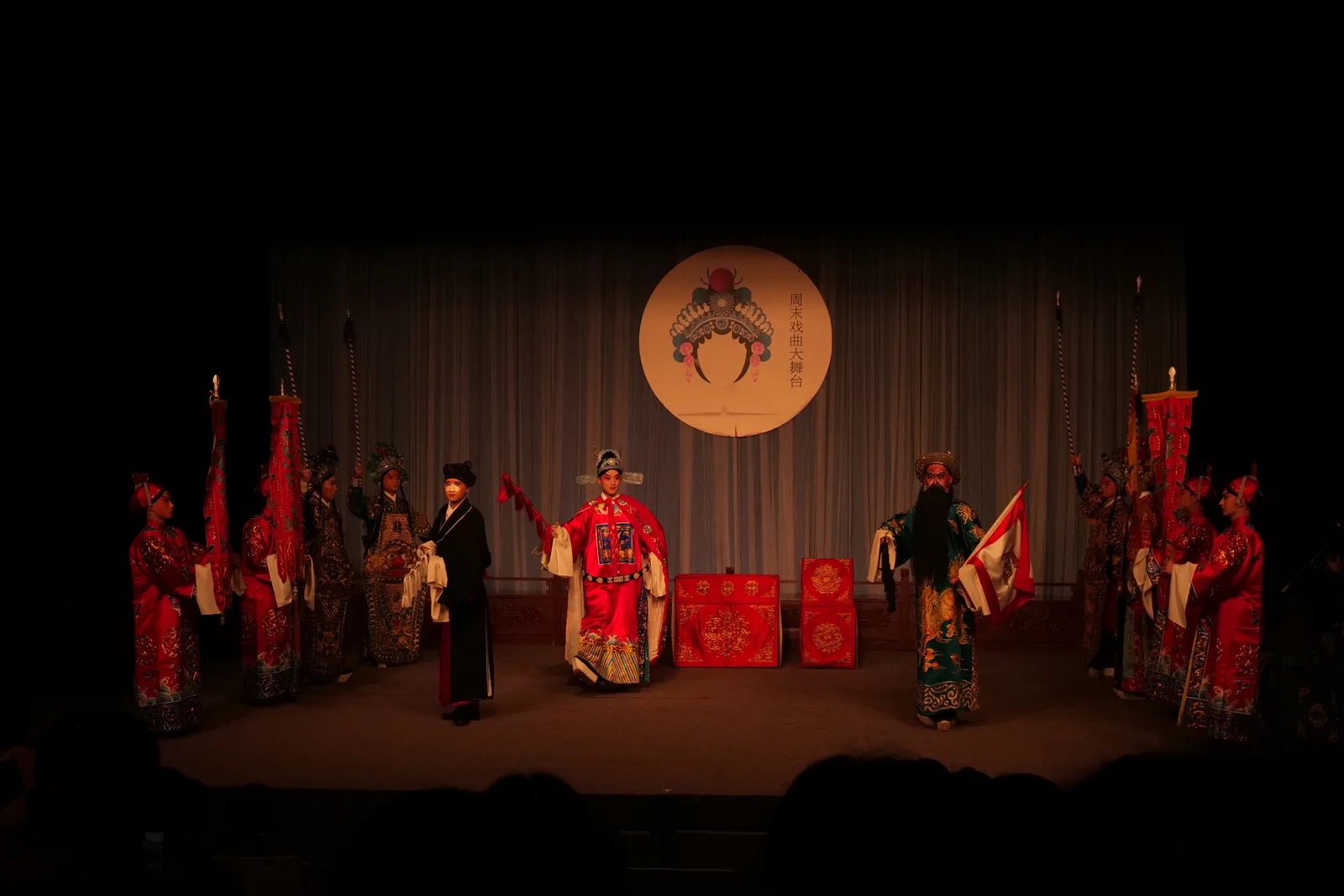
Walk the Su and Bai causeways, choose a boat for the islands, and keep the Ten Scenes from becoming a checklist.
Go to Lingyin at opening, then give the tea villages an unhurried afternoon instead of a shop circuit.
Spring and autumn are the easy months. Summer is humid, lotus season is hot, and holiday weeks fill the causeways.
Two days for the lake, three days to add Lingyin and Longjing, four days if Xixi or a slower tea afternoon matters.
Xixi is a half day northwest of the lake. Wuzhen is a separate water-town day, not a neighborhood of Hangzhou.
Questions people ask
- West Lake Essence is two days: a full lake day, then Lingyin at opening and the shore you still owe yourself. Classic Hangzhou is those two days with a lighter afternoon after the temple and a third day in one tea village, either Longjing or Meijiawu. The third day is a walk, a village lunch, and at most one tasting, not a tour of shops and not Xixi. Choose Essence for a weekend or a first look. Choose Classic when the tea hills are part of the reason for the stay, particularly in April. If you want three days and you want the wetland instead of the village, say that. It is a fair variation. It is not Classic, and it is not a reason to add both.
- It includes one of them as the extra, not a requirement to do both. Slow Hangzhou spreads the lake and Lingyin over more time, then adds either a morning at Xixi or a slower tea afternoon in a single village. The fourth morning is meant to be a dawn on the causeway with nothing new to collect. If you do the village and the wetland, you have used that empty morning, and the trip is busy rather than slow. Wuzhen is not included either way. Four days feel long enough when a causeway is walked twice. They feel short when every green place west of Shanghai has been promised a stop.
- Only as a longer journey with nights in Suzhou, not as a fourth shape and not as an afternoon inside Slow Hangzhou. The train between Suzhou and Hangzhou East is about 1.5–2 hours, and each city still needs its own morning. Plan the Suzhou nights on Suzhou tours, and keep Essence, Classic, or Slow intact on this side. Two nights there and two or three here is a coherent week. A garden on the "free" Hangzhou morning ruins the garden and the free morning together. If the week cannot hold both, stay with Hangzhou. The lake and the hills are a complete trip.
- In July and August, Slow Hangzhou fits best, because the afternoons are for rest and the mornings still hold the lake, the temple, and either shade at Xixi or a short village walk. Essence works in summer if you accept a smaller visit and you start at dawn anyway. During Golden Week and the holiday around 1 May, extra days do not remove the crowds. They only give you more dawns. Keep whichever shape you chose, drop Wuzhen, and do not expect a quiet noon. If you can move a holiday trip into the middle of October or a weekday in April, the same shape becomes the trip you pictured. The dates do more work than a longer list.
- Then you have fewer walking days than the nights suggest, and the shape should shrink. A noon arrival at Hangzhou East or Xiaoshan is a transfer and an evening stroll, not day one of Essence. Start the real clock the next morning at Broken Bridge. A noon departure can follow a dawn causeway if the bags and the car were ready the night before. It cannot follow Lingyin. Xiaoshan is often 45–70 minutes east of the lake, and Hangzhou East is not a lakeside station. If you land after lunch and fly out two days later at noon, call the trip one full lake day and enjoy it. A compressed temple, village, and wetland will be three entrances and a complaint.
- The shape is the order of the days, not a shopping list. You will have time for one lake boat on the lake day, and for a landing at the island only when the current entry rules allow it. You will have time for Lingyin at opening, and you should check the current entry rules for the grottoes and the halls that morning because they are not always one arrangement. On Classic and on a Slow trip that keeps the village, you will have time to taste tea and no duty to buy any. What the trip covers in meals, rooms, and tickets is stated on the tour itself. Match the name — Essence, Classic, or Slow — to the days you actually want, then read the practical clocks in the guides before you go.
Plan a Hangzhou visit
Share your dates, whether you land at HGH or Hangzhou East, and if Longjing or Xixi matters. We reply with a lake-first plan.