
Hangzhou at a glance
| Detail | Plan |
|---|---|
| Good first stay | 2 nights on the lake |
| Add the hills | A third day for Lingyin and Longjing |
| Add the wetland | A fourth day for Xixi, not the same afternoon |
| From Shanghai | Often 45–70 minutes to Hangzhou East |
| Airport | HGH is east of the city, not on the lake |
| Skip stacking | Lingyin, tea, and Xixi are three plans |
Lingyin Temple and the Longjing tea villages sit in the same western hills and ask for opposite kinds of attention. The temple and the Feilai Feng grottoes want the first hour after the gate opens, before the coaches. The villages want a slow walk, one meal, and at most one tasting room. Put them on one day only if the temple stays early and the village stays unhurried. If either half starts to look like a list of shops or a noon arrival, split them.
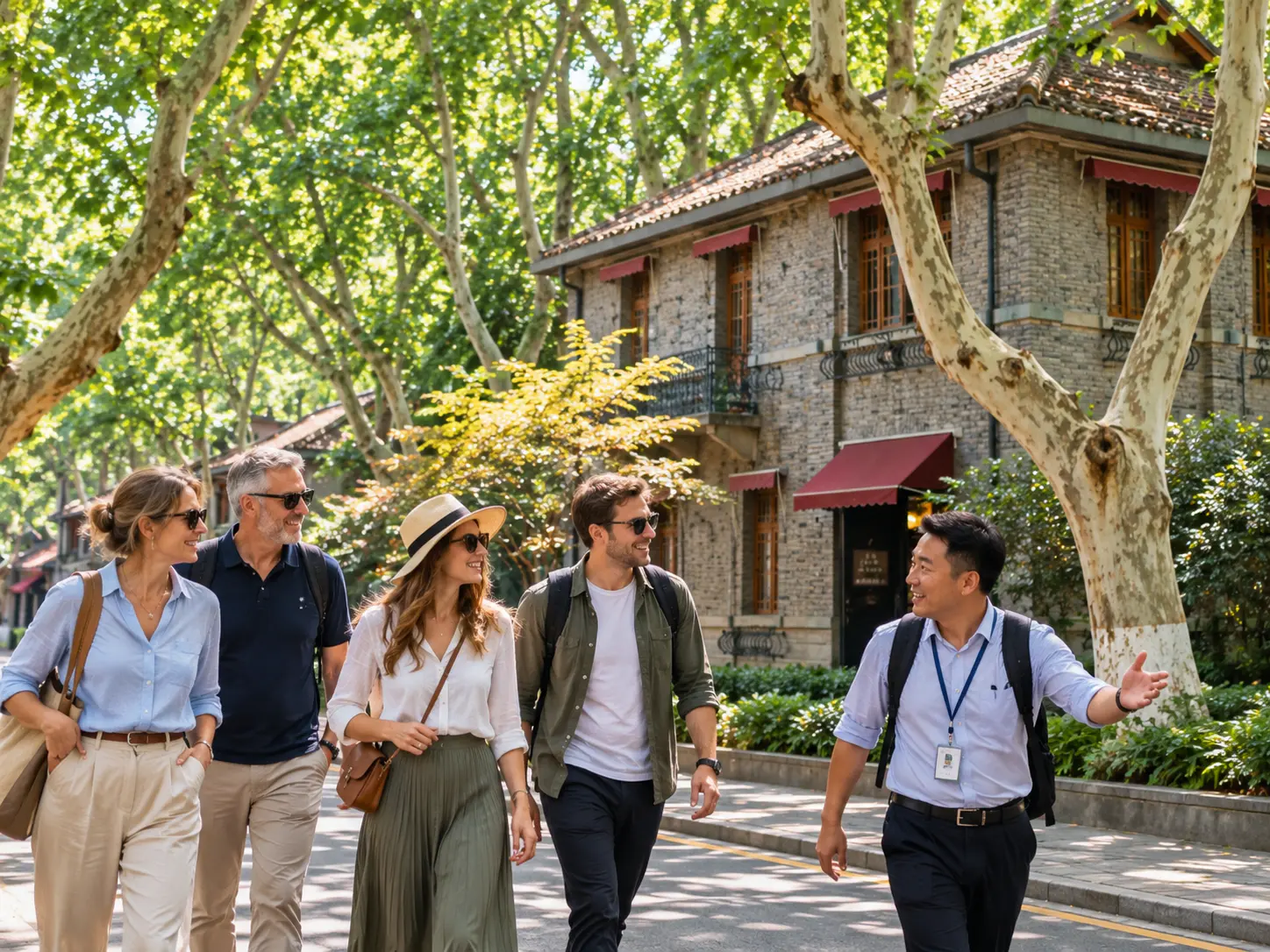
One day in the western hills
A paired day has a simple spine. Leave a lakeside hotel so you reach Lingyin as it opens. Walk the grottoes, then the halls, and be on the road again by late morning. Ride south to one village, Longjing or Meijiawu, not a tour of both. Eat there. Walk the lanes and a stretch of terrace. Sit down for tea if you want to. Be back within reach of the lake by mid-afternoon, with enough leg left for a flat causeway or for nothing at all.
That day is realistic from a hotel on the north, west, or south shore. It is not realistic after a dawn on Bai Causeway, and it is not realistic as the warm-up for Xixi. The hills are one outing. West Lake is another. The wetland is a third. The itinerary keeps them on separate mornings for that reason.
The ride from a north-shore hotel to Lingyin is often 15–30 minutes in ordinary traffic, longer from the south shore and longer still on a wet weekend when the same plan occurs to everyone. The ride from the temple area to Meijiawu or Longjing village is often 20–40 minutes. The roads wind and narrow. They are not a walk you add "since we are already in the hills," unless someone in the party specifically wants a hiking trail and you have given that trail its own half day. For everyone else, one car for the two hops is the calm version. You are on foot the moment you arrive at either place.
Check the posted opening the day before you go, and leave on that clock. "Mid-morning" is the phrase that ruins this day. Mid-morning is when you should already be finishing the cliff, not looking for the entrance.
Be at Lingyin when the gate opens
Lingyin is west of the lake, in a wooded fold of the hills, and it is one of the important Buddhist temples in this part of China. Tradition puts its founding in the fourth century. The buildings you walk through have been rebuilt many times. What you came for is still here: a working temple, a long approach, and a sequence of halls that rewards quiet more than speed.
The entrance zone is a small commercial channel of snacks, incense, and souvenirs. Walk through it. It is not the visit, and it will still be there if you want water on the way out. Toilets are here. Do not assume a cafe inside the halls.
The path from the gate area up to the main halls is steps and sloping stone, often 15–20 minutes when you are moving with a crowd, longer if you stop at the carvings properly. People who budget "a quick temple photo" get tired on this path and then rush the only part that mattered. Wear shoes you can stand in for three hours. After rain the stone is slick.
The crowd has a rhythm. The first hour after opening is the one to own. From roughly mid-morning through early afternoon the coaches dominate the path, the photographs, and the pace. Late afternoon can be calmer, and it can also be too late for the hall sequence you wanted, because inner buildings do not always keep the outer gate's hours. When this day also includes a village, afternoon at the temple is the wrong compromise. You would be trading the quiet halls for a hotter, busier cliff, and then dumping the village into dusk.
From the hotel, the practical departure is whatever time puts you at the gate at opening. From a lakeside base that is often a 20–35 minute ride plus a few minutes to walk in from the drop-off. Build the alarm from the opening time, not from a leisurely breakfast. Eat something small first. Sit down for a real meal after the halls, not before them.
Feilai Feng before the halls
Feilai Feng, the "peak that flew here," is the limestone cliff in front of the temple. The name comes from a story that an Indian monk recognized the rock as a peak from home. The carvings in the stone run through several centuries of Buddhist sculpture. This is often the crowded part of the visit, because it comes first and because the figures are what people came to photograph.
A large Laughing Buddha at the start of the grotto route collects the first knot of cameras. See it, and keep walking. The better carvings are farther along the cliff, in caves and niches where a crowd lingers badly and a small number of people can look properly. Give the cliff 60–90 minutes. Less than that and you have only done the entrance statue. More than that and you are delaying the halls into the coach wave.
The grottoes and the temple halls are not always covered by one entry arrangement. Check the current entry rules for Lingyin that morning, including whether the cliff and the halls are entered separately and what is open. Rules change, and a confident blog post from last year is not a ticket. Bring the passport you are using for entry checks. Have the confirmation saved offline if you arranged anything ahead.
If you are forced to choose, choose with the kind of day you have. On a paired day, do both, cliff first, because you are early and the order matches the ground. If you are short of time or energy, the halls are the religious heart and the cliff is the sculpture. Skipping the cliff on a packed noon visit is reasonable. Skipping the halls to spend the morning in the entrance shops is not.
Photography is easy in the open air along the cliff. Inside the caves, give people who are looking the space to look. A stick and a drone are the wrong tools in a narrow stone passage. You will not need them for the picture you actually want, which is usually a figure in a niche with no one else's phone in the frame. That picture happens in the first hour, or it happens poorly.
In the halls, and how long to stay
Cover shoulders and knees in the halls. A shirt with sleeves and trousers or a long skirt solve it. Shorts that end above the knee are the usual problem, and a borrowed wrap at the door is a worse outfit than the clothes you should have put on at the hotel. Hats come off. Voices drop. Step aside for people who are praying. You are in a working temple, not a backdrop that happens to be old.
Ask before you photograph Buddha images inside the halls. Courtyards and roofs are the easier pictures. Some rooms prohibit photos outright. Follow the sign in front of you rather than a general rule you read at home.
Incense is sold on the way in, in bundles that grow larger as the pitch continues. You do not have to buy any. A small offering is a personal choice. A large package you felt pushed into is not part of the visit. Decline it and keep walking. No one at the hall door needs to examine your shopping.
The main hall, with its large seated figure, is the place to stand still for a few minutes. Then the side halls. Then you leave. A thorough, calm visit to the halls is about 60–90 minutes after the cliff, which puts a paired day out of the gate area around 11:00 or 11:30 if you arrived at opening. That clock is the whole design. Lunch comes next, not a second temple and not a detour to a showroom on the way to the village.
Jingci Temple, back on the south shore of the lake, is a different and smaller stop. Yue Fei Temple is a lakeside historical site. Neither belongs on this morning. If the group has "one more temple" energy after Lingyin, spend it on lunch. The halls do not get better because you added another gate.
Facilities inside are basic. Water you carried is worth more than a search for a cafe. The way down is the same stone you came up. Leave a little patience for it. The drop-off point and the pick-up point are not always obvious at noon, when cars and coaches compete for the same bend in the road. Agree the pick-up spot when you are dropped off, while everyone still remembers it.
How to choose
| Choice | Fit | Skip when |
|---|---|---|
| Make this the focus | When this page is the reason for the day | When it is only a name on a list |
| Pair it | With one nearby stop | With a second full excursion |
| Leave it | If the main stay is already full | If you have the night it needs |
The ride south to the tea hills
Longjing, Dragon Well, is the green tea this region is known for, and the villages that grow it lie south and west of the lake. The two areas that matter for a first visit are Longjing itself and Meijiawu. They are not beside the temple gate. Budget 20–40 minutes by car, more if you leave the temple late and meet the weekend lane traffic.
Eat before you start a walking tour of tasting rooms. A village lunch, with tea-garden dishes and enough time to sit, runs 75–90 minutes if you let it. That meal is part of the pleasure of the day. Skipping it to "get to the tea" usually means standing in a shop while you are hungry, which is when the sales talk works best.
Choose one village for the afternoon. Longjing village is the tighter place, gathered near the spring the tea is named for, with terraces immediately above the lanes. Meijiawu is a longer village strip, easier for an unhurried stroll between houses, and a little simpler to understand on a first visit. Doing both "quickly" is how the afternoon becomes a sequence of doorways. You will taste more sales pitches than tea, and you will not have walked.
The landscape on the way is the point that shops skip. Hillsides of low tea bushes, a narrow road, a creek in the fold, and in the picking season the sight of people actually in the rows. If you arrive at 12:30 on a Saturday in April, you will see the rows and also a line of cars. If that picture bothers you, this is the signal to split the day and give the village its own morning. The paired day still works. It is just not the quietest version.
There is a wooded walk, the Nine Creeks path, leading from the Longjing side down toward the southern edge of the lake's hill country. It is a couple of hours if you follow it properly, on dirt and stone, and it is a fine reason to give the tea hills their own date. It is a poor add-on at 15:00 after a full temple morning. Follow whatever access is posted that day, wear shoes with grip, and do not start it without a way to finish near a road you can leave from.
Longjing village and the well
The well itself is small. A stone-ringed spring in the village is the namesake, and visitors are sometimes surprised that the famous thing is not a grand monument. The visit is the walk: the lane, the terraces above it, the smell of leaves if a household is firing tea, and the view back toward the hills that close the west side of the lake. Allow 60–90 minutes on foot once you have eaten, more if you climb a terrace path and sit.
Local tradition connects a Qianlong visit with a small group of imperial tea bushes nearby. Treat that as garden history and story. You are not here to authenticate a relic plant. Look at the rows, which are the working landscape, and judge the tea in a cup if you choose to drink one.
In the spring flush, some houses fire leaves in shallow pans. A glance at one workshop, if you are welcome, is enough. The smell is the memory. A second and third workshop, each with a tasting table aimed at a large purchase, is the shop sequence in disguise. Thank them and go back outside.
The village lanes are sloping, partly paved, and muddy at the edges after rain. Terraces are uneven. This is an easy walk in dry weather for anyone who handled Lingyin's steps in the morning, and a slippery one in a downpour. If the morning rain was heavy, keep the afternoon to the main lane and a window seat, and save the upper paths for a clearer day.
You can be back at a lakeside hotel by 15:30–16:30 if you leave the village after a single unhurried block of walking and one sit-down tea. That timing still leaves a choice: a late turn along Su Causeway, or a bath and an early dinner. Both are correct. A second village "on the way" is what removes the choice.
Meijiawu at an unhurried pace
Meijiawu suits the paired day slightly better than a rushed Longjing circuit, because the pleasure is a long village rather than a single famous well. You walk a lane between tea houses and houses, look up at the bushes on both sides, and stop once. Give the lane 60–90 minutes not counting the meal. If you are enjoying it, stay. The failure is not a slow afternoon. The failure is four stops that were all the same room with a different brand of tin.
Pick the place to sit by whether you can sit down, not by the size of the sign. A room that starts with a friendly pour and then climbs a ladder of ever more expensive leaves is a sales room. Taste the first tea properly. If you like it, you may buy a small amount of that tea, the one you drank. If the conversation will not return to the cup in front of you, leave. You do not owe a purchase for the pour. You also do not need to announce a debate. Standing up is enough.
Weekend afternoons are the busy version: cars in the lane, rooms full, a harder time finding the quiet fifty meters that still exist at the edge of the village. Weekday afternoons, especially outside the April flush, are the version people imagine when they picture a tea village. If your only free time is a Saturday in the flush, go anyway and keep the plan short. One meal, one walk, one cup. The hills are still the hills.
Meijiawu is not a shortcut back to the east-shore hotels. The ride home is often 30–50 minutes depending on where you are staying and on the traffic at the lake's south-west corner. Tell the driver the hotel, not "West Lake," and do not add a silk stop, a market, or Hefang Street to the return. Those belong to a different hour, on a day when you are not already three hours into the hills.
Spring flushes and the sales talk
The famous pickings are spring. Pre-Qingming tea is the flush before the Qingming solar term, around early April. Guyu is the next picking, around the Grain Rain term later in April. Weather moves the exact days. The early flush is scarce, with small leaves and a long reputation. Guyu is still a spring tea people come for, and there is more of it. Later pickings in summer and autumn are real tea and ordinary reasons to cross the city. Come in April if the flush is the point. Come in another month if the walk and the temple are the point. The terraces are there all year.
The words travel faster than the leaves. A tasting room may call a tin pre-Qingming because the phrase sells. You cannot verify a flush from a label in a tourist lane, and you should not try to become an inspector between the main course and the ride home. Taste. Buy a modest amount of what you tasted, if you liked it and you will actually brew it. Walk away from sealed gift boxes you did not drink, from claims about "imperial grade" you cannot check, and from any urgency that the tea will vanish this afternoon. It will not.
This is why the day must not be built around a shop sequence. Two or three rooms, each repeating the same climb, will use the hours you needed for the lane and still leave you unsure. One room, after a walk, is a pleasure. Zero rooms is also a complete village visit. The bushes do not require a purchase.
Children and anyone who dislikes a sales conversation can skip the room entirely and still have had the afternoon: lunch, a lane, a view of the rows. There is no examination at the end. Longjing as a drink can also be ordered, plainly, at a meal. That cup is sometimes a better introduction than a performance.
If you want to understand the tea more than you want a tin, watch the shape of the finished leaf when a pan is being worked in season: flat, green, and handled quickly. Then let the rest of the craft stay in the village. You are not obliged to carry a lecture back to the hotel. You are obliged not to let the lecture replace the walk.
When to split the day in two
Split Lingyin and the village when the paired clock stops being kind.
April weekends are the clearest case. Both places are busy, the lanes jam, and the pleasure of an early grotto is easy to lose in a late, noisy tasting. Give the temple one morning at opening, return to the lake for a quiet afternoon, and give the village the next morning at 8:30, when the rows and any firing pans are the first thing you see. You will eat lunch in the village either way. You will not be doing it after three hours of stone steps.
Split them in heavy rain if the terrace paths matter to you. The temple still works. The halls are the right interior for a wet morning, provided you mind the slick stone. The village in a downpour is a window and a cup, which some people love and others find pointless. If the forecast is a brief shower, stay with one day and keep the walk short. If the forecast is a washout, put the village on the next clear morning rather than forcing a muddy lane out of duty.
Split them if anyone wants the Nine Creeks walk, or a long sit, or time to watch firing without watching the clock back to the lake. A four-day stay has room for this. A two-day stay does not: on two days the village yields to the lake, and Lingyin takes the second morning alone. That is the right sacrifice. A tasting squeezed beside Leifeng at 17:00 is not Longjing.
Do not solve a split by stacking the village with Xixi. They are different directions and different energies. Temple and village can share a well-designed day. Village and wetland should not, except as a long day you have already admitted will be thin. The hills repay the people who arrive early and then stop. They are unkind to people who try to finish the west of the city before dinner.
Ways to plan the days
These shapes match the Hangzhou tours page. They are starting points, not fixed departures.
West Lake Essence
Time fit: 2 days
Causeways, one boat or bike loop, and an easy evening.
- Hangzhou
- West Lake Essence
Why choose it: Causeways, one boat or bike loop, and an easy evening.
Classic Hangzhou
Time fit: 3 days
The lake, an early Lingyin morning, and an unhurried tea village.
- Hangzhou
- Classic Hangzhou
Why choose it: The lake, an early Lingyin morning, and an unhurried tea village.
Slow Hangzhou
Time fit: 4 days
Add Xixi or a second lake afternoon instead of a new city.
- Hangzhou
- Slow Hangzhou
Why choose it: Add Xixi or a second lake afternoon instead of a new city.
Want help shaping the Hangzhou days?
Tell us how many nights you can give the lake. We reply with a West Lake plan and add Lingyin, Longjing, or Xixi only when the day count allows.
Keep planning
Hangzhou
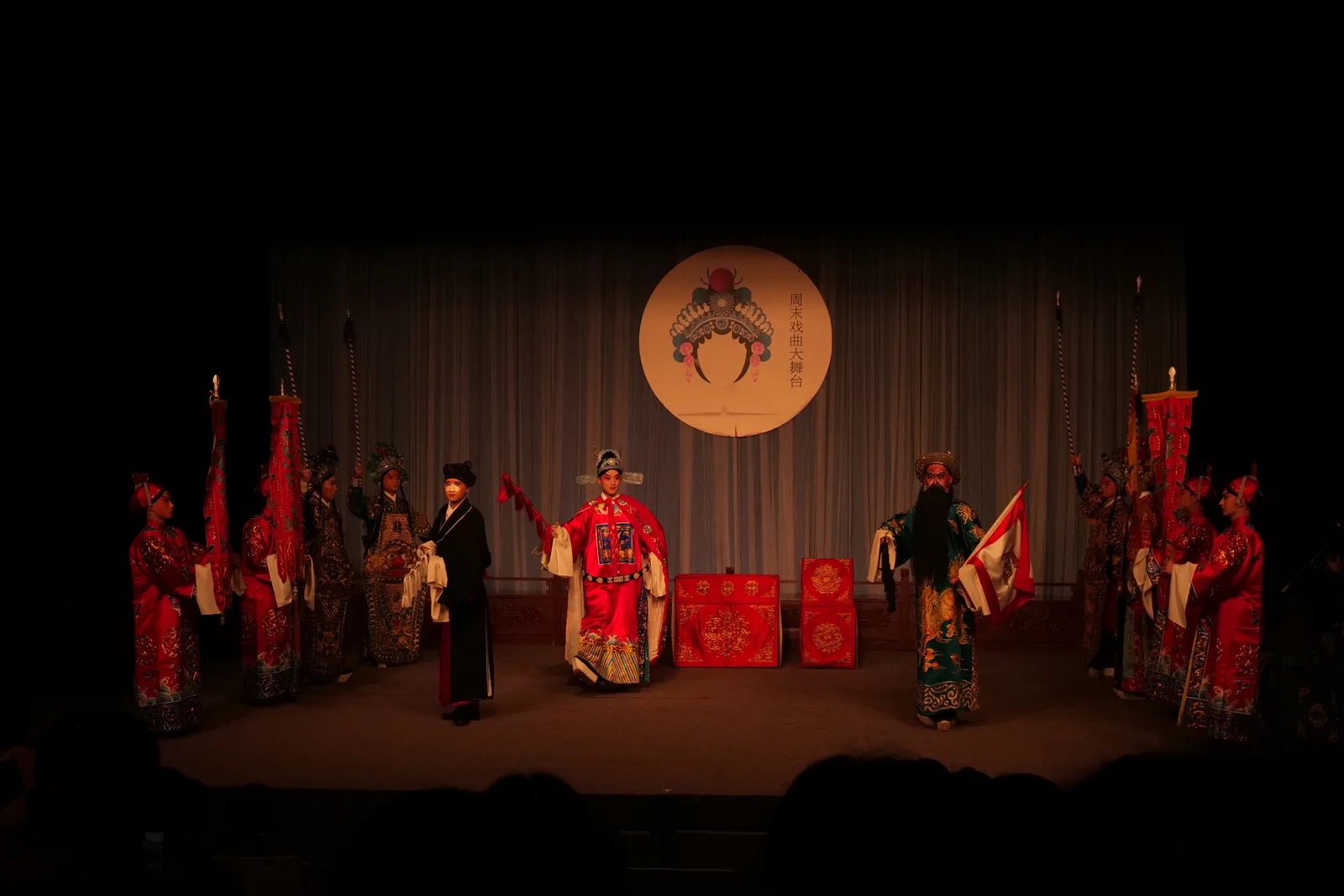
Walk the Su and Bai causeways, choose a boat for the islands, and keep the Ten Scenes from becoming a checklist.
Spring and autumn are the easy months. Summer is humid, lotus season is hot, and holiday weeks fill the causeways.
Two days for the lake, three days to add Lingyin and Longjing, four days if Xixi or a slower tea afternoon matters.
Xixi is a half day northwest of the lake. Wuzhen is a separate water-town day, not a neighborhood of Hangzhou.
Compare a 2-day lake stay, a 3-day classic with Lingyin and Longjing, and a 4-day slower trip.
Questions people ask
- Yes, if the temple is first and the village is only one place. Arrive at Lingyin as the gate opens, give the grottoes about 60–90 minutes and the halls another 60–90 minutes, and leave the hills of the temple by late morning. Ride 20–40 minutes to either Longjing village or Meijiawu. Eat, walk for an hour or so, and sit for one tea if you want it. You should be free again by mid-afternoon. The day fails when you reach the grottoes at 11:00, add a second village, or turn the afternoon into a run of tasting rooms. If you want the village at its best, give it the next morning instead.
- Cover shoulders and knees. Sleeves and trousers or a long skirt are enough. Shorts above the knee are the usual reason people get stopped or wrapped in a borrowed cloth at the door. Wear shoes that can handle uneven stone and a 15–20 minute climb between the grottoes and the halls, longer when you are actually looking. A light layer helps in the shoulder seasons, because the halls stay cool. Take your hat off inside. You do not need special colors or a large bundle of incense. Ask before photographing images of the Buddha in the halls. Courtyards are simpler.
- No. Incense is offered for sale on the way in, and a small bundle is a personal choice. A large one you were talked into is not required to enter, to look, or to pay respects. Decline and continue. In the villages, taste if you want to and buy a small amount of the tea you actually drank. You do not owe a purchase for sitting down. Skip sealed boxes you did not taste, and skip any room that will not let the conversation stay with the cup. A walk among the terraces, plus lunch, is a complete visit with nothing carried home.
- Choose one. Longjing village is the tighter lane around the small well the tea is named for, with terraces close above it. The well is modest. The walk is the point. Meijiawu is a longer village strip and an easier unhurried stroll, which makes it the simpler half of a day that already included the temple. Visiting both in one afternoon turns into a series of similar rooms and a worse walk. If you are splitting across two mornings, Longjing village plus a terrace path is a good first village morning, and you still do not need to add Meijiawu the same day.
- Arrive as the gate opens, not "sometime in the morning." Check the posted opening the day before, and leave a lakeside hotel so the ride, often 20–35 minutes, puts you there at that time. The first hour belongs to Feilai Feng, which is the crowded part later. The halls come next, while they are still calm. By late morning the coaches set the pace, and an afternoon arrival can miss the inner sequence even when the outer gate is open. Breakfast is a small thing you eat before you leave. The sit-down meal waits until you are out, ideally in the village if that is the afternoon.
- The temple still works. The halls are a good wet-morning visit if you take the stone slowly and keep shoulders and knees covered. The cliff is open to the weather, and the carvings are still worth the first hour in a light rain. A downpour makes the village paths muddy and the terrace views close in. Keep a paired day to the main lane and a window seat, or move the village to the next clearer morning and return to the lake after the halls. Do not add a long hill path in slick weather at the end of a temple morning. Mist can be beautiful. Mud is still mud.
Plan a Hangzhou visit
Share your dates, whether you land at HGH or Hangzhou East, and if Longjing or Xixi matters. We reply with a lake-first plan.