
Hangzhou at a glance
| Detail | Plan |
|---|---|
| Good first stay | 2 nights on the lake |
| Add the hills | A third day for Lingyin and Longjing |
| Add the wetland | A fourth day for Xixi, not the same afternoon |
| From Shanghai | Often 45–70 minutes to Hangzhou East |
| Airport | HGH is east of the city, not on the lake |
| Skip stacking | Lingyin, tea, and Xixi are three plans |
Hangzhou asks for a small number of clear days, not a long list of stops. The lake sits in the middle, the western hills hold a major temple and the Longjing tea country, and a wetland lies off to the northwest. For a few decades in the twelfth and thirteenth centuries this was Lin'an, the Southern Song capital, which is why the shore was shaped as a place to walk and look, and why the city still treats that shore as the point. Stay near the water, start early, and leave the commercial street for an hour at the end.
How many days Hangzhou actually needs
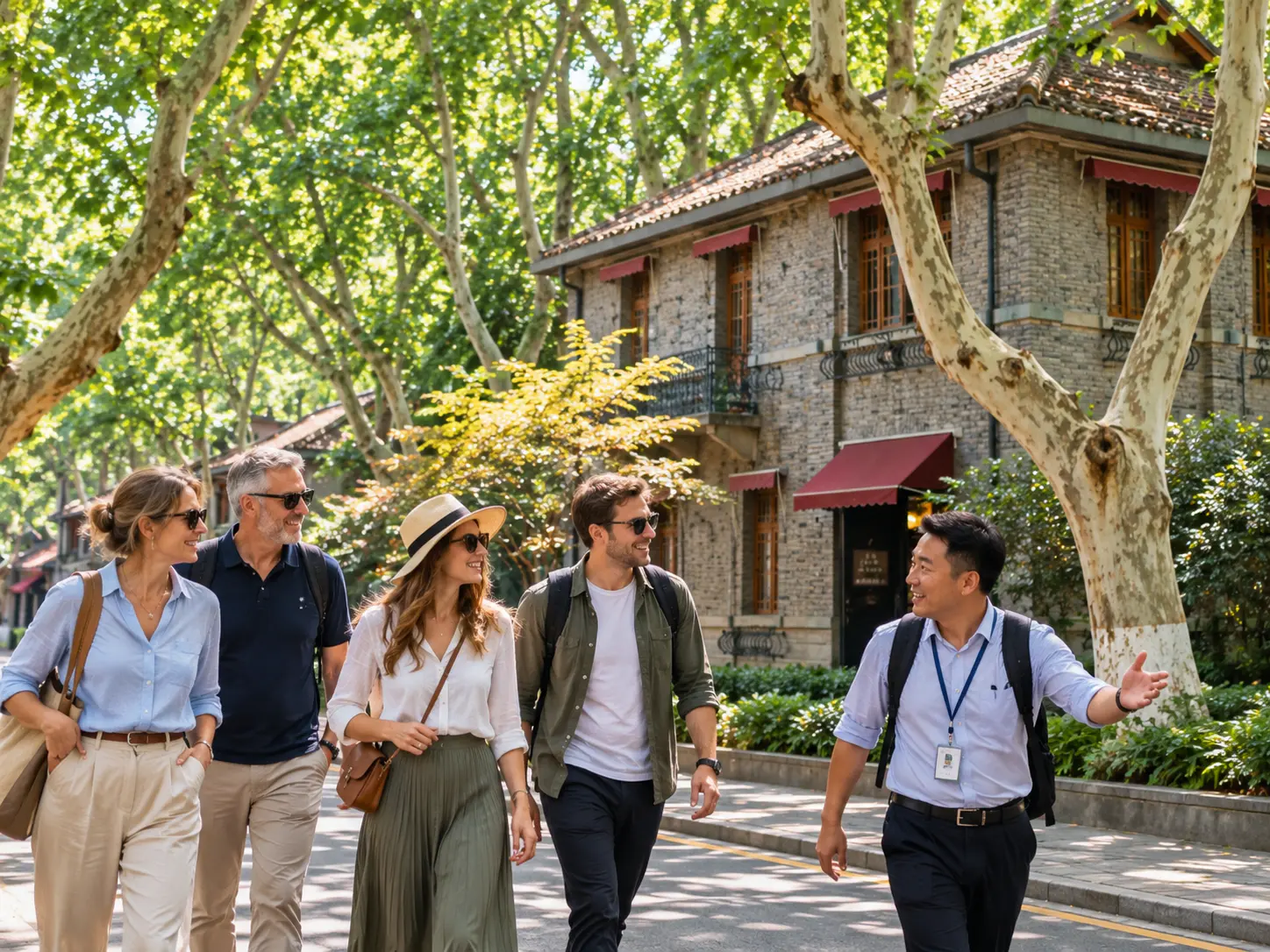
Two days cover West Lake and Lingyin Temple when each morning belongs to one landscape. Three days are the first length that feels generous: you add either a tea village or Xixi Wetland. Four days let you walk the lake twice, in different light, and still take one of those outings without rushing the grottoes or the boardwalks. A single overnight is a causeway and a photograph of the white stone bridge. It suits a rail connection. It is a thin version of the city.
Count days you will actually use, not days that include a long arrival. A train into Hangzhou East after lunch, or a flight into Xiaoshan that lands late afternoon, gives you a shoreline stroll and an early night. Your "two days" have become one full day plus a fragment. Protect at least one dawn on the water. The shore is at its best before coach parks fill, which in practice means you are walking by about 8:00.
The high-speed train from Shanghai Hongqiao to Hangzhou East is often about 45–70 minutes. That is short enough to tempt a day trip and too short to describe the day you will have once you add both stations, the ride to the shore, a meal, and the ride back. If the lake is the reason, sleep here. A day trip shows a crowded causeway in the middle hours and almost nothing of the hills.
Weekdays are kinder than Saturdays. If you have only two days and one of them is a Sunday in April or early October, give the Sunday to the lake at dawn and put Lingyin on the quieter morning. The full shapes sit in the itinerary. Decide the length here first. The plan that fails is a three-day list behaving like a week: temple, tea, wetland, a water town, and a full shore loop, with a pedestrian street after dinner treated as a sight.
The lake, the western hills, and the wetland
These are three landscapes, and they do not stand in for each other.
West Lake is a UNESCO cultural landscape: open water, Su Causeway and Bai Causeway for walking and cycling, Leifeng Pagoda on the south shore, and Three Pools Mirroring the Moon on an island you reach by boat. There is no single gate and no ride sequence. A focused half day shows one shore properly. A full day shows north and south without a march. The old "ten scenes" are poetic viewpoints around that walk, not ten equal appointments.
The western hills are the second landscape. Lingyin and Longjing belong there: Lingyin Temple and the Feilai Feng grottoes a short ride west of the water, and the Dragon Well tea villages south and west of the lake, including the Longjing and Meijiawu areas. They pair well when the temple gets the opening hour and the village gets an unhurried afternoon. They go badly when the grottoes start at 11:00 and tea becomes a row of tasting rooms.
Xixi and day trips are the third. Xixi National Wetland is northwest of the lake: boats, boardwalks, a real half day, and a poor substitute for the open water. Wuzhen is a water town on its own half or full day by road, outside the city. The Qiantang tidal bore is seasonal and is watched downstream around Yanguan, in Haining.
Lake, then hills. Add the wetland when a third day is actually free. Do not stack Lingyin, a tea village, and Xixi on day one. Each wants a morning or a long afternoon, and the roads between them are ordinary city and hillside roads, not a scenic minute you can ignore.
A first day that does not try to finish the city
Arrive the evening before when you can. Sleep near the lake. Xiaoshan Airport, code HGH, is east of the city, and Hangzhou East station is also east of the old center. Neither is a lakeside address. The first morning is then simple: Broken Bridge while the north shore is still a walk.
Give that morning to the north end. Walk Bai Causeway, step onto Solitary Hill, and stop when the view has done its work. On a clear day, if knees are willing, Baoshi Hill and Baochu Pagoda are the short climb for a wider look back over the water. Allow the better part of an hour and skip it once anyone is already tired. Lunch on the north shore. In the afternoon, cross by boat or follow Su Causeway toward Leifeng Pagoda. That is a complete first day. It does not include the temple, the terraces, the wetland, or a water town.
Keep some evening light. The causeways are worth a second, shorter look after dusk, when the path is lit and the daytime groups have gone. The musical fountain on the eastern lakeshore is optional, and only if it is running that week. Hefang Street, also called Qinghefang, is a fair hour for snacks if the hotel is on the southeast side. It is a commercial pedestrian street. It should not replace the walk you came for.
A late arrival should stay small. Drop bags, walk whichever causeway is closest, eat, and sleep. A tired circuit of "highlights" after 18:00 makes the lake look like a promenade with stalls, because that is the only slice on offer at that hour.
Meals can stay ordinary and local. Menus near the water repeat West Lake vinegar fish, Dongpo pork, and shrimp tossed with Longjing tea. One sit-down lunch on the north shore, or in a tea village on the day you are actually there, is enough food planning. Chasing a food street as a destination is how the commercial lane expands from an hour into the evening you meant to spend on the shore.
Two days, three days, four days
Two days. Day one is the lake. Day two starts at Lingyin as the gate opens: grottoes, then halls, and you leave the western hills by late morning or just after lunch. The afternoon returns to the shore you barely touched. Flower Harbor and the south parks if day one was the north; the north shore if you began on the south. Two days do not include a real tea-village walk. A shop on the promenade is not that walk.
Three days. Keep the two-day spine, and on the third day choose one addition. Either an unhurried afternoon in Longjing or Meijiawu — a walk among terraces and a single sit-down tasting — or a half day at Xixi. Both on the same day makes each of them thin. In the spring picking season the villages are the more particular choice, with the warning that weekends are busy and the sales talk is confident. In hot months Xixi's shade and water can be the kinder half day, if you go early and treat it as its own outing.
Four days. Use the extra day to slow the lake. Dawn on Su Causeway, a boat toward the island if that day's entry rules allow a landing, a longer lunch, a second look at Leifeng when the air is clearer. Then take whichever of the tea village or Xixi you did not already place. Four days are also the first length where a late train on the last afternoon does not erase the trip. Wuzhen still does not fit on top unless you drop something else. The road there takes a real piece of the day.
The day-by-day version is the itinerary. The same lengths, sequenced as set routes, are the tour shapes on Hangzhou tours: two days on the lake and at Lingyin, three days that add Longjing, four days that add the wetland or a slower tea afternoon.
Arriving at Xiaoshan or Hangzhou East
Hangzhou Xiaoshan International Airport is in Xiaoshan, east of the city across the Qiantang River. A car to a lakeside hotel is often 45–70 minutes, and longer when you land into the late-afternoon traffic on the river crossings. The metro is clear and usually a little slower once you include the walk from the platform to the hotel door. With luggage and a morning you care about, a pickup arranged ahead is the calmer landing. Traveling light, landing at midday, the metro is a sound way in. A hotel near the airport makes sense only for an early flight out when you are finished with the lake.
On the railway, read the station name before you trust a short ticket. Hangzhou East is the main high-speed hub, and it is not on the lakeshore. Some trains use Hangzhou Station, nearer the south of the old city, or Hangzhou West, far out on the western side. The word "Hangzhou" on a booking screen is not a transfer plan. From Hangzhou East to a hotel on the eastern or northern shore, allow 30–45 minutes by taxi once you are in the car, and a similar span by metro once you count the walk inside the station. Do not step off the train and into a temple plan with forty minutes left before closing. You are still on the wrong side of town.
From Shanghai, the useful pattern is Hongqiao to Hangzhou East, often about 45–70 minutes on the train. From Suzhou, allow about 1.5–2 hours to Hangzhou East, then the local ride to the hotel. That is why a combined trip needs nights in each city. Gardens and the lake do not share a morning. Plan the Suzhou nights with the Suzhou guide. A same-day out-and-back shows you a station, a garden gate, and a rush.
Flying into Shanghai or into Hangzhou can both work because the rail link is good. What fails is a same-day chain of Hongqiao, Hangzhou East, a tea village, and a flight out of HGH. Choose a door in and a door out, and leave the hours between them for the water.
How to choose
| Choice | Fit | Skip when |
|---|---|---|
| West Lake Essence | 2 days | Causeways, one boat or bike loop, and an easy evening. |
| Classic Hangzhou | 3 days | The lake, an early Lingyin morning, and an unhurried tea village. |
| Slow Hangzhou | 4 days | Add Xixi or a second lake afternoon instead of a new city. |
Where to stay, relative to the water
The practical base is a walk from the eastern or northern shore. Broken Bridge and Bai Causeway are then a morning on foot, the metro is close when you need Hangzhou East or the airport line, and you can ignore most shuttle pitches. The eastern shore is a city road: hotels, traffic, and a promenade that feels urban until you are on the causeway itself. A lake-facing room matters only if you will sit in it. A quiet room five minutes from the water is a better stay than a view you never use.
The south shore, around Nanshan Road and the Leifeng side, is quieter after dark and kinder if sunset and a park walk are the priority. The rail station takes a little longer, and the north-shore breakfast walk becomes a short ride. The western shore fits a trip weighted toward Lingyin and the tea hills. Evening food is simpler there, and Broken Bridge is no longer outside the door.
Stay near Xixi only if the wetland is the whole trip. Skip a newer district chosen because the hotel looks newer. Every extra twenty minutes of transfer shows up on the Lingyin morning, when opening hour is the difference between stone carvings you can see and stone carvings you can see over someone else's shoulder.
The paths around the lake are flat. The western hills are not, and Baoshi Hill is a stair climb. If someone in the party walks slowly, keep the causeway as the main event, use a boat to change shores, and leave the pagoda's upper floors optional. Lingyin is still a good morning if you allow time and skip the extra hill.
What deserves an hour, and what does not
Hefang Street deserves an hour when you want snacks and a look at a busy lane under Wu Hill. Go after the lake, and leave when the shops repeat. The frontage is restored and commercial. It will not explain the Southern Song city, and a second hour does not add that explanation.
A boat deserves 45–90 minutes, not an afternoon, unless you are landing on an island and the day's rules make that landing worthwhile. Check the current entry rules for the lake islands before you promise Three Pools Mirroring the Moon. The island is the right boat trip when it is open and the queue is short. It is a poor use of a hot midday when the pier is a holding pen.
Yue Fei Temple, on the north shore, deserves 45–60 minutes if you want one historical interior beside the water. It does not replace Lingyin. Jingci Temple, near the south-shore evening-bell viewpoint, is a short call when you are already at Leifeng, not a second temple morning. Baoshi Hill deserves the climb on a clear day and drops out of a rainy, crowded, or knee-sore plan.
Tea bought on the Hubin promenade is not a stop worth making. If you want Longjing, go to the villages on the day you set aside, taste what is poured, and refuse a route made of shops. The same restraint applies to silk and scissors showrooms timed like museums. Hangzhou's craft history is real. A retail demonstration is not the meeting.
The Qiantang tide is not a lake show
The Qiantang River runs along the south of the city, and its tidal bore is a serious sight when the season is right. The strongest tides cluster around the autumn equinox. People watch them downstream at Yanguan, in Haining, from managed viewing points. That is a separate half or full day, tied to the tide table for the year you travel. You will not see the bore from a causeway, from Leifeng Pagoda, or from a hotel balcony on the eastern shore. It is not a daily performance on the lake, and it has nothing to do with the musical fountain.
If your dates sit in that autumn window and the bore is a priority, plan it before you plan a second causeway loop. Platforms get crowded, the wave itself is brief, and you need to be in place early. Outside that window, let it go. A modest tide on an ordinary week is not worth trading away Su Causeway in good light. Spring has tidal movement as well. The trip people mean by "the bore" is the autumn one.
A few other pairings deserve the same honesty. The airport is not a quick hop from the pagoda. Hangzhou East is not a station with a lakeside exit. Wuzhen is not Hangzhou's old town. The former capital survives as a lake, a set of hills, and a modern downtown on the east bank. Plan for that geography and the days simplify.
How the guides fit together
Read West Lake for the causeways, the choice between foot, bike, and boat, and the places hours go missing. Read Lingyin and Longjing when you want to pair an early temple with a tea village, or to split them into two mornings. Read best time before you lock a week in July or the first days of October. Read Xixi and day trips after the lake and the hills already have a place. The itinerary turns those choices into two-, three-, and four-day shapes. The tour shapes show how those lengths look when the days are sequenced for you.
You can ignore that order when a constraint is already obvious. Heat and holiday crowds start with best time. One weekend starts with the itinerary and a two-day shape. A serious interest in tea starts with the Lingyin and Longjing page, and that afternoon stays defended from extra stops.
When a driver or a set route helps
Walking and the metro cover the lake for most people, with an ordinary taxi when you are crossing from the south shore to a north-shore hotel after dark. Lingyin is a short ride from a lakeside base. A car does not need to wait outside the temple while you walk the grottoes.
A driver earns the day in two situations. One is arrival or departure at HGH with luggage, an early train, or a hotel on the far side of the lake from the airport road. The other is a tea-village road day, when Longjing and Meijiawu sit on narrow lanes and you would rather one vehicle handled the hops than a chain of cars that cannot find the lane. That service is separate from a walking day on the shore, and it is described on the Hangzhou private driver page. Use it for the airport or the hills.
If you would rather have the days ordered for you, use the two-day, three-day, and four-day shapes on Hangzhou tours, then read the itinerary for what each length contains. A set route helps when the dates are fixed and you do not want the evening spent debating whether the wetland fits. It helps less when the pleasure you want is an empty causeway at 7:30 and the freedom to stay. Both are sound ways to see the city. They fail when a wetland, a temple, a shop crawl, and a water town are asked to share one afternoon.
Ways to plan the days
These shapes match the Hangzhou tours page. They are starting points, not fixed departures.
West Lake Essence
Time fit: 2 days
Causeways, one boat or bike loop, and an easy evening.
- Hangzhou
- West Lake Essence
Why choose it: Causeways, one boat or bike loop, and an easy evening.
Classic Hangzhou
Time fit: 3 days
The lake, an early Lingyin morning, and an unhurried tea village.
- Hangzhou
- Classic Hangzhou
Why choose it: The lake, an early Lingyin morning, and an unhurried tea village.
Slow Hangzhou
Time fit: 4 days
Add Xixi or a second lake afternoon instead of a new city.
- Hangzhou
- Slow Hangzhou
Why choose it: Add Xixi or a second lake afternoon instead of a new city.
Want help shaping the Hangzhou days?
Tell us how many nights you can give the lake. We reply with a West Lake plan and add Lingyin, Longjing, or Xixi only when the day count allows.
Keep planning
Walk the Su and Bai causeways, choose a boat for the islands, and keep the Ten Scenes from becoming a checklist.
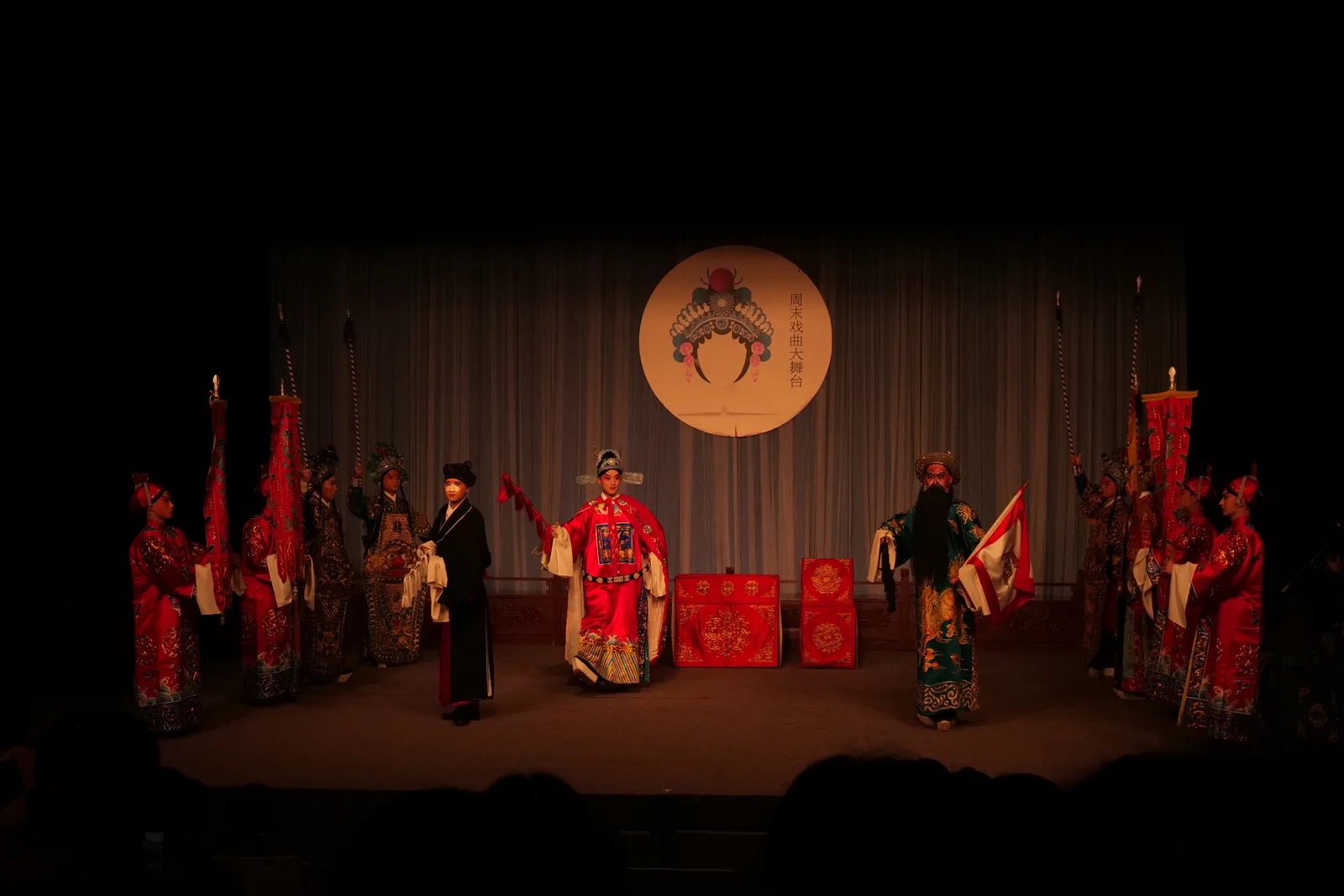
Go to Lingyin at opening, then give the tea villages an unhurried afternoon instead of a shop circuit.
Spring and autumn are the easy months. Summer is humid, lotus season is hot, and holiday weeks fill the causeways.
Two days for the lake, three days to add Lingyin and Longjing, four days if Xixi or a slower tea afternoon matters.
Xixi is a half day northwest of the lake. Wuzhen is a separate water-town day, not a neighborhood of Hangzhou.
Compare a 2-day lake stay, a 3-day classic with Lingyin and Longjing, and a 4-day slower trip.
Questions people ask
- One full day is enough for a single shore of West Lake and a short boat, and it is a thin account of the city. The causeways want an unhurried morning, Lingyin wants the opening hour, and the ride from Hangzhou East or Xiaoshan already uses the edges of the day. If you are between other cities with a single night, walk Bai Causeway early, eat near the north shore, and leave. If the hills or the tea villages are part of why you came, stay a second night. A day trip built on the train from Shanghai Hongqiao looks tidy on a timetable. On the ground it is a station, a crowded midday shore, and a return before the south shore has had its late light. Give Hangzhou two nights when you can.
- Stay near the lake. Hangzhou East is the main rail hub, and it is a transfer point, not a place to walk in the evening. A hotel on the eastern or northern shore puts Broken Bridge and Bai Causeway on foot for the first morning and keeps the metro available when you need the station or the airport line. The south shore is the better bias if sunset at Leifeng matters more than that first north-shore walk. The western shore suits a trip aimed at Lingyin and the tea villages. An airport hotel suits only an early flight once you are finished. Every extra twenty minutes in the morning is time the grottoes will not give back after the coaches arrive.
- They should not. Suzhou to Hangzhou East is about 1.5–2 hours on the train, and each city then needs its own transfer from the station to the place you actually came to see. A garden wants a morning. A causeway wants a morning. Putting them on one date gives you two gates and a lot of platform. Sleep in Suzhou for the gardens, then move to a lakeside hotel in Hangzhou, or do it the other way around. The rail link is good enough that the move itself is easy. What it does not do is turn the two cities into neighborhoods of one outing. Plan the Suzhou nights as their own stay.
- It does not. Xixi National Wetland is northwest of the lake: creeks, boardwalks, low houses, and a boat between gates. West Lake is open water, causeways, and hills. A half day in the wetland is a good third-day choice when you want a quieter, greener contrast and you have already walked a shore. It is a bad first day, and it is a bad bargain if you have only one morning in the city. Go early, allow three to four hours, and return to the lake for the evening rather than treating the wetland as the view you came for. The landscapes answer different moods. Only the lake is the center of Hangzhou.
- Not for a straightforward stay. The shore paths are the visit, and Lingyin is a short ride from a lakeside hotel by taxi or rideshare. You walk the grottoes and the halls, then ride back. A car earns its place on an airport arrival with luggage, or on a tea-village day when the lanes around Longjing and Meijiawu are awkward to stitch together. It does not earn its place idling beside Bai Causeway while you walk a kilometer of willows. If the dates are simple and the hotel is near the water, use your feet, a boat, and one or two short rides. Save the vehicle for the hills or for HGH.
- You cannot. The bore is a tidal wave on the Qiantang River, strongest around the autumn equinox, and the usual viewing place is downstream at Yanguan, in Haining, not the lakeshore. It takes its own half or full day, it depends on that year's tide table, and the platforms are managed and crowded when the tide is a famous one. Leifeng Pagoda, a hotel balcony, and the musical fountain will not show it to you. If your dates miss that autumn window, spend the day on the causeways. If the bore is the priority, plan it first and let the lake fill the other mornings. It is a seasonal outing, not a nightly show.
Plan a Hangzhou visit
Share your dates, whether you land at HGH or Hangzhou East, and if Longjing or Xixi matters. We reply with a lake-first plan.