
Hangzhou at a glance
| Detail | Plan |
|---|---|
| Good first stay | 2 nights on the lake |
| Add the hills | A third day for Lingyin and Longjing |
| Add the wetland | A fourth day for Xixi, not the same afternoon |
| From Shanghai | Often 45–70 minutes to Hangzhou East |
| Airport | HGH is east of the city, not on the lake |
| Skip stacking | Lingyin, tea, and Xixi are three plans |
West Lake is the landscape the city is arranged around. It is a UNESCO cultural landscape: open water held by hills on three sides and by the downtown shore on the east, crossed by causeways meant for walking and cycling. You do not buy a single ticket at a single gate and work through a circuit. You choose a shore, move while the light is good, and use a boat when the water shows you something the path cannot. The old ten scenes are viewpoints along that kind of day, not ten stops with equal claims on your morning.
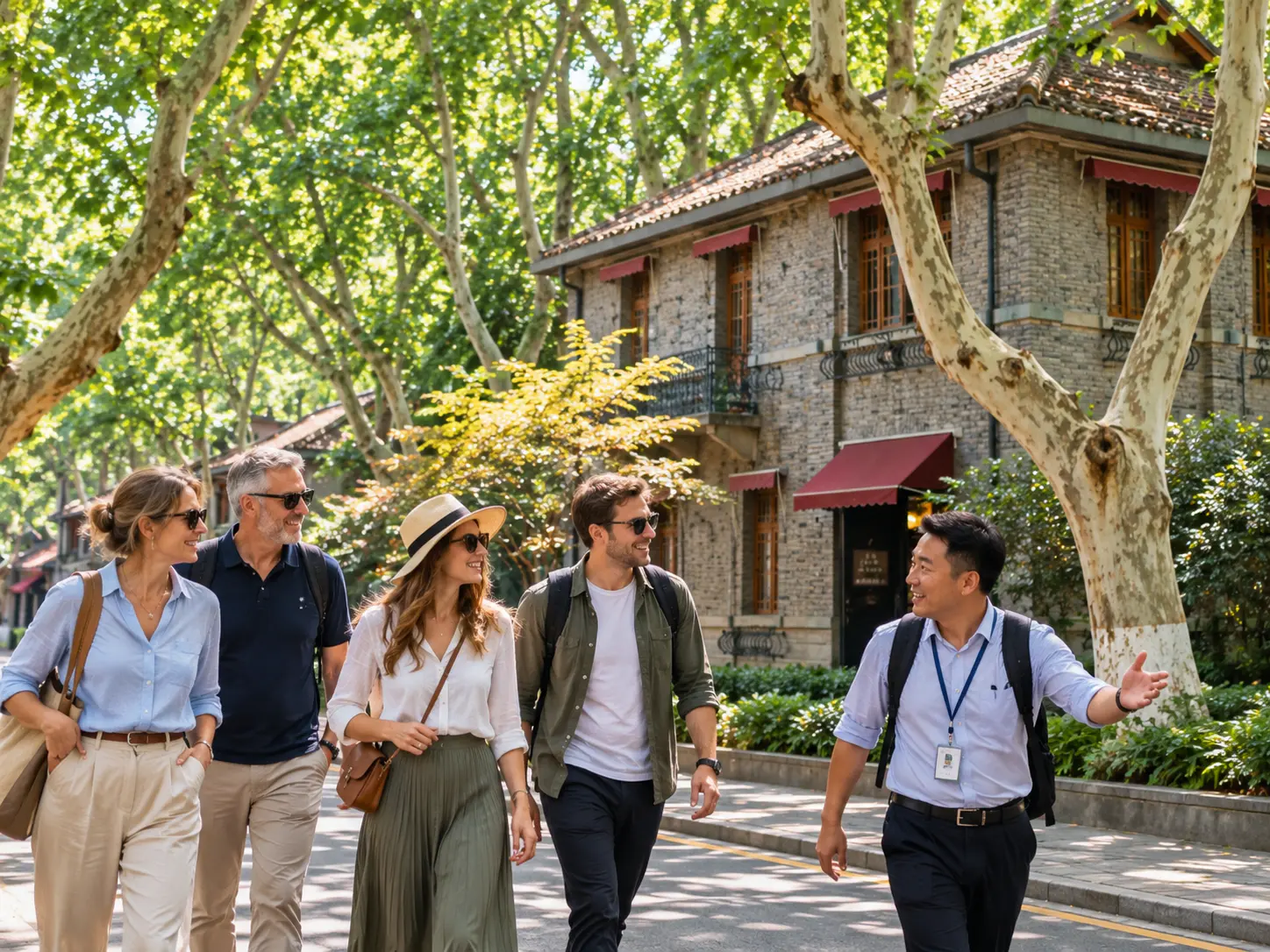
A landscape you walk, not a circuit you complete
The water itself is modest in size, a little over six square kilometers, which is why the far shore always looks reachable and why people then underestimate the rim. Following the shore paths the long way is on the order of fifteen kilometers. With pauses, that is most of a day, and it leaves no honest room for Lingyin. The better plan is half the lake, done well.
The north shore is Broken Bridge, Bai Causeway, and Solitary Hill, with the city close behind you. The south shore is Leifeng Pagoda, Flower Harbor, and a run of parks. The west shore is quieter parkland, Yanggong Causeway, and the first rise of the tea hills. The east shore, Hubin, is where hotels, traffic, and the useful boat piers sit. It is the right place to start a crossing and a weak place to linger. Su Causeway runs roughly north–south through the western part of the water, about 2.8 kilometers and six bridges. Bai Causeway is the shorter line at the north, about a kilometer, from the white stone bridge to Solitary Hill.
Both causeways are for people on foot and on bikes. Treat them as paths, not as roads you hope to cross in a car. If you remember one split, remember this: walk the north end early, and ride or stroll Su Causeway once the north has had its hour. The itinerary shows how that sits beside a temple morning. This page is about moving on the water's edge.
North shore before the coaches
Start at Broken Bridge between 7:30 and 8:00. On a clear weekend the bridge is already a photograph crowd by about 9:30, and by mid-morning you are apologizing your way through groups. The bridge is the entrance to the walk, not the walk. Give it a few minutes, look back at the north water, and move onto Bai Causeway while there is still space to move.
Broken Bridge, Duanqiao, is a white stone bridge at the north end. It is intact. The famous scene is residual snow: in a cold spell the shaded end holds snow longer, so the white arch looks interrupted. In every other season it is simply a pale bridge between the city shore and the willows. The White Snake story, the meeting of Bai Suzhen and Xu Xian, is the tale you will hear from guides nearby. You can enjoy the bridge without following the story, and you do not need to hire anyone to explain it.
From a hotel on the northeast shore, the walk to the bridge along the lakeside path is often 15–25 minutes. From a south-shore hotel, this is a short taxi in the morning, not a warm-up hike. Eat something small before you go. The first hour is more valuable than a seated breakfast that releases you at 9:15.
If the north shore is wrapped in mist, stay with it. That weather is kind to Bai Causeway and unkind to plans that depended on a rooftop view. You can climb for a panorama on a clearer day. You cannot get this hour back in the afternoon, when the path is bright, hot, and full.
Bai Causeway and Solitary Hill
Bai Causeway takes its name from Bai Juyi, who as prefect ordered an earlier version of this line across the north lake. The present walk is about a kilometer of willows, and in spring often peach blossom, between the white bridge and Solitary Hill. At a stroll it is 20–40 minutes if you barely stop, and closer to an hour if you sit once or twice, which is the right use of it. Bikes are common. On a busy morning the path is shared with walkers and the pace turns clumsy. Walk this kilometer. Save riding for Su Causeway, where the length rewards a bicycle.
Solitary Hill, Gushan, is the largest island, tied to Bai Causeway on the east and to Xiling Bridge on the west. Zhongshan Park occupies much of the hill. The viewpoint called Autumn Moon over the Calm Lake is a pavilion and a stretch of this shore, not a show with a start time. Stand there, look south across the open water, and leave when you have looked. The provincial museum is on the hill if you want an indoor hour in bad weather. It is optional on a fine morning, when the causeway is the better room.
Allow ninety minutes to two hours for Broken Bridge, Bai Causeway, and a turn around the hill. That is the north-shore core. Add either Yue Fei Temple or Baoshi Hill, not both, if the afternoon is still going to be the south.
Yue Fei Temple and the general's tomb sit just inland of the northwest shore. Yue Fei was a Southern Song commander, and the temple is the one historical interior on the lake that many visitors choose. Allow 45–60 minutes. It is often busy, it is meaningful if you want that story, and it is easy to skip if your interest is the water. It does not stand in for Lingyin, which is a larger complex in the western hills and wants its own morning. The Lingyin and Longjing page is that morning.
Baoshi Hill rises behind the northeast shore, topped by Baochu Pagoda. The stair is short and steep. Allow 45–70 minutes from the lakeside path and back if you are steady on your feet. The reward is a clear-day view over the north lake and the city. In rain, haze, or with unhappy knees, the hill gives you effort and a grey bowl. Skip it. Do not add it after you have already walked for three hours.
Su Causeway on foot and by bike
Su Causeway is the line associated with Su Shi, who directed a major dredging of the lake in the Song and used the mud to build the embankment. It runs about 2.8 kilometers, with six bridges, and it is the best cycling on the water. Walking one way without long stops takes about 45–70 minutes. With two or three real pauses it is closer to ninety. On a bike, the distance itself is 20–30 minutes, which is too fast. Ride, get off at two bridges, and you are still done in under an hour, with the view actually seen.
Go north to south when you can. You finish near Flower Harbor and Leifeng, which is the right geography for late afternoon. Early is better than noon. Morning mist on this causeway is the picture people hope for, and it is a bonus, not a promise. A grey spring morning still beats a harsh midday, when the willows stop being shade and become a thin cover over glare.
Docked share bikes sit at points around the lake. They are easy when your phone payment works and frustrating when it does not. A rental counter on the north or south shore is the fallback. Rent only for the causeway stint. Return the bike before you enter a park or the pagoda, rather than pushing it through crowds. The path is flat. In winter the thing to dress for is wind off the water, not a climb.
If Su Causeway is already a procession by the time you arrive, shift west to Yanggong Causeway. It is a longer, quieter line along the western shore, more local park than postcard, with the hills at your shoulder. Maojiabu, a waterside hamlet on that western edge, can take an extra hour for tea and a lane. On weekends it has its own visitors, and it is still a calmer hour than the mall frontage on Hubin. Use it as a pressure valve, not as a second mandatory causeway on a day that is already full.
South shore, Leifeng, and the parks
Leifeng Pagoda is the south-shore pagoda. The tower you enter is a reconstruction. The older brick footings are preserved in the lower level, and they are worth a few minutes before you go up. Stairs and an elevator both reach the views. The reason to be here is late light back across the water toward the hills, not a ruin standing open to the sky. Allow 60–90 minutes including the walk in from the causeway or the road. The White Snake tale puts the lady beneath this pagoda. You will see the story mentioned. The building still works first as a lookout.
Come in the later afternoon if you have a choice. Morning at Leifeng is fine on a day when you are staying on the south and the north shore can wait, and it is the wrong trade if it costs you Broken Bridge at 8:00. Sunset from the upper floors, or from the lawns when you would rather not go up, is the version to aim at. On a hazy day the upper floors add effort and not much distance. Stay on the grass and look at the near water.
Flower Harbor, Huagang, sits at the south end of Su Causeway: ponds, a designed garden, and the "viewing fish" viewpoint. Allow 40–60 minutes. In peony season the garden is busier and more floral. Outside that season it is still a good place to stop walking and sit. It is also a practical boat pier, useful if you would rather ride back north than retrace the causeway.
Jingci Temple, against Nanping Hill, is the place named by the evening-bell viewpoint. It is a modest addition when you are already at Leifeng, not a rival morning to Lingyin. If the group has had enough temples, the lawn and the pagoda are sufficient. Orioles Singing in the Willows is the southeast park: trees, grass, and space, with no single monument you are obliged to find. It suits a walk back toward a southeast hotel. It is an easy skip when Leifeng has already used the hour.
How to choose
| Choice | Fit | Skip when |
|---|---|---|
| Make this the focus | When this page is the reason for the day | When it is only a name on a list |
| Pair it | With one nearby stop | With a second full excursion |
| Leave it | If the main stay is already full | If you have the night it needs |
Boats and the island with three pools
Use a boat for one of three jobs, and be clear which job you are hiring.
A small covered boat, hired from a shore, is a short loop under an hour. It is the willow-and-canopy hour, good after a walk or instead of a walk for someone who is tired. It does not circle the lake. Agree the time before you board, and treat a longer pitch as optional.
Larger boats run between piers. The useful names to know are the Hubin lakeside, Zhongshan Park on Solitary Hill, and Flower Harbor on the southwest shore. Use them to change shores: north in the morning, south for Leifeng, without a road crossing. The day's route is posted at the pier. It will not automatically stop at every name you have read. Build the walk so that a missing stop does not collapse it.
Three Pools Mirroring the Moon is an island in the outer lake, and the three stone pagodas stand in the water beside it. This is the boat trip that is actually a place. Check the current entry rules for the lake islands before you queue, because a landing is not guaranteed by enthusiasm, and the arrangement changes. Midday queues are the classic way to lose an hour. Go in the mid-morning, or accept that you will see the pagodas from a passing boat and not step ashore. On the island the paths are short. Forty-five to seventy-five minutes is enough. The "mirroring" belongs to a full-moon night when the pagodas were lit. You do not need Mid-Autumn to justify the visit. That night is simply the crowded version of the same island.
Winter and hard weather thin the boat service. Have a walking day that still satisfies you if the pier is shut. A causeway in grey light is a complete visit. A canceled boat is not a canceled lake.
A half day and a full day on the water
A north half day starts at 7:45 on Broken Bridge, takes Bai Causeway and Solitary Hill, and is done by about 11:00. Add Yue Fei Temple only if you still want an interior. Lunch, then stop, and leave Lingyin for another morning. If this is your only lake time, add a boat of under an hour and resist the urge to race south.
A south half day starts around 13:30 at the north end of Su Causeway, on foot or by bike, pauses at Flower Harbor, and reaches Leifeng for late light. You are done around dusk. This is the right half if the morning was Lingyin and the legs still have a flat path in them. It is the wrong half to begin at noon in July, when the causeway is shadeless in every way that matters.
A full lake day starts with the north core from 7:45 to about 10:30, breaks for an early lunch, and then takes Su Causeway south. Leifeng fills the late afternoon. One boat, either to change shores late morning or as a short loop after lunch, is enough water time. Skip the fifteen-kilometer rim. The east-shore road is the dullest stretch, and walking it "to finish" teaches you about traffic, not about the lake. A taxi from Leifeng back to a north-shore hotel is often 15–25 minutes and a better ending than a victory march along Hubin.
Write the day down with those clock times before you add anything. The additions that fit a full day are one of: Baoshi Hill on a clear morning, Yue Fei Temple, a landing at Three Pools if the rules and the queue agree, or a slow hour on Yanggong Causeway. One, not all four.
Evening light and the fountain
Dusk is a second landscape, and it is cheap. If you are on the south side, stay for the light on Leifeng and the water, then ride back. If you are on the north, a short return along Bai Causeway after dinner is often better than any ticketed evening plan. The path is lit, the groups have thinned, and the bridge is calmer than it was at 9:30.
The musical fountain on the eastern lakeshore runs in the evening after dark when it is scheduled. The timetable changes with the season, and some weeks it does not run at all. Check that week before you move dinner for it. When it is on, it is a pleasant twenty to forty minutes. It is a poor reason to miss sunset at the pagoda, and it is not a summary of West Lake. If you have walked a causeway that day, you have already had the essential evening available to you, fountain or not.
Hefang Street, Qinghefang, sits southeast of the lake under Wu Hill, about twenty to thirty minutes on foot from the southeast shore if you are already there. It is lit, busy, and full of snacks. An hour is a fair epilogue. It is a commercial pedestrian street, and it becomes repetitive quickly. Do not place it before you have been on a causeway, and do not let it absorb the hour you could have used on the lit path.
A night cruise is the same decision as the small covered boat, shifted later. Take it if you want to be on the water in the dark and you have not already been on the water that afternoon. Skip it if you are collecting evenings out of a sense that the day needs a finale.
The ten viewpoints, held lightly
The Ten Scenes are names poets and later visitors gave to places to look from. They are not a punch card, and they are not equal. Several of them fall out of an ordinary good day without a special detour.
Spring Dawn at Su Causeway is the causeway itself, ideally early. Breeze-ruffled Lotus at Quyuan Garden is the north-shore lotus garden west of Bai Causeway, and it matters in summer, when the plants are up. Autumn Moon over the Calm Lake is the Solitary Hill shore you already stood on. Lingering Snow on Broken Bridge is that same bridge in a cold spell. Orioles Singing in the Willows is the southeast park. Viewing Fish at Flower Pond is Flower Harbor, at the south end of Su Causeway. Three Pools Mirroring the Moon is the island. Leifeng Pagoda in the Evening Glow is the pagoda in late light. Twin Peaks Piercing the Clouds is a distant view of two summits when the air is clear, not a trailhead on the shore path. The Evening Bell at Nanping Hill is the Jingci side of the south shore.
A day that includes the north core, Su Causeway, and Leifeng has already passed through a handful of these names. That is a successful day. Hunting the rest in order produces a worse day: more taxis, less sitting, and a checklist where a landscape should have been. Twin Peaks in particular frustrates people who try to "arrive" at it. Look for the peaks from the water or from a clear north-shore viewpoint, and if haze has taken them, let them go. Season changes what is even visible. Lotus belongs to the hot months, residual snow to winter, and neither can be summoned out of turn. The best time page is the longer account of that.
Where the hours disappear
The hours go missing in the same few places, and they are all optional.
The ten scenes, treated as mandatory, will consume a day that should have been two shores and a boat. A boat queue at 13:00 in front of the most popular pier will consume the hour you needed for Leifeng's approach. Hubin' s malls and promenade shops will consume any amount of time you offer them, and they are not the cultural landscape you came for. Costume-photo stalls, tea tins on the lakeside path, and silk demonstrations are the same category: easy to enter, irrelevant to the walk.
The full rim in summer is a different kind of loss. The distance is real, the shade is intermittent, and the east side is ordinary city. People finish proud and glazed, having skipped the sitting that makes the causeway worth walking. Climbing Baoshi, touring Yue Fei, touring Jingci, and climbing Leifeng, on top of both causeways, before lunch, is the indoor version of that mistake. Pick one interior or one hill.
Waiting for a fountain that is not running, or for mist that the morning did not provide, is the last leak. Look at what the day actually is. A bright, ordinary afternoon on Su Causeway is a complete visit. So is a grey morning on Bai Causeway with nowhere else afterward. West Lake is patient. The plan fails when it is busier than the shore.
Ways to plan the days
These shapes match the Hangzhou tours page. They are starting points, not fixed departures.
West Lake Essence
Time fit: 2 days
Causeways, one boat or bike loop, and an easy evening.
- Hangzhou
- West Lake Essence
Why choose it: Causeways, one boat or bike loop, and an easy evening.
Classic Hangzhou
Time fit: 3 days
The lake, an early Lingyin morning, and an unhurried tea village.
- Hangzhou
- Classic Hangzhou
Why choose it: The lake, an early Lingyin morning, and an unhurried tea village.
Slow Hangzhou
Time fit: 4 days
Add Xixi or a second lake afternoon instead of a new city.
- Hangzhou
- Slow Hangzhou
Why choose it: Add Xixi or a second lake afternoon instead of a new city.
Want help shaping the Hangzhou days?
Tell us how many nights you can give the lake. We reply with a West Lake plan and add Lingyin, Longjing, or Xixi only when the day count allows.
Keep planning
Hangzhou
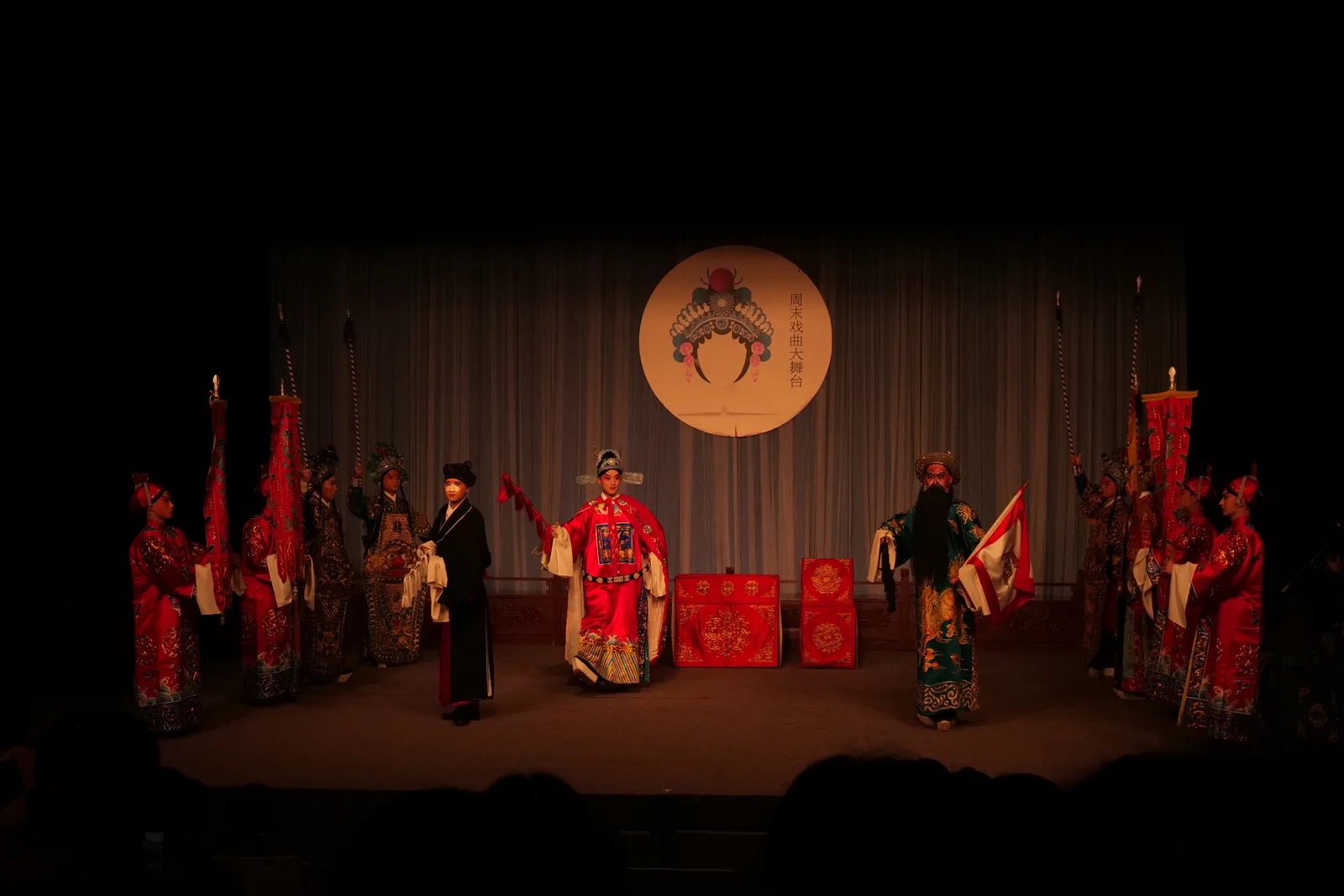
Go to Lingyin at opening, then give the tea villages an unhurried afternoon instead of a shop circuit.
Spring and autumn are the easy months. Summer is humid, lotus season is hot, and holiday weeks fill the causeways.
Two days for the lake, three days to add Lingyin and Longjing, four days if Xixi or a slower tea afternoon matters.
Xixi is a half day northwest of the lake. Wuzhen is a separate water-town day, not a neighborhood of Hangzhou.
Compare a 2-day lake stay, a 3-day classic with Lingyin and Longjing, and a 4-day slower trip.
Questions people ask
- The long shore path is on the order of fifteen kilometers, and with pauses it takes most of a day, often four to six hours of actual walking before you add a pagoda or a meal. That loop includes a dull eastern stretch along the city road. A better use of the same energy is half the lake. Bai Causeway is about a kilometer, twenty to forty minutes at a stroll. Su Causeway is about 2.8 kilometers, forty-five to seventy minutes on foot without long stops. North shore in the morning and Su Causeway toward Leifeng in the afternoon is a full day that still leaves room to sit. Save the complete rim for a cool day when you specifically want a long flat walk and nothing else on the list.
- It is not. Broken Bridge is a white stone arch at the north end of Bai Causeway, and the span is intact. The name belongs to a winter scene: after snow, the shaded end stays white longer, so the bridge looks interrupted from a distance. In spring, summer, and autumn it is simply the pale bridge where the city shore meets the willows. Give it a few minutes at the start of the morning and then walk onto Bai Causeway. By mid-morning on a clear weekend the bridge is a crowd taking the same photograph. The causeway beyond it is the part that rewards the hour. You do not need a guide, a costume, or a ticket to cross it.
- Walk Bai Causeway. It is short, and on a busy morning bikes and walkers tangle. Cycle Su Causeway if you like, north to south, getting off at a couple of bridges rather than treating it as a time trial. The path is flat and about 2.8 kilometers. Take a boat to change shores, to spend under an hour on a small covered craft, or to land at Three Pools Mirroring the Moon when the day's rules allow it. One boat is enough on a walking day. Check the current entry rules for the lake islands before you count on stepping ashore. If the pier is queued at midday, see the pagodas from the water or skip the landing and keep Leifeng. The shore path is the visit. The boat is the variation.
- You see a wide sweep of the south and central water, back toward the hills, which is why late afternoon is the right time to go up. You do not see every shore in a meaningful way, and you do not collect the causeways by looking at them. The pagoda you enter is a reconstruction, with the older brick base preserved below, and the visit is sixty to ninety minutes including the approach. On a hazy day the upper floors add little. Stay on the lawn. Pair the pagoda with Flower Harbor or the south end of Su Causeway, not with a separate expedition to every named viewpoint. It is a lookout at the end of a walk, not a summary of the lake.
- Skip the full rim, Hubin shopping, Hefang Street, the musical fountain unless you already know it is running, and any plan that treats the ten scenes as required. Skip Baoshi Hill in haze or rain. Skip a second temple if Lingyin is already on another morning. Skip a midday queue for an island landing. If you have only a morning, do Broken Bridge, Bai Causeway, and Solitary Hill, and stop by 11:00. If you have only an afternoon, do Su Causeway toward Leifeng and stay for the light. Both halves are complete. What feels incomplete is a taxi tour that stops for five minutes at the bridge, the pagoda, and a tea shop, and calls that West Lake.
- Only as a light extra. It plays on the eastern shore after dark when it is scheduled, and the schedule shrinks or pauses depending on the season. Check that week. When it is running, watch for twenty to forty minutes if you are already nearby. Do not move sunset at Leifeng, and do not skip a lit walk on Bai Causeway, in order to stand in front of it. The fountain is a city evening. The lake's evening is the causeway after the groups have left, which costs nothing and does not depend on a timetable. If the show is dark that night, your day has not failed. You came for the shore.
Plan a Hangzhou visit
Share your dates, whether you land at HGH or Hangzhou East, and if Longjing or Xixi matters. We reply with a lake-first plan.