
Hangzhou at a glance
| Detail | Plan |
|---|---|
| Good first stay | 2 nights on the lake |
| Add the hills | A third day for Lingyin and Longjing |
| Add the wetland | A fourth day for Xixi, not the same afternoon |
| From Shanghai | Often 45–70 minutes to Hangzhou East |
| Airport | HGH is east of the city, not on the lake |
| Skip stacking | Lingyin, tea, and Xixi are three plans |
Hangzhou's best walking weather falls in two stretches: March through May, and September through November. Summer is hot, humid, and busy, with lotus on the water and a real chance of a sticky downpour. Winter is grey more often than not, and it is still a pleasant season for the causeways if you dress for damp cold. The lake is a year-round landscape. The mistake is planning a July midday as if it were an October morning, or arriving in the first week of October surprised that the whole country had the same idea.
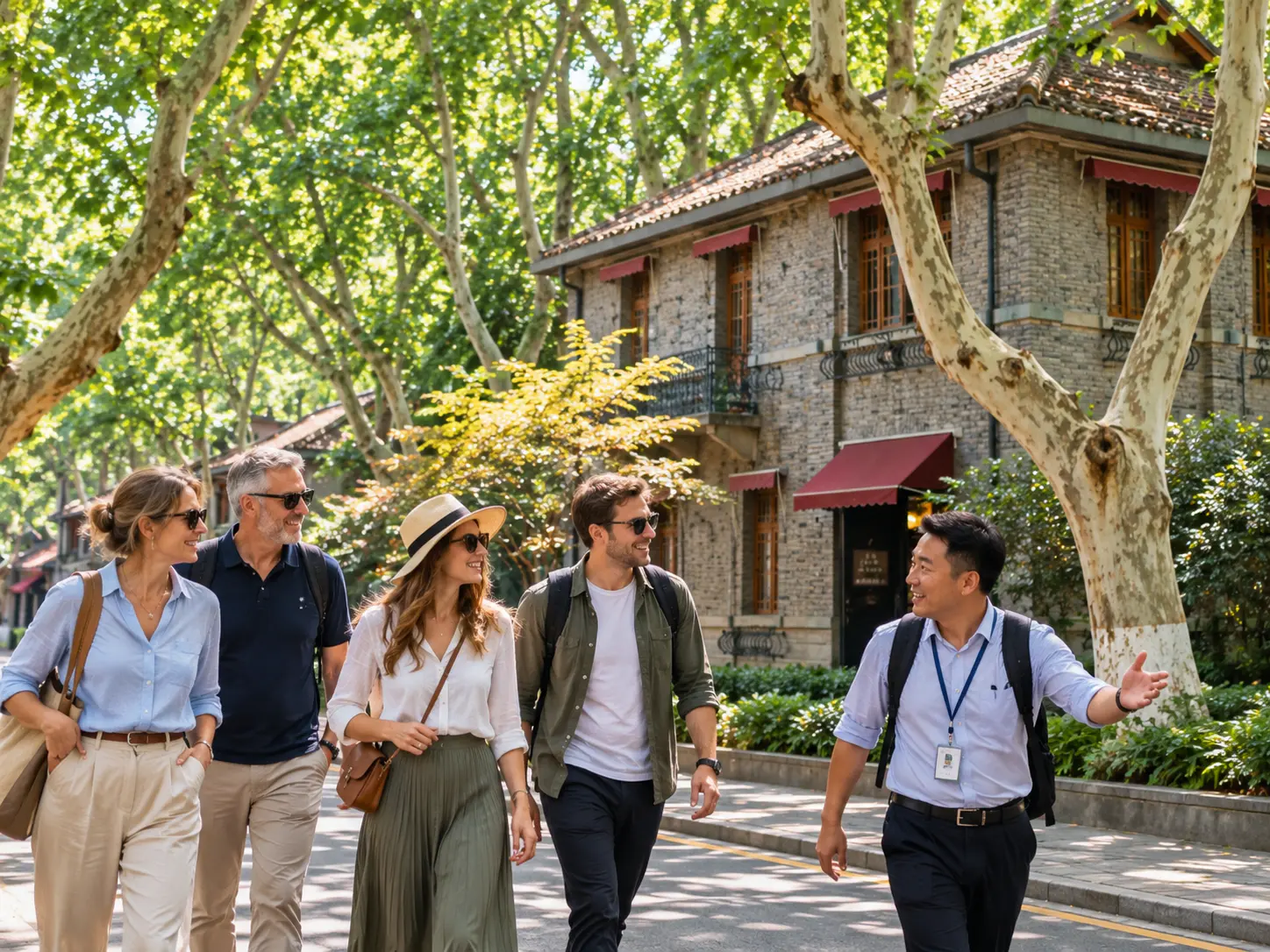
The months that make walking easy
March, April, and May are the spring window. September, October, and November are the autumn window. In both, you can be outside at midday without treating the heat as a second itinerary, though May warms and September can still feel like summer in the first half. These are the months when a full lake day plus a temple morning is a pleasure rather than a tactic.
They are not empty months. Weekends fill Broken Bridge by mid-morning. The Qingming holiday period in early April is busier than the weekdays around it. The holiday around 1 May is one of the two great crowds of the warm season. The first week of October is the other. "Best weather" and "fewest people" are not the same list. If you can move a trip by a few days, move it off those holiday blocks and keep the month.
Come in these windows if you want blossom or osmanthus as a bonus, a tea village that is either in flush or simply beautiful to walk, and a boat ride you will not resent. Come in summer or winter for the lake itself, with the hours adjusted. The itinerary still holds. What changes is how early you start, and whether a third day is comfort or luxury.
Two days in April can feel complete. Two days in late July can feel short, because you will stop walking in the middle of the afternoon and you will have used the morning on one shore only. If your dates are fixed in summer, lean toward three or four days so the early starts still add up to a full visit. If your dates are in November, two well-built days are often enough, and a third is a gift rather than a repair.
Spring, blossom, and the first tea
March is cool and changeable. Bai Causeway begins to look like the picture people expect, with willows and, as the weeks go on, peach blossom. Rain is common. The paths are uncrowded on weekdays relative to April, and a grey morning on Su Causeway is one of the better walks of the year. You do not need a special event. You need a light waterproof layer and the willingness to keep walking when the far shore disappears.
April is the month many travelers should choose if they can. The air is kind, the shore is green, and the famous tea flushes fall here. Pre-Qingming is the picking before the Qingming solar term, around early April. Guyu follows later in April, around Grain Rain. Those are the weeks Longjing and Meijiawu are most themselves, and also the weeks the lanes are most ready to sell you a story. The Lingyin and Longjing page is the way to spend that without spending it in shops. Weekends in April are busy at both the temple and the villages. A Tuesday morning is a different country from a Saturday noon.
May starts pleasant and ends warm. The holiday period around 1 May is crowded on the causeways, at Lingyin, and on the roads to the villages. If you must travel then, use dawn, eat early, and do not add Wuzhen. After the holiday the gardens are lush, the light is still good for a large part of the day, and you can feel summer arriving at the edges. Lotus is not the main show yet. The causeways are.
Spring is also the season when a two-day plan and a three-day plan diverge most. In March, the lake and Lingyin are the whole story. In April, a tea-village afternoon is the addition that justifies the third day, if you keep it to one village. In early May during the holiday, that third day is better used as space around crowds than as a new destination.
Summer heat, rain, and lotus
June often brings a rainy, humid spell before full summer. Days can be grey, wet, and warm at the same time. The causeways in light rain are handsome and a little slick. Hard rain is a museum morning on Solitary Hill, or Lingyin, whose halls make more sense in a downpour than an island queue does. Boats may disappoint you. Have a walking plan that does not depend on a landing at Three Pools. Check the current entry rules for the lake islands if a landing is still the hope when the weather breaks.
Lotus season is summer. The named place is Quyuan Garden, on the north shore, the viewpoint called breeze-ruffled lotus. Go in the morning. Do not expect a single bloom date you can aim at from abroad, and do not cancel a week because someone told you the flowers peak on a particular Tuesday. Through the hot months the plants are the seasonal reason to be on that corner of the lake. The rest of the shore is still the shore, only hotter.
July and August are hot, humid, and busy. Afternoons often sit in the low 30s Celsius, with a sun that makes Su Causeway feel longer than 2.8 kilometers. Domestic travel adds people. Thunderstorms can build quickly and then leave a steaming path. The working pattern is strict. Be at Broken Bridge or at Lingyin's gate early. Finish the exposed walking by late morning. Eat. Rest through the worst of the afternoon. Come out for the evening causeway, when the city is using the lake again.
Xixi's shade and water can be a kinder summer half day than an open causeway at 14:00, and it is still not a reason to skip the lake. Put the wetland at opening on its own day. Put lotus at Quyuan on a lake morning, not as a noon errand. A south-shore afternoon in August belongs indoors or in the shade of Leifeng's base, with the upper floors optional. The view is hazed by heat as often as by pollution. Look at the near water.
Summer evenings are when Hefang Street feels most like a fair. That does not make it more important. An hour, after you have already walked at dawn, is plenty. Then sleep, because the next dawn is the plan.
Autumn light, osmanthus, and the holiday
September eases unevenly. The first half can still feel like summer. The later weeks are often the start of the great walking weather, with clearer air on some days and a softer evening. Osmanthus begins to scent the hills as autumn takes hold. Manjuelong and the tea-hill villages are where you notice it, on a walk you were already taking. There is no reliable calendar day for "peak osmanthus" that you should build a flight around. If the flowers are out, the lanes smell like it. If they are early or late, the lake is still the trip.
The autumn equinox is the window people mean when they talk about the Qiantang tidal bore. It is watched downstream at Yanguan, in Haining, not from West Lake. If that sight is a priority, it owns a half or full day in this period, tied to the year's tide table, and the rest of the dates should not also try to be a holiday weekend. Details sit with Xixi and day trips. The bore and Golden Week in the same breath is a crowded plan. Prefer the bore on a date outside the first week of October.
October is the month to choose if you want autumn light and you can avoid the first week. Golden Week, the holiday block at the start of October, fills trains, hotels, causeways, Lingyin, the tea lanes, and Wuzhen. The lake is still beautiful and it is not peaceful. Dawn starts are mandatory. Restaurant waits are real. A set of days that looked relaxed in planning becomes a series of queues. If you can shift to the middle or the later part of October, do. The weather usually still holds, osmanthus may still be in the hills, and the city exhales.
November is the overlooked month. It is cool, often clear, and done with most of the blossom. The causeways are excellent. The tea villages are quiet and still worth a walk if you are not chasing a flush. Boats run in ordinary autumn patterns. Evenings want a coat. A two-day stay is honest and satisfying. A third day for Xixi or a slow village lane is unhurried in a way April weekends are not. If someone tells you the year at West Lake ends in October, they have not walked Bai Causeway on a bright November morning.
How to choose
| Choice | Fit | Skip when |
|---|---|---|
| Best walking weather | Spring and autumn, or Oct–Dec in the south | Holiday weeks |
| Hot or storm season | Go, with a flex day | A packed outdoor checklist |
| Quiet season | Fewer people, different scenery | Anyone chasing peak bloom or peak snow |
Winter, grey skies, and quiet causeways
December, January, and February are the grey months. The lake spends many days under a low sky. Mornings are damp-cold, often in single digits Celsius, rarely the hard dry cold of northern China. That weather is genuinely pleasant for walking if you have a real coat and you do not need a blue-sky photograph to consider the day a success. It is a poor match for a plan built on hilltop views, long boat queues, and sitting still in the wind.
Snow is occasional. When it comes, Broken Bridge's famous scene — residual snow along the white stone — is no longer a metaphor. Do not book a winter trip on the promise of snow. The city does not owe you that picture, and most winter days are simply grey-green willows and empty paths. Those empty paths are the winter advantage. You can walk Su Causeway at the hour that would be a crowd in April and hear your own group.
Lingyin in winter is a strong half day. The halls are calmer, the cliff is stark, and the early start is easier because the air is cold rather than because the sun is a threat. Cover shoulders and knees as in any season. The tea villages are dormant rows and quiet lanes. A walk is still a good afternoon. A sales room is easier to leave when you were not chasing a flush. Check current entry rules for Lingyin and for any lake island you hoped to land on. Winter timetables for boats are thinner, and a closed pier is a reason to walk, not a reason to scrap the day.
The Lunar New Year holiday moves with the calendar and fills the railway and the hotels. The lake during those days is a popular walk for families. If your dates land in that holiday, use the same dawn discipline as Golden Week and do not add a water town. Outside the holiday, winter weekdays are the quietest the shore gets. Two days will do. A fireplace and a second long walk on day two will feel more correct than a checklist of suburbs.
Weekends, Golden Week, and the May holiday
The busy calendar is short and worth respecting.
The holiday around 1 May and the first week of October are the peaks. Trains from Shanghai Hongqiao and from Suzhou are full. HGH is busy. Taxis at Hangzhou East take longer to join. Lingyin's first hour is still better than noon, and it is no longer empty. The tea lanes can stall. Wuzhen in these weeks is a crowd with canals. If you already have tickets and a hotel, come, start every outdoor visit at opening, and cut the plan down to the lake and the temple. If you are still choosing dates, choose other dates.
The Qingming period in early April and ordinary Saturdays are the next tier. They are manageable and they are not weekdays. Put the temple at opening. Put Broken Bridge before 8:30. Avoid a noon departure to Meijiawu, when the lane is filling. A Sunday afternoon is the worst time to decide you would like a spontaneous boat landing at Three Pools. Go early or walk.
Weekdays in March, mid-October, and November are the easy setting. You can be slightly less military about clocks and still find space on Bai Causeway. Do not waste that privilege by sleeping until 10:00. The light is still better early, even when the crowd is not forcing you.
Hotel location matters more in a holiday week than in a quiet November. A walkable north-shore or east-shore room means you are not bidding for a car at 7:30 with everyone else. A hotel that looked cheaper near Hangzhou West or the airport becomes an expensive mistake when the roads are the holiday roads. Stay near the water. Leave the room early. Eat before you are hungry enough to join a queue.
Haze, mist, and days that still work
Haze and mist are different, and both are normal.
Mist in the morning, especially in spring and in winter, is a gift on Su Causeway and Bai Causeway. The far shore fades, the willows do the work, and photographs start to look like the paintings. You do not climb Baoshi Hill for a panorama on that morning. You walk the causeway and you win. By afternoon the mist may lift. If it does, Leifeng's upper floors become worthwhile. If it does not, the lawn is enough.
Haze is the greyer, drier, or smoggier veil that sits on the city for a day or for a week, more often in winter inversions and sometimes in humid summer stagnation. A moderate haze does not cancel West Lake. The causeway does not require a distant mountain to be worth walking. It does flatten the view from Baochu Pagoda and from the top of Leifeng. Save those climbs for a clearer morning in the same stay, or skip them without mourning. Twin Peaks Piercing the Clouds, one of the old ten scenes, is the first name to abandon. It is a distant view. If the air will not show it, the scene is not available, and no amount of waiting at a trailhead will fetch it.
Hard rain is the day for Lingyin's halls, the museum on Solitary Hill, a long lunch, and a short slick walk rather than a bike ride. Storms in summer are often brief. Step into a hall, a teahouse, or the pagoda base, and continue when the path stops shining. Do not be on a small boat because a timetable said so while the sky is turning.
A grey week is still a successful week if the days were built around walking. It is a disappointing week only if the plan depended on a rooftop, a drone, and a blue sky behind Leifeng. The West Lake page's half-day shapes work in all of this weather. Shorten the exposed half in heat and lengthen it in mist. The shore accepts both.
What to schedule in which season
Put the pieces on the calendar this way.
In March and November, schedule the lake and Lingyin, and treat a village or Xixi as optional. Two days are honest. Three days are comfortable. You will not be missing a bloom that defines the trip.
In April, schedule a village if tea is part of the desire, on its own afternoon or its own morning, and keep Lingyin at opening. Accept that weekends are busy. Do not add the bore, a water town, and the flush to the same short stay.
In the May holiday and in Golden Week, schedule less than you think you can handle. Lake, temple, early hours, and a hotel you can walk out of. Drop Wuzhen. Drop any idea of a relaxed noon.
In summer, schedule dawn, lotus at Quyuan on a lake morning, indoor or shaded midday, and an evening walk. Add Xixi only as an early half day. Give yourself three days if you can, because the resting hours are not optional.
In September, watch the equinox if the bore matters, and otherwise treat the month as late summer turning into walking season. Osmanthus is a bonus in the hills, not a timed show.
In winter outside Lunar New Year, schedule walking and the temple, and hold boat landings loosely. A dusting of snow is luck. A quiet causeway is the baseline, and it is enough.
Boats, hills, and the tide window
Services follow the season even when the paths do not. Boat frequency is higher in the warm months and thinner in winter. Island landings depend on the day's rules as well as the weather. Check the current entry rules for the lake islands before you promise Three Pools, and have Su Causeway ready as the plan that needs no pier.
The western hills dry slowly after rain. A day after a storm is a good temple day and a cautious terrace day. Shoes with grip matter more in March and June than in a dry October. The climb to Baochu Pagoda is a clear-day choice in every season and a poor choice in haze, ice, or heavy heat. There is no season in which you must climb it.
The tidal bore is the one sight with a real seasonal gate. Around the autumn equinox, downstream at Yanguan, it can be extraordinary, and it asks for a dedicated outing and an early place on a viewing point. It is not a daily lake event in any month, including that one. Outside the window, ignore it completely and spend your best light on the causeways. Spring tides exist. They are not why you would rearrange a Hangzhou week.
If you are choosing a single fortnight in the year for a first visit, choose a weekday block in April after Qingming, or a weekday block in the second half of October. You get kind weather, a living shore, and, in April, the tea hills in the season they are known for. Arrive the evening before, sleep near the water, and be outside by 8:00. The month cannot do more for you than that. The rest is whether you keep the middle of the day as quiet as the morning.
Ways to plan the days
These shapes match the Hangzhou tours page. They are starting points, not fixed departures.
West Lake Essence
Time fit: 2 days
Causeways, one boat or bike loop, and an easy evening.
- Hangzhou
- West Lake Essence
Why choose it: Causeways, one boat or bike loop, and an easy evening.
Classic Hangzhou
Time fit: 3 days
The lake, an early Lingyin morning, and an unhurried tea village.
- Hangzhou
- Classic Hangzhou
Why choose it: The lake, an early Lingyin morning, and an unhurried tea village.
Slow Hangzhou
Time fit: 4 days
Add Xixi or a second lake afternoon instead of a new city.
- Hangzhou
- Slow Hangzhou
Why choose it: Add Xixi or a second lake afternoon instead of a new city.
Want help shaping the Hangzhou days?
Tell us how many nights you can give the lake. We reply with a West Lake plan and add Lingyin, Longjing, or Xixi only when the day count allows.
Keep planning
Hangzhou
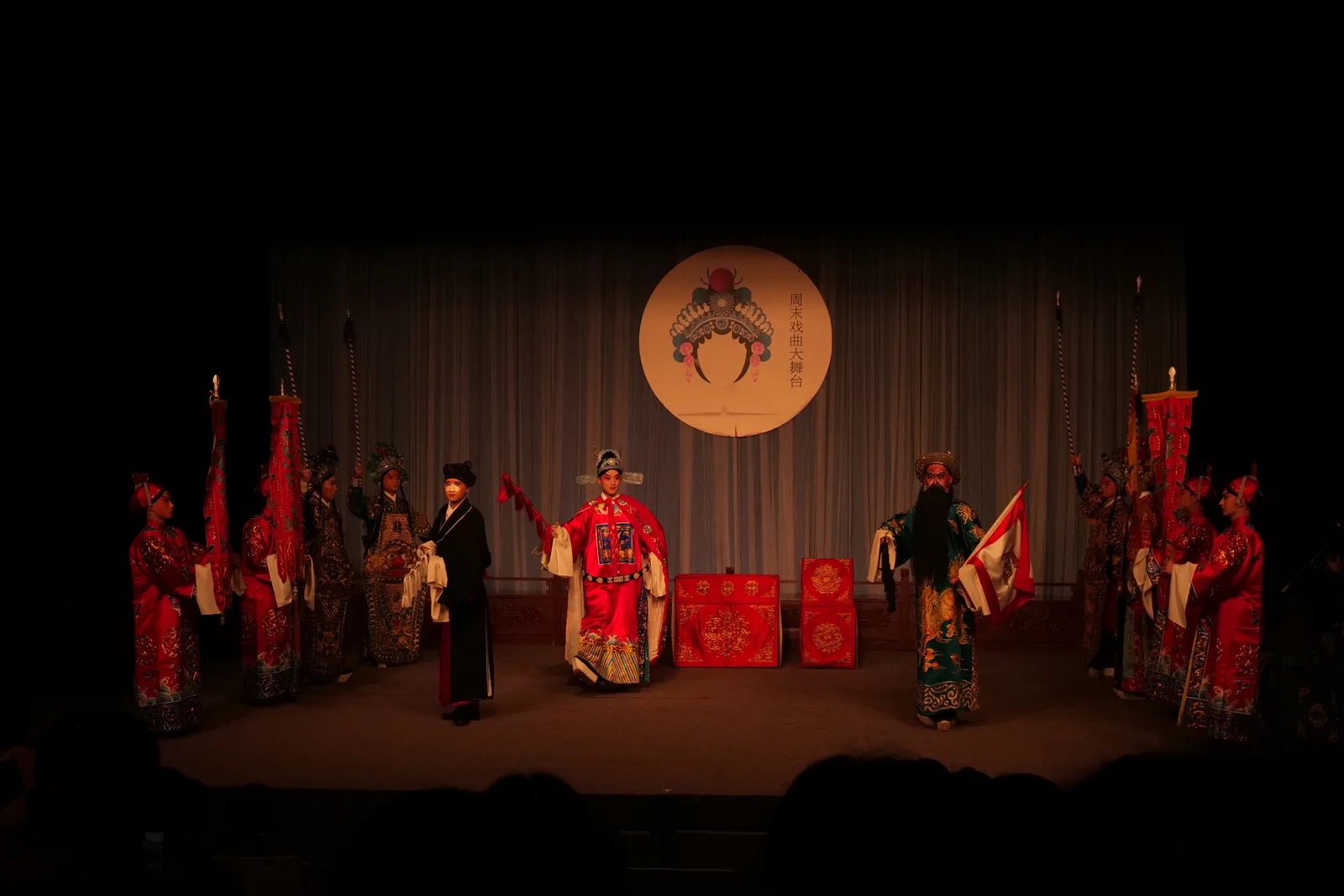
Walk the Su and Bai causeways, choose a boat for the islands, and keep the Ten Scenes from becoming a checklist.
Go to Lingyin at opening, then give the tea villages an unhurried afternoon instead of a shop circuit.
Two days for the lake, three days to add Lingyin and Longjing, four days if Xixi or a slower tea afternoon matters.
Xixi is a half day northwest of the lake. Wuzhen is a separate water-town day, not a neighborhood of Hangzhou.
Compare a 2-day lake stay, a 3-day classic with Lingyin and Longjing, and a 4-day slower trip.
Questions people ask
- Choose April or the second half of October if you can. April gives you kind walking weather and the spring tea flushes, with the warning that weekends and the Qingming holiday period are busy. Late October keeps the autumn light after Golden Week has emptied, and the causeways are in their best ordinary form. March and November are excellent if you care more about quiet paths than about blossom or a harvest. Avoid building a first trip around the first week of October or the holiday at the start of May. The lake is still there, and so is everyone else. Two days work in the quieter months. In April, three days are worth it if a tea village is part of the hope.
- Summer is a different pattern, not a closed season. July and August are hot, humid, and busy, and June often adds a rainy spell. You can still walk the lake well if you start early, rest through the worst afternoon, and come back out in the evening. Lotus at Quyuan Garden is the seasonal sight, and it belongs to these hot months rather than to a single date you should chase. Xixi in the morning is a kinder half day than Su Causeway at 14:00. What fails in summer is a midday march around the full shore, a noon temple arrival, and a plan with no shade and no rest. Give yourself three days if the dates are fixed in July, so the cool hours can add up.
- The first week of October is the most crowded week of the autumn, and the holiday around 1 May is the spring equivalent. Hangzhou East, the causeways, Lingyin, the tea lanes, and the road to Wuzhen all feel it. Dawn is still calmer than noon, and a hotel you can walk out of matters more than it does in November. Come if the dates are already set, cut the plan down to the lake and the temple, and drop the water town. If you are free to shift by a week, shift. The middle of October is usually the same season without the national crowd. Weather is not the problem in Golden Week. The number of people on Broken Bridge is the problem.
- It does, especially if you like a quiet walk. Winter days are often grey, with damp cold and single-digit mornings, and snow is an occasional luck rather than a feature you can book. Bai Causeway and Su Causeway are uncrowded on ordinary weekdays, which is their own pleasure. Lingyin is a strong, calm morning. Boats run less often, and island landings should be held loosely. Check the current rules if you still hope to go ashore. Skip the trip in winter only if you need guaranteed blue sky and a busy calendar of blossoms. The Lunar New Year holiday is the exception: it moves each year and fills the trains. Outside that holiday, two walking days are a complete winter visit.
- Lotus belongs to summer, and the place to see it on the lake is Quyuan Garden on the north shore. There is no single bloom day worth gambling a flight on. Through the hot months the flowers are the reason to put that garden on a morning. Osmanthus belongs to autumn in the western and southern hills, including the tea-village side and places such as Manjuelong. You smell it on a walk you were already taking. Some years it shows earlier, some later, and a trip built on an exact Tuesday is a trip that may spend its time checking bushes instead of walking the causeway. Treat both plants as seasonal character, not as appointments.
- Ordinary haze and mist will not. Mist on a causeway is often the best version of the lake, as long as you stop expecting a panorama from Baoshi Hill or the top of Leifeng. Moderate haze still leaves the near shore, the willows, and the walk. Save the climbs for a clearer morning in the same stay, or skip them. Hard rain is a day for the temple halls, a museum, and a shorter walk. Summer storms often pass. Light rain in March or June suits Su Causeway if the stone is not slick under your shoes. The day is ruined only when the plan required a distant view, a drone, and a boat landing at a precise hour. Build the day around the path, and the weather has less power over it.
Plan a Hangzhou visit
Share your dates, whether you land at HGH or Hangzhou East, and if Longjing or Xixi matters. We reply with a lake-first plan.