
Suzhou at a glance
| Detail | Plan |
|---|---|
| Good first stay | 2 nights for gardens and Pingjiang |
| Add one excursion | A third night for Tongli or the west side |
| From Shanghai | About 25–35 minutes to Suzhou Station |
| On to Hangzhou | About 1.5–2 hours to Hangzhou East |
| Walk | North gardens, south gardens, and Pingjiang |
| Take a car | Water towns, Tiger Hill, and luggage |
Suzhou is a canal city in Jiangsu, east of Taihu and tied to the Grand Canal, with the classical gardens concentrated inside and just beyond the old city. Shanghai Hongqiao is about 25–35 minutes away by high-speed train, which is why so many trips try to swallow Suzhou in an afternoon and leave disappointed. The city rewards a clear day count. Two days cover the gardens and Pingjiang Road. Three days add a water town or the western sights without a rush. A single day from Shanghai is only a sampler.
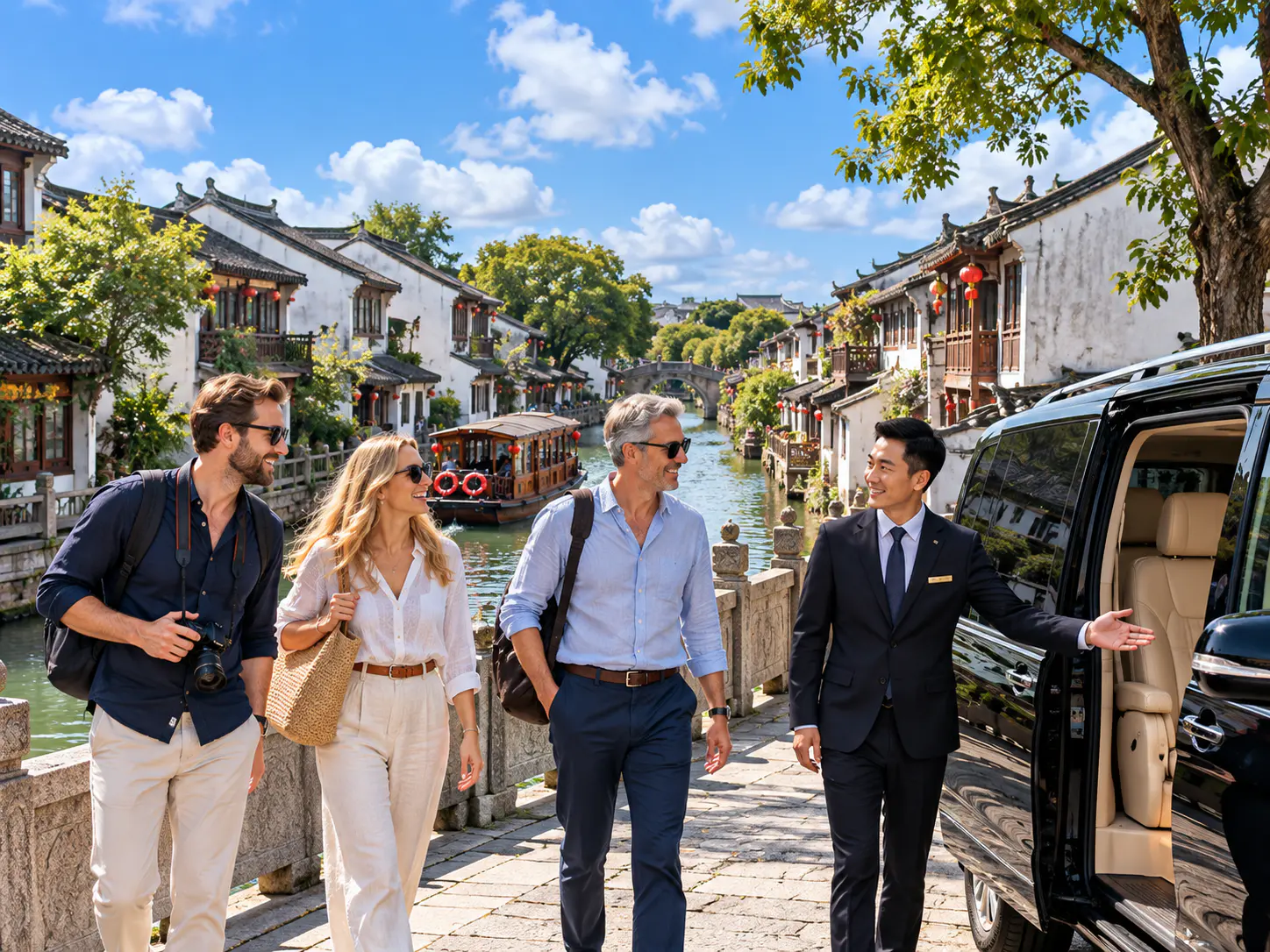
The modern city is large. The visit most people mean is smaller: a moated historic center, a handful of walkable clusters, and a few excursions that each take a real half day. Treat Suzhou as its own stop, with one base and one long transfer on any given day, and the gardens stop feeling like a checklist.
Where the old city sits
The useful mental map is the old city inside its moat, not the whole municipal boundary. Humble Administrator’s Garden, Suzhou Museum, and Lion Grove form a north-central walk. Pingjiang Road, the atmospheric canal lane, lies to the southeast of that cluster. The Master of the Nets Garden and Canglang Pavilion sit south. Lingering Garden, Tiger Hill with its leaning Yunyan Pagoda, and Hanshan Temple are west, and they do not belong to the same morning as the north gardens.
Taihu is a presence on the western horizon and in the rock used for the garden stones, but the old city is not a lakeside resort. The Grand Canal runs through the wider city and meets the western sights around Hanshan Temple. Inside the moat, the pleasure is smaller water: lanes, bridges, and garden ponds. Once that geography is clear, the day count gets easier. You walk inside a cluster. You ride between clusters only when the map says the distance is real.
Hotels follow the same logic. A base in or just outside the old city keeps the garden mornings on foot or on a short hop. A resort far to the west, or a tower in the industrial park to the east, can be pleasant in itself and still add a ride to every gate. Suzhou Railway Station serves the old city well. Suzhou North is farther north and suits some long-distance trains, not an assumption that you are already beside the gardens. Check the station name on the ticket before you treat the arrival as a short taxi ride.
How many days the city actually needs
One day from Shanghai can be lovely and still thin. You take an early train into Suzhou Station, spend the morning in one north-central garden, walk Pingjiang in the afternoon, and return the same evening. That sampler shows the two textures people come for, garden and canal, and it leaves out Lingering Garden, Tiger Hill, the south gardens, and every water town. If the day is all you have between other plans, take it. If you can protect a night in Suzhou, the second day is where the city stops feeling rushed.
Two days is the shape that fits gardens plus Pingjiang. The first day belongs to the north-central walk and an evening on the canal lane. The second day belongs to the south gardens, a slower lunch, and either Couple’s Garden toward the east or a single look at Shantang Street if you want the contrast. You do not add Tongli, and you do not add Tiger Hill, unless you are willing to cut a garden and call the trip something else.
Three days is the first length that absorbs a choice. Use the extra day for one water town, with Tongli the calmer half day or night, or use it for the west: Lingering Garden in the morning, then Tiger Hill, with Hanshan Temple only if the group still has attention. Doing both the water town and the west side means a fourth day or a faster trip than most people enjoy. The full routing lives in the itinerary. What matters here is the rule underneath it: one long transfer a day, and the rest of the day stays local.
A longer stay is reasonable when Suzhou is the point of the journey rather than a hinge between Shanghai and somewhere else. Extra time goes into a second, quieter look at a garden you liked, a night in Tongli, or a slower meal pattern. It does not go into a second water town on the same day you have already walked one.
Arriving from Shanghai
For most visitors the simple arrival is the high-speed train from Shanghai Hongqiao to Suzhou Station, about 25–35 minutes on the train itself. Hongqiao is both an airport and a major rail station, so the connection is straightforward when your flight lands there and less straightforward when you land at Pudong. From Pudong, the rail comparison usually means reaching Hongqiao first, or accepting a longer road transfer with luggage. Door to door, name the hours honestly: the train ride is the short part, and the airport, the station walk, and the last hop into the old city are the rest.
Suzhou Station is the useful station for the old city. Suzhou North sits farther north. Both appear on tickets, and the wrong one turns a calm arrival into a long cross-town ride before you have seen a garden. Services and platforms change, so read the ticket, and if someone else is booking, say “Suzhou Station, for the old city” in plain language. The wider rail choice, including when a car from Shanghai is the better door-to-door answer, is covered in Shanghai to Suzhou.
On the day you arrive, protect the evening rather than staging a second major sight after the train. If you reach the hotel by late morning, a north garden and a short Pingjiang walk still fit. If you reach the hotel in the late afternoon, walk the canal and leave the garden for the morning, when the light and the crowds are kinder. Arrival days fail when they try to include Humble Administrator’s Garden, Lingering Garden, and a water town because the train “was so short.” The train was short. The walking was not.
Leaving works the same way. A late-morning or early-afternoon train back to Shanghai is comfortable after a south-garden morning. A dawn checkout followed by Tiger Hill and a water town and a train is three trips wearing the clothes of one.
Continuing to Hangzhou
Suzhou to Hangzhou East is roughly 1.5–2 hours by high-speed train. That is an easy move and a poor same-day partner for a full garden list. Treat the train as the long transfer of that day. Morning in a single Suzhou cluster, then the train, then a lakeside walk and the hotel in Hangzhou, is a humane shape. A west-side Suzhou morning plus West Lake plus Lingyin on the arrival afternoon is how both cities turn grey in the memory.
Hangzhou wants its own nights. On a four- or five-day journey that includes both cities, two nights in Suzhou and two nights in Hangzhou, with the train sitting inside one of the days, is the version people still enjoy on the last evening. Three nights in Suzhou and a single daylight dash to Hangzhou usually means you have chosen Suzhou and only waved at the lake. The combined shape is one of the tour shapes we quote when someone wants both cities held as one trip. If Hangzhou is the real priority, give it the longer stay and let Suzhou be the two-day essence rather than a hurried add-on.
Station names matter again at the far end. Hangzhou East is the usual high-speed arrival, and it is not on the shore of West Lake. Budget a local hop after the train the same way you budget a hop from Suzhou Station into the old city. One long rail leg, then local movement, is the pattern that keeps the day intelligible.
How to choose
| Choice | Fit | Skip when |
|---|---|---|
| Suzhou Essence | 2 days | Gardens and Pingjiang, with a night in the old city. |
| Classical Suzhou | 3 days | Gardens, Pingjiang, and one water town. |
| Suzhou and Hangzhou | 4–5 days | Two nights in each city, with the train kept to one day. |
Walking clusters, and the rides between them
Inside a cluster, walking is the visit. The north-central morning is garden, museum, and perhaps Lion Grove, with teahouses and lanes between them. The south morning is the Master of the Nets and Canglang Pavilion, then a slower street if your feet agree. Pingjiang is a pedestrian canal walk; the point is the bridges and the doors, not a vehicle pace. A detailed garden-by-garden routing sits in the classical gardens guide, and the street comparison sits with Pingjiang and Shantang.
Suzhou’s metro is real and useful for the hop from Suzhou Station toward the old city, or from a hotel on a line to the edge of a walking area. It does not replace walking once you are inside a garden cluster, and it does not drop you at a moon gate. Garden paths are stone, often uneven, sometimes wet, and the famous rockeries include tight passages. Anyone who is unsteady on steps will enjoy the corridors and ponds more than the climb through Lion Grove’s stones, and that is a planning fact rather than a reason to skip the city.
Use a car when the destination is outside the walking city. Water towns are the clearest case: Tongli, Zhouzhuang, and Luzhi all sit beyond the old city wall, and the return is part of the day. The west side is the other clear case. Lingering Garden, Tiger Hill, and Hanshan Temple do not chain together on foot in any pleasant way. Luggage is the third case: the ride between a station and the old-city hotel, especially with bags, is when a prearranged car earns its place. For a single station pickup, or for one water-town day with the vehicle waiting, a Suzhou private driver is a different product from a multi-day garden trip. For the old-city days themselves, a car that waits outside a garden for six hours is mostly a parked car.
Taxis and ride-hailing cover the short gaps: hotel to a south gate in the rain, or the end of Pingjiang back to a west-side hotel at night. Book them at the curb of the pedestrian zone, not as a fantasy that the lane itself will open for vehicles. On weekend evenings the lane-end pickup takes longer. Build that into the dinner hour instead of scheduling a tight train immediately after a canal stroll.
What belongs on which day
A practical Suzhou day has three movements and then stops. Morning is a garden while the paths are quieter and the heat, in season, is still manageable. Midday is lunch and a pause; the ponds are prettier than they are comfortable at noon in July. Afternoon is either a second, smaller garden in the same part of town or the canal walk. Evening stays on foot. If a map app suggests a new district after dinner, decline.
Apply that to the choice you still have to make on a three-day trip. A water-town day wants a late-morning arrival in the town and a mid-afternoon departure, or a night there if the hotel is the point. It does not want Humble Administrator’s Garden beforehand. A west day wants Lingering Garden at opening, Tiger Hill late morning, and Hanshan only as a shorter stop. It does not want Pingjiang squeezed in “on the way,” because it is not on the way. The water towns are a separate decision from the old-city walks, and the calm version of the decision is one town.
Food fits the pauses rather than a separate itinerary. Suzhou cooking is Jiangnan cooking: slightly sweet, careful with freshwater fish, serious about noodles and small dishes, and proud of biluochun tea from the hills near Taihu. Eat a proper lunch away from the busiest garden gate, and let Pingjiang be snacks, tea, or a light dinner a lane or two off the main photography stretch. Hairy crab season draws people to the lakes in autumn; it is a seasonal meal, not a sight to stack on a garden morning. None of this requires a pilgrimage across town. The restaurant a short walk from the afternoon cluster is the right one.
Weather, crowds, and the days you should protect
The months that suit most visitors are late March through May, and mid-September through mid-November. Gardens are in leaf, walking is pleasant, and the canal evenings are the ones people describe later. Summer is hot and humid. The gardens still function, because covered corridors were built for sun and rain, but the midday hours are for lunch and rest. Winter is grey and quiet. Rocks, white walls, and halls remain legible when the plantings are dormant, and the city is easier to photograph. The seasonal detail, including rain and the holidays that overwhelm the paths, is in the best time guide.
Crowds follow the calendar and the weekend. National Day around 1 October, the Labor Day holiday at the start of May, and Qingming in early April fill the famous gardens and Zhouzhuang. A Tuesday in early November and a Saturday in the same week are different visits. If your dates are fixed on a holiday, go early, choose the smaller garden as the one you linger in, and expect Pingjiang to feel like a promenade. If your dates are movable, move them. No routing trick fully repairs a holiday afternoon at Humble Administrator’s Garden.
Opening arrangements change, including around holidays. Check the current opening arrangement for each garden and for Suzhou Museum before you lock a morning sequence. Hours shift, and a note you read last year is a weak guide to this week’s gate. Timed entry, when it is in use, gives the morning a shape. It also exposes a plan that hoped to improvise three major gates in a row.
What to leave out
Leave out the second water town. Tongli, Zhouzhuang, and Luzhi repeat the pleasure of canals and white walls at different volumes of crowd and fame. Two in one day produce fatigue and a sense that you have seen the same bridge twice. Leave out the west side on a north-garden morning. Lingering Garden is worth a calm visit, and it is a different part of the city. Leave out Shantang Street if you have not yet walked Pingjiang and your time is short. Shantang is the longer, more rebuilt tourist street to the northwest. It is a reasonable extra, and it is the wrong substitute for the old-city canal lane.
Leave out Taihu as a scenic add-on to a garden day unless the lake is a specific interest and you have the afternoon wholly free. The hills and the tea country are a western excursion with their own drive. Leave out a night performance, a silk-factory detour, and a moat boat if the garden and the canal walk are not yet secure. Those extras can be pleasant when the main day is already satisfied. They are how a sampler from Shanghai loses the one garden it came to see.
If you are traveling with older parents or with children who will not enjoy tight rockeries, leave out Lion Grove’s stones as a mandatory stop and keep the museum, the larger ponds, and Pingjiang. The city has enough open corridors to make a good day without the tightest passages. Say so when you plan, and the group will trust the rests you build in.
How a guided trip is shaped
Some visitors want the routing held by someone else: timed entries watched, the west day kept separate from the canal day, the train to Hangzhou put on the right morning. That is what the Suzhou trips on our Suzhou tours page are for. The two-day version stays with gardens and Pingjiang. The three-day version adds one water town. The longer version continues to Hangzhou and should be read beside the Hangzhou plans, not as a place to collect extra Suzhou gates on the moving day. The written comparison of those shapes is with the tour shapes.
A guide inside a garden does a different job from a driver outside it. The car solves Tongli, Tiger Hill, and luggage. The guide, when you want one, solves the sequence of courts and the temptation to hurry. Many confident walkers do the old city well with this page, the garden guide, and a patient morning. Families, holiday dates, and anyone stacking Suzhou with Hangzhou often prefer the days composed in advance. Either way, the standard is the same: a morning garden, an afternoon canal or a single excursion, and a night you did not spend in transit.
If you tell us the dates, the station you actually arrive at, and whether a water town matters to you, the trip becomes a short list of days rather than a map of everything Jiangsu has to offer. Suzhou is generous when the list stays short.
Ways to plan the days
These shapes match the Suzhou tours page. They are starting points, not fixed departures.
Suzhou Essence
Time fit: 2 days
Gardens and Pingjiang, with a night in the old city.
- Suzhou
- Suzhou Essence
Why choose it: Gardens and Pingjiang, with a night in the old city.
Classical Suzhou
Time fit: 3 days
Gardens, Pingjiang, and one water town.
- Suzhou
- Classical Suzhou
Why choose it: Gardens, Pingjiang, and one water town.
Suzhou and Hangzhou
Time fit: 4–5 days
Two nights in each city, with the train kept to one day.
- Suzhou
- Suzhou and Hangzhou
Why choose it: Two nights in each city, with the train kept to one day.
Want help shaping the Suzhou days?
Tell us your dates and whether Tongli or Hangzhou belongs in the same trip. We reply with a garden-and-canal plan, with a car only on the days that leave the old city.
Keep planning
How to pair Humble Administrator’s Garden, the museum, Lion Grove, and the south gardens without rushing the west side.
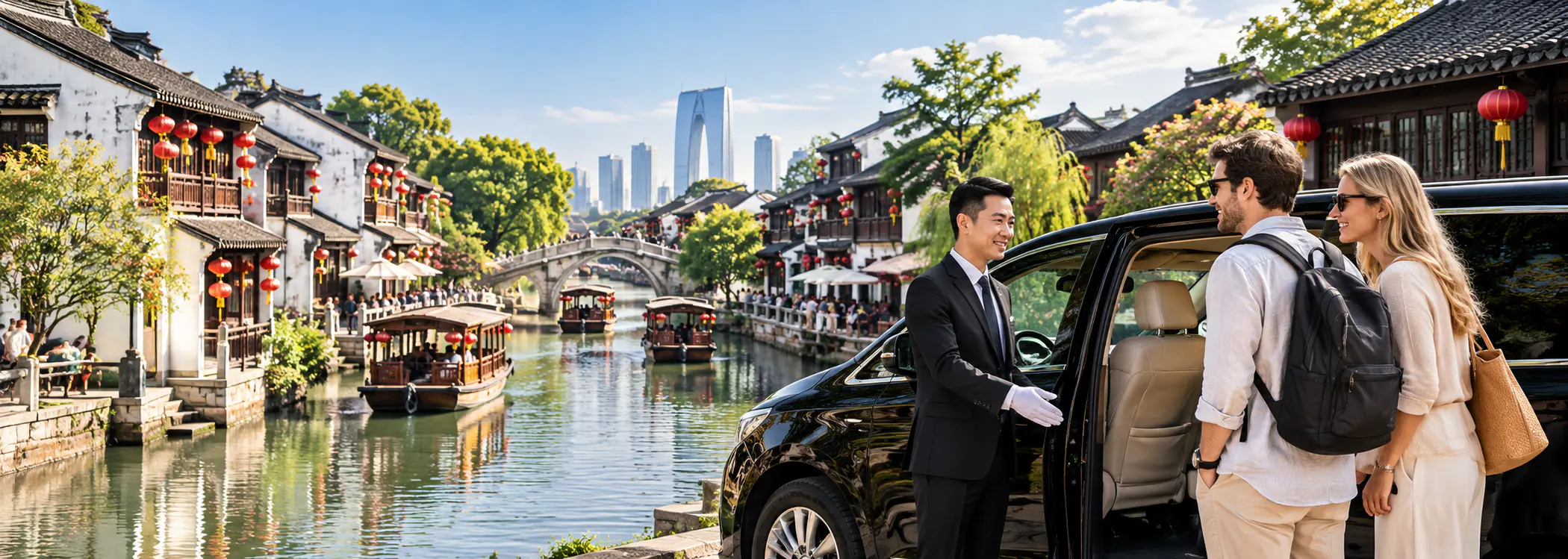
Walk Pingjiang for the canal lane, and treat Shantang as the longer, more rebuilt street — not the same hour.
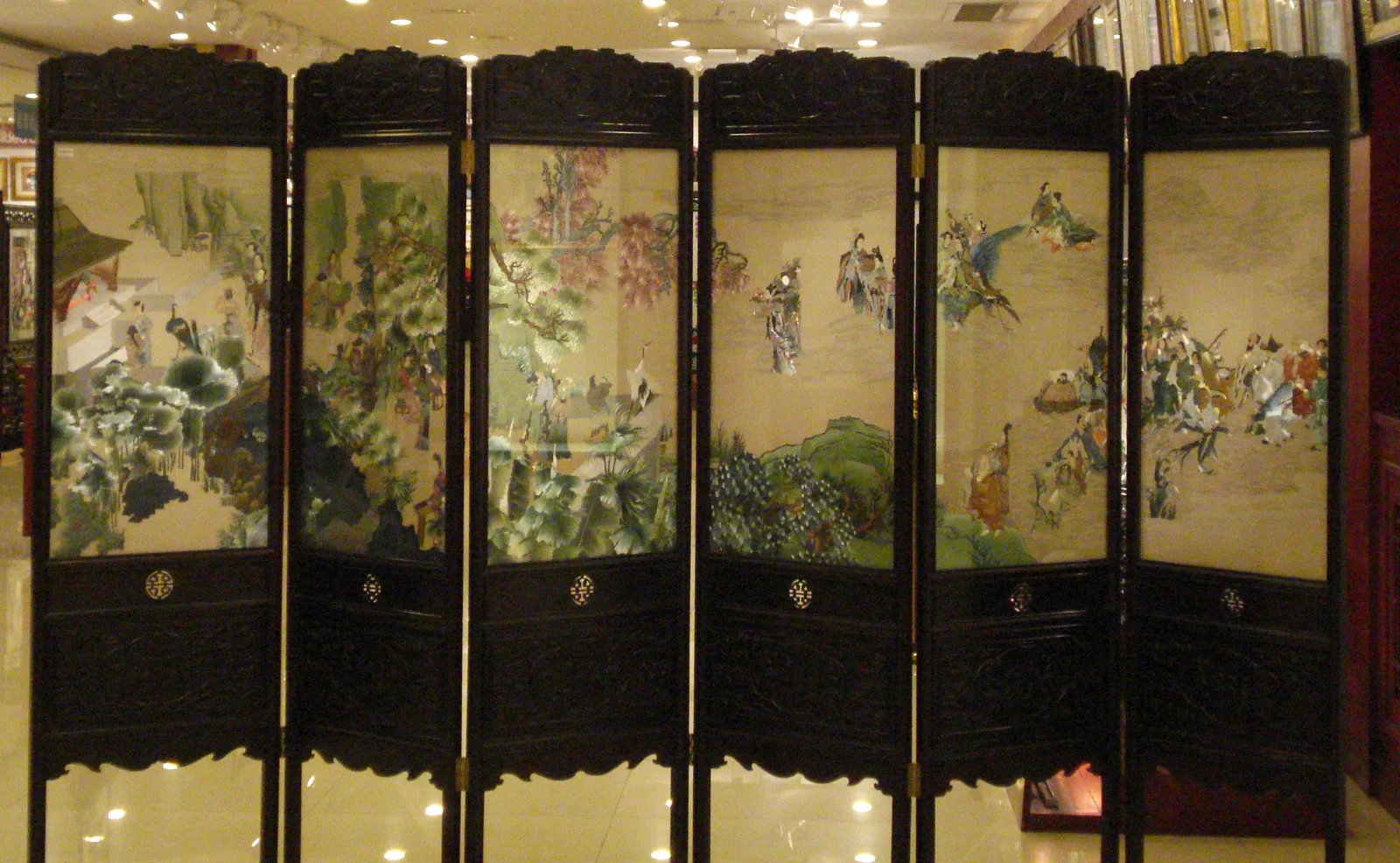
Late spring and autumn suit the gardens. Summer is humid, winter is quiet, and holiday weeks fill the famous gates.
A one-day sampler from Shanghai, a two-day garden stay, and a three-day plan that adds one water town or the west side.
Tongli, Zhouzhuang, and Luzhi are outside the old city. Choose one, and do not stack two canal towns in a day.
Compare a 2-day garden stay, a 3-day water-town add-on, and a 4–5 day Suzhou and Hangzhou trip.
Questions people ask
- A one-day trip from Shanghai is enough to see why people stay, and it is a sampler rather than a full visit. Take an early train from Hongqiao into Suzhou Station, spend the morning at Humble Administrator’s Garden, and add Suzhou Museum only when the entry time still leaves an afternoon. Eat, walk Pingjiang Road into the early evening, and take the train back. You will have seen a classical garden and the canal lane that defines the old city. You will not have seen the south gardens, Lingering Garden, Tiger Hill, Hanshan Temple, or any water town. If those are the point of the trip, keep a night in Suzhou. If the day is only a hinge between other plans, hold the list to this length and leave with a clear picture instead of a blur.
- Book Suzhou Station when the old city, the gardens, and Pingjiang Road are the reason for the trip. That station is the useful railhead for those walks, and the last hop to an old-city hotel is the ordinary kind of arrival. Suzhou North is farther north. It is a real high-speed station, and some services use it, but it is a poor default if you pictured yourself beside the moat. The ride from the north station into the historic center takes time you would rather spend in a garden, especially with luggage. Read the station name before you pay, and say it again to anyone meeting you. The same habit helps on the way to Hangzhou East, which is the usual high-speed stop and still needs a local hop to the lake.
- For a day built from Humble Administrator’s Garden, the museum, and Pingjiang Road, walking is the visit, with the metro or a short taxi only to reach the edge. Garden lanes and canal streets are pedestrian, and a car cannot follow you through them. A car becomes useful in three situations: luggage between a station and the hotel, a west-side day that links Lingering Garden with Tiger Hill and Hanshan Temple, and any water town, because Tongli, Zhouzhuang, and Luzhi all sit outside the old city wall. On those days the vehicle is there for the legs of the trip and the wait, then it drops you where the walking starts. Hiring one to idle outside a single central garden for the whole day adds little.
- You can ride between them, and you cannot do justice to both. Suzhou to Hangzhou East is roughly 1.5–2 hours by high-speed train, which is comfortable as the one long transfer of the day and too much if each city still has a full list attached. A humane version is a single morning cluster in Suzhou, the train, and an easy lakeside arrival in Hangzhou with the hotel and a short walk. Adding Tiger Hill before the train and Lingyin after it is how the day collapses. Give the two cities four or five days if both matter, with two nights on each side and the train kept inside one date. If you only have a day, choose one city and let the other wait.
- Stay in or just outside the old city if the gardens and Pingjiang Road are the plan. You will walk more, and the evening will belong to the neighborhood rather than to a ride back from a distant tower. Suzhou Station matches that base. A hotel far to the west can suit a Tiger Hill morning and still make every north-garden day longer. The industrial park and the lakeside resorts are different trips; they are pleasant when they are the point, and they tax a garden itinerary. For a single night in a water town, Tongli is the one that can hold an overnight without forcing you to abandon the old city for the whole trip. Confirm the walk to the nearest lane before you celebrate a “central” pin on the map.
- Add one thing. A third day is the first length that can hold either a water town or the western sights, and it is not long enough for both unless you enjoy a hurried trip. Choose Tongli if you want canals beyond the old city, a calmer crowd than Zhouzhuang, and time for Retreat & Reflection inside the town. Choose the west if Lingering Garden, Tiger Hill, and perhaps Hanshan Temple are the gap you felt on the first two days. Keep that day free of a second major project. The gardens and Pingjiang already have their own mornings and afternoons. The third day works when it has one long transfer and a clear return to dinner in the old city, or a quiet night in Tongli if you planned the hotel that way.
Plan a Suzhou visit
Share your dates, whether you arrive at Suzhou Station or Suzhou North, and if a water town matters. We reply with a practical Suzhou plan.