
| Term | Chinese | Meaning |
|---|---|---|
| Black tea (English) | 红茶 (hóngchá) | Fully oxidized tea; red liquor |
| Dark tea (English) | 黑茶 (hēichá) | Post-fermented category; Pu-erh etc. |
| Common confusion | "Black tea" used for Pu-erh abroad | Incorrect in Chinese classification |
What Chinese Black Tea Means
Black (hóngchá) tea undergoes full oxidation after withering and rolling, developing malty, fruity, honey, or smoky notes depending on cultivar and processing. China produces both domestic favorites and export classics that shaped English breakfast blends worldwide.
Why Chinese Calls It "Red Tea"
Chinese color naming describes the cup, not the dry leaf. Dry leaves often appear dark; liquor reads red-orange. When a menu or package says 红茶, expect oxidized hóngchá—not dark tea (黑茶).
How It Is Produced (High Level)
Typical steps: withering → rolling → oxidation (often called "fermentation" in older translations) → drying. Some styles add smoking (Lapsang Souchong) or fine shaping (Qimen twists). Processing details vary by factory and region.
See Types of Chinese Tea for category framework.
Qimen / Keemun
Qimen (祁门), from Anhui, is a benchmark Chinese black with winey, fruity, sometimes floral character—historically important in export blends. Whole-leaf Qimen suits lower-temperature-than-boil approaches in some gongfu sessions; broken grades steep faster in Western pots.
Dianhong
Dianhong (滇红) from Yunnan uses large-leaf cultivars, often golden tips, with malt and honey notes. Yunnan also produces Pu-erh (dark tea)—same province, different category. See Pu-erh & Dark Tea.
Zhengshan Xiaozhong / Lapsang Souchong
Zhengshan Xiaozhong (正山小种), from the Wuyi area of Fujian, includes styles smoked over pine—marketed abroad as Lapsang Souchong. Smokiness intensity varies by producer; not all Chinese black tea is smoked.
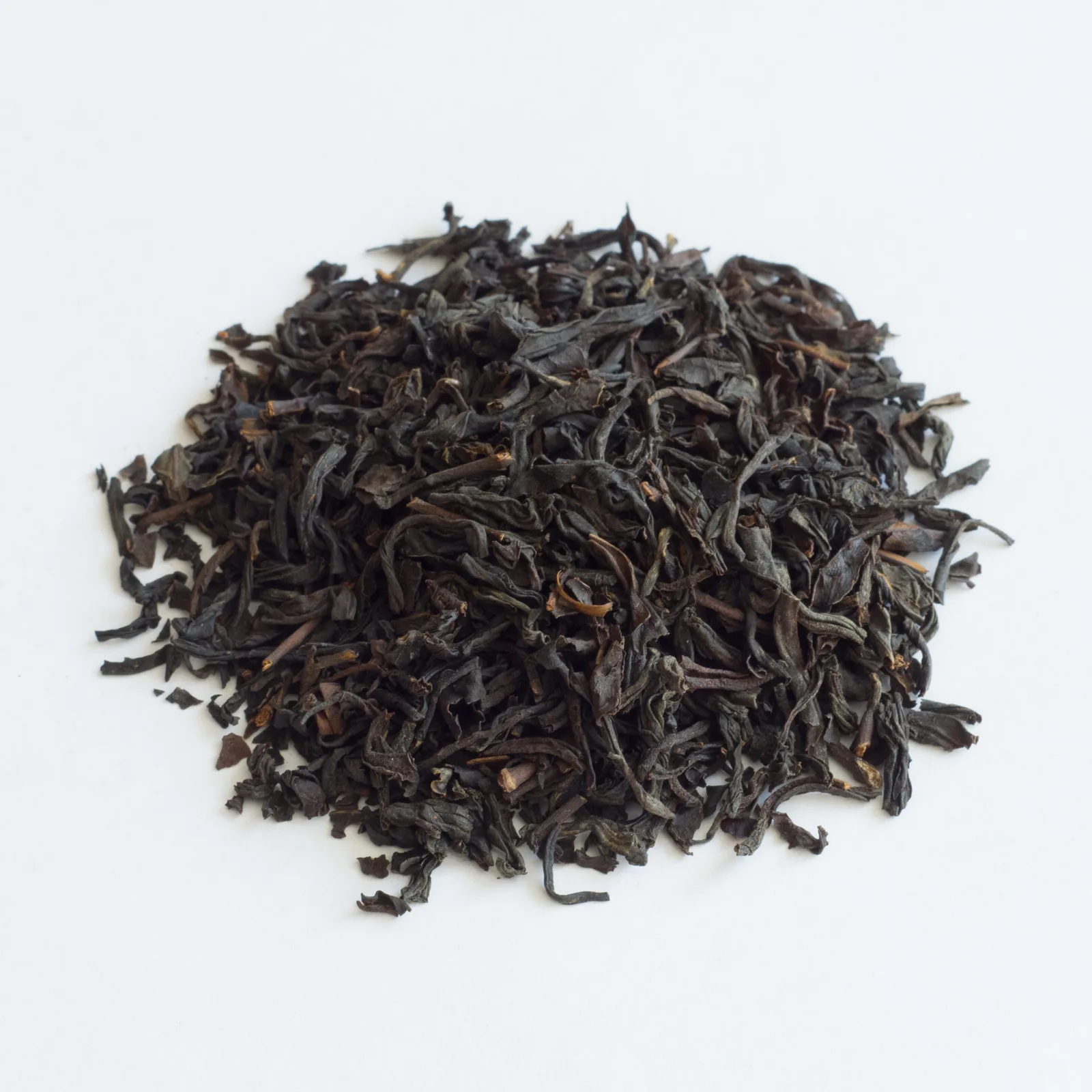
*Lapsang Souchong black tea, known in Chinese as Zhengshan Xiaozhong.*
Other Representative Styles
| Style | Region | Note |
|---|---|---|
| Jin Jun Mei | Wuyi | Fine bud black; premium market |
| Yingde Hongcha | Guangdong | Bright, brisk |
| Blended export grades | Various | Often used in Western tea bags |
How to Brew
- Western pot: 3 g per 200 ml; ~95°C; 2–4 minutes.
- Gongfu: higher leaf; quick steeps; notice sweetness vs astringency.
Do not use dark-tea rinse rituals unless you are actually brewing 黑茶. Full guide: How to Brew Chinese Tea.
Black vs Dark Tea
| Black (hóngchá) | Dark (hēichá) | |
|---|---|---|
| Processing | Full oxidation | Post-fermentation; aging common |
| Examples | Qimen, Dianhong | Pu-erh, Anhua |
| English label trap | "Black tea" | Sometimes mislabeled "black tea" abroad |
Traveler Tasting Notes
In Beijing you may meet Qimen and Dianhong in ceremonies, Lapsang in smoky blends, and generic "black tea" in English menus (confirm whether hóngchá or dark tea is meant). Maliandao market tasting helps compare side by side.
FAQ
Is Chinese black tea the same as English breakfast tea?
Many English breakfast blends historically used Chinese hóngchá components, but modern blends mix origins. Chinese single-origin Qimen or Dianhong tastes different from a supermarket breakfast bag.
What is the difference between hóngchá and hēichá?
Hóngchá is fully oxidized red liquor tea (English black tea). Hēichá is dark tea with post-fermentation—Pu-erh is the famous example.
Is Lapsang Souchong always smoky?
Traditional Zhengshan Xiaozhong can include pine smoke character; many producers offer unsmoked or lightly smoked versions—taste before assuming intensity.
Where is Keemun tea from?
Qimen (Keemun) comes from Qimen County, Anhui Province.
Can I brew Chinese black tea gongfu style?
Yes—whole-leaf blacks respond well to multiple short steeps in small pots or gaiwan.
Is Pu-erh a black tea?
No in Chinese classification—Pu-erh is dark tea (黑茶), not hóngchá. See Pu-erh guide.
Where to taste black tea in Beijing?
Private ceremony or Maliandao visit.
Continue with Chinese Tea
Experience Tea in Beijing
Sources & Review
- UNESCO — Traditional tea-processing techniques in China
- Chinese characters verified
- Author: Chuan Shi
- Last reviewed: August 2026