
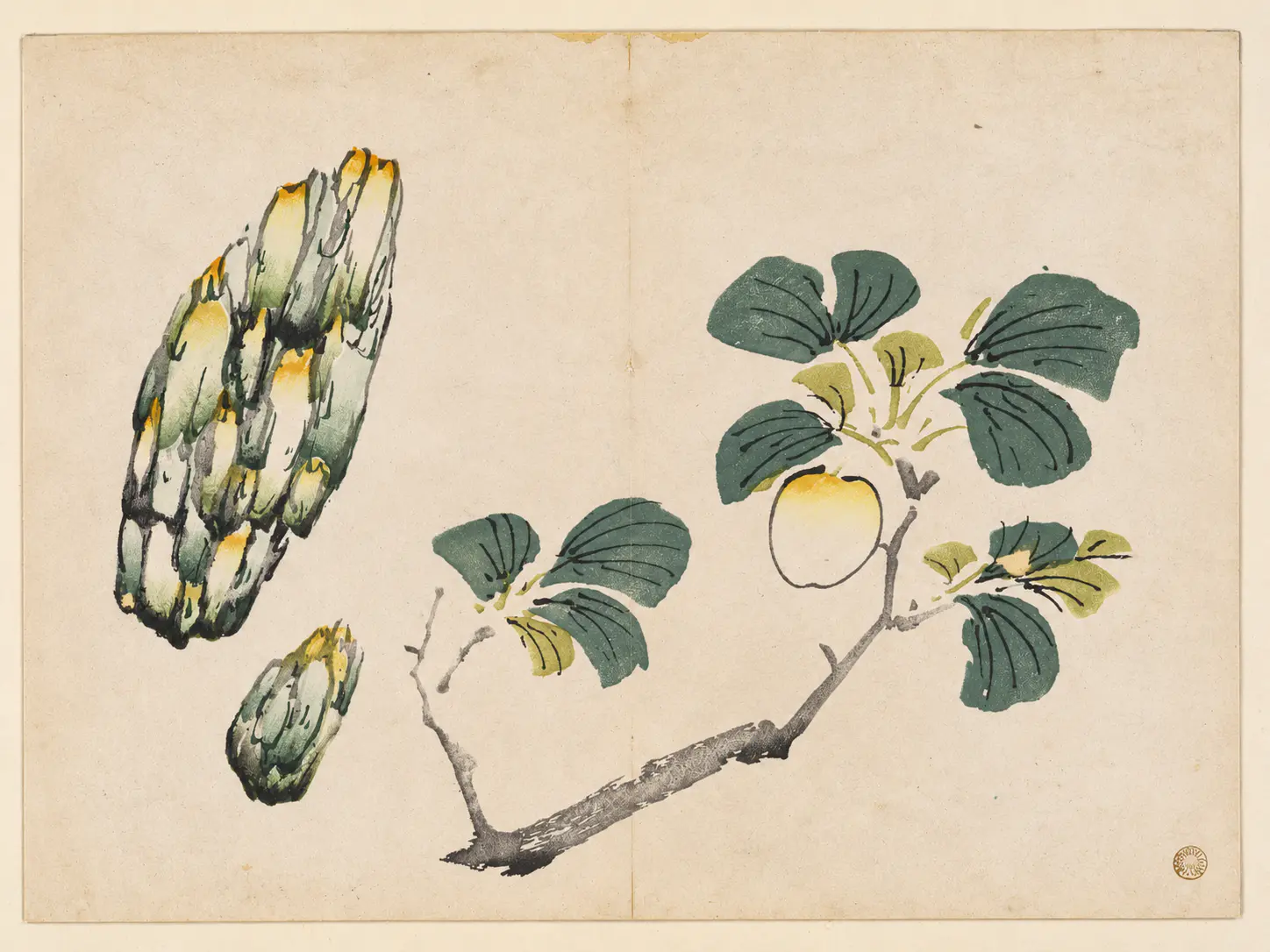
Chinese woodblock printmaking applies block-printing technology to pictorial images as well as text. Early printed images often had Buddhist purposes, while later book illustration and independent print culture developed increasingly sophisticated visual techniques. By the Ming period, printers could use multiple blocks and controlled color gradations, and later traditions included New Year pictures, popular imagery and modern woodcut movements.
Chinese Printmaking at a Glance
| Topic | Orientation |
|---|---|
| Early emphasis | Buddhist images |
| Book role | Illustration |
| Ming landmark | Ten Bamboo Studio color printing |
| Popular tradition | Nianhua / New Year pictures |
| Related art | Painting & calligraphy culture |
| Modern chapter | 20th-century woodcut |
Pictorial printmaking shares relief logic with book woodblocks but optimizes for line, tone, color registration and popular or pedagogical markets as well as scripture and classical text.
Printing Text vs Printing Images
The same relief logic can print characters or pictures. Workshops specialized; some editions combine both. Process basics: woodblock printing.
Raised surfaces take ink; cut-away areas stay blank; paper receives a mirror transfer. A text carver prioritizes character clarity and stable columns. A pictorial carver prioritizes contour, interior detail and, in color work, how shapes will meet across blocks. Combined editions—scripture with frontispiece, manual with diagram, novel with narrative scene—show that Chinese print culture often refused a hard split between “books” and “pictures.”
Early Buddhist Printed Images
Buddhist frontispieces and single-sheet images are among the earliest pictorial prints. The Diamond Sutra frontispiece is a famous early example.
Early Buddhist images supported teaching, devotion and the visual identity of a text. Single-sheet prints could circulate independently of long scrolls or bound books. The 868 Diamond Sutra frontispiece is important because it ties a famous dated woodblock book to pictorial print history. Buddhism was a major early driver of printed images; it was not the only later market for Chinese printmaking.
Book Illustration
Printed books carried diagrams, narrative scenes and decorative elements that traveled with text editions.
Illustration made technical manuals usable, stories memorable and prestigious editions visually organized. Diagrams in craft or architectural books, narrative scenes in literary works and decorative headpieces all belong here. Because illustrations were carved for relief printing, they share workshop DNA with text blocks even when the page looks more like a picture than a scripture column.
How Multicolor Woodblock Printing Works
Different carved blocks and carefully controlled printing passes allowed printers to build color images through registration. Claims about tonal effects should follow museum descriptions of specific manuals.
Each color generally needs its own carved surface prepared to meet neighboring colors without obvious gaps or overlaps where the design demands clean joins. Printers align sheets carefully across impressions. Some manuals show refined tonal control that museums describe in object-specific language. Multicolor woodblock printing is still handcraft relief work, not modern industrial CMYK commercial printing.
Ten Bamboo Studio Manual
Hu Zhengyan and collaborators in Nanjing produced the Ten Bamboo Studio Manual of Painting and Calligraphy; the first edition is dated 1633. The Met describes it among the earliest and finest examples of Chinese color printing, using multiple woodblocks with ink and color on paper. It sits at the intersection of print technique and painting/calligraphy pedagogy.
The manual teaches visual models while demonstrating what color woodblocks can do. That double role—teaching aid and technical landmark—explains why museum collections highlight it. Viewers should look for multi-block color, paper quality and the relationship between printed models and brush-and-ink study. It is a Ming achievement in pictorial printing, not a Tang Buddhist frontispiece and not a movable-type book.
Mustard Seed Garden Manual
Later painting manuals in the woodblock tradition (including the Mustard Seed Garden lineage) continued the teaching-print model. Edition dates belong on museum labels rather than collapsing all manuals into one year.
Teaching manuals form a family of projects across time. Edition histories can be complex: later printings, recuts and expanded sets appear in collections. Use the label in front of you for the leaf or volume on display. The broader point for travelers is continuity: woodblock manuals kept feeding painting study long after early Buddhist images and Song book expansion.
New Year Pictures / Nianhua
Nianhua (年画) are popular New Year pictures produced in regional print centers. They absorb festival and auspicious imagery without representing all Chinese printmaking. Festival context: Chinese New Year.
Nianhua workshops served seasonal demand with bright popular imagery, regional styles and motifs tied to household display. They are a major popular tradition, not a synonym for elite Ming manuals or for early Buddhist frontispieces. Regional centers differed in line style, color habits and favorite subjects. Treat nianhua as one branch of Chinese woodblock print culture with festival timing and popular markets.
Popular and Auspicious Images
Meanings depend on period, region, inscription and pairing of motifs. Avoid one-symbol-one-meaning internet charts.
Auspicious prints often combine figures, animals, plants and written wishes. The same motif can shift meaning across regions or centuries, and paired images can change what a single symbol suggests. Read inscriptions when present and prefer museum wall text over viral “secret meaning” lists. Process identification (woodblock, multicolor, later reprint) should stay separate from symbolic interpretation.
Religious Prints
Beyond early Buddhism, religious prints continued for devotion and distribution across later centuries.
Temples, lay associations and commercial printers could all produce religious images and texts for ritual use. Continuity of religious print does not mean Chinese printmaking stayed only religious. Song commercial books, Ming painting manuals and nianhua markets show how far pictorial and popular print culture extended beyond scripture alone. For early Buddhist landmarks, keep the Diamond Sutra page linked; for later breadth, stay with this printmaking overview.
Landscape and Literary Illustration
Printed landscapes and literary scenes dialogue with painting culture. See Chinese Painting for brush-and-ink painting contexts—prints are not paintings.
Printed landscapes can echo compositional habits from painting while remaining impressions from blocks. Literary illustration ties narrative moments to reproducible images that travel with editions. Comparing a printed scene with a painted hanging scroll is useful for shared visual vocabulary and misleading if you expect identical materials, uniqueness or brush pressure. Prints multiply; paintings are typically unique works.
Chinese Woodblock Prints vs Japanese Ukiyo-e
Both use woodblock relief, but histories, markets and aesthetics differ. This page is about Chinese traditions; ukiyo-e is a separate Japanese chapter.
Shared technology does not make shared art history. Chinese Buddhist sheets, Ming manuals and nianhua developed inside Chinese institutions and markets. Ukiyo-e developed inside Japanese urban and publishing worlds with different subjects, formats and celebrity-print economies. Comparative museum shows can be illuminating; collapsing both into one “Asian woodblock” brand erases those differences.
Modern Chinese Woodcut
Twentieth-century woodcut movements used relief printing for modern political, literary and artistic aims. Treat as a high-level later chapter, not a replacement for Ming color manuals.
Modern woodcut artists adapted relief printing to new audiences, magazines, posters and fine-art contexts. Themes, line styles and political uses often differ sharply from Ming pedagogical manuals or festival nianhua. Include modern woodcut as continuity of relief craft under new conditions, not as proof that earlier Chinese printmaking was only a prelude to the twentieth century.
Print vs Painting
Painting is typically unique brushwork on paper or silk; a woodblock print is an impression from carved blocks and can exist in multiple copies. Related arts still share visual vocabulary—see Chinese Painting.
Shared subjects—landscapes, flowers, figures—do not erase process differences. A print’s edition relationship, block wear and registration marks (when present) are print facts. A painting’s brush energy and unique surface are painting facts. Calligraphy culture also overlaps through manuals and inscribed prints; brush writing remains a separate art discussed on calligraphy guides.
Antique Chinese Prints
Date, impression quality, paper, edition, condition and provenance matter for attribution.
Collectors and museums weigh early versus late impressions, recut blocks, trimmed margins, repairs and ownership history. Enjoy museum labels without treating gift-shop sheets or unsigned market finds as authenticated early impressions. Museum print rooms can be worth including when printmaking is a particular interest; they are not valuation services.
How to Look at a Woodblock Print
- Read the label for date and workshop/manual.
- Check whether color used multiple blocks.
- Inspect line quality and wear.
- Note paper and margins.
- Separate subject symbolism from process identification.
These steps keep looking concrete. Labels beat guesswork. Multi-block color should show intentional alignment. Worn lines can indicate a long-used block or a late impression. Trimmed margins can hide information. Symbol chats are optional after you know whether you are seeing woodblock, painting, facsimile or modern reproduction.
Common Misconceptions
- A woodblock print is not a painting.
- Color printing can use multiple blocks.
- Chinese printmaking did not end when movable type appeared.
- Nianhua is one tradition, not all Chinese woodblock art.
- Old-looking paper does not prove an early impression.
Movable type changed some book production options; pictorial woodblocks and popular prints continued. Ming color manuals and later nianhua are enough to refute any “printmaking ended with type” story.
FAQ
What is Chinese woodblock printmaking?
Using carved blocks to print pictorial images (often with text traditions nearby). It shares relief technology with book woodblocks while emphasizing line, tone, color and popular or pedagogical image markets.
Are Chinese woodblock prints paintings?
No—though they may share subjects and aesthetics with painting. A print is an impression from blocks and can exist in multiple copies; a painting is typically a unique brushwork object.
How were color woodblock prints made?
Often with multiple blocks and careful registration; landmark Ming manuals show advanced practice. Each color generally needs its own carved surface aligned to the others across successive impressions.
What is the Ten Bamboo Studio Manual?
A 1633 Nanjing color-woodblock painting/calligraphy manual associated with Hu Zhengyan, highlighted by The Met for early fine color printing. It functions as both technical landmark and teaching model for brush arts.
What is nianhua?
Chinese New Year pictures—a popular woodblock print tradition. Regional workshops produced seasonal auspicious and festival images that are related to, but not identical with, elite painting manuals.
What are Chinese New Year prints?
Festival images circulated for New Year; see also the Chinese New Year guide. They are commonly woodblock-printed sheets intended for household seasonal display.
Did China have multicolor printing?
Yes—especially sophisticated by the Ming in manuals such as Ten Bamboo Studio. Multicolor woodblock printing long predates modern commercial color presses and should not be confused with them.
What is the difference between Chinese and Japanese woodblock prints?
Related relief technology, different historical art worlds; do not collapse them. Chinese Buddhist sheets, Ming manuals and nianhua are not the same tradition as Japanese ukiyo-e despite shared carving-and-impression basics.
How can a museum identify an old Chinese woodblock print?
Through paper, impression, style, documentation and conservation analysis—not phone-app guesses. Labels that distinguish early impressions, later recuts and facsimiles are more reliable than aesthetic hunches alone.
Sources & Review
- The Metropolitan Museum of Art — *The Printed Image in China*
- The Met — Ten Bamboo Studio Manual object records (first edition 1633)
- UNESCO — “China engraved block printing technique” (2009, Representative List)
- Chinese Printing hub
Last reviewed: September 2026